Mold and Condensate Failure Claims for HVAC Contractors: Drain Pan Overflow, Fungi Exclusions, Buy-Back Endorsements, and Limits
See How We're Different
or call us: 888-862-1202
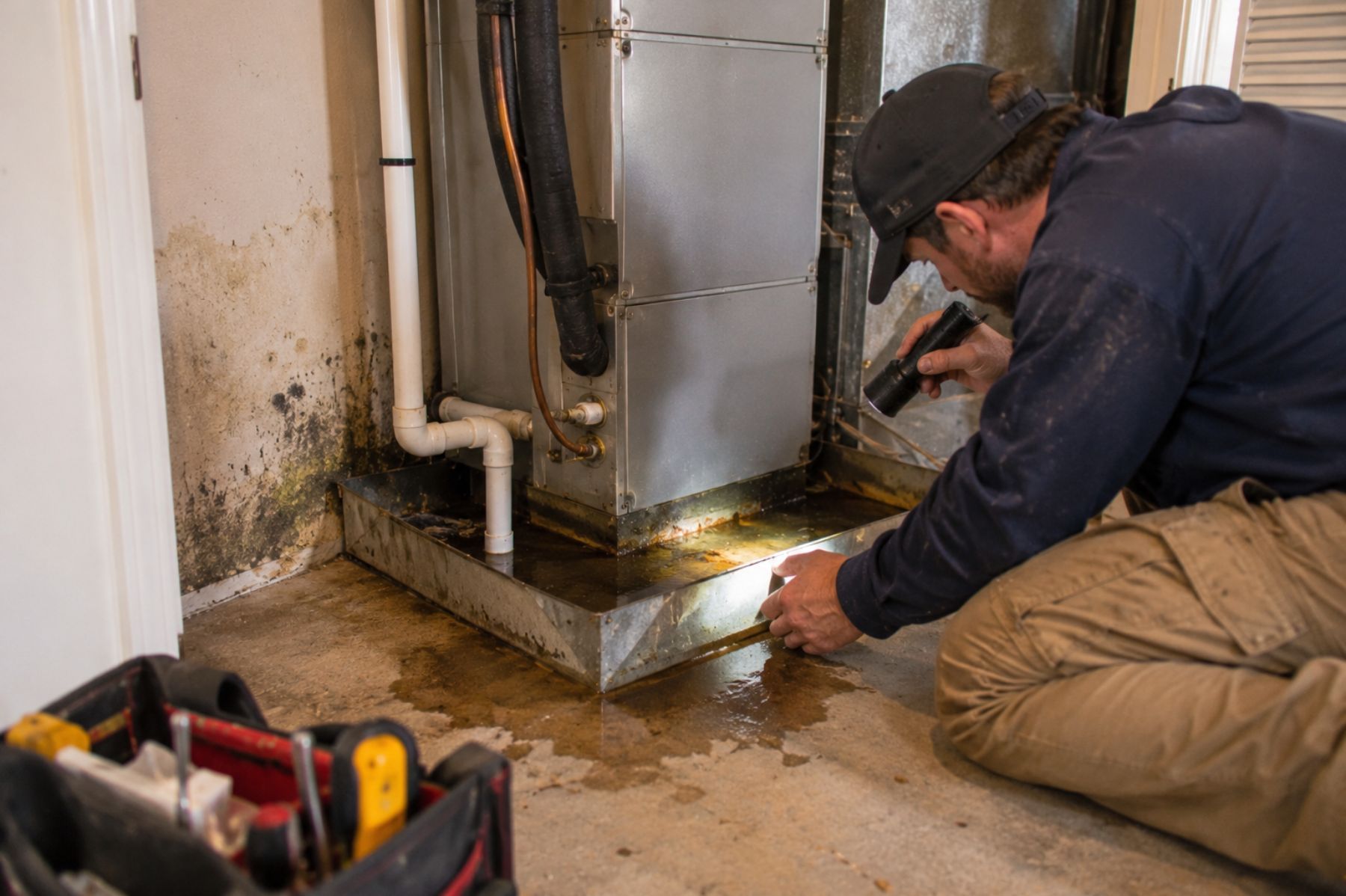
A tech replaces an air handler in an attic, and eight months later the secondary pan fills, the float switch never trips, and the bedroom ceiling below sags with black growth. The homeowner's carrier pays, then subrogates against you. Mold and
condensate failure claims for HVAC contractors are among the most expensive completed-work losses in the trade. They are also among the most misunderstood when the
policy wording finally gets read.
Understanding Drain Pan Overflows and the Fungi Exclusion
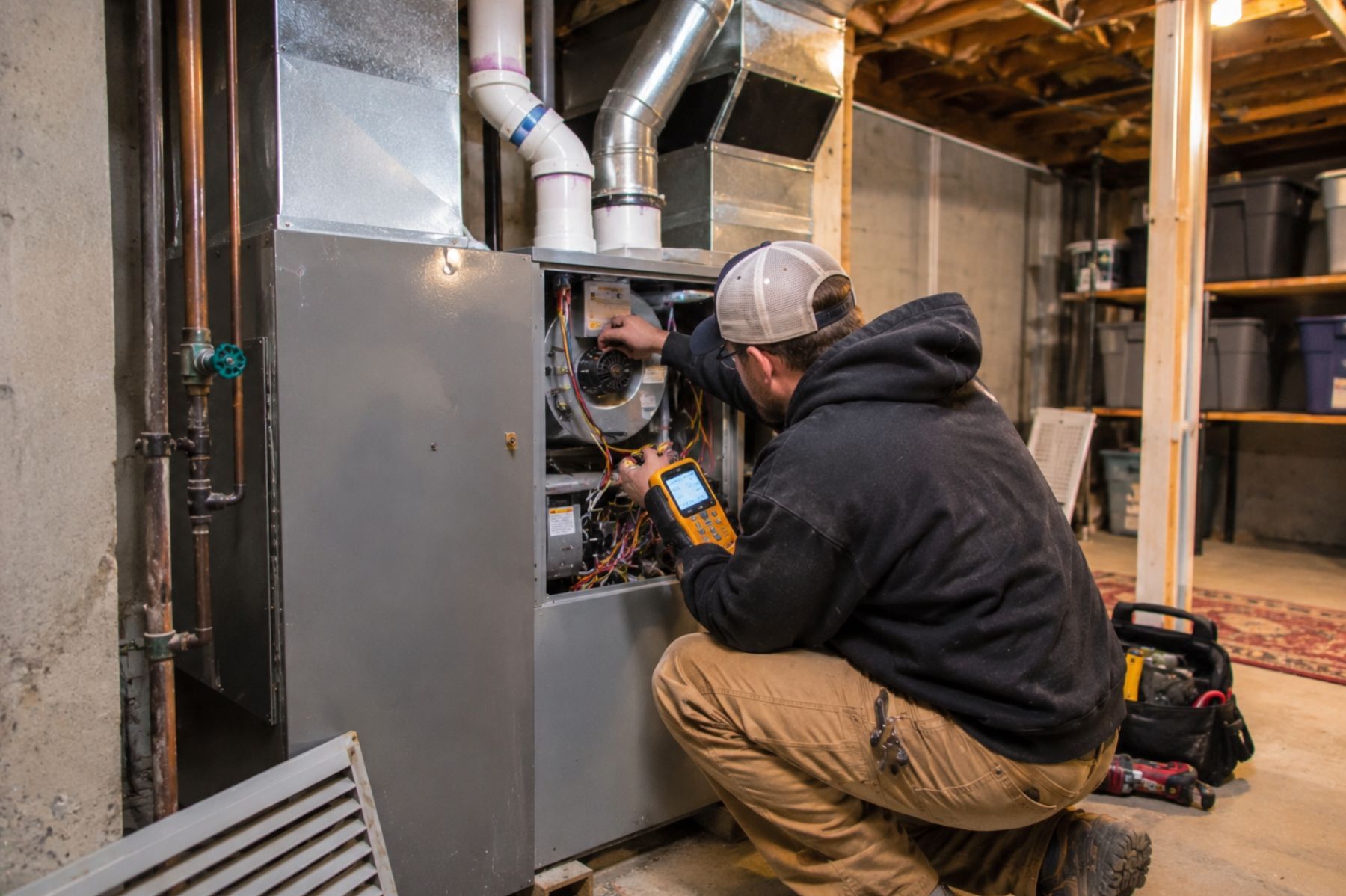
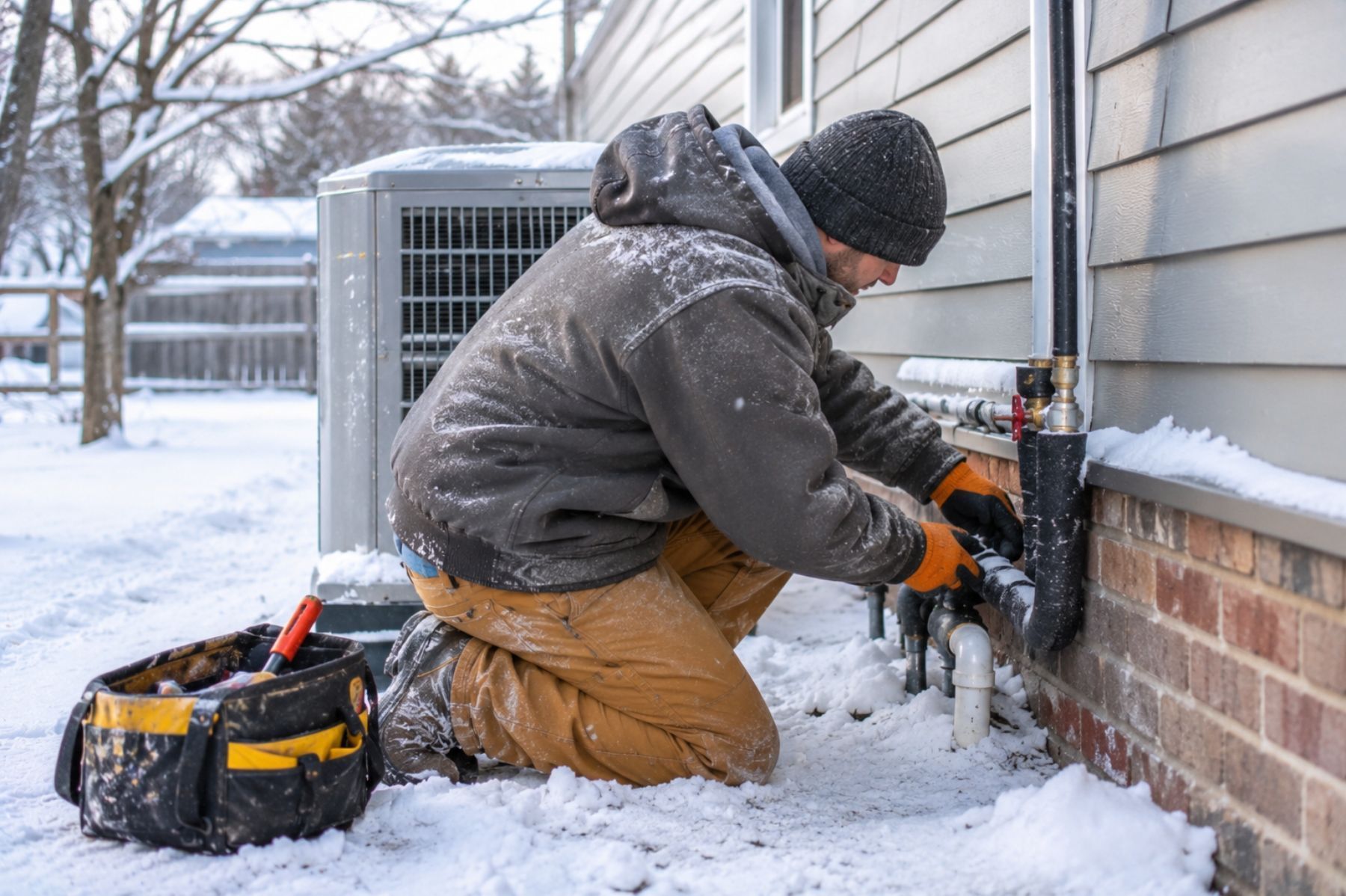
Condensate claims usually start with a clogged trap, a cracked primary pan, a missing float switch, or a line pitched the wrong way. Code sets the baseline here. The 2024 International Mechanical Code requires auxiliary protection where overflow would cause damage. That protection can be a secondary pan with a separate discharge or a UL 508-compliant water-level detection device. Skipping it hands plaintiffs an easy negligence argument.
The catch is the fungi or bacteria exclusion found on most contractor
General Liability forms. Your policy may pay for the soaked drywall but deny remediation, air testing, and bodily injury claims tied to mold. This matters because
water damage and mold make up 27.6% of property insurance losses. Many overflow claims are mold claims within weeks.
The Role of Mold Buy-Back Endorsements and Sub-Limits
A buy-back endorsement restores some of the coverage the fungi exclusion removes. It typically covers remediation, third-party property damage, and sometimes bodily injury. In nearly every case, that coverage comes with a sub-limit far below your per-occurrence limit.
Here's what that means for you:
- Sub-limit size: A $1M GL policy might cap mold at a small fraction of that.
- Aggregate erosion: One large claim can exhaust the mold limit for the policy year.
- Defense costs: Check whether legal fees reduce the sub-limit.
- Completed operations: Confirm the buy-back applies to finished jobs, not just ongoing work.
The trend line is rising.
D.R. Horton's legal reserves for mold claims rose 57% to $1.1 billion as of late 2025. Builders facing that exposure push it down to their subcontractors through indemnity clauses.
Comparing Standard General Liability vs. Mold Endorsement Coverage
Standard GL generally covers resulting third-party property damage from a condensate overflow. It excludes the cost to repair or replace the faulty line or pan itself. The table below shows where the gaps sit.
| Coverage Element | Standard GL | GL + Mold Buy-Back |
|---|---|---|
| Water-damaged ceiling/flooring | Usually covered | Covered |
| Mold remediation | Excluded | Covered to sub-limit |
| Mold bodily injury claims | Excluded | Often covered, check form |
| Repairing your faulty drain line | Excluded | Excluded |
| Completed operations mold | Excluded | Varies by endorsement |
One thing to keep in mind:
contractors pollution liability (CPL) forms sometimes offer higher mold limits than a GL buy-back. Compare both before renewal.
Common Questions About HVAC Mold and Water Damage Insurance
Does my general liability cover a drain pan overflow? Usually it covers the resulting property damage. It won't pay to fix your own defective work, and mold may be excluded.
What is a fungi exclusion? This policy clause removes coverage for damage or injury caused by mold, fungi, or bacteria. Most contractor GL forms include one.
How much mold coverage do I need? Base your limits on the jobs you handle. Multifamily and new-construction work justifies higher sub-limits or a dedicated CPL policy.
Can a homeowner sue me for mold illness? Yes, but courts are setting a higher bar. In a 2026 Texas ruling, plaintiffs needed expert testimony linking mold exposure to their health issues.
What evidence protects me in a claim?
Keep install photos of float switches and secondary pans, plus startup checklists and signed maintenance records. Dated documentation often decides causation disputes.
The Bottom Line: Protecting Your Business from Condensate Claims
With the U.S. HVAC market projected to exceed $290 billion, claim volume is not shrinking. Your next steps:
- Read your fungi exclusion before a loss forces you to.
- Add a buy-back or CPL policy with limits that match your largest jobs.
- Install code-required auxiliary protection on every attic and above-ceiling unit.
- Document every install with photos and checklists.
Treat mold coverage as a strategic asset. It protects your balance sheet, satisfies builder contracts, and makes your company more valuable if you ever sell. Ask your agent for a mold coverage review before your next renewal.