A spilled refrigerant incident or an unexpected equipment failure can disrupt operations and cripple profits overnight. An HVAC repair and maintenance company faces unique challenges that require tailored insurance solutions. Understanding the risks, the rising costs, and the available coverage options is critical for staying in business. A recent discussion on HVAC contractor insurance highlights how a single claim-like a $30,000 refrigerant spill-can lead to catastrophic results if uninsured.
Proper insurance coverage and proactive risk management strategies help companies respond to losses while maintaining customer trust. Delving into the specifics of HVAC risks, maintenance trends, and the interplay of claims and repair costs can empower businesses to make informed decisions. The insights provided throughout this article serve as a valuable resource, especially when rising repair costs and evolving claim patterns are taking center stage.
From coverage selection to mitigating risk, this guide provides a deep dive into how insurance works for HVAC repair and maintenance companies. Stay with the discussion as it unpacks essential areas such as claims trends, the benefits of regular system maintenance, industry-specific challenges, and tangible advice for selecting adequate coverage.
Understanding HVAC Risks and Claims
HVAC companies operate in an industry where the slightest error can lead to huge financial setbacks. Recent reports indicate that over 25,000 claims are filed annually in the HVAC industry, with each claim costing somewhere between $25,000 and $50,000. This sudden outflow has contributed to losses exceeding $1 billion, a statistic that underscores the severity of claims exposure (HVAC contractor insurance insights).
The unpredictable nature of these claims is further compounded by incidents that fall outside typical coverage. For example, a recent HVACi 2024 Annual Claims Report revealed that 39% of assessed HVAC and refrigeration equipment incidents were caused by factors not typically covered under standard policies (HVACi Claims Report). Such statistics emphasize the need for tailored insurance solutions that encompass the unique risks present in the environment.
While operational risks vary from equipment failure to environmental factors, a single incident can have far-reaching financial consequences. Industry professionals have shared that a $30,000 refrigerant spill, for instance, has forced some uninsured companies out of business. Insurance policies, when well-designed, can help mitigate these risks and provide a safety net during emergencies.
Key Claims Scenarios in HVAC
Accidents in HVAC settings range from refrigerant spills to sudden breakdowns of central air conditioning systems. One notable scenario involves the unexpected failure of central AC components. Repair costs for central air conditioning have increased by 24% year-over-year (Nasdaq study), meaning that even minor issues can escalate quickly in terms of repair expenses.
Another common claim involves the sudden onset of equipment failure without clear warning signs. In many cases, these failures could have been mitigated with proper maintenance practices, underscoring the interlinked roles of insurance and preventive care. Each failure incident reiterates how careful documentation and risk assessments are crucial for effective claims management.
Understanding these real-life claims scenarios helps HVAC professionals appreciate the importance of comprehensive insurance coverage. Whether it is coverage for property damage or business interruption, each policy needs to encompass a wide range of potential incidents.
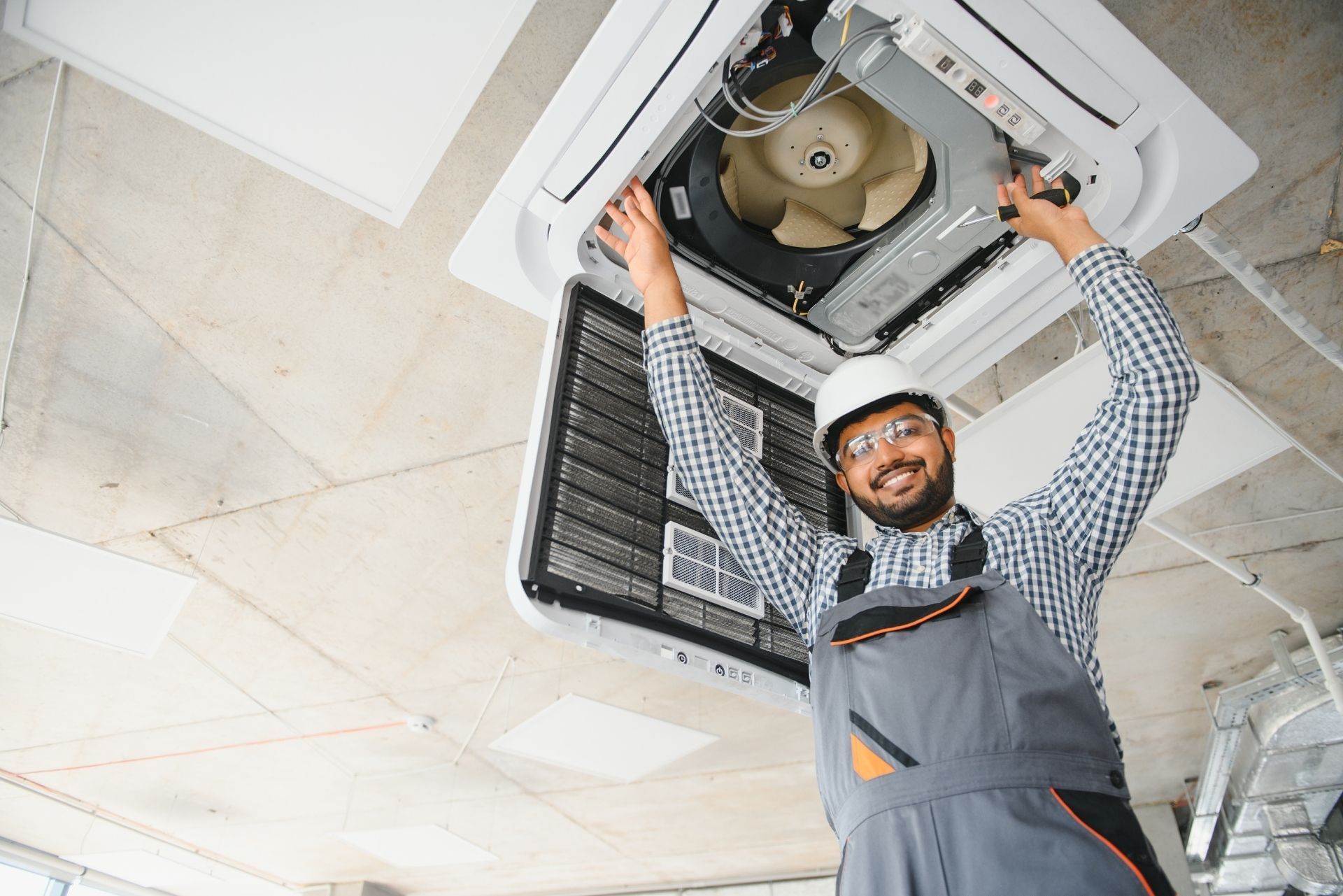
HVACInsure is fully licensed and permitted to sell contractor and commercial insurance in Texas.
We proudly serve clients throughout Texas and maintain partnerships with local Texas insurance carriers to ensure HVAC professionals receive compliant, affordable, and comprehensive coverage that meets project and regulatory requirements.
Impact of Regular HVAC Maintenance
Regular maintenance not only keeps customers comfortable but also helps companies avoid costly emergencies. Research shows that proactive HVAC maintenance has the potential to reduce energy costs by as much as 30% and can prevent up to 95% of sudden system failures (HVAC Maintenance Study). These benefits extend far beyond energy savings.
Maintenance practices play an essential role in thwarting the kind of damage that leads to expensive claims. Keeping track of routine servicing can detect potential issues before they evolve into emergencies, saving companies both time and money. A well-maintained HVAC system not only improves efficiency but reduces downtime and minimizes the risk of severe property damage.
Furthermore, regular check-ups offer a safety measure from an insurance perspective. By demonstrating adherence to maintenance schedules, companies can often secure more favorable premiums and reduce the likelihood of disputes during claims processing.
Benefits of Scheduled Maintenance
Adopting a routine maintenance program is a strategic move for HVAC companies. Scheduled services ensure that components like compressors, refrigerants, and electrical systems are inspected regularly, reducing unexpected breakdowns. The significance of these checks is highlighted by the fact that system failure risks drop dramatically with regular servicing.
This proactive approach not only lowers the severity of potential claims but can also extend the lifespan of critical equipment. Preventive maintenance efforts create a documented record of compliance and due diligence, which is highly advantageous during any insurance claim scenario.
The investment in regular maintenance is relatively small compared to the high stakes of an unexpected outage or equipment replacement. This shift in strategy-from reactive to proactive management-stands as a compelling argument for integrating scheduled maintenance into everyday operations.
Industry Challenges: Technician Shortage and Rising Repair Costs
The HVAC industry is currently facing a critical problem-a severe shortage of skilled technicians. Projections suggest a gap that could reach 225,000 technicians by the year 2025 (HVAC Technician Shortage). This shortage not only affects the speed of response to repair requests but also drives up overall repair costs.
In addition, the cost of repairs for central air conditioning and heating systems has surged. Heating system repair costs have increased by 31%, while central air conditioning repair expenses have climbed by 24%, putting additional pressure on the operating budgets of HVAC companies (Nasdaq repair cost study). These rising costs make it even more essential that companies have the insurance coverage capable of handling high-expense claims.
Rising repair costs coupled with the technician shortage leads to longer downtime and can impact customer relationships. For a business that thrives on timely repairs and reliable performance, these industry challenges necessitate not only operational adjustments but also an insurance strategy that supports rapid recovery and risk management.
Current Market Dynamics and Their Impact
The dynamics of the HVAC repair market are shifting. With fewer technicians available, expedited training programs and attractive benefits are essential to attract new talent. This shortage is impacting service delivery, and when combined with rising repair costs, it creates a complex financial environment for HVAC companies.
Insurance companies are also taking note of these trends. Policymakers are beginning to adjust claims models in recognition of the increased likelihood and severity of claims. This evolving landscape means that HVAC companies need to carefully evaluate their risk exposure and insurance needs as part of their long-term business strategy.
The interplay between industry dynamics and insurance requirements necessitates that companies adopt a comprehensive approach to cover both predictable issues like equipment failure and more unpredictable challenges such as labor shortages.
The Role of Insurance in HVAC Repair & Maintenance Companies
Insurance is a critical component of a robust risk management portfolio for HVAC companies. When a company is hit with a significant claim, such as an unexpected refrigerant spill, adequate insurance support can make the difference between surviving an incident and facing bankruptcy (HVAC Claim Nightmare Example). Without proper coverage, even minor operational setbacks can escalate into business-ending crises.
For both established and emerging HVAC companies, the cost of claims has reached a point where over $1 billion in losses are recorded annually. This statistic alone drives home the importance of having solid insurance that addresses property damage, equipment breakdowns, and liability. In many cases, the cost of a single claim can destabilize finances if the claim exceeds policy limits.
Insurance coverage introduces an additional layer of comfort for both business owners and their clients. It provides a safety net that stabilizes cash flow and supports investment in growth. Given this backdrop, choosing the right insurance product is not just about complying with industry standards but about ensuring continuity and reliability in operations.
Choosing the Right Type of Coverage
When selecting an insurance policy for an HVAC company, the focus should be on comprehensive coverage that addresses both common and uncommon risks. Coverage should ideally alleviate the financial impact of high-cost claims while also covering operational interruptions.
Several insurance products are available, but not all equally address the needs of the HVAC industry. Key areas to consider include property damage, business interruption, employee liability, and specialized equipment coverage that includes third-party damage or environmental hazards. These areas have a direct bearing on how quickly a company can bounce back from an incident.
It is important that insurance policies address issues that standard policies may miss. For example, specific incidents like a refrigerant spill might require endorsements or add-ons that are not part of a basic coverage plan. This attention to detail ensures that HVAC businesses can recover quickly after unforeseen events, avoiding prolonged disruptions to service.
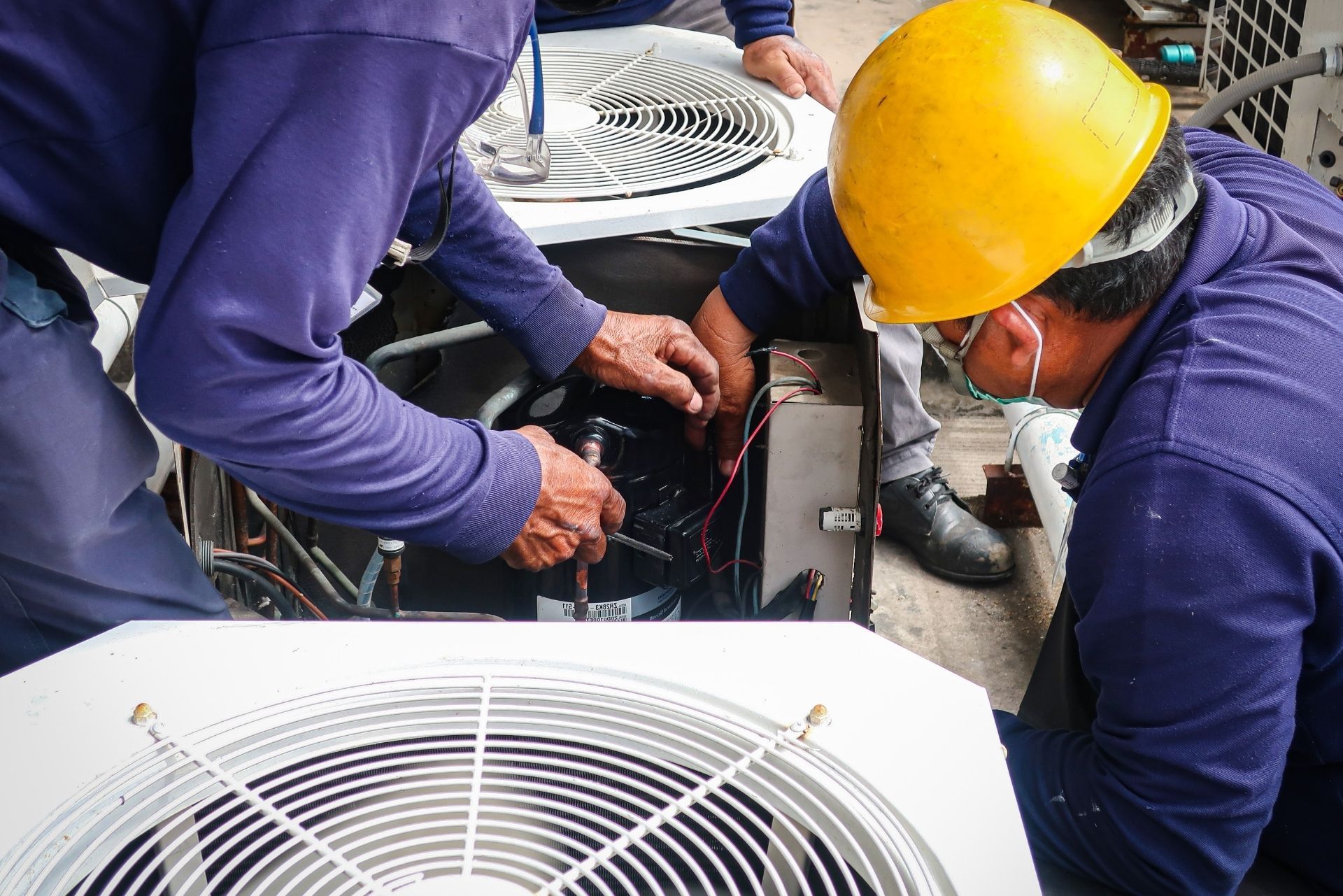
When evaluating coverage options, an HVAC company must consider the unique risks identified in the industry. The varying nature of these risks means that a one-size-fits-all approach rarely works. Instead, policies should include customized endorsements that cater specifically to the HVAC sector.
Coverage options generally fall into several broad categories: general liability, property insurance, workers compensation, and specialized environmental and equipment coverage. Each of these categories plays a critical role in ensuring that HVAC companies can manage both small and large claims effectively.
Additionally, companies must focus on policy limits relative to potential claim amounts. With individual claims costing anywhere from $25,000 to $50,000, selecting coverage with limits that adequately reflect this exposure is crucial. Failure to match policy limits with actual risk exposure could lead to significant out-of-pocket expenses if claims exceed coverage caps.
Comparative Analysis of Coverage Options
To better understand the differences between standard and extended coverage, the following table highlights key distinctions. This side-by-side comparison provides a clear overview of what HVAC companies should consider while evaluating policies:
| Coverage Type | Standard Coverage | Extended Coverage |
|---|---|---|
| General Liability | Covers basic property and bodily injuries | Includes additional incidents like environmental contamination |
| Property Insurance | Covers damage to physical assets | Covers business interruption and revenue loss |
| Equipment Breakdown | Limited to mechanical and electrical failures | Extended to include refrigerant spills and environmental hazards |
| Workers Compensation | Statutory benefits for employee injuries | Includes additional rehabilitation benefits and legal defense |
This table is designed to outline what HVAC companies face and the importance of selecting a policy that fits their operational model. Extended coverage may carry a higher premium but offers peace of mind by covering gaps that standard policies might miss.
Many insurance advisors suggest that businesses invest in policies that are flexible enough to evolve along with shifts in industry risk. In an industry where repair costs and claims frequency can change rapidly, periodic policy reviews and adjustments are essential to staying adequately covered.
Managing Cost and Claims in a Competitive Environment
The financial landscape for HVAC companies is changing. With repair costs for heating systems rising by 31% and central air conditioning costs by 24% year-over-year (Nasdaq analysis), controlling claim expenditures is paramount for maintaining profitability. Management strategies must therefore balance upfront insurance costs with long-term claim stability, ensuring that policies are not only extensive but also cost-effective.
Efficient claims management techniques, such as thorough documentation and timely reporting, significantly reduce the risk of coverage disputes. This proactive approach creates a well-documented history of risk control. Such records can serve as negotiating tools during policy renewals or when seeking more competitive rate plans.
Collaboration with insurance brokers who specialize in HVAC risks is crucial. These experts can help tailor policies based on specific business activities, creating an insurance program that aligns with seasonal demand and operational scaling. Additionally, partnering with reputable brokers provides access to market insights and claims trends that may shape future insurance decisions.
Strategies for Reducing Insurance Premiums
Several strategies can help lower the overall cost of insurance premiums. Effective risk management practices, such as comprehensive routine maintenance, reduce the frequency and severity of claims. Investing in technician training and investing in quality equipment can also be a proactive measure that shows insurers a commitment to safety and reliability.
Maintaining detailed maintenance records builds credibility and can lead to discounts on premiums. Some insurers require in-depth documentation before offering lower rates or tailored coverage options. This incentivizes HVAC companies to continually invest in safer practices.
Additionally, comparing insurance offerings from multiple providers often reveals cost differences even for similar levels of coverage. It is advisable to review policy terms annually to ensure that a company continues to receive the most competitive offer in light of any changes in claims history or market conditions.
Evaluating the Financial Impact of Lost Revenue
When unexpected incidents occur, the immediate concern for HVAC companies is often related to repair costs alone. However, an overlooked factor in risk management is lost revenue due to operational downtime. Even a short interruption in service can result in significant revenue loss, affecting both short-term cash flow and long-term customer relationships.
Insurance products designed for business interruption are tailored to cover lost revenue and other indirect expenses that occur during downtime. This coverage ensures that even if physical assets remain intact, the financial impact of service disruption is mitigated.
Considering the high costs associated with claims and the rapid increase in repair expenses, the inclusion of business interruption insurance in a comprehensive risk management plan is often a wise investment. With proper coverage, businesses can recover more quickly and proceed with repairs without the added burden of immediate revenue loss.
Calculating the Cost-Benefit Ratio
Determining the appropriate level of insurance involves calculating potential losses from claims versus the cost of premiums. Analyzing past incidents, coupled with a careful review of maintenance records and upcoming capital expenditures, can provide valuable insights into which risks carry the highest financial burden. Such an analysis should guide decision-making processes regarding coverage limits and potential endorsements.
Many HVAC companies have found that a well-structured insurance program not only protects against catastrophic losses but also contributes positively to the overall financial stability of the company. Investments made in risk mitigation and proper coverage often offset the cost of insurance premiums over time.
This careful balancing act-matching the cost of premiums against the financial risks of claims-is a fundamental part of sustainable business management in the HVAC industry.
Bridging the Gap Between Daily Operations and Insurance Requirements
Integrating daily operations with insurance requirements means ensuring that every repair, maintenance check, and installation aligns with the risk mitigation benchmarks stipulated by insurers. A robust operational strategy that focuses on effective training, regular equipment inspections, and adherence to safety standards facilitates smoother claims processes and lower insurance costs.
Many insurance policies now provide incentives for companies that demonstrate rigorous internal risk management practices. This may include discounts on premiums or more favorable policy terms. Emphasizing a culture of safety within the organization is not only beneficial for employee welfare but also creates a strong foundation for financial resilience during claims events.
HVAC companies must therefore bridge the gap between day-to-day operational realities and the regulatory requirements of their insurance policies. Such alignment ensures that when claims occur, there is minimal friction in achieving a fair and prompt settlement.
Integrating Safety Culture in Operations
A safety culture in HVAC operations involves regular training sessions, updated certifications, and hands-on drills. Maintaining a sense of urgency toward safety can have a significant positive impact on risk mitigation. For instance, preventive measures taken daily reduce the likelihood of incidents that might otherwise lead to high-cost claims.
Safety protocols combined with thorough maintenance procedures are central to both business continuity and keeping insurance providers satisfied. This integration ensures that in the event of a claim, the historical data gathered from daily operations supports a prompt and equitable resolution.
Such proactive measures not only create a safer work environment but also serve as strong evidence during insurance reviews, contributing to better coverage terms and improved renewal rates.
Frequently Asked Questions
This section addresses common queries about HVAC repair and maintenance company insurance. The following questions reflect real concerns from industry professionals and provide succinct answers to help clarify complex issues.
Q: Why is specialized insurance necessary for HVAC companies?
A: Specialized insurance addresses unique risks such as refrigerant spills, equipment breakdowns, and business interruption that are typically not covered under standard policies. This protection ensures financial stability in the event of costly claims.
Q: How does regular maintenance influence insurance premiums?
A: Regular maintenance reduces the frequency and severity of claims by preventing system failures. Maintaining detailed service records can help negotiate lower premiums with insurers and demonstrates a commitment to risk management.
Q: What types of coverage should an HVAC company prioritize?
A: Companies should prioritize general liability, property insurance, equipment breakdown coverage, workers compensation, and business interruption insurance. These policies collectively cover most operational and unexpected risks.
Q: How can an HVAC company manage rising repair costs?
A: Implementing a rigorous maintenance schedule, training technicians on best practices, and choosing policies that specifically address high repair costs are key strategies. Additionally, regular reviews of policy terms ensure adequate coverage as repair costs evolve.
Q: Is it necessary to review insurance policies annually?
A: Yes. Given the dynamic nature of the HVAC industry and evolving risks, annual reviews help ensure that coverage limits and policy structures remain aligned with current operational risks and cost exposures.
Q: What role does business interruption insurance play?
A: Business interruption insurance covers lost revenue and additional expenses incurred during a downtime period. This crucial coverage helps companies maintain financial stability and resume operations swiftly after an incident.
Wrapping Things Up: Mitigating Risks and Securing the Future
The complexities of running an HVAC repair and maintenance business extend beyond daily operational hiccups. The financial impact of unexpected claims-from $25,000 to $50,000 per incident (Claim statistics)-demands a nuanced approach to insurance. Integrating the right coverage into an overall risk management plan not only cuts losses but also keeps the business resilient during turbulent periods.
With evidence pointing to significant annual losses exceeding $1 billion, insurers are now more attentive to the specific dynamics of the HVAC industry. Companies that proactively adhere to preventive maintenance schedules, adapt to rising repair costs, and invest in comprehensive coverage are better positioned to weather any storm.
As challenges like the projected technician shortage continue to reshape the industry landscape (Industry technician shortage), insurance cannot be seen simply as a legal formality. Instead, it becomes an integral part of strategic planning and operational resilience. Careful evaluation of policy terms, regular updates, and real-time risk management practices are essential to safeguard revenue, reputation, and long-term viability.
Final Thoughts
Ultimately, HVAC repair and maintenance company insurance is not just about protecting property or reducing the risk of high-cost claims. It is about embedding a secure, forward-thinking mindset into the company's DNA. With a focus on proactive measures, comprehensive policies, and continuous improvements, HVAC companies can navigate uncertainties while seizing market opportunities with greater confidence.
Understanding the intimate details of what each policy covers, and how claims impact overall finances, builds the foundation for smarter decision-making. This guide has explored industry-specific risks, maintenance benefits, claims data, and the strategic role of insurance in ensuring business continuity.
The path forward is clear. By aligning everyday operations with tailored insurance coverage, HVAC companies are better equipped to handle unexpected setbacks while keeping the systems-and the revenue-up and running.

About The Author: James Jenkins
I’m James Jenkins, Founder and CEO of HVACInsure. I work with HVAC contractors and related trades to simplify insurance and make coverage easier to understand. Every day, I help business owners secure reliable protection, issue certificates quickly, and stay compliant so their teams can keep working safely and confidently.
Recognized by National HVAC Trade Associations
These trusted organizations set best practices and standards that carriers rely on when underwriting HVAC risks.
Membership signifies adherence to HVAC industry standards and contractor best practices.
Coverage for Crews, Vehicles, and Tools
Insurance for HVAC Contractors
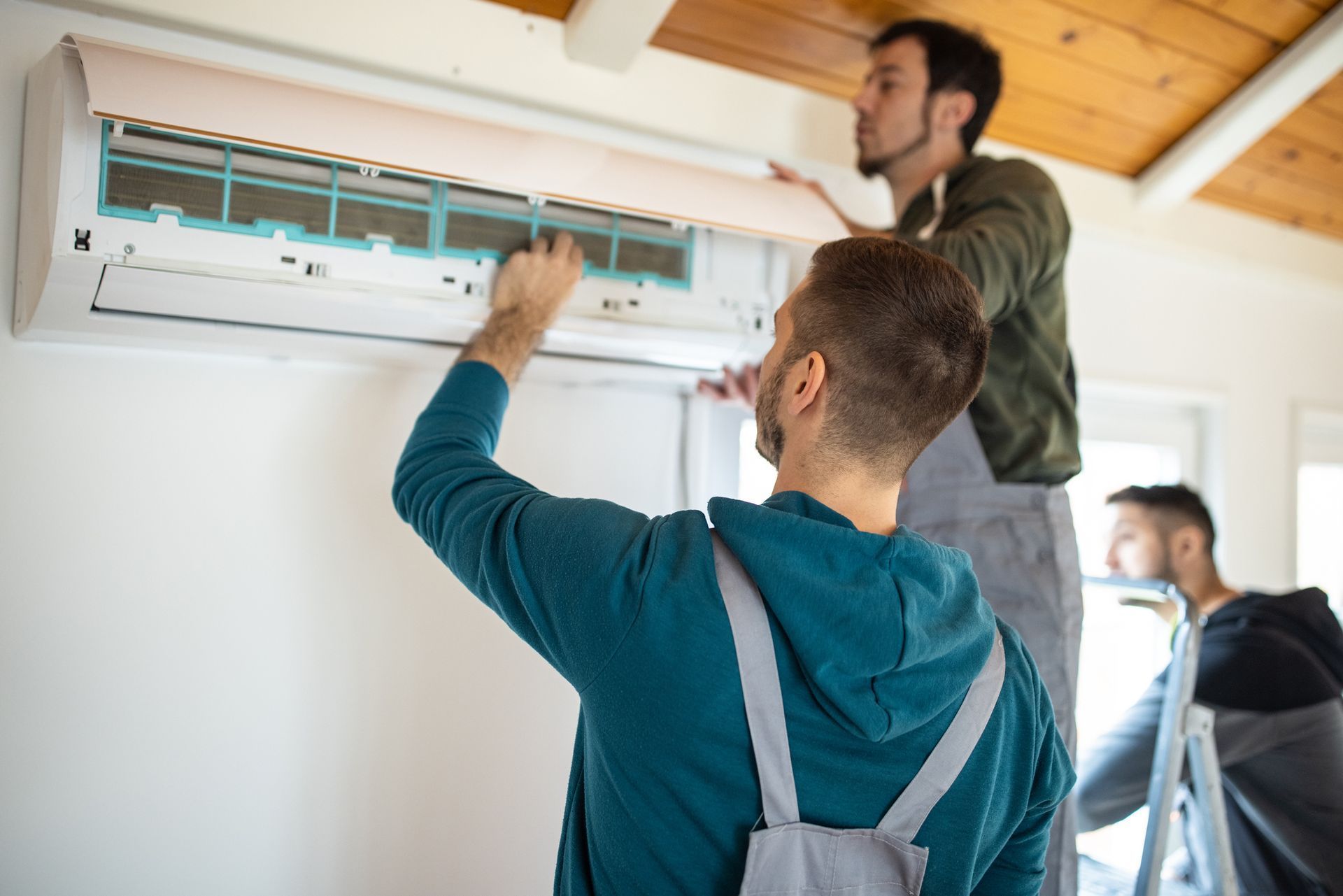
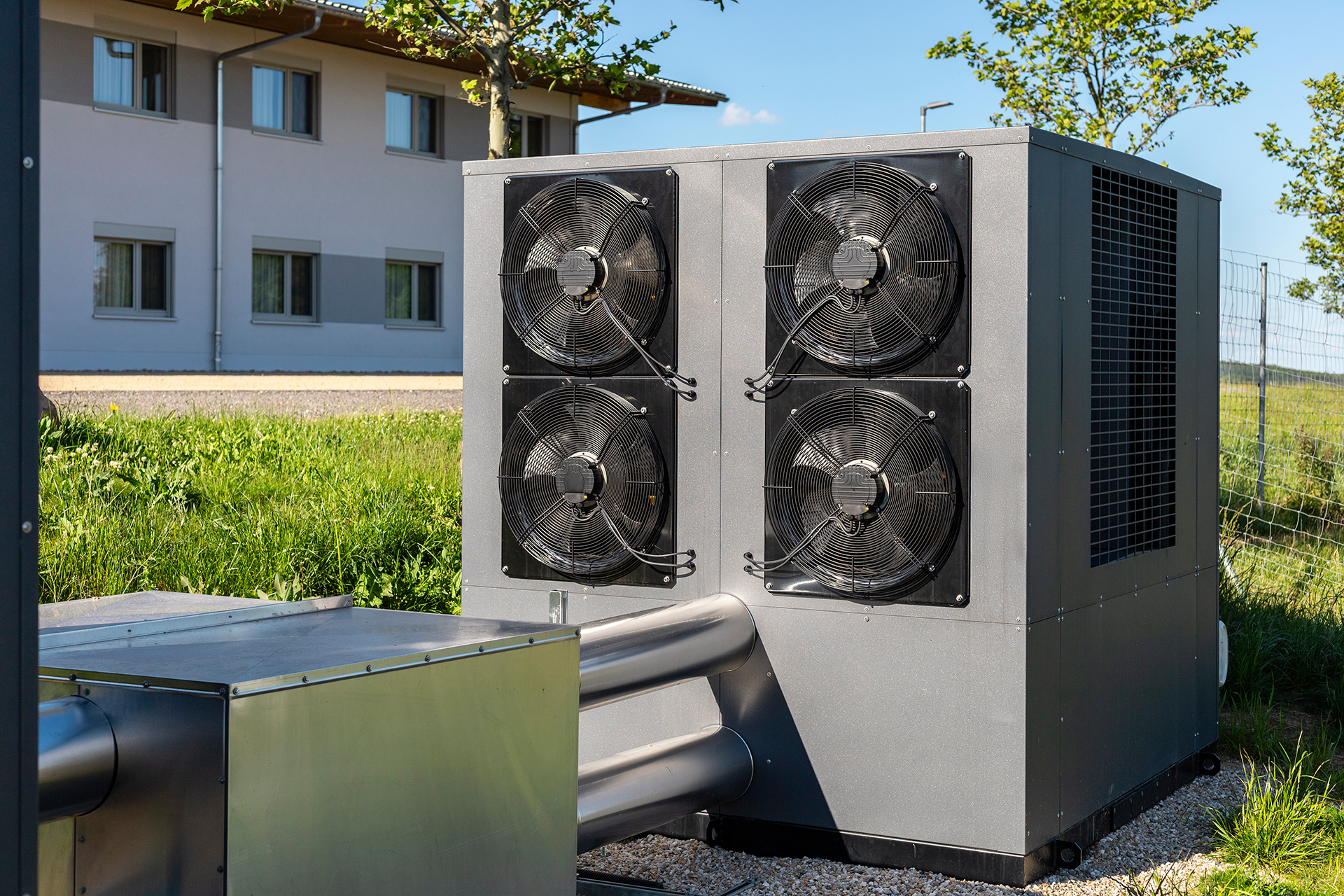
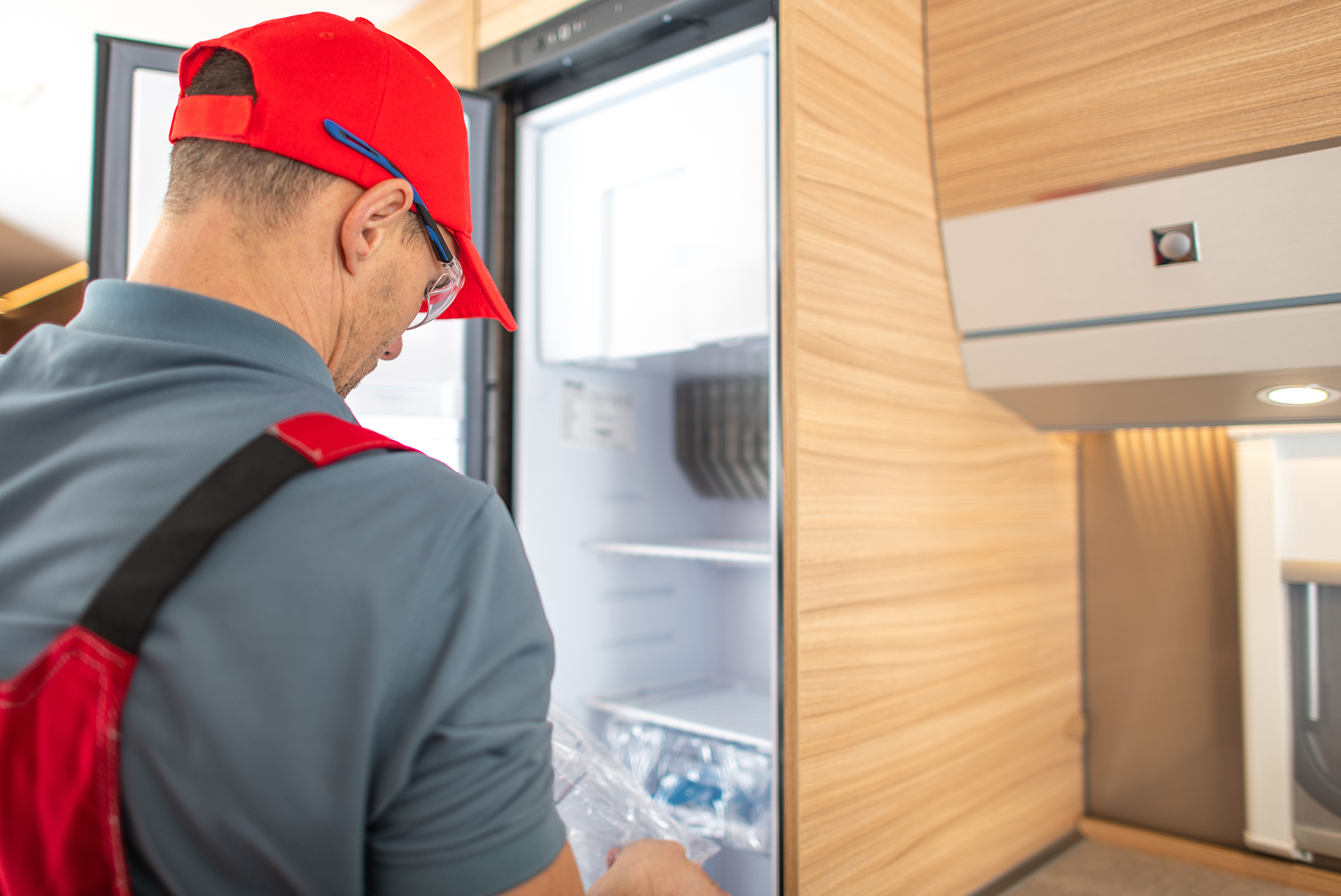
We provide business insurance designed for HVAC contractors. These policies protect your crew, vehicles, and tools while helping you meet project requirements. Every policy is explained clearly and delivered quickly so you can work without delays.
Resources
Insurance Tips for HVAC Contractors
Our blog is built for contractors who want fast answers. Each article covers common questions and risks in under five minutes of reading.


Frequently Asked Question
Common HVAC Contractor Insurance Questions
These FAQs address common contractor questions. As HVACInsure grows, we will update this section with real client experiences and answers.
Why should an HVAC contractor use HVACInsure instead of a general agency?
Specialists understand jobsite requirements, certificate wording, and common endorsements for HVAC work. You get cleaner paperwork, faster approvals, and coverage that fits how your crews operate.
This reduces delays at the gate, avoids gaps, and helps you pass compliance checks the first time.
How fast can I get a Certificate of Insurance (COI)?
Most standard COIs are issued the same business day after binding or updates. If you need additional insured, primary/non-contributory, or waiver language, we prepare it correctly the first time.
Our goal is simple: get your crew on site without paperwork delays.
What coverages do HVAC contractors usually need?
Core policies include General Liability, Commercial Auto, Workers’ Comp, Property/Tools, Inland Marine, and Umbrella. Many projects require higher limits and specific endorsements.
We align your coverage with contract terms and explain each choice in plain language.
Will my tools and scheduled equipment be covered in vans or on jobsites?
Yes. Inland Marine (tools and equipment) can cover items in transit, stored in vehicles, or staged on site.
High-value items can be scheduled, and limits can match your daily field use to keep work moving.
Can I lower my premium without weakening protection?
Often, yes. Clean driver lists, accurate payrolls, safety programs, and bundling policies can help.
We review your profile, request carrier credits, and adjust limits and deductibles to control cost while meeting project requirements.
What should I do after a loss?
Contact us right away so we can file with the correct carrier and set expectations. We guide documentation, next steps, and follow-ups until closure.
Fast reporting and clear records help resolve claims sooner and keep your team focused on work.

Still have questions?
Can’t find the answer you’re looking for? Please chat to our friendly team!
Contact Us