A single slip or mishap on a job site can turn a routine service call into a costly legal and repair dispute. For those involved in HVAC and electrical contracting, understanding insurance coverage is not merely about compliance; it’s about safeguarding every element of the business. This guide dives into essential coverage options, explains common pitfalls, and outlines how tailored policies help mitigate risks. For instance, HVAC liability insurance premiums can be as low as 1.3% or as high as 2.6% of annual revenue, making it vital to know which options best align with your operations.
Every contractor faces inherent risks, whether the challenge is lifting heavy equipment or dealing with unexpected equipment malfunctions. Workers and client properties need robust protection, making specialized policies an integral component of any contracting business. The sections below break down the elements that every HVAC and electrical contractor should consider when reviewing insurance policies.
Understanding the Basics of Contractor Insurance
Why Insurance Matters for Contractors
Contractor insurance isn’t just a regulatory box to tick; its real value lies in protection against the unpredictable. HVAC work, for example, involves scenarios like falling equipment, accidental property damage, or even claims from injuries during service calls. Expert insights confirm, “HVAC work comes with hefty risks. A worker could hurt their back lifting a unit, or an air conditioner could leak and damage a client's floors” (hvacinsure.com).
Electrical contracting, while sharing many overlapping risks, has its own nuances. The tools and systems involved present unique hazards that require both general liability and specialized professional liability coverage. With over 20% of electrical/HVAC contractors carrying professional liability coverage compared to 13% of surveyed organizations (mahoneygroup.com), the comparative risk analysis is standing as a testament to the necessity for comprehensive policies.
Understanding these basics is the first step in selecting the ideal insurance product for your contracting business, ensuring every edge-case scenario is prepared for.

HVACInsure is fully licensed and permitted to sell contractor and commercial insurance in Texas.
We proudly serve clients throughout Texas and maintain partnerships with local Texas insurance carriers to ensure HVAC professionals receive compliant, affordable, and comprehensive coverage that meets project and regulatory requirements.
The Essentials of HVAC Insurance Coverage
Defining Key Policy Components
HVAC contractor insurance includes several components. General liability coverage forms the cornerstone, addressing bodily injuries and property damages resulting from on-site work. However, as one survey suggests, contractors should note that many losses stem from factors typically outside standard policies (insurance.org). This dynamic calls for supplemental coverage options.
Equipment breakdown coverage and professional liability insurance are examples of increased emphasis seen in today’s policies. The importance of these additions cannot be overstated. Equipment breakdown coverage pays for repair or replacement of damaged equipment that may not be reflected under general liability. Similarly, professional liability protects against errors and omissions linked to technical work. These layers provide crucial safety nets when typical policy limits are breached.
Contractors must analyze each policy’s terms carefully, as what may seem adequate on paper can sometimes leave gaps that only emerge when a claim is made. Manufacturers, suppliers, and even client contracts may require specific endorsements or extended coverage, which adds nuance to the overall policy structure.
Bridging the Gaps in Standard Coverage
Statistics reveal that 39% of evaluated HVAC equipment losses in 2024 were traced to causes often excluded from standard policies (insurance.org). This underlines the vital role of additional endorsements. For example, while a basic policy might cover an electrical short circuit that results in a small-scale property damage, it might not extend to more significant operational interruptions that cause cascading damages in a client's facility.
Coverage tailored to HVAC and electrical contractors bridges these gaps by including clauses that address non-standard claims. Choosing a policy that provides for equipment breakdowns and professional liability can make all the difference when managing unexpected incidents that are not only costly but also time sensitive. These layers of protection contribute to maintaining smooth business operations even in the middle of an unforeseen challenge.
Awareness of these policy gaps encourages contractors to ask critical questions at policy renewal or during the initial policy selection. It is this proactive approach that helps avoid potential pitfalls that could prove financially devastating down the road.
Evaluating Risk Through Claims and Losses
Understanding the Frequency and Impact of Claims
Reviewing the frequency and costs of claims is crucial for contractors. HVAC claims average between $25,000 and $50,000 each, and the industry faces over 25,000 annual incidents resulting in losses exceeding $1 billion (blog.getfieldfactor.com). Such high stakes underscore the importance of a well-considered insurance program that can contain these risks.
This data serves as a cautionary note. The high cost and frequency of claims indicate that even a few incidents can financially derail a contractor's operation, especially if coverage is not comprehensive or if deductibles and premium structures are misaligned with actual risk profiles. Proactive risk management through partnerships with insurance providers who understand the nuances of contractor businesses is indispensable.
Analyzing claims history, both for your organization and within the broader industry context, provides valuable insight into where vulnerabilities might lie. Being prepared and having contingency plans woven into your insurance strategy can lead to more resilient business operations, even amid unexpected challenges.
Learning from Industry Developments
Recent developments have emphasized the unpredictability associated with HVAC operations. Incidents often originate from causes that traditional policies might ignore. These patterns reinforce the idea that equipment-specific risks require specific attention. For every HVAC contractor, identifying these triggers is the key to customizing their policy so it encapsulates not just the standard risks but also the less frequent, yet higher-cost, incidents.
Practical examples include scenarios where an equipment malfunction leads to cascading damage-from property damage to missed client deadlines and operational downtime. Such losses, especially when they accumulate, call for a layered approach to insurance. This approach goes beyond one-size-fits-all solutions and engages in detailed risk analysis to cover all conceivable eventualities.
Contractors are increasingly advised to conduct regular reviews of their claims history and work closely with insurance providers when updating policies. Staying informed about industry trends and changes in claims frequency supports better risk management and coverage planning.
Cost Considerations and Premium Analysis
Breaking Down Premium Calculations
Understanding how premiums are calculated is a practical step for any contractor. For HVAC liability insurance, premiums typically range between 1.3% and 2.6% of annual revenue (contractornerd.com). Factors influencing these percentages include the contractor’s claims history, geographic location, type of services provided, and even the size of the business. A detailed risk assessment can often drive these numbers up or down.
The key here is to understand that premium costs are not static. As business conditions change, estimates based on revenue may shift, necessitating periodic policy reviews. Contractors should remain vigilant about renewals, ensuring that any improvements in operational safety or changes in service variety are factored into their rate adjustments.
This understanding helps to negotiate with insurers, showing that an informed contractor can potentially leverage safety improvements or risk mitigation strategies to achieve more favorable premium rates. Awareness of detailed premium drivers, along with concrete risk reduction techniques, can create a win-win scenario for both insurers and contractors.
Comparing Insurance Costs
A clear analysis of the different types of coverage available is essential. A comparison chart can help distinguish basic policy elements from more comprehensive programs, guiding better policy decisions. While the typical HVAC business insurance might run between $652 and $5,064 annually (moneygeek.com), the investment provides peace of mind that every binding risk is covered. The following chart outlines the differences between basic and extended coverage options:
| Coverage Type | Basic Coverage | Extended Coverage |
|---|---|---|
| General Liability | Covers bodily injury and property damage incidentals. | Includes extended limits, higher per-incident coverage, and personalized risk factors. |
| Equipment Breakdown | Limited to repairs of primary equipment. | Building resident slips on water near the work area and is hurt |
| Professional Liability | Standard errors and omissions coverage. | Advanced claims support, additional endorsements, and higher limit protection. |
| Premium Range | Estimated 1.3%-2.6% of annual revenue.inland marine | May vary depending on endorsements, risk analysis, and coverage extensions. |
The comparison above demonstrates that while basic policies cover fundamental risks, extended plans include critical additions that can protect against less common but more expensive claims. Often in this industry, the difference between the two arrangements can mean having enough coverage to offset the costs of a major claim.
Contractors are encouraged to regularly assess both premium costs and the evolving scope of their operations, ensuring that their insurance plans keep pace with business growth and the corresponding risk landscape.
Strategies for Tailoring Coverage to Unique Business Needs
Customizing Policies for Specialized Operations
Every HVAC and electrical contracting business has its own set of challenges, dependencies, and operational nuances. As such, a one-size-fits-all insurance policy may result in coverage gaps that prove costly in the long run. Customization is key. For instance, contractors who frequently handle large, complex projects might require enhanced equipment breakdown endorsements. Tailoring policies to cover both routine and unusual work scenarios smoothens operations and minimizes downtime when incidents occur.
Contractors benefit from partnering with insurance providers who appreciate the intricacies of specialized work. Detailed risk assessments, often undertaken by insurers familiar with the industry, reveal potential blind spots-such as hidden equipment damage triggers or professional liability slips-that standard policies might overlook.
This tailored approach not only ensures broader coverage but can also drive premium costs lower when risk mitigation measures are implemented rigorously. Ultimately, the goal is to develop an insurance plan that seamlessly integrates with the contractor’s business model, supporting smooth operations and robust financial security.
Implementing Risk Management Tactics
One effective strategy is investing in rigorous employee training and safety protocols. When contractors are better prepared to handle hazardous situations, not only do they reduce claims frequency, but they also often qualify for reduced premium rates. Insurers recognize proactive safety measures and risk reduction plans as tangible ways to enhance a business’s risk profile.
Regular audits of equipment and updated safety technologies further minimize unexpected breakdowns or service disruptions. Documenting these measures can sometimes provide negotiation leverage during policy renewals. Balancing upfront investments in safety with the potential for lower insurance costs and fewer claims creates a robust business case for tighter risk control.
Finally, staying abreast of industry developments through continuous education programs and reliability studies, such as the California HVAC Contractor & Technician Behavior Study (calmac.org), provides additional insight into emerging risks, further refining how policies should be structured.
Impact of Claims on Contractor Operations
Economic Consequences of Major Claims
For contractors, a single claim isn’t just an isolated incident-it can disrupt workflows, drain cash flow, and even undermine customer confidence. HVAC claims, which can average between $25,000 and $50,000 each (blog.getfieldfactor.com), serve as prime examples where the cost of a mishap can be immense. Even one significant loss can create financial strain and potentially endanger business viability if insurance coverage isn’t robust enough.
When financial losses mount, contractors are forced to revisit their risk management practices and look for improvements in their coverage plans. Often, operational strategies must be reassessed, and gaps bridged with higher limits or additional endorsements to avoid jeopardizing the business's future.
This heightened sensitivity propagates a culture of accountability and safety. Contractors are increasingly planning for worst-case scenarios by implementing more rigorous safety programs and adopting advanced coverage features that buffer against financial shock.
Legal and Operational Implications
Beyond the immediate financial hit, major claims carry legal implications as well. A claim that drags on, or one that results in litigation, not only strains a contractor’s resources but can also tarnish business reputations. Legal battles elevate stress levels and distract from daily operations. Therefore, policies that include robust legal defense provisions, in addition to coverage for actual damages, are essential.
For many contractors, maintaining continuous dialogue with their insurers and risk managers helps preempt significant losses. Regular policy reviews and updates, based on past claim experiences, foster a proactive approach that minimizes legal entanglements and operational interruptions.
Ultimately, the dual focus on minimizing claims and preparing for potential fallout is a hallmark of resilient business management in the HVAC and electrical contracting field.
Moving Forward with Preparedness and Confidence
Staying Informed and Adaptive
Successful contractors stay ahead by continuously learning about emerging risks and regulatory changes. The rapid evolution of technology and equipment means that today's risk profile may be outdated tomorrow. Keeping insurance coverage aligned with current operations involves regular education, periodic policy reviews, and staying connected with industry associations that provide updates and insights.
This adaptive strategy means revisiting policies every year or when significant operational changes occur. Contractors that engage in proactive risk management find that the peace of mind that comes with knowing every risk is covered far outweighs the cost of maintaining comprehensive coverage.
Contractors who invest time and resources in understanding detailed policy nuances, and who work closely with their insurance partners, are better positioned to handle claims swiftly and efficiently. This commitment to continuous learning translates directly into improved operational efficiency and reduced long-term risk.
Building a Resilient Business Model
A resilient business model for HVAC and electrical contractors is built on a foundation of safety, preparedness, and strong insurance partnerships. Emphasizing the insurance components that provide both reactive and proactive protection fosters a culture where risks are anticipated and managed, instead of being caught off guard.
Building this resilience is also an investment in reputation. Clients are more likely to trust contractors who display a clear understanding of potential hazards and implement robust measures to manage them. As more contractors adopt customized coverage options and risk-specific endorsements, the overall industry standard continues to improve.
Ultimately, a well-prepared insurance strategy serves as a blueprint for operational excellence and long-term business sustainability. Taking practical steps to assess, implement, and regularly update your coverage fosters both growth and stability in a competitive environment.
Frequently Asked Questions
This section addresses common queries about HVAC and electrical contractor insurance, offering concise answers that clarify uncertainties and guide decision-making.
Q: What is the typical range of HVAC liability insurance premiums?
A: Premiums commonly range from 1.3% to 2.6% of annual revenue, depending on risk factors and additional endorsements (contractornerd.com).
Q: Which additional coverages should HVAC contractors consider beyond general liability?
A: Equipment breakdown and professional liability coverages are important additions that protect against non-standard claims and technical errors (hvacinsure.com).
Q: How do claims affect a contractor’s business operations?
A: Claims can lead to significant financial losses, operational downtime, and potential legal issues, elevating the importance of comprehensive and tailor-made insurance coverage (blog.getfieldfactor.com).
Q: Why should policies be customized rather than using generic plans?
A: Custom policies address specific risks and operational needs, filling potential coverage gaps that generic policies might leave open, ultimately protecting the contractor better.
Q: How can contractors reduce their premium costs without compromising on coverage?
A: Implementing rigorous safety protocols, engaging in regular risk management audits, and updating policies to reflect current operations can help lower premiums while ensuring robust coverage.
Q: What resource can help track behavior trends in HVAC contractor operations?
A: Studies like the California HVAC Contractor & Technician Behavior Study offer insights into market dynamics and risk trends (calmac.org).
Wrapping Things Up
Final Thoughts on Insurance Strategy
The right insurance policy can make the difference between a minor hiccup and a financial crisis. For HVAC and electrical contractors, tailoring coverage to address both common risks and those unique to individual operations is critical. A proactive approach that pairs detailed policy review with safety improvements creates a safety net that not only covers financial losses but also supports overall business growth.
This guide underscores the importance of understanding policy nuances, regularly reviewing coverage, and making informed decisions that promote long-term resilience. The evolving nature of contractor work demands that every operator remain vigilant in updating their insurance programs as industry conditions change.
Choosing the right provider and policy isn’t about meeting a regulatory requirement; it’s about investing in the business’s future with safety and confidence.
Before You Go
Thoroughly analyze your existing policies to identify any potential gaps. Regularly discussing your coverage with knowledgeable insurance partners can lead to improved contract terms and lower overall risk. In this dynamic industry, understanding every facet of your insurance plan can help turn potential setbacks into manageable challenges.
Equipped with tailored coverage, proactive risk management, and a clear understanding of potential hazards, HVAC and electrical contractors can face the future with greater assurance. This not only secures immediate operations but also lays a robust foundation for sustainable business growth.

About The Author: James Jenkins
I’m James Jenkins, Founder and CEO of HVACInsure. I work with HVAC contractors and related trades to simplify insurance and make coverage easier to understand. Every day, I help business owners secure reliable protection, issue certificates quickly, and stay compliant so their teams can keep working safely and confidently.
Recognized by National HVAC Trade Associations
These trusted organizations set best practices and standards that carriers rely on when underwriting HVAC risks.
Membership signifies adherence to HVAC industry standards and contractor best practices.
Coverage for Crews, Vehicles, and Tools
Insurance for HVAC Contractors
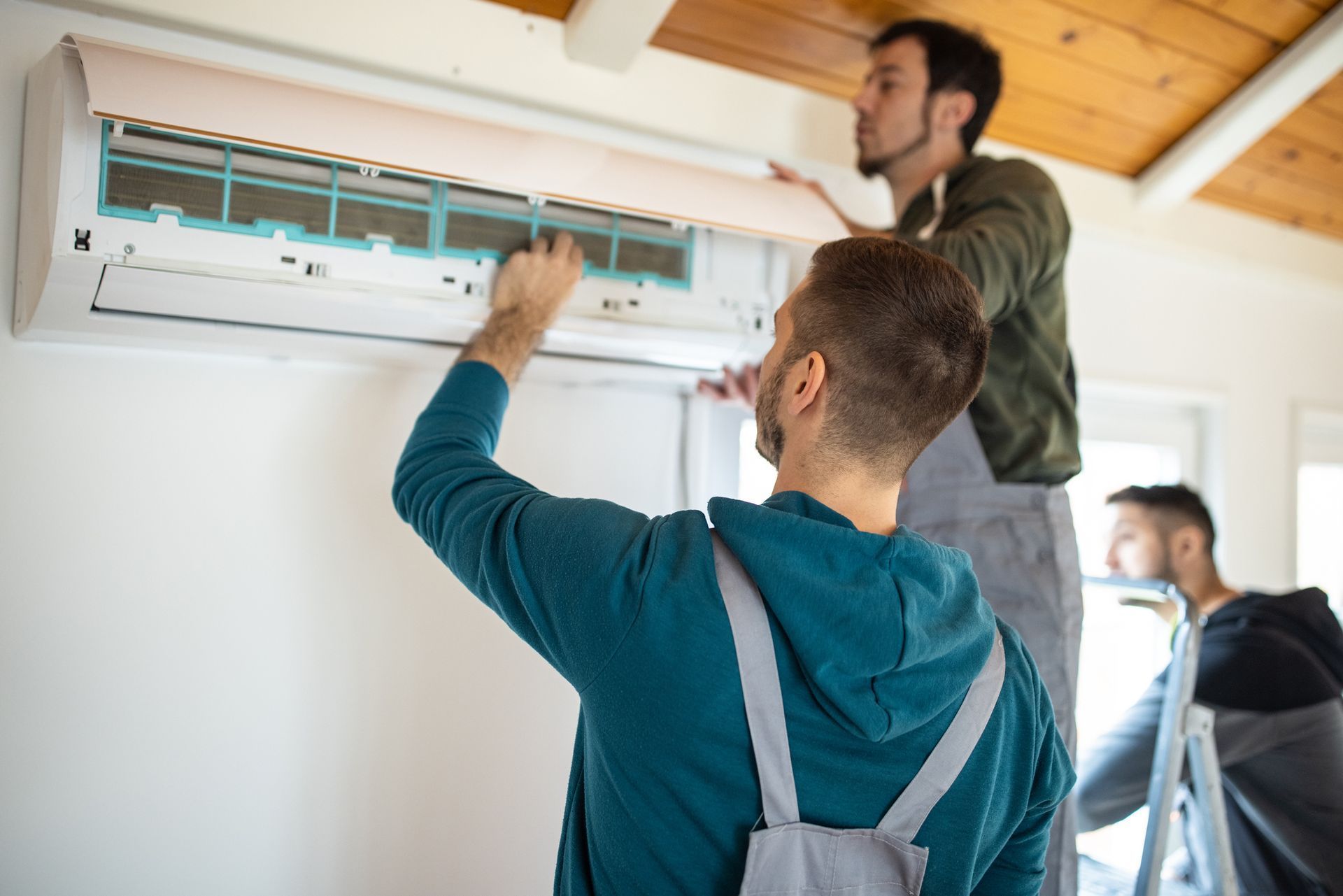
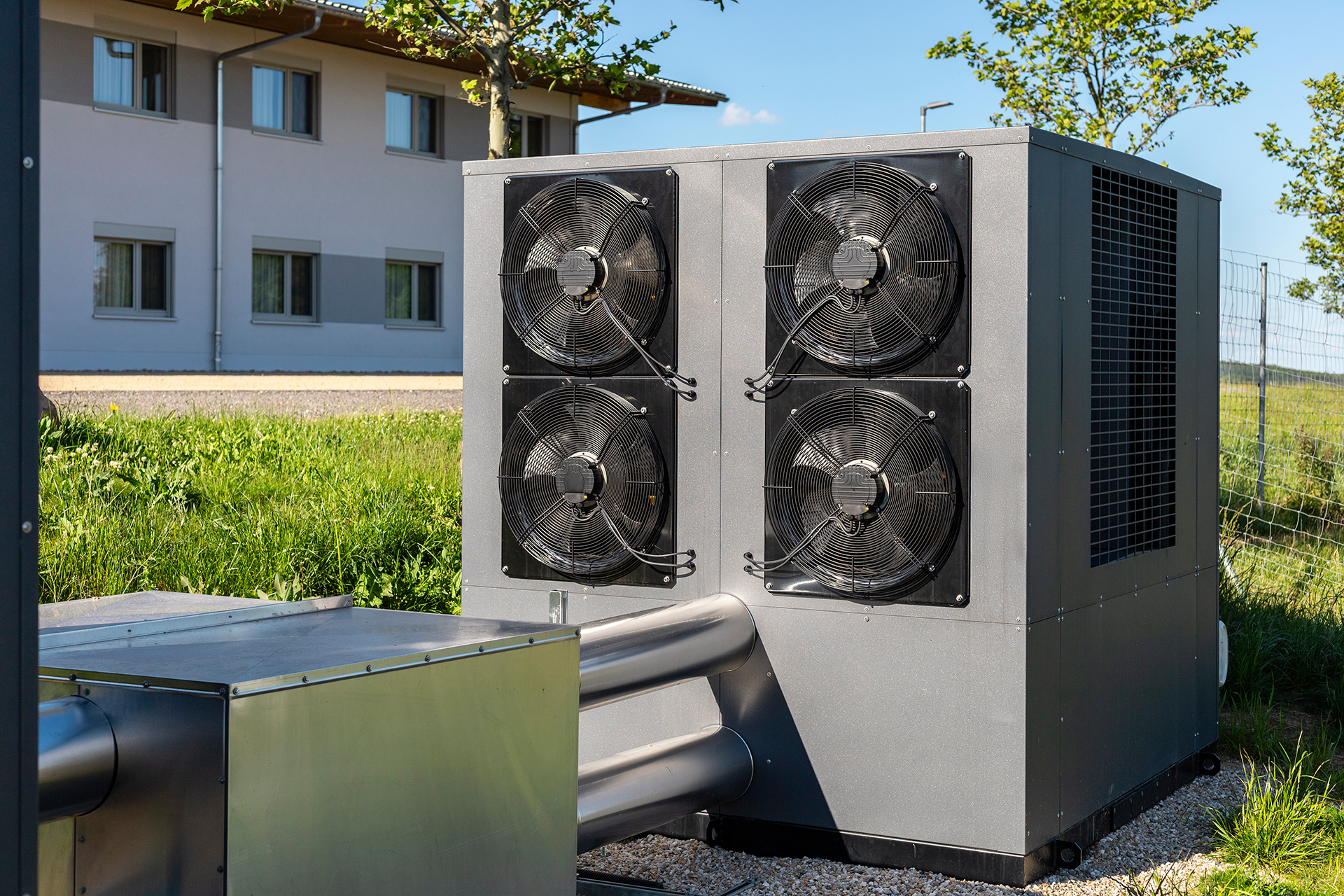
We provide business insurance designed for HVAC contractors. These policies protect your crew, vehicles, and tools while helping you meet project requirements. Every policy is explained clearly and delivered quickly so you can work without delays.

Resources
Insurance Tips for HVAC Contractors
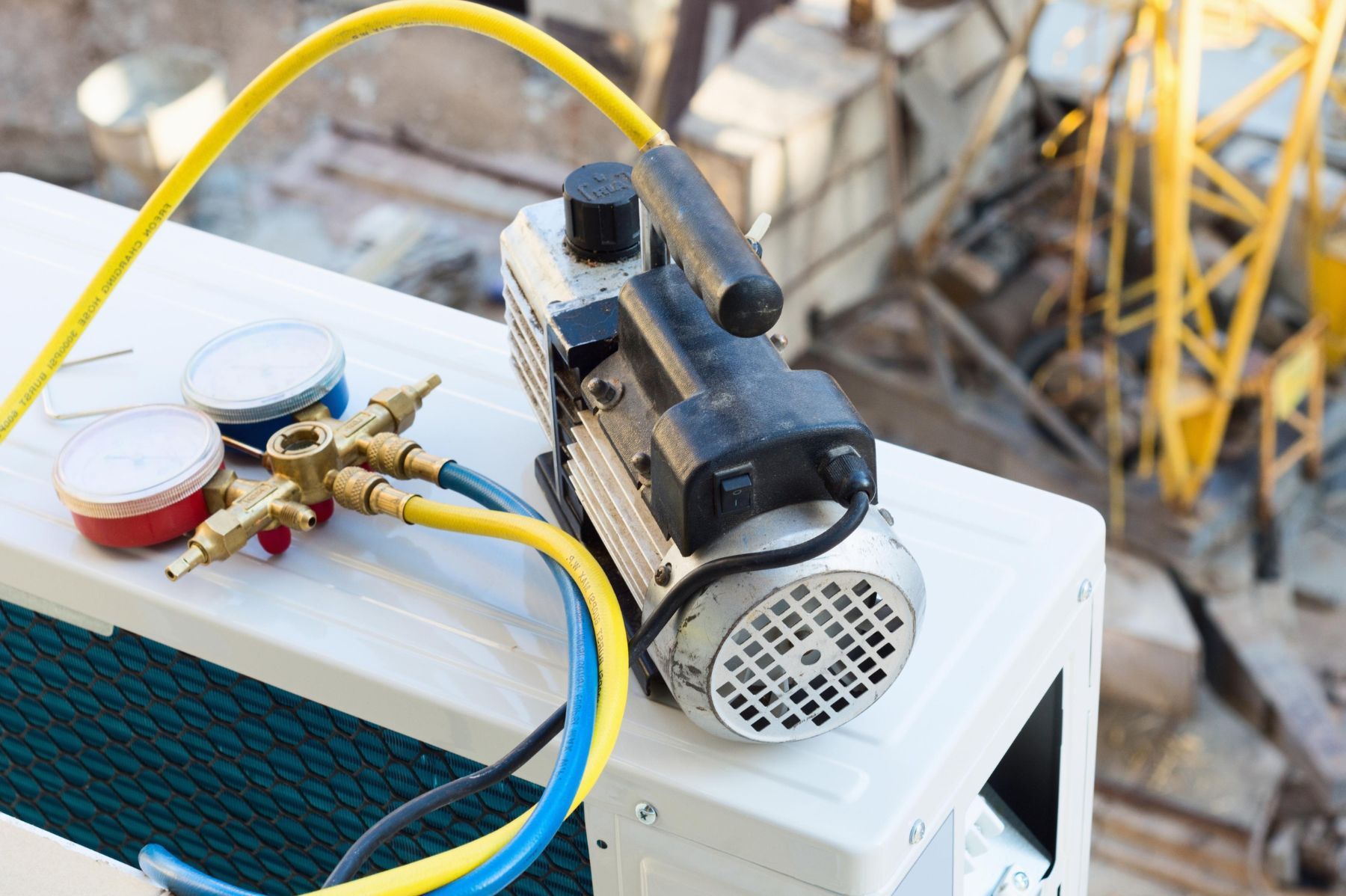
Our blog is built for contractors who want fast answers. Each article covers common questions and risks in under five minutes of reading.


Frequently Asked Question
Common HVAC Contractor Insurance Questions
These FAQs address common contractor questions. As HVACInsure grows, we will update this section with real client experiences and answers.
Why should an HVAC contractor use HVACInsure instead of a general agency?
Specialists understand jobsite requirements, certificate wording, and common endorsements for HVAC work. You get cleaner paperwork, faster approvals, and coverage that fits how your crews operate.
This reduces delays at the gate, avoids gaps, and helps you pass compliance checks the first time.
How fast can I get a Certificate of Insurance (COI)?
Most standard COIs are issued the same business day after binding or updates. If you need additional insured, primary/non-contributory, or waiver language, we prepare it correctly the first time.
Our goal is simple: get your crew on site without paperwork delays.
What coverages do HVAC contractors usually need?
Core policies include General Liability, Commercial Auto, Workers’ Comp, Property/Tools, Inland Marine, and Umbrella. Many projects require higher limits and specific endorsements.
We align your coverage with contract terms and explain each choice in plain language.
Will my tools and scheduled equipment be covered in vans or on jobsites?
Yes. Inland Marine (tools and equipment) can cover items in transit, stored in vehicles, or staged on site.
High-value items can be scheduled, and limits can match your daily field use to keep work moving.
Can I lower my premium without weakening protection?
Often, yes. Clean driver lists, accurate payrolls, safety programs, and bundling policies can help.
We review your profile, request carrier credits, and adjust limits and deductibles to control cost while meeting project requirements.
What should I do after a loss?
Contact us right away so we can file with the correct carrier and set expectations. We guide documentation, next steps, and follow-ups until closure.
Fast reporting and clear records help resolve claims sooner and keep your team focused on work.

Still have questions?
Can’t find the answer you’re looking for? Please chat to our friendly team!
Contact Us