A single oversight during an installation can trigger a claim costing tens of thousands, making the right insurance coverage not just a regulatory item but a safeguard for businesses. As service demands grow and risks amplify, HVAC contractors face a landscape where each project has the potential to impact financial stability. This guide explores the crucial aspects of insurance coverage tailored for HVAC system installation companies, drawing on current statistics, expert insights, and emerging trends in the industry. For instance, industry data indicates over 25,000 claims annually, each averaging tens of thousands of dollars, illustrating the high stakes involved.
Understanding the Financial Stakes in HVAC Installations
HVAC companies deal with high-value equipment, complicated installations, and ever-evolving compliance mandates. Insurance coverage is not just an expense but a cornerstone of a sustainable business plan. With claims amounting to industry-wide losses exceeding $1 billion and individual claim averages ranging between $25,000 and $50,000 (blog.getfieldfactor.com), companies must embrace policies that shield them from the multifaceted risks. The interplay between liability, workmanship issues, and potential property damage makes comprehensive coverage a nonnegotiable asset.
When installations face unexpected setbacks-be it due to installation errors or unforeseen equipment malfunctions-the financial repercussions can spiral immediately. For a contractor handling a $150,000 annual revenue, even a single claim might result in a premium increase that directly affects the bottom line. This is why insurance premiums are often tied to a contractor’s revenue, typically ranging between 1.3% and 2.6%. For a smaller HVAC contractor, this might mean premiums averaging around $3,140 (hvacinsure.com).
Accurate risk assessments and familiarization with installation pitfalls are critical steps towards mitigating potential losses. Quality installations that adhere to standards not only boost system performance but also reduce the likelihood of expensive claims later on, an aspect underscored by studies from the U.S. Department of Energy.
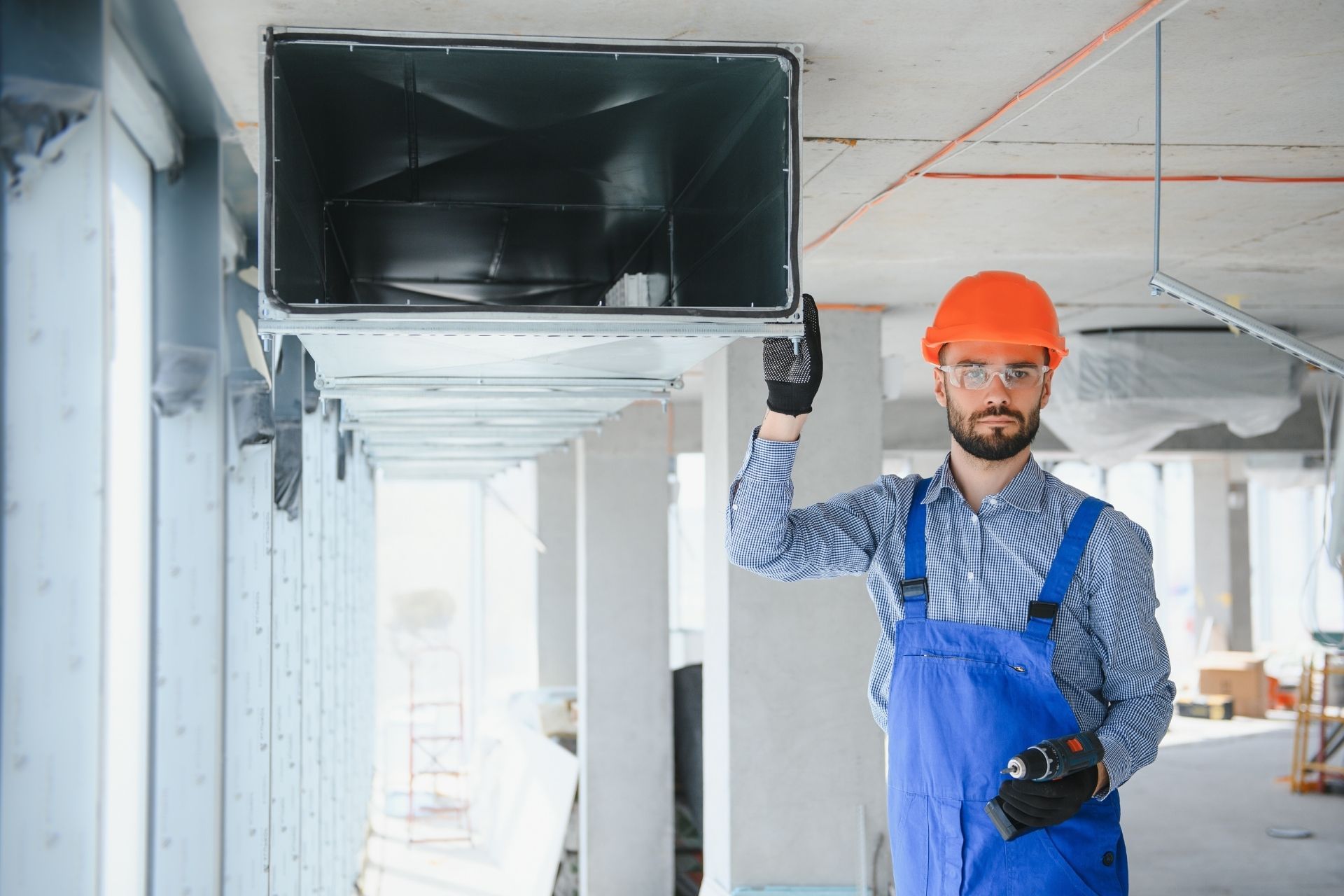
HVACInsure is fully licensed and permitted to sell contractor and commercial insurance in Texas.
We proudly serve clients throughout Texas and maintain partnerships with local Texas insurance carriers to ensure HVAC professionals receive compliant, affordable, and comprehensive coverage that meets project and regulatory requirements.
Key Insurance Coverage Types for HVAC Installation Companies
General Liability Insurance
General liability insurance is the baseline protection required for every HVAC installation company. This policy covers bodily injuries, property damage, and legal costs stemming from both onsite activities and third-party interactions. With installation errors potentially impairing a client's property, having this coverage can significantly reduce financial exposure.
Contractors benefit from policies that provide coverage across various scenarios-from minor accidents to more severe incidents where the cumulative damages could be extensive. The assurance that claims and litigation costs are covered lets companies focus on operational efficiencies rather than worrying about catastrophic, unplanned expenses.
Professional Liability and Errors & Omissions
Errors in installation can lead to warranty claims, customer disputes, or even regulatory challenges. Professional liability insurance, often termed errors and omissions (E&O), is critical for handling instances where quality lapses or technical oversights become a focal point for litigation. When mistakes occur, having E&O coverage enables a contractor to provide appropriate remedies without jeopardizing the entire business.
This form of coverage also addresses issues stemming from advisory roles that may be part of the installation process. Given that quality installation practices directly influence both energy efficiency and cost-effectiveness (U.S. Department of Energy study), ensuring that errors during consultation or planning phases are shielded can foster both customer trust and operational resilience.
Equipment and Installation Coverage
Equipment breakdowns during or after the installation phase present another significant risk that might not be covered under standard policies. Dedicated equipment and installation coverage can address mechanical failures, improper setup, or latent defects that manifest over time. This coverage is key for mitigating losses that arise from system malfunctions, protecting both the contractor and the client from unexpected financial burdens.
As the cost of parts and labor rises, recent trends indicate that claims are evolving. In 2023, claims in HVAC and refrigeration segments saw increased risks, largely driven by escalating parts and labor expenses and extreme weather events (prnewswire.com). This dynamic makes it more critical than ever to secure policies that specifically address these new risk drivers.
Challenges Specific to the HVAC Industry
High Cost of Claims and Settlements
Claims within the HVAC industry are inherently costly. With each claim averaging between $25,000 and $50,000, even a few incidents can jeopardize a company’s financial health. This pattern of high-cost claims underlines the necessity of precise damage evaluations. Curt VanNess, a technical director in the HVAC field, has pointed out that increasing equipment and labor costs have driven settlement amounts higher, underscoring a pressing need for detailed policy assessments (hvacinsure.com).
Incorrect damage assessments can lead to significant overpayments or underreported losses, exposing contractors to financial strain. Regular audits, rigorous documentation, and an ongoing dialogue with insurers help reduce the impact of these risks. By keeping track of installation quality and subsequent maintenance, businesses can better argue for fair settlements when disputes arise.
Implementing clear, documented installation policies-adopted by approximately 70% of surveyed HVAC contractors (calmac.org)-not only optimizes customer satisfaction but also enables more precise damage evaluation processes. Detailed records and procedures further assist in the accurate calibration of insurance claims.
Rising Premiums Driven by Market Trends
Market conditions have a direct impact on insurance pricing. Premiums for HVAC contractors are in a state of flux, closely mirroring the rise in claim frequency and inflationary trends within the industry. Increased material and labor costs add another layer of complexity to premium calculations, pushing insurers to adjust rates regularly. This environment underscores why understanding your policy options becomes crucial, as future cost projections may require a reassessment of coverage types over time.
For many smaller contractors earning around $150,000 annually, managing an average premium near $3,140 can account for a significant portion of operating expenses (hvacinsure.com). Strategic planning becomes essential, ensuring that premiums remain aligned with operational realities without compromising essential protection.
A proactive approach, which could include negotiating with underwriters or bundling coverages, may help mitigate the burden of rising premiums. Staying informed about rate trends and adjustments can also empower contractors with the insights needed to make intelligent financial decisions.
Mitigating Risks Through Quality Installation Practices
The Impact of Quality Installations on Insurance Claims
Proper installation practices are more than a matter of customer service; they are a critical factor in effective risk management. A study conducted by the U.S. Department of Energy indicates that a meticulous approach to installation not only improves energy efficiency, but also minimizes the likelihood of system failure (energy.gov). When installations are conducted to high standards, the risk of errors that could lead to expensive claims diminishes significantly.
Contractors who invest in continuous training and certification programs for their technicians often report lower claim rates. This relationship has a dual impact; it reduces the frequency of incidents while also building customer trust. With a projected shortage of skilled technicians reaching 225,000 by 2025 (hvacinsure.com), maintaining proficient teams is a strategic imperative.
The connection between quality control and lower claim incidents reinforces the importance of aligning insurance coverage with actual operational practices. Inaccurate installations or rushed setups not only degrade system performance but also lead to higher insurance costs over time.
Adopting Formal Installation Policies
Approximately 70% of HVAC contractors have implemented formal policies focused on installation procedures and subsequent customer follow-ups (calmac.org). Formal guidelines ensure that every installation meets predetermined quality standards, reducing the risk of errors that might result in customer claims. Detailed, written protocols help in safeguarding against potential oversights and provide a documented trail in dispute resolution scenarios.
Installation policies often include procedural checklists, quality assurance measures, and post-installation inspections. Such measures not only ensure high system performance but also boost customer satisfaction by highlighting the company's commitment to excellence. When every step is documented and verified, insurance carriers are more likely to assess claims correctly, leading to fair settlements.
A lean administrative process, combined with practical field training, serves as a robust risk management platform. For HVAC contractors, this means potential cost savings through reduced claim frequency and a better negotiating position with insurance carriers.

Insurance Premium Calculation and Cost Management
Determining Your Insurance Premiums
Insurance premiums for HVAC contractors are typically structured as a percentage of annual gross revenue. Studies show that these rates can vary between 1.3% and 2.6%. For contractors operating on earnings near $150,000, this translates into average premium costs hovering around $3,140 (hvacinsure.com). Such calculations are designed to align the level of risk with the size of the business and its operational scope.
Several elements contribute to premium rates, including historical claim data, geographic location, scope of operations, and the contractor’s loss experience. Factors such as quality installation practices, adherence to safety regulations, and robust follow-up protocols can also have a favourable influence on premium rates. Insurance carriers regularly assess claims history and underwriting criteria to arrive at a policy that is both reasonable and reflective of potential risks.
Contractors can manage premium costs by adopting a proactive approach towards risk mitigation. Investing in quality control measures and ensuring that all processes are well-documented allows for more leverage during premium negotiations with insurers.
Mitigating Financial Risk Through Bundling and Regular Policy Reviews
Bundling multiple coverage policies is a common strategy used by HVAC installation companies to lower overall premium costs. Bundled packages provide comprehensive protection while offering cost efficiencies, often resulting in lower premiums compared to standalone policies. Periodic reviews of existing coverage help ensure that the protection remains adapted to evolving business needs and operational changes.
Regular dialogue with an insurance broker or advisor can uncover opportunities to adjust deductibles, enhance risk management protocols, and implement bundled policies. These measures can prove crucial in an industry marked by rising equipment costs and increased claim frequency due to extreme weather events and other unforeseen factors.
This type of financial planning and strategy is essential, especially when new data reveals trends that directly impact claim settlements. For instance, current trends show that rising parts and labor costs have driven up indemnity payments during claim settlements (prnewswire.com), thereby influencing how premiums are structured.
Practical Steps to Enhance Insurance Readiness for HVAC Contractors
Documenting Installation Processes and Training
Submission of detailed reports and thorough documentation plays a crucial role in the claims process. Establishing a standardized training regimen for technicians is equally important. Regular field training, combined with updated certification programs, builds not only a competent workforce but also a reliable defense against unforeseen claim disputes.
Documentation should include installation checklists, detailed logs, and post-installation performance assessments. With formal installation policies already embraced by the majority of contractors, adherence to these guidelines contributes to both operational excellence and insurance compliance.
Such systematic documentation offers insurers a comprehensive view of operational integrity, thereby enhancing confidence in underwriting decisions and potentially improving premium rates.
Leveraging Technology for Risk Assessment
New technology in the form of digital monitoring systems, project management tools, and digital reporting can streamline the risk assessment process tremendously. Software solutions for real-time tracking of installation quality and performance help companies maintain high standards and reduce discrepancies during claims processing.
Enhanced data capture leads to more accurate damage evaluations, making it easier for insurers to assess true risk exposure. In an era of increased claims complexity, the integration of technology with operational practices represents a clear competitive advantage. This data-driven approach is especially beneficial when addressing rising equipment and labor costs that amplify financial risks during installations.
Implementing advanced digital tools can transform the way companies manage claims, contributing to reduced settlement disputes and improved communication with insurance providers.
The following table presents a straightforward comparison of standard insurance policies available to HVAC installation companies. Using this chart as a point of reference can help contractors decide which coverage best aligns with their risk profile and operational needs.
| Coverage Type | Main Benefit | Typical Cost Impact |
|---|---|---|
| General Liability | Covers bodily injury and property damage | Percentage based on revenue; major cost-saver |
| Professional Liability (E&O) | Protects against installation errors and omissions | Variable; influenced by claim history and complexity |
| Equipment & Installation | Covers system malfunctions and equipment breakdowns | Additional cost; essential for high-end installations |
| Bundled Policies | Offers comprehensive coverage with discount incentives | Cost-effective management of overall premium rates |
This comparison emphasizes that each type of coverage addresses specific risks. Contractors should evaluate their operational data and risk exposure to select a coverage mix that offers the best return on investment. Strategic bundling, as part of a broader financial management plan, may lead to considerable savings over time.
Adapting to a Changing Market
Changes in parts and labor costs, as well as increased frequency of extreme weather events, have reshaped the claims landscape. In 2023, these factors contributed to heightened risks in HVAC and refrigeration installations (prnewswire.com). Contractors must remain agile, continuously reviewing their policies and risk management strategies in light of these developments.
Addressing dynamic market conditions may involve revisiting coverage limits, upgrading documentation processes, or harnessing new technologies to enhance both operational efficiency and safety. A proactive approach that anticipates market shifts plays a crucial role in maintaining financial stability and protecting customer assets.
By staying informed about industry trends and integrating modern risk management approaches, HVAC contractors can better position themselves against unexpected claims and remain competitive in a challenging market.
Maintaining Open Lines of Communication with Insurers
A transparent dialogue with your insurance provider ensures that both parties are aligned regarding the operational risks and risk management practices in place. Frequent policy reviews and discussions about changes in business scope or emerging trends lead to more tailored and equitable premium assessments.
Contractors who actively share data on installation practices, technician training, and quality control measures tend to negotiate more favorable terms in their coverage. An open approach not only builds trust but can also reveal gaps that require additional coverage or process improvements.
Consistent communication is key to understanding how claims data and market shifts directly affect premium structures. This forward-thinking strategy builds a solid partnership with insurers, which may lead to more adaptable insurance solutions.
Future Considerations for HVAC Installation Companies
Emerging Technologies and Risk Forecasting
The HVAC industry is increasingly looking to integrate predictive analytics and advanced monitoring systems to improve installation outcomes and forecast potential risks. These emerging technologies can inform insurers about real-time operational conditions and help tailor policies to reflect accurate risk profiles.
For companies embracing such innovations, the benefits extend beyond improved efficiency. Technology-driven risk assessments often result in lower premium adjustments and more timely claim settlements. As insurers gain access to granular data, they can set premiums that truly mirror actual operational risk, thereby aligning costs with tangible performance metrics.
As the market continuously evolves, staying ahead with modern technology and adopting robust risk forecasting methods will likely become standard practice, setting industry benchmarks for reliability and financial prudence.
Preparing for Workforce Shortages
The shortage of skilled HVAC technicians, projected to reach significant numbers in the near future (hvacinsure.com), poses both operational and insurance challenges. A lean workforce can lead to rushed installations and potential claims if best practices are skipped in favor of expediency.
To mitigate these risks, companies are investing in training programs and incentives aimed at retaining skilled talent. The cost of hiring qualified technicians may be high, but ensuring that installation standards remain uncompromised is a crucial investment in risk management. This strategic initiative helps reduce claim frequency and contributes positively to premium negotiations with insurers.
Onboarding and training programs that emphasize safety and quality can also be integrated into insurance documentation, offering additional leverage during policy adjustments and claims negotiations.
Frequently Asked Questions
What are the essential coverages for HVAC installation companies?
Essential coverages include general liability, professional liability (errors and omissions), and equipment & installation coverage. Bundling these policies can also result in cost savings.
How do quality installation practices affect insurance premiums?
Quality installations reduce the likelihood of errors and subsequent claims, which can positively influence premium calculations by demonstrating lower risk exposure.
Are there any industry statistics that highlight the importance of adequate coverage?
Yes, the HVAC industry sees over 25,000 claims annually, each averaging between $25,000 and $50,000, which underscores the financial impact of potential errors (blog.getfieldfactor.com).
Can bundling multiple policies reduce my overall premium costs?
Bundling policies typically offers comprehensive coverage at discounted rates. This strategy can effectively lower the overall insurance expenditure while ensuring all risk areas are addressed.
What measures can HVAC companies take to optimize their insurance policies?
Maintaining detailed installation documentation, investing in technician training, and leveraging advanced technology for real-time reporting help optimize insurance coverage and can lead to lower premiums.
How can regular policy reviews impact my insurance costs?
Regular reviews allow adjustments to reflect current operational risks. Updates based on improved practices or risk mitigation measures may help reduce premium expenses over time.
Before You Go
HVAC installation companies operate in a high-stakes environment where every installation and claim can alter financial outcomes. Emphasizing quality in every aspect-from technician training and rigorous documentation to risk management and modern technology adoption-can make the difference between manageable claims and crippling financial setbacks. Understanding the interplay between coverage types and operational risks is an ongoing process that requires focus and continuous adjustment.
A robust insurance portfolio tailored to the unique demands of HVAC installations provides much-needed security amid rising claim costs, evolving market conditions, and a tightening labor market. With industry risks and premium rates closely intertwined, being proactive in policy reviews and leveraging bundled coverages can strategically position companies for long-term success.
For further guidance, HVAC contractors can consult with trusted insurance authorities and industry experts who routinely analyze trends and adapt coverage solutions. Read expert insights on insurance trends for HVAC contractors on
insurance.org to gain deeper perspectives on current market conditions.
What to Remember
A well-structured insurance plan is not merely a regulatory requirement, but an integral part of sustaining an HVAC installation business. Every facet of the coverage should mirror actual field operations-mitigating risks through quality installations, proactive documentation, and leveraging technology to stay ahead of claims.
As market trends continue to evolve and risks become more sophisticated, the need for tailored risk management becomes more critical. In this dynamic environment, maintaining transparent communication with insurance providers and regularly reviewing policies can ultimately secure competitive premium rates and reliable coverage.
Businesses that invest in thorough risk assessment, rigorous training, and detailed process documentation make a strong case for lower risk exposure. Such commitments not only increase customer trust but also safeguard financial interests in the face of unforeseen future claims. Being prepared with the right insurance coverage is a definitive step toward building a resilient and successful HVAC installation company.

About The Author: James Jenkins
I’m James Jenkins, Founder and CEO of HVACInsure. I work with HVAC contractors and related trades to simplify insurance and make coverage easier to understand. Every day, I help business owners secure reliable protection, issue certificates quickly, and stay compliant so their teams can keep working safely and confidently.
Recognized by National HVAC Trade Associations
These trusted organizations set best practices and standards that carriers rely on when underwriting HVAC risks.
Membership signifies adherence to HVAC industry standards and contractor best practices.
Coverage for Crews, Vehicles, and Tools
Insurance for HVAC Contractors
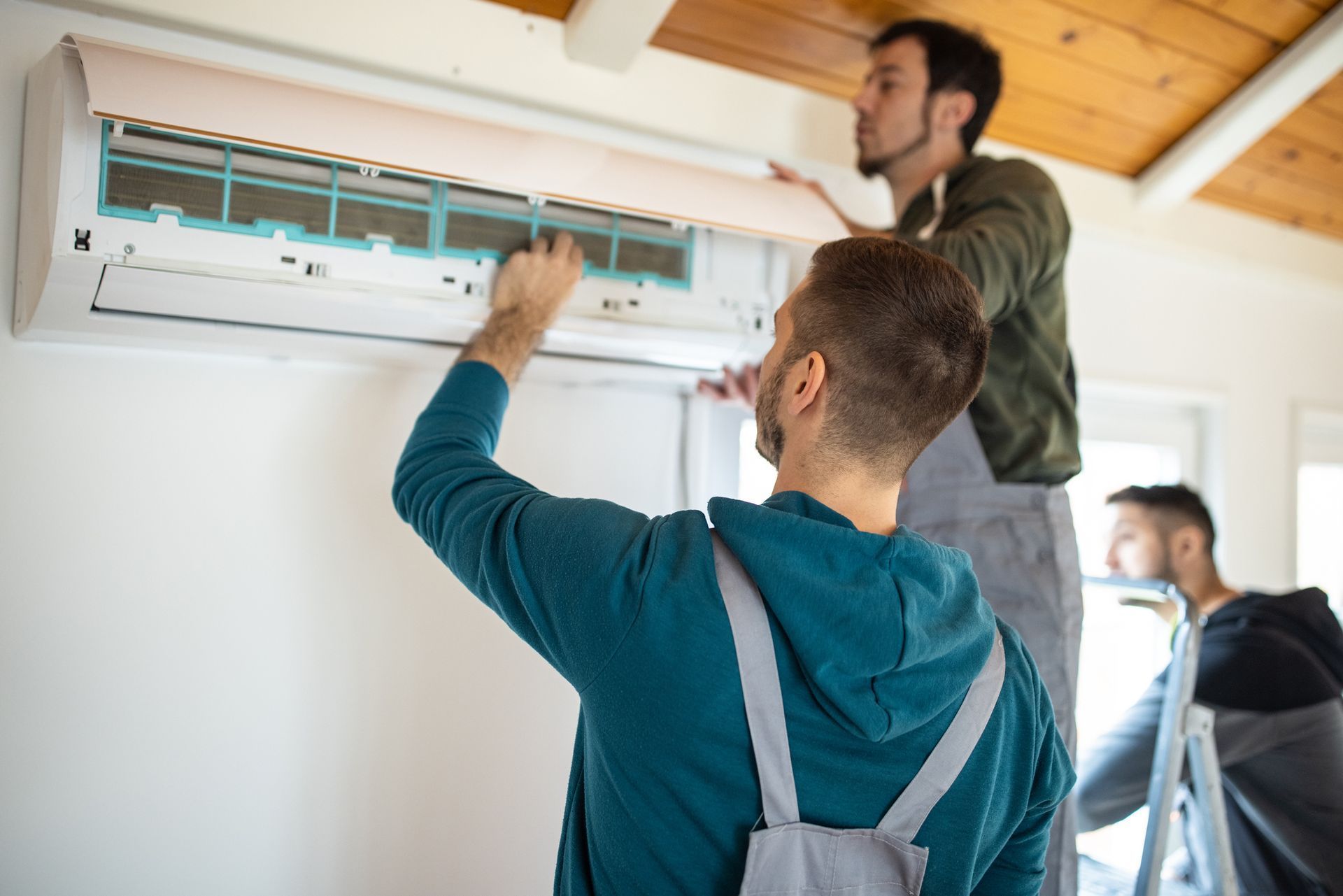
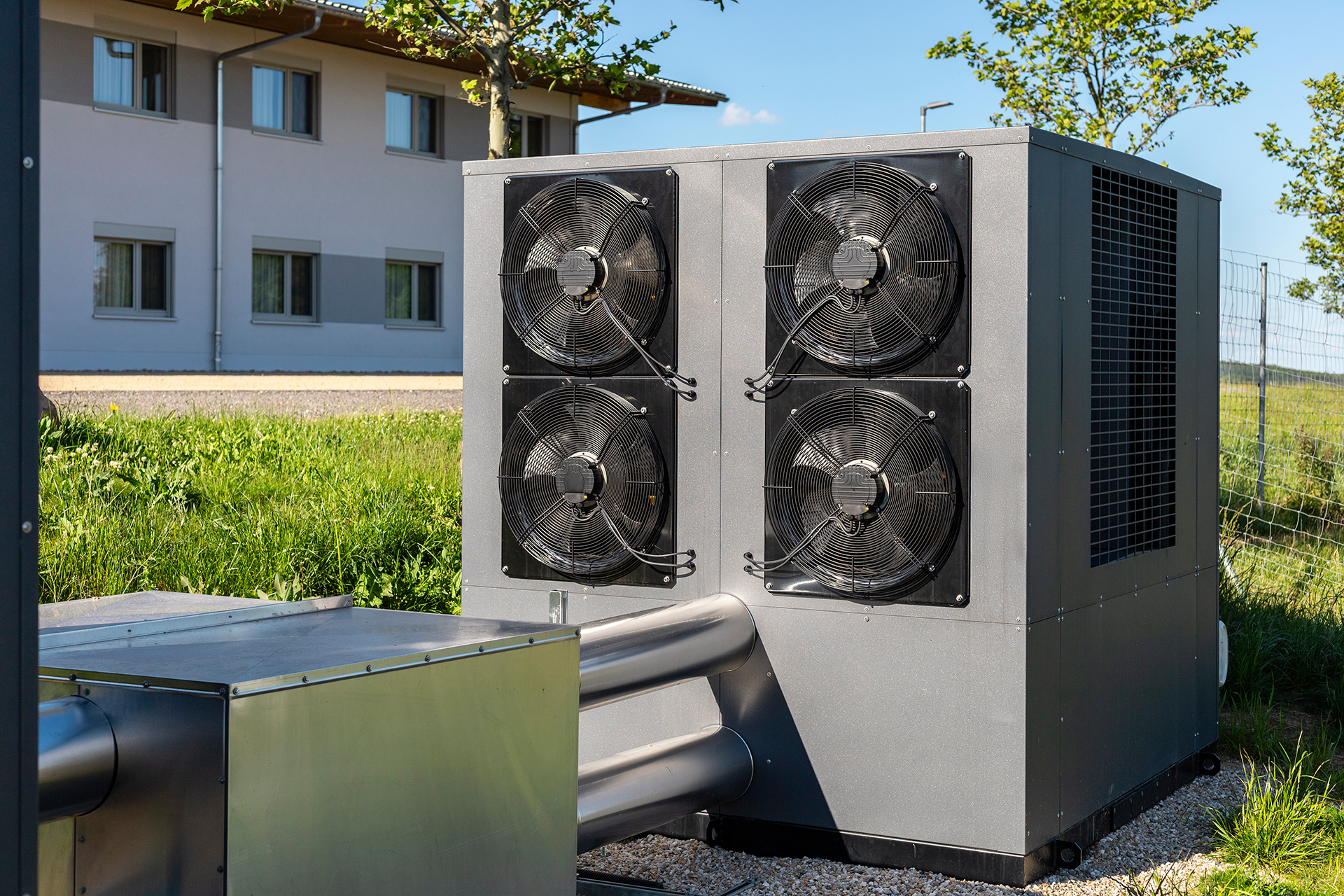
We provide business insurance designed for HVAC contractors. These policies protect your crew, vehicles, and tools while helping you meet project requirements. Every policy is explained clearly and delivered quickly so you can work without delays.

Resources
Insurance Tips for HVAC Contractors
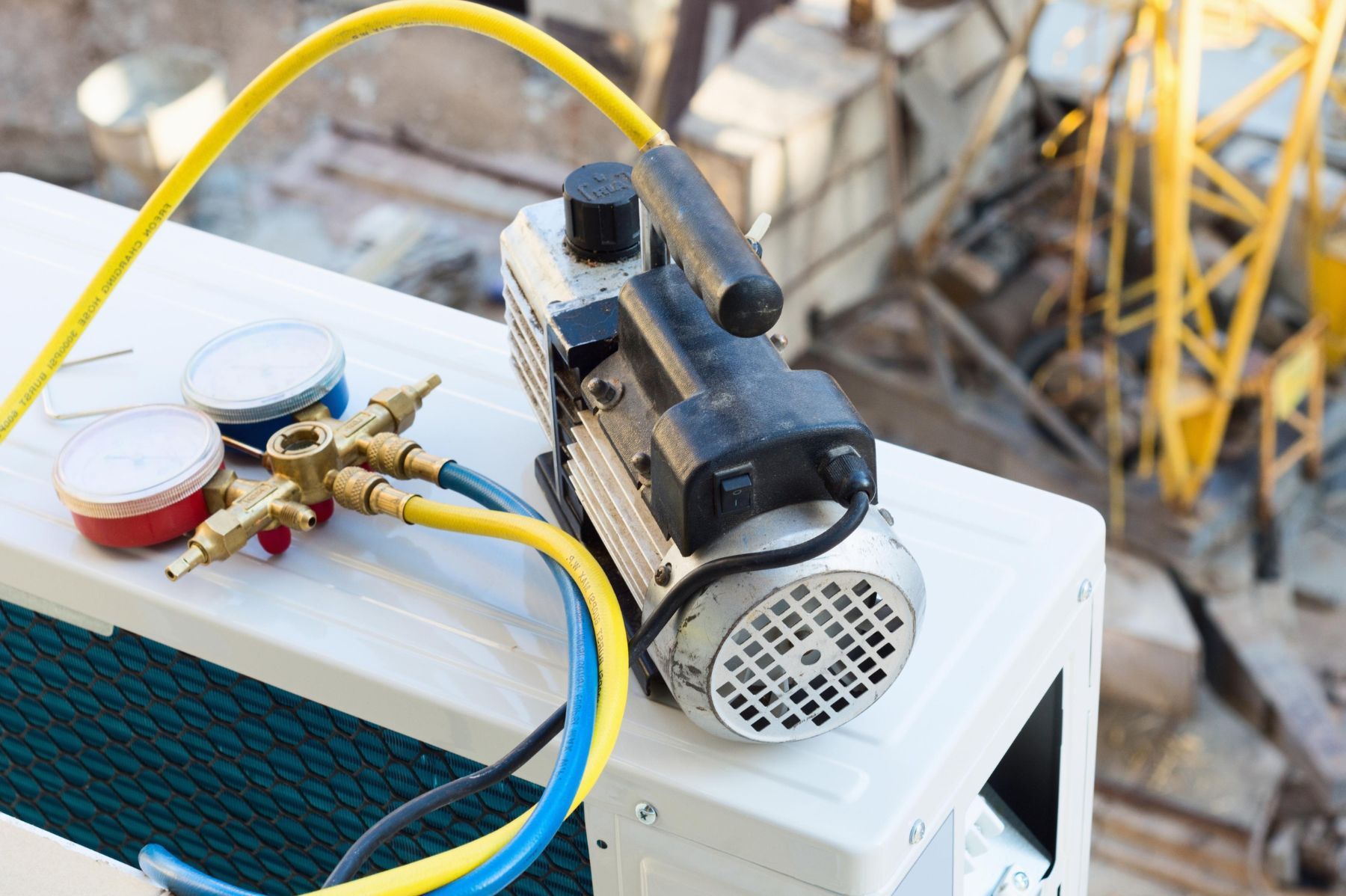
Our blog is built for contractors who want fast answers. Each article covers common questions and risks in under five minutes of reading.


Frequently Asked Question
Common HVAC Contractor Insurance Questions
These FAQs address common contractor questions. As HVACInsure grows, we will update this section with real client experiences and answers.
Why should an HVAC contractor use HVACInsure instead of a general agency?
Specialists understand jobsite requirements, certificate wording, and common endorsements for HVAC work. You get cleaner paperwork, faster approvals, and coverage that fits how your crews operate.
This reduces delays at the gate, avoids gaps, and helps you pass compliance checks the first time.
How fast can I get a Certificate of Insurance (COI)?
Most standard COIs are issued the same business day after binding or updates. If you need additional insured, primary/non-contributory, or waiver language, we prepare it correctly the first time.
Our goal is simple: get your crew on site without paperwork delays.
What coverages do HVAC contractors usually need?
Core policies include General Liability, Commercial Auto, Workers’ Comp, Property/Tools, Inland Marine, and Umbrella. Many projects require higher limits and specific endorsements.
We align your coverage with contract terms and explain each choice in plain language.
Will my tools and scheduled equipment be covered in vans or on jobsites?
Yes. Inland Marine (tools and equipment) can cover items in transit, stored in vehicles, or staged on site.
High-value items can be scheduled, and limits can match your daily field use to keep work moving.
Can I lower my premium without weakening protection?
Often, yes. Clean driver lists, accurate payrolls, safety programs, and bundling policies can help.
We review your profile, request carrier credits, and adjust limits and deductibles to control cost while meeting project requirements.
What should I do after a loss?
Contact us right away so we can file with the correct carrier and set expectations. We guide documentation, next steps, and follow-ups until closure.
Fast reporting and clear records help resolve claims sooner and keep your team focused on work.

Still have questions?
Can’t find the answer you’re looking for? Please chat to our friendly team!
Contact Us