The unique demands of the construction and HVAC industries require a deep understanding of risk management and specialized coverages. For contractors working with make-up air systems, precise evaluations and comprehensive policies can make a substantial difference in protecting business operations. An industry expert recently noted that with rising equipment and labor costs, accurate damage assessments are now more crucial than ever. Read on to explore what contractors need to know about this type of insurance coverage, why it is indispensable, and how market shifts may influence future coverage needs. Learn more about industry statistics.
The Importance of Specialized Insurance for Make-Up Air Units
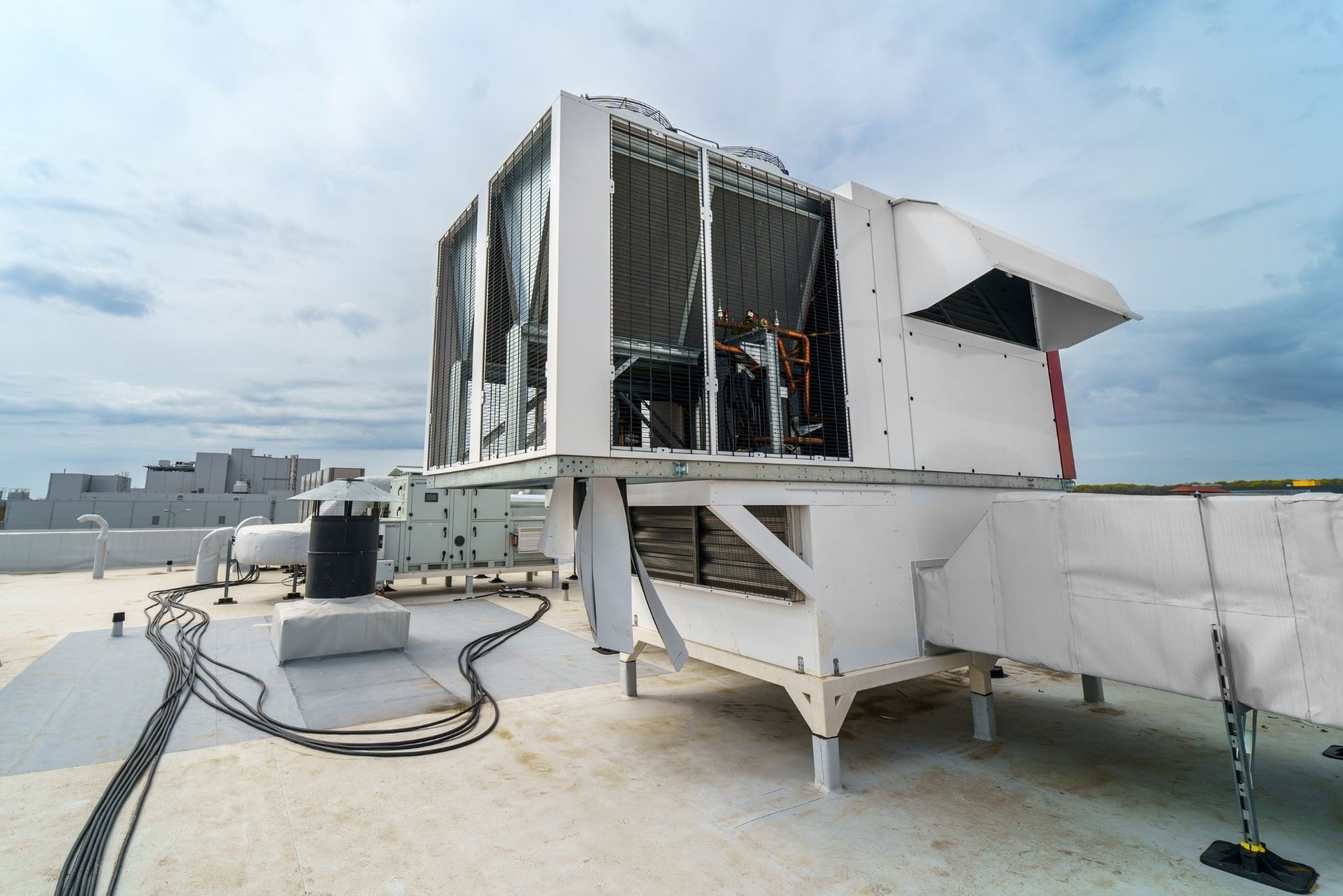
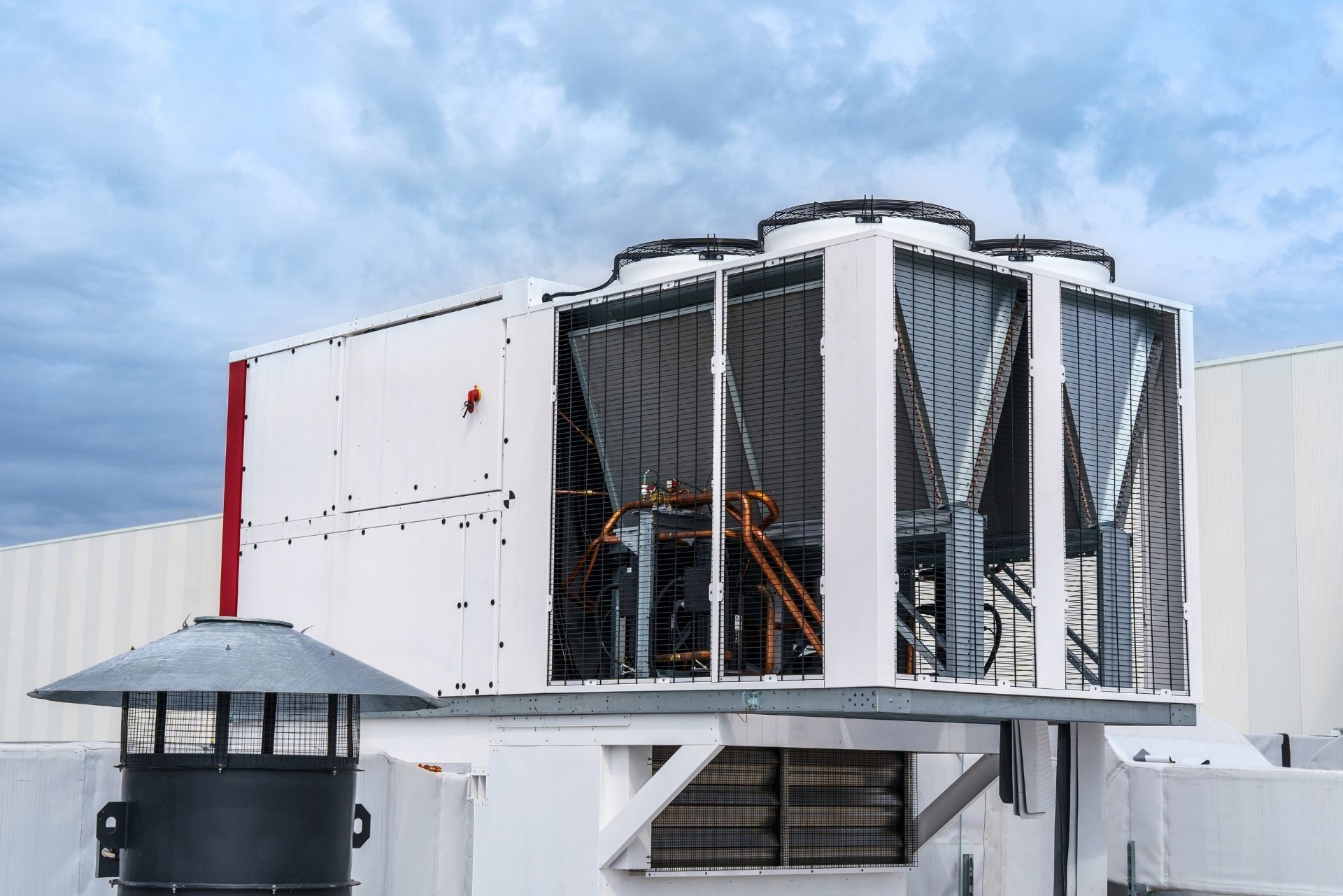
Make-up air units play a vital role in controlling indoor air quality and regulating building pressure in commercial settings. Contractors installing and maintaining these systems face specific risks that are not typically covered by a general insurance policy. This specialized coverage helps safeguard against potential property damage, equipment failure, and liability issues stemming from installation or repair mishaps.
Recent industry findings stress the significance of comprehensive policies that cover hidden risks inherent to HVAC work. For instance, over one-third of HVAC and refrigeration equipment claims have involved causes not usually included in standard policies according to a 2023 report. This statistic underlines the need for policies that are tailored to the unique challenges of make-up air systems.
Contractors benefit from specialized coverage by not only mitigating risks but also controlling unexpected costs that might otherwise cripple their operations. Precision in damage evaluation is essential, especially when settlements reach higher totals due to increasing labor and material costs.
HVACInsure is fully licensed and permitted to sell contractor and commercial insurance in Texas.
We proudly serve clients throughout Texas and maintain partnerships with local Texas insurance carriers to ensure HVAC professionals receive compliant, affordable, and comprehensive coverage that meets project and regulatory requirements.
Understanding the Coverage: What Make-Up Air Unit Insurance Includes
Equipment and Installation Coverage
The primary focus for make-up air unit contractor insurance is safeguarding the physical installation and functioning of the equipment. This coverage typically addresses damages related to improper installation, mechanical failure, and even unforeseen environmental hazards that could affect the system.
Contractors may face claims stemming from malfunctioning units that lead to indoor air quality problems, resulting in lawsuits or expensive repair bills. Because these systems are integral to building performance, ensuring that installation and subsequent maintenance issues are covered protects both the contractor and the property owner.
Coverage details can vary from policy to policy, and it is vital for contractors to scrutinize the fine print of their agreements. Given the intricate nature of these systems, working with a reputable insurer who understands the market’s nuances is highly recommended.
Liability and Umbrella Policies
Liability coverage is another critical component when it comes to protecting contractors from third-party claims. From property damage to bodily injury resulting from a faulty installation, a robust liability policy can provide essential financial protection. Notably, in 2025, more than half of U.S. construction firms have adopted umbrella liability insurance to extend their coverage limits beyond the base policy as per recent statistics.
Umbrella policies are particularly important in instances where claims exceed the limits of the primary insurance policy. This extra layer of protection is not just a safety net for contractors, but also contributes to peace of mind when managing multiple projects across different locations.
An umbrella policy works hand in hand with liability coverage, ensuring that any large-scale claims or unusually expensive settlements are managed without jeopardizing the contractor's financial stability.
Market Trends Influencing Coverage Needs
The HVAC industry is experiencing dynamic changes that directly impact contractor insurance requirements. A recent development has seen the U.S. Department of Energy forecast a growth in demand for commercial HVAC systems at a rate of over 7% from 2023 to 2030 explained in detail by industry experts. Growth in system installations often leads to an increase in the variety and volume of claims.
Another significant trend is the escalating cost of equipment and labor, which in turn increases insurance settlements. Curt VanNess, a technical director in the HVAC industry, underlines that precise damage assessments are urgent to avoid over- or under-payment issues. Contractors must now prioritize policies that adjust to these evolving economic factors while ensuring robust coverage.
Also worth noting is a forecasted shortage of skilled technicians, expected to reach 225,000 by 2025 in the HVAC sector
according to recent market outlook reports. As the demand for replacement and servicing increases due to this skill gap, insurance policies might need to encompass additional risks associated with hiring and training underqualified personnel.
Identifying Common Claims and Hidden Risks
Understanding the typical claims in the make-up air unit segment aids contractors in selecting the right policy. In the realm of HVAC, nearly 36% of claims include loss events not covered by standard insurance policies as highlighted in a recent claims report. These unexpected claims often stem from incidents like accidental property damage or improper system calibrations leading to inefficient performance.
Hidden risks in the HVAC industry are not always immediately visible. Many contractors encounter issues that only surface after equipment installation, such as leaks or mismanaged systems that lead to property damage. The effects can become severe, especially if the problem disrupts business operations or poses safety hazards.
Insurance policies specifically designed for make-up air unit contractors are built to address these risks. From industry-specific liabilities to coverage for subtle installation errors, a good policy ensures that contractors do not suffer financial setbacks from unforeseen problems.
Key Components and Benefits of Comprehensive Coverage
A robust insurance policy for make-up air units combines several essential features that help mitigate risk. The primary benefits include comprehensive equipment and installation coverage, augmented liability protection, and policy terms that adjust to market changes.
One of the major advantages is how these policies accommodate rising costs. Inflationary pressures on both equipment and labor mean that without adequate coverage, contractors might face settlements that do not reflect the true cost of repairs or replacements. Experts underscore that a careful evaluation process aids in calibrating settlements to current market conditions as discussed by specialists in the field.
Additionally, policies today are increasingly inclusive of ancillary liabilities. Such expanded coverages protect businesses not only during the installation phase but throughout the lifecycle of the equipment. Contractors who invest in these broad policies report fewer disruptions and improved financial predictability in the event of damages.
Comparing Standard Coverage to Specialized Make-Up Air Unit Policies
Contractors may sometimes consider a standard general liability policy as sufficient, but when it comes to handling make-up air units, the risks are often underestimated. A side-by-side comparison can clarify the distinctions between standard insurance and specialized coverage.
| Coverage Aspect | Standard General Liability | Specialized Make-Up Air Unit Coverage |
|---|---|---|
| Installation Errors | May be partially covered | Comprehensive protection that covers error-related costs |
| Equipment Malfunctions | Often excluded | Specifically includes mechanical and environmental risks |
| Labor and Equipment Cost Fluctuations | Fixed limits regardless of market changes | Coverage values adjust with market inflation and operational expenses |
| Third-Party Liability | Basic limits applied | Higher limits with umbrella policy options |
| Hidden Hazards | Typically not covered | Coverage includes claims from subtle installation issues |
This chart simplifies selecting the right policy by highlighting the critical differences between policies. Contractors managing make-up air unit projects gain a clearer perspective on the benefits of specialized insurance that standard policies might not offer.
Industry Challenges and the Role of Insurance
Contractors in the HVAC domain are facing new challenges on multiple fronts. With industry reports predicting a significant shortage of skilled technicians by 2025 according to recent market outlooks, the pressure to maintain robust and cost-effective coverage has never been greater.
In addition to the challenges of staffing, the risk environment itself is shifting. Construction and HVAC sectors now report that almost half of construction firms carry Employment Practices Liability Insurance (EPLI) to address employee rights and discrimination risks. This added layer of coverage reflects evolving priorities in risk management and the broader move towards comprehensive protection in industries known for high exposure.
The increasing complexity of make-up air installations means that hidden costs are a real threat. Claims that arise from otherwise overlooked vulnerabilities can result in expensive settlements. As noted by industry insiders, ensuring that proper evaluations are conducted during both inspection and repair phases is key to preventing spiraling costs.
What Contractors Should Look for in a Policy
Choosing an insurance policy must be a systematic process that involves understanding the specific risks related to make-up air unit work. Here are some key factors contractors should consider when selecting coverage:
Customization and Flexibility
Not all policies are created equal. A one-size-fits-all approach might leave gaps in coverage that expose the contractor to risk. Tailored policies should consider the unique conditions of each job, with provisions for emergency interventions or system-specific malfunctions. Carefully reviewing policy terms and conditions is essential, ensuring that every potential risk is adequately covered.
Customizable policies are designed to adapt, accommodating rising expenses and fluctuating market conditions linked to new installations. Contractors are encouraged to work closely with insurers who appreciate the industry's detailed needs and can offer bespoke solutions.
This level of customization proves worthwhile when unexpected challenges arise during system installations or subsequent repairs.
Price versus Value
Premiums may seem lower with basic coverage, but the true test comes when claims occur. A policy's value lies in its ability to cover risks without leaving significant financial gaps. Many contractors have discovered that investing in comprehensive policies that integrate equipment, installation, and liability coverage saves money in the long run.
In an industry where equipment and labor costs are on the rise, ensuring that your coverage rises to meet these expenses is a strategic move. Precision in damage evaluation, as discussed by specialists, is a key element in determining the fair compensation for claims according to industry insights. Even seemingly minor differences in policy detail can have a major impact when claims are filed.
Contractors should compare policies thoroughly, looking not just at price, but at how well the policy addresses their specific risk profile.
Emerging Issues and Long-Term Considerations
Looking ahead, long-term considerations for contractors revolve around adapting to a changing risk landscape. The installation of make-up air systems, while critical for building performance, is becoming increasingly complex. The adoption rates of extended coverages and umbrella policies signal a widespread recognition of the additional risks present in modern installations as noted by recent industry statistics.
Future policies might include even more tailored clauses specifically designed for market conditions affected by inflation and labor shortages. For contractors, understanding how policy language can evolve with technological and economic changes is paramount. This evolution underscores the need for flexibility in policy terms and for regular updates to coverage as the industry grows.
Contractors should remain engaged with industry experts and continually review their risk profiles. Adapting to long-term industry shifts by engaging with forward-thinking insurers remains a smart strategy.
Frequently Asked Questions
Below are some commonly asked questions that contractors have regarding make-up air unit insurance coverage.
Q: Why do contractors need specialized insurance for make-up air systems?
A: Make-up air systems have unique risks such as installation errors and equipment malfunctions that are often not covered by standard policies.
Q: What additional benefits do umbrella liability policies offer?
A: Umbrella policies extend liability coverage beyond the limits of standard policies, protecting against larger claims if losses exceed primary limits.
Q: How do rising equipment and labor costs impact insurance settlements?
A: With increasing costs, settlements for damage claims tend to be higher. Accurate damage evaluation becomes vital to ensure that settlements match current market values industry experts point out.
Q: Can a make-up air unit policy be customized based on specific job requirements?
A: Yes, many insurance providers offer tailored policies that adjust coverage based on the unique challenges of each installation scenario.
Q: What should be a key consideration when comparing policies?
A: Contractors should consider both the price and the breadth of coverage, ensuring that policy details cover all potential risks, including installation errors and hidden hazards.
Q: How important is it for insurers to update their coverage options with changing market trends?
A: It is crucial that policies evolve to reflect inflation, skilled labor shortages, and technological advancements so that coverage remains both comprehensive and relevant.
Wrapping Things Up
Understanding make-up air unit contractor insurance is a vital component of risk management for businesses operating in this specialized field. With tailored coverage options that bridge the gap between standard policies and the advanced needs of modern HVAC installations, contractors are empowered to safeguard their operations. In a market where nearly 45% of construction firms have adopted EPLI coverage and over 55% carry umbrella liability insurance, the benefits of specialized policies become apparent according to industry data.
The unique challenges posed by equipment malfunctions, installation errors, and fluctuating market costs require that policies remain flexible and adaptive. Comprehensive coverage, which factors in both visible and hidden risks, gives contractors the security needed to operate confidently in a competitive and ever-changing marketplace.
Prioritizing precision in damage evaluation, staying abreast of market trends, and opting for customizable insurance solutions are the keys to long-term success. As market dynamics shift, tailoring coverage to meet current needs will continue to be a smart move for any contractor working with make-up air systems.
Contractors must view insurance not as an overhead cost but as a critical investment in the stability and growth of their business. Evaluating options regularly and engaging with insurers who understand industry specifics will ensure that coverage remains both comprehensive and competitive.
Expert insights further emphasize this approach.

About The Author: James Jenkins
I’m James Jenkins, Founder and CEO of HVACInsure. I work with HVAC contractors and related trades to simplify insurance and make coverage easier to understand. Every day, I help business owners secure reliable protection, issue certificates quickly, and stay compliant so their teams can keep working safely and confidently.
Recognized by National HVAC Trade Associations
These trusted organizations set best practices and standards that carriers rely on when underwriting HVAC risks.
Membership signifies adherence to HVAC industry standards and contractor best practices.
Coverage for Crews, Vehicles, and Tools
Insurance for HVAC Contractors
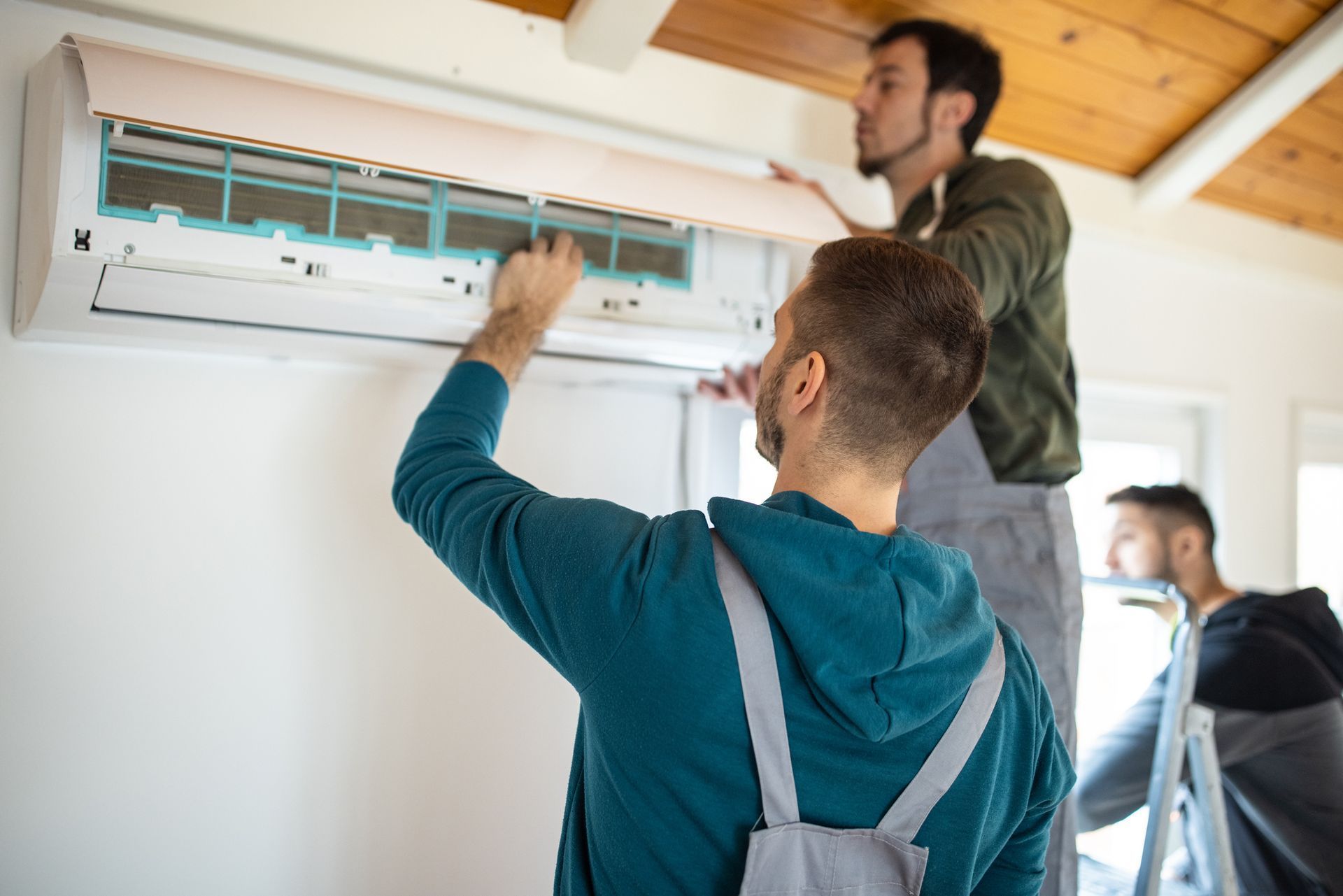
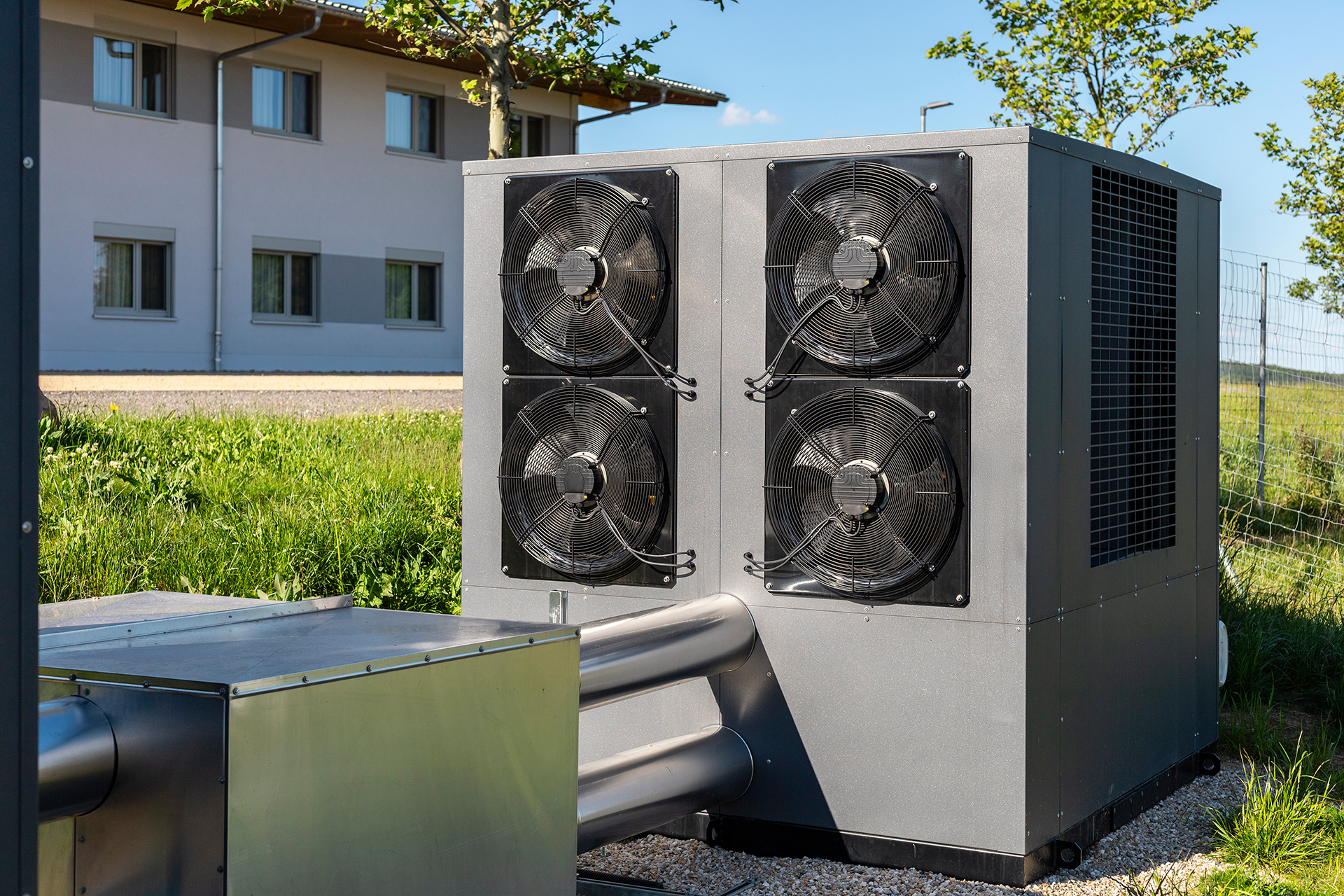
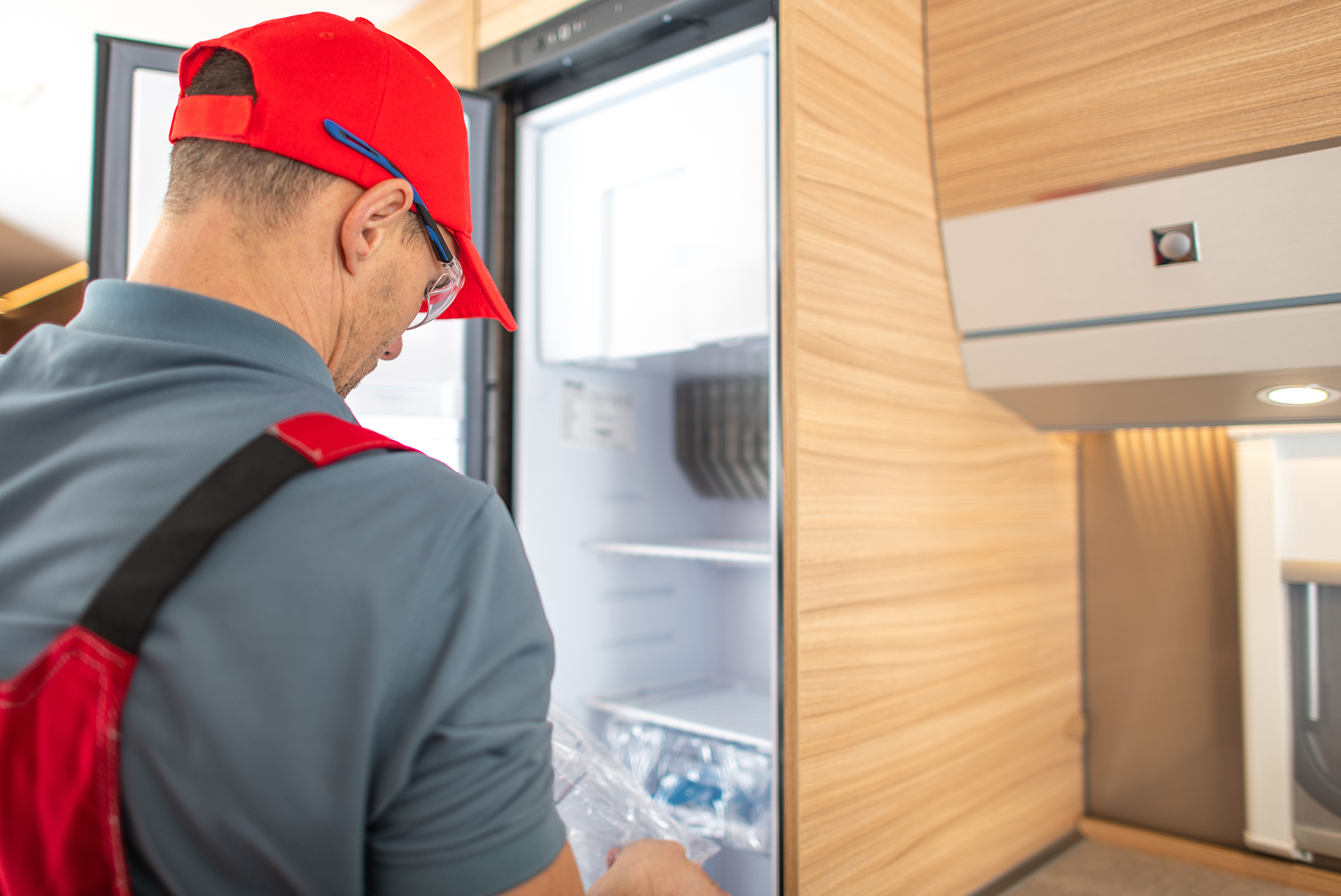
We provide business insurance designed for HVAC contractors. These policies protect your crew, vehicles, and tools while helping you meet project requirements. Every policy is explained clearly and delivered quickly so you can work without delays.
Resources
Insurance Tips for HVAC Contractors
Our blog is built for contractors who want fast answers. Each article covers common questions and risks in under five minutes of reading.


Frequently Asked Question
Common HVAC Contractor Insurance Questions
These FAQs address common contractor questions. As HVACInsure grows, we will update this section with real client experiences and answers.
Why should an HVAC contractor use HVACInsure instead of a general agency?
Specialists understand jobsite requirements, certificate wording, and common endorsements for HVAC work. You get cleaner paperwork, faster approvals, and coverage that fits how your crews operate.
This reduces delays at the gate, avoids gaps, and helps you pass compliance checks the first time.
How fast can I get a Certificate of Insurance (COI)?
Most standard COIs are issued the same business day after binding or updates. If you need additional insured, primary/non-contributory, or waiver language, we prepare it correctly the first time.
Our goal is simple: get your crew on site without paperwork delays.
What coverages do HVAC contractors usually need?
Core policies include General Liability, Commercial Auto, Workers’ Comp, Property/Tools, Inland Marine, and Umbrella. Many projects require higher limits and specific endorsements.
We align your coverage with contract terms and explain each choice in plain language.
Will my tools and scheduled equipment be covered in vans or on jobsites?
Yes. Inland Marine (tools and equipment) can cover items in transit, stored in vehicles, or staged on site.
High-value items can be scheduled, and limits can match your daily field use to keep work moving.
Can I lower my premium without weakening protection?
Often, yes. Clean driver lists, accurate payrolls, safety programs, and bundling policies can help.
We review your profile, request carrier credits, and adjust limits and deductibles to control cost while meeting project requirements.
What should I do after a loss?
Contact us right away so we can file with the correct carrier and set expectations. We guide documentation, next steps, and follow-ups until closure.
Fast reporting and clear records help resolve claims sooner and keep your team focused on work.

Still have questions?
Can’t find the answer you’re looking for? Please chat to our friendly team!
Contact Us