Cleanroom and Pharmaceutical HVAC Contractors Insurance
or call us: (469) 678-8001
When a pharmaceutical manufacturing plant depends on precise climate control, a single HVAC failure can halt production and cause costly damages. Cleanroom and pharmaceutical HVAC contractors face unique risks that demand tailored insurance coverage. Without the right protection, one mishap-whether a refrigerant leak or electrical fault-can lead to claims that threaten both reputation and finances. Understanding how insurance fits into this specialized field is crucial for contractors who want to safeguard their work and build trust with clients.
Why Insurance Is Non-Negotiable for Pharmaceutical HVAC Contractors
Cleanroom HVAC systems operate under strict standards to maintain sterile environments. Any disruption can compromise product quality and safety, leading to expensive recalls or regulatory penalties. Insurance is not just a formality; it acts as a shield against the high stakes involved.
General liability premiums for HVAC contractors typically range from 1.3% to 2.6% of annual revenue, reflecting the risk profile of the trade. For pharmaceutical HVAC contractors, these premiums may be on the higher end due to the sensitive nature of their work. According to experts, “HVAC contractor insurance is essential, but many owners and contractors struggle to find the right quotes and coverage” (contractornerd.com).
Insurance helps cover property damage, bodily injury, and even pollution liability—risks that are very real in this sector. For example, refrigerant leaks not only damage equipment but can also cause environmental harm, which standard policies might not fully cover. The potential for costly litigation or fines due to non-compliance with environmental regulations makes having comprehensive insurance even more critical for contractors in this field.
Moreover, the complexity of pharmaceutical HVAC systems necessitates a deep understanding of both engineering and regulatory requirements. Each installation must be meticulously designed and maintained to ensure compliance with Good Manufacturing Practices (GMP) and other industry standards. This complexity increases the likelihood of unforeseen issues arising during installation or maintenance, further underscoring the importance of robust insurance coverage. Additionally, many pharmaceutical companies require proof of insurance before engaging contractors, making it a prerequisite for securing contracts and ensuring business continuity.
Furthermore, the landscape of pharmaceutical manufacturing is continually evolving, with new technologies and regulations emerging regularly. HVAC contractors must stay informed about these changes to mitigate risks effectively. Insurance policies can also provide access to risk management resources and training, helping contractors navigate the intricacies of maintaining cleanroom environments. By investing in the right insurance, contractors not only protect their business but also enhance their reputation as reliable partners in the pharmaceutical industry, ultimately leading to more opportunities for growth and collaboration.
HVACInsure is fully licensed and permitted to sell contractor and commercial insurance in USA.
We proudly serve clients throughout the United States and maintain partnerships with local Texas insurance carriers to ensure HVAC professionals receive compliant, affordable, and comprehensive coverage that meets project and regulatory requirements.
Key Risks Unique to Cleanroom and Pharmaceutical HVAC Work
Pharmaceutical HVAC contractors encounter hazards beyond typical residential or commercial jobs. Electrical shocks, heavy lifting, and handling specialized refrigerants are just a few challenges. Each carries potential for claims, and the industry sees over 25,000 claims yearly related to HVAC work, with 39% tied to equipment failures such as improper refrigerant handling (blog.getfieldfactor.com).
Moreover, the 2023 HVACi Annual Claims Report found that 36% of HVAC and refrigeration equipment claims involved causes of loss not typically covered by standard insurance policies (insurance.org). This gap highlights the importance of specialized coverage tailored to the pharmaceutical environment. In cleanrooms, where contamination control is paramount, even minor equipment failures can lead to significant product loss and regulatory penalties. The stakes are high, as any lapse in system performance can compromise the integrity of sensitive pharmaceutical products, leading to costly recalls and damage to a company's reputation.
Warmer summers have also increased HVAC failures by 20 to 30 percent, amplifying risks like property damage and pollution liability. With record heat waves becoming more frequent, contractors must prepare for heightened exposure to claims related to system breakdowns in critical cleanroom settings (blog.getfieldfactor.com). Additionally, the rising temperatures can exacerbate the wear and tear on HVAC systems, leading to more frequent maintenance needs and potential system failures. This not only increases operational costs but also necessitates a more proactive approach to system monitoring and maintenance, emphasizing the need for advanced technologies and real-time data analytics to ensure optimal performance in these high-stakes environments.
Furthermore, the regulatory landscape surrounding pharmaceutical manufacturing is constantly evolving, with stricter guidelines being implemented to ensure product safety and efficacy. HVAC contractors must stay abreast of these changes and adapt their systems accordingly, which can introduce additional complexities and risks. For instance, failure to comply with updated cleanroom standards can result in costly fines and operational shutdowns. Therefore, it is crucial for contractors to not only understand the technical aspects of HVAC systems but also the regulatory implications of their work, ensuring that they are equipped to meet the stringent demands of the pharmaceutical industry.

Essential Insurance Coverages for Pharmaceutical HVAC Contractors
Choosing the right insurance means understanding which policies cover the most significant risks. General liability insurance is a baseline, protecting against third-party bodily injury and property damage. Given the complexity of pharmaceutical HVAC work, contractors often need additional layers of coverage.
Workers’ compensation is another must-have, especially since the median cost for HVAC contractors is about $127 per month or $1,524 per year (simplybusiness.com). This coverage protects employees from injuries on the job, which are common in this physically demanding trade. The HVAC industry often involves working in confined spaces, on ladders, or with heavy machinery, making the risk of accidents significantly higher. By having workers' compensation, contractors not only comply with legal requirements but also foster a safer work environment, which can enhance employee morale and retention.
Pollution liability insurance is particularly relevant for pharmaceutical HVAC contractors. This coverage addresses environmental damage caused by refrigerant leaks or chemical spills, risks that standard policies often exclude. Without it, contractors may face costly lawsuits or cleanup expenses. The pharmaceutical industry is held to stringent environmental standards, and any breach can lead to severe penalties and reputational damage. Therefore, having this specialized coverage can be a crucial factor in maintaining a contractor's credibility and operational viability in a highly regulated field.
Professional liability insurance can also be critical. It covers claims arising from errors or omissions in design, installation, or maintenance that lead to system failures. This is especially important when working with cleanroom specifications where precision is non-negotiable. In the pharmaceutical sector, even minor deviations from protocol can result in significant financial losses or jeopardize patient safety. By securing professional liability insurance, contractors can safeguard their business against potential lawsuits stemming from these high-stakes environments, allowing them to focus on delivering quality service without the looming fear of litigation.
Additionally, equipment breakdown insurance is another important consideration for HVAC contractors in the pharmaceutical industry. This coverage protects against the costs associated with the unexpected failure of essential equipment, such as chillers or air handling units, which are critical for maintaining the controlled environments necessary for pharmaceutical production. Downtime due to equipment failure can lead to costly production delays and potential losses in revenue. By investing in this type of insurance, contractors can ensure that they are prepared for unforeseen circumstances, allowing them to respond swiftly and effectively to minimize disruptions in service.
How Insurance Can Become a Competitive Advantage
Homeowners and facility managers are increasingly seeking HVAC contractors who demonstrate transparency and reliability. In 2024, industry trends show a marked shift toward valuing contractors who can prove they carry comprehensive insurance coverage (hvacinsure.com).
Carrying the right insurance not only protects contractors but also builds client confidence. It signals professionalism and readiness to handle complex projects without exposing clients to undue risk. This can be a deciding factor when pharmaceutical companies choose between multiple bids.
As one expert put it, “Insurance isn’t bureaucracy-it’s your shield” (blog.getfieldfactor.com). For contractors, this means insurance is not just a cost but a strategic investment in reputation and operational security.
Moreover, the evolving landscape of HVAC technology and regulations means that contractors must be proactive in their risk management strategies. With advancements in smart HVAC systems and increased regulatory scrutiny, having robust insurance coverage can help mitigate potential liabilities associated with new technologies. This not only protects the contractor but also reassures clients that they are working with a knowledgeable professional who is prepared for the challenges of modern installations.
Additionally, the competitive nature of the HVAC industry necessitates that contractors differentiate themselves in meaningful ways. Insurance can serve as a unique selling proposition, especially when combined with a strong safety record and customer testimonials. By showcasing their commitment to safety and risk management through comprehensive insurance policies, contractors can attract more discerning clients who prioritize reliability and accountability in their service providers.

Balancing Cost and Coverage: What Contractors Should Know
Insurance premiums can feel like a significant expense, but the cost of being underinsured is far higher. General liability premiums typically run between 1.3% and 2.6% of annual revenue, a range that reflects the complexity and risk of HVAC work (contractornerd.com).
Contractors should work closely with insurance professionals who understand the pharmaceutical HVAC niche. Customized policies can avoid gaps that standard insurance might leave open, such as coverage for pollution liability or equipment failure in sensitive environments. Additionally, contractors should consider the specific requirements of their clients, as many pharmaceutical companies have stringent compliance standards that necessitate specialized coverage. This tailored approach not only protects the contractor but also enhances their credibility with clients, demonstrating a commitment to quality and safety.
Regularly reviewing coverage is also important. As the industry faces new challenges—like increased claims due to heat-related HVAC failures—insurance needs can evolve rapidly. Staying ahead ensures contractors remain protected without paying for unnecessary coverage. Furthermore, as technology advances, the introduction of smart HVAC systems may require additional considerations in terms of liability and data protection. Contractors should be proactive in discussing these innovations with their insurers to ensure that their policies adequately cover any potential risks associated with new technologies.
Moreover, understanding the nuances of different insurance products can empower contractors to make informed decisions. For instance, some policies may offer better coverage for subcontractors, while others might include endorsements that specifically address the unique hazards of working in pharmaceutical environments. By engaging in comprehensive discussions with their insurance agents, contractors can identify the most beneficial options tailored to their operational needs, ultimately leading to better financial management and risk mitigation.
Practical Steps to Secure the Right Insurance
Start by assessing the specific risks your cleanroom or pharmaceutical HVAC projects face. Consider the types of equipment you handle, the environments you work in, and the potential for property or environmental damage.
Next, gather multiple insurance quotes and compare not just price but coverage details. Look for policies that explicitly cover refrigerant leaks, pollution liability, and professional errors.
Maintain clear documentation of your work processes and safety protocols. Insurers value contractors who demonstrate risk management, which can lead to better rates and smoother claims handling.
Finally, educate your clients about your insurance coverage. Transparency about your protection can reassure them that their projects are in capable and responsible hands.
Insurance Coverage Comparison for Pharmaceutical HVAC Contractors
| Coverage Type | What It Covers | Why It Matters for Pharmaceutical HVAC |
|---|---|---|
| General Liability | Third-party bodily injury and property damage | Protects against accidents on-site that could halt production or cause injury |
| Workers’ Compensation | Employee injury and illness on the job | Essential for protecting workers handling heavy equipment and hazardous materials |
| Pollution Liability | Environmental damage from refrigerants or chemical spills | Addresses risks unique to HVAC refrigerants and cleanroom contaminants |
| Professional Liability | Errors or omissions in design or installation | Critical for high-precision cleanroom systems where mistakes can be costly |
What to Remember When Protecting Your Cleanroom HVAC Work
Pharmaceutical HVAC contractors operate in a high-risk, high-reward environment. Insurance is the foundation that supports both safety and business growth. Without it, a single claim can spiral into financial disaster.
Focus on coverage that matches the unique hazards of your work-pollution liability, workers’ comp, and professional errors are just as vital as general liability. Keep your policies up to date and communicate your coverage clearly to clients.
Ultimately, insurance is more than a legal requirement. It is a competitive advantage and a promise of reliability in a demanding industry.
Frequently Asked Questions
Q: Why is pollution liability important for pharmaceutical HVAC contractors?
A: It covers environmental damage from refrigerant leaks or chemical spills, which are common risks in cleanroom HVAC work and often excluded from standard policies.
Q: How much do HVAC contractors typically pay for workers’ compensation?
A: The median cost is about $127 per month or $1,524 per year, reflecting the physical risks involved in HVAC work.
Q: Can standard general liability insurance cover all risks in pharmaceutical HVAC?
A: No. Many claims, especially involving equipment failure or pollution, require specialized coverage beyond standard policies.
Q: How does insurance help contractors win more business?
Showing comprehensive insurance coverage builds trust with clients who prioritize transparency and reliability in 2024 and beyond.
Q: What causes most HVAC claims related to equipment?
Improper refrigerant handling and equipment failures account for about 39% of HVAC-related claims.

About The Author: James Jenkins
I’m James Jenkins, Founder and CEO of HVACInsure. I work with HVAC contractors and related trades to simplify insurance and make coverage easier to understand. Every day, I help business owners secure reliable protection, issue certificates quickly, and stay compliant so their teams can keep working safely and confidently.
Recognized by National HVAC Trade Associations
These trusted organizations set best practices and standards that carriers rely on when underwriting HVAC risks.
Membership signifies adherence to HVAC industry standards and contractor best practices.
Reviews
HVAC Contractor Reviews of
We're trusted by HVAC contractors throughout the US. Check out what our clients have to say about HVACInsure:
Coverage for Crews, Vehicles, and Tools
Insurance for HVAC Contractors
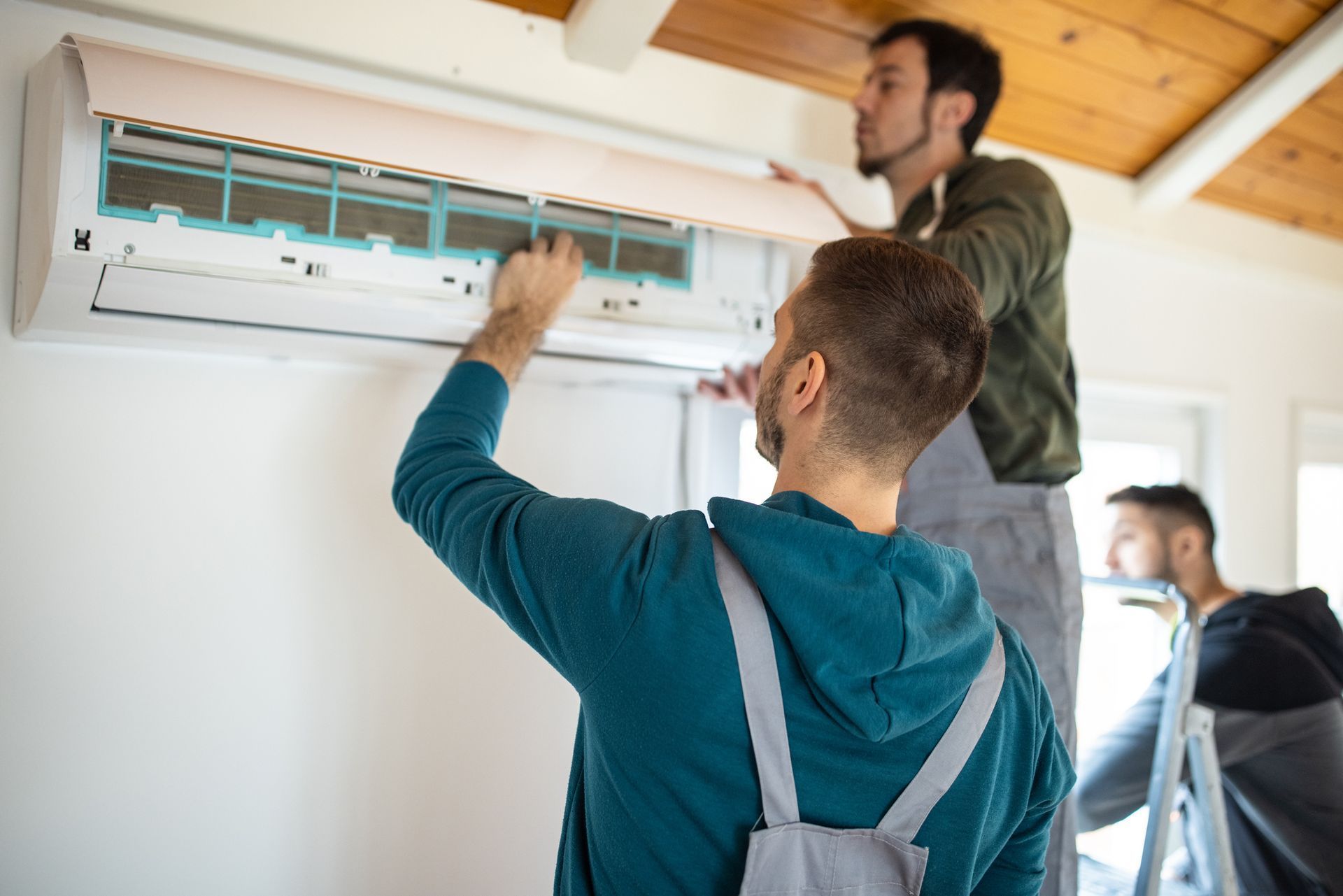
We provide business insurance designed for HVAC contractors. These policies protect your crew, vehicles, and tools while helping you meet project requirements. Every policy is explained clearly and delivered quickly so you can work without delays.

Resources
Insurance Tips for HVAC Contractors
Our blog is built for contractors who want fast answers. Each article covers common questions and risks in under five minutes of reading.


Frequently Asked Question
Common HVAC Contractor Insurance Questions
These FAQs address common contractor questions. As HVACInsure grows, we will update this section with real client experiences and answers.
Why should an HVAC contractor use HVACInsure instead of a general agency?
Specialists understand jobsite requirements, certificate wording, and common endorsements for HVAC work. You get cleaner paperwork, faster approvals, and coverage that fits how your crews operate.
This reduces delays at the gate, avoids gaps, and helps you pass compliance checks the first time.
How fast can I get a Certificate of Insurance (COI)?
Most standard COIs are issued the same business day after binding or updates. If you need additional insured, primary/non-contributory, or waiver language, we prepare it correctly the first time.
Our goal is simple: get your crew on site without paperwork delays.
What coverages do HVAC contractors usually need?
Core policies include General Liability, Commercial Auto, Workers’ Comp, Property/Tools, Inland Marine, and Umbrella. Many projects require higher limits and specific endorsements.
We align your coverage with contract terms and explain each choice in plain language.
Will my tools and scheduled equipment be covered in vans or on jobsites?
Yes. Inland Marine (tools and equipment) can cover items in transit, stored in vehicles, or staged on site.
High-value items can be scheduled, and limits can match your daily field use to keep work moving.
Can I lower my premium without weakening protection?
Often, yes. Clean driver lists, accurate payrolls, safety programs, and bundling policies can help.
We review your profile, request carrier credits, and adjust limits and deductibles to control cost while meeting project requirements.
What should I do after a loss?
Contact us right away so we can file with the correct carrier and set expectations. We guide documentation, next steps, and follow-ups until closure.
Fast reporting and clear records help resolve claims sooner and keep your team focused on work.

Still have questions?
Can’t find the answer you’re looking for? Please chat to our friendly team!
Contact Us