A contractor’s ability to smoothly replace HVAC systems hinges on not just technical skill but also robust insurance coverage. Mistakes, delays, or unexpected equipment failures can escalate into costly claims. Insight from industry leaders shows that 39% of HVAC and refrigeration equipment claims in 2024 stemmed from issues typically not covered by standard policies, underscoring the need for specialized coverage (HVACi Annual Claims Report 2024).
As equipment and labor costs soar, the need for precise evaluations of damage and repairs has become even more critical (Curt VanNess, Technical Director for HVACi). Homeowners are also now looking for transparency and dependability. With 73% of them opting for contractors with proven track records, it is essential to build a reputation that inspires confidence (HVACi Insights).
Below is a comprehensive guide that walks through the insurance essentials HVAC replacement contractors need. Topics include risk management, coverage types, cost implications, technological advancements in risk evaluation, and practical steps to create a robust insurance strategy.
Understanding the Risks in HVAC Replacement
Complexities in Equipment Replacement
HVAC replacement work is inherently complex. The nature of this work involves not only the installation of large, sophisticated systems but also the careful removal of outdated units. Mistakes during either process can lead to costly damages and claims. Unforeseen issues such as electrical failures, refrigerant leaks, or structural damage often result in claims that fall outside traditional policy coverage. Reports indicate that nearly 39% of evaluated equipment claims in 2024 originated from causes typically excluded from standard insurance policies (HVACi Annual Claims Report 2024).
Since these excluded events are more common than many realize, developing targeted coverage is critical. A solid understanding of the risks unique to HVAC replacement projects can help contractors mitigate losses and avoid coverage gaps.
The Impact of Rising Costs
Inflated equipment and labor costs have a direct bearing on insurance settlements. Curt VanNess, Technical Director for HVACi, cautions that as prices keep climbing, settlements for even minor claims become significantly more expensive (HVACi insights). This emphasizes the need for highly accurate damage assessments to ensure that the settlements neither overpay nor underpay for the incurred losses.
Contractors must maintain a keen awareness of how increased costs influence their risk exposure. Inaccurate claims or valuation errors could end up costing more money in the long run. Incorporating rigorous evaluation processes into daily operations can help reduce the chances of disputes with insurers and minimize financial risk.

HVACInsure is fully licensed and permitted to sell contractor and commercial insurance in Texas.
We proudly serve clients throughout Texas and maintain partnerships with local Texas insurance carriers to ensure HVAC professionals receive compliant, affordable, and comprehensive coverage that meets project and regulatory requirements.
Essential Insurance Coverages for HVAC Replacement Contractors
General Liability and Beyond
General liability coverage offers a basic safety net by covering property damage, bodily injury, and third-party claims. However, HVAC replacement contractors encounter specialized challenges that often require tailored insurance solutions.
When a contractor is faced with a claim originating from an excluded cause, having a policy that can address such unique risks is invaluable. Many contractors now consider extended coverage products aimed specifically at the HVAC industry. This specialized coverage can include protection against equipment malfunctions, installation errors, structural damages, and environmental hazards.
Understanding exactly what traditional policies cover-and more importantly, what they don’t-can inform decisions on additional endorsements and add-ons. A robust insurance package should integrate both general liability and specialized risk components to offer comprehensive protection.
Umbrella Liability and Additional Protections
Umbrella liability insurance is becoming a common add-on for construction firms. In 2025, 55% of U.S. construction companies carried such policies, reflecting heightened awareness of the need for extra coverage layers (HVAC industry report). This coverage comes into play when the limits on primary policies are exceeded, ensuring that contractors face fewer financial setbacks when large claims arise.
Many contractors find that umbrella liability insurance provides peace of mind against catastrophic claims, further cementing its role as a necessary component in comprehensive risk management strategies. Combining basic policies with umbrella and tailored add-ons forms a safety net that mitigates various operational hazards.
The challenge is to work with trusted insurance professionals who understand the nuances of HVAC replacement. They can help design a policy that is balanced and offers relevant protection for both everyday operations and rare, high-impact events.
Evaluating Technological Advances in Risk Assessment
Automation and Machine Learning Tools
Innovations in technology are transforming how insurance claims and risk evaluations are approached in the HVAC industry. In 2022, a study demonstrated the potential of machine learning to extract detailed information from building blueprints. This approach enhances the accuracy of risk assessments, offering a data-driven method to evaluate potential hazards on job sites (arXiv study).
These advanced tools not only speed up the evaluation process but also bring consistency to damage assessments. Machine learning models can identify subtle risk factors in building layouts. Contractors benefit from more precise risk profiles and reduced subjective errors, ensuring that policies closely match the realities of on-site work.
Implementing such technology can help bridge the gap between traditional evaluation methods and the demands of modern HVAC replacement projects. The more accurate the assessment, the better the coverage matches the actual risks, lowering the potential for unforeseen expenses having to be covered by additional claims.
Real-Time Data for Informed Decision-Making
Using real-time data to assess risk can be a game changer in the HVAC replacement niche. Sensors, monitoring systems, and digital management tools provide contractors with live insights into equipment performance and environmental conditions. This data informs immediate adjustments in project execution and risk management decisions.
With real-time analysis, contractors can quickly detect inconsistencies or early signs of failure, thereby averting bigger issues that might lead to insurance claims. This proactive approach not only lowers the risk but can also lead to more favorable premium rates as insurers value contractors who demonstrate elevated risk management practices.
Cost Implications and Coverage Considerations
Calculating the True Cost of Coverage
The increase in equipment and labor costs has a ripple effect on insurance settlements, making the right coverage mix even more important. Even a minor misjudgment in damage evaluation can lead to significant financial discrepancies. The current industry trend underscores the necessity for precise damage assessments to avoid the pitfalls of overpayment or underpayment on claims (industry expert insights).
Contractors need to analyze the potential costs associated with different types of coverage. While extended coverage may carry a higher premium, it can result in long-term savings by preventing out-of-pocket expenses during claims.
The decision on what coverage levels to select should be informed by a clear understanding of typical claim causes. For instance, given that 39% of equipment-related claims stem from excluded causes, it is critical to examine policies that address such gaps.
Coverage Customization and Flexibility
No two HVAC replacement projects are exactly alike. Contractors work on diverse sites with varying degrees of risk exposure. As a result, insurance needs to be flexible and customizable to suit individual project profiles.
Custom policies can include endorsements that extend general liability or add specialized coverages tailored to specific operational risks. Contractors should work collaboratively with insurance providers to develop a policy suite that reflects their day-to-day realities. Customization not only ensures better coverage but also builds trust with insurers, lowering the chance of future disputes over claims.
Flexibility in policy terms may also involve adjustable deductibles or limits that change according to the project scope. Such adaptability benefits contractors by aligning their insurance protections with shifting market conditions and project-specific requirements.

Coverage Type Comparison Chart
The table below outlines the differences between basic general liability insurance and comprehensive coverage designed for HVAC replacement contractors. It highlights each policy’s features, benefits, and limitations, making it easier to choose the best fit.
| Coverage Type | Key Features | Advantages | Limitations |
|---|---|---|---|
| General Liability | Covers bodily injury and property damage, limited equipment coverage | Cost-effective; baseline protection | May not cover unique HVAC risks or excluded causes |
| Specialized HVAC Coverage | Includes equipment malfunction, installation errors, environmental risks | Tailored protection for HVAC-specific hazards; reduces exposure to excluded causes | Higher premiums; requires detailed underwriting |
| Umbrella Liability | Provides excess coverage over primary policies | Effective in catastrophic claim scenarios; fills gap when primary limits are exceeded | Additional cost; may have coverage restrictions |
This chart provides a snapshot of how each coverage option addresses specific risks. Contractors can use this information to discuss coverage options with their insurance advisors and pinpoint the right balance between cost and protection.
Practical Steps to Secure the Right Coverage
Assessing Your Current Policy
Before making any changes, it is important to thoroughly review your current insurance policy. Evaluate your policy’s scope against the common risks associated with HVAC replacement projects. Identify potential exclusions or areas where coverage may be lacking, especially for specialized claims related to installation errors or equipment malfunction.
This step is crucial for understanding whether your current policy meets the evolving needs of modern HVAC projects. Engage with industry experts to pinpoint potential gaps and ensure that your coverage evolves in line with industry trends and technological advancements.
Contractors should also consider seeking a second opinion from an insurance specialist experienced in the HVAC industry. This collaborative approach can reveal pitfalls in standard policies and highlight areas for improvement.
Consulting with Industry Specialists
The complexity of HVAC replacement projects requires insurers with a solid understanding of industry-specific challenges. Engage with insurance brokers who specialize in HVAC contractor insurance to develop a robust risk management strategy.
Industry specialists can help contractors navigate a variety of coverage options and customize policies based on project history, risk exposure, and business goals. Their expertise is particularly valuable when addressing issues like the rising frequency of excluded claims and the increasing cost of repair settlements (HVACi insights).
Working closely with specialists ensures that every potential risk factor is addressed. It also creates a smoother claims process should issues arise during or after project completion.
Building a Reputation for Reliability and Transparency
Enhancing Client Trust Through Transparency
In an industry where trust is paramount, highlighting transparency during project execution can set contractors apart. Recent data shows that 73% of homeowners in 2024 prioritized contractors with proven transparency and reliability (HVACi Homeowner Insights). This means that a commitment to clear communication regarding insurance coverage, claims processes, and risk mitigation measures is not just good practice-it is a competitive advantage.
Documenting risk management efforts and providing clients with clear explanations of insurance protections can build confidence. A transparent approach means that potential clients understand the measures taken to safeguard their projects, from installation to post-installation follow-ups.
Contractors who integrate real-time monitoring and proactive repairs add another layer of trust. By investing in modern diagnostic tools and maintaining open channels of communication, contractors can demonstrate that they are well-prepared to handle unforeseen challenges.
Marketing Insurance as a Competitive Advantage
Insurance isn’t just a safety net-it can also serve as a unique selling point. When contractors showcase comprehensive, tailored insurance policies, they signal reliability and foresight to potential clients. This level of professionalism can influence homeowner decisions, particularly when clients are increasingly prioritizing quality and experience.
Highlighting well-structured insurance coverage on marketing materials and during client consultations can reassure clients that every aspect of their project is in safe hands. As industry trends evolve, rising to meet client expectations through enhanced insurance measures can help contractors secure long-term relationships and maintain a stellar reputation.
A strong insurance strategy reflects not just risk management, but also a commitment to quality service and accountability. This transparency is particularly important in today’s market, where potential claims and financial stability are closely scrutinized.
Future Outlook and Strategic Considerations
Anticipating Market Trends
The HVAC industry is poised for significant growth, with projections reaching as high as $31.4 billion by 2034 in the United States, growing at a CAGR of 7.5% (HVACi industry report). This rapid growth will likely be accompanied by new risks and evolving standards for contractor protections.
As technology advances and industry practices evolve, contractors need to remain proactive about their insurance coverage. Future policies may integrate real-time data monitoring and continuous risk assessment tools, offering even greater precision in coverage and claim handling.
Strategic planning that incorporates ongoing market trends ensures that insurance remains a competitive advantage rather than a reactive expense. Staying informed through industry reports and expert insights will be key in maintaining an optimal insurance portfolio.
Strategic Partnerships and Industry Collaboration
Developing strategic partnerships with insurers and technology providers can significantly enhance a contractor’s risk management strategy. Contractors can benefit from collaborative approaches to policy planning and claims management. By leveraging the latest technology and industry insights, contractors can secure tailored policies that reflect the dynamic aspects of HVAC replacement work.
Collaboration across the industry helps identify common risks and develop best practices for mitigating them. Open dialogue with insurers about damage evaluation accuracy and claims processing can result in coverage that is better aligned with real-world scenarios. These partnerships can prove invaluable in reducing the impact of rising operational costs and ensuring that coverage remains both robust and cost-effective.
Contractors who invest in these relationships and adapt to new risk assessment technologies will stand out as forward-thinking, reliable professionals in a competitive field.
Frequently Asked Questions
Q: Why do HVAC replacement contractors need specialized insurance coverage?
A: HVAC replacement projects involve unique risks such as equipment malfunctions, installation errors, and excluded damage causes. Specialized policies help ensure that contractors are fully covered against these specific risks.
Q: How does rising equipment and labor costs affect insurance claims?
A: As costs increase, even small claims can become expensive. Accurate damage evaluations are crucial to avoid overpaying or underpaying on settlements, ensuring fair outcomes for both contractors and insurers (HVACi insights).
Q: What are the benefits of umbrella liability insurance for contractors?
A: Umbrella liability insurance offers an extra layer of protection beyond primary coverage. It is especially useful during catastrophic claim events by covering costs that exceed standard policy limits (industry statistic).
Q: How can technology improve risk assessment in HVAC projects?
A: Technologies like machine learning can extract detailed data from building blueprints, enhancing the precision of risk evaluations. This real-time data enables more accurate matching of coverage to actual project risks.
Q: What steps should contractors take to ensure they have the right coverage?
A: Contractors should assess current policies, identify coverage gaps, consult industry specialists, and consider custom endorsements that address specific operational risks.
Q: How does transparency in insurance practices boost contractor reputation?
A: Transparent practices, such as clear communication about coverage and risk mitigation, help build client trust. Homeowners increasingly favor contractors who are open and reliable about their insurance protections.
Final Thoughts for HVAC Replacement Contractors
Building a Resilient Insurance Strategy
Insurance is a cornerstone of sustainable business practice for HVAC replacement contractors. With specialized risks and rising costs, a one-size-fits-all policy no longer suffices. Contractors must engage in detailed reviews of existing coverage and actively seek tailored policies that address the unique challenges of HVAC work.
Relentless attention to risk management, evaluation accuracy, and transparent practices not only protects financial interests but also strengthens professional reputations over the long term. As the industry evolves, contractors who remain proactive and informed about insurance changes will enjoy enhanced stability and competitiveness.
The investment in a well-designed insurance portfolio gives contractors the flexibility to innovate on the job while staying protected from unforeseen setbacks. In an industry where unforeseen complications can disrupt even the best-laid plans, a robust insurance strategy is not just beneficial-it is essential.
Looking Ahead
As market trends evolve, it is expected that the solution to rising risks lies in the integration of advanced technology and specialized coverage models. Contractors who embrace these advancements will likely benefit from lower premiums, reduced claim disputes, and stronger industry reputations.
Employing real-time data, refining risk assessment techniques, and building strategic partnerships with insurers is the way forward. These measures not only enhance coverage but also ensure that clients are met with reliability and professionalism at every stage of a project.
Investing in the right insurance today leads to smoother operations tomorrow. Contractors can cultivate resilience and future-proof their businesses through smart policies and a commitment to continuing improvements in risk management strategies. Staying informed, as well as adapting to operational needs, will help secure both the current and future success of HVAC replacement projects. For more insights on market trends and advanced risk management methods, explore further industry analyses available from leading experts (HVACi industry report).

About The Author: James Jenkins
I’m James Jenkins, Founder and CEO of HVACInsure. I work with HVAC contractors and related trades to simplify insurance and make coverage easier to understand. Every day, I help business owners secure reliable protection, issue certificates quickly, and stay compliant so their teams can keep working safely and confidently.
Recognized by National HVAC Trade Associations
These trusted organizations set best practices and standards that carriers rely on when underwriting HVAC risks.
Membership signifies adherence to HVAC industry standards and contractor best practices.
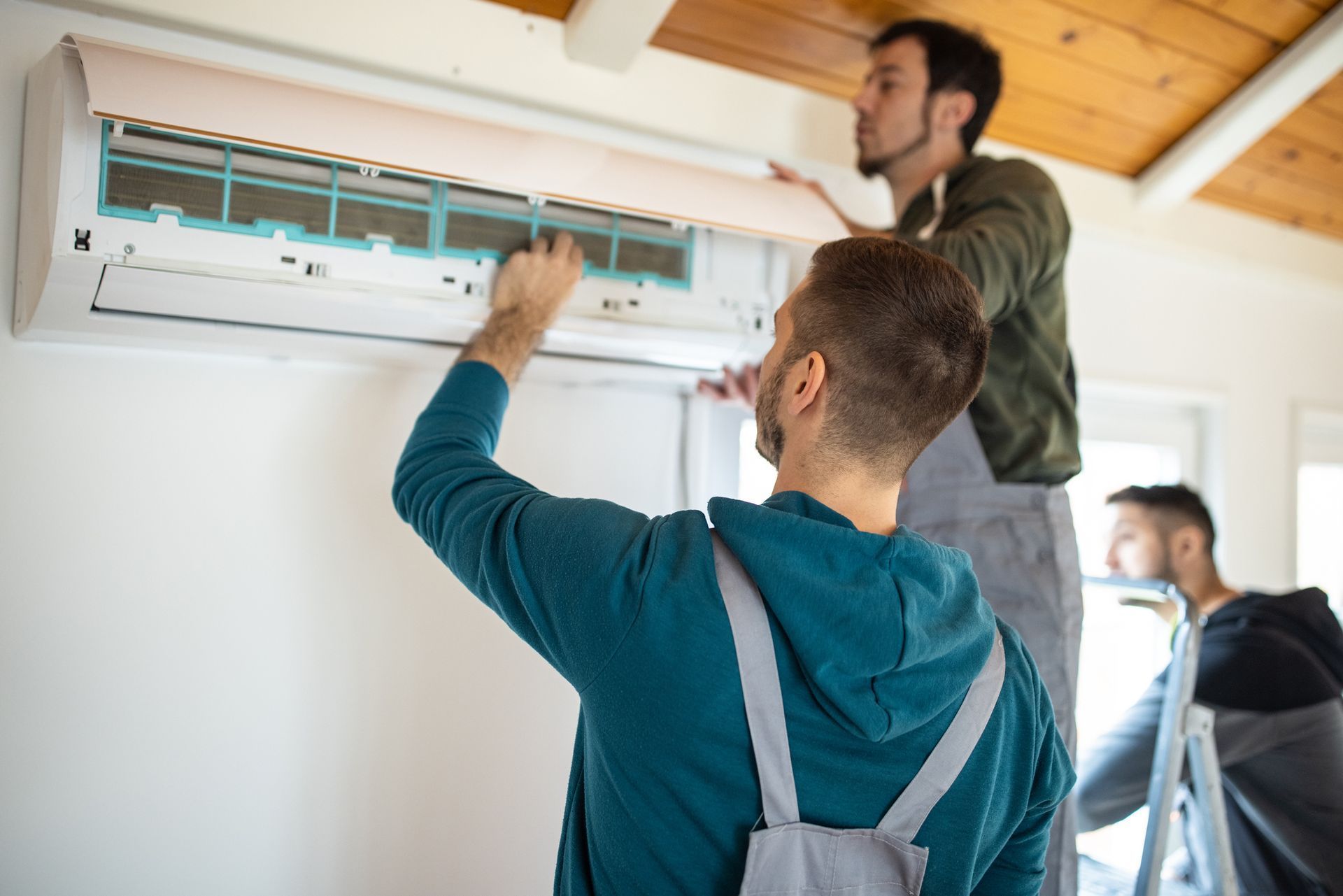
Coverage for Crews, Vehicles, and Tools
Insurance for HVAC Contractors
We provide business insurance designed for HVAC contractors. These policies protect your crew, vehicles, and tools while helping you meet project requirements. Every policy is explained clearly and delivered quickly so you can work without delays.

Resources
Insurance Tips for HVAC Contractors
Our blog is built for contractors who want fast answers. Each article covers common questions and risks in under five minutes of reading.


Frequently Asked Question
Common HVAC Contractor Insurance Questions
These FAQs address common contractor questions. As HVACInsure grows, we will update this section with real client experiences and answers.
Why should an HVAC contractor use HVACInsure instead of a general agency?
Specialists understand jobsite requirements, certificate wording, and common endorsements for HVAC work. You get cleaner paperwork, faster approvals, and coverage that fits how your crews operate.
This reduces delays at the gate, avoids gaps, and helps you pass compliance checks the first time.
How fast can I get a Certificate of Insurance (COI)?
Most standard COIs are issued the same business day after binding or updates. If you need additional insured, primary/non-contributory, or waiver language, we prepare it correctly the first time.
Our goal is simple: get your crew on site without paperwork delays.
What coverages do HVAC contractors usually need?
Core policies include General Liability, Commercial Auto, Workers’ Comp, Property/Tools, Inland Marine, and Umbrella. Many projects require higher limits and specific endorsements.
We align your coverage with contract terms and explain each choice in plain language.
Will my tools and scheduled equipment be covered in vans or on jobsites?
Yes. Inland Marine (tools and equipment) can cover items in transit, stored in vehicles, or staged on site.
High-value items can be scheduled, and limits can match your daily field use to keep work moving.
Can I lower my premium without weakening protection?
Often, yes. Clean driver lists, accurate payrolls, safety programs, and bundling policies can help.
We review your profile, request carrier credits, and adjust limits and deductibles to control cost while meeting project requirements.
What should I do after a loss?
Contact us right away so we can file with the correct carrier and set expectations. We guide documentation, next steps, and follow-ups until closure.
Fast reporting and clear records help resolve claims sooner and keep your team focused on work.

Still have questions?
Can’t find the answer you’re looking for? Please chat to our friendly team!
Contact Us