Every installation project for dehumidification systems comes with its own set of challenges, from coordinating advanced cooling systems to integrating IoT-enabled precision controls. Whether it’s safeguarding a data center or protecting a high-value industrial operation, insurance coverage plays a fundamental role in mitigating risks. This guide explores the nuances of insurance policies specifically tailored for dehumidification system installers, offering a detailed look into how these policies are designed to address potential liabilities. For instance, current market studies show the dehumidifier market is set to reach $4.66 billion by 2033, growing at a steady 5.05% annually from 2025 to 2033 (Research and Markets).
This surge brings both opportunity and complex risk considerations for installers. Ensuring proper coverage not only protects business finances but also builds credibility with partners, clients, and regulatory bodies.
Understanding the Dehumidification Installation Landscape
Overview of Modern Dehumidification Systems
The evolution of dehumidification technology has accelerated with advancements in IoT connectivity and energy efficiency improvements. Recent innovations such as Munters Group’s DryCool X-series, featuring advanced heat recovery technology, have increased energy efficiency by 35% in targeted industrial applications (Emergen Research). These systems are designed not only to manage humidity but to work in concert with cooling and ventilation systems to prevent downtime and avoid costly equipment damage.
For installers, this complexity requires a refined understanding of integrated systems. Each installation must align with regulatory standards while accommodating unique environmental factors. Whether dealing with a startup focused on smart notebooks or an established data center, the requirements and potential risks vary significantly.
Market Developments and Technological Innovations
Industry reports note that more than 65% of recent dehumidifier models carry energy-saving certifications such as ENERGY STAR in markets like North America and Europe (Market Growth Reports). This shift towards sustainable, high-performance solutions is not only influencing acquisition costs but also the risk profiles for installation projects.
Advances in technology also mean that dehumidification systems now frequently require more comprehensive installation practices. This increased complexity, paired with the integration of cooling systems, calls for a deeper discussion on the importance of specialized insurance coverage.

HVACInsure is fully licensed and permitted to sell contractor and commercial insurance in Texas.
We proudly serve clients throughout Texas and maintain partnerships with local Texas insurance carriers to ensure HVAC professionals receive compliant, affordable, and comprehensive coverage that meets project and regulatory requirements.
Why Insurance Coverage is Critical for Installers
Managing Operational Risks
As installation projects become more integrated with high-tech infrastructure, the need for tailored insurance solutions intensifies. An appropriately managed insurance policy provides financial protection against potential accidents, equipment failure, or even client property damage. HVAC claims, for instance, average claims of $25,000 to $50,000 each, with annual incidents often costing the industry over $1 billion (FieldFactor).
This protection is particularly important for installers who are increasingly expected to serve as whole-home comfort and health consultants rather than simply equipment suppliers. A robust insurance policy acts as a safety net by covering liabilities that can emerge from unexpected failures in system integration, installation errors, or even fluctuations in humidity that lead to operational downtime.
Legal and Financial Implications
Insurance is vital not only for protecting against immediate financial losses but also for managing long-term legal risks. Contractors are required to deliver systems that not only perform reliably but also adhere to strict health and safety regulations. Any deviation could result in regulatory fines or lawsuits, an outcome that can severely impact both reputation and finances.
The transition of the role of HVAC contractors to comprehensive service providers further underlines the need for policies that embrace risks beyond simple property damage. As one industry expert highlighted, contractors are evolving from traditional installations into more expansive roles that cover indoor air quality and energy management (ACHR News).
Key Coverage Areas for Dehumidification System Installers
General Liability and Equipment Damage
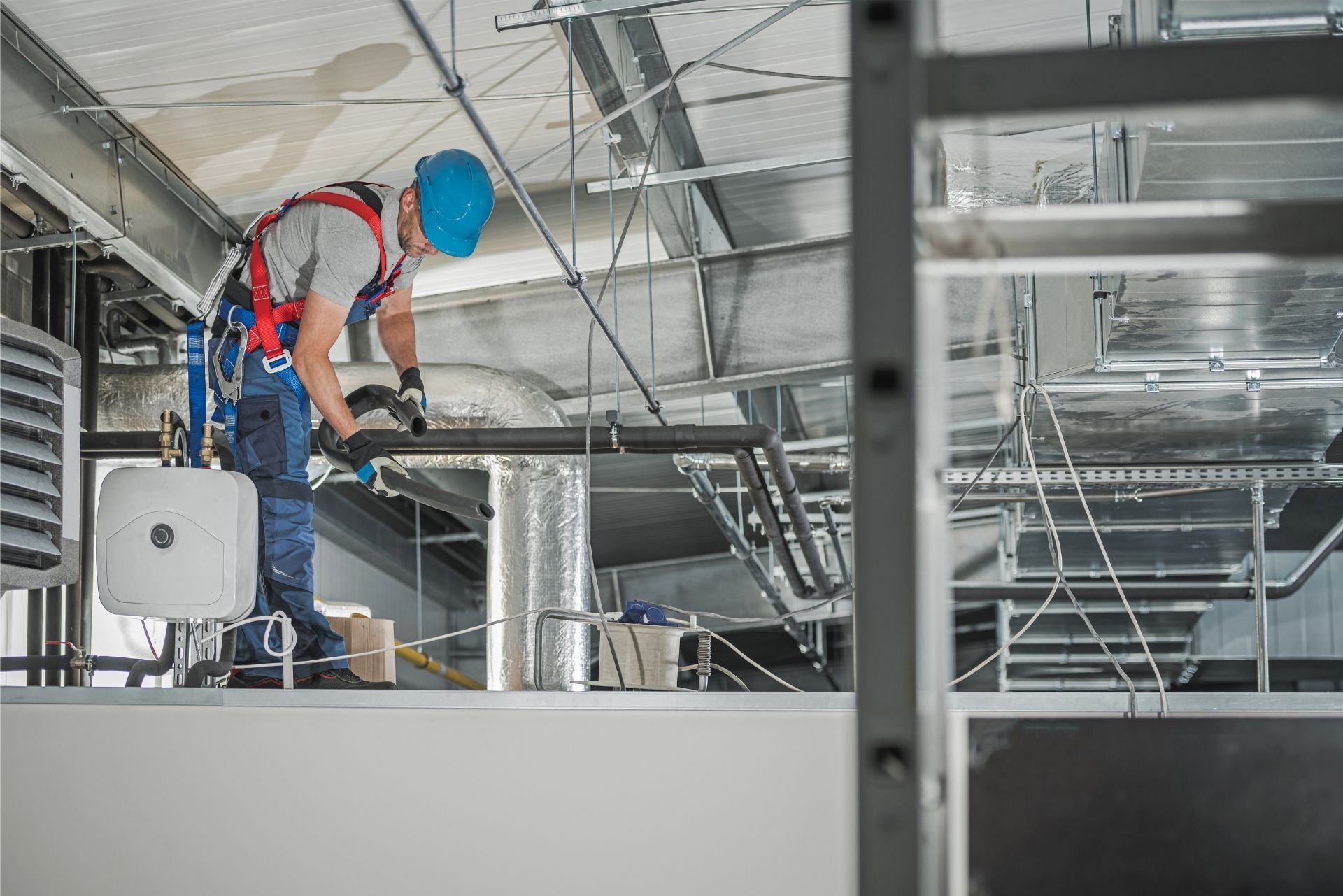
General liability coverage is the backbone of any insurance package for dehumidification system installers. It covers damages that might occur during installation, including accidental harm to property or a client's facility. Equipment damage, too, is a significant risk, particularly when dealing with high-tech components that can malfunction under atypical operating conditions.
Since many installations involve expensive equipment and customized systems, ensuring that both installed equipment and the installation process are insured can prevent expensive claims and operational delays.
Commercial Property and Business Interruption
Commercial property insurance becomes crucial for businesses that have permanent installations or operate out of a physical location. A property loss or damage event can disrupt operations and affect project delivery timelines significantly. Business interruption coverage helps maintain cash flow during such disruptions, ensuring that contractual obligations can still be met.
This type of coverage is especially relevant when installations are integrated into existing infrastructure where downtime could lead to cascading financial impacts – for example, data centers that rely heavily on continuous operations.
Professional Liability and Errors & Omissions (E&O)
Given the intricate nature of dehumidification system installations, errors in design, installation, or integration can lead to significant financial and operational setbacks. Professional liability insurance, often known as Errors & Omissions (E&O) insurance, covers these mistakes, which might otherwise result in costly legal disputes.
This coverage is designed to help installers manage risks associated with providing technical advice and installation services. Installation errors can sometimes result in extensive rework or compensation claims from affected clients.
Impactful Market Trends and Innovations
Integration with Cooling Systems and IoT Connectivity
Modern dehumidification solutions are evolving rapidly with the integration of cooling systems-a step that many experts now identify as essential for optimizing operational efficiency. IT experts like Mark Benson have emphasized the critical impact of integrating advanced dehumidification solutions with cooling systems to avoid significant downtimes (Pmarketresearch).
This integration not only enhances system performance but also introduces new layers of risk during installation. The technology must harmonize with existing equipment, requiring a deep understanding of both dehumidification and cooling processes-a dual expertise that should be reflected in insurance policies.
Energy Efficiency and Environmental Considerations
The environmental benefits of modern dehumidifiers cannot be understated. With a noticeable trend toward energy efficiency, over 65% of new models in North America and Europe now feature ENERGY STAR certifications (Market Growth Reports). These energy-saving characteristics reduce utility costs and lower the carbon footprint.
From an insurance perspective, energy-efficient installations are sometimes rewarded with lower premiums. Additionally, the increased reliability of energy-conscious installations reduces the likelihood of malfunctions that contribute to property damage claims.
Evaluating Policy Coverage and Limits
When reviewing insurance policies, dehumidification system installers should focus on the scope of coverage. It’s important to confirm that any policy explicitly covers installation errors, equipment damage, and business interruption scenarios. Detailed coverage helps prevent unexpected gaps that might leave installers exposed to large out-of-pocket expenses.
Contractors should compare policies to understand the differences between general liability, property damage, and E&O coverage. Often, the unique requirements of a dehumidifier installation project might necessitate a hybrid coverage package that touches upon several risk areas concurrently.
Understanding Exclusions and Deductibles
Every insurance policy comes with exclusions and predetermined deductibles, and understanding these terms can make a significant difference in long-term financial planning. Certain policies may not cover specific high-risk activities, while others may have limits based on the complexity or value of the installed equipment.
Reviewing policy language in detail before purchase is essential. Installers might also consider negotiating custom terms that better outline coverage for the type of integrated technology they install, ensuring that insurance protection evolves in tandem with technological advancements.
How to Choose the Right Insurance Partner
Selecting an insurance provider who understands the technical complexities of dehumidification systems is crucial. Installers should engage with insurers who have a proven track record in underwriting policies for technology-intensive sectors. This makes it easier to navigate claims and revisions should risks materialize.
A provider with industry-specific expertise can offer insights into best practices and evolving trends. The right partner not only offers suitable coverage but also aids in risk management strategies that keep projects running smoothly while managing liability.
Coverage Comparison: A Practical Look
The table below offers a snapshot comparison of key coverage areas relevant to dehumidification system installers. It highlights the primary distinctions between basic and extended coverage options.
| Coverage Type | Basic Coverage | Extended Coverage |
|---|---|---|
| General Liability | Covers accidental property damage and bodily injury during installation | Includes legal defense costs and claims from operational disruptions |
| Equipment Damage | Covers damage to equipment during on-site installation | Covers both installation damage and post-installation malfunction scenarios |
| Business Interruption | Covers immediate losses due to property risks | Provides compensation for extended downtime impacting revenue |
| Professional Liability (E&O) | Covers basic installation errors | Extends coverage for design flaws, integration errors, and regulatory fines |
This clear outline helps installers determine which type of coverage best suits their business needs. Tailoring coverage to the specific risks of a given project can be a strategic move to safeguard both finances and reputation.
Combining Advanced Technology with Strong Insurance
The Role of Innovation in Risk Management
As dehumidification systems continue to incorporate advanced control technologies and IoT connectivity, the role of insurance adapts accordingly. Innovations like the DryCool X-series illustrate how integrating heat recovery and smart technologies enhances operational energy efficiency by up to 35% (Emergen Research).
With such advances, installers face new challenges, including the need to protect against sophisticated equipment failures and cyber risks. Insurance policies that account for these modern risks can help businesses remain agile while navigating an ever-changing technological landscape.
Risk Management Strategies and Best Practices
Successful risk management for dehumidification system installers begins with a thorough understanding of potential hazards-from installation mishaps to complex integration issues with cooling systems. Effective strategies include regular risk assessments, continuous training, and updating technology to conform with industry standards.
Taking proactive steps such as investing in high-quality equipment and seeking insurers who specialize in advanced technology reduces the overall risk profile of the business. An experienced insurance partner can offer tailored risk management approaches, ensuring that installers remain protected even as new technologies are introduced.
Preparing for the Future of Dehumidification
How Changing Market Dynamics Affect Coverage Needs
Market dynamics are shifting rapidly. For example, evolving consumer preferences and regulatory changes mean that installers must now account for not just basic installation liabilities but also broader concerns like indoor air quality and energy performance (Market Growth Reports).
This change in market demands requires policies that are flexible enough to adapt to new regulations and technological requirements. In addition, the potential for reduced water damage claims, as highlighted by data showing a decrease in weather-related incidents compared to previous years (Insurify), suggests that targeted risk coverage can be both effective and cost-efficient.
Integrating Insurance into Broader Business Strategies
Looking ahead, dehumidification system installers should consider insurance as part of an integrated business strategy. Rather than viewing coverage as a necessary expense, it can be leveraged as a tool to boost overall operational resilience. A comprehensive insurance strategy supports business growth by reassuring clients and partners that the installer is well-prepared to manage and mitigate risks.
For contractors expanding into new technological territories, having detailed coverage in place provides a competitive edge. As well as enhancing operational continuity, robust insurance practices help in securing long-term contracts that demand both technical expertise and reliable risk management.
Frequently Asked Questions
What does general liability insurance cover for dehumidification system installers?
General liability insurance covers bodily injuries and property damage that may occur during installation projects. It is designed to safeguard contractors against claims arising from onsite accidents.
Why is professional liability (E&O) important in this industry?
Professional liability or Errors & Omissions insurance protects against claims stemming from installation errors, design flaws, or professional advice that result in financial loss for a client.
How can energy-efficient installations affect my insurance premiums?
Energy-efficient systems, often recognized with certifications such as ENERGY STAR, may qualify for lower premiums because they reduce overall risk and operating costs.
Can insurance policies cover business interruptions due to installation delays?
Yes, many commercial property policies include business interruption coverage which compensates for revenue losses during extended downtimes.
What should I look for when choosing an insurance provider?
Select a provider with expertise in high-tech and integrated installation projects. Look for clear policy terms, customizable options, and a history of supporting similar businesses.
How do technological advances in dehumidification systems influence insurance coverage?
Advances such as IoT connectivity and integrated cooling systems introduce new risk factors that require specialized coverage. Insurers experienced in these technologies can offer policies that specifically address modern risks.
Before You Go
Final Thoughts on Tailoring Your Coverage
Dehumidification system installers face a dynamic mix of technical and operational challenges. Effective insurance coverage not only shields against financial losses-it reinforces a contractor’s ability to manage high-tech installations safely and reliably. By focusing on comprehensive policies, understanding exclusions, and partnering with insurers who appreciate the nuances of modern dehumidification systems, installers can secure better outcomes both for their business operations and for their clients.
Staying updated with market trends and technological advances is critical. As industry standards tighten and equipment becomes more complex, aligning your insurance strategy with these changes is essential for long-term success.
Leveraging Expert Insights and Industry Data
Industry experts emphasize the evolving role of dehumidification system installers. With technology increasingly integrated into everyday business operations, a forward-thinking insurance strategy is no longer optional-it is a requirement. Expert voices in the arena, like those of Mark Benson and voices from ACHR News, remind installers that proper risk management goes hand in hand with operational efficiency using modern systems.
This guide has explored various facets of insurance coverage, from general liability to niche professional coverage. Armed with industry data, smart coverage comparisons, and insights directly from the field, installers can confidently navigate a competitive market where every risk factor is accounted for.
Embracing a Culture of Proactive Coverage
The future of dehumidification installation lies in proactive risk management. With rapidly developing technologies and growing market demands, a well-rounded insurance policy offers a comprehensive safety net for unexpected events. Embracing a culture where risk is assessed continuously and coverage is regularly updated fosters not only safer operational practices but also stronger business resilience.
Whether you are a new installer stepping into the market or an experienced contractor upgrading your systems, aligning with professional insurers who understand these modern risks is a wise investment in long-term success.

About The Author: James Jenkins
I’m James Jenkins, Founder and CEO of HVACInsure. I work with HVAC contractors and related trades to simplify insurance and make coverage easier to understand. Every day, I help business owners secure reliable protection, issue certificates quickly, and stay compliant so their teams can keep working safely and confidently.
Recognized by National HVAC Trade Associations
These trusted organizations set best practices and standards that carriers rely on when underwriting HVAC risks.
Membership signifies adherence to HVAC industry standards and contractor best practices.
Coverage for Crews, Vehicles, and Tools
Insurance for HVAC Contractors
We provide business insurance designed for HVAC contractors. These policies protect your crew, vehicles, and tools while helping you meet project requirements. Every policy is explained clearly and delivered quickly so you can work without delays.
Resources
Insurance Tips for HVAC Contractors
Our blog is built for contractors who want fast answers. Each article covers common questions and risks in under five minutes of reading.


Frequently Asked Question
Common HVAC Contractor Insurance Questions
These FAQs address common contractor questions. As HVACInsure grows, we will update this section with real client experiences and answers.
Why should an HVAC contractor use HVACInsure instead of a general agency?
Specialists understand jobsite requirements, certificate wording, and common endorsements for HVAC work. You get cleaner paperwork, faster approvals, and coverage that fits how your crews operate.
This reduces delays at the gate, avoids gaps, and helps you pass compliance checks the first time.
How fast can I get a Certificate of Insurance (COI)?
Most standard COIs are issued the same business day after binding or updates. If you need additional insured, primary/non-contributory, or waiver language, we prepare it correctly the first time.
Our goal is simple: get your crew on site without paperwork delays.
What coverages do HVAC contractors usually need?
Core policies include General Liability, Commercial Auto, Workers’ Comp, Property/Tools, Inland Marine, and Umbrella. Many projects require higher limits and specific endorsements.
We align your coverage with contract terms and explain each choice in plain language.
Will my tools and scheduled equipment be covered in vans or on jobsites?
Yes. Inland Marine (tools and equipment) can cover items in transit, stored in vehicles, or staged on site.
High-value items can be scheduled, and limits can match your daily field use to keep work moving.
Can I lower my premium without weakening protection?
Often, yes. Clean driver lists, accurate payrolls, safety programs, and bundling policies can help.
We review your profile, request carrier credits, and adjust limits and deductibles to control cost while meeting project requirements.
What should I do after a loss?
Contact us right away so we can file with the correct carrier and set expectations. We guide documentation, next steps, and follow-ups until closure.
Fast reporting and clear records help resolve claims sooner and keep your team focused on work.
Still have questions?
Can’t find the answer you’re looking for? Please chat to our friendly team!
Contact Us