Each broken pipe or dropped tool on a job site can quickly evolve into a multi-thousand-dollar claim, underscoring the vital need for comprehensive insurance in the HVAC and plumbing contracting fields. With a heavy focus on risk management, contractors face unique hazards that can lead to costly lawsuits and operational interruptions. Even minor mishaps between installations or repairs can result in major losses if insurance coverage is not appropriately aligned with industry risks. For instance, HVAC liability insurance premiums typically range from 1.3% to 2.6% of annual revenue, bringing real cost implications into sharp focus.
Contractors in these fields must navigate challenges ranging from employee safety to property damage caused by equipment malfunctions. A specific example includes HVAC units that may leak refrigerant, leading to both property damage and pollution liability. The stakes are high, and no two projects are identical, which makes crafting a detailed insurance portfolio an essential task for any contractor with ambitions to withstand modern business risks.
Both experienced contractors and those new to the industry should note that understanding the intricacies of insurance coverage not only protects against unforeseen liabilities but also bolsters a company’s credibility when bidding on large projects.
Understanding the Unique Risks in HVAC & Plumbing Contracting
The nature of HVAC and plumbing work means that each task brings its own set of unpredictable challenges. From heavy equipment breakdowns to injuries that occur when lifting bulky units, industry professionals deal with hazards that can lead to extensive claims. One study indicates that HVAC workers have one of the highest rates of injury and illness among all occupations, making employee protection a key part of any risk management strategy.
Instances of property damage are not isolated events either. A particularly severe scenario involved a leaking air conditioning unit that resulted in water damage to a client's floors, triggering significant repair costs. These examples illustrate why policy drivers must extend beyond mere property or liability considerations to include worker safety and specialized equipment coverage.
Accidents involving heavy machinery and delicate systems also emphasize the necessity for tailored coverage. Such details illustrate the complexity contractors face when determining which policies to adopt in order to stay financially secure during periods of unexpected setbacks.
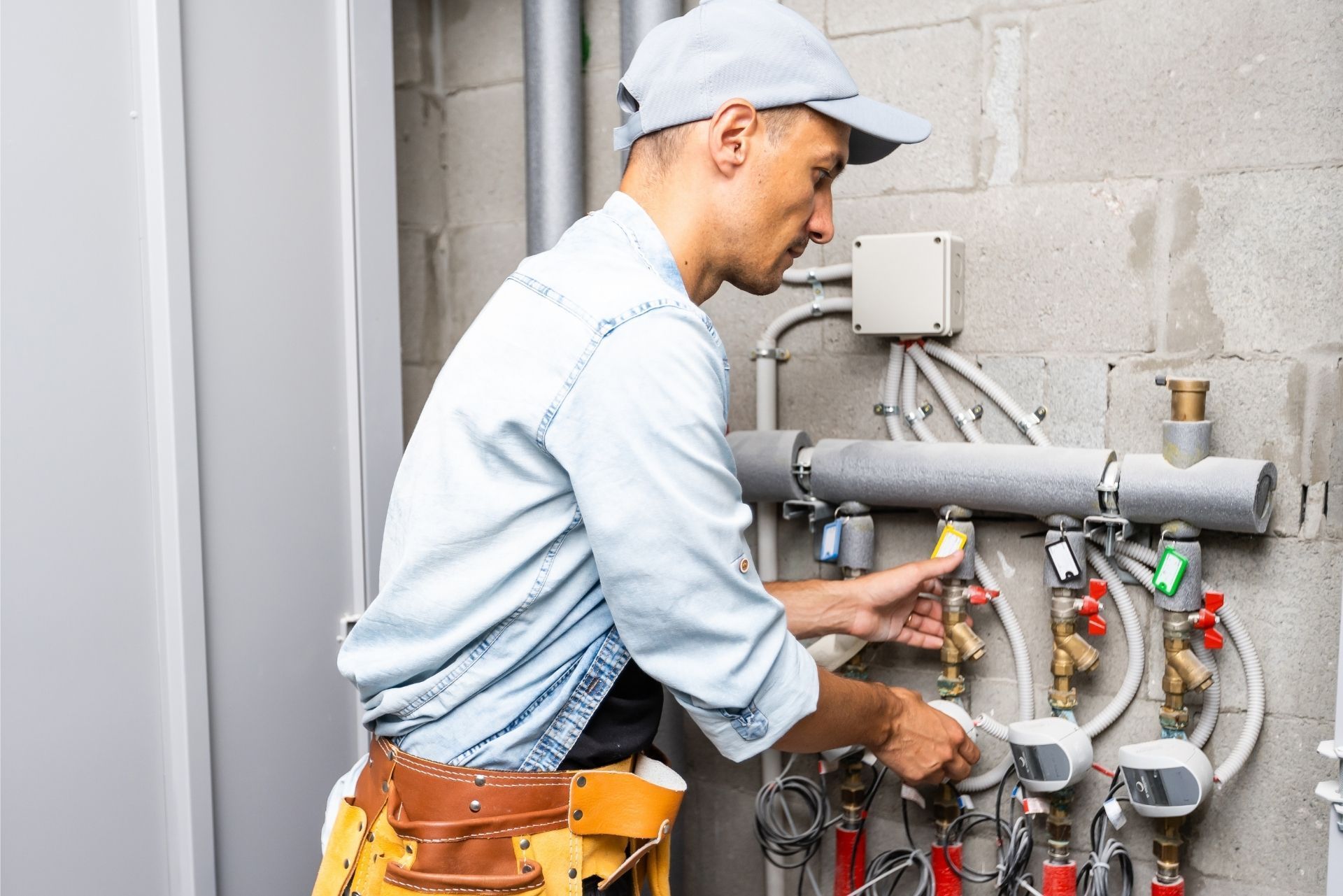
HVACInsure is fully licensed and permitted to sell contractor and commercial insurance in Texas.
We proudly serve clients throughout Texas and maintain partnerships with local Texas insurance carriers to ensure HVAC professionals receive compliant, affordable, and comprehensive coverage that meets project and regulatory requirements.
Essential Components of HVAC & Plumbing Contractor Insurance
Insurance for HVAC and plumbing contractors must provide a balanced mix of general liability and additional specialized coverages to account for the myriad hazards present on job sites. Expert advice often points out that HVAC insurance must cover more than just general liability. An expansive policy often includes protection against equipment breakdowns and professional liability claims.
General liability policies address bodily injury claims and property damage incidents that occur while a contractor is on the job. However, these basic policies might fall short when it comes to equipment failure, environmental hazards, or subtle issues like claims exclusion for specific equipment repairs. For comprehensive risk management, professional liability insurance can cover advanced risks that might not typically be covered by standard policies.
Plumbing contractors face similar challenges. For example, an incorrectly installed fixture might lead to severe water damage. The cost to repair such damage can be astronomical without the proper coverage in place. A comprehensive insurance strategy combines the standard general liability coverage with more specialized protections to support both HVAC and plumbing contractors.
General Liability Insurance
General liability insurance forms the cornerstone of any contractor's protection plan. It is designed to cover the costs associated with bodily injuries and property damages. Since HVAC and plumbing contractors work in unpredictable environments-often inside homes, commercial spaces, or industrial sites-the possibility of accidental damage is always present.
A single slip on a wet floor or a collision caused by heavy equipment can lead to costly litigation. Policies typically cover legal fees and settlement costs, providing financial support during what can be a highly destabilizing period. This insurance becomes crucial when unexpected incidents occur, protecting both the contractor’s personnel and the reputation of the business.
Whether it's damage to a client's property or injuries sustained during the process of installation or repair, general liability coverage is paramount. Contractors should analyze the extent of their exposure and adjust their coverage limits accordingly.
Equipment Breakdown Coverage
Equipment breakdown coverage addresses the risk associated with the failure of crucial machinery and technology. When an essential HVAC unit or plumbing tool breaks down unexpectedly, the cost of repairs or replacement can also disrupt project timelines. This coverage is particularly important during record heat waves, which in recent times have led to a notable increase in HVAC failures.
For example, a study reveals that in 2025, warmer summers contributed to a spike in HVAC failures by 20-30% due to record heat waves, underlining that weather extremes demand stronger safety nets. In such scenarios, equipment breakdown insurance can mitigate the financial risks associated with delayed projects and additional repair costs.
This coverage bridges the gap between routine maintenance and unforeseen equipment failures, ensuring that contractors continue to operate smoothly even when critical systems falter.
Professional Liability Insurance
Professional liability insurance, also known as errors and omissions (E&O) insurance, provides crucial protection against claims arising from professional mistakes. Contractors may be held liable for errors such as misinstallation or oversight in maintenance procedures. With the potential for significant financial repercussions arising from these mistakes, a proactive approach to managing risk is essential.
This coverage becomes especially important when expert advice or design recommendations fail to yield expected results. Broader coverage ensures that even if complications arise after a project is completed, contractors are financially safeguarded against legal claims and associated costs.
Contractors who perform specialized tasks, such as modifying complex HVAC systems or upgrading plumbing layouts, benefit immensely from this form of insurance as it provides a safety net for the professional decisions they routinely make.
Cost Considerations and Premium Calculations
Determining the right insurance coverage involves a careful evaluation of potential risks and corresponding policy limits. On average, for smaller operations generating around $150,000 in annual revenue, the annual premium can be approximately $3,140 when calculated as a percentage of revenue. Premium rates typically range between 1.3% and 2.6% of annual earnings, depending on numerous factors such as the scale of operations and specific risks involved.
Factors influencing premium calculations include the number of employees, the extent of on-site risks, and the historical claims record of the contractor. Contractors with a clean safety record and robust safety practices might see lower premiums, whereas those with a history of frequent claims may face higher rates. In addition, targeted coverage enhancements such as professional liability or equipment breakdown policies may lead to adjustments in overall premiums.
This careful balance between coverage breadth and cost ensures the insurance policy not only meets the specific financial needs of a business but also addresses potential liabilities that could impact long-term operational stability.
Calculating Annual Premiums
Consider a small contractor with $150,000 in annual revenue facing a premium rate of 1.3% to 2.6%; the annual cost may average around $3,140. This percentage-based method scales as businesses grow, ensuring that premium costs remain manageable relative to increasing revenue.
The percentage approach creates both a challenge and a measure of fairness: as revenue increases, the risk exposure expands accordingly. The impact is that larger operations end up paying more in absolute terms, reflecting the proportional risk assumed by insurers. Contractors must evaluate their revenue projections and potential growth to ensure they choose policies that can scale with their business.
Regularly reviewing the claims history and adjusting coverage limits accordingly can help manage costs over time. An evolving policy that adapts to both the business model and emerging industry risks can ultimately save contractors from sudden financial burdens.
Impact of Industry Developments on Premiums
The HVAC and plumbing sectors have recently experienced shifts in risk profiles. Notably, record heat waves in 2025 have led to an upsurge in HVAC-related claims. In such conditions, higher temperatures contribute to a spike in system failures, which for some claims have been as high as 20-30% during extreme weather events.
Such developments inevitably influence insurers' risk assessments and result in adjustments to premium calculations. These increases are a necessary response to environmental conditions that elevate the likelihood of both property damage and pollution liability claims. Contractors should be prepared for fluctuations in premiums, armed with the knowledge to negotiate policies that provide adequate safeguards without excessively straining their finances.
This evolving landscape underscores the importance of proactive risk management. Regularly assessing policy terms in the light of new environmental and economic realities is a significant element of sustaining long-term business operations in these sectors.
Risk Management Strategies for Contractors
Managing risk is fundamental to maintaining both operational continuity and a favorable safety record. Implementing robust safety protocols and ensuring that every worker is appropriately trained on new machinery and techniques can significantly reduce the exposure to claims. For example, adequate safety gear and on-site training help minimize risks, thus potentially lowering insurance premiums over time.
Contractors benefit from a thorough risk assessment that identifies vulnerabilities before they escalate into major incidents. As one expert notes, hazardous work conditions, including incorrect installation or overlooked maintenance, can quickly spell financial danger if left unaddressed. With a detailed risk management strategy, businesses not only safeguard their assets but can also negotiate better terms on insurance renewals.
Additionally, integrating risk management strategies can become a selling point in proposals and bids. Clients are naturally drawn to businesses that prioritize safety and operational excellence, further evidencing that insurance is only one aspect of a wider commitment to quality and reliability on the job site.
Implementing Operational Protocols
Effective risk management starts with the implementation of detailed operational protocols. Regular safety meetings, ongoing training sessions, and a thorough review of equipment functionality all form part of a proactive approach to managing day-to-day hazards. Not every risk can be eliminated, but a well-organized team can significantly reduce the frequency and severity of incidents.
Documenting every maintenance routine and established safety measure demonstrates a contractor's commitment to minimizing risk. Such documentation is attractive not only to insurers but also to clients who prioritize reliability and professionalism in their service providers.
By consistently implementing these proactive measures, contractors reduce their likelihood of facing costly claims, thereby indirectly influencing premium levels by showing a pattern of mitigated risk.
Staying Current with Regulations and New Technologies
The landscape of building codes, safety regulations, and technology is rapidly evolving. Contractors who remain current with these changes can better integrate industry best practices into their operations. For example, adopting new technologies for system monitoring or real-time safety feedback can preempt dangerous incidents before they escalate. This readiness can be communicated to insurers as a positive factor, potentially reducing premiums over subsequent policy periods.
Not only do updated practices keep employees safe, but they also help ensure that project timelines remain intact-a critical factor when delays lead to claims and extended legal disputes. As new regulations come into effect, staying informed and compliant is crucial to sustaining effective coverage and minimizing liability exposure.
Regular training and awareness sessions help bridge the gap between policy updates and on-site practices. A hands-on approach to safety can be the difference between a small mishap and a major incident that jeopardizes the financial health of a company.
With a variety of insurance options available, selecting the right combination of coverages requires a careful comparison of available policies. It is wise for contractors to not only compare premiums but also scrutinize coverage limits, exclusions, and the flexibility of the policy terms. Reviewing real-world claims and how they were settled can offer invaluable insights into potential pitfalls in policy wording.
Below is a side-by-side comparison chart outlining the basic coverage options often available to HVAC and plumbing contractors:
| Coverage Type | What It Covers | Key Considerations |
|---|---|---|
| General Liability Insurance | Bodily injuries, property damage, legal fees. | Essential for onsite accidents; may not cover equipment malfunctions. |
| Equipment Breakdown Insurance | Repair/replacement costs of failed equipment. | Critical in extreme weather scenarios; watch for exclusions. |
| Professional Liability Insurance | Errors, omissions, misrepresentations during projects. | Protects against claims of professional negligence. |
| Pollution Liability Insurance | Costs associated with environmental damage or contamination. | Increasingly important due to intensified climate conditions. |
This chart highlights the core differences between various coverages and the unique risks each addresses. Contractors can use this comparison to gauge the adequacy of their current policies or assess new options during policy renewals. When costs of claims average between $25,000 and $50,000, a comprehensive policy becomes more than just a legal requirement-it is a cornerstone of prudent business practice.
Contractors should review each component carefully. The balance between coverage breadth and cost is a delicate one, and honing it may require professional risk management consultation tailored to each business’s scale and exposure.
Legal Considerations and Claims Management
Legal issues can compound financial losses if proper coverage is not in place. With the complexity of the HVAC and plumbing industries, legal battles over property damage or worker injury claims have grown more frequent and expensive. Setting clear contractual guidelines, ensuring prompt documentation of on-site incidents, and maintaining open lines of communication with insurers are critical steps for effective claims management.
Contractors should consult legal experts when drafting contracts or reviewing liability clauses in client agreements. Detailed contract language minimizes ambiguities about who is responsible for unforeseen incidents. Failing to clarify such terms can leave contractors exposed to high-cost litigation that even a comprehensive policy might not fully address. One expert pointed out that overlooked coverages can lead to unexpectedly high out-of-pocket expenses in claims scenarios.
Managing claims effectively also involves regular reviews of the claim history, allowing contractors to see patterns that might indicate an area for improvement. Better record keeping and prompt communication with insurance representatives ensure that claims are resolved efficiently, preventing minor incidents from snowballing into significant liabilities.
The Importance of Claims Documentation
Proper documentation when a claim occurs is essential. Detailed reports, photographs, and incident logs are often required to satisfy insurers and can streamline the claims process significantly. Not only does documentation help in filing claims, but it also provides material evidence in cases where disputes arise over the extent or cause of damages.
Insurance companies typically review historical claim data to adjust policies and premiums. As a result, preserving a thorough record of past incidents can help contractors identify trends and areas where additional safeguarding might reduce future premium hikes.
The clarity and accuracy of such documentation can be the deciding factor in ensuring that a claim is accepted and satisfactorily resolved, minimizing operational disruptions and reinforcing good risk management practices.
Managing Policy Exclusions
Even the most comprehensive policies come with exclusions. Research has shown that 36% of HVAC and refrigeration equipment claims involved causes of loss typically not covered by standard insurance policies. This statistic highlights the importance of reviewing policy fine print carefully and identifying potential gaps in coverage.
Contractors must ask their insurers detailed questions about exclusions that may apply in high-risk situations. Scenarios that include environmental damage, failure of outdated equipment, or even minor oversights during installation can all fall outside the standard coverage umbrella.
Addressing these gaps might require supplemental policies or endorsements. Open communication with insurance representatives and legal professionals can help craft a policy that aligns more closely with the specific risks faced on the job.
How Weather Extremes Have Shifted the Risk Landscape
Recent weather patterns have reinforced the need for robust insurance coverage. Extended heat waves in 2025 have significantly increased the likelihood of HVAC unit failures and related claims. Peak temperatures put added strain on systems designed to function optimally under controlled conditions, leading to increased breakdowns and higher repair costs.
Contractors now face the dual challenge of safeguarding customer property and protecting against pollution liability if a malfunction leads to a refrigerant leak or worse. As the frequency of extreme weather conditions has increased, so too have the risks associated with HVAC equipment failure. Insurers respond by adjusting premiums and revisiting policy exclusions, making it more important than ever for contractors to revisit and update their insurance packages.
Such environmental pressures underline the connection between modern climate challenges and insurance risk management. For HVAC and plumbing professionals, proactive coverage adjustments serve as a critical buffer against the unforeseen complications that extreme weather brings.
Frequently Asked Questions
This FAQ section addresses common inquiries regarding insurance coverage for HVAC and plumbing contractors, offering clear and concise answers to help guide decision-making.
Q: Why is specialized insurance coverage needed for HVAC contractors?
A: HVAC work carries unique risks such as equipment malfunctions, worker injuries, and environmental hazards, which often require coverage beyond standard general liability. Experts emphasize the need for broader coverage.
Q: How are premiums calculated for a small HVAC or plumbing operation?
A: Premiums are typically calculated as a percentage of annual revenue, with small operations averaging around 1.3% to 2.6% of revenue, which may equate to roughly $3,140 for a $150K revenue business.
Q: What are the primary types of insurance coverage a contractor should consider?
A: Essential coverages include general liability, equipment breakdown, and professional liability insurance, along with specialized pollutions liability when necessary for environmental risks.
Q: How can contractors manage unexpected premium increases due to weather extremes?
A: Regular policy reviews, targeted endorsements, and proactive risk management strategies help ensure policies stay aligned with evolving weather risks and operational needs.
Q: Do policy exclusions significantly affect coverage?
A: Yes, exclusions can limit coverage for certain risks. Contractors should scrutinize policy details closely to identify and address any gaps, especially for causes frequently noted in claims.
Q: Is documentation important when filing a claim?
A: Absolutely. Detailed documentation such as incident reports and photographic evidence is crucial to substantiate claims and expedite the resolution process.
Wrapping Things Up
Ensuring that HVAC and plumbing contractor insurance coverage is both comprehensive and customized can mean the difference between a minor hiccup and a financially devastating claim. The significant financial stakes-from equipment failures to worker accidents-demand that contractors remain diligent in reviewing and upgrading their insurance policies. With the increasing occurrence of extreme weather events affecting operational conditions, proactive insurance management becomes an essential aspect of running a successful contracting business.
By combining a solid understanding of industry-specific risks with a tailored mix of general liability, equipment breakdown, and professional liability coverage, contractors can safeguard their operational integrity while positioning themselves to navigate future challenges confidently. The specifics of each policy are integral to ensuring that a business remains protected while also being responsive to client needs.
Contractors are encouraged to work closely with their insurance advisors to customize policies that reflect both current operational realities and anticipated shifts in the risk landscape. An ongoing dialogue with insurers may yield valuable insights into emerging exclusions and necessary policy endorsements. Ultimately, insurance is not just a monthly expense but a strategic investment in longevity and peace of mind.
Final Thoughts on Building Resilient Practices
A contractor’s journey to resilience involves the interplay of robust risk management practices and carefully chosen insurance policies. The need for specialized HVAC and plumbing contractor insurance, underscored by actionable statistics such as a noted 20-30% increase in system failures during record heat waves, highlights the evolving nature of these industries. Balancing cost considerations and risk exposure during periods of environmental uncertainty is not only sensible but essential.
The careful curation of policy components goes far beyond dollars and cents. It projects a proactive business philosophy that values employee safety, customer satisfaction, and long-term sustainability. In practice, this means a continuous investment in understanding policy language, ensuring adequate coverage levels, and maintaining comprehensive records of incident management.
For those on the front lines of HVAC and plumbing service, negotiating for the right balance of affordability and extensive coverage may require periodic consultations with both legal advisors and insurance experts. Such strategies not only build trust with clients but also ultimately foster business growth with a sound safety net firmly in place.
Adapting to an Evolving Risk Environment
The pace of change in the construction and service sectors demands that contractors keep an eye on industry and climate trends that can affect their insurance needs. Events occurring during unusual weather or unanticipated shifts in building codes can impose new responsibilities for risk mitigation. When claims start averaging between $25,000 and $50,000 per incident, every precaution becomes even more critical.
Contractors are encouraged to adopt advanced risk management techniques-whether through better training protocols or by investing in up-to-date equipment-to build a portfolio resilient to emerging hazards. This proactive stance facilitates smoother claims management, often leading to more favorable premium negotiations over time.
Adaptability in this evolving risk environment means not only a commitment to current best practices, but also to future-proofing operational strategies by anticipating and mitigating unforeseen liabilities. Regular policy reviews and consistent industry education remain key to staying ahead in times of rapid change.
This comprehensive guide should serve as a roadmap for understanding and navigating the complex world of insurance in the HVAC and plumbing sectors. By merging practical risk management with a deep understanding of policy nuances, contractors can build resilient operations capable of weathering both everyday challenges and extraordinary events.

About The Author: James Jenkins
I’m James Jenkins, Founder and CEO of HVACInsure. I work with HVAC contractors and related trades to simplify insurance and make coverage easier to understand. Every day, I help business owners secure reliable protection, issue certificates quickly, and stay compliant so their teams can keep working safely and confidently.
Recognized by National HVAC Trade Associations
These trusted organizations set best practices and standards that carriers rely on when underwriting HVAC risks.
Membership signifies adherence to HVAC industry standards and contractor best practices.
Coverage for Crews, Vehicles, and Tools
Insurance for HVAC Contractors
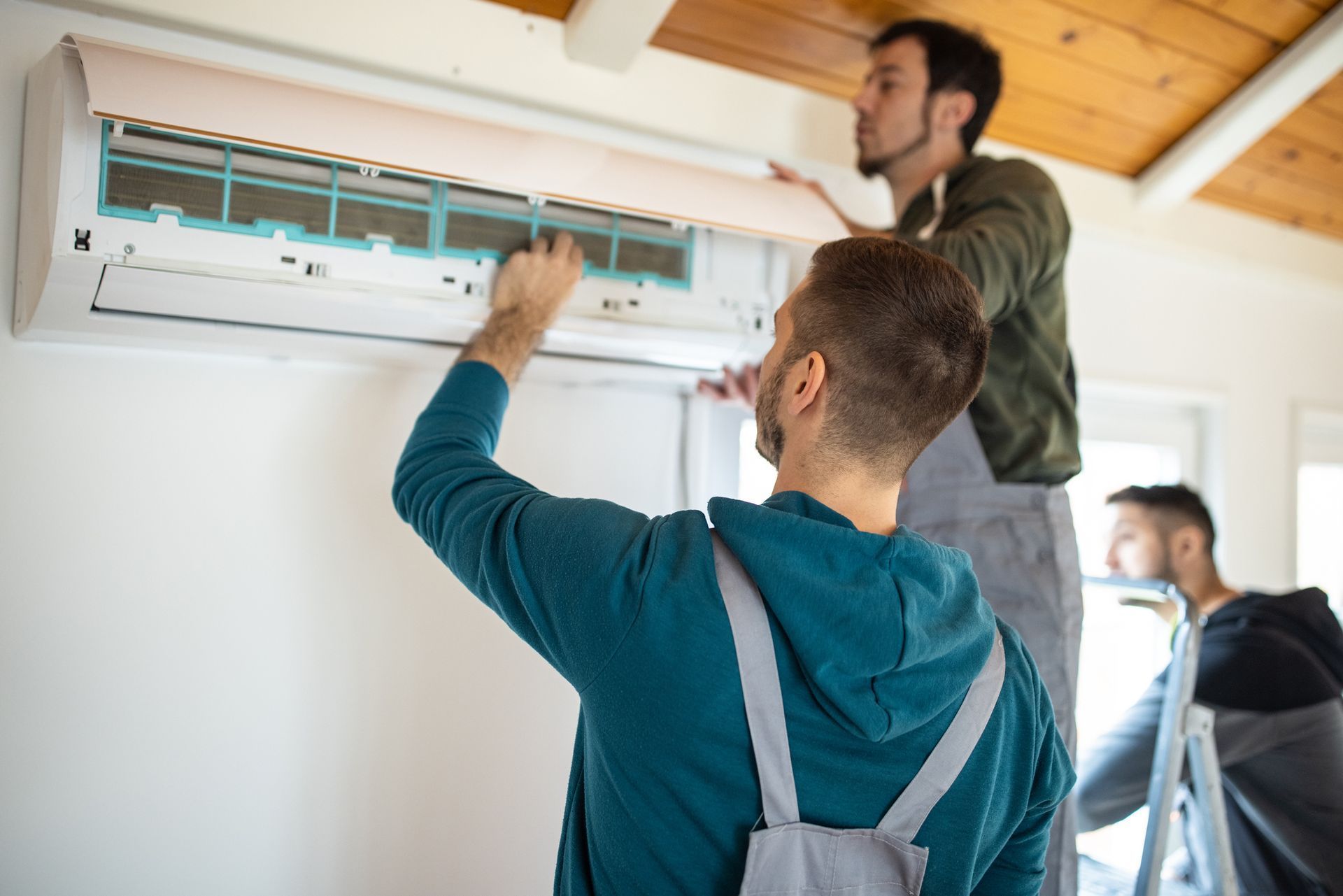
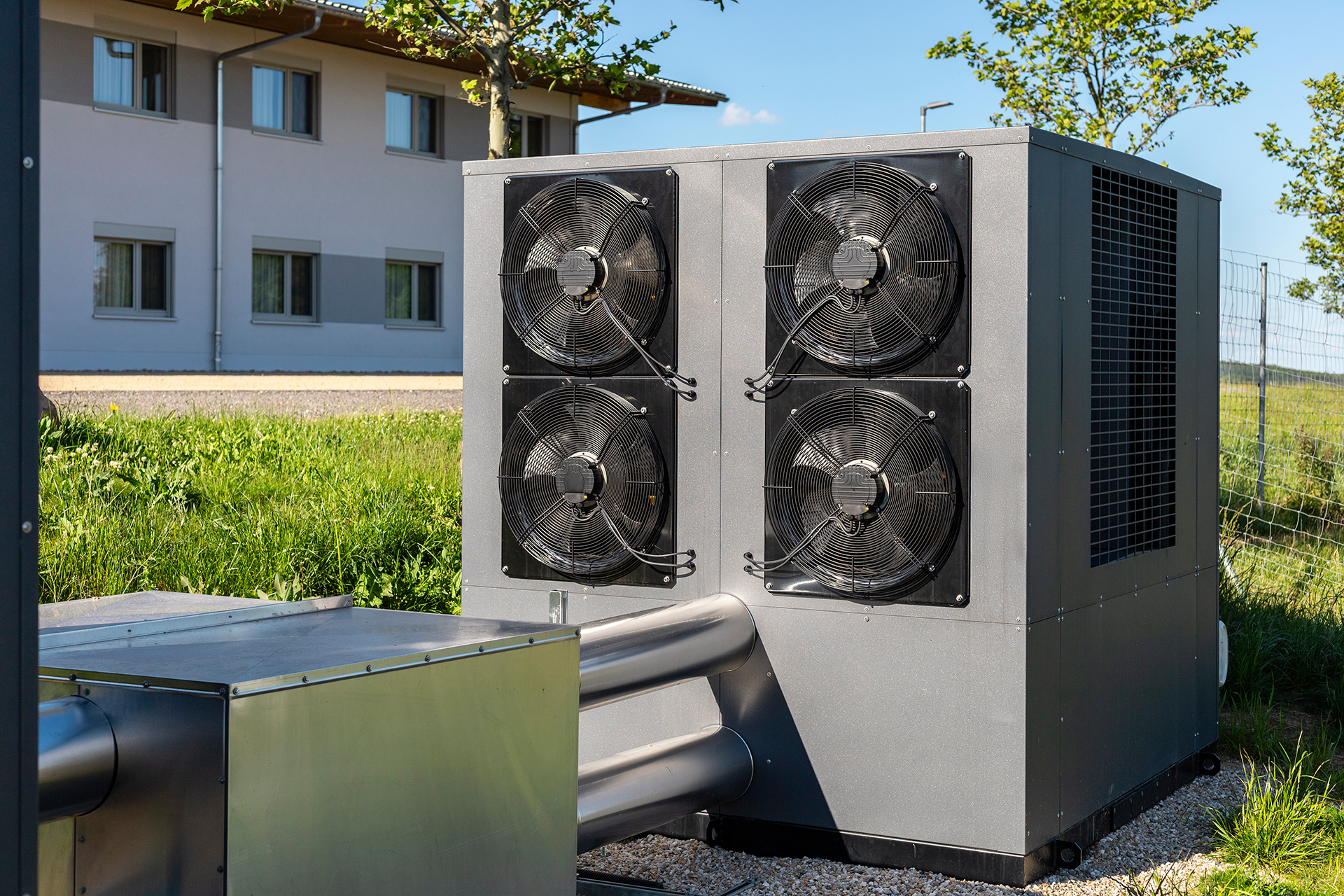
We provide business insurance designed for HVAC contractors. These policies protect your crew, vehicles, and tools while helping you meet project requirements. Every policy is explained clearly and delivered quickly so you can work without delays.

Resources
Insurance Tips for HVAC Contractors
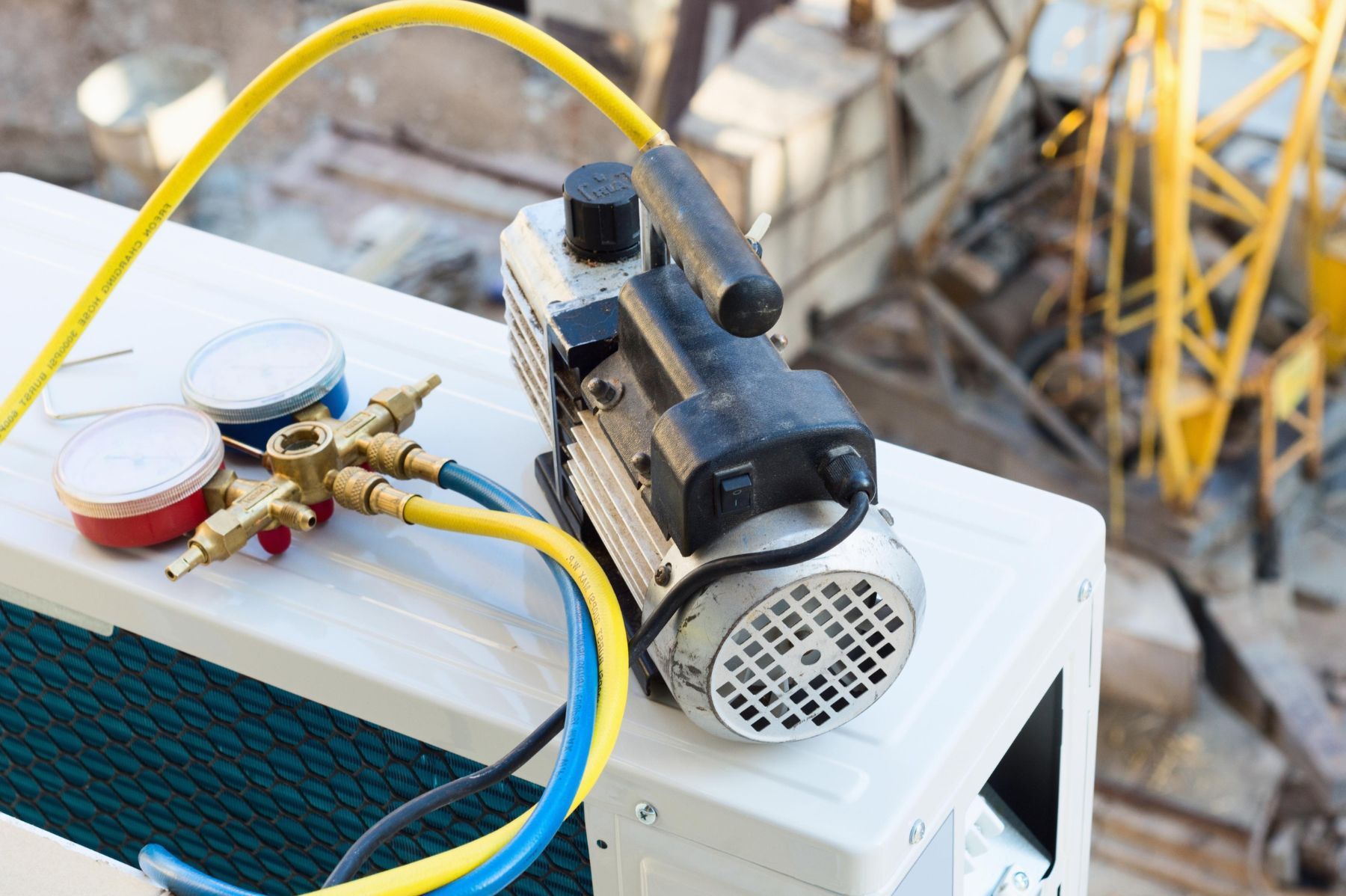
Our blog is built for contractors who want fast answers. Each article covers common questions and risks in under five minutes of reading.


Frequently Asked Question
Common HVAC Contractor Insurance Questions
These FAQs address common contractor questions. As HVACInsure grows, we will update this section with real client experiences and answers.
Why should an HVAC contractor use HVACInsure instead of a general agency?
Specialists understand jobsite requirements, certificate wording, and common endorsements for HVAC work. You get cleaner paperwork, faster approvals, and coverage that fits how your crews operate.
This reduces delays at the gate, avoids gaps, and helps you pass compliance checks the first time.
How fast can I get a Certificate of Insurance (COI)?
Most standard COIs are issued the same business day after binding or updates. If you need additional insured, primary/non-contributory, or waiver language, we prepare it correctly the first time.
Our goal is simple: get your crew on site without paperwork delays.
What coverages do HVAC contractors usually need?
Core policies include General Liability, Commercial Auto, Workers’ Comp, Property/Tools, Inland Marine, and Umbrella. Many projects require higher limits and specific endorsements.
We align your coverage with contract terms and explain each choice in plain language.
Will my tools and scheduled equipment be covered in vans or on jobsites?
Yes. Inland Marine (tools and equipment) can cover items in transit, stored in vehicles, or staged on site.
High-value items can be scheduled, and limits can match your daily field use to keep work moving.
Can I lower my premium without weakening protection?
Often, yes. Clean driver lists, accurate payrolls, safety programs, and bundling policies can help.
We review your profile, request carrier credits, and adjust limits and deductibles to control cost while meeting project requirements.
What should I do after a loss?
Contact us right away so we can file with the correct carrier and set expectations. We guide documentation, next steps, and follow-ups until closure.
Fast reporting and clear records help resolve claims sooner and keep your team focused on work.

Still have questions?
Can’t find the answer you’re looking for? Please chat to our friendly team!
Contact Us