A late-afternoon call on a busy job site uncovered a recurring concern among retrofit contractors: understanding the specific insurance requirements needed to protect intricate HVAC projects. With technological updates and stricter equipment standards on the horizon, many contractors find themselves at a crossroads between regulatory compliance and effective risk management. This guide provides clarity on how contractors can navigate the complexities of insurance coverage in the booming U.S. HVAC market. For insights on insurance trends, visit FieldFactor Blog.
Contractors working on retrofit projects must balance evolving safety codes, new efficiency standards, and advances in machine learning that are beginning to influence how risk is assessed. Understanding the landscape is key to protecting your business and ensuring job site safety.
Understanding the Evolving HVAC Market
Shockwaves rippled through the industry when projections set the U.S. HVAC market to hit a staggering $94.71 billion in 2025, according to a report by FieldFactor Blog. This growth, at a compound annual growth rate of 6.28%, puts a premium on ensuring that both equipment and labor are adequately insured. The market expansion, driven by increased demand for comfort and energy efficiency in both residential and commercial settings, puts retrofit contractors at the center of a dynamic landscape.
Building owners and businesses are stretching budgets to incorporate modern HVAC systems that not only meet current standards but also anticipate future regulatory changes. These upgrades require enhanced insurance policies that accurately reflect the increased risks and higher equipment values. As technology integrates more seamlessly into installations, data-driven risk management becomes essential.
Adapting to change means embracing both legacy approaches and modern advancements. The need for robust contractor insurance is now more urgent than ever, offering protection that goes beyond traditional liability concerns.

HVACInsure is fully licensed and permitted to sell contractor and commercial insurance in Texas.
We proudly serve clients throughout Texas and maintain partnerships with local Texas insurance carriers to ensure HVAC professionals receive compliant, affordable, and comprehensive coverage that meets project and regulatory requirements.
Key Insurance Policies for HVAC Retrofit Contractors
General Liability Insurance
General liability insurance remains a cornerstone of risk management for HVAC contractors. It covers third-party bodily injury, property damage, and even legal costs associated with unforeseen accidents on site. As retrofit projects often involve older buildings with unique structural quirks, these policies provide essential protection when things don’t go according to plan.
Contractors should verify that their policy details match the scope of work, particularly as higher equipment and labor costs drive up the stakes. Curt VanNess, a technical director for HVACi, warns that “as equipment and labor costs increase, insurance settlements become more expensive” (HVACInsure). This means precise assessments are critical in avoiding both overpayment and underpayment during settlements.
Professional Liability and Errors & Omissions Coverage
Retrofit projects involve complex interactions between new systems and preexisting infrastructure. Many contractors face claims alleging design flaws or installation errors. Professional liability insurance protects companies from such allegations by covering legal fees, settlements, and related costs. Ensuring comprehensive coverage for E&O is particularly important for contractors who frequently collaborate with third-party vendors and consultants.
This coverage is essential for mitigating risks where expert opinions and technical judgment are involved in retrofit work. Working with sophisticated systems calls for attention to detail in both project management and insurance planning.
The industry has seen an increasing emphasis on training and technology adoption. For instance, a recent study explored how machine learning can automate extraction from building blueprints to improve risk assessment (HVACInsure). Such innovations are revolutionizing how potential risks are evaluated even before work begins.
Impact of Regulatory Changes on Insurance Needs
Upcoming regulatory shifts compel contractors to rethink their insurance strategies. The U.S. Department of Energy’s plan to raise the minimum Seasonal Energy Efficiency Ratio (SEER) ratings in 2025 will have a cascading effect on HVAC equipment specifications and installation standards. Contractors must ensure that any new installations provide not just operational efficiency but also meet heightened energy standards.
This regulatory update means that existing insurance policies may need revisions to cover new equipment values and higher installation costs. Contractors who fail to update may find themselves exposed to risks that old policies no longer cover. With these new rules, it is essential to work closely with insurance brokers to fine-tune coverage details that address the elevated risk profile in retrofit projects.
The ripple effects of these changes also extend to the claims process. Adjustments to policy language and terms may become inevitable as both insurers and contractors adapt. This pace of change underscores the need for constant vigilance and updating to ensure full compliance and adequate coverage.
Technological Innovations and Their Role in Risk Assessment
The HVAC industry is far from static, with continuous improvements in technology that have made the installation and maintenance process more efficient. A 2022 study highlighted the potential of using machine learning to automate information extraction from building blueprints (HVACInsure). By analyzing data prior to the start of a project, insurance providers can assess risks more accurately and tailor their policies accordingly.
Machine learning not only streamlines the underwriting process but also enhances safety standards by identifying latent risks hidden in architectural plans. These technological upgrades offer a dual benefit: improving project safety and reducing the cost of insurance by lowering the likelihood of claims stemming from undetected design issues.
As technology becomes more integrated into every phase of a retrofit project, contractors must remain proactive. Keeping abreast of tech-driven risk management practices is essential, as it can lead to more accurate pricing and risk allocation. Relying on updated data solutions will be a competitive advantage for those in the retrofit field.

Workplace Safety and Insurance Considerations
Retrofit projects often take place in settings that have been operational for decades. This increases the probability of encountering outdated electrical systems, uneven surfaces, and other outdated building elements that contribute to workplace hazards. The HVAC industry recorded 34,700 nonfatal injuries and illnesses in 2020 (HVACMind), a stark reminder of why robust insurance is indispensable.
A thoughtful insurance package for retrofit contractors should address these risks by combining workers' compensation and disability insurance with other liability protections. Developing a comprehensive plan that includes risk mitigation strategies not only protects employees but also keeps project costs predictable over the long term.
Strict adherence to safety protocols and leveraging industry best practices serves as the first line of defense. Insurance is the backup, cushioning the impacts when unforeseen incidents occur. Safety training that reflects the realities of retrofit challenges is a worthwhile investment that can further lower insurance premiums over time.
Umbrella Liability Insurance: Added Protection
Umbrella liability insurance is gaining traction as an added layer of protection for HVAC contractors. In 2024, 55% of U.S. construction firms carried this type of coverage (HVACInsure). For retrofit contractors, which often work on projects with unique risks, an umbrella policy can provide the financial security necessary to handle catastrophic claims that exceed the limits of standard policies.
This extended coverage addresses gaps left by traditional policies. When a major claim occurs and costs skyrocket, umbrella liability kicks in as a safety net, covering many issues that primary policies may only partially address. Even as building systems are upgraded, unforeseen events can happen, making it critical to secure this extra layer of financial backing.
Contractors should review policy terms periodically, especially as project scopes and markets evolve. An umbrella policy might seem like an added expense, but the cost of having insufficient coverage in high-risk projects can be substantially higher over time.
Challenges in Underwriting and Claims for Retrofit Projects
The nature of retrofit work often means dealing with vintage infrastructure, which can complicate both underwriting and claims processes. The damage assessment for such works is not straightforward, and ensuring fair settlements is a persistent challenge. Expert insights suggest that accurate damage evaluations are essential; unclear assessments can lead to both overpayment and underpayment (HVACInsure).
Insurance professionals are increasingly using digital tools to document work conditions before, during, and after installations. High-fidelity imaging, paired with digital blueprints, makes it easier to ascertain pre-existing conditions and changes over time. Such practices help create a detailed record that supports claims processing and reduces discrepancies during damage assessments.
Contractors are advised to maintain thorough records, from project proposals to final inspections. This detailed documentation not only facilitates smoother claims processing but also reinforces negotiations with insurers by providing clear evidence of risk exposure and mitigation efforts.
Workforce Development and Technology Adoption in the HVAC Industry
Contractors are facing an industry-wide push to adopt new technologies and foster a more skilled workforce. The 2025 HVACR Contractor of the Future Study by the Air Conditioning Contractors of America (ACCA) highlighted that technology adoption and workforce development are closely linked to insurance considerations. When a team is well-trained and uses the latest tools, the risks on a retrofit site are significantly reduced.
In practical terms, investing in ongoing training and adopting modern diagnostic and monitoring equipment can lead to safer job sites and smoother claims processes. Insurance providers appreciate contractors who prioritize safety through updated practices. Notably, insurance premiums may decrease when a contractor can demonstrate consistent risk reduction through technology and training.
The integration of modern HVAC technology enables contractors to provide evidence of proactive risk management during audits or after incidents. Collaborating with employers who emphasize safety creates a more favorable profile for underwriting, offering tangible benefits in terms of coverage costs and claim resolutions.
Insurance Cost Trends and the Financial Implications of Retrofit Work
Rising equipment and labor costs are reshaping the financial dynamics of construction projects. As cost estimates climb, insurance settlements become more expensive, particularly when the underlying risk is not accurately assessed (HVACInsure). Retrofit projects often call for specialized expertise, translating into unique coverage requirements that reflect higher values.
Items such as vintage building infrastructure, combined with modern equipment, create a layered risk environment. This duality can complicate claim settlements if the existing insurance policies do not adequately differentiate between the older components and the new installations. Contractors might see discrepancies in coverage claims unless they actively manage policy updates alongside project changes.
Financial planning for large retrofit projects should always include a review of insurance policies to ensure that every facet of the work is fully covered. Relying on outdated risk assessments can lead to unexpected expenses, putting projects at risk of budget overruns and jeopardizing contractor profits.
Charting the Differences: A Coverage Comparison
The table below offers a side-by-side comparison of key insurance coverages that retrofit contractors typically consider. Each type of policy offers unique strengths that cater to different risk factors encountered on retrofit projects.
| Coverage Type | Key Benefits | Risk Mitigation Areas |
|---|---|---|
| General Liability | Covers bodily injury, property damage, and legal costs | Accidents on-site, third-party claims |
| Professional Liability (E&O) | Protects against design or installation errors | Errors & omissions during project management |
| Umbrella Liability | Provides additional coverage beyond primary policies | Catastrophic claims and high-cost incidents |
| Workers' Compensation | Supports employee injury claims | Workplace accidents and onsite injuries |
This simple table clarifies which aspects of a retrofit project each policy addresses. Using a layered approach can ensure that, no matter how complex the project, every risk factor is mitigated appropriately.
Practical Tips for Optimizing Insurance Coverage
Contractors in the retrofit niche need actionable strategies to ensure their insurance policies remain relevant amidst changing market conditions. Start by reviewing current policy documents and consulting with specialists who understand the nuances of HVAC projects. Policy nuances can dramatically affect claim outcomes, so don’t let outdated coverage hold you back.
It is advisable to maintain a proactive dialogue with your insurance broker. Regular audits of job site conditions and project updates will help tailor policies that match new risks as they arise. Whether it’s the introduction of high-tech building diagnostics or new regulatory energy efficiency requirements, aligning policy adjustments with industry changes ensures preparedness for unexpected challenges.
Contractors should also consider bundling services where possible. Combining traditional coverage with targeted specialty policies may reduce overall costs while increasing coverage granularity. Reassessing risk on a regular basis is a sound business practice that ultimately saves money.
When planning insurance coverage, retrofit contractors must examine the interplay between historical building systems and modern upgrades. The integration of novel HVAC equipment into older structures can lead to unique challenges that require specialized insurance insights. This could involve looking into niche policies that specifically address the intersection of old and new construction elements.
Project-based consultations with underwriters who specialize in retrofit and retrofit upgrades can highlight areas where standard policies may fall short. For example, safety protocols in older buildings may not meet the benchmarks assumed by newer insurance models, necessitating tailored coverage or additional endorsements. Planning ahead will help mitigate risks and avoid surprises at the time of a claim.
The importance of precise damage evaluations cannot be overstated. As noted by industry experts, accurate assessments ensure that insurance settlements accurately reflect the cost of repairs, preventing significant disparities between expected and received claims (HVACInsure).
Integrating Safety and Insurance for Long-term Success
Balancing safety and insurance is not merely a regulatory requirement but a sound business strategy. A safe job site leads to fewer claims, reduced premiums, and a better reputation among clients. Insurance should be seen as part of a comprehensive risk management plan that includes continuous training, adherence to safety standards, and proactive technology adoption.
Contractors are increasingly finding that investing in safety initiatives pays dividends over time. Insurance companies often reward businesses that demonstrate a commitment to risk reduction with more favorable terms. In retrofit projects, the risk profile can be significantly altered by simple safety improvements, ultimately protecting both the workforce and the bottom line.
When safety is prioritized, the relationship with insurers becomes more collaborative. Regular safety reviews and incident reporting contribute to a more stable risk assessment process, and ultimately, a better insurance experience for the contractor.
Frequently Asked Questions
This section addresses common concerns among retrofit contractors regarding insurance coverage and risk management.
Q: Why do retrofit contractors require specialized insurance policies?
A: Retrofits involve integrating new systems into older infrastructures that present unique risks. Specialized policies address these complexities by covering both modern equipment and legacy building materials.
Q: How does the increase in SEER ratings affect insurance?
A: Higher SEER ratings mean that HVAC equipment standards are evolving, potentially increasing installation costs and equipment value. This necessitates updated insurance policies to adequately cover new risks.
Q: Can machine learning really improve insurance risk assessments?
A: Yes. By automating data extraction from building blueprints, machine learning helps identify hidden risks early, leading to more precise underwriting and appropriate policy adjustments.
Q: What benefits does umbrella liability insurance offer?
A: Umbrella liability insurance provides extra coverage beyond primary policies, protecting contractors against catastrophic claims that exceed standard limits.
Q: How often should retrofit contractors review their insurance policies?
A: Policies should be reviewed regularly, particularly when new projects, regulatory changes, or technological advances alter the risk landscape. This proactive approach ensures that coverage always matches current needs.
Q: Are there cost benefits to bundling insurance policies for HVAC contractors?
A: Yes. Bundling different types of coverage can often result in reduced premiums and more comprehensive protection, saving money while covering all aspects of potential risks.
Looking Ahead: Preparing for the Future of HVAC Retrofits
As the HVAC market continues its upward trajectory, retrofit contractors face a dynamic future with evolving technology, higher equipment standards, and new regulatory requirements. The growing complexity of retrofit projects demands not only technical proficiency on the job site but also a sophisticated approach to insurance coverage.
Contractors who stay ahead of industry trends and continually reassess their risk exposure will benefit from more favorable insurance terms and fewer disruptions on the job. This forward-thinking mindset is crucial in an industry projected to reach $94.71 billion in 2025 (FieldFactor Blog).
Anticipating technological advancements such as enhanced machine learning methods for blueprint analysis and adapting to higher SEER standards, the retrofit sector is positioned for significant innovation. Insurers and contractors alike must collaborate closely to develop coverage solutions that are agile and robust enough to handle future challenges.
Before You Go
Securing the correct insurance coverage is not just about complying with regulations-it is about safeguarding your business, your employees, and your reputation. Retrofit contractors who invest time in understanding their insurance policies stand to benefit from smooth claims processes, better financial management, and ultimately, a more resilient business model.
The insights provided in this guide should empower contractors to take proactive steps toward reviewing and updating their insurance policies on a regular basis. While technology and regulations continue to evolve, a well-structured insurance plan remains a constant pillar of risk management.
For additional expert perspectives on insurance challenges and strategies, consider exploring resources on HVACMind. Staying informed and adaptable is the key to long-term success in the retrofit market.
Wrapping Things Up
Retrofit contractor insurance is a complex, multifaceted topic that requires both insight and vigilance. The rapid growth of the HVAC market, combined with evolving regulations and technological advances, creates a challenging environment but also presents opportunities for contractors who prepare effectively.
Every aspect of an HVAC project, from complying with new SEER efficiency standards to integrating advanced risk assessment tools like machine learning, demands an insurance plan that is as modern and comprehensive as the work itself. With a strategic approach to insurance coverage, retrofit contractors can protect their investments and navigate a competitive market with confidence.
Engaging with industry experts and keeping up to date with market trends will be essential for those looking to reduce risk and improve their bottom line. Ultimately, insurance is more than a regulatory necessity-it is a critical partner in ensuring that every project is executed safely, efficiently, and successfully.

About The Author: James Jenkins
I’m James Jenkins, Founder and CEO of HVACInsure. I work with HVAC contractors and related trades to simplify insurance and make coverage easier to understand. Every day, I help business owners secure reliable protection, issue certificates quickly, and stay compliant so their teams can keep working safely and confidently.
Recognized by National HVAC Trade Associations
These trusted organizations set best practices and standards that carriers rely on when underwriting HVAC risks.
Membership signifies adherence to HVAC industry standards and contractor best practices.
Coverage for Crews, Vehicles, and Tools
Insurance for HVAC Contractors
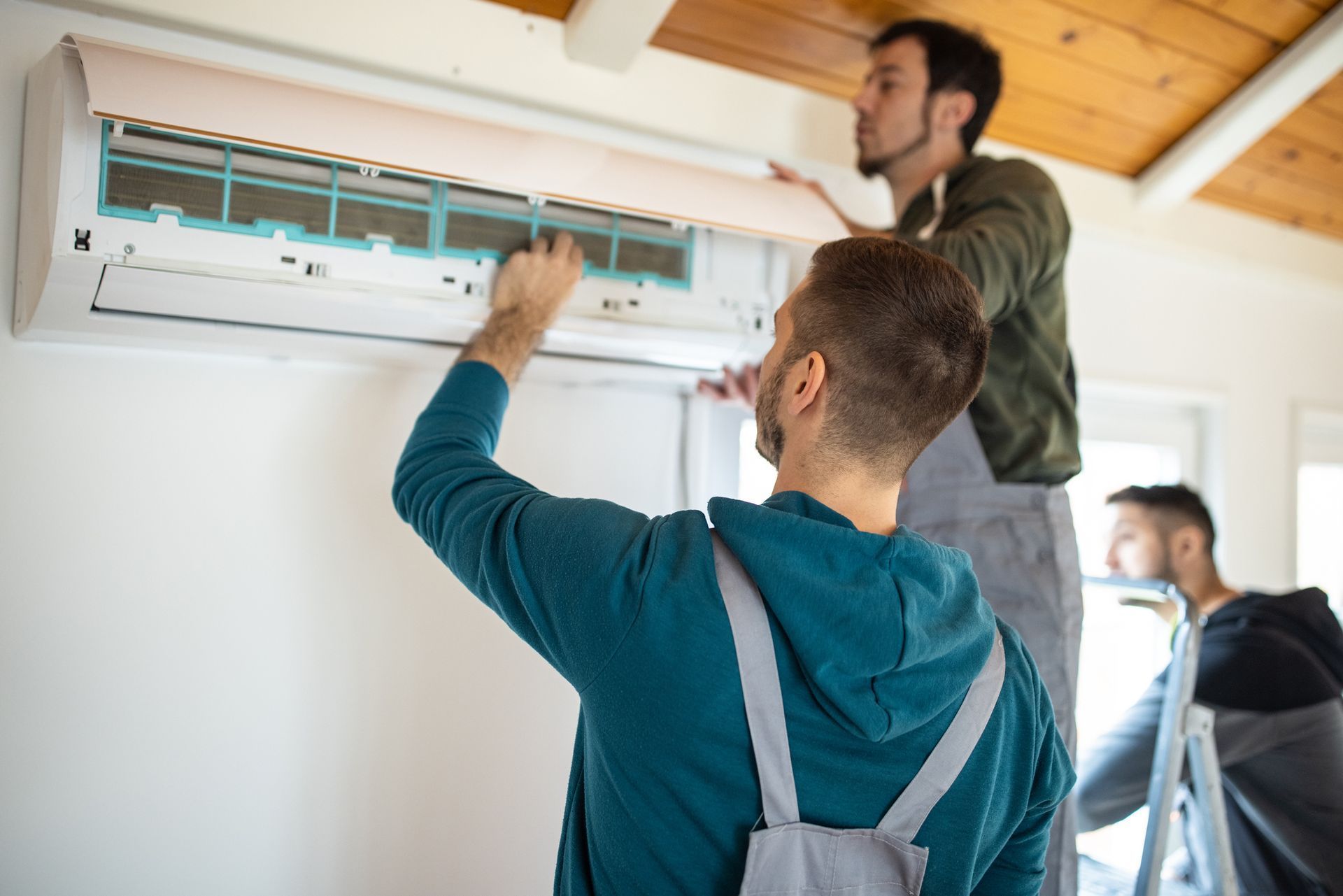
We provide business insurance designed for HVAC contractors. These policies protect your crew, vehicles, and tools while helping you meet project requirements. Every policy is explained clearly and delivered quickly so you can work without delays.

Resources
Insurance Tips for HVAC Contractors
Our blog is built for contractors who want fast answers. Each article covers common questions and risks in under five minutes of reading.


Frequently Asked Question
Common HVAC Contractor Insurance Questions
These FAQs address common contractor questions. As HVACInsure grows, we will update this section with real client experiences and answers.
Why should an HVAC contractor use HVACInsure instead of a general agency?
Specialists understand jobsite requirements, certificate wording, and common endorsements for HVAC work. You get cleaner paperwork, faster approvals, and coverage that fits how your crews operate.
This reduces delays at the gate, avoids gaps, and helps you pass compliance checks the first time.
How fast can I get a Certificate of Insurance (COI)?
Most standard COIs are issued the same business day after binding or updates. If you need additional insured, primary/non-contributory, or waiver language, we prepare it correctly the first time.
Our goal is simple: get your crew on site without paperwork delays.
What coverages do HVAC contractors usually need?
Core policies include General Liability, Commercial Auto, Workers’ Comp, Property/Tools, Inland Marine, and Umbrella. Many projects require higher limits and specific endorsements.
We align your coverage with contract terms and explain each choice in plain language.
Will my tools and scheduled equipment be covered in vans or on jobsites?
Yes. Inland Marine (tools and equipment) can cover items in transit, stored in vehicles, or staged on site.
High-value items can be scheduled, and limits can match your daily field use to keep work moving.
Can I lower my premium without weakening protection?
Often, yes. Clean driver lists, accurate payrolls, safety programs, and bundling policies can help.
We review your profile, request carrier credits, and adjust limits and deductibles to control cost while meeting project requirements.
What should I do after a loss?
Contact us right away so we can file with the correct carrier and set expectations. We guide documentation, next steps, and follow-ups until closure.
Fast reporting and clear records help resolve claims sooner and keep your team focused on work.

Still have questions?
Can’t find the answer you’re looking for? Please chat to our friendly team!
Contact Us