Imagine an HVAC contractor finishing a large installation only to be blindsided by a $30,000 refrigerant spill that wasn’t covered by insurance. Stories like this aren’t rare in an industry where accidents can quickly escalate into financially crippling claims. Proper insurance coverage isn’t a luxury-it’s an essential tool that can protect contractors from unexpected setbacks and lost business opportunities. This guide walks through the key provisions, risks, and coverage options that matter most for mechanical contractors including HVAC, plumbing, and electrical professionals. Key statistics show that in Washington State alone, HVAC and sheet-metal trades reported 1,325 lost-time claims in 2022 with average direct costs around $41,200 per incident (Washington HVAC Contractor Insurance).
Understanding the Risks in Mechanical Contracting
Hazardous Work and Frequent Claims
Mechanical contracting is inherently hazardous. Daily tasks involve heavy equipment, electrical systems, and complex installations that can lead to accidents at any moment. Refrigerant leaks, electrical shocks, and structural failures are real risks that contribute to an industry-wide average claim value ranging from $25,000 to $50,000 (One HVAC Claim Can Cost $50K).
Workers and equipment mishaps are two of the primary sources of insurance claims. Experts note that about 39% of claims in HVAC work are directly linked to equipment failures-including issues like improper refrigerant handling (One HVAC Claim Can Cost $50K). In addition, nearly 25,000 claims are filed annually across the industry, costing businesses over a billion dollars in losses.
Plumbers and electricians, while facing different hazards, are similarly exposed to risks that might lead to property damage, employee injury, or both. Protecting against these losses with the right insurance coverage could mean the difference between staying in business and an unexpected closure. Insurance provides a safety net that helps companies recover financially after incidents, making it as vital as any tool in a contractor’s arsenal.
Building a Resilient Business Framework
Creating a resilient business framework means integrating risk management with everyday operations. Contractors need to recognize that insurance coverage is not just about regulatory compliance but a strategic investment. Comprehensive policies can cover various eventualities-from on-the-job injuries to damage claims from homeowners or business clients.
Investing in broad coverage helps ensure that a single major event does not jeopardize the long-term viability of a business. For example, losing a major client after an accident could result in a revenue gap difficult to overcome. Proper coverage gives peace of mind and lets contractors focus on quality work rather than potential financial pitfalls.

HVACInsure is fully licensed and permitted to sell contractor and commercial insurance in Texas.
We proudly serve clients throughout Texas and maintain partnerships with local Texas insurance carriers to ensure HVAC professionals receive compliant, affordable, and comprehensive coverage that meets project and regulatory requirements.
Key Insurance Coverage Components
General Liability Insurance
General liability insurance is fundamental for any mechanical contractor. This coverage protects against third-party claims of bodily injury or property damage arising from daily operations. A slip and fall on a job site or an inadvertent damage to a client's property can lead to significant costs. With robust general liability coverage, contractors are shielded from lawsuits that could otherwise threaten the financial health of their business.
Contractors who invest in high limits and extended coverage not only mitigate the potential for catastrophic financial loss but also enhance their credibility with clients and partners. Given that workplace incidents are common-Washington's HVAC contractors experienced over a thousand lost-time claims in 2022 (Washington HVAC Contractor Insurance)-this coverage is indispensable.
Professional Liability and Errors & Omissions
Mechanical contractors also face risks stemming from design flaws, improper installation, or mistakes that cause secondary damage. Professional liability insurance, sometimes known as errors and omissions (E&O) insurance, addresses these risks by covering legal fees and settlements if a contractor's work is found at fault. Given the complex nature of systems, especially in HVAC, where incorrect installation can lead to equipment failures and costly repairs, this protection is crucial.
With the rise in customer litigation, even a minor oversight can lead to a lawsuit. Professional liability ensures that claims are managed and mitigated before reaching a stage that could disrupt the entire business. Whether a miscalculation during an installation or a system leak causing collateral damage, E&O offers a layer of protection that is increasingly recognized as necessary in mechanical contracting.
Workers’ Compensation Insurance
Workers’ compensation insurance is a mandatory safeguard in many states. For mechanical contractors, the benefits of this coverage are clear. It provides wage replacement and medical benefits to employees injured on the job, reducing the risk of financial strain due to employee claims. An in-depth study using data from over 3,300 loss development patterns confirms the accuracy of probabilistic forecasts for future loss ratios in workers’ comp lines (Functional Analysis of Loss-development Patterns in P&C Insurance).
This policy is particularly vital in high-risk environments, including HVAC, plumbing, and electrical work, where the likelihood of on-the-job injuries is heightened due to the nature of the tasks involved. Employers who take the initiative to establish a robust workers’ compensation program set a precedent for workplace safety and employee care.
Equipment Coverage and Physical Damage Protection
Specialized equipment can be the most expensive asset for a mechanical contractor. Coverage for equipment breakdown and physical damage is paramount when your tools and machinery represent a substantial portion of your investment. For an HVAC contractor, this might mean protecting expensive refrigeration units and HVAC systems; for electricians and plumbers, it encompasses the tools and vehicles that support daily operations.
Physical damage protection typically covers repairs or replacement in the event of accidents, natural disasters, or breakdowns caused by equipment failure. With claims reaching between $25,000 and $50,000 on average for HVAC-related incidents (One HVAC Claim Can Cost $50K), ensuring all critical tools are covered becomes an important factor in securing business continuity.
Specialized Coverage for HVAC, Plumbing, and Electrical Contractors
HVAC Contractor Specifics
HVAC contractors work in a demanding niche where both installation and repair have high stakes. Problems like refrigerant leaks, faulty equipment installations, and even employee mishaps are common hazards. One industry expert warned, "HVAC claim nightmare: $30k refrigerant spill-uninsured, out of business" (One HVAC Claim Can Cost $50K).
This statement underscores the importance of niche policies tailored to HVAC contractors. Policies should cover both property damage and potential environmental liabilities that might stem from refrigerant leaks or equipment malfunctions. Beyond general liability and workers’ comp, contractors should consider coverage that specifically addresses refrigerant handling and disposal issues, ensuring that any spills or leaks are managed without putting the business at risk.
As HVAC systems are among the most intricate and expensive components that contractors work with, a single accident can create a cascade of financial challenges. Ensuring that policies are customized to reflect this complexity can minimize the effect of such incidents.
Plumbing Contractor Considerations
Plumbing contractors face their own set of challenges. Leaky pipes, water damage in client properties, and backflow issues are common risks. A claim arising from damaged property due to a faulty installation can quickly escalate into enormous repair costs. This makes it necessary for plumbing professionals to have coverage that considers both the high cost of repairs and the potential for business interruption.
Additionally, many plumbing projects involve working in older buildings or challenging environments where the risk of collateral damage is even greater. Insurance policies geared toward plumbing contractors typically need to include provisions for both accidental water damage and the resulting structural repairs. Such specialized coverage allows contractors to manage risk proactively while maintaining trust with clients.
Electrical Contractor Essentials
Electrical work demands adherence to strict safety codes and involves intricate systems that carry high voltage. A single misstep can result in substantial property damage or personal injury. For electrical contractors, a policy that covers both bodily injury and property damage is critical. Coverage that specifically notes the risks associated with electrical installations helps balance client expectations and safeguard the contractor’s reputation.
Electrical contractors must also consider the fallout from equipment malfunctions. Faulty wiring or defective installations may lead not only to immediate accidents but also to long-term liabilities. Insurance products designed for this sector often cover a broad range of incident types-including those caused by system overloads or component failures-providing a comprehensive risk management solution.
Managing Insurance Costs in a Volatile Market
Balancing Premiums with Coverage
Insurance premiums for mechanical contractors can be significant, particularly if the business has had previous claims or operates in high-risk environments. It is important to balance the need for comprehensive coverage with what businesses can realistically budget. With the global engineering insurance market projected to hit $56.7 billion by 2032 at a 9.2% CAGR (Engineering Insurance Market to Hit $56.7 Billion by 2032), market conditions continue to drive up premiums.
Contractors can mitigate rising insurance costs in several ways. Investing in improved safety training, enhanced workplace protocols, and regular equipment maintenance not only lowers the likelihood of claims but may also qualify the business for premium discounts. Risk management programs and proactive safety measures send a clear signal to insurers that claims may be less frequent, ultimately driving down overall costs.
Additionally, exploring combined coverage policies that bundle general liability, professional liability, and equipment protection can lead to cost savings while still providing broad protection. A comprehensive approach that weighs both potential risks and premiums is the best strategy for sustaining long-term business resilience.
Insurance Market Trends Affecting Contractors
Emerging trends in the insurance market for contractors indicate that firms are seeking policies with higher excess liability limits. According to the 2023 Construction Industry Insurance Benchmark Report, there was a significant increase in excess liability coverage compared to previous years (2023 Construction Industry Insurance Benchmark Report). This trend is driven by higher claim payouts and an increased awareness of various potential liabilities across multiple job sites.
Contractors who keep abreast of market trends can better position themselves by adjusting their coverage to meet the new norms. This might include periodic reviews of policy terms, exploring additional endorsements, or negotiating premium rates directly with providers. Such vigilance not only ensures compliance with industry standards but also that the protection evolves in step with emerging risks.
Maintaining a dialogue with trusted insurance advisors can help navigate these trends. Proactive policy adjustments today may reduce exposure to unexpected liabilities tomorrow, ensuring that both large and small contractors are well-prepared.

Side-by-Side Comparison Chart
The table below summarizes key aspects of different coverage types for mechanical contractors. This side-by-side comparison provides a snapshot of how general liability, professional liability, workers’ compensation, and equipment protection compare in terms of what they cover, cost implications, and typical claims scenarios.
| Coverage Type | What It Covers | Typical Claim Examples | Cost Implications |
|---|---|---|---|
| General Liability | Bodily injury, property damage to third parties | Slip and fall incidents, accidental property damage | Varies; can range to multi-ten-thousands per claim (example statistic) |
| Professional Liability / E&O | Design flaws, installation errors, negligence claims | Faulty HVAC installation causing property damage | Slightly higher premiums balanced by lower frequency of claims |
| Workers’ Compensation | Medical benefits and wage replacement for onsite injuries | Injuries from heavy lifts or electrical shocks | Regulated by state laws; risk-adjusted premiums |
| Equipment Coverage | Repairs or replacement of tools and machinery | Refrigerant spill damage or machinery breakdown | High-value items; claims averaging $25K-50K (relevant industry data) |
This chart is a simplified guide to help weigh pros and cons. Contractors are advised to consult with an insurance professional to tailor coverage to their specific work environment and risk profile.
Best Practices for Choosing the Right Policy
Evaluating Business Needs and Risks
The process of choosing an insurance policy should start with a thorough evaluation of your business needs. Consider the scale of operations, the range of services provided, and the typical work conditions. For a small electrical contractor running a one-man operation, the risks might differ considerably from those faced by a full-service HVAC company. Tailoring insurance to reflect actual business practices is essential for ensuring adequate coverage.
Risk assessments should consider past claims, the frequency of incidents, and potential hazards unique to a contracting niche. Contract data and historical loss statistics, such as the 1,325 lost-time claims reported in Washington State’s HVAC and sheet-metal trades (Washington HVAC Contractor Insurance), offer insight into what to expect. Use this data to guide decisions on coverage limits and endorsements.
Contractors are encouraged to maintain open lines of communication with both their teams and insurance advisors. Regularly reviewing safety protocols and insurance terms creates a feedback loop where improvements in one area can lead to better rates and greater protection overall.
Customizing Coverage for Specific Projects
Each project may present a unique set of risks. For instance, installing an HVAC system in a multi-story building is a different challenge compared to servicing a small residential property. Contractors should consider policies that offer project-specific endorsements or temporary coverage adjustments.
Some insurers allow customization so that policies can be scaled up or down according to the risk profile of a particular job. This flexibility is especially useful for businesses that handle both small-scale repairs and large commercial installations. Customizing coverage not only ensures that each project is adequately protected but can also create cost efficiencies by aligning premiums with actual job risks.
For example, if a plumbing contractor is working in an area known for older infrastructure, additional coverage for water damage might be appropriate. Tailored endorsements can help reduce unexpected out-of-pocket expenses if a claim materializes.
Future Trends and Technological Influences
Evolving Risks and Industry Shifts
As technological innovations continue to shape the construction and engineering sectors, insurance products are also evolving. Digital tools and predictive analytics are starting to play a role in risk assessment and claims management. A study examining over 3,300 loss development patterns in workers’ compensation lines using functional data analysis demonstrates that these methods are paving the way for more accurate loss forecasts (Functional Analysis of Loss-development Patterns in P&C Insurance).
Such technological shifts mean that policies may soon become more dynamic, with insurers able to adjust rates or coverage limits based on real-time data. Contractors might benefit from devices that track equipment usage, employee safety, and on-site conditions, which can then feed into more personalized insurance plans. The combination of digital monitoring and proactive risk management holds promise for reducing both claim frequency and severity.
This evolution underscores the importance of staying current with industry trends. Regular consultations with insurance experts and investments in technological upgrades can ensure that businesses are not only covered, but also less likely to experience incidents leading to claims.
Regulatory Changes and Market Adaptations
Regulatory frameworks guide much of the insurance landscape. Changes in state or federal law regarding safety standards can influence both premium rates and claim dynamics. Recently, the 2023 Construction Industry Insurance Benchmark Report highlighted shifts in coverage uptake among construction firms, including increased interest in contractor’s professional liability (2023 Construction Industry Insurance Benchmark Report). Such trends are likely to continue as regulators and industry bodies push for higher standards of practice.
Contractors must ensure their policies reflect any regulatory updates. This might mean upgrading coverage limits, modifying endorsements, or adding new policy features that align with emerging safety requirements. Staying proactive in this regard not only ensures legal compliance but also positions a business as a responsible, forward-thinking entity committed to employee and client safety.
Market adaptations due to regulatory changes often drive innovation in policy design. Insurers are increasingly offering products that incorporate automated safety assessments and tailor-made risk management programs, rendering enhanced protection more attainable even as risks evolve.
Frequently Asked Questions
Q: Do mechanical contractors really need specialized insurance?
A: Yes. The diverse and hazardous nature of HVAC, plumbing, and electrical work means standard insurance may not cover all potential losses.
Q: How can a contractor manage rising insurance costs?
A: Implementing robust safety protocols, investing in regular equipment maintenance, and selecting bundled policies can help mitigate costs.
Q: What does a typical HVAC claim cost in the industry?
A: Claims for HVAC incidents average between $25,000 and $50,000, with some instances reaching substantially higher depending on the severity (One HVAC Claim Can Cost $50K).
Q: Are project-specific endorsements available?
A: Yes. Many insurers offer customizable policies that can be adapted for high-risk or unique projects.
Q: Can technological upgrades impact insurance premiums?
A: Increasingly, yes. Digital tracking and predictive analytics can enable insurers to offer more competitive premiums based on real-time risk assessments.
Q: How often should policies be reviewed or updated?
A: It is advisable for contractors to review their policies annually or after completing major projects to ensure current risks are fully addressed.
Wrapping Things Up
Ensuring Long-Term Business Resilience
The construction and mechanical contracting sectors face relentless pressure from both operational hazards and ever-changing market dynamics. Comprehensive insurance coverage acts as a critical shield against the myriad risks-from on-site injuries and equipment failures to unforeseen incidents that can lead to multi-thousand-dollar claims.
Contractors who take the time to evaluate their risks, customize their policies, and integrate modern safety technologies will be better poised to handle a challenging environment. Proper coverage not only safeguards finances but also contributes to long-term business resilience, allowing companies to invest in growth and innovation with greater peace of mind.
From the rapid changes in technology to evolving regulatory requirements, a well-structured insurance program is a strategic investment that can ultimately become a competitive advantage. Contractors must stay informed and proactive, tailoring their insurance solutions to meet the dynamic nature of mechanical contracting.
The Road Ahead
The insurance landscape for mechanical contractors is on the move. As industry statistics and expert insights indicate, risks remain significant, and claims can be costly. However, with thoughtful risk management practices and carefully tailored policies, businesses can navigate these challenges effectively.
Future trends, including the integration of digital risk assessment tools and increased regulatory scrutiny, suggest that the insurance market will continue to evolve rapidly (Engineering Insurance Market to Hit $56.7 Billion by 2032). Staying ahead of these trends by regularly reviewing and updating coverage is crucial to ensuring that the business remains protected in a shifting environment.
Contractors who combine practical insurance solutions with strong operational practices will be best positioned to weather unexpected storms and continue thriving, even when faced with high-stakes claims.e of mind.
Final Thoughts
A Partnership for Safety and Success
Mechanical contracting is a challenging, yet rewarding field. The right insurance coverage not only mitigates the financial impact of accidents but also fosters a culture of safety and accountability. Whether it’s HVAC, plumbing, or electrical work, proactive risk management and custom-fit policies build a solid foundation for ongoing success.
Each contractor’s needs are unique. Prioritizing safety, staying informed about industry changes, and establishing strong relationships with knowledgeable insurance advisors will ensure policies evolve alongside business demands. This balance of protection and preparedness is essential to weathering the inevitable ups and downs in a highly competitive landscape.
Ultimately, an investment in comprehensive insurance is an investment in the future stability and growth of a business. Being proactive rather than reactive in risk management makes all the difference when an unexpected claim arises. It’s not just about surviving a claim-it’s about ensuring continued success in a dynamic industry.
Keeping the Dialogue Open
Engaging regularly with industry peers, participating in safety training seminars, and reviewing case studies of insurance claims can further illuminate the importance of a robust insurance program. Contractors who maintain an open dialogue about risks and solutions often find themselves better prepared to adapt in a fast-changing environment.
This guide offers an in-depth exploration of insurance coverage options tailored to the needs of mechanical contractors. By keeping detailed records of incidents, leveraging up-to-date risk assessments, and integrating best practices, the right insurance program becomes more than just a safety net-it transforms into a strategic partner in achieving long-term success.
For contractors looking for expert insight and data-backed guidelines, this comprehensive resource offers a roadmap to making informed decisions that protect not only physical assets but also the future of their business.

About The Author: James Jenkins
I’m James Jenkins, Founder and CEO of HVACInsure. I work with HVAC contractors and related trades to simplify insurance and make coverage easier to understand. Every day, I help business owners secure reliable protection, issue certificates quickly, and stay compliant so their teams can keep working safely and confidently.
Recognized by National HVAC Trade Associations
These trusted organizations set best practices and standards that carriers rely on when underwriting HVAC risks.
Membership signifies adherence to HVAC industry standards and contractor best practices.
Coverage for Crews, Vehicles, and Tools
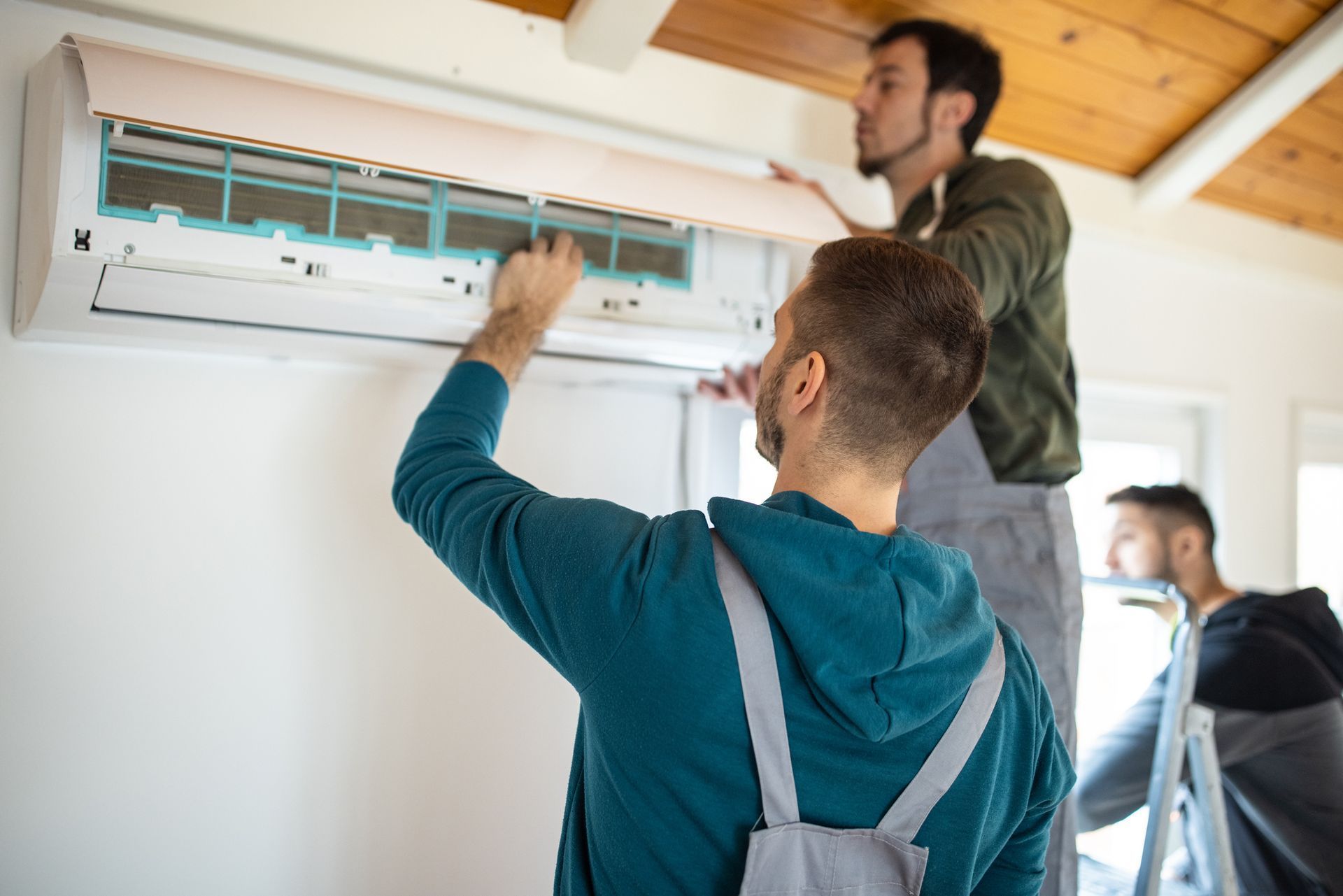
Insurance for HVAC Contractors
We provide business insurance designed for HVAC contractors. These policies protect your crew, vehicles, and tools while helping you meet project requirements. Every policy is explained clearly and delivered quickly so you can work without delays.

Resources
Insurance Tips for HVAC Contractors
Our blog is built for contractors who want fast answers. Each article covers common questions and risks in under five minutes of reading.


Frequently Asked Question
Common HVAC Contractor Insurance Questions
These FAQs address common contractor questions. As HVACInsure grows, we will update this section with real client experiences and answers.
Why should an HVAC contractor use HVACInsure instead of a general agency?
Specialists understand jobsite requirements, certificate wording, and common endorsements for HVAC work. You get cleaner paperwork, faster approvals, and coverage that fits how your crews operate.
This reduces delays at the gate, avoids gaps, and helps you pass compliance checks the first time.
How fast can I get a Certificate of Insurance (COI)?
Most standard COIs are issued the same business day after binding or updates. If you need additional insured, primary/non-contributory, or waiver language, we prepare it correctly the first time.
Our goal is simple: get your crew on site without paperwork delays.
What coverages do HVAC contractors usually need?
Core policies include General Liability, Commercial Auto, Workers’ Comp, Property/Tools, Inland Marine, and Umbrella. Many projects require higher limits and specific endorsements.
We align your coverage with contract terms and explain each choice in plain language.
Will my tools and scheduled equipment be covered in vans or on jobsites?
Yes. Inland Marine (tools and equipment) can cover items in transit, stored in vehicles, or staged on site.
High-value items can be scheduled, and limits can match your daily field use to keep work moving.
Can I lower my premium without weakening protection?
Often, yes. Clean driver lists, accurate payrolls, safety programs, and bundling policies can help.
We review your profile, request carrier credits, and adjust limits and deductibles to control cost while meeting project requirements.
What should I do after a loss?
Contact us right away so we can file with the correct carrier and set expectations. We guide documentation, next steps, and follow-ups until closure.
Fast reporting and clear records help resolve claims sooner and keep your team focused on work.

Still have questions?
Can’t find the answer you’re looking for? Please chat to our friendly team!
Contact Us