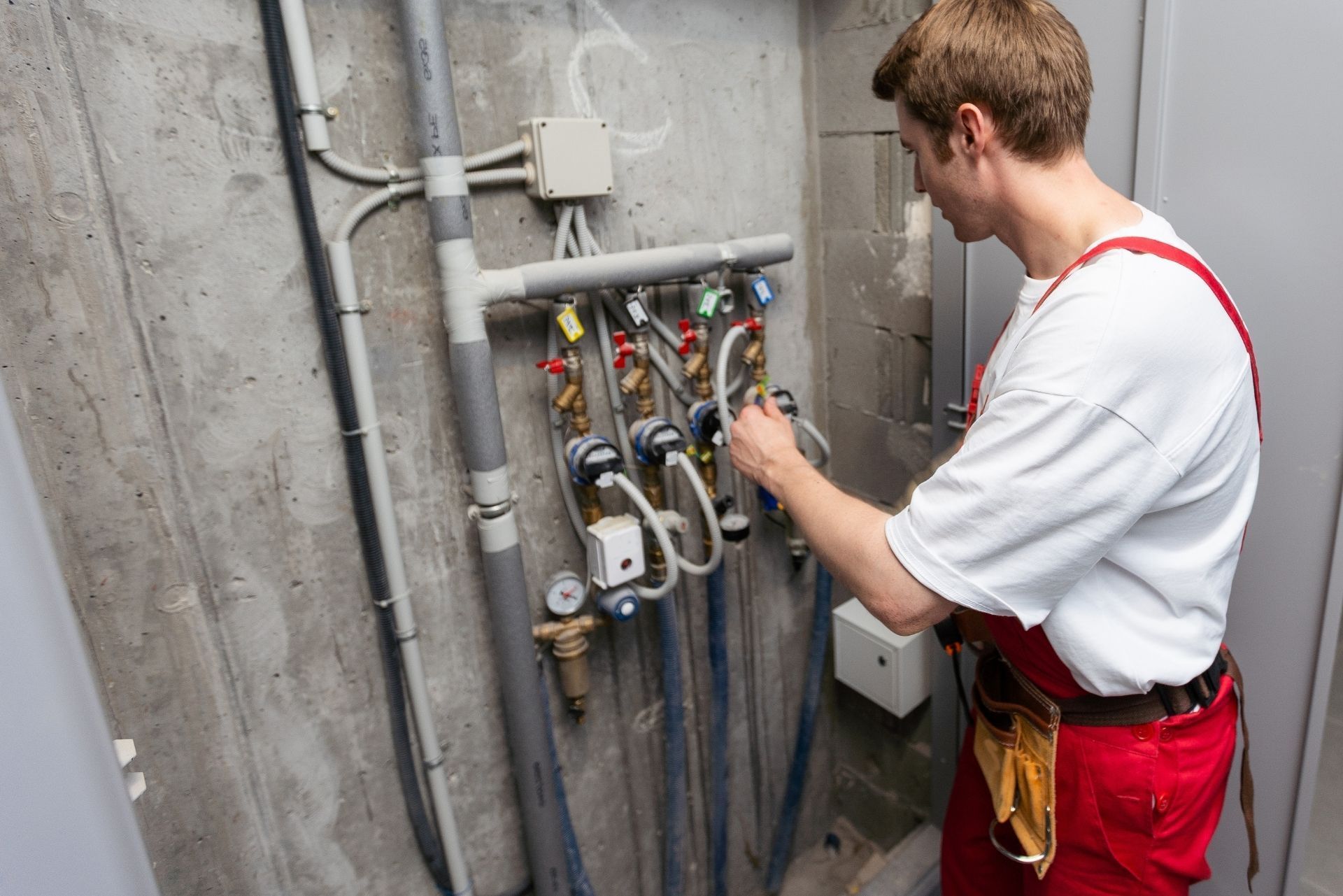
A broken pipe on a job site can quickly escalate into a claim worth tens of thousands of dollars. Contractors working in HVAC, plumbing, and electrical trades face unique risks every day on the job. Understanding the insurance options available, the data that informs premiums, and how to protect your business long term is essential.
This guide delves into the specifics of coverage, the factors that drive costs, and offers practical advice for professionals seeking to safeguard their operations and employees. For example, coverage details combined with current industry data from Vertical IQ help paint a clear picture of the challenges and opportunities in the contracting world.
Understanding the Contractor Landscape
HVAC, plumbing, and electrical contractors form a robust sector employing over 1.3 million people and generating hundreds of billions in annual revenue. The sheer scale of the industry means that even a single claim averaging between $25,000 and $50,000 can have far-reaching financial consequences.
Each day, operators in this field balance tight schedules, technical challenges, and compliance with safety standards. When unexpected accidents occur, proper insurance coverage can mean the difference between a manageable financial hit and a business-threatening loss. Consider that more than 25,000 incidents in the HVAC sector can lead to over $1 billion in combined losses each year, highlighting how significant risk management is to these contractors (FieldFactor).
HVACInsure is fully licensed and permitted to sell contractor and commercial insurance in Texas.
We proudly serve clients throughout Texas and maintain partnerships with local Texas insurance carriers to ensure HVAC professionals receive compliant, affordable, and comprehensive coverage that meets project and regulatory requirements.
Key Risks and Exposure Areas
Contractors face multiple hazards from property damage on client sites to on-the-job injuries. Each type of work, whether installing a new HVAC system or repairing an electrical fault, comes with its own set of risks.
A misplaced tool or an installation error can lead to property damage that results in a sizeable claim. In the HVAC market alone, the average claim ranging from $25,000 to $50,000 illustrates how costly errors can be (FieldFactor). In addition, workers' compensation claims vary by state with rates from $2.24 to $5.14 per $100 of payroll, making it vital for contractors to carefully analyze risk profiles and plan accordingly (ContractorNerd).
Essential Insurance Coverage Options
General Liability Insurance
This is the cornerstone of any contractor insurance portfolio. With general liability insurance, contractors protect themselves against claims arising from property damage, bodily injury, and advertising errors.
For HVAC, plumbing, and electrical companies, premiums typically range between 1.3% and 2.6% of annual revenue (ContractorNerd). This cost is a small investment compared to financial risks that can cripple even a well-managed business.
Workers' Compensation Insurance
Employees working on construction sites are vulnerable to injuries that can have long-term financial consequences. Workers' compensation insurance is designed to cover medical bills and lost wages resulting from job-related injuries.
Rates for workers' compensation insurance vary notably by state and industry risk, commonly ranging from $2.24 to $5.14 per $100 of payroll (ContractorNerd). This coverage not only protects employees but also shields contractors from potentially devastating lawsuits.
Commercial Auto Coverage
Contractors often rely on fleets of service vehicles to carry tools, parts, and personnel. Commercial auto coverage ensures that accidents on the road do not translate into business-ending liabilities.
Given the high-value claims in the industry, it is critical to ensure vehicles and drivers are adequately covered. The protection provided by auto coverage serves as a buffer against unexpected damages and helps maintain operational efficiency even when accidents occur.
Equipment and In-Transit Coverage
In the course of business, contractors invest heavily in various tools, machinery, and inventory. Equipment and in-transit coverage guard these investments against risks like theft, vandalism, or damage during transportation.
Electrical and plumbing contractors in particular may rely on specialized equipment that is not only expensive but vital for daily operations. Ensuring these assets are well-insured protects cash flow and capital retention during disruptions.
Factors Affecting Insurance Premiums
Various elements influence the cost of insurance premiums for contractors. Understanding these can help businesses negotiate better rates and choose the right coverage levels for their needs.
The size of the business, measured by annual revenue and number of employees, is one such factor. On average, plumbing and HVAC contractors employ 12 workers and generate around $2.9 million in annual revenue (Vertical IQ), and premiums scale based on these figures.
Claim History and Loss Ratios
Insurance carriers assess claim history and loss ratios when determining premiums. For contractors, a history of frequent claims-even if they are small-can signal a higher risk profile that justifies higher premiums.
Consider that HVAC claims averaging between $25,000 and $50,000 have been known to push premiums higher. Maintaining a safe work environment and implementing best practices in risk management can lower these costs over time (FieldFactor).
Geographical Location and State Regulations
Though many contractors operate regionally, the location of operations influences insurance pricing. Different states have varying workers' compensation rates, and some areas are more prone to weather-related incidents or regulatory challenges.
An electrical contractor in a state with high workers' comp rates may face substantially different costs compared to one in a low-risk region. Similarly, local regulations might mandate specific coverage levels that affect overall premium costs.
Experience and Business Practices
Experience also plays a role. Contractors with a long history in their field and proactive risk management measures are more attractive to insurers than new entrants with less mature safety programs.
Implementing rigorous safety training, regular equipment maintenance, and compliance checks can help mitigate the risk of accidents and claims. This, in turn, contributes to lower premiums over time.

Tailoring Insurance to Specific Contractor Needs
Every contractor's needs are unique. A one-size-fits-all approach will rarely offer the best protection for specialized trades such as HVAC, plumbing, or electrical work. The right mix of policies entails a detailed evaluation of day-to-day operations, potential hazards, and business goals.
Contractors in the HVAC field may benefit from added endorsements that cover refrigerant-related incidents, while plumbing professionals might prioritize coverage that includes both property damage and water-related claims. Electrical contractors, meanwhile, often need specialized provisions covering complex machinery and high-voltage systems.
Customized Risk Management Strategies
Risk management should not be an afterthought when building an insurance portfolio. Proactive strategies such as on-site safety training, structured maintenance schedules, and effective reporting protocols can help reduce claim frequency and premium levels.
Insurance carriers assess these practices when determining rates. A contractor with a comprehensive risk management program is more likely to be rewarded with favorable premiums, as data shows that companies with lower claim frequencies face less exposure (ContractorNerd).
Industry-Specific Endorsements
For many contractors, standard insurance policies leave gaps that can be filled with industry-specific endorsements. These endorsements might cover issues such as employee theft, specialized equipment damage, or even errors and omissions in field installations.
Having an endorsement that specifically addresses the nuances of HVAC, plumbing, or electrical work can offer peace of mind. This additional layer of coverage often translates into significant savings should an unexpected event occur.
Contractors benefit from side-by-side comparisons of various coverage options. The chart below highlights key differences in coverage areas, typical cost ranges, and the scope of protection offered. This table aims to simplify decision-making by laying out essential data in an accessible format.
In this comparison, notice how general liability insurance covers broad claims while workers' compensation deals specifically with job-related injuries. This side-by-side evaluation can guide contractors in making informed decisions about their insurance portfolios.
| Coverage Type | Key Protection Areas | Cost Indicator | Common Considerations |
|---|---|---|---|
| General Liability | Bodily injury, property damage, advertising errors | 1.3% to 2.6% of annual revenue (ContractorNerd) | History of claims, project type, area of operation |
| Workers' Compensation | Medical expenses, lost wages due to injuries | $2.24 to $5.14 per $100 of payroll (ContractorNerd) | Employee count, payroll size, state regulations |
| Commercial Auto | Liability and physical damage for work vehicles | Variable based on vehicle type and usage | Fleet size, vehicle age, driving records |
| Equipment/In-Transit | Loss from theft, damage during transportation | Custom policies dependent on asset value | Equipment cost, type of operations, geographic challenges |
This chart serves as a quick reference guide for contractors weighing the various elements of their insurance needs. Comparing these factors can help pinpoint the coverage mix that aligns with both operational risks and budget constraints.
Safety Programs and Their Impact on Insurance
A well-executed safety program can contribute significantly to lowering the frequency of claims. Training, regular equipment checks, and adherence to industry standards mitigate risks not only for workers but also for the financial stability of the business.
When safety is prioritized, insurance providers often reward contractors with lower premiums due to decreased claim exposure. An active safety program is one of the best investments a contractor can make, both for day‐to‐day protection and long-term financial health.
Implementation of Robust Training Modules
Practical safety training should not be a mere formality. Actionable training modules that address real-world scenarios, equipped with current industry data, help workers avoid preventable incidents.
Industry leaders have noted that a consistent safety record is one of the most influential factors in achieving lower insurance costs. As contractors follow structured training regimes and continuously update safety protocols, the benefits become evident in fewer mishaps and a clearer record of low risk.
Tracking and Analyzing Incident Data
It can be useful to track incident data over time and analyze trends for early warning signals of potential hazards. Software solutions and insurances may collaborate on data entry that reinforces training focuses and subsequent risk control measures.
For instance, understanding that an HVAC contractor's average claim sits between $25,000 and $50,000 (FieldFactor) helps businesses identify which stages of a project present the highest risk. Trends like these underscore the importance of data-driven safety interventions.
Financial Planning and Insurance Investment
Contractors must view insurance not simply as an expense but rather as a strategic investment. The payout from a single claim can strain cash flow, stall operations, or even force closure of a business. Balancing premium costs with adequate coverage levels ensures that unexpected incidents do not derail growth.
Increasing revenue and leveraging the scale of operations can help offset premium costs. For example, if the average plumbing and HVAC contractor manages 12 employees and sees around $2.9 million in annual revenue (Vertical IQ), then meticulous financial planning coupled with risk management helps contractors remain competitive while staying protected.
Budgeting for Premium Costs
Contractors benefit from integrating insurance premiums into their annual budgeting process. By treating these premiums as investments in risk management, businesses can plan for unexpected events and avoid sudden financial shocks.
A contractor should assess their specific operational risks, compare quotes, and consider the long-term benefits of fewer claims due to proactive risk management. This approach not only stabilizes finances but also builds confidence in the workforce and clients alike.
Assessing Long-Term Benefits
An investment in appropriate insurance coverage can yield long-term benefits through reduced claim frequency and lower premium rates over time. As safety programs and risk management strategies improve, insurers often respond with adjusted premiums that reflect the lower risk exposure.
This evolving relationship between operational improvements and insurance costs means that initial investments in risk management can pay dividends in future years. A contractor who feels supported by a reliable insurance portfolio is far better prepared to handle market challenges and competitive pressures.
Frequently Asked Questions
This section addresses common queries that contractors have regarding insurance coverage. The FAQs provide clear, concise answers to help professionals make informed decisions about protecting their business and employees.
Q: Do I really need separate coverage for general liability and workers' compensation?
A: Yes. General liability covers property damage and bodily injury claims while workers' compensation covers job-related injuries for employees. Each type addresses different risk exposure.
Q: How do state regulations affect my insurance premiums?
A: Premiums can vary significantly based on state-specific workers' compensation rates and local regulatory requirements. Researching your state guidelines is essential for accurate budgeting.
Q: What measures can I take to reduce my premium costs?
A: Implementing robust safety programs, conducting regular employee training, and maintaining a clear claims history can help lower your premiums. Insurers favor contractors with a proactive approach to risk management.
Q: How is commercial auto coverage integrated with other contractor policies?
A: Commercial auto coverage is typically a separate policy that complements your overall insurance portfolio. It is designed to cover risks specific to vehicles used in your operations.
Q: Is it possible to tailor insurance policies to the specific needs of my contracting business?
A: Absolutely. Many insurers offer endorsements and customizations to align with the unique requirements of HVAC, plumbing, and electrical contractors, ensuring that critical risk areas are adequately addressed.
Wrapping Things Up
Securing the right insurance coverage for HVAC, plumbing, and electrical contracting businesses is a dynamic process. With a keen understanding of the industry risks, claim data, and premium factors, contractors can fine-tune their coverage to match their operational realities.
The statistics bear out that even a single costly incident may easily spiral into severe financial implications, underscoring the value of comprehensive insurance protection (FieldFactor). Preparing for the unexpected by integrating detailed risk management practices with targeted insurance investments ensures that businesses remain well-equipped to navigate challenging scenarios.
As this guide has outlined, from general liability to workers' compensation, commercial auto coverage, and specialized endorsements, a well-rounded approach to insurance helps build financial resilience and fosters long-term growth.
The Road Ahead for Contractors
In a competitive business climate, the role of insurance extends beyond conventional risk mitigation. It provides a framework for stability, fosters investor confidence, and supports client trust-each of which is vital in the contracting industry.
Contractors who invest time and resources into understanding and optimizing their insurance portfolio are better prepared for shifts in the market and unforeseen events that can disrupt operations. Thoughtful risk management, backed by data and industry expertise, is a foundation that allows contractors to focus on what they do best-delivering quality service and innovation in the field.
Final Thoughts on Insuring Your Business
Contractors need to view insurance as more than an obligatory expense, treating it as a strategic line of defense against the many risks inherent in their field. Each policy-from general liability and workers' compensation to commercial auto and equipment coverage-is a crucial part of a broader risk management plan.
With over 107,000 companies working in HVAC, plumbing, and electrical contracting and an industry that generates billions in revenue (Vertical IQ), competitive pressures demand that contractors be proactive about protection. Embracing insurance as an essential long-term investment can create a stable environment for continued growth and innovation.
This comprehensive guide offers actionable insights and practical examples to help contractors evaluate their insurance needs thoroughly while aligning coverage with operational risks. By keeping pace with emerging trends and leveraging up-to-date statistics, businesses can remain ahead of challenges and secure the operational stability they need for success.

About The Author: James Jenkins
I’m James Jenkins, Founder and CEO of HVACInsure. I work with HVAC contractors and related trades to simplify insurance and make coverage easier to understand. Every day, I help business owners secure reliable protection, issue certificates quickly, and stay compliant so their teams can keep working safely and confidently.
Recognized by National HVAC Trade Associations
These trusted organizations set best practices and standards that carriers rely on when underwriting HVAC risks.
Membership signifies adherence to HVAC industry standards and contractor best practices.
Coverage for Crews, Vehicles, and Tools
Insurance for HVAC Contractors
We provide business insurance designed for HVAC contractors. These policies protect your crew, vehicles, and tools while helping you meet project requirements. Every policy is explained clearly and delivered quickly so you can work without delays.


Resources
Insurance Tips for HVAC Contractors
Our blog is built for contractors who want fast answers. Each article covers common questions and risks in under five minutes of reading.



Frequently Asked Question
Common HVAC Contractor Insurance Questions
These FAQs address common contractor questions. As HVACInsure grows, we will update this section with real client experiences and answers.
Why should an HVAC contractor use HVACInsure instead of a general agency?
Specialists understand jobsite requirements, certificate wording, and common endorsements for HVAC work. You get cleaner paperwork, faster approvals, and coverage that fits how your crews operate.
This reduces delays at the gate, avoids gaps, and helps you pass compliance checks the first time.
How fast can I get a Certificate of Insurance (COI)?
Most standard COIs are issued the same business day after binding or updates. If you need additional insured, primary/non-contributory, or waiver language, we prepare it correctly the first time.
Our goal is simple: get your crew on site without paperwork delays.
What coverages do HVAC contractors usually need?
Core policies include General Liability, Commercial Auto, Workers’ Comp, Property/Tools, Inland Marine, and Umbrella. Many projects require higher limits and specific endorsements.
We align your coverage with contract terms and explain each choice in plain language.
Will my tools and scheduled equipment be covered in vans or on jobsites?
Yes. Inland Marine (tools and equipment) can cover items in transit, stored in vehicles, or staged on site.
High-value items can be scheduled, and limits can match your daily field use to keep work moving.
Can I lower my premium without weakening protection?
Often, yes. Clean driver lists, accurate payrolls, safety programs, and bundling policies can help.
We review your profile, request carrier credits, and adjust limits and deductibles to control cost while meeting project requirements.
What should I do after a loss?
Contact us right away so we can file with the correct carrier and set expectations. We guide documentation, next steps, and follow-ups until closure.
Fast reporting and clear records help resolve claims sooner and keep your team focused on work.

Still have questions?
Can’t find the answer you’re looking for? Please chat to our friendly team!
Contact Us