A small oversight in coverage can quickly turn a minor mishap into a serious financial challenge. For HVAC contractors who partner with subcontractors, robust insurance coverage is not just a safety net-it’s a critical business tool. This guide dives deep into the intricate world of HVAC contractor insurance, with special attention on strategies for companies working with subcontractors. Find out why comprehensive coverage is essential to protect your business, your partners, and your clients.
Drawing insights from the latest industry statistics and expert opinions, the following sections lay out practical information on coverage types, premium calculations, and the specific risks associated with using subcontractors. Learn how to stay ahead in a competitive market while avoiding the pitfalls of inadequate protection. For a deeper dive into specific numbers and trends, industry research on HVAC insurance premiums offers an excellent starting point.
Understanding General Liability Insurance for HVAC Contractors
General liability insurance is regarded as the cornerstone of protection for any HVAC company. In a business where client property damage and bodily injury are genuine risks, a solid liability policy provides peace of mind and financial stability. The basics of coverage include protection against lawsuits and claims that may arise from on-site mishaps or errors in service delivery.
For HVAC contractors, especially those using subcontractors, the need for adequate liability protection is amplified. Subcontracted work can introduce additional layers of risk, making it crucial to have comprehensive coverage. One expert insight from a trusted industry source emphasizes that “general liability insurance is the cornerstone of protecting any HVAC company” (contractorbond.org).
Typically, general liability premiums for HVAC contractors range between 1% and 3.5% of annual revenue (contractornerd.com). This percentage aligns with the risk exposure inherent in the construction and service industries, ensuring that your business maintains a financial buffer against unforeseen incidents.

HVACInsure is fully licensed and permitted to sell contractor and commercial insurance in Texas.
We proudly serve clients throughout Texas and maintain partnerships with local Texas insurance carriers to ensure HVAC professionals receive compliant, affordable, and comprehensive coverage that meets project and regulatory requirements.
Challenges of Working with Subcontractors
The use of subcontractors in HVAC projects offers flexibility and specialized skills, but it also introduces a greater complexity in risk management. When a subcontractor performs part of the work, their liability may not always be clear under your company’s policy. This overlapping risk scenario can expose your business to claims that might have otherwise been covered.
Ensuring that subcontractors have their own adequate insurance is crucial. However, even when they provide separate coverage, discrepancies in limits or exclusions may leave gaps in overall protection. Both parties need to review insurance requirements thoroughly and consider if umbrella liability insurance could bolster the existing policy structure.
Recent trends in the construction sector show that more than half of U.S. construction firms are opting for umbrella liability insurance-a move that highlights the growing awareness of enhanced risk coverage (hvacinsure.com). This trend is particularly relevant for HVAC contractors, as an umbrella policy can extend cover beyond the primary limits, ensuring that both the main contractor and subcontractors are better defended in the event of a large-scale claim.
Calculating Insurance Premiums and Coverage Costs
Insurance premiums are directly tied to many factors, including the scope of the project, revenue levels, and the number of subcontractors involved. When calculating a premium, insurers often use percentages of annual revenue. For HVAC contractors, these percentages typically range from 1% to 3.5%, which means that even a relatively small miscalculation can lead to significant cost disparities (contractornerd.com).
Factors such as the extent of coverage, deductibles, and geographic location can also affect the final premium cost. For instance, recent developments in states like Georgia have seen a rise in premiums due to spiraling repair and replacement costs (hvacinsure.com). It’s advisable to regularly review your policy to ensure that it reflects current market conditions and adequately covers all identified risks.
Contractors should work closely with their insurance providers to understand the fee structure and negotiate terms that reflect the actual risk environment. Using a detailed risk-factor table can help illustrate where additional coverage may be necessary.
Special Considerations for Equipment Insurance
Equipment insurance is a vital aspect of the overall insurance portfolio for HVAC contractors. Work sites are fraught with expensive equipment that needs replacement or repair if damaged. A significant percentage of electrical and HVAC contractors choose equipment insurance policies with limits under $500,000 (mahoneygroup.com). While this may appear sufficient, contractors must assess whether these limits match the value of the equipment and the potential risk exposure during high-value projects.
Subcontractors might operate their own equipment or bring separate tools to a job. In such scenarios, establishing clear protocols regarding coverage responsibilities can prevent future disputes. Integrating comprehensive equipment insurance prevents costly interruptions and ensures that projects do not suffer due to unforeseen equipment damage.
In many cases, reviewing historical claims data can help guide decisions on equipment limits. This kind of real-world evidence allows contractors to align insurance limits more closely with the actual risks they face on job sites

The Role of Surety Bonds in Managing Risk
Surety bonds are an integral part of risk management for many HVAC contractors. They provide a guarantee that contractual obligations will be met and serve as a financial safeguard in case a subcontractor or contractor fails to deliver on a project. Recent studies have shown that incorporating network effects into risk assessments can lead to an approximately 2% higher exposure for surety organizations (arxiv.org).
Understanding how surety bonds work is essential. Unlike standard insurance, surety bonds do not cover losses directly. Instead, they secure a promise, ensuring that if something goes wrong, financial restitution is available as guaranteed by the bond provider. This setup is particularly useful in complex projects involving multiple subcontractors.
When contractors work with subcontractors, the performance bond elements of surety bonds offer added protection. They ensure that work is completed according to contractual terms and that any deviations can be financially addressed. This dual layer of protection is a must-have for companies that wish to maintain strong relationships with clients and enhance their credibility in the market.
Understanding Claims and Losses in the HVAC Industry
For HVAC contractors, claims are an unfortunate yet inevitable aspect of doing business. Claims can range from minor property damage to major lawsuits, and the average HVAC claim falls between $25,000 and $50,000 (blog.getfieldfactor.com). With over 25,000 incidents reported annually, these losses can add up to over $1 billion in total costs for the industry.
High-profile claims often serve as a cautionary tale for HVAC companies. When a claim is mishandled or underinsured, it can create catastrophic financial setbacks. The frequency and cost of these claims highlight the importance of not only having robust coverage but also making sure that all participants in a project-especially subcontractors-are adequately insured.
Evaluating claim trends over time can also help in adjusting policy terms to provide broader or more encompassing coverage when needed. Data-driven approaches in risk management allow insurers and contractors alike to tailor policies that better match the evolving risk landscape.
| Coverage Aspect | Standard General Liability | Specialized Make-Up Air Unit Coverage |
|---|---|---|
| Installation Errors | May be partially covered | Comprehensive protection that covers error-related costs |
| Equipment Malfunctions | Often excluded | Specifically includes mechanical and environmental risks |
| Labor and Equipment Cost Fluctuations | Fixed limits regardless of market changes | Coverage values adjust with market inflation and operational expenses |
| Third-Party Liability | Basic limits applied | Higher limits with umbrella policy options |
| Hidden Hazards | Typically not covered | Coverage includes claims from subtle installation issues |
Choosing the appropriate mix of insurance policies is a balancing act. HVAC contractors need to weigh the benefits of general liability, equipment coverage, and surety bonds against the potential gaps that might emerge when subcontractors are involved. A clear comparison table can help illustrate where these differences lie.
| Coverage Type | Primary Benefit | Potential Gaps |
|---|---|---|
| General Liability | Protects against property damage and bodily injury claims | May not fully cover subcontractor-related issues without additional endorsements |
| Equipment Insurance | Covers repair or replacement of equipment | Lower limit policies may not match the true replacement cost |
| Surety Bonds | Guarantees contract performance and completion | Does not cover direct financial losses, only provides a guarantee |
| Umbrella Policies | Expands overall liability limits across policies | May not include all specialized risks if endorsements are missing |
This chart clearly demonstrates the importance of a balanced approach. While general liability provides broad protection, gaps can emerge if subcontractors are not factored into the risk assessment. Using an umbrella policy to extend coverage provides a safety net, minimizing unforeseen vulnerabilities across different policy types.
For more insights on premium structures and risk management, industry analysts often reference emerging trends in coverage needs (hvacinsure.com), which emphasize a strategic blend of insurance products to protect every aspect of business operation.
Best Practices for HVAC Contractors Using Subcontractors
Businesses that rely on subcontractors must adopt a proactive approach to insurance and risk management. Best practices involve thorough vetting of subcontractors’ insurance policies, ensuring that they offer sufficient coverage for their services, and that their limits match the demands of the job. Regular audits and joint risk assessments are helpful strategies in this regard.
Maintaining detailed documentation is a key aspect. This includes contracts specifying insurance requirements, copies of subcontractors’ policies, and records of any claims or incidents that occur on site. Not only does this help in underwriting risk accurately, but it also facilitates smoother collaboration between all involved parties.
Integrating risk management guidelines into every contract can create uniform standards across all projects. This minimizes the chance of a gap between the contractor’s primary policy and that of the subcontractors. With this approach, each party is clear on their responsibilities, reducing the potential for disputes should a claim arise.
Case Studies and Real-World Examples
Real-world cases provide valuable lessons about what can go wrong-and what can be done right. One such case involved an HVAC contractor who faced a significant claim due to a subcontractor’s negligence. Without the safety net of an umbrella policy, the financial burden impacted the entire business considerably.
Another example highlights the success of an HVAC company that adopted strict protocols for verifying subcontractor coverage. By requiring subcontractors to maintain their own policies with limits consistent with the main contractor’s risk exposure, the company was able to avoid several potentially costly disputes. These scenarios underscore the critical role that open communication and clearly defined insurance requirements play in long-term business success.
Such examples emphasize that insurance is not a one-time purchase. It is a continuous process that must be revisited and adjusted as the business grows and market conditions change. A proactive stance on risk management saves time, money, and reputation.
Trends in the HVAC Insurance Market
The dynamics of the HVAC insurance market continue to evolve with new challenges and opportunities emerging each year. A notable trend is the increased use of umbrella liability insurance, with 55% of U.S. construction firms reported to have embraced this option by 2025 (hvacinsure.com). Growing repair and replacement costs, particularly in hot spots like Georgia, further push premiums upward.
Technological advancements and better data analysis are leading insurers to refine their policies to meet the specific needs of HVAC contractors. This includes more precise risk assessment models that account for network effects, which can raise risk exposure-especially in surety bond calculations (arxiv.org). Insurers are adapting policies to be more tailored and flexible, ensuring that the coverage matches the real-world scenarios contractors face.
The market trend reflects not only a need for more comprehensive coverage but also a demand for digital convenience. Consumers expect to see detailed insurance information online, and many successful businesses integrate this transparency into their customer service models. Trust is built when clients know that every aspect of a project is backed by robust and clearly communicated insurance policies.
Digital Transparency and Consumer Trust
A growing expectation among clients is the availability of detailed, transparent insurance information online. Customers want to feel secure not only knowing that the work is being done correctly but also that there is a safety net in case anything goes wrong. The digital age has shifted many aspects of the industry, requiring HVAC contractors to display not just competence in their services but also credibility in their financial protections.
By making insurance details accessible, businesses foster trust and reassure clients that all potential risks are accounted for. This level of transparency is particularly valuable in a market where insurance can be the competitive advantage for a contractor (hvacinsure.com). Providing clear insights into coverage details, claim histories, and risk management practices helps set a contractor apart from competitors who might overlook these factors.
Online platforms and digital tools now allow contractors to communicate policy details in a way that’s easily digestible to customers, thereby enhancing satisfaction and reinforcing relationships built on trust. The connection between digital transparency and consumer trust is increasingly recognized as a key driver of sustained business success in the HVAC industry.
Strategies for Negotiating Better Coverage Terms
Negotiating insurance coverage terms effectively is an essential skill for HVAC contractors. Building a strong relationship with the insurance provider, presenting detailed risk assessments, and regularly updating your policy details can all lead to better, more tailored insurance solutions. Knowing how to frame your business risks in terms that resonate with insurers can result in lower premiums and wider coverage.
One practical strategy is to periodically review and adjust coverage based on project variations, particularly when subcontractors are added to the mix. Ensure that every change in the business environment is reflected in your policy. This not only protects against unexpected gaps but also optimizes overall expenditure on premiums.
Contractors benefit from consulting with independent insurance experts who specialize in the HVAC industry. These professionals can provide actionable insights, validate current policy limits, and recommend add-ons where needed. Proactive negotiation combined with regular reviews is key to maintaining a resilient and cost-effective insurance framework.
Insurance Renewal: Timing and Considerations
Renewing insurance policies is a critical juncture where many HVAC contractors have the opportunity to align their coverages with evolving market risks. Renewal time is the ideal moment for a comprehensive reassessment of all current policies, with particular attention given to changes in subcontractor dynamics and project scope.
During renewal, analyze past claims data and future risk projections, then adjust coverage limits and deductibles accordingly. Keeping abreast of current premium trends and insurer offerings ensures that the business is not overpaying for obsolete coverages. These adjustments can optimize risk transfer strategies, aligning with the contractor’s growth trajectory and current operational scale.
Many industry experts advise that the insurance renewal process should involve a detailed audit of both primary and supplemental coverages. This ensures that every aspect, from general liability to equipment insurance, remains in lockstep with business needs. Collaborating closely with insurance advisors during this period can yield significant dividends in both cost savings and risk management efficiency.
Integrating Risk Management into Business Culture
An effective insurance plan is just one component of a comprehensive risk management strategy. HVAC contractors can further minimize risk by integrating thorough safety protocols and risk assessments into the company culture. A proactive approach to risk management not only helps in reducing the incidence of claims but also secures better terms during insurance negotiations.
By embedding risk management into daily operations and project planning, contractors can identify potential issues before they develop into major financial problems. Regular training sessions, transparent communication with subcontractors, and consistent safety audits are just a few practices that can reinforce a risk-aware culture.
This alignment between operational safety and insurance strategy significantly supports the overall business sustainability and establishes the contractor as a confident and detail-oriented partner in the market.
Regulatory Considerations for HVAC Contractors
Compliance with local and federal regulations is an intrinsic part of managing an HVAC business, particularly when it involves multiple subcontractors. Different states and municipalities may impose varied insurance requirements that need to be fulfilled. Contractors must therefore stay abreast of legal developments and adjust policies as required.
For instance, recent regulatory changes in some states have led to a reassessment of premium costs and enhanced scrutiny over claim procedures. High repair and replacement costs in regions such as Georgia have had a pronounced effect on premium rates (hvacinsure.com), urging companies to update their coverage frequently.
Contractors should consider engaging legal experts who specialize in construction and HVAC law. This ensures that all policies not only meet statutory requirements but also provide an additional layer of protection during disputes, safeguarding the business against potential litigation pitfalls.
Leveraging Technology for Better Insurance Management
Advancements in digital platforms are revolutionizing the way HVAC contractors manage their insurance policies. Online claims management tools, digital policy documentation, and real-time risk assessment dashboards are making it easier for businesses to maintain transparent and updated coverage details. This tech-driven evolution not only simplifies administrative tasks but also enhances the ability to spot coverage gaps promptly.
Automation in policy renewals and claims handling ensures faster processing and fewer errors, which translates into reduced downtime and increased client satisfaction. Many contractors are now using dedicated software solutions that integrate with their operational systems, thereby aligning risk management with day-to-day business processes.
Using these digital tools, HVAC contractors can quickly generate reports, track trends, and adjust policies as necessary-a crucial collaboration tool when negotiating with both insurers and subcontractors. Ultimately, technology is an enabler that supports a proactive insurance approach, ensuring the business stays competitive and well-protected.
Future Outlook: Preparing for Evolving Risks
The risk landscape for HVAC businesses continues to evolve, driven by changing market conditions, technological advancements, and regulatory updates. Contractors must anticipate these changes and adjust their insurance coverage proactively. An emerging trend is the increasing scrutiny of risk exposures, particularly through advanced data analytics and network effect assessments, which have recently shown around a 2% higher exposure for surety organizations (arxiv.org).
Looking ahead, the integration of advanced risk modeling tools will likely make it easier for insurers and contractors to customize policies to specific operational requirements. Embracing these innovations early can provide competitive benefits and streamline the overall management of insurance coverage. This forward-thinking approach ensures that HVAC contractors remain agile, capable of adapting to unforeseen challenges without compromising on protection.
With rising premium costs and increasing claim complexity, particularly among businesses that rely heavily on subcontractors, staying informed and prepared is paramount. This future outlook calls for a partnership between historical insights, continuous monitoring of industry trends, and robust risk management practices-all of which work synergistically to secure long-term business stability.
Frequently Asked Questions
What is general liability insurance and why is it critical for HVAC contractors?
General liability insurance protects against claims of property damage or bodily injury on the job. It is essential because it covers many risks associated with HVAC work, including those involving subcontractors (contractorbond.org).
How do insurance premiums for HVAC contractors typically get calculated?
Premiums are usually calculated as a percentage of annual revenue, ranging from 1% to 3.5%. Factors include project scope, number of subcontractors, and regional risks (contractornerd.com).
Why should subcontractors have their own insurance policies?
Having separate policies ensures that any claim involving a subcontractor is adequately covered, which eliminates potential gaps in the contractor's own general liability policy.
What benefits do umbrella liability policies offer?
Umbrella policies provide extra coverage that extends beyond the limits of standard policies, offering an added layer of financial protection against large claims (hvacinsure.com).
How can technology enhance the management of HVAC contractor insurance?
Digital tools provide real-time insights into policy details, streamline claim processes, and help quickly identify coverage gaps, making risk management more efficient.
Are there any legal considerations unique to using subcontractors?
Yes. Contractors must ensure full compliance with local and federal regulations, and clearly define insurance responsibilities in contracts to avoid disputes about coverage responsibility (hvacinsure.com).
How should contractors prepare for insurance renewals?
Review past claims and current coverage periodically, adjust limits and deductibles based on updated risk assessments, and consult with experts to ensure the policy reflects the business’s current needs.
Wrapping Things Up
Managing insurance for HVAC contractors who use subcontractors is about understanding multiple layers of risk. A well-structured insurance policy addresses general liability, equipment coverage, surety bonds, and even includes umbrella policies for extra protection. A strategic mix of these coverages reduces exposure and ensures continuity in the event of a claim or unexpected incident.
Contractors must adopt a proactive stance-continuously assessing risk, ensuring all partners are adequately insured, and leveraging the latest technologies to maintain transparency and up-to-date coverage details. With ongoing trends such as rising premiums and increased digital transparency, the marketplace continues to evolve. Staying informed and maintaining clear communications among all involved parties often prove to be the difference between effective risk management and costly disputes.
In this increasingly complex environment, a meticulous approach to insurance management and a robust dialogue with trusted insurance professionals are key. Making informed decisions based on detailed data and insight protects not only the business but also each subcontractor involved in the project.
Key Takeaways for HVAC Contractors
A comprehensive review of HVAC contractor insurance highlights some central themes: the critical nature of general liability, the added risks brought by subcontractors, and the value of integrating modern technological tools into insurance management. Detailed risk assessments and regular reviews of coverage terms are vital steps in this process.
Contractors who proactively manage their respective policies while also ensuring that subcontractors meet industry insurance standards create a more resilient business ecosystem. The right blend of coverage options, including equipment insurance, umbrella policies, and surety bonds, is essential to safeguard against unpredictable events that may otherwise disrupt operations.
By embedding comprehensive risk management into their business strategies, HVAC contractors can secure a competitive edge in the market while protecting their long-term financial stability. Transparent insurance practices also build trust, promoting stronger relationships with clients and subcontractors alike.
Final Thoughts on Successful Insurance Strategies
The realm of HVAC contractor insurance is complex, yet managing it effectively is within reach. As the industry navigates higher premiums, evolving risks, and increased digital transparency, adopting adaptable insurance strategies is more critical than ever. The variability of risks-from general liability issues to specific equipment setbacks and subcontractor mishaps-demands strong oversight and periodic policy re-evaluation.
Successful contractors understand that policy management is an ongoing process. The integration of digital tools simplifies this task, ensuring that every detail aligns with current operational needs. By aligning comprehensive coverage with proactive risk management, contractors position their businesses to not only absorb unexpected shocks but also capitalize on market opportunities with confidence.
Ultimately, informed decision-making about insurance reflects a broader commitment to operational excellence. With detailed comparisons, regular audits, and a focus on clarity, HVAC contractors can navigate the challenges of using subcontractors while maintaining strong, trusted relationships with clients. This ensures a secure, profitable future in a demanding industry.

About The Author: James Jenkins
I’m James Jenkins, Founder and CEO of HVACInsure. I work with HVAC contractors and related trades to simplify insurance and make coverage easier to understand. Every day, I help business owners secure reliable protection, issue certificates quickly, and stay compliant so their teams can keep working safely and confidently.
Recognized by National HVAC Trade Associations
These trusted organizations set best practices and standards that carriers rely on when underwriting HVAC risks.
Membership signifies adherence to HVAC industry standards and contractor best practices.
Coverage for Crews, Vehicles, and Tools
Insurance for HVAC Contractors
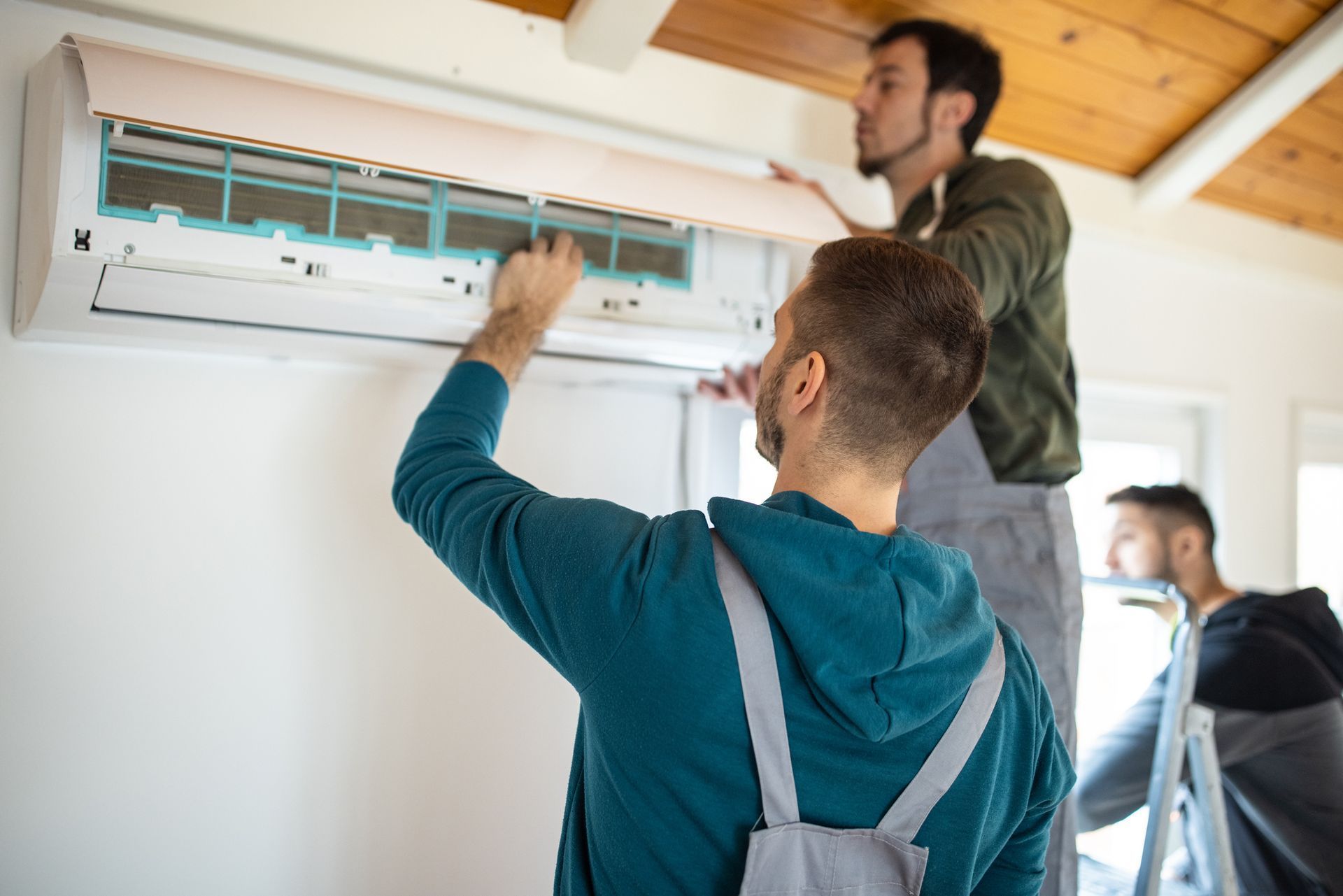
We provide business insurance designed for HVAC contractors. These policies protect your crew, vehicles, and tools while helping you meet project requirements. Every policy is explained clearly and delivered quickly so you can work without delays.

Resources
Insurance Tips for HVAC Contractors
Our blog is built for contractors who want fast answers. Each article covers common questions and risks in under five minutes of reading.



Frequently Asked Question
Common HVAC Contractor Insurance Questions
These FAQs address common contractor questions. As HVACInsure grows, we will update this section with real client experiences and answers.
Why should an HVAC contractor use HVACInsure instead of a general agency?
Specialists understand jobsite requirements, certificate wording, and common endorsements for HVAC work. You get cleaner paperwork, faster approvals, and coverage that fits how your crews operate.
This reduces delays at the gate, avoids gaps, and helps you pass compliance checks the first time.
How fast can I get a Certificate of Insurance (COI)?
Most standard COIs are issued the same business day after binding or updates. If you need additional insured, primary/non-contributory, or waiver language, we prepare it correctly the first time.
Our goal is simple: get your crew on site without paperwork delays.
What coverages do HVAC contractors usually need?
Core policies include General Liability, Commercial Auto, Workers’ Comp, Property/Tools, Inland Marine, and Umbrella. Many projects require higher limits and specific endorsements.
We align your coverage with contract terms and explain each choice in plain language.
Will my tools and scheduled equipment be covered in vans or on jobsites?
Yes. Inland Marine (tools and equipment) can cover items in transit, stored in vehicles, or staged on site.
High-value items can be scheduled, and limits can match your daily field use to keep work moving.
Can I lower my premium without weakening protection?
Often, yes. Clean driver lists, accurate payrolls, safety programs, and bundling policies can help.
We review your profile, request carrier credits, and adjust limits and deductibles to control cost while meeting project requirements.
What should I do after a loss?
Contact us right away so we can file with the correct carrier and set expectations. We guide documentation, next steps, and follow-ups until closure.
Fast reporting and clear records help resolve claims sooner and keep your team focused on work.

Still have questions?
Can’t find the answer you’re looking for? Please chat to our friendly team!
Contact Us