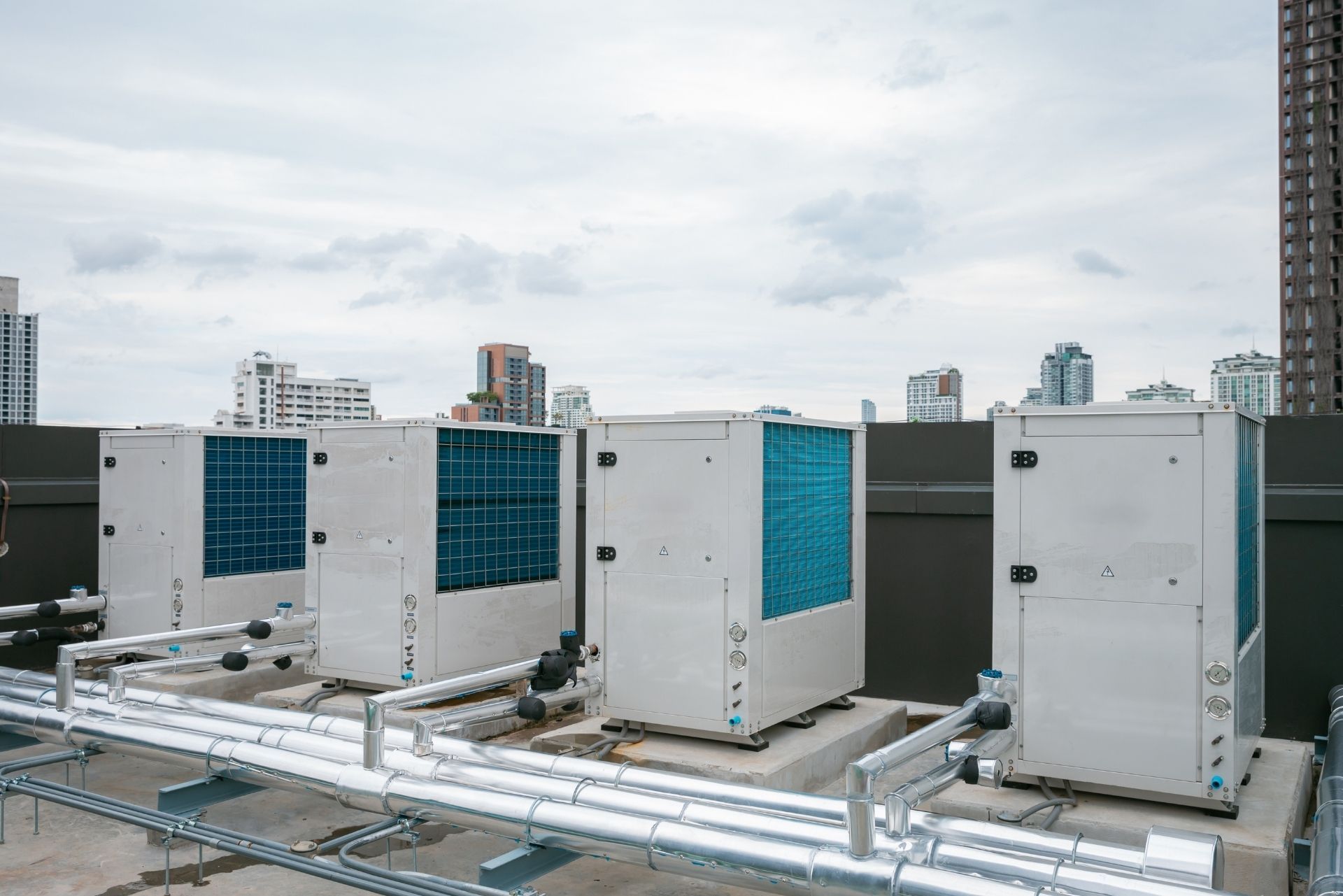
A contractor faces a challenging situation on a sweltering summer day in a multi-story office building. A VRF system malfunctions, affecting occupants throughout the facility. Beyond the immediate inconvenience, the incident creates a host of financial worries that extend beyond repairs. When it comes to protecting such sophisticated systems, understanding insurance options becomes as important as technical know‐how. This article provides an in-depth exploration of VRF HVAC systems, their evolving market landscape, and strategic nuances of insurance coverage tailored to these systems. For additional industry insights, consider reading about VRF growth projections on USD Analytics.
Understanding VRF HVAC Systems
VRF (Variable Refrigerant Flow) HVAC systems differ significantly from traditional heating and cooling solutions by offering variable speed compressors that adapt to building loads. This technology ensures a more precise match to the demand, resulting in energy savings and improved indoor comfort. Studies by the Minnesota Department of Commerce indicate that these systems can reduce energy use by 30-40% compared to conventional systems, emphasizing the economic and environmental benefits these systems offer.
Unlike traditional HVAC systems, VRF systems deliver refrigerant to multiple indoor units, each capable of independently controlling zones throughout a building. This flexibility makes them an attractive option in both commercial and large residential contexts. The technology has matured over the past years and now competes strongly with conventional alternatives, especially given the push for sustainability in building design.
Efficiency gains aside, VRF systems also come with increased complexity. Their intricate design requires specialized maintenance and insurance solutions tailored to their unique risks, which brings us to the importance of understanding VRF HVAC insurance.
HVACInsure is fully licensed and permitted to sell contractor and commercial insurance in Texas.
We proudly serve clients throughout Texas and maintain partnerships with local Texas insurance carriers to ensure HVAC professionals receive compliant, affordable, and comprehensive coverage that meets project and regulatory requirements.
The Value of VRF HVAC Insurance
When protecting a VRF installation, insurance isn’t simply about general liability-it’s about anticipating and planning for risks specific to the technology. As VRF systems integrate advanced components, contractors and building managers must account for system damage, repair costs, and potential business interruptions. Given the complexity of these systems, insurance policies often need refined language addressing both the hardware and the specialized skills required for repairs.
Stakeholders invest in VRF HVAC insurance to mitigate issues ranging from refrigerant leaks to equipment failure. These policies cover damages arising from a malfunction that might require extensive repairs or even complete system replacements. A failure in a VRF system can lead to unexpected downtime, which in turn may affect business operations, contractual commitments, and tenant satisfaction.
Insurance professionals emphasize the importance of having clear coverage conditions. Specialized products in the insurance market are designed with an awareness of equipment costs and labor intensity associated with VRF systems. For context, the U.S. HVAC repair and maintenance industry already generates around $80 billion annually (ZipDo Education Reports), and incorporating VRF technology represents a growing, pivotal part of that expenditure.
Market Trends and Innovations in VRF Technology
Growth Projections and Market Size
Market research from several authoritative sources conveys strong confidence in the VRF technology market. Projections indicate that the global VRF HVAC system market size could reach as high as $93.1 billion by 2034, with an impressive compound annual growth rate (CAGR) of 12.4% from 2025 to 2034 (USD Analytics). At the same time, another industry report positions the market at approximately $26.68 billion in 2025 with growth to $43.58 billion by 2034 and a CAGR of 13% (The Business Research Company).
This rapid growth is driven by a need for higher energy efficiencies in buildings, technological advancements, and an increasing global emphasis on reduced emissions. As engineers and architects integrate smarter systems in new construction and retrofits, the demand for specialized insurance is set to rise. These figures underline not only economic potential but also the evolving risk landscape that insurers must navigate.
The booming market for VRF systems challenges insurers to develop comprehensive risk coverage while ensuring policies remain adaptable to technological change. Insurance providers are increasingly required to adjust their products to include hazards unique to VRF systems, such as refrigerant management and specialized repair procedures.
Regulatory Developments and Environmental Impact
Environmental regulations are reshaping the HVAC network with a clear focus on refrigerants. For instance, the California Air Resources Board (CARB) has initiated steps to phase out high Global Warming Potential refrigerants like R-410A in favor of more climate-friendly alternatives such as R-32 and R-454B (Scottmax.com). This transition helps to reduce the overall global warming potential by as much as 70-80%, though it poses temporary hurdles in both equipment design and servicing.
Regulatory actions like these have a direct impact on VRF systems, as manufacturers and installers must recalibrate equipment to ensure full compliance. The shift requires substantial coordination between engineering teams and insurance providers, who must outline coverage terms that incorporate risks associated with new refrigerants. Increasing environmental standards underscore the need for insurance policies that are flexible enough to cover emerging and unforeseen challenges in technology transition.
While the transition to low-GWP refrigerants may trigger initial disruptions, industry experts express optimism. Derrick Paul, director of commercial product sales at Fujitsu General America Inc., sees the change as a necessary step toward decarbonizing urban infrastructure (ACHR News). This outlook reinforces the idea that robust insurance products will be essential in promoting these environmental and technological transitions without jeopardizing financial stability.
Challenges and Considerations in Insuring VRF Systems
Understanding Equipment Complexity and Risk Exposure
VRF HVAC systems feature complex designs that integrate multiple components with highly specialized functions. With systems capable of controlling various zones separately, each system component may pose differing levels of risk. For example, refrigerant leaks can result not only in performance loss but also in significant environmental harm. This risk aspect compels insurers to work closely with technical experts to set precise coverage limits and exclusion clauses.
Additionally, repair procedures for VRF systems often require technicians who are trained specifically on these advanced technologies. As such, the likelihood of damage from operational mishaps or inadequate maintenance is treated differently than in traditional fan coil or split systems. Insurers are now more scrutinous of maintenance records and installation certification, ensuring that any claim is supported by documented compliance with industry standards.
Costly equipment repairs or replacements, paired with the specialized labor required, drive premium rates higher. Insurance providers must quantify these risks while offering competitive, tailored products. Such evaluation processes can include on-site inspections, equipment audits, and detailed risk analyses based on historical data and repair trends.
Navigating Policy Terms and Coverage Limits
When assessing VRF HVAC insurance policies, it becomes critical to examine both the technical coverage and the financial terms. Some policies might include clauses that cover not only mechanical failures but also business interruptions arising from system failures. Given the potential for high repair costs, policy limits must mirror the technological complexity and value of the equipment involved. Insurers often work with specialized adjusters who bring a deep understanding of HVAC systems to evaluate claims accurately.
Policyholders should look out for endorsements that specifically address factors like refrigerant replacement and emergency service costs. Precise wording in the policy can be the difference between adequate compensation and significant out-of-pocket expenses during system repairs. The intricacies of VRF systems mean that generic property insurance might not fully cover the specialized risks. Instead, tailored VRF-specific plans offer the best protection against the multi-faceted risks these systems present.
Industry experts such as Curt VanNess from HVACi highlight that insurance settlements can become more expensive with rising equipment and labor costs (HVAC Insure). This dynamic adds pressure on both insurers and policyholders to maintain precise documentation of damages and repairs.
Managing Costs Through Preventative Practices
The Role of Preventative Maintenance
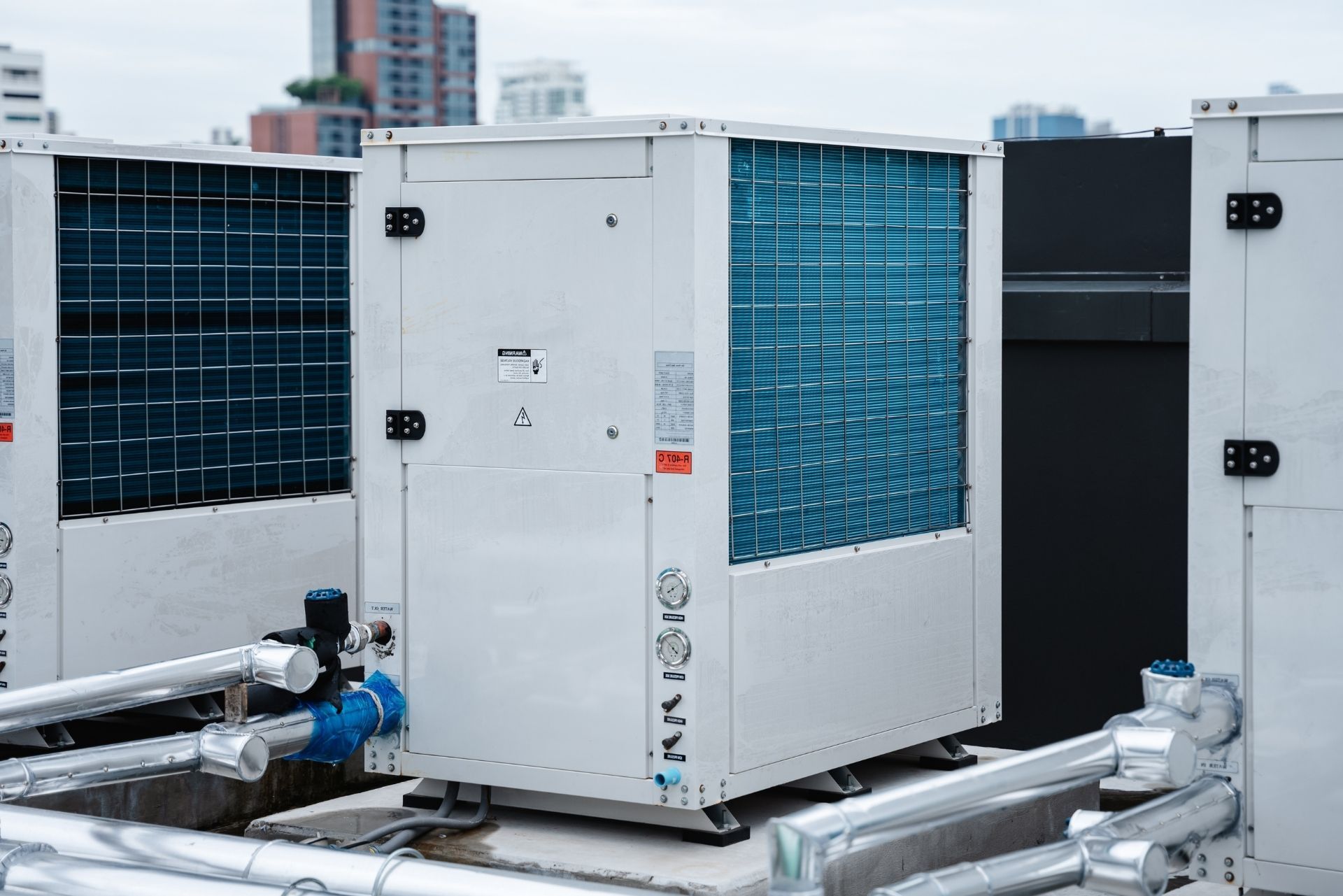
Effective preventative maintenance plays a crucial role in mitigating potential risks associated with VRF systems. Scheduled inspections and rigorous maintenance protocols can help identify minor issues before they escalate into costly repairs or system failures. Contractors who adopt a proactive maintenance approach often benefit from reduced downtime and operational savings, making their insurance claims less frequent and less severe.
Maintenance contracts that include regular cleaning, detailed system diagnostics, and proactive part replacements are increasingly viewed as best practice in the industry. Comprehensive recording of maintenance history allows insurers to assess risk more accurately, leading to better policy terms. This symbiotic relationship between maintenance and insurance coverage is vital in preserving both equipment longevity and financial security.
When insurers see a strong emphasis on maintenance and regular service reports, it often leads to lower premium rates. This practical step is as beneficial as any advanced insurance product. Owners and contractors alike can have peace of mind, knowing that properly maintained systems not only perform better but also reduce unexpected repair expenses.
Leveraging Technological Advancements for Risk Management
Technological advancements, which characterize VRF systems, also offer interesting opportunities for proactive risk management. Integration of smart sensors and remote monitoring systems enables real-time data collection on system performance. This allows for early detection of malfunctions or inefficiencies, effectively acting as an early warning system that could prevent major system failures.
When insurers and property managers harness these technologies, the result is a significant reduction in potential risk exposures. For example, remote monitoring can signal a developing refrigerant leak or provide insights into compressor performance anomalies before they escalate. In this way, innovative applications of technology directly influence the insurance process by refining risk assessments.
Insurance providers recognize this shift in operational trends, and many now require technology-enhanced reporting mechanisms as part of their policy conditions. Such collaborative approaches, where technology and insurance converge, underscore the need for continued investments in digital monitoring tools across VRF systems.
Insurance Considerations for New Installations versus Retrofits
Whether the VRF system is part of a new installation or a retrofit, the specific insurance needs can differ sharply. In new installations, the emphasis is often on ensuring that the system is covered from the moment the installation begins. A new system tends to have a higher initial capital value, and any disruption during the installation phase may lead to significant cost implications. Insurance products for new installations may include protection for installation delays, part failures during initial calibration, and early operational tests.
Retrofits, on the other hand, present distinct challenges. Existing building infrastructures may require significant modifications or integration procedures that introduce unexpected risks. Insurance providers need to account not only for the VRF system itself, but also for potential disruptions in older mechanical systems that might interact with the new equipment. This duality of risk often calls for blended policies designed to support both the modernization effort and the pre-existing conditions.
In both cases, clarity in policy language is essential. Policy conditions should comprehensively detail the scope of coverage, whether for new technology installation or an upgrade of existing systems. Both installers and property managers benefit from specifying the coverage limits, ensuring that capital investments in VRF technology are well-protected against unforeseen mishaps.
Insuring Against Business Interruption and Liability
Impact on Business Operations
Beyond the physical damage to equipment, the failure of a VRF system can have a ripple effect on business operations. For commercial properties, system malfunctions may result in business interruptions that include downtime, revenue loss, and damage to a company’s reputation. Insurance policies tailored for VRF systems often incorporate business interruption coverage that compensates for income loss during extended downtime.
This coverage is critical in ensuring that unexpected system failures do not cripple financial performance. VRF systems, by their design and complexity, may require specialized servicing that causes longer repair times compared to more traditional HVAC setups. As such, the inclusion of business interruption clauses in insurance policies can provide financial relief for businesses during periods of operational disruption.
The need for such comprehensive coverage is underscored by a robust repair and maintenance market in the U.S. HVAC industry, which accounts for billions in annual revenue (ZipDo Education Reports). Insurance products that cover both physical and financial setbacks offer a balanced approach to risk management, particularly in high-stakes commercial settings.
Liability and Third-Party Claims
Liability concerns represent another critical aspect of VRF HVAC insurance. When a system failure not only damages equipment but also indirectly harms tenants or visitors, third-party liability claims can arise. Insurers must be clear on the extent of liability coverage, ensuring that incidents leading to personal injury or property damage are adequately addressed.
Given the technical nature of VRF systems, investigations into failure causes can be complex. This complexity necessitates detailed documentation and expertise in evaluating claims. Policyholders are encouraged to work with insurers who specialize in high-tech equipment coverage, reducing the likelihood of disputes over claim settlements. Detailed incident reports and maintenance records play a crucial role in substantiating the nature and extent of the failure, ultimately expediting the claims process.
A comprehensive understanding of both physical and third-party liabilities ensures that businesses are well-prepared in the event of an incident. Insurance without specific VRF coverage may leave gaps, exposing businesses to unanticipated financial losses.
The following table compares basic coverage components of traditional HVAC insurance with those tailored specifically for VRF systems. Each criterion is evaluated based on typical risks associated with the technology.
| Coverage Aspect | Traditional HVAC Insurance | VRF HVAC-Specific Insurance |
|---|---|---|
| Equipment Complexity | Standard repair and parts replacement | Specialized repairs, component-level diagnostics, and refrigerant-specific coverage |
| Professional LiabiMaintenance Requirementslity (E&O) | General maintenance clauses | Mandatory regular inspections, smart sensor integration, and detailed service logs |
| Business Interruption | Limited income interruption coverage | Enhanced clauses covering extended downtime from system complexity |
| Environmental Impact | Basic compliance with environmental regulationsyee injury claims | Focused coverage accommodating refrigerant changes and low-GWP compliance |
| Liability Coverage | General liability for accidents | Expanded liability covering third-party claims, especially from refrigerant exposure |
This comparative chart highlights that, while traditional HVAC insurance might suffice for simpler systems, VRF-specific policies are designed to meet the nuanced and evolving risks associated with contemporary technology. A customized approach ensures comprehensive protection not only for the hardware but also for the operational and environmental risks each installation encounters.
Embracing the Technological Shifts in HVAC Insurance
The integration of smart technologies and data analytics into HVAC systems is reshaping the insurance landscape. As digital tools become ubiquitous in monitoring system performance, they pave the way for proactive risk management and more refined insurance underwriting. Insurers are now utilizing data-driven insights to assess the performance history of systems, often resulting in tailored premium rates that better reflect the actual risk.
Real-time alerts, predictive maintenance schedules, and remote service capabilities are no longer just selling points-they are essential components of a well-insured VRF system. By adopting these innovations, both insurers and policyholders can work collaboratively to minimize system failures and mitigate repair costs. Such initiatives not only lead to faster, more efficient claims handling but also help in driving down overall insurance costs.
This blend of technology and insurance best practices illustrates a forward-thinking approach. As VRF systems continue to develop, the synergy between smart monitoring and adaptive insurance policies will be vital in ensuring comprehensive, up-to-date coverage. This alignment ultimately translates to financial stability and enhanced system performance in a rapidly changing environment.
Frequently Asked Questions
Q: What makes VRF systems different from traditional HVAC systems?
A: VRF systems offer variable-speed operation and individualized zoning control, resulting in better energy efficiency and comfort control compared to traditional HVAC systems.
Q: Why is specialized insurance necessary for VRF systems?
A: Due to their complex design, specialized components, and unique repair requirements, general HVAC insurance may not cover all risks associated with VRF systems. Tailored policies provide better protection for both equipment and business operations.
Q: How do environmental regulations affect VRF system insurance?
A: New regulations-like those phasing out high GWP refrigerants-require adjustments in both system design and repair protocols. Insurance policies must adapt to cover risks related to the use of low-GWP refrigerants and compliance challenges (Scottmax.com).
Q: What role does preventative maintenance play in managing insurance costs?
A: Regular maintenance minimizes the risk of catastrophic system failures and lowers repair costs. Insurers often reward well-documented maintenance programs with lower premium rates and more favorable policy terms.
Q: Can technology improve how claims are processed for VRF systems?
A: Yes, the integration of smart sensors and remote monitoring allows for early detection of issues. This proactive data collection helps reduce claim severity and speeds up the claims process.
Q: Are business interruption claims typically covered under VRF HVAC insurance?
A: Many tailored VRF insurance policies include provisions for business interruption. This ensures compensation for lost revenue during repair or downtime, reflecting the high stakes of technological failures (ZipDo Education Reports).
Wrapping Things Up
Protecting a VRF HVAC system demands more than standard insurance policies. As the market grows and technology evolves, so too must the methods of mitigating risk. With VRF systems projected to experience robust growth in the coming years, ranging from an anticipated valuation of $93.1 billion by 2034 (USD Analytics) to highly specialized repair requirements, both insurers and policyholders need to remain agile.
Insurance products must be tailored to address the complexities and nuances of VRF systems, whether for new installations or retrofits. By embracing approaches like detailed maintenance tracking, smart sensor integration, and understanding the impact of environmental regulations, both insurers and insured entities can more effectively manage risks in a shifting technological landscape.
Business interruption coverage, specialized liability clauses, and clear policy language are all at the core of a comprehensive solution. The collaboration between industry experts and insurance professionals is key to safeguarding investments and mitigating potential financial losses. As technology continues to redefine building support systems, a well-informed, proactive approach to VRF HVAC insurance remains an indispensable part of modern risk management. For further insights into industry trends and data-driven projections, check out perspectives from
The Business Research Company.
Looking Forward: The Future of VRF HVAC Insurance
As technological advances lead to smarter, more integrated HVAC systems, the demand for specialized insurance is set to expand. Innovations in system monitoring, combined with evolving environmental standards, present both opportunities and challenges to insurers. Continuous investments in detection technology and data analytics not only improve system management but also help fine-tune coverage options tailored to specific risk profiles.
Future-focused insurance models will likely incorporate real-time data sharing between system technicians and insurers. Such a model ensures prompt responses when technical issues arise, potentially reducing overall downtime and damage. In a rapidly evolving landscape, staying informed and proactive is essential for minimizing risks and maximizing coverage efficiency.
With the growing emphasis on energy efficiency and environmental sustainability, VRF HVAC systems have cemented their role in modern building design. As more stakeholders adopt these systems, the collaborative effort among manufacturers, installers, and insurers becomes increasingly critical. This integrated approach not only fosters innovation but also ensures that all aspects of risk are comprehensively covered, offering stability and assurance for the future. For insights on industry shifts and expert opinions, industry leader remarks from ACHR News provide a nuanced perspective on ongoing developments.
Final Thoughts on Navigating VRF Insurance
The insurance landscape for VRF HVAC systems is as dynamic and complex as the technology itself. For contractors, property managers, and stakeholders, the key to success lies in understanding both the operational nuances of VRF systems and the tailored coverage they require. Detailed risk assessments, robust preventative maintenance, and smart technology integration all contribute to building a resilient insurance strategy.
Companies and individuals investing in VRF technology must seek out policies that offer efficiency-related clauses, adaptable liability coverage, and clear definitions tailored to the high-tech nature of these systems. As the market continues to evolve, early adopters of comprehensive VRF insurance products will likely enjoy enhanced financial protection and operational continuity, no matter what challenges arise.
Ultimately, stepping into the future with VRF HVAC systems means embracing innovation while recognizing the importance of specialized protections. With proven energy savings and a strong growth forecast, VRF systems represent both an opportunity and a challenge in the modern building industry. Keeping abreast of technological advances and regulatory changes, as well as aligning with knowledgeable insurance providers, will ensure safe passage through a rapidly shifting marketplace. The future is one of smart technology and smart risk management, and as this article highlights, informed decisions today pave the way for a secure tomorrow (HVAC Insure).

About The Author: James Jenkins
I’m James Jenkins, Founder and CEO of HVACInsure. I work with HVAC contractors and related trades to simplify insurance and make coverage easier to understand. Every day, I help business owners secure reliable protection, issue certificates quickly, and stay compliant so their teams can keep working safely and confidently.
Recognized by National HVAC Trade Associations
These trusted organizations set best practices and standards that carriers rely on when underwriting HVAC risks.


Membership signifies adherence to HVAC industry standards and contractor best practices.
Coverage for Crews, Vehicles, and Tools
Insurance for HVAC Contractors
We provide business insurance designed for HVAC contractors. These policies protect your crew, vehicles, and tools while helping you meet project requirements. Every policy is explained clearly and delivered quickly so you can work without delays.


Resources
Insurance Tips for HVAC Contractors
Our blog is built for contractors who want fast answers. Each article covers common questions and risks in under five minutes of reading.


Frequently Asked Question
Common HVAC Contractor Insurance Questions
These FAQs address common contractor questions. As HVACInsure grows, we will update this section with real client experiences and answers.
Why should an HVAC contractor use HVACInsure instead of a general agency?
Specialists understand jobsite requirements, certificate wording, and common endorsements for HVAC work. You get cleaner paperwork, faster approvals, and coverage that fits how your crews operate.
This reduces delays at the gate, avoids gaps, and helps you pass compliance checks the first time.
How fast can I get a Certificate of Insurance (COI)?
Most standard COIs are issued the same business day after binding or updates. If you need additional insured, primary/non-contributory, or waiver language, we prepare it correctly the first time.
Our goal is simple: get your crew on site without paperwork delays.
What coverages do HVAC contractors usually need?
Core policies include General Liability, Commercial Auto, Workers’ Comp, Property/Tools, Inland Marine, and Umbrella. Many projects require higher limits and specific endorsements.
We align your coverage with contract terms and explain each choice in plain language.
Will my tools and scheduled equipment be covered in vans or on jobsites?
Yes. Inland Marine (tools and equipment) can cover items in transit, stored in vehicles, or staged on site.
High-value items can be scheduled, and limits can match your daily field use to keep work moving.
Can I lower my premium without weakening protection?
Often, yes. Clean driver lists, accurate payrolls, safety programs, and bundling policies can help.
We review your profile, request carrier credits, and adjust limits and deductibles to control cost while meeting project requirements.
What should I do after a loss?
Contact us right away so we can file with the correct carrier and set expectations. We guide documentation, next steps, and follow-ups until closure.
Fast reporting and clear records help resolve claims sooner and keep your team focused on work.

Still have questions?
Can’t find the answer you’re looking for? Please chat to our friendly team!
Contact Us