A mishap on the job site can quickly turn a routine workday into a costly legal and financial ordeal. For multi-trade mechanical contractors juggling multiple risks and responsibilities, having the right insurance in place is not just a regulatory checkbox-it’s a critical tool that safeguards against unforeseen incidents. Understanding the intricacies of contractor insurance coverage can be the difference between a manageable setback and a business-ending crisis. Check out detailed insights from WTW's Q2 2023 report for a closer look at market trends before diving into how various policies can support your enterprise.
The Importance of Tailored Insurance for Multi-Trade Mechanical Contractors
With multiple trades under one roof, mechanical contractors face a unique set of risks. Unlike single-discipline contractors who may only need a limited scope of coverage, multi-trade mechanical contractors require a portfolio of policies that address both common and niche exposures. This coverage not only includes general liability, workers' compensation, and property damage but also specialized endorsements for emerging risks.
Given the complexity of these operations, insurance policies must be meticulously tailored. Aside from basic coverage, policies often integrate specific endorsements such as cyber liability and climate-related risks. As construction risks evolve and new digital threats emerge, having a comprehensive insurance strategy is non-negotiable.
Recent market developments indicate that general contractors are experiencing improved underwriting conditions while trade contractors face additional obstacles, illuminating the importance of precise policy selection. Insights by Kevin Hahn, senior vice president at Jencap, underscore that while some sectors enjoy favorable conditions, others need to brace for increased scrutiny. This means contractors must evaluate not just the coverage amount but also the specific exclusions or requirements attached to their policies. Read more about these evolving conditions in an article on
Insurance Business.
HVACInsure is fully licensed and permitted to sell contractor and commercial insurance in Texas.
We proudly serve clients throughout Texas and maintain partnerships with local Texas insurance carriers to ensure HVAC professionals receive compliant, affordable, and comprehensive coverage that meets project and regulatory requirements.
Understanding Key Coverage Types
General Liability Insurance
General liability insurance is the cornerstone of contractor coverage. It protects against third-party claims of bodily injuries or property damage and covers legal expenses that result from accidents on a worksite. For multi-trade mechanical contractors operating in diverse work environments, this coverage is critical to cushion against claims that could quickly escalate to six-figure liabilities.
The dynamic nature of construction sites means accidents may arise unexpectedly. A single incident might involve multiple parties, and without a robust general liability policy, the financial fallout can be overwhelming. A well-drafted policy, therefore, is indispensable for those overseeing several trades simultaneously.
Additionally, considering the advice from industry experts, contractors should assess policy limits carefully. For example, recent analysis by WTW noted an average combined single limit (CSL) of $2.1 million, a figure that highlights the growing need for higher policy limits for complex operations.
Workers' Compensation
When it comes to protecting employees, workers' compensation insurance is a must-have. Given the physically demanding and sometimes hazardous nature of mechanical contracting, coverage must be adequate to support injuries sustained on site. This is particularly important considering recent findings that suggest workers' comp claims within the contracting industry can have unique drivers.
A study by the National Council on Compensation Insurance (NCCI) found that opioid use was involved in 20% of workers' compensation claims in the contracting industry, with costs averaging nearly double that of claims in other industries (III). Ensuring that workers' comp policies are comprehensive enough to address these nuances is vital.
It is important for contractors to partner with insurers who understand the chaotic and multifaceted nature of trades. Adequate workers' compensation not only takes care of medical expenses but also supports recovery and rehabilitation which can minimize operational downtime.
Property Insurance and Equipment Coverage
Property insurance for contractors typically extends beyond mere building or structural coverage. Consider the high-value equipment and tools that multi-trade contractors rely on daily. Protection against theft, damage, and even natural disasters is a critical component of comprehensive contractor insurance.
Given the substantial investment in specialized equipment, endorsements that cover repair or replacement costs are essential. Contractors should also consider policies that include business interruption coverage to guard against prolonged downtime resulting from damage to property or equipment.
Examinations by industry professionals have shown an increased focus on robust coverage options to address these potential risks. Policies that combine physical property protection with income continuity measures make a compelling case for their necessity.
Specialized Endorsements and Emerging Risks
Digital Platforms and Cyber Liability
The modern contractor often coordinates projects and manages operations using digital platforms. Recent market innovations such as the digital platform launched by Allianz SE in February 2024 cater specifically to the unique needs of small contractors (Datahorizon Research). Through such portals, contractors can receive instant quotes and have policies issued almost immediately, ensuring uninterrupted protection for their operations.
Cobbling together a digital risk management strategy is essential. Cyber liability insurance can protect contractors from the fallout of data breaches, ransomware attacks, and other potential cyber threats. With increasing sophistication in digital crime, having a policy that covers both traditional physical risks and modern digital vulnerabilities provides a competitive edge.
Contractors should note that digital endorsements are not a one-size-fits-all solution. Tailored policies reflect the technological framework in place on a contractor's work sites, ensuring that digital risk management is as thorough as physical risk management.
Sustainable Practices and Emerging Environmental Risks
Insurers are increasingly backing policies that cater to evolving construction practices. In November 2023, AXA XL introduced an enhanced contractor's professional liability policy that included coverage for risks associated with sustainable construction practices (Datahorizon Research). Such innovations underscore the need for policies that keep pace with industry trends focused on environmental stewardship and sustainability.
The integration of sustainable practices in construction is not just a matter of regulatory compliance but also a strategic move to reduce long-term risks. For instance, contractors employing green building techniques may face distinct risks that traditional insurance policies do not fully cover.
This evolution in contractor insurance not only minimizes liabilities but also incentivizes contractors to adopt environmentally friendly practices. A proactive approach in insurance planning that considers such future-oriented risks can position contractors to manage market and environmental challenges more effectively.
Climate Change and Cyber Attack Coverage
As climate change accelerates, the construction industry faces more frequent and severe weather events. With an increasing number of U.S. construction firms expanding their coverage to include risks from climate change and cyberattacks (CoinLaw), the need for enhanced insurance solutions has never been greater. Policies now frequently incorporate endorsements that cover losses and disruptions from both natural and digital disasters.
Such endorsements typically cover unexpected repair costs, additional labor expenses, and even losses incurred due to business shutdowns. The interconnected nature of today's supply chains means that the fallout from such events can ripple across multiple aspects of operations.
Integrating climate change and cyber risk into conventional insurance packages is a pragmatic way to ensure that multi-trade mechanical contractors remain resilient. In an environment where risks are continually evolving, holding a dynamic insurance policy can provide both peace of mind and operational stability.
Policy Limits, Underwriting Conditions, and Market Trends
Choosing the right level of coverage starts with understanding the appropriate policy limits. Data from Q2 2023 indicated that the average combined single limit for contractor insurance stands at $2.1 million (WTW’s State of the Casualty Market). This statistic alone highlights that many contractors may be operating with relatively limited coverage.
Recent shifts in the market show a significant 36% increase in programs offering a minimum $5 million CSL compared to the previous year. This trend reflects the rising need for higher financial thresholds in the face of increasingly costly claims and liabilities. When assessing policy limits, it is essential to account for the full scope of potential risks. Adequate coverage not only protects against direct costs but also helps manage indirect expenses such as legal fees and operational losses.
Underwriting standards remain a moving target. New market conditions have afforded general contractors more favorable underwriting conditions while trade contractors are experiencing tighter scrutiny. This divergence suggests that while some segments benefit from lower premiums and more lenient policy terms, others must navigate increasingly stringent evaluation criteria. Keeping abreast of market trends is crucial for securing the best terms available.
Evaluating Your Coverage Needs
For multi-trade mechanical contractors, conducting a thorough risk assessment is the first step toward creating a resilient insurance program. Begin by evaluating all aspects of your operations-from physical job sites and equipment to digital platforms and emerging environmental exposures. Each element could contribute to your overall risk profile and should be factored into your policy decisions.
Reviewing past incidents and industry data can provide valuable insights. For instance, the analysis suggesting that nearly double the average claim cost in workers' compensation is linked to opioid-related incidents (III) underscores the need for policies that understand unique industry risks. Aligning policy limits with realistic damage control expectations is an essential aspect of this evaluation process.
Contractors should work with specialized brokers who can provide layered insights-helping to identify gaps in current coverage and recommending enhancements to fill those voids effectively. Over time, periodic reviews ensure that the insurance remains aligned with the evolving risk landscape of multi-trade operations.

Real-World Considerations and Risk Management Strategies
Integrating Safety Protocols with Insurance Planning
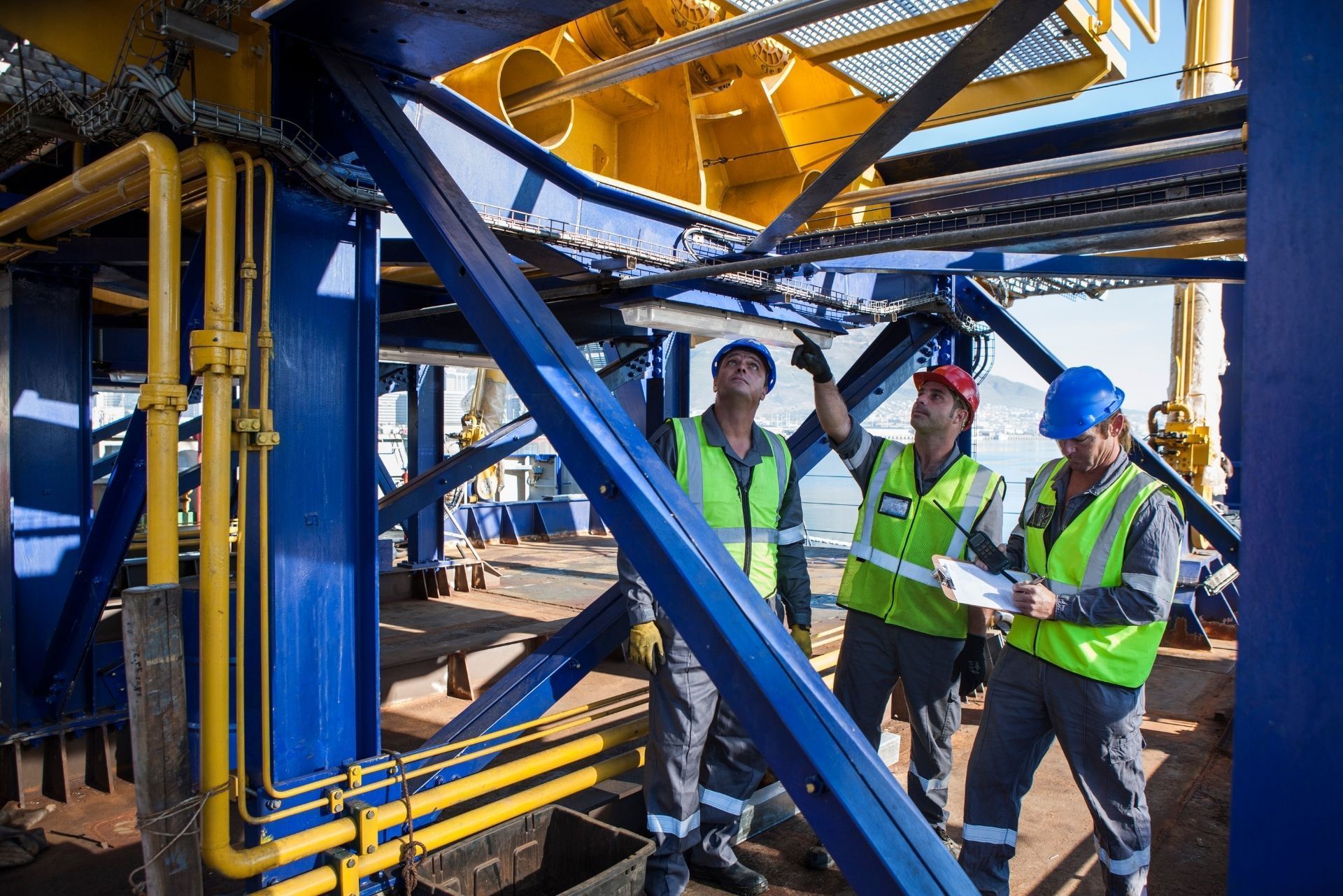
Risk management is about prevention as much as it is about insurance. A proactive safety strategy not only minimizes workplace accidents but also contributes to reduced claim rates, making it easier to negotiate favorable policy terms with insurers. Implementing robust safety protocols on job sites can drastically reduce the likelihood of incidents, thereby reinforcing your position during underwriting evaluations.
Contractors should ensure that safety training, equipment inspections, and routine drills are a routine part of daily operations. These measures, while practical, also serve as strong supporting evidence for insurers assessing the risk profile of a worksite.
Marrying these operational best practices with strategic insurance planning creates a dual layer of protection. The first layer is proactive in preventing incidents, and the second layer is reactive in providing financial security if an unforeseen event occurs.
Comparing Coverage Options: A Practical Table
The following table provides a snapshot of key coverage differences that multi-trade mechanical contractors should consider when evaluating policies. This comparison highlights differences in limits, coverage types, and policy endorsements.
| Coverage Type | Standard Coverage | Enhanced Policy Features |
|---|---|---|
| General Liability | Coverage for bodily injury and property damage claims up to a basic limit | Higher CSL limits, inclusion of cyber breach coverage, and environmental risk endorsements |
| Workers' Compensation | Standard medical and wage loss benefits | Includes rehabilitation, extended benefit support, and specialized coverage for opioid-related claims |
| Property & Equipment | Covers physical assets and tools against loss, theft, or damage | Endorsements for business interruption and replacement cost coverage |
| Cyber Liability | Basic protection against data breaches during transportation | Advanced cyber risk management, including ransomware and business interruption caused by cyber events |
| Sustainable Construction | N/A | Coverage tailored to eco-friendly practices and renewable energy installations |
This side-by-side comparison underscores the evolving nature of insurance offerings. It emphasizes why a one-size-fits-all approach may fall short, especially as industry demands grow more sophisticated.
Cost Considerations and Economic Evaluations
Contractor insurance premiums are influenced by an array of factors. These include the types of risks associated with the work, the history of claims, and the overall market trends. Recently, market data indicates that there has been a marked increase in programs offering higher policy limits, now starting at a minimum of $5 million in some cases (WTW's Q2 2023 report). As contractors branch into new types of work and adopt innovative practices, their insurance needs follow suit.
Budgeting for insurance is not just about meeting regulatory requirements; it should be viewed as an investment in long-term business sustainability. Contractors often weigh the cost of premiums against the risk of potential losses. While higher limits mean higher premiums, these costs can prove far less burdensome than the financial damage of an underinsured claim.
Financial planning should incorporate a careful evaluation of operating history and risk projections. Many brokers offer risk management consultations that help align a contractor’s insurance program with their projected expansion and the respective risks. This proactive approach aids in controlling costs while ensuring that little or no gaps remain in coverage.
Balancing Premium Costs with Adequate Coverage
Finding the right balance between premium costs and the breadth of coverage is a common challenge. Contractors should avoid the pitfall of underinsuring their operations in an effort to lower initial costs. Instead, a clear-eyed analysis of past loss experiences and future risks should guide the premium allocation.
Insurance companies often perform detailed risk assessments when underwriting policies for multi-trade contractors. With some market observers noting significant changes in underwriting conditions-where general contractors benefit from improved terms while trade contractors face tougher scrutiny-it’s imperative that each contractor builds a portfolio that underscores their unique risk mitigation efforts.
Partnering with knowledgeable brokers who specialize in construction and contractor insurance is key to gaining access to the most competitive premiums that do not sacrifice essential coverage elements.
Claims Process and Risk Mitigation Best Practices
Navigating a claim can be a complicated endeavor if the policyholder is unprepared. A streamlined claims process ensures that the business experiences minimal interruption during a crisis. Clear communication with the insurer, prompt reporting of claims, and detailed documentation are pillars of an effective claims process.
Contractors are encouraged to maintain thorough records of daily operations, incidents, and even minor safety infractions. These records not only facilitate smoother claims processing but can also help in proactive risk management. Insurers appreciate documentation that indicates a commitment to safety and responsible practices.
For multi-trade mechanical contractors, the rewards of a proactive claims strategy extend beyond faster settlements. Were a claim to arise, a well-documented response can also prevent premium hikes on future renewals.
Establishing a Safety-First Culture
Developing a culture that prioritizes safety on every job site is perhaps the best insurance of all. Regular safety audits, employee training, and the use of advanced safety equipment can reduce potential hazards significantly. This, in turn, helps contractors to build a record of lower incidents which is advantageous when negotiating policy terms.
Risk mitigation practices help create an environment where the focus is on prevention rather than remediation. Maintaining an effective safety protocol is not only wise from an operational perspective, but it also sends a strong message to insurers that the contractor is dedicated to minimizing risks.
These practices validate the contractor’s commitment to safety and often yield tangible benefits in underwritten policy terms, encouraging a more favorable rating with insurance companies.
The Future of Contractor Insurance for Multi-Trade Mechanical Operations
Market trends continue to shape the future of contractor insurance. The global construction insurance market is ticking toward significant growth, with projections hinting at a market size of nearly $18.9 billion by 2025 (CoinLaw). With an annual growth rate of 6.9%, this projection signals that both the volume and complexity of risks are increasing.
Contractors are increasingly expected to adopt policies that are forward-thinking, incorporating coverage for emerging risks like climate change, cyber threats, and sustainable construction practices. The trend of expanding coverage to address climate and cyber risks is noticeable-with over 60% of U.S. construction firms enhancing their policies to include these newer risk factors (CoinLaw). This signals a shift in market expectations that multi-trade contractors must take seriously.
These evolving conditions demand that policies remain flexible, upgrading continually to address shifting market conditions and risk exposures. How contractors approach their insurance programs over the next few years will directly impact their resilience in the face of increasingly turbulent market conditions.
Adapting to a Changing Risk Landscape
Contractors are under increasing pressure to regularly review and update their insurance coverage. As new trade regulations and industry innovations come into play, insurance needs are being reshaped. Dynamic risk management approaches that combine traditional coverage with specialized endorsements will set emerging leaders apart.
The integration of digital risk management, for instance, has transformed how contractors view cyber liability. The launch of digital platforms by insurers like Allianz SE provides an on-demand approach to coverage that aligns with the fast-paced digital operations of modern contractors.
Looking ahead, technology-driven risk management coupled with proactive insurance updates promises to keep contractors ahead of emerging threats, reinforcing their operational stability and financial resilience.
Innovation at the Forefront
Innovation in contractor insurance is not limited to policy features. It also encompasses the way policies are issued, managed, and even renewed. Digital platforms simplify the process by allowing instant quotes and policy issuance. This innovation represents a significant competitive advantage for contractors who require flexibility and speed in managing their coverage.
This move toward digital transformation complements the broader trend across the industry, making it easier for contractors to compare coverage options and access the right solutions quickly-directly affecting operational continuity and risk mitigation efforts.
Continuous improvement in policy technology is making it simpler to manage, update, and tailor coverage packages as market conditions evolve, ensuring that even as risks change, the protection remains robust.
Frequently Asked Questions
The following section covers common questions that multi-trade mechanical contractors ask when evaluating their insurance needs.
Q: Why is comprehensive coverage essential for multi-trade mechanical contractors?
A: Comprehensive coverage is critical because contractors manage multiple risk exposures simultaneously. It safeguards against costly claims, covering general liability, workers’ compensation, and equipment damage among other risks.
Q: How can contractors manage rising premium costs while ensuring sufficient coverage?
A: Contractors can manage premium costs by conducting thorough risk assessments, partnering with experienced brokers, and implementing robust safety protocols that reduce the frequency and severity of claims.
Q: Are digital platforms an effective way to secure contractor insurance?
A: Yes, digital platforms such as those introduced by Allianz SE offer instant quotes and policy issuance, allowing contractors to quickly adjust their coverage as operational needs evolve.
Q: What role do specialized endorsements play in contractor insurance?
A: Specialized endorsements add layers of protection to standard policies. They cover emerging risks, including cyber threats, climate change, and sustainable construction practices, ensuring comprehensive risk management.
Q: How frequently should a contractor review their insurance coverage?
A: It is advisable to review coverage at least annually or when significant changes occur in operations, ensuring that all exposures are adequately covered in line with current market risks.
Q: How can a contractor effectively balance policy limits with premium costs?
A: Contractors can balance these by conducting detailed risk evaluations, comparing coverage options, and negotiating with insurers to achieve a blend of sufficient protection and competitive premiums.
Wrapping Things Up
Multi-trade mechanical contractors face a distinct set of challenges that require a dynamic and responsive insurance strategy. From everyday operational hazards to emerging digital and environmental threats, securing the appropriate level of coverage is vital for long-term stability.
Contractors should view their insurance portfolio as a comprehensive risk management tool rather than a regulatory necessity. Addressing evolving market conditions-whether through increased policy limits, specialized endorsements, or digital innovations-ensures that the business remains resilient regardless of what unforeseen events may occur.
Regularly reviewing risk exposures and adapting the insurance program accordingly is a best practice that provides safety, confidence, and financial security. Ultimately, an informed, proactive approach will enable contractors to focus on what they do best: delivering quality workmanship while building a sustainable future.
Final Thoughts
A robust insurance program is the foundation upon which successful multi-trade mechanical contracting firms build their operations. The ability to identify emerging risks and secure tailored policies marks the difference between minimizing losses and suffering operational disruption.
Insights from key market reports and real-world safety experiences reveal that as the contractor insurance market evolves-with improvements in underwriting conditions and digital transformation influencing policy issuance-staying well-informed and adaptable remains paramount. Industry reports highlight that a proactive approach to risk management and a forward-thinking attitude about policy enhancements, including climate change and cyber risks, provide both operational and financial advantages.
Contractors looking to navigate the complex insurance landscape must remain engaged with market trends and work closely with knowledgeable industry experts. This partnership is vital to ensure that every facet of risk exposure is addressed, enabling multi-trade contractors to thrive even amid economic and operational uncertainties. As markets change and risks evolve, a commitment to comprehensive, tailor-made insurance remains the key to protected success.

About The Author: James Jenkins
I’m James Jenkins, Founder and CEO of HVACInsure. I work with HVAC contractors and related trades to simplify insurance and make coverage easier to understand. Every day, I help business owners secure reliable protection, issue certificates quickly, and stay compliant so their teams can keep working safely and confidently.
Recognized by National HVAC Trade Associations
These trusted organizations set best practices and standards that carriers rely on when underwriting HVAC risks.
Membership signifies adherence to HVAC industry standards and contractor best practices.
Coverage for Crews, Vehicles, and Tools
Insurance for HVAC Contractors
We provide business insurance designed for HVAC contractors. These policies protect your crew, vehicles, and tools while helping you meet project requirements. Every policy is explained clearly and delivered quickly so you can work without delays.


Resources
Insurance Tips for HVAC Contractors
Our blog is built for contractors who want fast answers. Each article covers common questions and risks in under five minutes of reading.



Frequently Asked Question
Common HVAC Contractor Insurance Questions
These FAQs address common contractor questions. As HVACInsure grows, we will update this section with real client experiences and answers.
Why should an HVAC contractor use HVACInsure instead of a general agency?
Specialists understand jobsite requirements, certificate wording, and common endorsements for HVAC work. You get cleaner paperwork, faster approvals, and coverage that fits how your crews operate.
This reduces delays at the gate, avoids gaps, and helps you pass compliance checks the first time.
How fast can I get a Certificate of Insurance (COI)?
Most standard COIs are issued the same business day after binding or updates. If you need additional insured, primary/non-contributory, or waiver language, we prepare it correctly the first time.
Our goal is simple: get your crew on site without paperwork delays.
What coverages do HVAC contractors usually need?
Core policies include General Liability, Commercial Auto, Workers’ Comp, Property/Tools, Inland Marine, and Umbrella. Many projects require higher limits and specific endorsements.
We align your coverage with contract terms and explain each choice in plain language.
Will my tools and scheduled equipment be covered in vans or on jobsites?
Yes. Inland Marine (tools and equipment) can cover items in transit, stored in vehicles, or staged on site.
High-value items can be scheduled, and limits can match your daily field use to keep work moving.
Can I lower my premium without weakening protection?
Often, yes. Clean driver lists, accurate payrolls, safety programs, and bundling policies can help.
We review your profile, request carrier credits, and adjust limits and deductibles to control cost while meeting project requirements.
What should I do after a loss?
Contact us right away so we can file with the correct carrier and set expectations. We guide documentation, next steps, and follow-ups until closure.
Fast reporting and clear records help resolve claims sooner and keep your team focused on work.

Still have questions?
Can’t find the answer you’re looking for? Please chat to our friendly team!
Contact Us