A large HVAC service or installation firm can face one unexpected claim that leaves its finances on the edge. Consider a scenario where a seemingly minor equipment malfunction disrupts an entire installation project. Without adequate insurance, the costs can quickly spiral out of control. Learn how proper coverage can be a safety net in moments when risks transform into costly setbacks. For example, a recent study showed that HVAC claims typically range between $25,000 and $50,000, highlighting the financial stakes involved in this industry. Read more about HVAC claims figures.
HVAC companies continually navigate a dynamic landscape of rising premiums, new safety regulations, and evolving market demands. Understanding insurance nuances becomes critical, especially when a contractor's reputation is closely linked to every service call. This article explains the unique insurance needs of HVAC service and installation companies, breaking down coverage types, key risk factors, and the latest trends affecting insurance premiums. The discussion integrates industry insights and recent data to help business owners make informed decisions.
Understanding the Unique Risks in HVAC Service & Installation
HVAC companies operate in an environment filled with diverse risks. The combination of intricate equipment, complex installations, and a hard-hitting service component means that risks are never far away. Service calls may involve unexpected electrical faults, refrigeration mishaps, or even property damage, leading to high claim settlements. Experts in the field note that almost 20% of HVAC and refrigeration system assessments reveal non-damaged equipment, highlighting how even minor mishaps can trigger significant claims ().
Apart from immediate risks, there are hidden pitfalls often overlooked by HVAC companies. Nearly 36% of equipment claims stem from causes that standard policies do not cover (). This fact underscores the importance of having comprehensive insurance that can address both typical damage issues and less common scenarios that might not be covered under standard policies.
Factors such as inflation in labor and equipment prices further complicate risk management in this sector. Curt VanNess, Technical Director for HVACi, emphasizes that rising costs make damage evaluations all the more critical. Without precise assessments, companies could either overpay or become undercompensated, leading to financial instability.

HVACInsure is fully licensed and permitted to sell contractor and commercial insurance in Texas.
We proudly serve clients throughout Texas and maintain partnerships with local Texas insurance carriers to ensure HVAC professionals receive compliant, affordable, and comprehensive coverage that meets project and regulatory requirements.
Key Types of Insurance Coverage for HVAC Companies
Insurance for HVAC companies goes beyond typical property or liability policies. Given the complexity of service calls and installations, several specific coverages are essential. Companies might consider general liability insurance, workers' compensation, and property insurance, among others. Each policy type plays a distinctive role in covering unique risks inherent in service and installation tasks.
The cost of workers' compensation is a critical consideration. On average, HVAC installation companies in 2025 spend about $223 per month, or roughly $2,672 yearly (). Meanwhile, liability premiums vary, usually accounting for between 1% and 3.5% of annual revenue. The variability in premiums reflects factors such as claim history, annual revenue, and the specific risk profile of the contractor.
Proper coverage also keeps businesses protected against hidden risks. With 36% of equipment damage cases involving non-covered causes, innovative policies are emerging that address these exclusions explicitly. Providers are now offering specialized endorsements that cover service calls where equipment is diagnosed as non-damaged yet still results in significant costs. Such endorsements are critical as they shield companies from paying out of pocket for claims that slip through the cracks of traditional policies.
Coverage Comparison Table
The chart below outlines a simplified comparison of common coverage options available to HVAC companies. This side-by-side comparison helps illustrate differences in premium costs, scope of coverage, and typical claim scenarios.
| Coverage Type | Premium Cost | Scope of Coverage | Typical Claim Scenario |
|---|---|---|---|
| General Liability | 1% - 3.5% of annual revenue | Property damage, bodily injury | Accidental property damage during a service call |
| Workers' Compensation | Approx. $2,672 annually | Employee injuries during operations | Slip and fall incident on site |
| Property Insurance | Variable based on coverage amount | Equipment, business property | Damage from fire or severe weather |
| Specialized Endorsements | Itemized additional cost | Equipment evaluation mismatches, non-covered damages | Claims arising from non-damaged equipment misclassified during inspections |
Reviewing the table, it becomes clear that protecting your business means not only purchasing multiple policies but tailoring them to address particular risks within the HVAC sector. Having a robust insurance program can mean the difference between a single costly claim and a manageable expense.
Impact of Rising Premiums and Inflation on HVAC Insurance
Insurance premiums for HVAC contractors are trending upward, with a reported average increase of 9.3% in construction insurance premiums for 2025 (). Several factors contribute to this surge in cost. Inflation, increased labor expenditures, and the rising price of HVAC equipment all play their part. These elements drive the overall operational cost higher, which, in turn, forces insurers to raise premiums to maintain profitability.
One element often overlooked in insurance discussions is the potential mismatch between damage evaluations and repair costs. Curt VanNess points out that when equipment and labor become more expensive, even small discrepancies in damage evaluations can result in disproportionately high insurance settlements (). This risk emphasizes the importance of hiring qualified adjusters and ensuring that evaluations are both precise and conservative enough to avoid significant financial impact.
The strict economic environment also puts smaller HVAC companies at risk. Unlike larger firms, they might lack the negotiating power to secure lower premiums, leaving them more vulnerable to market fluctuations. As a result, understanding and mitigating risks become essential parts of business strategy. Business owners must weigh the cost of higher premiums against the benefits of tailored policies that provide just the right safety net for their operations.
Understanding Claims: Common Pitfalls and Hidden Costs
The world of HVAC claims is complex and filled with hidden nuances that can cost companies dearly. Recent reports reveal that approximately 36% of claims involve causes of loss not typically covered by standard policies (). This statistic underscores the need for HVAC contractors to scrutinize every element of their insurance policies carefully.
One issue that emerges repeatedly is the misinterpretation of what constitutes a covered loss. In many instances, claims are filed on equipment that, while operationally intact, requires minor repairs or adjustments following an evaluation. With nearly one in five systems showing no physical damage at the time of assessment, it indicates a level of discrepancy between service outcomes and policy interpretations. In such circumstances, disputes can arise regarding claim settlements, leading to prolonged processing times and added stress on finances.
The cost implications extend beyond the claim itself. When an equipment claim is not covered under a standard policy, it might force a company into a situation where they must pay out of pocket for repairs or replacements. These hidden costs can accumulate into substantial financial burdens, altering the economic viability of projects. A well-drafted policy that integrates specialized endorsements to address these hidden issues may provide a safety net against many common pitfalls.
Case Study: Equipment Evaluation and Claim Outcomes
Consider a case where a service team is dispatched to a commercial property after a minor alarm is triggered. An initial evaluation suggests potential equipment failure. However, upon closer inspection, the system is found to be functioning normally. Despite the absence of actual damage, the claim process had already been initiated. The discrepancy between the initial evaluation and the final assessment led to a revision of the claim, delayed compensation, and increased administrative costs for both the contractor and the insurer.
This example clearly illustrates how important it is for HVAC contractors to work with insurance providers who offer clear guidelines and are open to revising claims when evidence does not support initial findings. It also accentuates the need for periodic training on accurate equipment evaluation methodologies to ensure that future claims are processed efficiently and fairly.
Preparing for Future Trends in the HVAC Industry
The HVAC sector is projected to grow at a compound annual growth rate of about 6.1% from 2025 to 2032 (). Such growth brings opportunities, but it also creates a more competitive and risk-filled market. As more companies enter the market, even those with longstanding reputations must remain vigilant about the evolving challenges of insurance management.
Rising premiums and increased competition force insurers to innovate. New policies are being designed to address hidden risks that traditional ones might miss. For example, specialized endorsements now aim to cover those small discrepancies in equipment evaluations that can lead to unexpectedly high settlements. This innovation reflects a broader trend of integrating technological solutions, like digital documentation and remote assessments, which can lead to more accurate evaluations and fewer claim disputes.
Contractors are urged to not only secure basic coverages but also explore add-on policies that address emerging risks. With this proactive approach, HVAC companies can better manage unexpected expenses while maintaining a competitive edge in the market.
Strategies for Effective Risk Management
Risk management remains one of the cornerstones of a successful HVAC business. Insurance is only one part of the equation. Effective risk management also involves robust internal processes, employee training, and strategic decision-making. For example, making sure that every technician involved in a service call is well-versed in safety protocols and equipment operations can significantly lower the risk of incidents leading to insurance claims.
A comprehensive risk management strategy often begins with a detailed assessment of potential hazards. This could include reviewing past claim histories and determining if additional training or procedural changes could reduce future risk. Given that nearly 25,000 incidents cost the industry over $1 billion annually (), it is clear that proactive measures are not just smart-they are necessary.
In addition, partnerships with experienced insurers who understand the specifics of the HVAC industry can provide contractors with insights into evolving risk factors. Such collaboration often involves periodic reviews of existing policies and redrafting coverages as needed. This way, when market trends shift or new types of claims arise, the insurer is already prepared to offer the necessary modifications.
Best Practices for Risk Mitigation
Adopting best practices proven in the industry is a critical step. This includes regular equipment maintenance, pre-service inspections, and timely training updates for team members. Any lapse in these areas can lead to increased risks and, subsequently, higher claim frequencies.
Additionally, documenting and analyzing every service call can help identify patterns that may lead to future claims. Over time, this detailed record-keeping not only reveals areas for improvement but also assists in negotiating better terms with insurance providers. The use of digital tools that track job performance and service outcomes can provide real-time data that shapes better decision-making strategies.
Employing technology for equipment diagnostics and remote monitoring can further enhance risk control. Such tools bring clarity to equipment status and help avoid subjective damage evaluations that often result in disputes. By integrating these practices, HVAC companies can streamline operations while also managing insurance costs more effectively.
Evaluating Insurance Providers and Policy Options
Choosing the right insurance provider is crucial, as the coverage offered must align with the specific needs of an HVAC business. When evaluating providers, contractors should scrutinize not only cost but also the exclusivity of coverage details. A thorough analysis of what each policy entails-including hidden exclusions and the claims process-is essential to avoid unpleasant surprises.
Comparative shopping and consultation with insurance experts can reveal important differences in service levels and policy flexibility. For instance, some providers may offer technological integrations for quicker claims processing, while others might have greater experience dealing with complex HVAC claims.
Companies that focus on a contractor's past performance, safety records, and customer feedback often secure more favorable deals. A survey from 2024 found that 73% of homeowners choose their contractor based on previous experience, marking a 44% increase from the prior year (). This statistic indirectly reinforces the need for comprehensive insurance policies, as a well-protected business can better focus on quality service and reputation management.
Questions to Ask an Insurance Provider
When discussing policies with an insurer, several critical questions can help clarify the terms. Ask how the policy handles claims for equipment that shows no physical damage but fails service checks. Inquire about premium adjustments in response to market changes in equipment and labor costs. It is also wise to discuss any specialized endorsements available that might fill potential gaps in standard policies. Answering these questions can reveal the insurer's depth of understanding of the HVAC industry's particular challenges.
Providers who are transparent about these details often build lasting relationships with their clients. A robust partnership with an insurer not only secures financial protection but also contributes to the long-term operational stability of the company.
Technology’s Role in Modern HVAC Insurance
Technology plays an increasingly important role in the evolution of HVAC insurance. Digital tools, remote diagnostic services, and data-driven risk assessments allow insurers to evaluate claims more accurately. This shift towards a tech-savvy approach is providing both contractors and insurers with an improved framework for addressing disputes and determining fault accurately.
For example, when service calls are recorded through digital systems, the resulting data provides a clear timeline and context in the event of a claim. Remote monitoring systems can alert companies to potential issues before they escalate into claims, reducing both downtime and repair costs. These innovations lead to higher accuracy during damage evaluations, thus ensuring fairer settlements.
Such technological integrations enable insurers to fine-tune policies to match the evolving needs of the industry. As the HVAC market grows, so too does the need for precision and reliability in risk assessment. Digital transformation in this sector promises not only quicker claims processing but also fewer disputes over assessment accuracy.
How Market Trends Affect Insurance Choices
The HVAC services market is on an upward trajectory, set for steady growth in the coming years (). This growth means that competitive pressures are mounting and that contractors must position themselves as trustworthy and experienced. Homeowner preferences have shifted considerably, with a strong focus on reputation built on past performance. A 2024 survey underlined that 73% of homeowners now choose contractors based on previous experience, reflecting an increased demand for established service records.
These market trends have also led insurers to adjust their underwriting practices. As companies invest in enhanced safety protocols and technology, insurers take note by offering premium discounts or customized policy options that encourage risk reduction. The interplay between market dynamics and insurance offerings drives a competitive environment where every contractor must seek the best combination of cost-effectiveness and comprehensive coverage.
Successful HVAC firms are those that not only excel in service quality but also proactively manage risk. Keeping abreast of market trends and adjusting insurance policies accordingly can protect these companies against unexpected downturns or claim surges, ensuring that they remain competitive even when operating margins are slim.
Frequently Asked Questions
The section below answers some questions frequently asked by HVAC contractors and business owners seeking greater clarity on insurance matters within the industry.
Q: Do HVAC companies need specialized insurance policies?
A: Yes. Given the range of risks-from equipment failures to liability claims-HVAC companies benefit from policies that cover both standard and hidden risks.
Q: Why are insurance premiums rising for HVAC contractors?
A: Rising premiums reflect increased labor, equipment costs, and the overall inflation in claim settlements, with some construction premiums climbing by 9.3% ().
Q: What is generally not covered in standard HVAC insurance policies?
A: Standard policies often exclude specific equipment losses, with up to 36% of HVAC claims arising from causes not covered by traditional policies ().
Q: How can technology help manage HVAC insurance claims?
A: Digital tools offer precise damage assessments and remote monitoring, which can lead to faster claims processing and reduced dispute over claim evaluations.
Q: What steps should contract companies take to lower insurance risks?
A: Implementing robust training programs, regular equipment maintenance, and digital tracking can help reduce risks and lead to better terms with insurance providers.
Wrapping Things Up
Insurance is a fundamental aspect of managing risks in the HVAC service and installation industry. A careful review of policies, understanding market trends, and making use of technological enhancements all work together to build a resilient business structure. As coverage options become more specialized, it is essential for contractors to communicate actively with insurers and adopt practices that keep overhead low while protecting front-line operations.
Contractors who invest time in understanding their policy details, including premium structures and policy exclusions, enjoy not only financial protection but also a competitive edge in the market. A well-rounded insurance strategy can free up resources to focus on customer satisfaction and operational excellence.
This article has laid out a comprehensive guide for HVAC service and installation companies to navigate the complexities of insurance. With a clear look at rising premiums, evolving claims costs, and the benefits of modern technology, businesses are better positioned to mitigate risk. As industry trends continue toward higher demands for expertise and accountability, a proactive approach to insurance is not just advisable-it is essential.
Final Insights for HVAC Professionals
Ensuring reliable service and installation outcomes goes hand in hand with secure insurance coverage. With over a billion dollars in potential claim costs annually, understanding the dynamic relationship between risk management and insurance policy terms is crucial. HVAC contractors are encouraged to use this guide as a blueprint for assessing their current insurance strategies and to seek improvements where possible.
Focusing on the nuances of equipment evaluation and the role of precise damage assessments, companies can avoid pitfalls that have led to extended claim processes and financial strains. With the industry forecasted to grow significantly and with premiums likely to reflect increased operational costs, proactive coverage adjustments can save time, money, and stress.
Building a resilient HVAC operation means balancing operational excellence with robust risk management strategies. As the market evolves, so will the array of insurance options available. Understanding these options, asking the right questions of insurance providers, and integrating technology into risk assessments will keep businesses secure in a competitive industry. Learn how insurance can be a competitive advantage.
Key Takeaways
Insurance choices are not one-size-fits-all, particularly in the complex realm of HVAC service and installation. The unique risks ranging from equipment malfunction to disputes over non-damage evaluations underpin the need for specialized coverage. Rising premiums, driven by inflation and increased repair costs, challenge businesses to find balanced policies that provide robust coverage without sacrificing competitive pricing.
With statistics showing that nearly 20% of HVAC claims concern non-damaged equipment and 36% involve typically excluded losses, it’s clear that careful attention must be given to policy details and risk management strategies. Employing digital solutions for remote diagnostics and maintaining detailed operational records can simplify claim evaluations and lower long-term costs.
Finally, every HVAC company should prioritize constant communication with insurers, integrate new technologies into daily operations, and continuously educate staff on current best practices. These steps will not only protect the bottom line but also foster a reputation for reliability and expertise in an increasingly competitive market.

About The Author: James Jenkins
I’m James Jenkins, Founder and CEO of HVACInsure. I work with HVAC contractors and related trades to simplify insurance and make coverage easier to understand. Every day, I help business owners secure reliable protection, issue certificates quickly, and stay compliant so their teams can keep working safely and confidently.
Recognized by National HVAC Trade Associations
These trusted organizations set best practices and standards that carriers rely on when underwriting HVAC risks.
Membership signifies adherence to HVAC industry standards and contractor best practices.
Coverage for Crews, Vehicles, and Tools
Insurance for HVAC Contractors
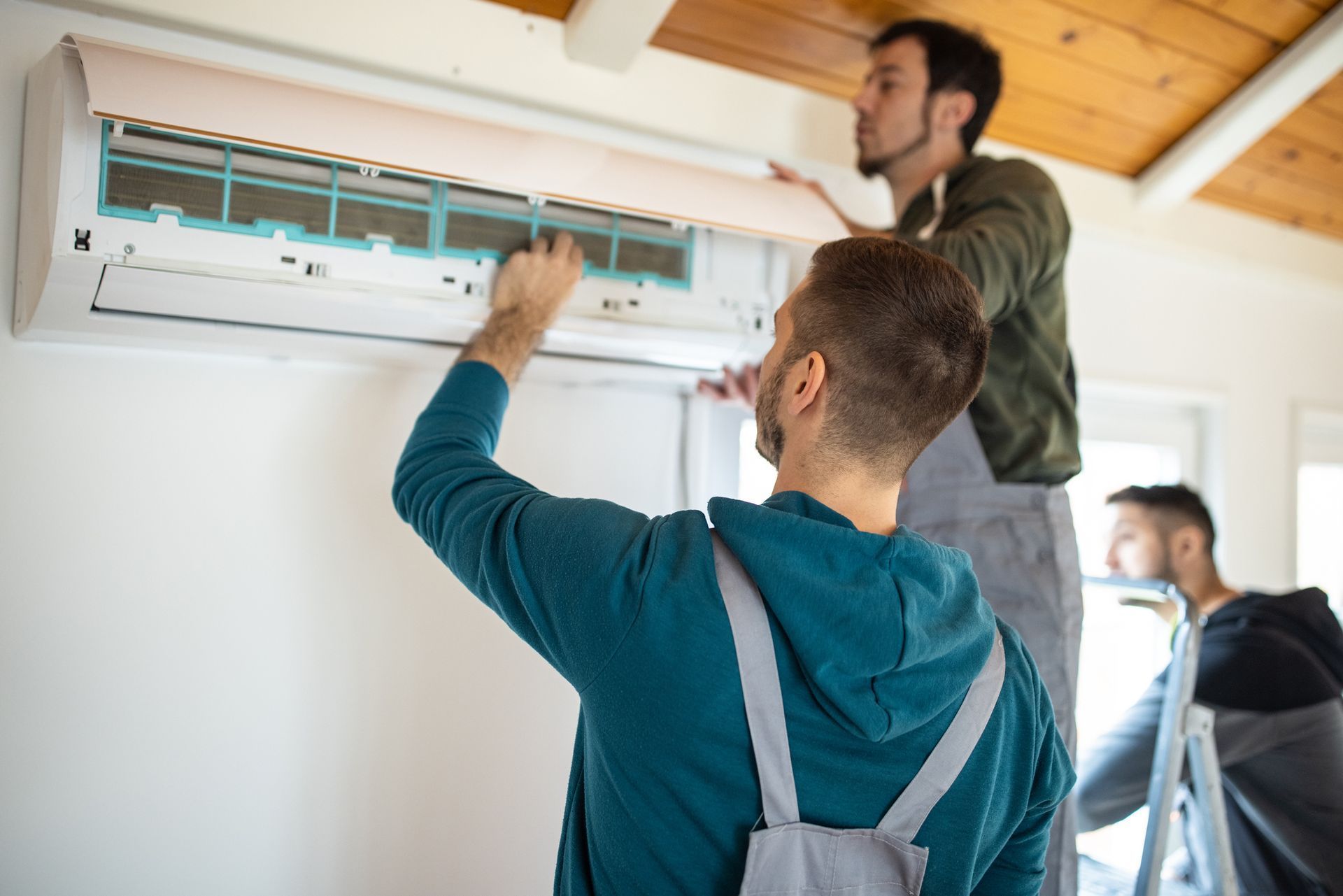
We provide business insurance designed for HVAC contractors. These policies protect your crew, vehicles, and tools while helping you meet project requirements. Every policy is explained clearly and delivered quickly so you can work without delays.

Resources
Insurance Tips for HVAC Contractors
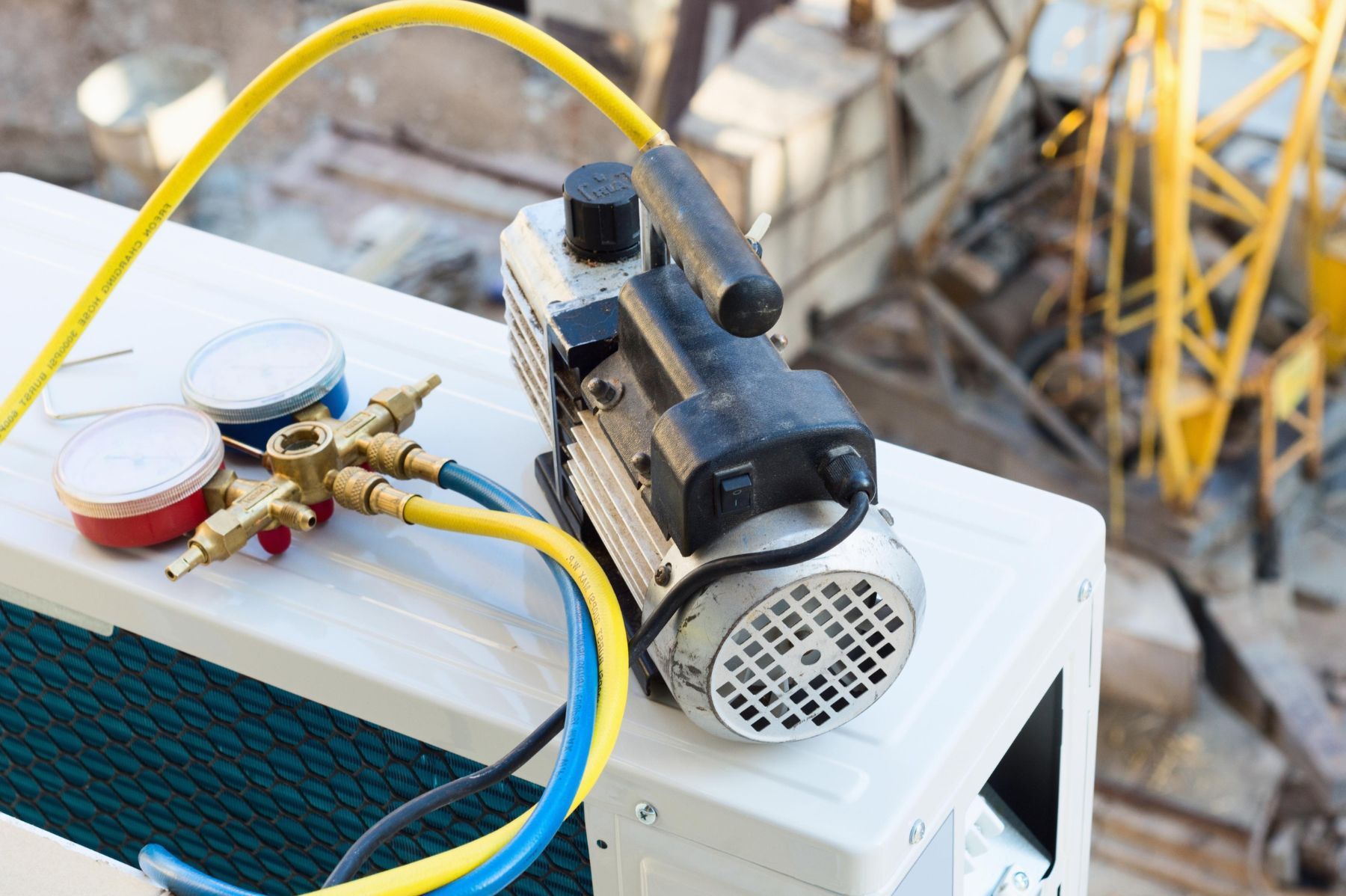
Our blog is built for contractors who want fast answers. Each article covers common questions and risks in under five minutes of reading.


Frequently Asked Question
Common HVAC Contractor Insurance Questions
These FAQs address common contractor questions. As HVACInsure grows, we will update this section with real client experiences and answers.
Why should an HVAC contractor use HVACInsure instead of a general agency?
Specialists understand jobsite requirements, certificate wording, and common endorsements for HVAC work. You get cleaner paperwork, faster approvals, and coverage that fits how your crews operate.
This reduces delays at the gate, avoids gaps, and helps you pass compliance checks the first time.
How fast can I get a Certificate of Insurance (COI)?
Most standard COIs are issued the same business day after binding or updates. If you need additional insured, primary/non-contributory, or waiver language, we prepare it correctly the first time.
Our goal is simple: get your crew on site without paperwork delays.
What coverages do HVAC contractors usually need?
Core policies include General Liability, Commercial Auto, Workers’ Comp, Property/Tools, Inland Marine, and Umbrella. Many projects require higher limits and specific endorsements.
We align your coverage with contract terms and explain each choice in plain language.
Will my tools and scheduled equipment be covered in vans or on jobsites?
Yes. Inland Marine (tools and equipment) can cover items in transit, stored in vehicles, or staged on site.
High-value items can be scheduled, and limits can match your daily field use to keep work moving.
Can I lower my premium without weakening protection?
Often, yes. Clean driver lists, accurate payrolls, safety programs, and bundling policies can help.
We review your profile, request carrier credits, and adjust limits and deductibles to control cost while meeting project requirements.
What should I do after a loss?
Contact us right away so we can file with the correct carrier and set expectations. We guide documentation, next steps, and follow-ups until closure.
Fast reporting and clear records help resolve claims sooner and keep your team focused on work.

Still have questions?
Can’t find the answer you’re looking for? Please chat to our friendly team!
Contact Us