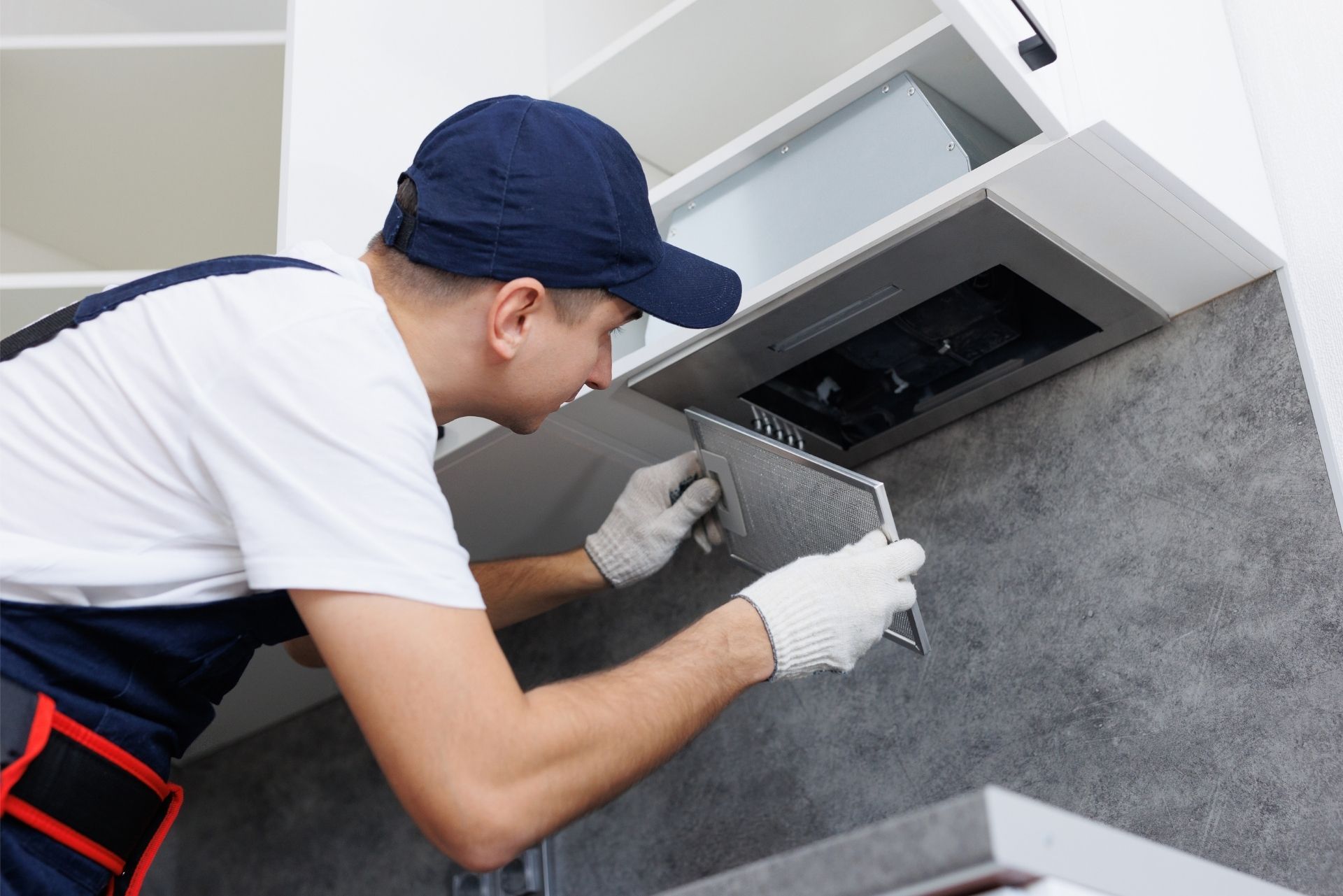
A malfunctioning exhaust system or a mishap during a vent hood installation can quickly lead to serious property damage and liability concerns. For those immersed in the world of kitchen hood and ventilation installations, insurance coverage isn’t just a regulatory checkbox-it’s a crucial safeguard against the unpredictable nature of the work.
Recent industry insights show that specialized coverages tailored for kitchen exhaust cleaning and vent hood installation not only protect contractors but also help businesses navigate the complex repair and replacement costs that can quickly escalate. Explore this comprehensive guide to understand the insurance needs that are uniquely relevant to exhaust and vent hood installers.
Experts recommend that installation professionals review their policies closely. For instance, HVAC contractor insurance provides perspectives on how evolving risks should be assessed and insured appropriately.
Understanding the Industry Risks
The installation of exhaust and vent systems involves inherently high risks. This work demands that installers handle equipment capable of causing severe physical damage if not correctly managed.
According to a study on HVAC claims, there are over 25,000 claims annually in HVAC work, with estimates ranging between $25,000 and $50,000 per claim (HVAC industry statistics). These figures emphasize the potential financial exposure facing contractors if an incident occurs.
Inflation has further complicated matters for installers. Rising equipment and labor costs have made repair expenses more pronounced during claims. Industry professionals like Curt VanNess have stressed the need for precise damage evaluations so that settlements reflect current cost realities
(HVACi expert insights).
HVACInsure is fully licensed and permitted to sell contractor and commercial insurance in Texas.
We proudly serve clients throughout Texas and maintain partnerships with local Texas insurance carriers to ensure HVAC professionals receive compliant, affordable, and comprehensive coverage that meets project and regulatory requirements.
Essential Coverage Elements for Installers
General Liability Insurance
General liability insurance is the backbone of any contractor’s risk management strategy. This vital coverage serves to offset potential property damage or bodily injury claims arising during a service call or installation.
Coverage costs typically range from 1% to 3.5% of annual revenue, with general liability premiums alone averaging between 1.3% and 2.6% of that revenue (contractornerd.com). Since vent hood installers often operate in client spaces-and sometimes commercial kitchens-a slip-up can lead to lawsuits or costly repair claims.
This policy also offers protection from third-party risks that can arise on-site, ensuring that any unintended damage to a customer’s property does not result in financial hardship or operational shutdown.
Equipment and Installation Coverage
Specialized insurance for kitchen exhaust systems and vent hood installations is designed to protect both the equipment and the installation work. Given that equipment losses account for 39% of evaluated HVAC-related damages by insurers (HVACi Annual Claims Report), gaps in coverage could lead to significant out-of-pocket expenses.
Policies in this niche area are often adapted to reflect the specific nature of the work. Unlike generic contractor insurance, these policies pay closer attention to aspects unique to kitchen exhaust systems and ventilation cleaning.
For those operating in the commercial kitchen environment, where poorly maintained hoods contribute to 21% of restaurant fires
(Society Insurance), specialized coverage is a practical investment to protect against equipment failure and related liabilities.
The Impact of Inflation and Market Trends on Claims
There has been noticeable growth in the demand for commercial HVAC systems, with projections indicating a steady growth rate exceeding 7% from 2023 to 2030. Such market dynamics are influencing how insurers approach policy pricing and risk evaluation (DOE study).
Inflation not only drives up equipment and labor costs but also has a cascading effect on the cost of claims settlements. As installation expenses rise, insurance settlements need to be meticulously calibrated to cover the realistic repair and replacement figures. This shift forces both insurers and contractors to re-evaluate traditional risk metrics in the industry.
As the complexity of modern installations increases, so does the need for accurate and tailored insurance solutions that address the contemporary risk factors. Engaging closely with an insurance provider who understands these nuances can help installers avoid surprises during claims processing.
How Regional Differences Influence Premiums
Insurance premiums for exhaust and vent hood installers are not uniformly priced across regions. A study involving over 800 insurance quotes revealed that premiums in some states can be three to four times higher for identical coverage configurations (study on insurance coverage gaps).
This variation is largely due to differences in local market conditions, regulatory environments, and historical claim frequencies. Contractors must investigate local insurance options and negotiate tailored policies to ensure optimal cost-effectiveness.
Choosing a provider that factors in local conditions can lead to better pricing and more relevant policy features. This proactive approach not only secures necessary protection but also saves money in an industry where every percentage point in premium cost matters.

Tailoring Insurance for Vent Hood Installers
Exhaust and vent hood installations present unique challenges that differ from general HVAC work. Specialized risk management strategies and coverage options are necessary to fully address those challenges.
For instance, targeted policies can include coverage for the specific hazards associated with kitchen exhaust systems, which incorporate both fire and mechanical risks. Customizing a policy might involve endorsements that cover product liability or correct any exclusions that would otherwise leave gaps in risk coverage.
HoodVentCleaningInsurance.com, a provider focused on kitchen exhaust cleaning, offers specialized coverage that aligns well with the needs of vent hood installers. This method of targeting policies helps ensure that risk management strategies address both the standard and specialized risks encountered during installations.
The Role of Maintenance and Preventive Measures
Ensuring regular maintenance of ventilation and exhaust systems is a critical step in risk management. Regular cleaning and maintenance reduce the likelihood of equipment failure and mitigate fire risks associated with poorly maintained hoods.
For instance, maintaining a clean installation environment can not only extend the service life of exhaust systems but also limit exposure to fire hazards. These proactive practices are favored by insurers when determining coverage terms and policy premiums.
Regular preventive measures also instill confidence among clients and insurers alike, reinforcing that the contractor takes operational safety seriously. This factor can result in more favorable insurance pricing and robust defense against claims.
Evaluating and Managing Insurance Costs
Insurance for exhaust and vent hood installers is an investment that demands careful budgeting and monitoring. Premiums typically reflect a percentage of annual revenue, and understanding the driving factors behind these costs is important.
Contractors might observe that general liability premiums often fall between 1.3% and 2.6% of their revenue (contractornerd.com). Additional endorsements for specialized risks, such as equipment breakdown or installation errors, can add to these figures.
Given the significant variation in premiums by state, as noted in industry studies, it pays to shop around and compare policies tailored for local conditions. In many cases, working with an insurance broker who specializes in contractor coverage can uncover cost-saving opportunities while ensuring comprehensive protection.
Cost Comparison: Basic vs. Extended Coverage
The benefits of extended coverage become apparent when comparing policy provisions. Basic policies may only cover fundamental risks, leaving exposure for less likely but still financially significant incidents. Extended coverage addresses a wider range of scenarios, including equipment failure during installation, additional liability exposures, and even certain exclusions.
| Coverage Type | Basic Policy | Extended Policy |
|---|---|---|
| General Liability | Limited | Comprehensive with higher limits |
| Equipment Breakdown | Often excluded | Included with specific endorsements |
| Product Liability | Standard | Enhanced for installation errors |
| Local Market Adjustments | Generic rates | Tailored pricing reflecting state variations |
This side-by-side assessment helps illustrate that while extended policies typically come at a higher premium, the broader coverage scope can offer significant peace of mind during claim events.
Even if budgets are tight, the incremental cost of extended coverage should be weighed against the potentially disastrous costs of uncovered incidents.
Maximizing the Value of Your Insurance Policy
Insurance is not a one-size-fits-all solution. The key lies in customizing your policy to meet the specific needs of your vent hood installation business. Regular policy reviews and updates ensure that coverage adapts to changes in the industry and business operations.
Contractors should actively engage with their private insurance advisors or brokers, discussing changes such as increased revenues, additional staff, or technological upgrades that may impact risk profiles.
Some leading providers offer periodic policy reviews and risk assessments, which can highlight emerging risks like heightened claims from equipment failures or new regulatory standards in commercial kitchens. This proactive engagement is essential to keep premiums both competitive and reflective of current risks.
Tips for Effective Policy Management
Firstly, maintain thorough documentation of every installation project, including photographs and detailed reports if incidents occur. This evidence can be invaluable during claims investigations. Secondly, invest in regular maintenance checks, which not only extend the operational life of equipment but also help prevent claim-triggering events.
Thirdly, consider bundling your policies for general liability and specialized equipment coverage. Bundling often results in discounts and simplifies management by providing a single point of contact for all your coverage needs.
Finally, stay updated with industry trends by attending seminars and reviewing publications. Being informed about developments affecting the vent hood installation industry helps you adjust your coverage before risks materialize into costly claims.
Frequently Asked Questions
What type of insurance should vent hood installers have?
Vent hood installers should ideally have both general liability and specialized equipment coverage. This protects them from a range of risks including property damage, bodily injury, and equipment-related claims.
How do local market conditions affect insurance premiums?
Local market conditions significantly influence premium rates. Studies show that similar policies can vary three to four times in cost between states (insurance coverage gap studies), making local comparisons essential.
Is extended coverage worth the extra cost?
Yes, extended coverage often fills important gaps left by basic policies. While it comes at a higher price, the broader protection during claim events can provide substantial relief against financially catastrophic scenarios.
How often should my policy be reviewed?
It is smart to review your policy annually or whenever there are major changes in your business operations. Regular reviews help ensure that coverage remains aligned with evolving risks.
Can preventive maintenance impact my insurance premiums?
Yes, routine maintenance can reduce the likelihood of severe incidents and ultimately lead to more favorable premiums. Insurers tend to reward businesses that actively mitigate risks through preventive measures.
Is there specialized coverage for kitchen exhaust cleaning?
Absolutely. Providers like HoodVentCleaningInsurance.com offer tailored policies that specifically address the unique risks associated with kitchen exhaust systems and vent hood installations.
Wrapping Things Up
Vent hood installers face a dynamic industry marked by evolving risks, from equipment malfunctions to the escalating costs of repairs driven by inflation. The importance of comprehensive insurance tailored to the specific hazards associated with kitchen exhaust systems cannot be overstated. As this guide has outlined, understanding the nuances-from local premium variations to the benefits of extended coverage-empowers contractors to safeguard their businesses effectively.
Each step taken to better match your coverage to your risk profile, whether through detailed policy reviews or embracing specialized endorsements, adds to the stability and longevity of your operations. Integrated insights, including those from industry experts, suggest that proactive risk management is not only a financial imperative but also a competitive advantage.
Vigilance in maintaining both your operational equipment and the nuances of your insurance policy will stand as your first line of defense in an industry where even a small oversight can have significant consequences.
Final Thoughts for Exhaust & Vent Hood Installers
Tailoring insurance policies isn’t merely about meeting regulatory stipulations; it is about embracing a strategic tool that can help sustain and grow your vent hood installation business in a challenging market. Maintaining a balance between cost and comprehensive coverage can provide long-term financial protection that keeps your business resilient against unexpected challenges.
When evaluating potential policies, consider factors such as inflation impacts, local market conditions, and the unique risks of your work. Engaging deeply with your insurance provider to customize your plan ensures that you are not paying for redundant coverage while still being fully protected.
Continuous market research and policy adjustments remain crucial. As the industry’s operational environment evolves, the decisions you make today regarding insurance coverage will play an integral role in shaping your business’s future success. As corroborated by industry sources like Contractor Nerd, a well-planned insurance strategy saves more than money-it secures your peace of mind amid unforeseen events.
A Look Ahead
With commercial HVAC systems projected to grow at an impressive pace (U.S. Department of Energy), exhaust and vent hood installers will see more opportunities along with heightened risks. The potential expansion in production and installation volumes calls for better-tailored insurance solutions that respond efficiently to market trends and emerging threats.
The shift toward customized, local insurance solutions is likely to continue. Insurers are already adapting their products to reflect the nuances of each regional market. This trend makes it even more important for contractors to actively collaborate with knowledgeable risk advisors who understand the interplay between localized risks and broader industry trends.
As the risk environment becomes increasingly dynamic, staying informed will be key. Keeping abreast of industry reports and engaging in regular policy reviews will ensure that insurance remains an ally in managing both everyday operational risks and rare, high-cost incidents.
Keeping the Dialogue Open
In a market where risk factors are as diverse as the installations themselves, building a relationship with your insurance provider can prove invaluable. Open lines of communication allow adjustments to be made quickly when conditions change. Insurers who understand the specific challenges faced by vent hood installers have been shown to offer policy enhancements that significantly mitigate unforeseen liabilities.
This relationship is not only about claim support-it also serves as a source of guidance on industry best practices and emerging risk trends. Such guidance can be indispensable when planning for future growth or dealing with an unexpected claim.
For installers seeking to stay ahead of the curve, investing in both ongoing training and regular risk assessments is crucial. These measures further cement robust defenses against preventable incidents while keeping insurance premiums as reasonable as possible.
Frequently Asked Questions (FAQs)
Do vent hood installers require a separate insurance policy?
While general liability is essential, many vent hood installers find that tailored policies addressing equipment and installation risks offer better protection.
What factors cause premium variations by region?
Premium differences often stem from local claim histories, regulatory requirements, and market competition, resulting in variations as high as three to four times for similar coverage (industry studies).
How does inflation impact my insurance coverage?
Inflation raises the cost of labor and equipment, causing insurance settlements to increase, which is why accurate evaluations are crucial (expert insights).
What steps can reduce the likelihood of claims?
Regular maintenance and vigilant documentation can help mitigate risks and potentially lower your premiums by demonstrating proactive risk management.
Should I bundle different coverages?
Bundling general liability with specialized equipment or installation endorsements can simplify management and may offer cost-saving benefits.
How often should I review my policy?
It is advisable to review your policy annually or whenever significant changes in business operations occur to ensure your coverage remains comprehensive.
Final Remarks
Exhaust and vent hood installation is a nuanced field where the interplay of specialized risks and market conditions requires a finely tuned insurance strategy. A balanced approach that incorporates both standard coverages and specialized endorsements ensures that contractors not only comply with regulatory requirements but also maintain a robust financial safety net.
With data highlighting claims averaging between $25,000 and $50,000 and premium fluctuations closely tied to local conditions, the case for proactive and thoughtful insurance planning in this industry is clear (HVAC claims data). Emphasizing regular policy reviews, customized coverage, and proper preventive maintenance helps secure the business against unforeseen challenges.
By selecting the right coverages, consulting with knowledgeable advisors, and keeping pace with industry trends, exhaust and vent hood installers can protect their livelihood and ensure operational continuity. Insurance is not merely an expense-it is a vital investment in the business’s durability and long-term success. For installers, this guide serves as a roadmap to navigate these complexities confidently

About The Author: James Jenkins
I’m James Jenkins, Founder and CEO of HVACInsure. I work with HVAC contractors and related trades to simplify insurance and make coverage easier to understand. Every day, I help business owners secure reliable protection, issue certificates quickly, and stay compliant so their teams can keep working safely and confidently.
Recognized by National HVAC Trade Associations
These trusted organizations set best practices and standards that carriers rely on when underwriting HVAC risks.
Membership signifies adherence to HVAC industry standards and contractor best practices.
Coverage for Crews, Vehicles, and Tools
Insurance for HVAC Contractors
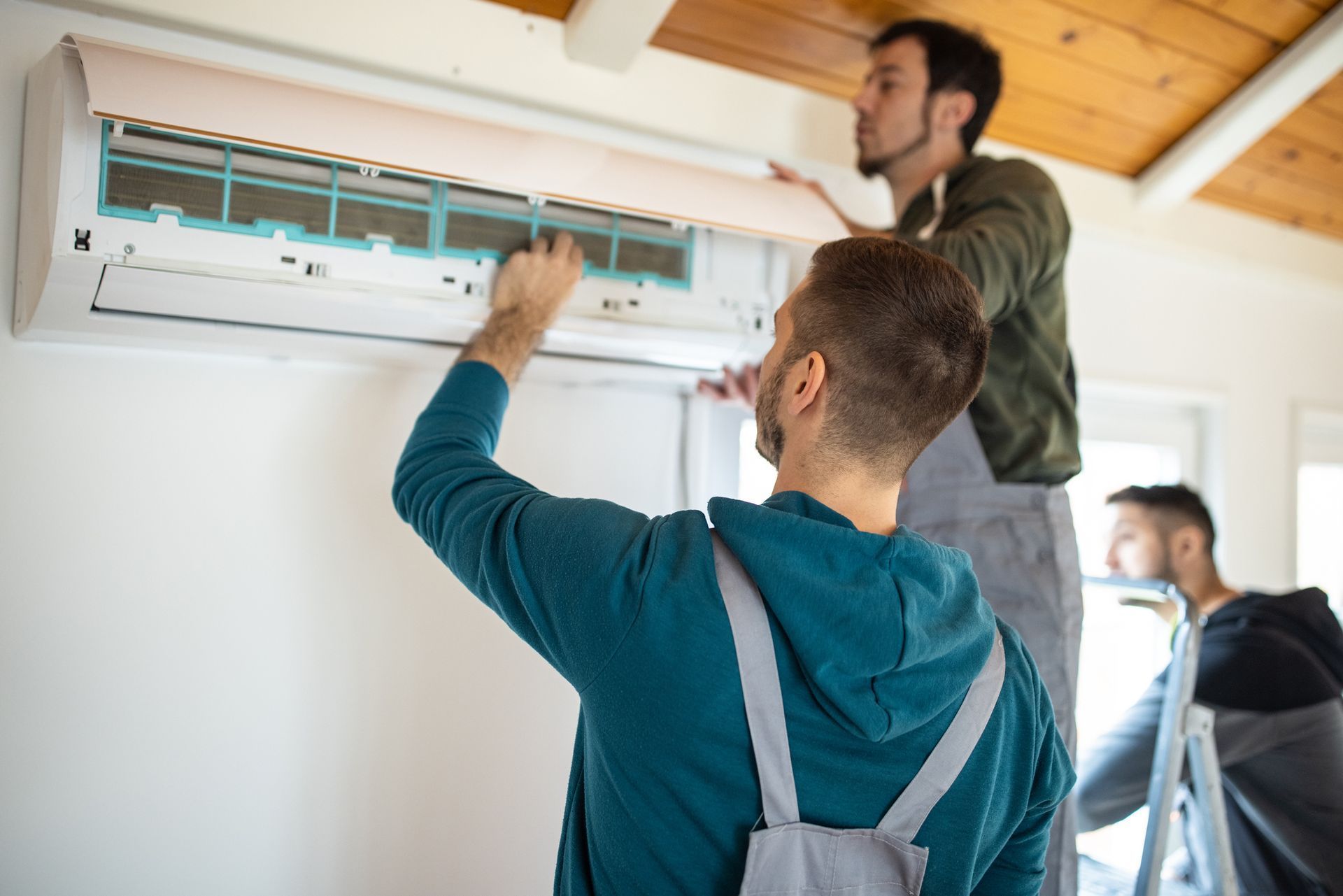
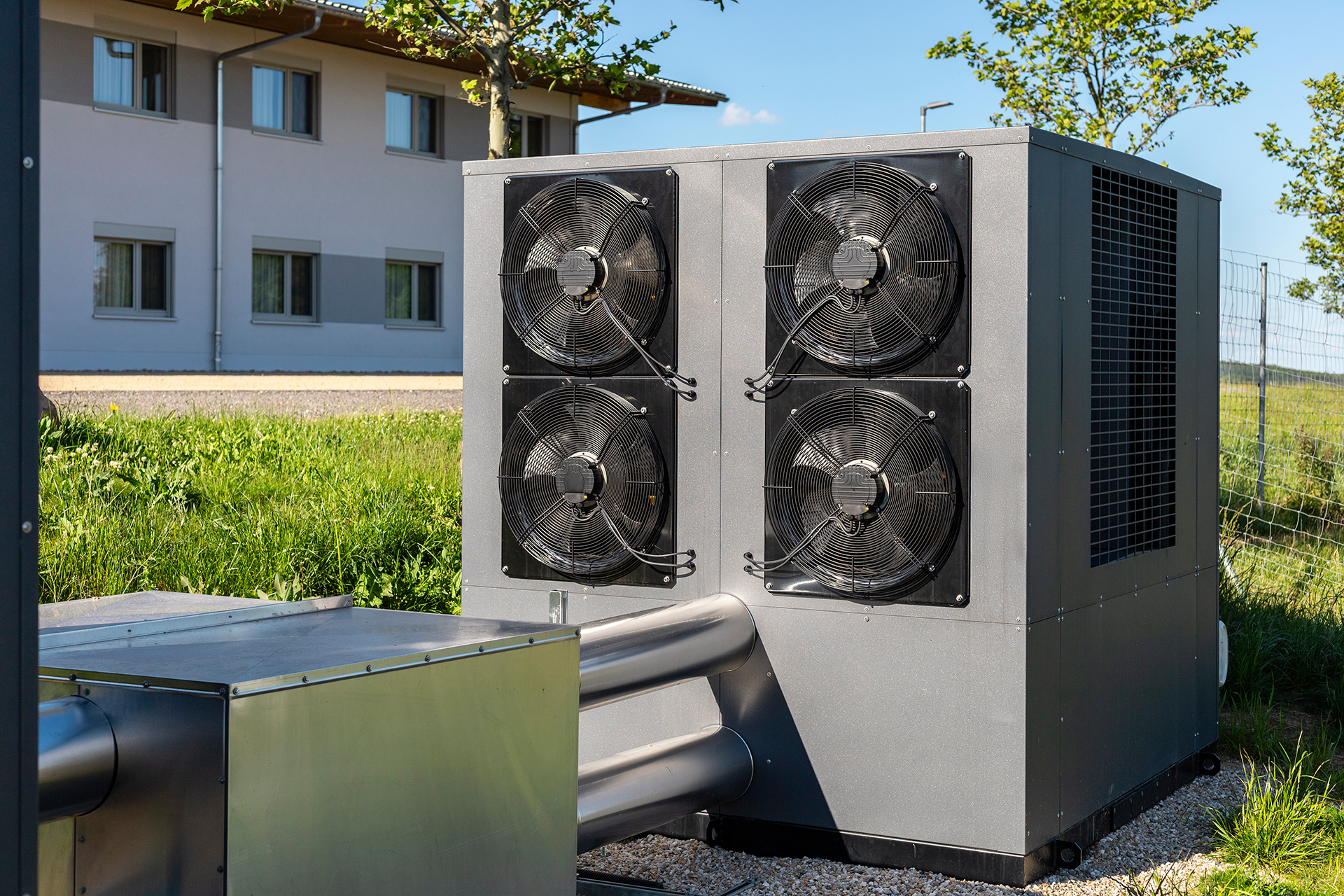
We provide business insurance designed for HVAC contractors. These policies protect your crew, vehicles, and tools while helping you meet project requirements. Every policy is explained clearly and delivered quickly so you can work without delays.

Resources
Insurance Tips for HVAC Contractors
Our blog is built for contractors who want fast answers. Each article covers common questions and risks in under five minutes of reading.


Frequently Asked Question
Common HVAC Contractor Insurance Questions
These FAQs address common contractor questions. As HVACInsure grows, we will update this section with real client experiences and answers.
Why should an HVAC contractor use HVACInsure instead of a general agency?
Specialists understand jobsite requirements, certificate wording, and common endorsements for HVAC work. You get cleaner paperwork, faster approvals, and coverage that fits how your crews operate.
This reduces delays at the gate, avoids gaps, and helps you pass compliance checks the first time.
How fast can I get a Certificate of Insurance (COI)?
Most standard COIs are issued the same business day after binding or updates. If you need additional insured, primary/non-contributory, or waiver language, we prepare it correctly the first time.
Our goal is simple: get your crew on site without paperwork delays.
What coverages do HVAC contractors usually need?
Core policies include General Liability, Commercial Auto, Workers’ Comp, Property/Tools, Inland Marine, and Umbrella. Many projects require higher limits and specific endorsements.
We align your coverage with contract terms and explain each choice in plain language.
Will my tools and scheduled equipment be covered in vans or on jobsites?
Yes. Inland Marine (tools and equipment) can cover items in transit, stored in vehicles, or staged on site.
High-value items can be scheduled, and limits can match your daily field use to keep work moving.
Can I lower my premium without weakening protection?
Often, yes. Clean driver lists, accurate payrolls, safety programs, and bundling policies can help.
We review your profile, request carrier credits, and adjust limits and deductibles to control cost while meeting project requirements.
What should I do after a loss?
Contact us right away so we can file with the correct carrier and set expectations. We guide documentation, next steps, and follow-ups until closure.
Fast reporting and clear records help resolve claims sooner and keep your team focused on work.

Still have questions?
Can’t find the answer you’re looking for? Please chat to our friendly team!
Contact Us