A single equipment malfunction or a minor property mishap can snowball into significant financial hardship for an HVAC contractor. With claims sometimes averaging between $25,000 and $50,000 according to recent studies, protecting your business with the right insurance policies isn’t just smart-it’s vital.
This article explores the nuances of HVAC maintenance contract company insurance, explaining key components, common pitfalls, and actionable insights for contractors navigating an increasingly complex risk environment.
Understanding HVAC Insurance Needs
HVAC contractors operate in a high-stakes environment where technical failures or installation mistakes can quickly result in costly claims. One major area of risk is liability coverage. With premiums typically ranging from 1.3% to 2.6% of annual gross revenue according to ContractorNerd, small operations must budget carefully for protection without sacrificing operational cash flow.
Contractors working on maintenance contracts may encounter a diverse range of risks-from equipment failures during routine checks to unexpected high-cost claims due to unforeseen accidents. A thorough insurance package tailored to cover these unique hazards not only protects assets but also bolsters customer trust and company reputation.
Additionally, homeowners increasingly choose contractors based on their demonstrated experience and transparency. In fact, 73% of homeowners now consider past performance crucial when hiring an HVAC contractor (HVACInsure), making it even more important for businesses to present comprehensive risk management practices.

HVACInsure is fully licensed and permitted to sell contractor and commercial insurance in Texas.
We proudly serve clients throughout Texas and maintain partnerships with local Texas insurance carriers to ensure HVAC professionals receive compliant, affordable, and comprehensive coverage that meets project and regulatory requirements.
Essential Coverage Areas for HVAC Contractors
The insurance landscape for HVAC companies covers several distinct areas. While general liability insurance often receives the most attention, it’s important to consider other coverage types that align with the unique risk profile of maintenance contracts.
General Liability Insurance
General liability is the backbone of any small business insurance portfolio. It protects contractors from claims such as property damage or bodily injury caused during operations. Given that individual property damage claims can average around $25,000 (KPS Group), having robust general liability coverage can make the difference between recovering quickly or facing prolonged financial stress.
This insurance not only mitigates the immediate monetary losses but also covers legal defense costs, which can be particularly significant in the event of a lawsuit. HVAC contractors typically face risks from on-site accidents or installation errors that may inadvertently damage customer property. Keeping these exposures appropriately insured preserves both business operations and customer relationships.
Workers’ Compensation Insurance
Workers’ compensation is another essential pillar of an HVAC contractor’s insurance program. Since the risk of on-the-job injuries is high, ensuring that employees are covered helps prevent potential lawsuits and protects overall business integrity. Contractors usually pay roughly $2–3 per $100 of payroll according to KPS Group, so costs scale with company size and payroll sophistication.
This type of coverage is crucial not only for legal compliance in many regions but also for ensuring that injured employees receive timely benefits. Many small businesses have reported that 80% of them fail within 18 months of a major lawsuit (KPS Group), underscoring the need to secure adequate coverage as a protection against potentially devastating claims.
Property and Equipment Coverage
HVAC contractors heavily rely on expensive equipment that could be susceptible to damage or loss. While standard policies often cover general property damage, statistics show that 36% of HVAC and refrigeration equipment claims involve causes of loss typically not covered by standard insurance (Insurance.org).
For maintenance contract companies, it is important to examine policies closely and consider endorsements that provide extended coverage for equipment failures or losses. The evolving risk environment means that contractors might face unexpected loss scenarios that standard policies overlook. When evaluating policies, ensuring all equipment and potential hazards have been assessed is a business-critical task.
Cyber Liability Insurance
In a time when data breaches are common in many industries, cyber liability insurance is increasingly pertinent to HVAC contractors-especially those leveraging smart technology. With the average cost of a data breach in 2023 reaching $4.45 million (HVACInsure), firms with integrated smart thermostats or IoT-enabled equipment must extend their coverage into the cyber domain.
This coverage protects against financial losses and reputational damage caused by data breaches, hacking incidents, or accidental release of sensitive customer data. As smart technologies become more pervasive in HVAC systems, the rise in cyber insurance claims and premiums reflects a growing need to incorporate this coverage into a holistic risk management strategy.
How Maintenance Contracts Affect Insurance Premiums
Maintenance contracts command a level of reassurance that goes beyond one-off service calls. Companies that offer these contracts often face recurring liability concerns, which insurers take into account when determining premiums. For instance, a small HVAC business earning around $150,000 annually could face an average premium of $3,140-but this cost may drop significantly with competitive shopping, sometimes as low as $860 (ContractorNerd).
The wide gap in premium pricing highlights the importance of diligent market research. Factors such as claim history, geographical location, and the specific nature of maintenance contracts all play a significant part in how premiums are calculated. In regions experiencing rapid changes in the market, such as New Mexico where premiums have spiked by 47% in 2022 (Insurance.org), insurers react to local risk factors that might not be evident on a national scale.
Contractors should regularly review their policy terms to ensure that their coverage remains aligned with any adjustments in service scope or market conditions. A proactive approach not only reduces premium costs but also ensures that there are no unpleasant surprises when a claim arises.
Emerging Risks and Insurance Considerations
The HVAC industry is constantly evolving, driven by technological advances, regulatory changes, and shifting consumer expectations. While traditional risks remain relevant, new challenges are reshaping the risk landscape.
Smart Technology and IoT Integration
Smart thermostats and other IoT-enabled devices are increasingly common in HVAC systems. The smart thermostat market was valued at $1.2 billion in 2022 and is projected to grow markedly by 2029 (National Renewable Energy Laboratory). With this technological expansion, contractors must understand that newer systems introduce vulnerabilities not encountered in traditional systems.
Insurance providers are starting to offer endorsements specifically tailored for smart technology-related risks. While this isn’t yet a standard practice in most policies, neglecting these emergent risks could lead to significant gaps in coverage. Contractors who rely on smart equipment should consider working with brokers who understand both the technology and the associated risk profile.
Evolving Equipment Risks
Changes in industry standards and increases in the use of automated tools expose businesses to equipment-related risks. Recent trends indicate that 39% of evaluated equipment losses were due to causes usually excluded from coverage (Insurance.org). This underscores the need for policies that explicitly address these exclusions.
New contract drivers such as longer-term maintenance commitments and bundled service agreements further complicate the risk matrix. Coverage should be periodically reviewed with knowledgeable agents to accommodate the shifting scope of work and technological demands. Ignoring these trends may leave contractors exposed to high deductibles or uncovered incidents following an unexpected event.
Price Transparency and Client Confidence
One notable trend in today's competitive market is the growing demand for pricing transparency. In 2024, 70% of homeowners were more inclined to contact companies that openly shared pricing details online (HVACInsure). This shift forces businesses to refine their advertisement approaches while ensuring that their insurance coverage is robust enough to back up any claims made in service offerings.
Clear and upfront pricing fosters trust. It additionally encourages contractors to evaluate the interplay between how competitive rates might be influenced by claims history and insurance costs. Presenting accurate pricing and comprehensive risk management solutions to potential clients can serve as a significant competitive advantage in an increasingly discerning market.

Determining the right mix of coverages for an HVAC maintenance contract company requires careful analysis. A side-by-side comparison of basic versus extended policies can reveal important distinctions that often affect premium costs and claim outcomes.
The following table breaks down the key differences in coverage that contractors should understand:
| Coverage Type | Basic Policy | Extended Policy |
|---|---|---|
| General Liability | Covers basic bodily injury and property damage claims. | Includes legal defense costs and higher claim limits. |
| Workers’ Compensation | Covers work-related injuries at an average rate. | Offers enhanced benefits for extended recovery periods. |
| Property Coverage | Standard protection for equipment and tools. | Insures expensive equipment failures and losses not typically covered. |
| Cyber Liability | Basic data breach protection. | Comprehensive cover including network security failures and breach costs. |
This table serves as a guide to help HVAC contractors understand options available. Detailed policy review and consultation with industry-experienced insurance agents are essential to sculpt an optimal risk management strategy.
Strategies for Lowering Insurance Premiums
Insurance premiums can be a significant burden, especially for small to mid-sized HVAC maintenance contract companies. However, there are practical strategies to lower these costs without compromising on necessary coverage.
Competitive Shopping and Policy Review
Small HVAC operations earning around $150,000 annually have seen average premiums of $3,140, but competitive shopping has produced reductions as steep as 73%, lowering costs to around $860 (ContractorNerd). Regularly reviewing policies and obtaining multiple quotes can reveal significant savings, as insurers may adjust rates based on risk mitigation efforts.
The process may involve consolidating policies with one provider or negotiating better terms based on a proven safety track record. Documenting safety protocols and maintaining a clean claims history are strategies that often result in premium reductions over time.
Implementing Risk Management Practices
Strong risk management not only reduces the risk of a claim but can also influence your insurance premiums. Engaging in regular employee training, updating equipment, and employing preventative maintenance measures create a safer working environment. These efforts factor into insurer assessments and might result in lower premium rates.
Some insurers offer discounts or tailored endorsements for businesses with comprehensive risk management programs in place. Thus, investing in these practices pays dividends not just in operational safety but also in long-term cost efficiency.
Bundling Insurance Policies
Another strategy used by HVAC contractors is bundling several types of policies with one provider. Bundled policies often come at a reduced overall cost compared to individual coverages. This approach helps in managing overall risk more efficiently while maintaining consistent service standards from the insurer.
Many providers prefer bundled offerings because they simplify claims processing and offer clearer policy interfaces for clients. Ultimately, bundling policies can lead to a harmonious relationship between service provisions and premium stability.
Impact of Market Trends on HVAC Insurance
A host of market and technological shifts play roles in shaping insurance premiums and coverage specifics. A recent surge in customer awareness tied to smart technology and price transparency means that HVAC contractors must not only manage risks but also market their risk management practices effectively.
Technology-Driven Changes
With the smart thermostat market booming-from a value of $1.2 billion in 2022 to projections that suggest significant growth by 2029 (National Renewable Energy Laboratory)-the integration of digital tools in HVAC systems continues to grow. This trend has increased online visibility and customer engagement while also driving the need for additional coverage areas, such as cyber liability insurance.
HVAC businesses that embrace these technologies must also adapt their risk management practices accordingly. Demonstrating a solid understanding of both digital and physical risks reassures both clients and insurers that the company is prepared for new challenges.
Geographic and Regulatory Variations
The cost of insurance is not uniform across the country, as evidenced by regions like New Mexico experiencing nearly a 47% hike in premiums for HVAC contractors (Insurance.org). Local regulations, climate variability, and historical claims data play critical roles in these fluctuations.
Contractors operating in high-risk areas must pay extra attention to localized coverage adjustments and ensure that their policies are adequately structured to manage potential regional risks. In many cases, collaboration with local brokers who understand the nuances of these markets is essential.
Operational Benefits of Comprehensive Insurance Coverage
For HVAC maintenance contract companies, insurance is more than just a compliance hurdle-it is an operational asset. A robust insurance portfolio supports business continuity and enhances customer trust. When potential clients see that a contractor is well insured, they gain confidence in the company’s capacity to handle unexpected incidents.
With comprehensive coverage, contractors can pursue larger contracts and maintenance agreements without the constant worry of a single event crippling their finances. This peace of mind facilitates a more aggressive approach to market opportunities and long-term business growth.
Staying well insured also means that the damage from any single claim is contained, protecting both the financial health and reputation of the business. The reassurance that comes with knowing all bases are covered helps in forging stronger client relationships, which is critical in competitive bid situations.
Real-World Scenarios: Lessons from the Field
An HVAC contractor once faced a severe claim after an accidental equipment malfunction led to property damage at a client’s site. The claim alone ran close to the average of $25,000 per incident. Because the contractor’s insurance policy was properly structured and took into account potential equipment risks, the financial loss was contained and did not threaten the viability of the business.
This incident is one of many that illustrate the importance of tailoring coverage to specific operational needs. Lessons learned from these real-world scenarios often shape policy decisions and help companies adjust their risk management practices over time.
These practical examples prove that a proactive approach to insurance is not just recommended-it is essential. Every claim experience, whether successfully resolved or otherwise, provides an opportunity to reassess coverage adequacy and improve risk protocols going forward.
Frequently Asked Questions
This section addresses common queries that contractors might have regarding HVAC maintenance contract company insurance.
Q: Why is insurance so critical for HVAC contractors?
A: HVAC contractors face unique risks such as property damage, bodily injury during installations, and equipment failures. Insurance policies help in covering these losses and ensuring business continuity.
Q: What types of insurance should HVAC companies consider?
A: Contractors should consider general liability, workers’ compensation, property and equipment coverage, and cyber liability insurance to safeguard against various risks.
Q: How do maintenance contracts affect premium costs?
A: Maintenance contracts often come with recurring risk factors that insurers account for. Competitive shopping may significantly reduce the cost, as seen with savings approaching 73% in some cases, especially for small operations (ContractorNerd).
Q: Can implementing safety measures reduce my premiums?
A: Yes, evidenced-based practices such as regular employee training, safety audits, and updated equipment can help lower claims frequency, resulting in reduced premium costs.
Q: How important is technology in shaping current insurance trends?
A: With the rise of smart technologies and IoT integration in HVAC systems, digital vulnerabilities have become a significant risk factor, necessitating additional cyber liability coverage.
Q: What should a contractor do if they experience a claim?
A: Promptly notify the insurance provider, document the incident thoroughly, and review the policy details to understand coverage limits and response protocols.
Wrapping Things Up
HVAC maintenance contract company insurance remains a complex but essential aspect of running a resilient business. From general liability to cyber insurance, ensuring comprehensive coverage protects contractors from a range of potential pitfalls. The dynamics of the HVAC industry, influenced by technological advancements and evolving customer expectations, underscore the need for informed decisions when selecting insurance policies.
By carefully analyzing risks-whether stemming from equipment issues, labor-related incidents, or on-site accidents-contractors can mitigate threats before they lead to catastrophic financial losses. Strategic insurance planning coupled with proactive risk management practices establishes a sturdy foundation that empowers businesses to grow and thrive despite unavoidable setbacks.
Insurance is not merely a defensive measure; it is a powerful business tool that builds credibility and stability in a fluctuating market. As companies plan for future growth, the ability to adapt coverage to emerging risks will continue to be a critical competitive advantage for HVAC contractors.
Practical Steps Forward
Contractors looking to optimize their insurance coverage should begin with a thorough evaluation of their current policies. Detailed analyses can identify gaps, and consulting with industry experts provides insight into areas where additional endorsements might be warranted. Establishing a risk management committee, investing in employee training, and regularly reviewing policy terms can create an environment where insurance is seen as an integrated aspect of overall business strategy.
Mapping out service scenarios and aligning them with industry data can help clarify which coverage areas should be prioritized. For instance, the trend of extensive equipment losses, with 39% of evaluated claims due to exclusions in standard policies (Insurance.org), highlights that equipment-specific endorsements may be necessary for a complete risk defense mechanism.
Exploring bundled coverage options, engaging in competitive policy comparisons, and adopting robust safety protocols are actionable strategies that will position HVAC contractors for long-term success. Keep in mind that a well-insured company not only stands stronger in the face of unexpected incidents but also grows more appealing in the eyes of potential clients who value reliability and transparency.
Looking Ahead: Insurance in the Future of HVAC
The HVAC industry is on the verge of transformative changes driven by rapid technological advancements and evolving market expectations. Forecasts suggest significant shifts in equipment usage patterns, increased reliance on digital connectivity, and rising customer awareness regarding transparency and risk management. With the indoor air quality market expanding and the integration of sustainable practices gaining momentum, the nature of insurance policies for HVAC contractors will continue to evolve.
Future policies are likely to incorporate even broader coverage stipulations, addressing risks that are emerging from both traditional operations and modern technological interfaces. Maintaining up-to-date knowledge on market trends, regulatory amendments, and technological advancements can provide contractors with the insight needed to adapt their policies proactively.
Staying informed and agile is the key. Insurance brokers specializing in HVAC and a close relationship with risk management professionals will be invaluable in helping companies navigate these complex changes, ensuring that both legacy and emerging risks are properly covered.
Final Thoughts on Contract Insurance for HVAC Businesses
For HVAC maintenance contract companies, insurance remains not only a necessity but also a strategic asset. A well-designed insurance program supports efforts to secure new business, defend against claims, and ultimately foster a sustainable operational environment. Smart investments in coverage that reflect real-world risks-be it from technological vulnerabilities, equipment losses, or liability claims-equip businesses with the stability needed to weather any storm.
Today, HVAC contractors have a more complex landscape of risks to manage than ever before, with every decision influencing their bottom line. Moving forward, the companies that diligently review their policies, embrace technological advancements judiciously, and leverage competitive market intelligence will be best positioned for long-term success.
In a market where trust and transparency are paramount, having a robust and adaptable insurance strategy provides a clear competitive advantage. The journey to comprehensive coverage is ongoing, and each step taken to understand and mitigate risks transforms insurance from a reactive expense into a proactive business tool.

About The Author: James Jenkins
I’m James Jenkins, Founder and CEO of HVACInsure. I work with HVAC contractors and related trades to simplify insurance and make coverage easier to understand. Every day, I help business owners secure reliable protection, issue certificates quickly, and stay compliant so their teams can keep working safely and confidently.
Recognized by National HVAC Trade Associations
These trusted organizations set best practices and standards that carriers rely on when underwriting HVAC risks.
Membership signifies adherence to HVAC industry standards and contractor best practices.
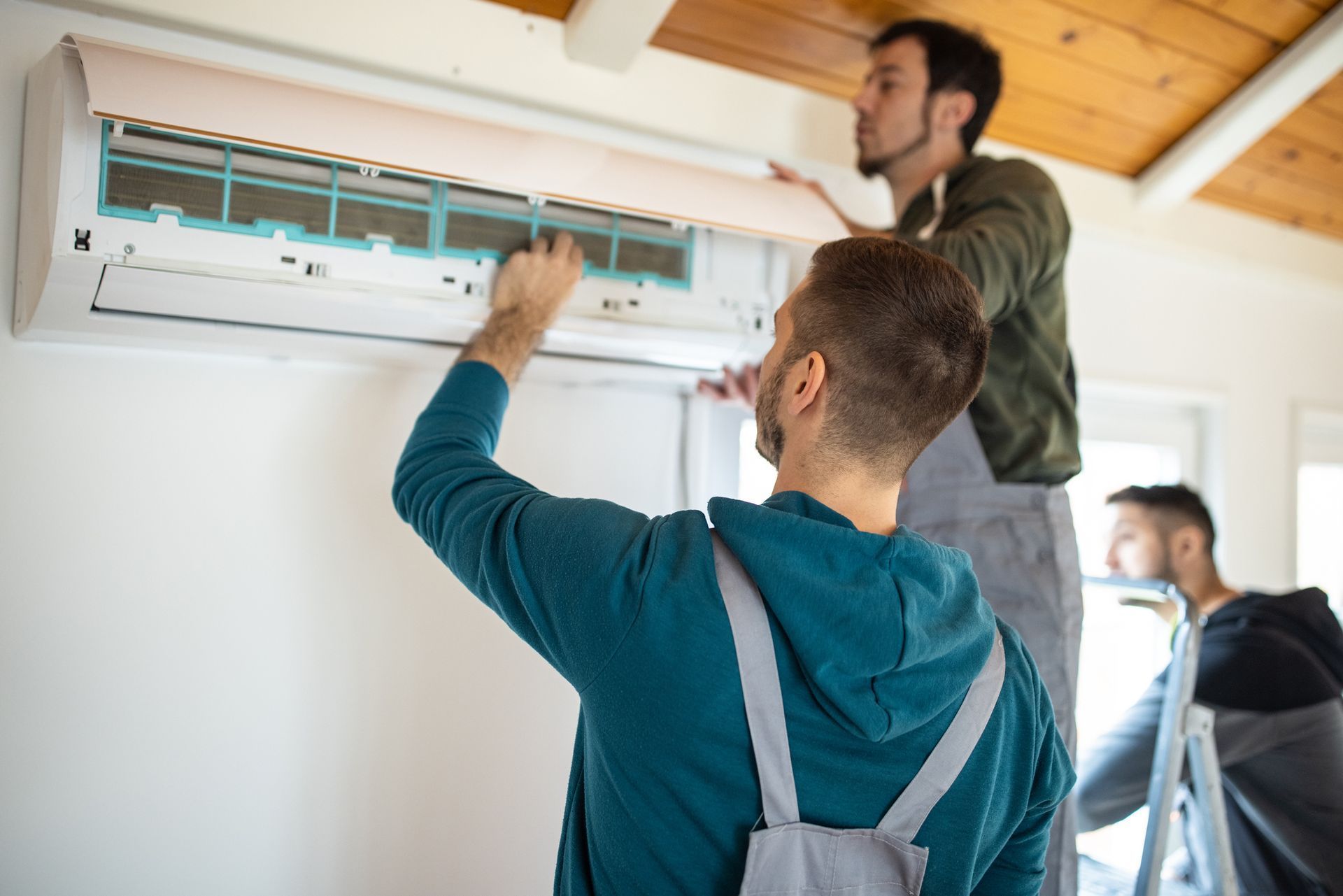
Coverage for Crews, Vehicles, and Tools
Insurance for HVAC Contractors
We provide business insurance designed for HVAC contractors. These policies protect your crew, vehicles, and tools while helping you meet project requirements. Every policy is explained clearly and delivered quickly so you can work without delays.

Resources
Insurance Tips for HVAC Contractors
Our blog is built for contractors who want fast answers. Each article covers common questions and risks in under five minutes of reading.


Frequently Asked Question
Common HVAC Contractor Insurance Questions
These FAQs address common contractor questions. As HVACInsure grows, we will update this section with real client experiences and answers.
Why should an HVAC contractor use HVACInsure instead of a general agency?
Specialists understand jobsite requirements, certificate wording, and common endorsements for HVAC work. You get cleaner paperwork, faster approvals, and coverage that fits how your crews operate.
This reduces delays at the gate, avoids gaps, and helps you pass compliance checks the first time.
How fast can I get a Certificate of Insurance (COI)?
Most standard COIs are issued the same business day after binding or updates. If you need additional insured, primary/non-contributory, or waiver language, we prepare it correctly the first time.
Our goal is simple: get your crew on site without paperwork delays.
What coverages do HVAC contractors usually need?
Core policies include General Liability, Commercial Auto, Workers’ Comp, Property/Tools, Inland Marine, and Umbrella. Many projects require higher limits and specific endorsements.
We align your coverage with contract terms and explain each choice in plain language.
Will my tools and scheduled equipment be covered in vans or on jobsites?
Yes. Inland Marine (tools and equipment) can cover items in transit, stored in vehicles, or staged on site.
High-value items can be scheduled, and limits can match your daily field use to keep work moving.
Can I lower my premium without weakening protection?
Often, yes. Clean driver lists, accurate payrolls, safety programs, and bundling policies can help.
We review your profile, request carrier credits, and adjust limits and deductibles to control cost while meeting project requirements.
What should I do after a loss?
Contact us right away so we can file with the correct carrier and set expectations. We guide documentation, next steps, and follow-ups until closure.
Fast reporting and clear records help resolve claims sooner and keep your team focused on work.

Still have questions?
Can’t find the answer you’re looking for? Please chat to our friendly team!
Contact Us