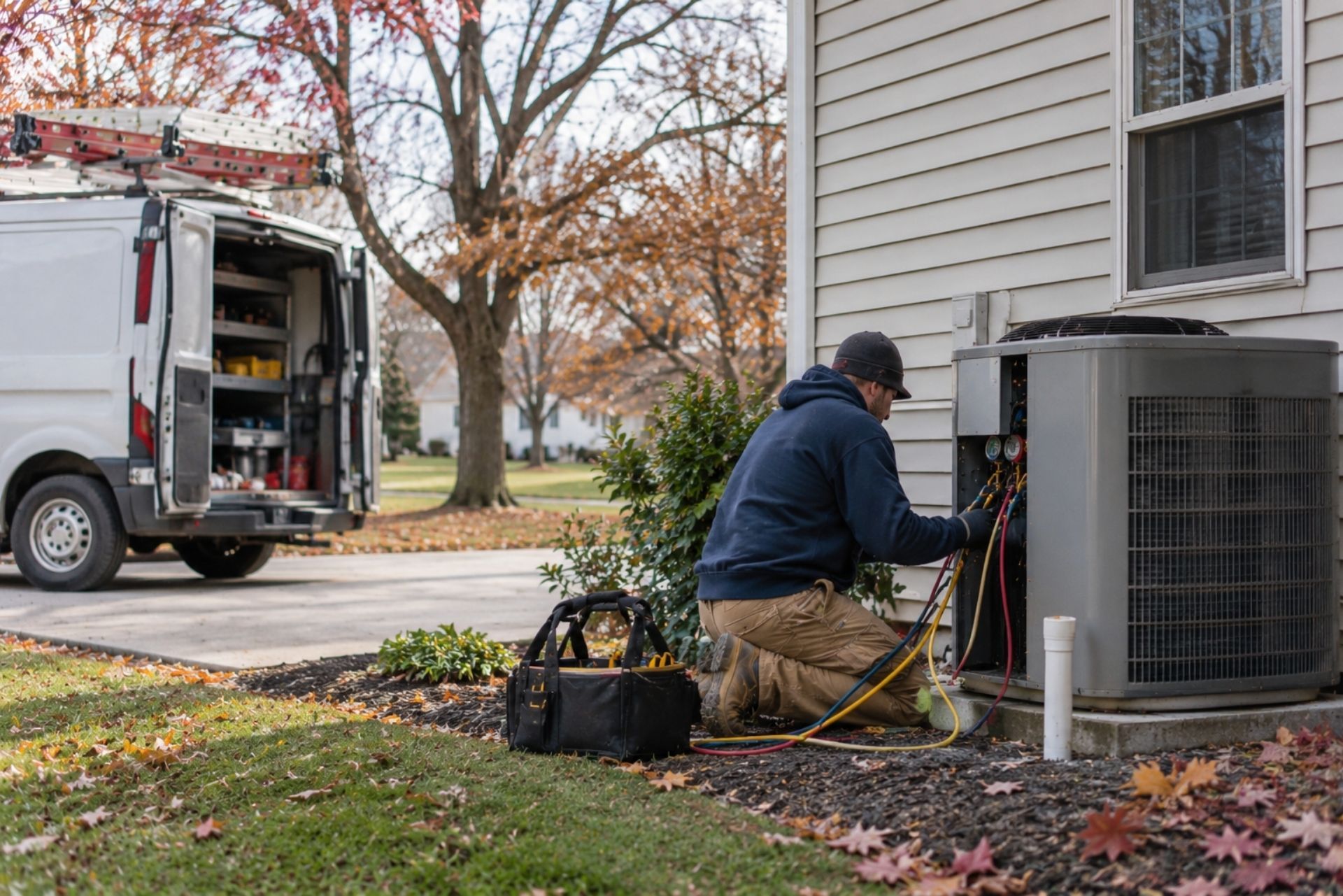
Picture a technician brazing a line set in a Broad Ripple attic when the torch scorches a roof joist, or a condensate line backs up and soaks a finished basement in Carmel. Claims like these show up on contractor policies every week, and they can wipe out a year of profit for a small shop. Choosing the right HVAC contractor insurance in Indianapolis, IN means matching your coverage to the jobs you actually perform, the city's licensing rules, and the rising cost of settling claims in 2026.
Essential Insurance Coverage for Indianapolis HVAC Businesses
Indiana has no statewide HVAC license, so contractors must be licensed through the Indianapolis Department of Business and Neighborhood Services. Insurance and bonding sit at the center of that process. The city requires a $5,000 license bond for heating and cooling contractors, which typically costs about $350 for a two-year term. A bond protects your customers, not you. That's why the policies below matter.
General Liability and Property Damage
General Liability covers third-party bodily injury and property damage. Typical HVAC claims include:
- Water damage: a clogged condensate drain flooding a client's ceiling
- Fire: electrical arcing at a miswired disconnect
- Trip injuries: a homeowner falling over tools left in a hallway
The benchmark monthly cost for HVAC general liability in Indiana is roughly $101. One thing to keep in mind: confirm your policy includes completed operations coverage. A refrigerant leak at a brazed joint or a failed condensate pump often shows up weeks after you've collected payment, and without this coverage, that claim lands on you.
Workers' Compensation Requirements in Indiana
Indiana requires most employers to carry workers' compensation, and HVAC work carries real injury exposure: ladder falls, rooftop heat stress, electrical shock, and back strains from hauling compressors. For small HVAC crews in 2026, premiums average between $1,200 and $3,600 annually.
Your Experience Modification Rate (EMR) drives that number over time. A rate below 1.0 signals better-than-average loss history and lowers premiums. A rate above 1.0 raises costs and can disqualify you from commercial bids. This matters because buyers reviewing an HVAC business for acquisition will check the EMR closely, since a poor rate follows the company and reduces its value.
Commercial Auto and Inland Marine Protection
Personal auto policies typically exclude vehicles used mainly for business. Commercial auto covers your service vans, liability from accidents, and the employees who drive them.
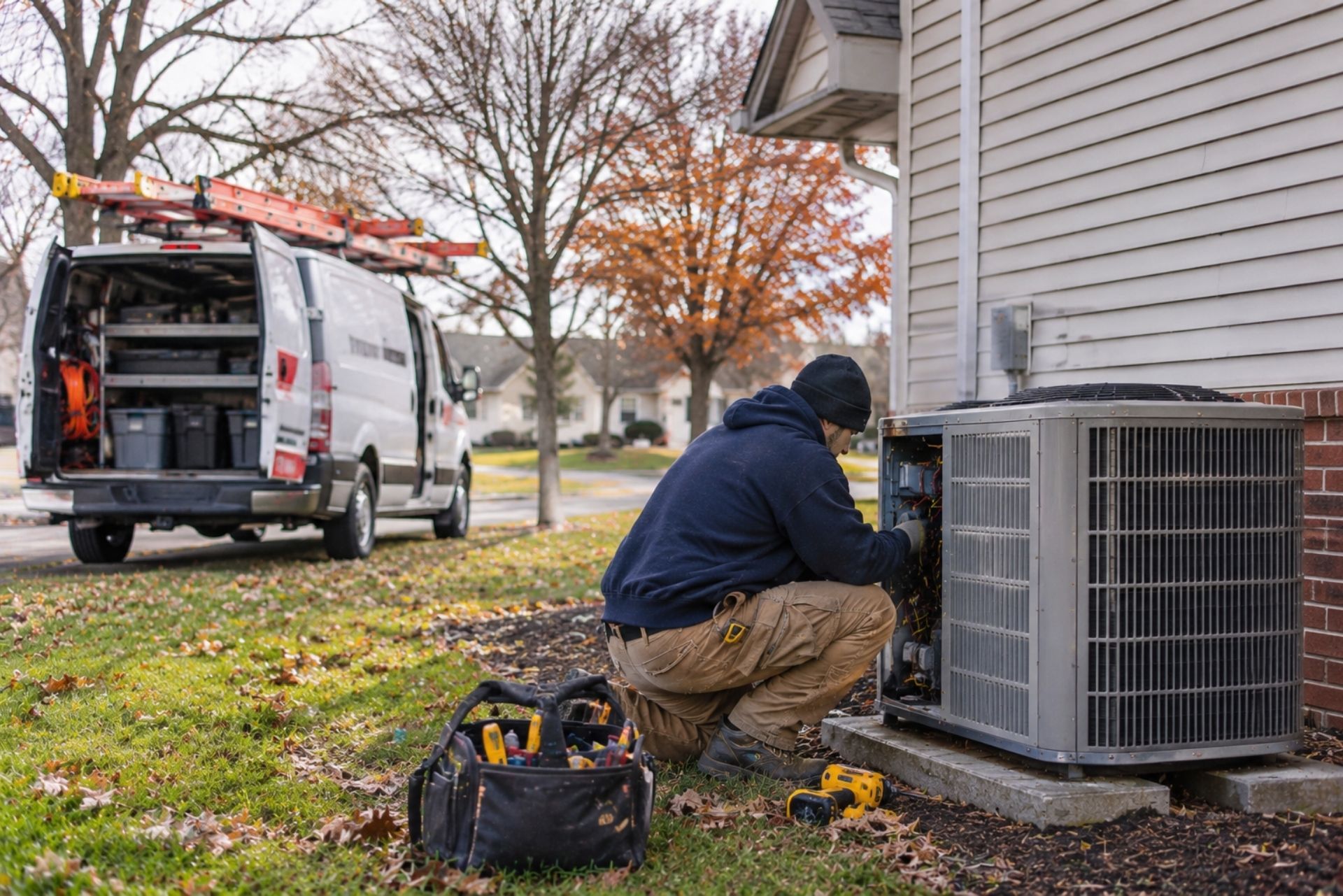
Inland marine, often called tools and equipment coverage, protects gear in transit or at job sites. Recovery machines, vacuum pumps, and diagnostic meters get stolen from vans constantly. Choose replacement cost over actual cash value, so a three-year-old manifold gauge set is replaced at today's price, not a depreciated figure.
HVACInsure is fully licensed and permitted to sell contractor and commercial insurance in Texas.
We proudly serve clients throughout Texas and maintain partnerships with local Texas insurance carriers to ensure HVAC professionals receive compliant, affordable, and comprehensive coverage that meets project and regulatory requirements.
Comparing Standard vs. Specialized HVAC Policies
Many contractors start with a generic Business Owner's Policy (BOP). That said, generic contractor forms often contain exclusions that hit HVAC work directly. Here is how the two approaches compare:
| Feature | Standard Contractor Policy | HVAC-Specialized Policy |
|---|---|---|
| Completed operations | Often limited | Included at full limits |
| Refrigerant/pollution | Frequently excluded | Limited pollution coverage available |
| Tools and equipment | Low sublimits | Scheduled, replacement cost |
| Faulty workmanship | Narrow wording | Clarified resulting-damage language |
| Professional Liability (E&O) | Not included | Available for design and load calculations |
The catch is that specialized policies cost more upfront. On the flip side,
rising equipment and labor costs are making claims more complex, and precise damage evaluations are now essential to avoid underpayment. A policy written for HVAC risks reduces disputes when a compressor fails or a control board shorts after installation. If your team sizes systems or designs ductwork for commercial clients, add E&O coverage.
Common Questions About HVAC Insurance in Indiana
Do I need a separate license to work in Speedway or Beech Grove? Yes, you may. The Indianapolis BNS license does not cover the excluded cities of Lawrence, Beech Grove, Speedway, and Southport, so check each city's requirements.
What does a failed inspection cost me? As of January 2026, reinspection fees for failed permit inspections rose to $175, and administrative violation fees are now $250. Insurance won't pay these, so quality control matters.
Is a bond the same as insurance? No. A bond guarantees you'll follow city rules and protects customers, while insurance protects your business from claims.
What should I document when filing a claim? Take photographs of failed equipment, record calibrated thermometer and pressure readings, and keep written diagnostic reports from your technicians. Strong evidence speeds settlements and limits disputes.
Do I need coverage if I'm a one-person operation? Yes. General liability and commercial auto still apply, and many general contractors won't hire you without a certificate of insurance.
Protecting Your Assets and Reputation Long-Term
Insurance is not just a compliance cost. A clean loss history, a strong EMR, and a well-structured policy make your company easier to sell and more attractive to commercial clients. Operations matter too: technology adoption, including AI scheduling tools, is becoming a key differentiator for profitable firms, and better job documentation also strengthens your claim files.
Here's what that means for you:
- Review limits annually as equipment prices climb
- Confirm completed operations coverage in writing
- Track your EMR and correct payroll classifications
- Verify licensing before jobs in the excluded cities
Your next step is simple: bring your current policy to a broker who understands HVAC contractor insurance in Indianapolis, IN, and ask them to identify exclusions before a claim finds them for you.
Recognized by National HVAC Trade Associations
These trusted organizations set best practices and standards that carriers rely on when underwriting HVAC risks.
Membership signifies adherence to HVAC industry standards and contractor best practices.
Coverage for Crews, Vehicles, and Tools
Insurance for HVAC Contractors
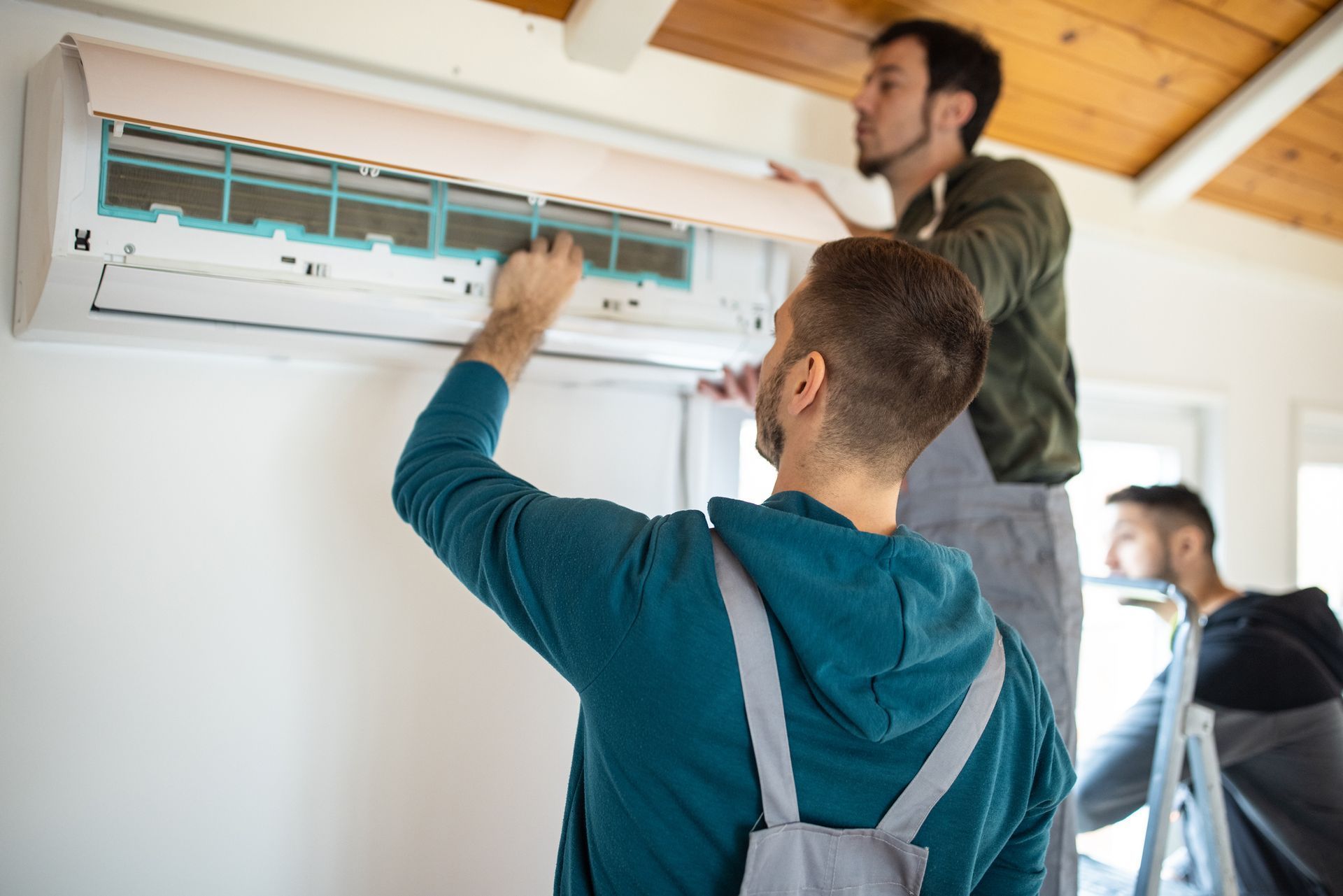
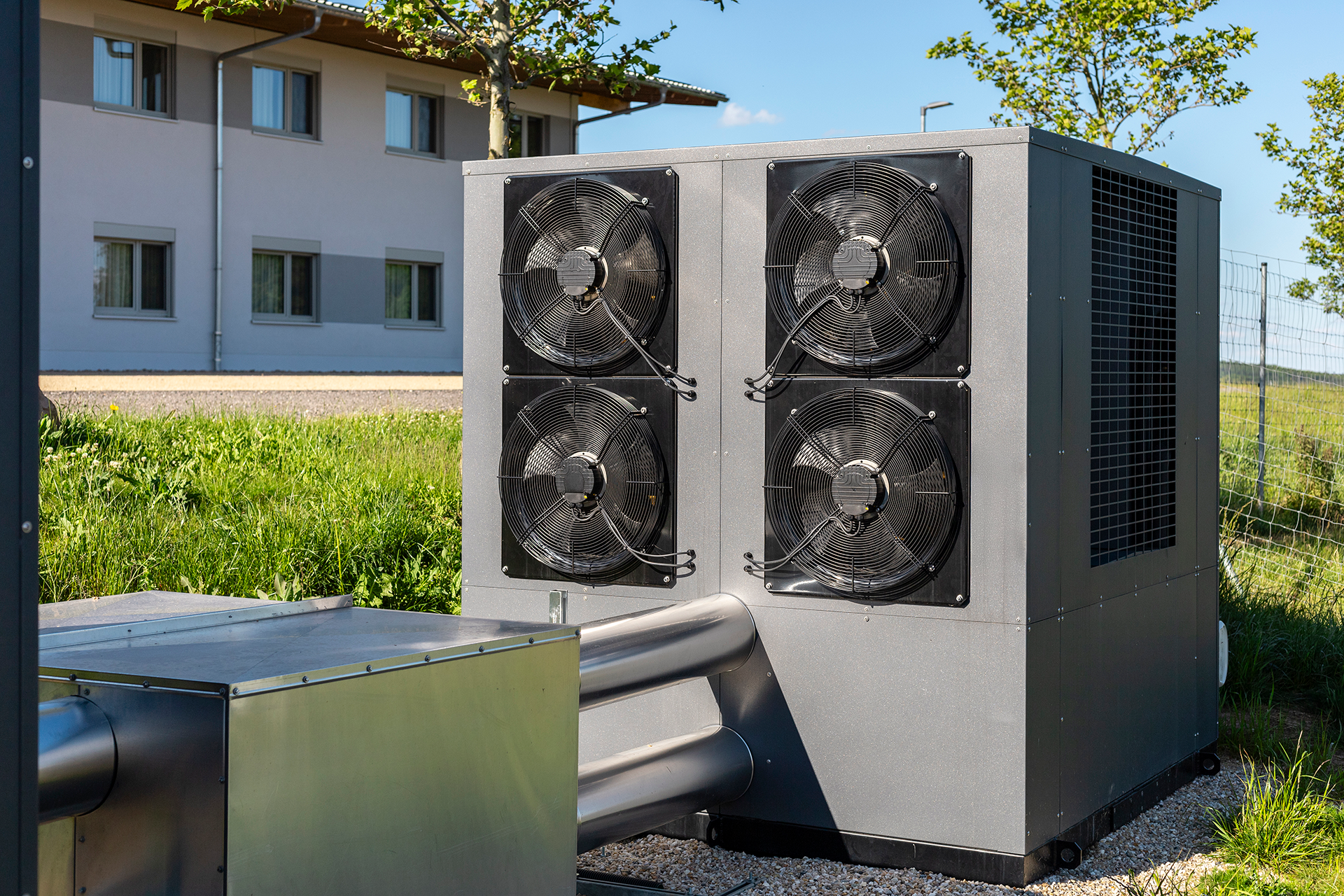
We provide business insurance designed for HVAC contractors. These policies protect your crew, vehicles, and tools while helping you meet project requirements. Every policy is explained clearly and delivered quickly so you can work without delays.

Resources
Insurance Tips for HVAC Contractors
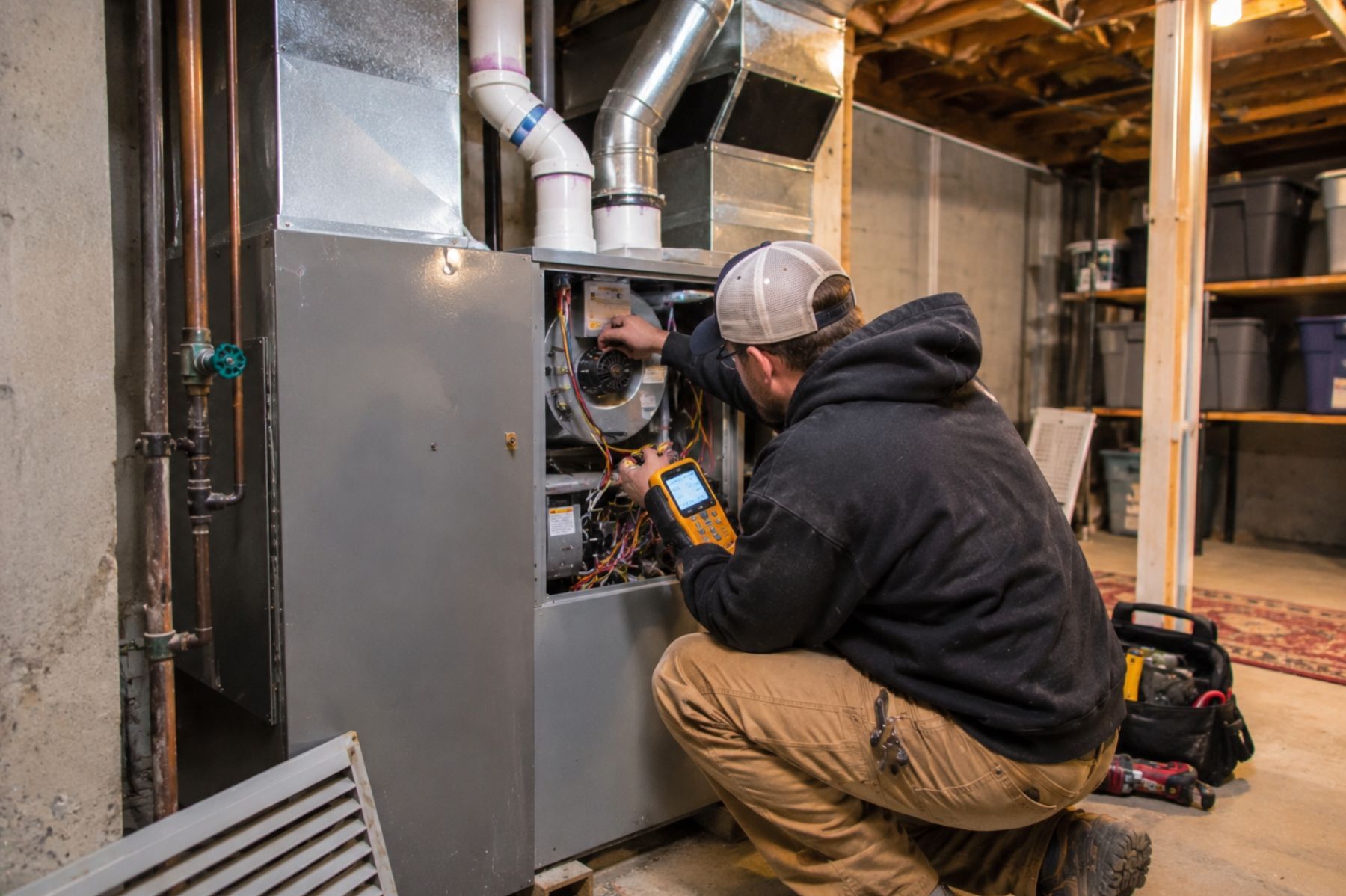
Our blog is built for contractors who want fast answers. Each article covers common questions and risks in under five minutes of reading.
Frequently Asked Question
Common HVAC Contractor Insurance Questions
These FAQs address common contractor questions. As HVACInsure grows, we will update this section with real client experiences and answers.
Why should an HVAC contractor use HVACInsure instead of a general agency?
Specialists understand jobsite requirements, certificate wording, and common endorsements for HVAC work. You get cleaner paperwork, faster approvals, and coverage that fits how your crews operate.
This reduces delays at the gate, avoids gaps, and helps you pass compliance checks the first time.
How fast can I get a Certificate of Insurance (COI)?
Most standard COIs are issued the same business day after binding or updates. If you need additional insured, primary/non-contributory, or waiver language, we prepare it correctly the first time.
Our goal is simple: get your crew on site without paperwork delays.
What coverages do HVAC contractors usually need?
Core policies include General Liability, Commercial Auto, Workers’ Comp, Property/Tools, Inland Marine, and Umbrella. Many projects require higher limits and specific endorsements.
We align your coverage with contract terms and explain each choice in plain language.
Will my tools and scheduled equipment be covered in vans or on jobsites?
Yes. Inland Marine (tools and equipment) can cover items in transit, stored in vehicles, or staged on site.
High-value items can be scheduled, and limits can match your daily field use to keep work moving.
Can I lower my premium without weakening protection?
Often, yes. Clean driver lists, accurate payrolls, safety programs, and bundling policies can help.
We review your profile, request carrier credits, and adjust limits and deductibles to control cost while meeting project requirements.
What should I do after a loss?
Contact us right away so we can file with the correct carrier and set expectations. We guide documentation, next steps, and follow-ups until closure.
Fast reporting and clear records help resolve claims sooner and keep your team focused on work.

Still have questions?
Can’t find the answer you’re looking for? Please chat to our friendly team!
Contact Us