Picture a January service call in Minneapolis. A technician replaces a furnace heat exchanger at a duplex in Longfellow, and three weeks later the tenant reports a carbon monoxide alarm and a hospital visit. The furnace worked when your tech left, but the claim lands on your desk anyway, and your policy language now decides whether your business survives the season.
That scenario is the reason HVAC contractor insurance in Minneapolis, MN deserves more attention than a quick online quote. Minnesota's climate pushes heating systems to their limits for months at a time. State bonding rules, city competency certificates, and refrigerant regulations add compliance layers that generic contractor policies often ignore.
This guide is written for owners who want coverage that holds up when a claim arrives, not just a certificate that satisfies a general contractor's paperwork request. You will find the
coverage types that matter, a side-by-side policy comparison, local licensing and bonding requirements, and the claim scenarios that cause the most financial damage. Last updated: 2026.
Why Minneapolis HVAC Contractors Need Specialized Insurance
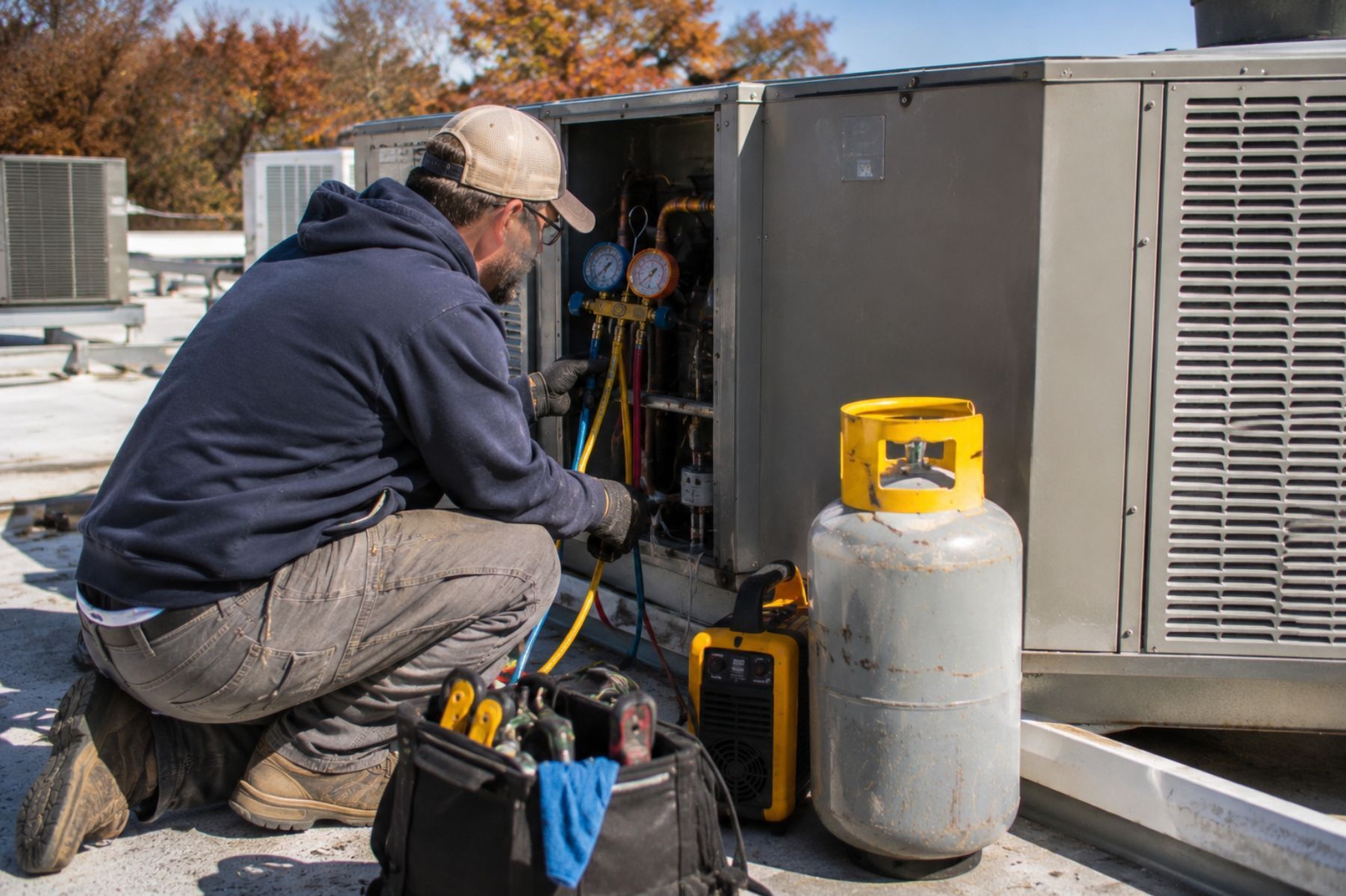
Minneapolis HVAC work carries a risk profile that differs sharply from general construction. Your crews handle natural gas lines, combustion appliances, high-voltage electrical components, and pressurized refrigerant systems, often inside occupied homes during subzero weather. A single installation error can trigger fire, carbon monoxide exposure, or frozen and burst pipes within hours.
Seasonal demand compounds the exposure. During a cold snap, your schedule fills with emergency no-heat calls, technicians work long shifts, and the pressure to finish quickly rises. Fatigue and rushed work are exactly where claims originate, and insurers who understand the trade price and structure policies around that reality.
Specialized coverage matters for another reason: business value. A clean loss history, properly structured policies, and a favorable Experience Modification Rate make your company more attractive to commercial clients, lenders, and eventual buyers. Treat insurance as an asset that supports growth and valuation, not merely a line item you minimize each renewal.
Here's what that means for you. A policy built for a painting contractor or handyman will rarely contemplate a cracked heat exchanger, a refrigerant leak at a brazed joint, or compressor damage during transport. You need underwriting that recognizes these exposures by name.
HVACInsure is fully licensed and permitted to sell contractor and commercial insurance in Texas.
We proudly serve clients throughout Texas and maintain partnerships with local Texas insurance carriers to ensure HVAC professionals receive compliant, affordable, and comprehensive coverage that meets project and regulatory requirements.
Essential Coverage Types for Minnesota HVAC Businesses
Most Minnesota HVAC businesses need a core package of four to five policies, with additional endorsements depending on whether you focus on residential service, new construction, or commercial maintenance contracts. The subsections below cover the foundation.
General Liability and Property Damage
General Liability responds when your work causes bodily injury or property damage to someone else. Common HVAC examples include a condensate line that backs up and ruins a finished basement, a misaligned flue that scorches roof framing, or a technician who knocks over a client's antique while carrying a new blower motor.
The most important component for HVAC contractors is completed operations coverage. This protects you against claims that surface after the job is finished, such as a slow refrigerant leak at a brazed joint that damages ceiling drywall months later, or a condensate drain that freezes and floods a utility room in February. Review whether your policy's completed operations limit matches the general aggregate, because some low-cost policies sublimit or exclude it.
One thing to keep in mind: watch for exclusions related to carbon monoxide, pollution, and mold. Many standard forms exclude pollutants broadly, which can leave you uncovered for a refrigerant release or CO incident unless you add a contractor's pollution liability endorsement.
Workers' Compensation Requirements in MN
Minnesota requires employers to carry workers' compensation for employees, and HVAC technicians face frequent injury exposures: falls from rooftops during RTU service, back strains from moving condensers, electrical shocks, and burns from brazing torches.
Your Experience Modification Rate (EMR) shapes your premium directly. An EMR of 1.0 represents the industry average. Below 1.0 means you are paying less than peers, and above 1.0 means you pay a surcharge. Many commercial general contractors screen bidders by EMR, so a rate above 1.0 can cost you contracts before you ever submit a price.
The EMR also matters during business acquisitions. A buyer evaluating your company will review loss runs and the modification factor, and a high EMR can reduce your sale price or complicate the transfer. If you plan to sell within a few years, start managing claims and safety programs now.
If you choose a private plan for Minnesota paid leave rather than the state program, note that employers using an equivalent plan must post a self-insurance surety bond to guarantee benefit payments. This is separate from workers' comp but affects your overall employee benefits planning.
Commercial Auto and Inland Marine Coverage
Your service vans function as rolling warehouses. Commercial auto covers liability and physical damage for vehicles used in business, which personal auto policies typically exclude. Icy Minneapolis roads in winter raise collision frequency, so carry liability limits that reflect your fleet size and driver exposure.
Inland marine, often written as a tools and equipment floater, covers property that moves between job sites. This includes recovery machines, vacuum pumps, manifold gauges, combustion analyzers, and new equipment awaiting installation. Pay attention to valuation: replacement cost pays to buy new, while actual cash value subtracts depreciation and can leave you short after a van break-in.
Ask about installation floaters if you carry equipment to a site before setting it. A rooftop unit sitting on a commercial roof before startup is exposed to theft, wind, and crane drops, and a standard floater may not cover it once it leaves your vehicle.
Comparison of Standard vs. Specialized HVAC Policies
The difference between a generic contractor package and one written for the trade often appears only at claim time. The table below highlights where gaps typically show up.
| Coverage Feature | Standard Contractor Policy | Specialized HVAC Policy |
|---|---|---|
| Completed operations | Often sublimited | Full aggregate limit |
| Carbon monoxide claims | Frequently excluded | Covered or endorsed |
| Refrigerant release | Pollution exclusion applies | Pollution endorsement available |
| Tool valuation | Actual cash value | Replacement cost option |
| Equipment in transit | Limited or none | Installation floater included |
| Professional liability (E&O) | Not included | Available for design work |
| Faulty workmanship | Excluded | Resulting damage usually covered |
Errors and Omissions coverage deserves specific attention. If your staff perform load calculations, design duct systems, or specify equipment for commercial buildings, a client can sue for financial loss even without physical damage. An undersized system that fails to heat a retail space in January creates exactly that kind of claim.
That said, specialized policies are not automatically better. Read the endorsements, confirm the definitions of "your work" and "occurrence," and compare deductibles.
Minnesota's bonding requirement is the first compliance item most contractors encounter. Mechanical contractors must maintain a $25,000 surety bond filed with the Department of Labor and Industry, and that amount remains current as of October 2026. The governing statute states that the bond is for the benefit of persons suffering financial loss due to the contractor's failure to comply with the State Mechanical Code.
Understand what this bond is and is not. A surety bond protects the public, not you. If the surety pays a claim, you owe the surety reimbursement. It does not replace General Liability, and treating it as insurance is one of the most common mistakes new contractors make.
The full requirements appear in Minnesota Statute § 326B.197, which you should review before renewal.
At the city level, Minneapolis and St. Paul maintain a reciprocal agreement for Certificates of Competency, allowing qualified contractors to work in both cities without retesting. This simplifies metro expansion, but your insurance must reflect the added territory and job volume.
Federal rules apply too. Technicians handling refrigerants must hold EPA Section 608 certification, and many commercial insurers verify this during underwriting. Keep copies of certifications on file for every technician.
Insurers do not publish fixed rates for HVAC work, and any quote you receive reflects your specific profile. The main rating factors include:
- Payroll and revenue: the primary exposure base for GL and workers' comp
- Residential vs. commercial mix: commercial work often brings higher contract-required limits
- Gas and combustion work: furnace and boiler installs rate higher than ductwork alone
- Rooftop and height exposure: RTU service increases fall risk
- Claims history: loss runs from the past three to five years
- EMR: anything above 1.0 increases comp premiums
- Fleet size and driver records: motor vehicle reports for every driver
- Coverage limits and deductibles: higher deductibles lower premiums but raise out-of-pocket risk
- Certifications and safety programs: documented training can earn credits
This matters because several of these factors are within your control. Running motor vehicle reports before hiring, maintaining a written safety program, and documenting completed jobs with photographs all signal lower risk to underwriters.
On the flip side, chasing the lowest premium often means accepting sublimits, ACV valuation, or broad exclusions. A cheaper policy that denies your largest claim is the most expensive option you can buy.
Common HVAC Claims and How to Avoid Them
The claims that hurt HVAC contractors most tend to follow predictable patterns. Knowing the failure modes helps you prevent them and document your work properly.
Water damage leads the list. Condensate lines that freeze, clogged drain pans, and failed condensate pumps cause flooding in finished basements and ceilings. Install float switches, verify drain slope, and photograph the finished drainage before leaving.
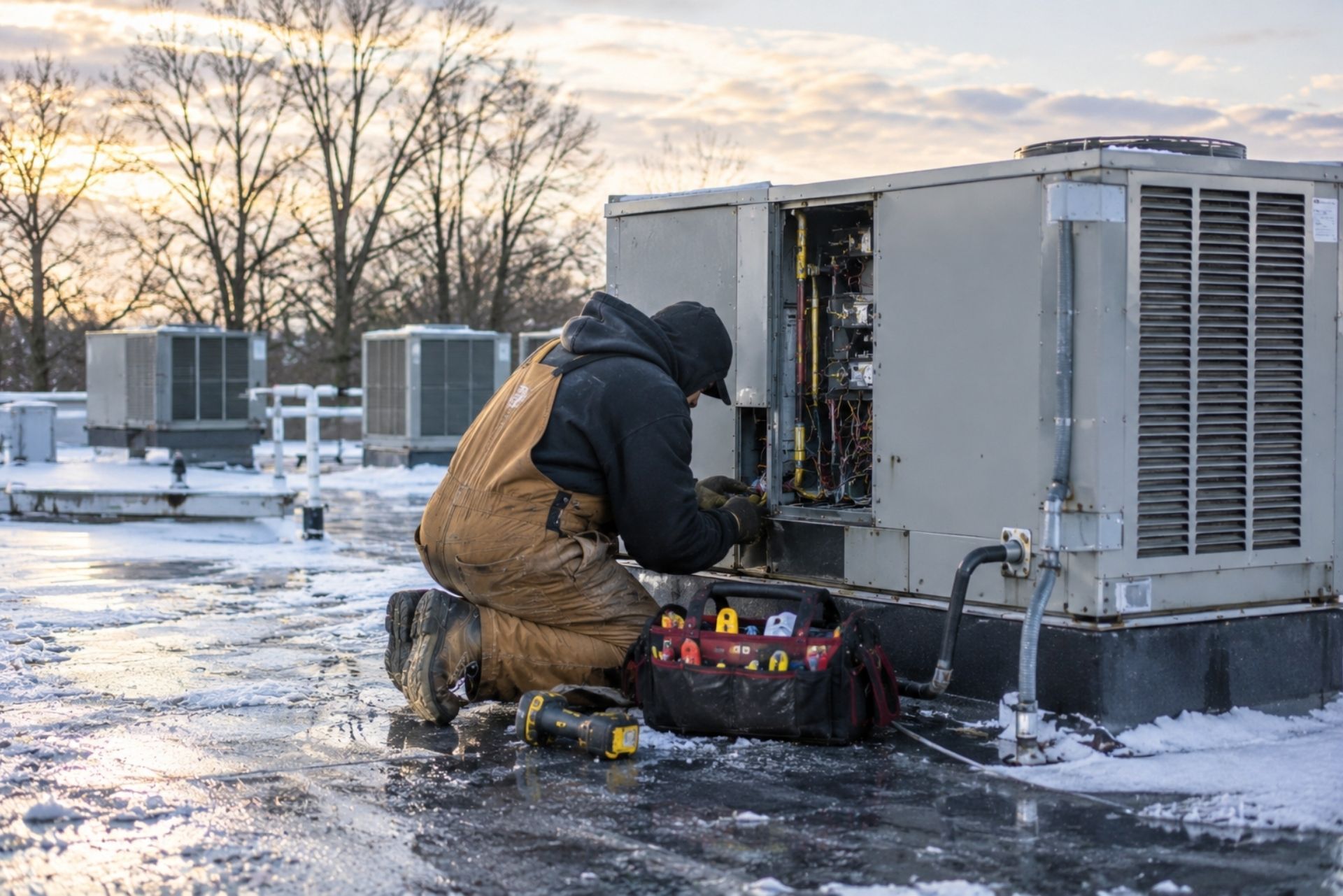
Fire and electrical claims follow closely. Loose connections that cause electrical arcing, phase imbalances on three-phase commercial equipment, and incorrectly sized breakers can lead to motor burnout, control board failure, or structural fire. Torque terminals to spec and record amperage readings at startup.
Carbon monoxide claims carry the highest severity. A cracked heat exchanger, improper venting, or inadequate combustion air can cause injury or death, with potential damages large enough to bankrupt a small contractor. Always run combustion analysis and document CO readings.
When a claim does occur, your evidence determines the outcome. Gather:
- Photographs of the failed equipment and installation
- Calibrated thermometer and gauge readings from startup
- Written diagnostic reports from the technician
- Signed work orders and customer acknowledgments
- Equipment serial numbers and manufacturer specifications
The catch is that this documentation must exist before the claim. Build it into every job ticket.
Frequently Asked Questions About HVAC Insurance
How much does a basic policy cost in Minneapolis?
Costs vary by payroll, revenue, services, and claims history, so no single figure applies. Request quotes from an independent agent who works with multiple carriers that write HVAC risks to compare accurately.
Do I need insurance if I only do residential repairs?
Yes. Residential repairs still create liability exposure for water damage, fire, and carbon monoxide, and the state bond requirement applies regardless of job type.
Does the $25,000 state bond count as insurance?
No. The bond protects customers from code violations, and you must repay the surety for any claims it pays.
What is completed operations coverage?
It covers damage that appears after you finish a job, such as a refrigerant leak or drainage failure discovered weeks later.
Do I need E&O coverage as an HVAC contractor?
You need it if your team designs systems, performs load calculations, or recommends equipment sizing for clients.
Will a high EMR affect my ability to win bids?
Often, yes. Many commercial general contractors prefer or require bidders with an EMR at or below 1.0.
Making the Right Choice for Your Business
The right package for a Minneapolis HVAC company starts with an honest look at your actual work: gas appliances, rooftop units, refrigerant handling, and winter emergency calls. Build your coverage around those exposures, with full completed operations limits, pollution and CO protection, replacement cost valuation on tools, and E&O if you do any design work.
Keep compliance separate in your mind. Your $25,000 state bond, Certificate of Competency, and EPA 608 certifications keep you legal, while your insurance keeps you solvent. Both deserve annual review.
Your next steps:
- Pull your loss runs: know your history before talking to agents
- Check your EMR: target a figure below 1.0
- Audit exclusions: look for CO, pollution, and completed operations limits
- Standardize job documentation: photos, readings, and signed tickets on every call
The best HVAC contractor insurance in Minneapolis, MN is the policy that pays when a February furnace failure turns into a lawsuit. Buy for that day, not for the lowest renewal number.
Recognized by National HVAC Trade Associations
These trusted organizations set best practices and standards that carriers rely on when underwriting HVAC risks.
Membership signifies adherence to HVAC industry standards and contractor best practices.
Coverage for Crews, Vehicles, and Tools
Insurance for HVAC Contractors
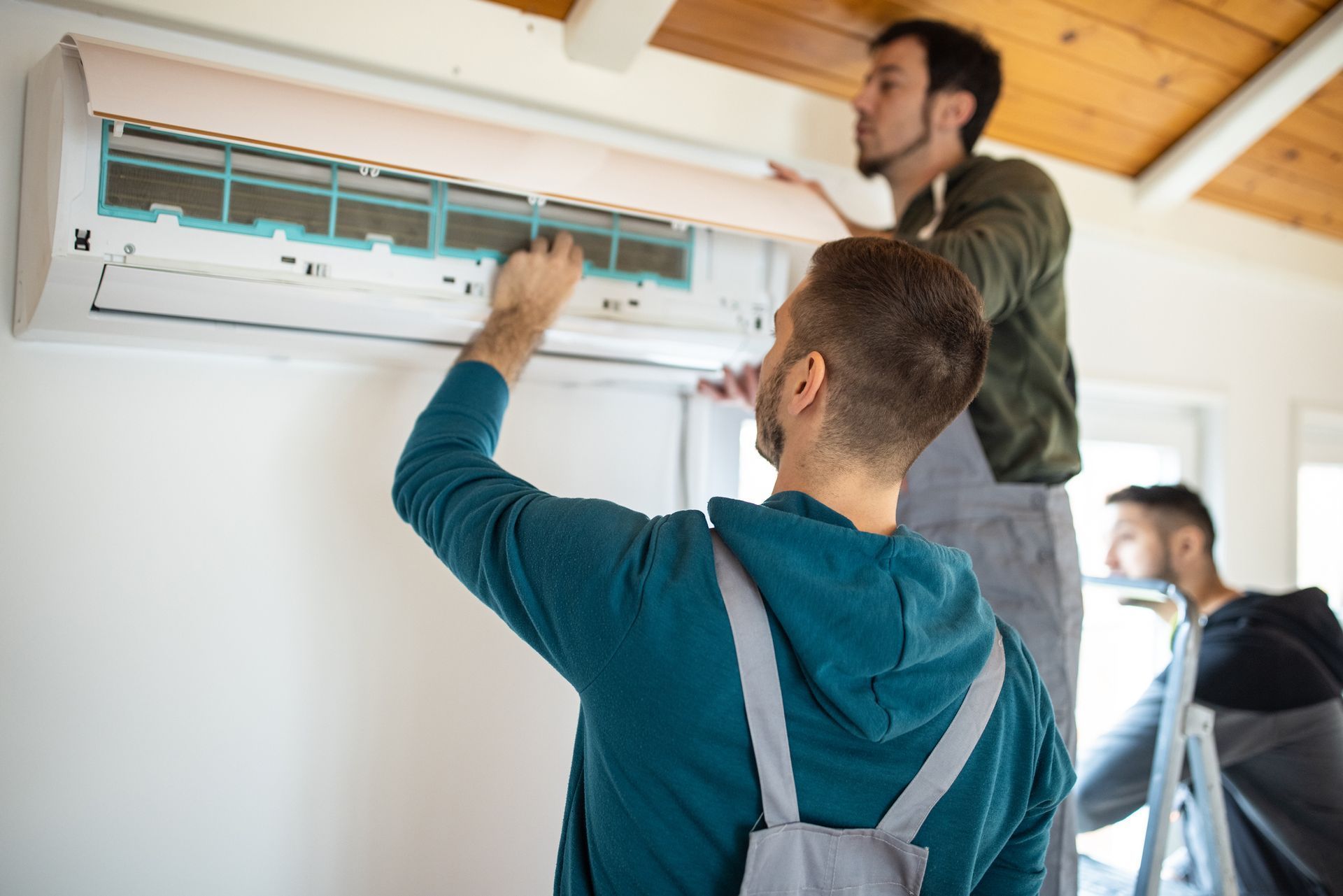
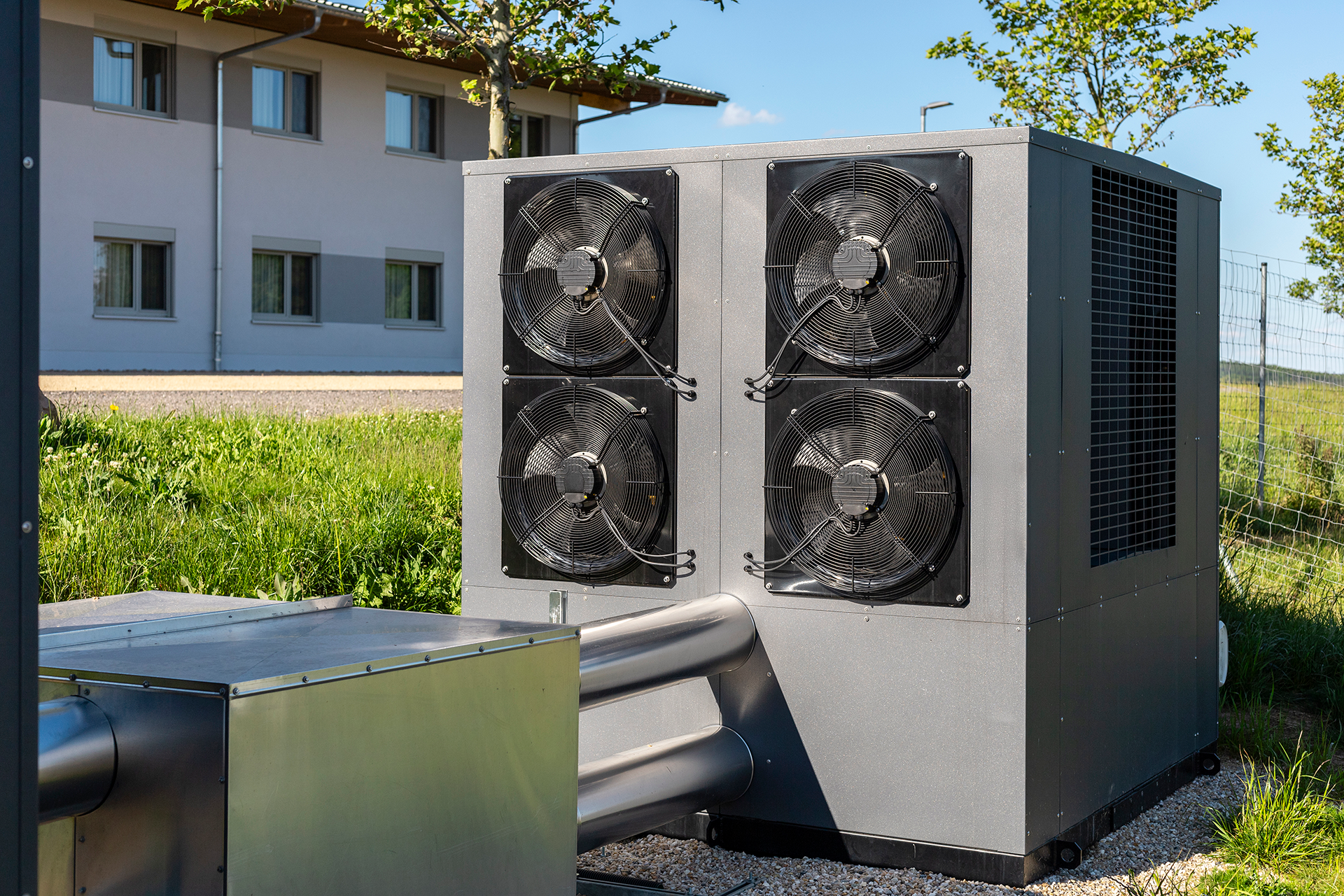
We provide business insurance designed for HVAC contractors. These policies protect your crew, vehicles, and tools while helping you meet project requirements. Every policy is explained clearly and delivered quickly so you can work without delays.

Resources
Insurance Tips for HVAC Contractors
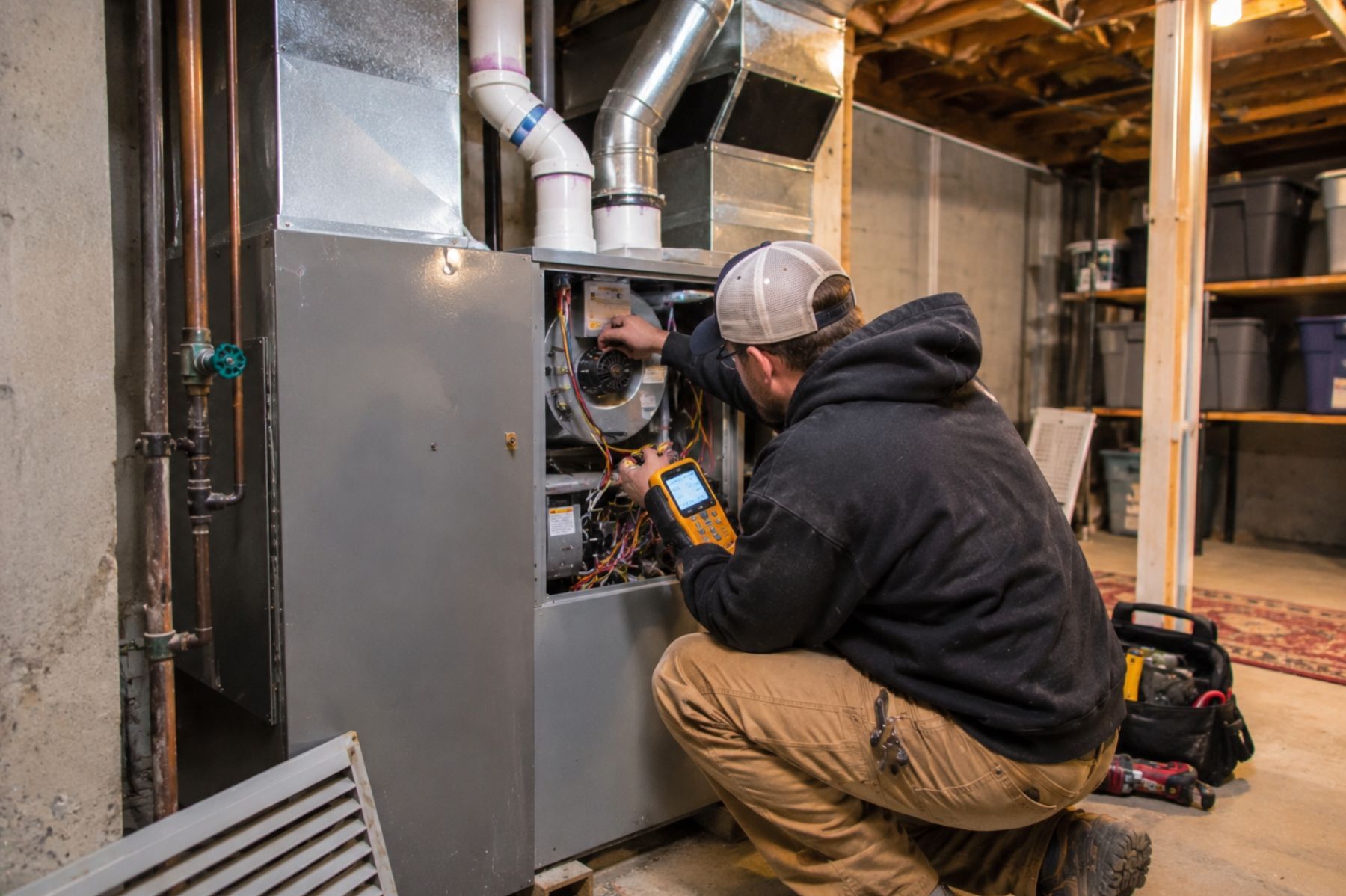
Our blog is built for contractors who want fast answers. Each article covers common questions and risks in under five minutes of reading.
Frequently Asked Question
Common HVAC Contractor Insurance Questions
These FAQs address common contractor questions. As HVACInsure grows, we will update this section with real client experiences and answers.
Why should an HVAC contractor use HVACInsure instead of a general agency?
Specialists understand jobsite requirements, certificate wording, and common endorsements for HVAC work. You get cleaner paperwork, faster approvals, and coverage that fits how your crews operate.
This reduces delays at the gate, avoids gaps, and helps you pass compliance checks the first time.
How fast can I get a Certificate of Insurance (COI)?
Most standard COIs are issued the same business day after binding or updates. If you need additional insured, primary/non-contributory, or waiver language, we prepare it correctly the first time.
Our goal is simple: get your crew on site without paperwork delays.
What coverages do HVAC contractors usually need?
Core policies include General Liability, Commercial Auto, Workers’ Comp, Property/Tools, Inland Marine, and Umbrella. Many projects require higher limits and specific endorsements.
We align your coverage with contract terms and explain each choice in plain language.
Will my tools and scheduled equipment be covered in vans or on jobsites?
Yes. Inland Marine (tools and equipment) can cover items in transit, stored in vehicles, or staged on site.
High-value items can be scheduled, and limits can match your daily field use to keep work moving.
Can I lower my premium without weakening protection?
Often, yes. Clean driver lists, accurate payrolls, safety programs, and bundling policies can help.
We review your profile, request carrier credits, and adjust limits and deductibles to control cost while meeting project requirements.
What should I do after a loss?
Contact us right away so we can file with the correct carrier and set expectations. We guide documentation, next steps, and follow-ups until closure.
Fast reporting and clear records help resolve claims sooner and keep your team focused on work.

Still have questions?
Can’t find the answer you’re looking for? Please chat to our friendly team!
Contact Us