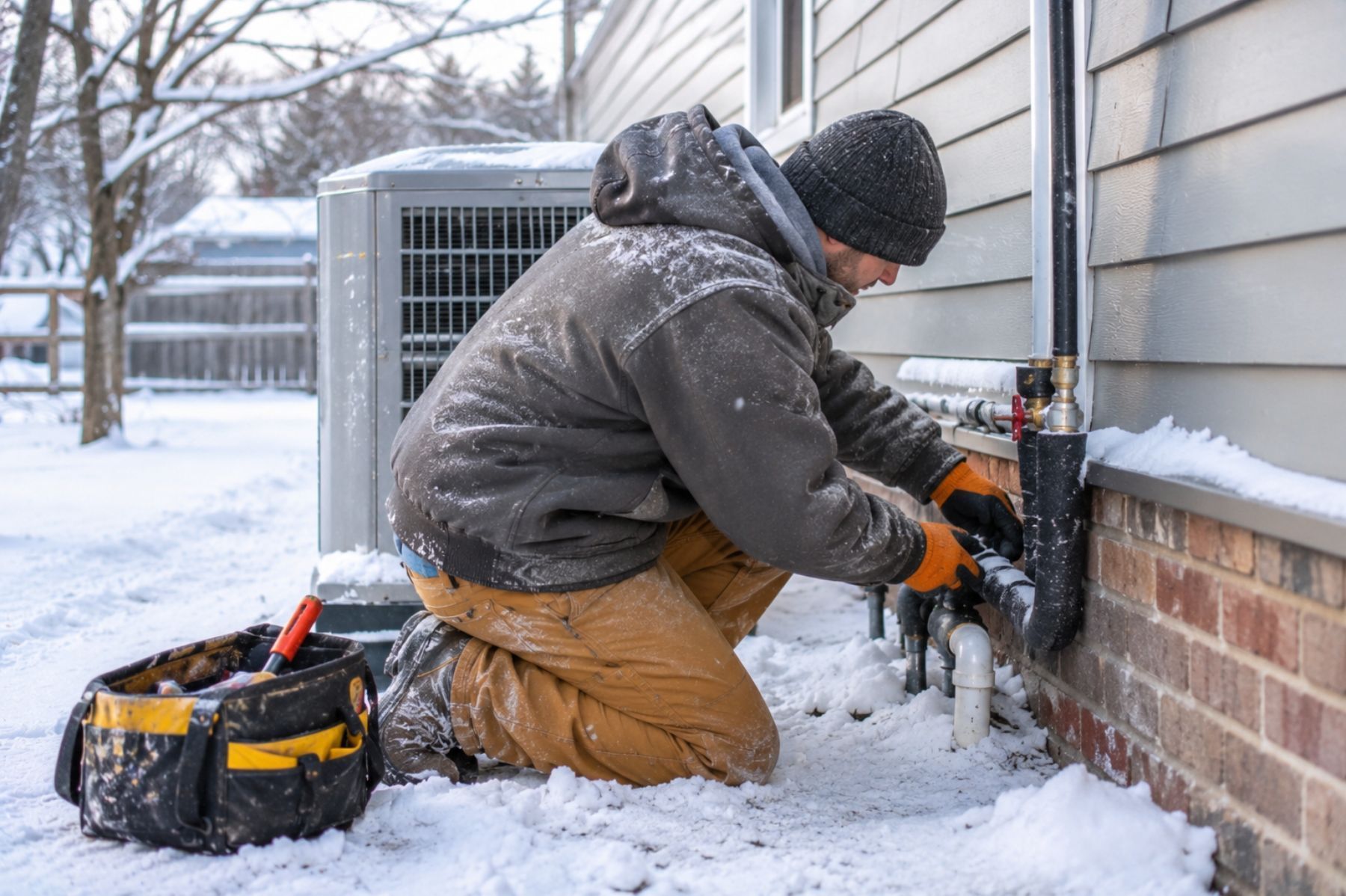
HVAC contractors in Salt Lake City work through inversion-season smog, triple-digit July heat, and January freezes that split heat exchangers. Each of those service calls carries real liability. One mistake, such as a cracked flue that leaks carbon monoxide or a condensate line that floods a finished basement, can cost more than a year of profit. With commercial building costs rising and state licensing rules changing in 2026, coverage requirements are no longer something you can set once and ignore. This guide to
HVAC contractor insurance in Salt Lake City, UT covers the policies Utah requires and the gaps that tend to cause trouble. It also explains how to match coverage to the size of your crew and fleet.
Essential Insurance Coverages for Salt Lake City HVAC Businesses
Your policy stack has to satisfy state regulators, general contractors, and your own balance sheet. Utah sets minimums that apply to every licensed shop. Commercial clients usually ask for more than those minimums.
General Liability and Property Damage
As of April 20, 2026, DOPL raised the required general liability minimum for HVAC contractors to $1,000,000 per occurrence and $2,000,000 aggregate. If your current policy has lower limits, you need to update it before your renewal date.
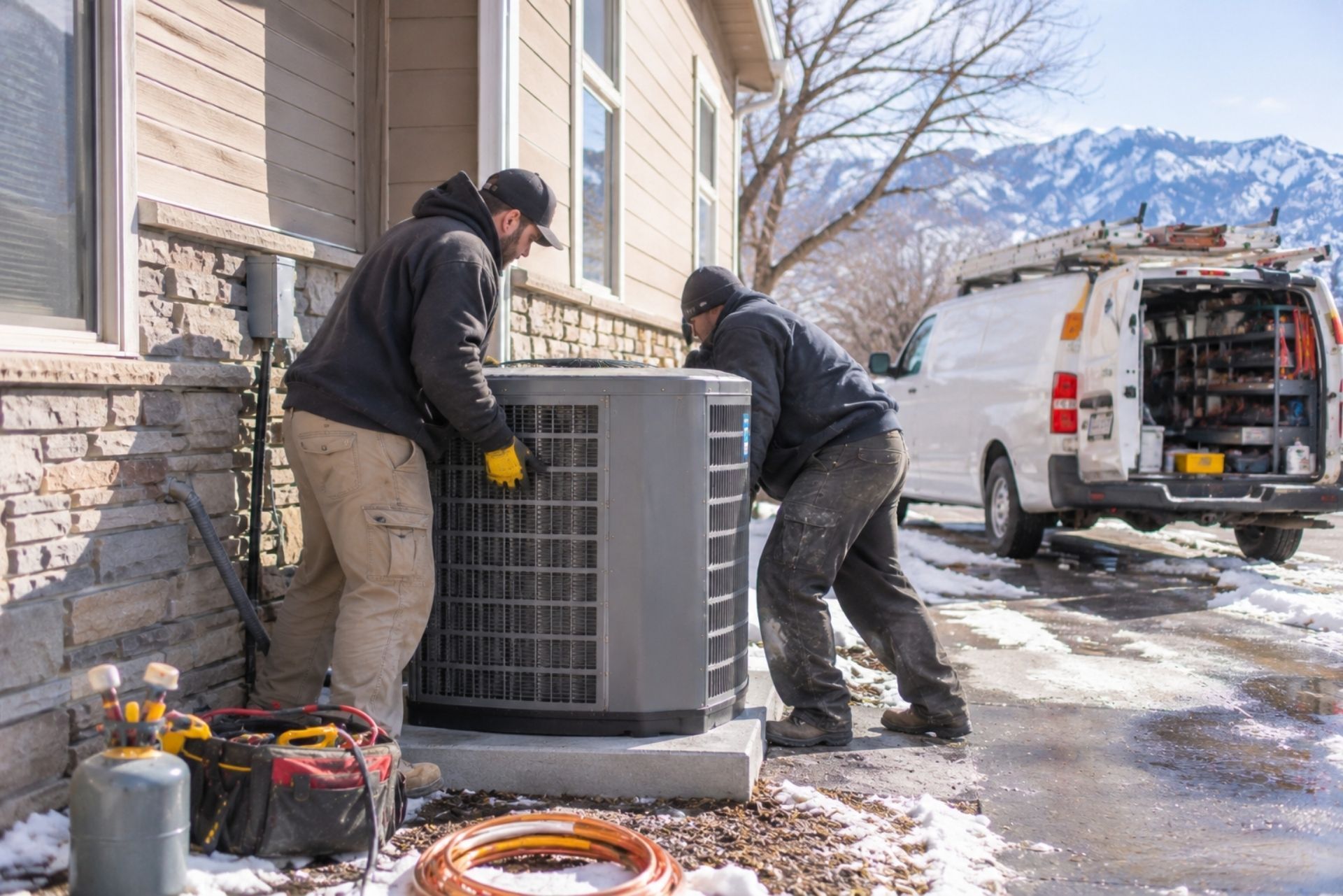
General liability covers third-party bodily injury and property damage. Common examples include a technician's ladder gouging hardwood floors or a brazing torch scorching a wall cavity. The most important part of the policy is completed operations coverage. This protects you when the damage appears weeks after the job is finished, for example a refrigerant leak at a poorly brazed joint or a condensate drain that backs up into a ceiling. Many low-cost policies limit or exclude this coverage, so read the endorsements before you sign.
Workers' Comp and Utah State Requirements
Utah requires workers' compensation for nearly all employers, and the Labor Commission's employer guide explains who must be covered. For injuries that occur between July 1, 2026, and June 30, 2027, the maximum Temporary Total Disability benefit is $1,376 per week.
The new H100 HVAC Contractor license replaced the S350 classification. It carries its own insurance and certification mandates. Qualifiers must also document 4,000 hours of supervised HVAC work and pass trade, business, and law exams.
You should also track your Experience Modification Rate (EMR). A score below 1.0 lowers your premiums. A score above 1.0 raises them and can disqualify you from commercial bids. If you ever sell the company, a buyer will review this number closely.
HVACInsure is fully licensed and permitted to sell contractor and commercial insurance in Texas.
We proudly serve clients throughout Texas and maintain partnerships with local Texas insurance carriers to ensure HVAC professionals receive compliant, affordable, and comprehensive coverage that meets project and regulatory requirements.
Comparing Basic vs. Comprehensive HVAC Policies
Local A basic package keeps you licensed. A comprehensive package keeps you in business after a serious claim. The table below shows the difference.
| Coverage Area | Basic Policy | Comprehensive Policy |
|---|---|---|
| General Liability | State minimum | $1M/$2M plus umbrella |
| Completed Operations | Limited or excluded | Full coverage |
| Tools & Equipment | Not included | Inland marine, replacement cost |
| Commercial Auto | Liability only | Liability, physical damage, hired/non-owned |
| Pollution Liability | Excluded | Refrigerant and mold coverage |
| Professional Liability (E&O) | Not included | Covers load calcs and system design |
The gap matters more in 2026. Salt Lake City's
non-residential construction costs rose 7.87% year-over-year as of September, the fastest increase of any major metro. Repairs on claims cost more as a result. If your tools are insured at actual cash value, you will receive a depreciated payout that falls well short of the cost to replace a stolen vacuum pump or recovery machine.
Common Questions About HVAC Insurance in Utah
Do I need workers' comp if I only have one employee? Generally, yes. Utah requires coverage for most employers no matter how small the business is.
Does general liability cover a compressor I installed that fails? No. It covers damage that the failure causes, such as water damage. It does not cover replacing the faulty equipment itself.
Will my personal auto policy cover my service van? Usually not. Personal policies often deny claims for vehicles used for business, so you need a commercial auto policy.
What evidence helps a claim get paid? Take dated photos of the failed components and keep calibrated pressure and temperature readings. A written diagnostic report from a technician also helps document whether the cause was electrical arcing, a phase imbalance, or motor burnout.
Do I need E&O if I only install systems? If you size equipment or design ductwork, you do. An undersized system that fails to heat a home is a design claim, and general liability does not cover it.
Making the Right Choice for Your Local Fleet and Crew
The size of your operation should drive your limits. A two-van residential shop faces different risks than a 20-technician crew working on high-rise mechanical systems. The City's $2.1 billion FY 2026-27 budget prioritizes infrastructure and emergency response for new high-rise developments. That means more commercial work is coming, and those contracts will require higher limits and additional-insured endorsements.
Keep these points in mind when you choose your policies:
- Fleet: Schedule every vehicle and add hired/non-owned auto coverage.
- Equipment: Insure tools at replacement cost, since a full trailer of gear can cost $25,000 to $50,000 to replace.
- Crew growth: Report payroll changes promptly so you avoid audit surprises.
- Contracts: Review indemnity clauses before you sign them.
The best HVAC insurance in Salt Lake City meets DOPL's new $1M/$2M minimums, includes completed operations coverage, and fits the work you plan to take on. Treat your coverage as an asset. A strong policy stack, combined with a clean EMR, helps you win commercial bids and increases what your business is worth to a buyer.
Before your next renewal, compare your current declarations page against the 2026 requirements. Then request quotes for
umbrella coverage and E&O. A short review now costs far less than an uncovered claim later.
Recognized by National HVAC Trade Associations
These trusted organizations set best practices and standards that carriers rely on when underwriting HVAC risks.
Membership signifies adherence to HVAC industry standards and contractor best practices.
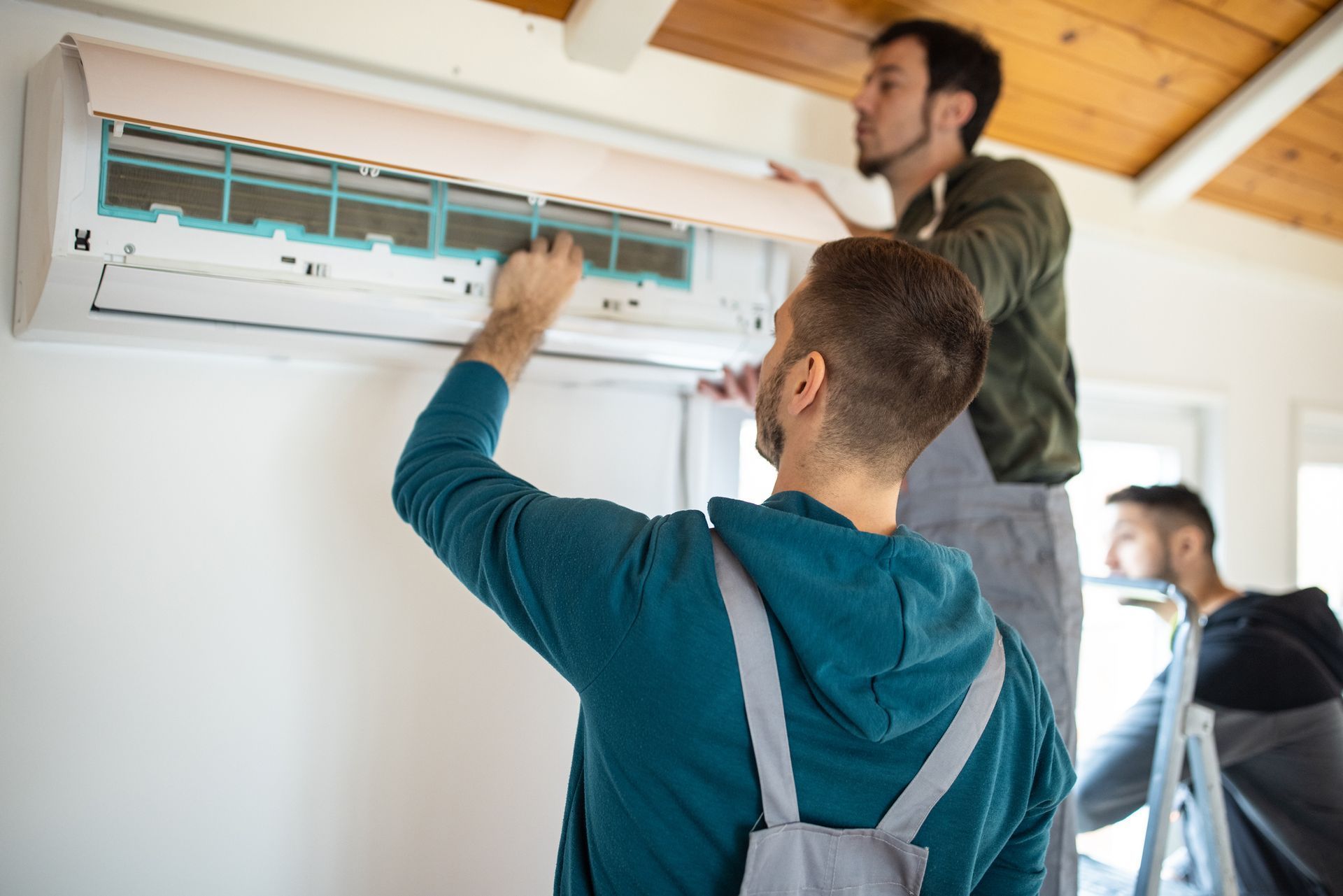
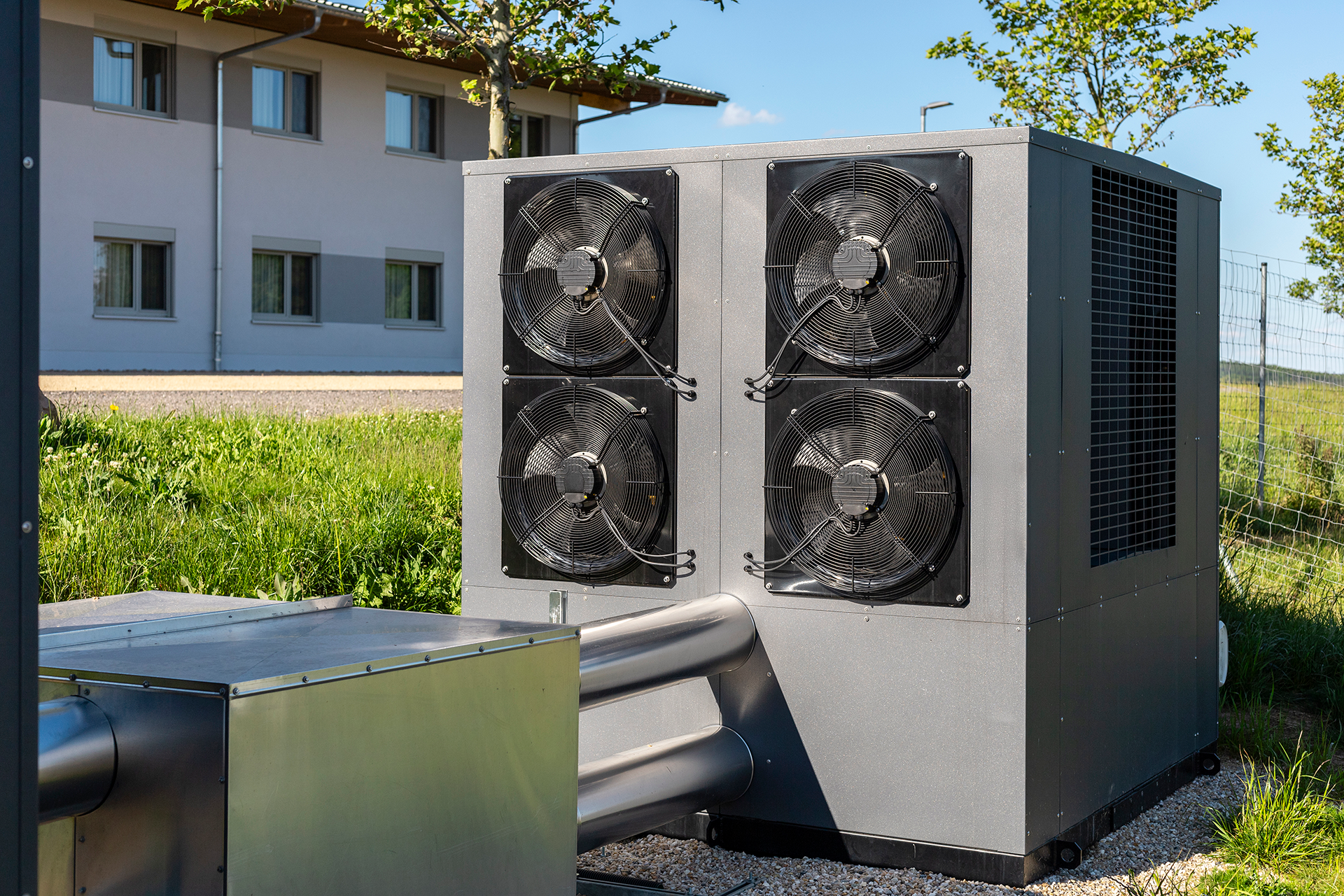
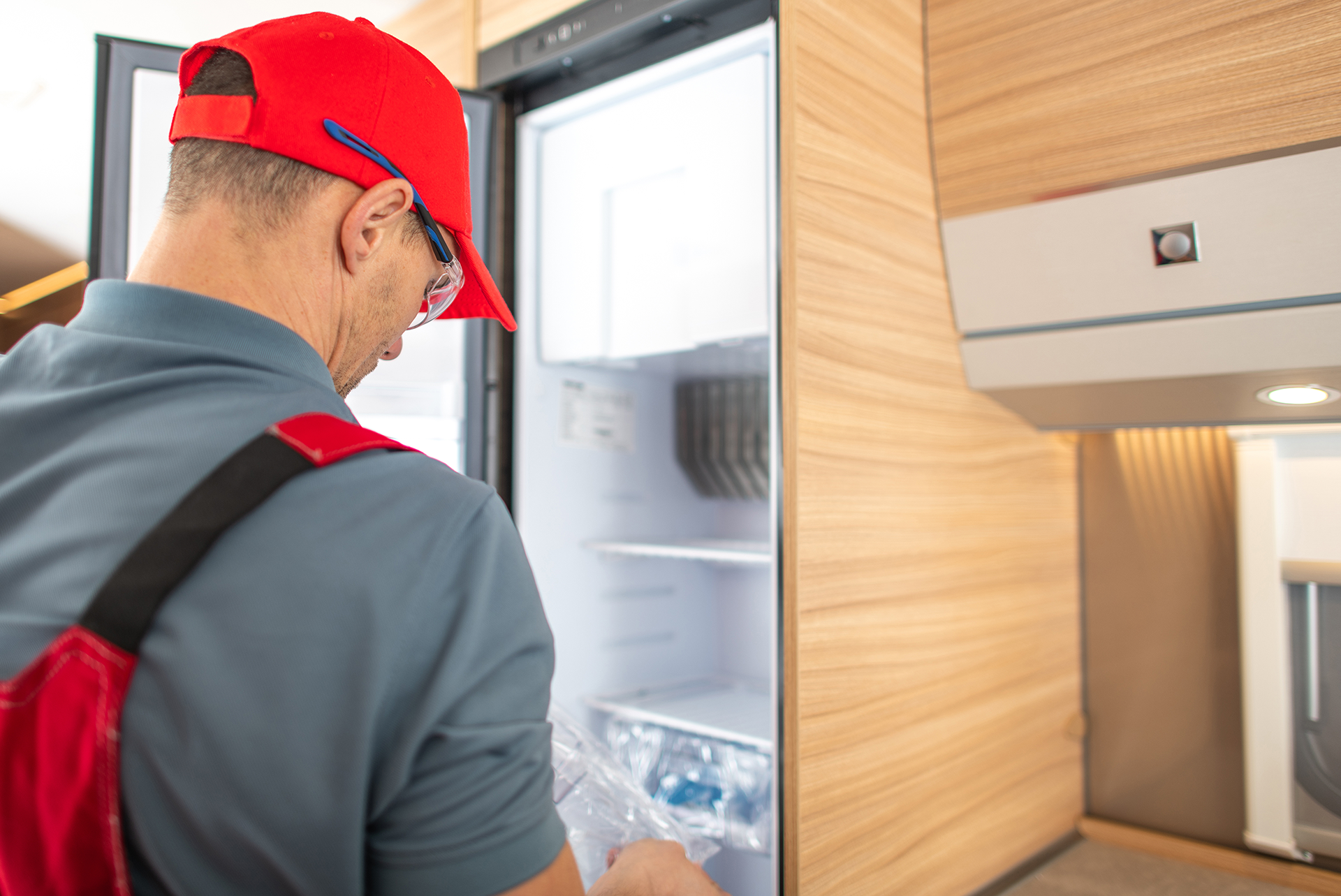
Coverage for Crews, Vehicles, and Tools
Insurance for HVAC Contractors
We provide business insurance designed for HVAC contractors. These policies protect your crew, vehicles, and tools while helping you meet project requirements. Every policy is explained clearly and delivered quickly so you can work without delays.
Resources
Insurance Tips for HVAC Contractors
Our blog is built for contractors who want fast answers. Each article covers common questions and risks in under five minutes of reading.
Frequently Asked Question
Common HVAC Contractor Insurance Questions
These FAQs address common contractor questions. As HVACInsure grows, we will update this section with real client experiences and answers.
Why should an HVAC contractor use HVACInsure instead of a general agency?
Specialists understand jobsite requirements, certificate wording, and common endorsements for HVAC work. You get cleaner paperwork, faster approvals, and coverage that fits how your crews operate.
This reduces delays at the gate, avoids gaps, and helps you pass compliance checks the first time.
How fast can I get a Certificate of Insurance (COI)?
Most standard COIs are issued the same business day after binding or updates. If you need additional insured, primary/non-contributory, or waiver language, we prepare it correctly the first time.
Our goal is simple: get your crew on site without paperwork delays.
What coverages do HVAC contractors usually need?
Core policies include General Liability, Commercial Auto, Workers’ Comp, Property/Tools, Inland Marine, and Umbrella. Many projects require higher limits and specific endorsements.
We align your coverage with contract terms and explain each choice in plain language.
Will my tools and scheduled equipment be covered in vans or on jobsites?
Yes. Inland Marine (tools and equipment) can cover items in transit, stored in vehicles, or staged on site.
High-value items can be scheduled, and limits can match your daily field use to keep work moving.
Can I lower my premium without weakening protection?
Often, yes. Clean driver lists, accurate payrolls, safety programs, and bundling policies can help.
We review your profile, request carrier credits, and adjust limits and deductibles to control cost while meeting project requirements.
What should I do after a loss?
Contact us right away so we can file with the correct carrier and set expectations. We guide documentation, next steps, and follow-ups until closure.
Fast reporting and clear records help resolve claims sooner and keep your team focused on work.

Still have questions?
Can’t find the answer you’re looking for? Please chat to our friendly team!
Contact Us