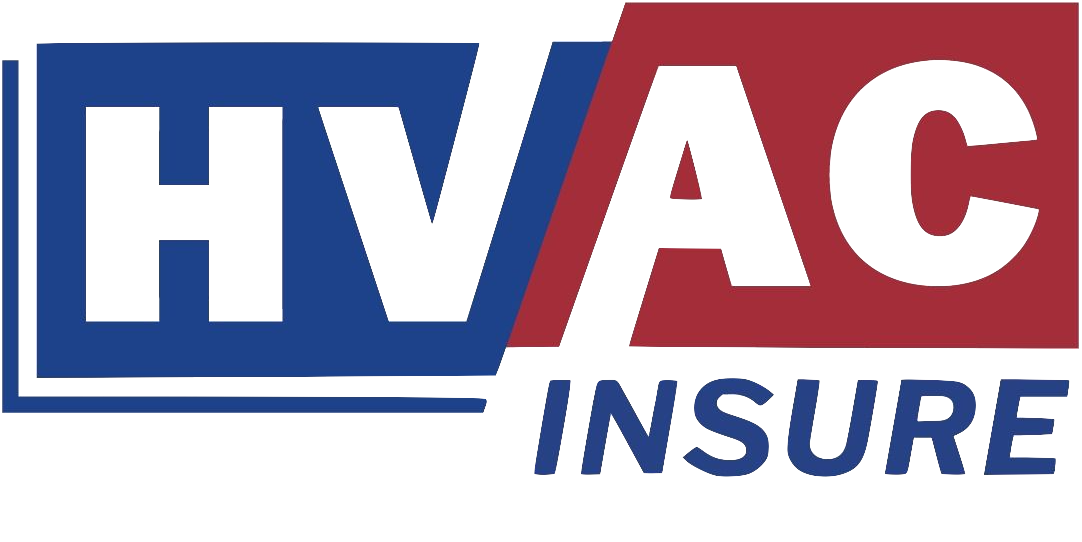
Picture a Memphis technician brazing a line set in an attic in late July. A torch flame catches old insulation, and smoke damage spreads through a Germantown home before the fire department arrives. Moments like this decide whether your company survives the year. The right HVAC contractor insurance in Memphis, TN is what keeps a single bad afternoon from becoming a bankruptcy filing.
Shelby County contractors face a particular mix of pressures. Brutal summer humidity drives emergency call volume, ice storms bring winter rushes, and older housing stock hides wiring and ductwork surprises behind every wall. Clients, general contractors, and permit offices all expect proof of coverage before you touch a job.
This guide is written for owners who want straight answers. It covers what Tennessee requires, where standard policies leave gaps, and how to build protection that fits a
Mid-South service business. Last Updated: 2026.
Essential Insurance for HVAC Professionals in Memphis
Insurance for a Memphis HVAC company is not a single policy. It is a stack of coverages, and each one answers a different question: who pays when a client's property is damaged, when an employee is hurt, when a van is totaled, or when a $3,000 to $10,000 technician kit disappears from a job site.
Local compliance starts before the first service call. HVAC contractors in Memphis and Shelby County must register through the Develop901 portal to provide proof of insurance and pull mechanical permits. If your certificate lapses, your permit access can stall, and so can your revenue.
Work inspected locally is also held to current standards, since Memphis and Shelby County now enforce the 2021 Edition of the ICC International Building Code with local amendments. Code-related rework disputes often turn into liability claims.
One thing to keep in mind: insurance also affects business value. A clean loss history and properly structured coverage make your company more attractive to buyers, lenders, and commercial clients who vet subcontractors carefully.
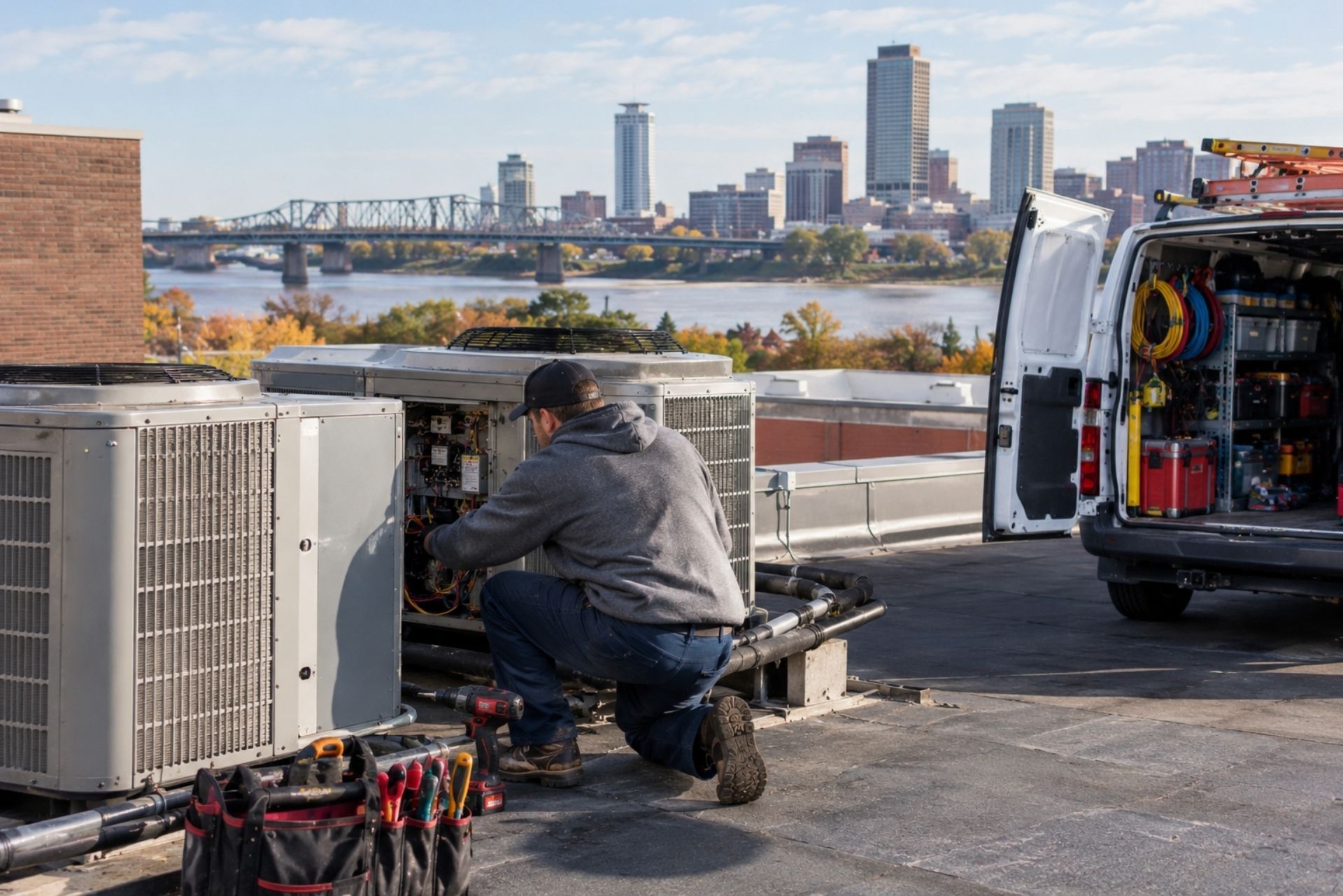
HVACInsure is fully licensed and permitted to sell contractor and commercial insurance in Texas.
We proudly serve clients throughout Texas and maintain partnerships with local Texas insurance carriers to ensure HVAC professionals receive compliant, affordable, and comprehensive coverage that meets project and regulatory requirements.
Core Coverage Types and Tennessee Requirements
Tennessee sets minimums, but minimums are a floor, not a strategy. The two coverages below carry legal weight, so treat them as non-negotiable.
General Liability and Property Damage
General liability pays for third-party bodily injury and property damage. Think of a condensate line you installed that backs up and ruins hardwood floors, or a customer who trips over your hose in a driveway.
Tennessee ties required limits to your license. HVAC contractors must carry general liability that scales with their monetary limit, ranging from $100,000 for limits up to $500,000 to $1,000,000 for unlimited licenses. Many commercial clients will demand more than the state minimum.
Pay close attention to completed operations coverage. A refrigerant leak at a brazed joint may not show up for months, and a poorly pitched condensate drain can cause mold long after you've been paid. Completed operations coverage responds to these delayed claims. Without it, you own the loss.
The state also updated licensing flexibility. As of July 1, 2026, contractors can submit a board-approved surety bond of at least 50% of their requested monetary limit instead of CPA-reviewed financial statements.
Workers' Compensation and State Compliance
Tennessee treats construction differently from most industries. All construction service providers must carry workers' compensation if they have one or more employees, including part-time and seasonal workers. That summer helper counts.
Your Experience Modification Rate (EMR) matters here. An EMR of 1.0 is the industry average. Above 1.0, you pay more and may lose bids. Below 1.0, you gain a pricing edge. If you ever sell your company, buyers will review your EMR because a high rate signals safety problems they will inherit.
Comparing Basic vs. Comprehensive HVAC Protection
Many solo operators buy the cheapest policy that satisfies licensing. Annual general liability premiums for solo HVAC operators in Tennessee can run as low as $430 to $780. That price is real, but it rarely covers the losses that actually close businesses.
| Coverage Area | Basic Protection | Comprehensive Protection |
|---|---|---|
| General Liability | State minimum | Higher limits plus umbrella |
| Completed Operations | Often limited | Included, aggregate-protected |
| Tools and Equipment | Not covered | Inland marine, replacement cost |
| Vehicles | Personal auto (risky) | Commercial auto, hired/non-owned |
| Workers' Comp | Owner exempt only | All employees covered |
| Professional Liability (E&O) | Excluded | Covers load calcs, design advice |
Here's what that means for you: if you size systems, run Manual J calculations, or advise on duct design, E&O fills a gap general liability leaves open. An undersized unit that never keeps a commercial space cool is a professional error, not property damage.
Review valuations yearly. As one industry source puts it, "accurate assessments ensure claims reflect true replacement costs, preventing contractors from absorbing the difference" between outdated limits and current prices.
Managing Risks Specific to the Mid-South Climate
Memphis summers push equipment and crews to the limit, and storm season adds hail, wind, and flooding. Your coverage should reflect how and where you actually work.
Inland Marine and Tool Coverage
Commercial property policies typically cover items at your shop, not in a truck or on a job site. Inland marine coverage follows your gear. A fully equipped service setup, including gauges, vacuum pumps, recovery machines, and brazing kits, can easily represent $3,000 to $10,000 in replacement value.
Choose replacement cost over actual cash value. Actual cash value deducts depreciation, so a three-year-old recovery unit might pay out a fraction of a new one's price. Know your exclusions too: wear, gradual deterioration, and inherent vice are generally not covered, while external perils like theft, fire, and collision are.
To support a claim, keep:
- Serial number inventory with purchase receipts
- Dated photographs of tools and trailers
- Police reports filed promptly after theft
Commercial Auto for Service Fleets
Personal auto policies commonly exclude business use. If a technician rear-ends someone on Poplar Avenue while heading to a call, a personal carrier may deny the claim outright.
Commercial auto covers your vans and the equipment-related liability that comes with them. Add hired and non-owned auto coverage if employees ever drive their own vehicles for parts runs. This matters because a single injury lawsuit can far exceed basic auto limits, which is where an umbrella policy earns its cost.
Common Questions About Memphis HVAC Insurance
Do I need workers' comp if I only hire seasonal help? Yes. Tennessee requires coverage for construction businesses with one or more employees, and part-time and seasonal workers count.
Will general liability pay if a compressor I installed fails? Usually not. General liability covers damage the failure causes, such as water damage, not the cost of replacing the failed compressor or control board itself.
Does my policy cover a leak discovered after I finish a job? Only if you carry completed operations coverage. Confirm it is included and check its aggregate limit.
Is the state minimum enough for commercial jobs? Often not. Many general contractors and property managers require higher limits and an additional insured endorsement before you start work.
What evidence helps an equipment claim get paid? Photographs of the failed unit, calibrated thermometer or gauge readings, and a written diagnostic report from your technician give adjusters clear documentation.
How do I submit proof of insurance in Memphis? You upload certificates through the Develop901 portal when registering and pulling mechanical permits.
Making the Right Choice for Your Business
Strong coverage in Shelby County begins with state requirements: general liability matched to your license limit and workers' compensation for every employee. From there, the real protection comes from closing gaps that basic policies ignore, including completed operations, inland marine, commercial auto, and E&O for design work.
Your next steps:
- Audit current limits against your license tier
- Confirm completed operations coverage and aggregates
- Inventory tools at replacement cost
- Review your EMR and safety program
- Update valuations each renewal
Treat insurance as a business asset rather than a bill. Request quotes from an independent agent who understands Tennessee contractor rules, and compare policy wording, not just premiums. The cheapest policy only looks affordable until the day you file a claim.
Recognized by National HVAC Trade Associations
These trusted organizations set best practices and standards that carriers rely on when underwriting HVAC risks.
Membership signifies adherence to HVAC industry standards and contractor best practices.
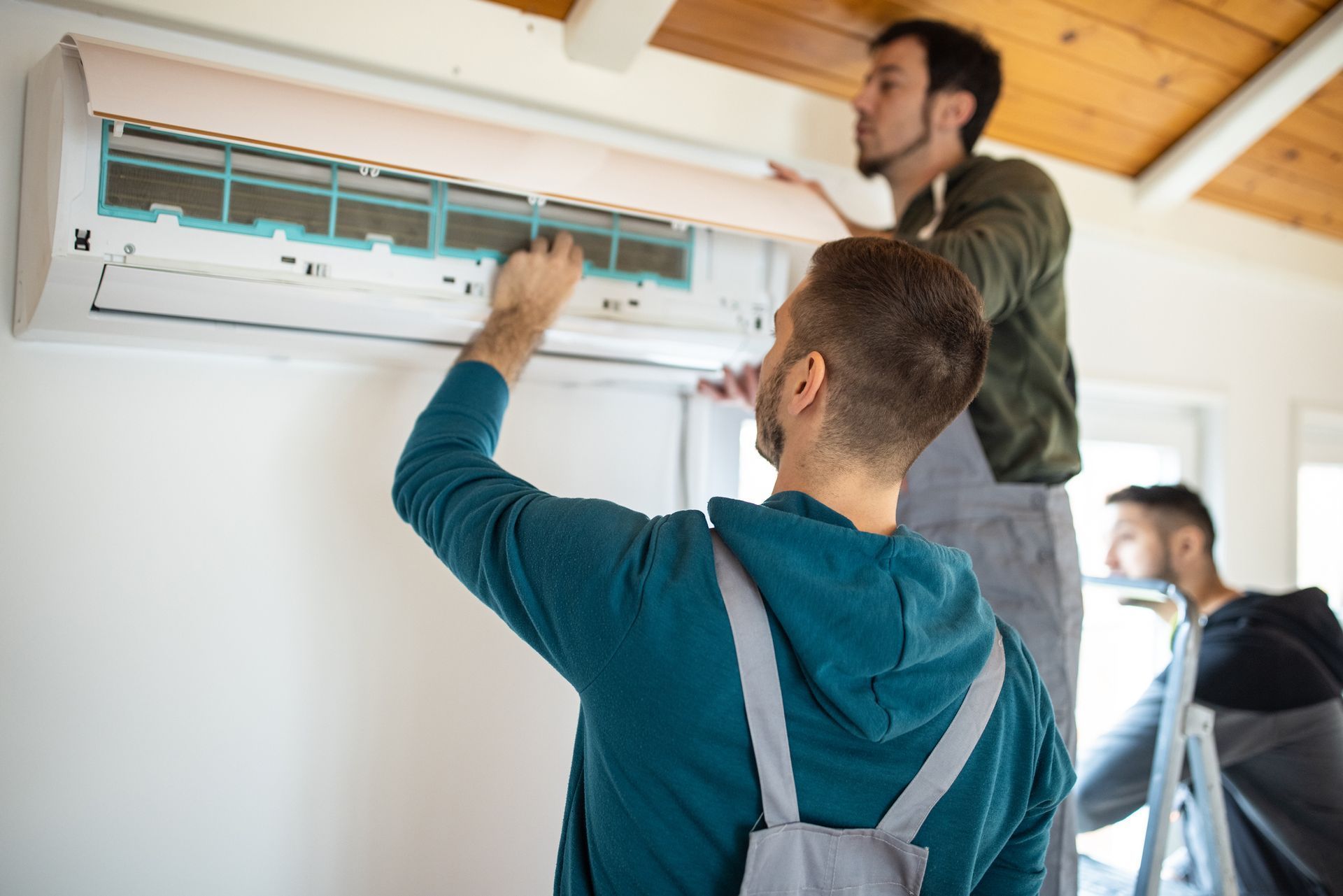
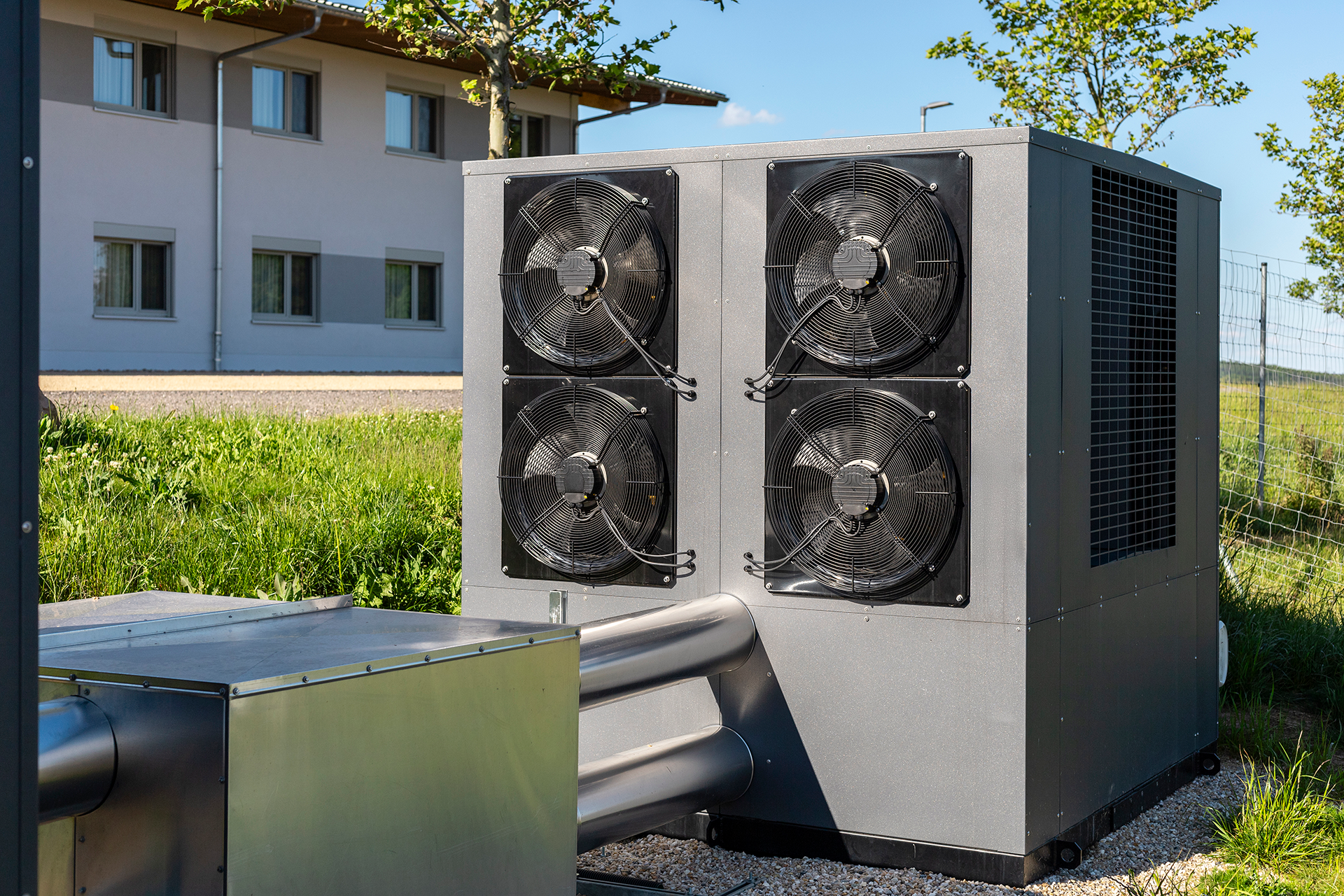
Coverage for Crews, Vehicles, and Tools
Insurance for HVAC Contractors
We provide business insurance designed for HVAC contractors. These policies protect your crew, vehicles, and tools while helping you meet project requirements. Every policy is explained clearly and delivered quickly so you can work without delays.

Resources
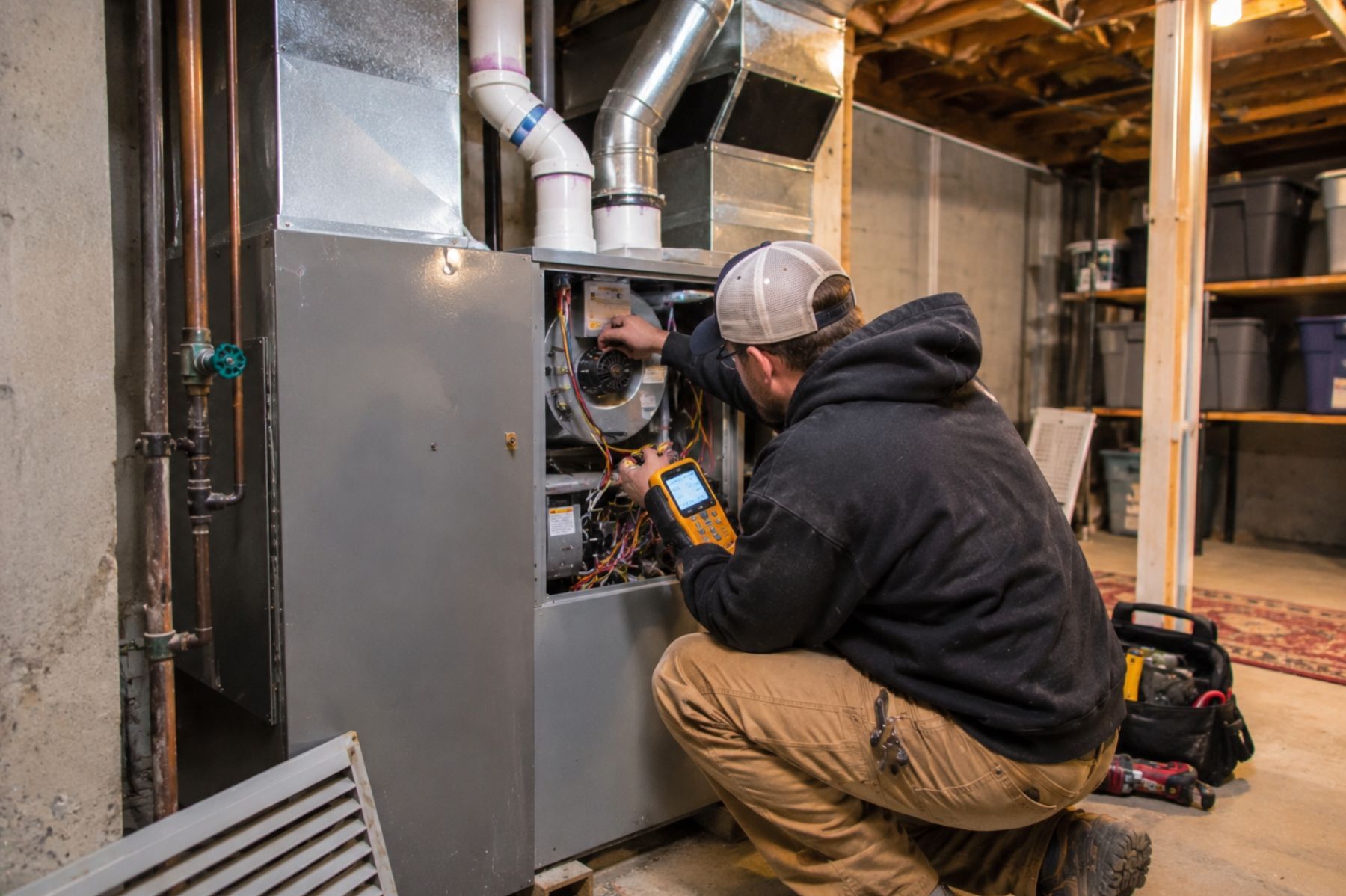
Insurance Tips for HVAC Contractors
Our blog is built for contractors who want fast answers. Each article covers common questions and risks in under five minutes of reading.
Frequently Asked Question
Common HVAC Contractor Insurance Questions
These FAQs address common contractor questions. As HVACInsure grows, we will update this section with real client experiences and answers.
Why should an HVAC contractor use HVACInsure instead of a general agency?
Specialists understand jobsite requirements, certificate wording, and common endorsements for HVAC work. You get cleaner paperwork, faster approvals, and coverage that fits how your crews operate.
This reduces delays at the gate, avoids gaps, and helps you pass compliance checks the first time.
How fast can I get a Certificate of Insurance (COI)?
Most standard COIs are issued the same business day after binding or updates. If you need additional insured, primary/non-contributory, or waiver language, we prepare it correctly the first time.
Our goal is simple: get your crew on site without paperwork delays.
What coverages do HVAC contractors usually need?
Core policies include General Liability, Commercial Auto, Workers’ Comp, Property/Tools, Inland Marine, and Umbrella. Many projects require higher limits and specific endorsements.
We align your coverage with contract terms and explain each choice in plain language.
Will my tools and scheduled equipment be covered in vans or on jobsites?
Yes. Inland Marine (tools and equipment) can cover items in transit, stored in vehicles, or staged on site.
High-value items can be scheduled, and limits can match your daily field use to keep work moving.
Can I lower my premium without weakening protection?
Often, yes. Clean driver lists, accurate payrolls, safety programs, and bundling policies can help.
We review your profile, request carrier credits, and adjust limits and deductibles to control cost while meeting project requirements.
What should I do after a loss?
Contact us right away so we can file with the correct carrier and set expectations. We guide documentation, next steps, and follow-ups until closure.
Fast reporting and clear records help resolve claims sooner and keep your team focused on work.

Still have questions?
Can’t find the answer you’re looking for? Please chat to our friendly team!
Contact Us