EPA Refrigerant Recordkeeping and HVAC Contractor Liability: Section 608 Rules, Leak Repair Logs, Fines, and Pollution Coverage
See How We're Different
or call us: 888-862-1202
Picture a service call at a grocery store where your technician tops off a walk-in cooler holding 22 pounds of R-404A, writes "added refrigerant" on a work order, and moves on. Two years ago, that system might have fallen outside federal leak repair rules entirely. In 2026, that same visit can create a documentation gap that exposes your company to an EPA enforcement action and an uninsured cleanup bill.
Refrigerant compliance used to feel like a large-commercial problem. It no longer is. The threshold changes that took effect this year pulled thousands of mid-sized rooftop units, reach-in systems, and light commercial equipment into the
regulated category.
This guide to EPA refrigerant recordkeeping and
contractor liability covers the paperwork your techs must produce and the leak repair logs regulators expect. It also explains how violations ripple into your insurance program and why
pollution coverage
deserves a line item in your budget.
Understanding Section 608 and HVAC Contractor Liability
Section 608 of the Clean Air Act governs how technicians handle ozone-depleting refrigerants and their substitutes. It covers certification, recovery equipment, venting prohibitions, and service practices. The American Innovation and Manufacturing (AIM) Act layered HFC-specific rules on top of that framework. For a working contractor, the two programs now function as one compliance system.
The biggest shift arrived on January 1, 2026. The EPA lowered the threshold for mandatory leak repair and recordkeeping from 50 pounds to 15 pounds for systems using HFCs or substitutes with a Global Warming Potential (GWP) greater than 53. That single change captured a large share of the light commercial equipment your crews service every week.
Liability attaches in several directions at once. The equipment owner holds primary responsibility for repair timelines, but you, as the contractor, create the records that prove compliance. If your technician fails to calculate a leak rate, vents refrigerant during recovery, or skips a verification test, your company can become a party to the violation.
That said, regulatory exposure is only one layer. A client facing an EPA inquiry will often look for someone else to blame. Expect three common pressure points:
- Regulatory liability: Direct penalties for improper venting, missing records, or uncertified work.
- Contractual liability: Indemnity clauses in service agreements that shift compliance costs onto you.
- Third-party liability: Claims from building occupants or neighbors after a refrigerant release.
The catch is that most contractors only discover the contractual layer after a client's attorney sends a tender letter. Read your service agreements now, before a leak forces the issue.
The Essentials of EPA Refrigerant Recordkeeping
Recordkeeping is where compliance is won or lost. An inspector cannot see whether your technician performed a proper leak check last March. They can only see what was written down. If the log is incomplete, regulators treat the work as if it never happened.
Every regulated service event should generate a record that captures who did the work, what equipment was involved, how much refrigerant moved in or out, and why. Technicians are now legally required to calculate and document the leak rate every time refrigerant is added to any regulated appliance with a charge of 15 pounds or more. That requirement applies to routine top-offs, not just major repairs.
One thing to keep in mind: the record follows the equipment, not your company. If a customer switches contractors, the next service provider inherits your documentation. Sloppy entries become evidence in someone else's file.
Detailed Requirements for Leak Repair Logs
A defensible leak repair log contains more than a pound count. Build your templates around these fields:
- Appliance identification: Location, serial number, refrigerant type, and full charge.
- Date and quantity added: Recorded to the ounce where possible.
- Calculated leak rate: Using the annualizing or rolling average method, with the method noted.
- Leak location: Specific component, such as a cracked flare fitting, a brazed joint on the suction line, or a failed Schrader core.
- Repair performed: Parts replaced and technician name and certification number.
- Verification tests: Initial and follow-up results confirming the repair held.
Leak rate triggers matter because they start the repair clock. Mandatory repair trigger rates are set at 10% for comfort cooling, 20% for commercial refrigeration, and 30% for industrial process refrigeration. A 20-pound rooftop unit losing three pounds in a short period can cross the comfort cooling line quickly.
Good vs. Bad Example:
- Bad: "Added 3 lbs R-410A. Possible leak at condenser."
- Good: "Added 3.2 lbs R-410A. Annualized leak rate 16%, exceeds 10% comfort cooling trigger. Leak located at evaporator U-bend, coil isolated, repair scheduled. Initial verification pending."
Documenting Disposal and Reclamation
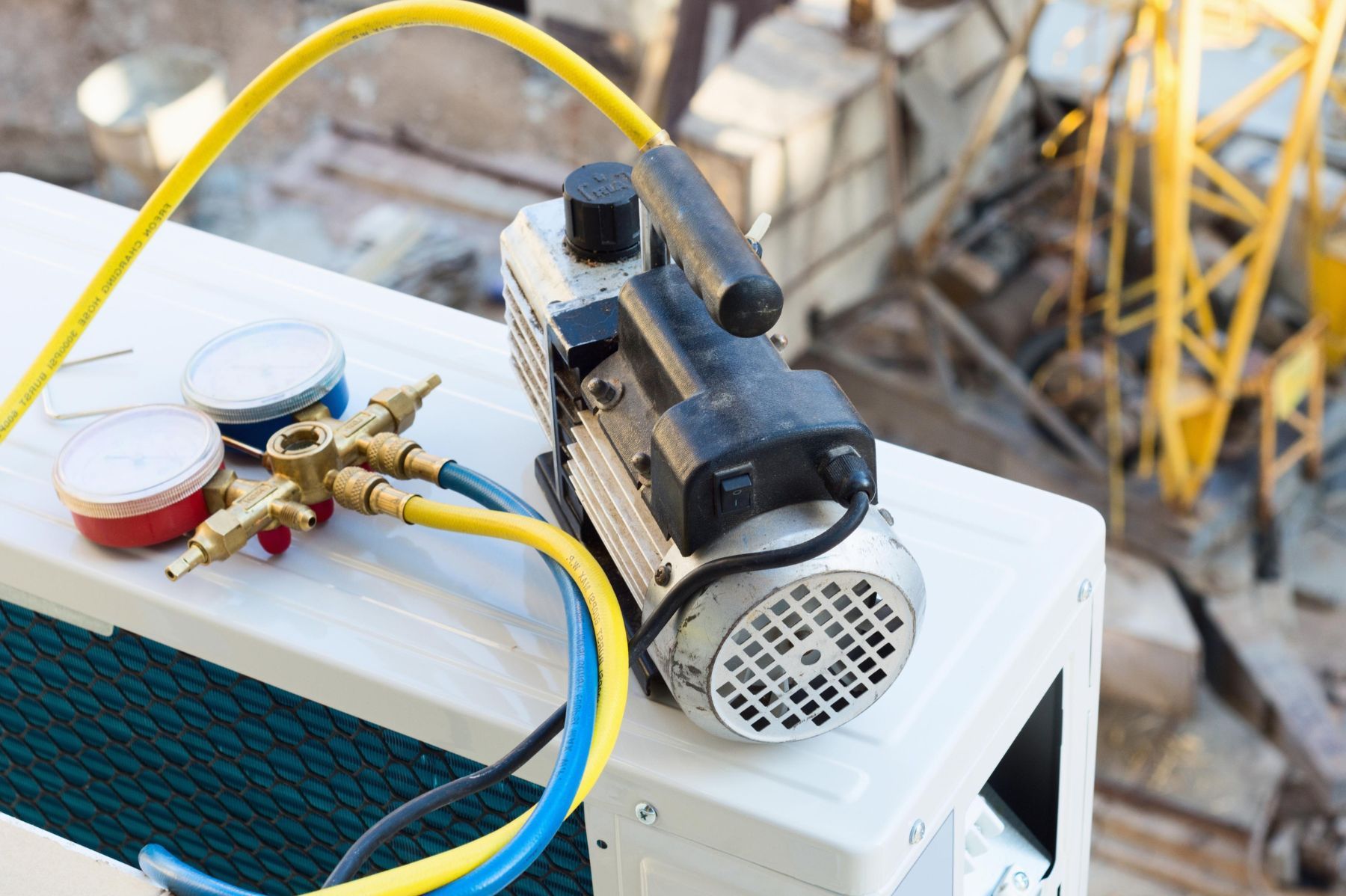
Recovery and disposal records close the loop on every refrigerant ounce. When you remove refrigerant during a compressor changeout or system decommissioning, record the quantity recovered, the recovery cylinder used, and where that refrigerant went.
Shipments to a certified reclaimer should be supported by receipts showing weight and refrigerant type. If you dispose of an appliance, keep documentation showing refrigerant was recovered before the unit left the site. Scrap yards increasingly ask for this paperwork, and gaps here are a common audit finding.
Store disposal records alongside service logs so an inspector can trace any cylinder from recovery to reclamation without hunting through separate systems.
How EPA Violations Impact Your Business Insurance
An EPA violation rarely stays a regulatory matter. It shows up on your next renewal application, in underwriter questions, and sometimes in a denied claim. Carriers writing HVAC risks have started asking direct questions about refrigerant handling practices, certification tracking, and leak documentation.
Here's what that means for you: a violation history can raise premiums, trigger exclusions, or push you toward a surplus lines market with tighter terms. Underwriters view poor recordkeeping as a signal of broader operational weakness. A company that cannot document a refrigerant top-off is assumed to struggle with other risk controls too.
The Role of Environmental and Pollution Coverage
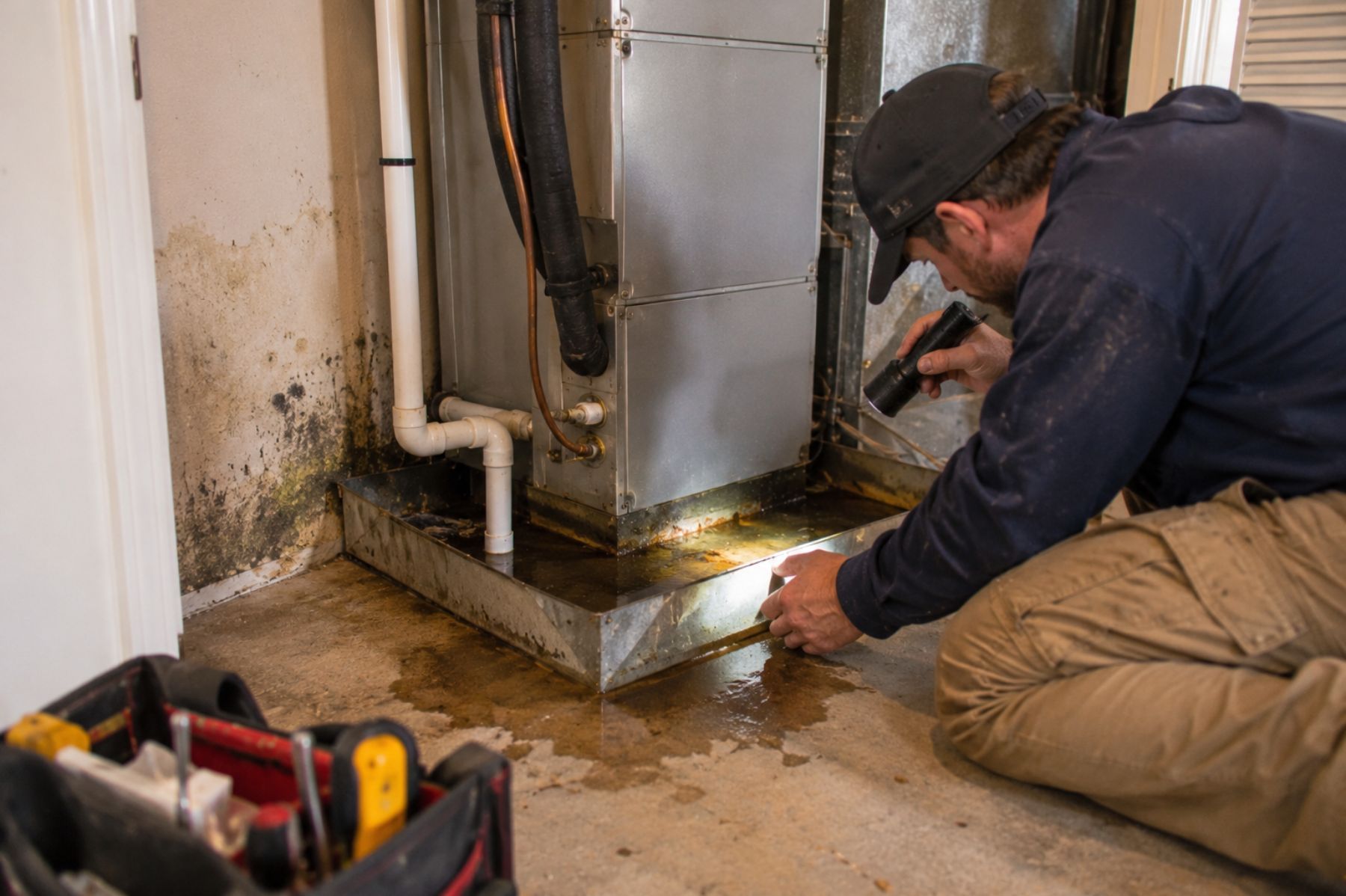
Pollution Legal Liability (PLL) and Contractors Pollution Liability (CPL) policies exist specifically to cover releases that standard policies exclude. For HVAC contractors, CPL typically responds to sudden and gradual pollution events arising from your operations, including refrigerant releases, mold growth tied to condensate drainage failures, and contamination from cleaning chemicals.
Strong pollution coverage often includes cleanup costs, third-party bodily injury and property damage, defense costs, and sometimes regulatory defense. Look closely at whether the policy covers completed operations. A refrigerant leak at a brazed joint you installed eight months ago can cause product loss in a restaurant cooler or occupant complaints in an office. Without completed operations coverage, that claim lands entirely on your balance sheet.
One policy nuance clients often miss: some CPL forms exclude fines and penalties outright, while others cover defense costs for regulatory proceedings but not the penalty itself. Know which form you have before an inspector calls.
Why General Liability Isn't Enough for Chemical Leaks
Most Commercial General Liability (CGL) policies carry a total or absolute pollution exclusion. Refrigerants, cleaning solvents, and contaminated condensate can all fall under the definition of a pollutant. Some carriers offer limited exceptions for hostile fire or short-duration releases, but those carve-outs are narrow and inconsistent.
Consider a realistic scenario. Your technician cracks a liquid line during a compressor replacement in a medical office, and refrigerant fills a mechanical room. Staff report dizziness, and the building evacuates. The resulting claims for medical evaluations, lost business income, and air quality testing may all be denied under the CGL pollution exclusion. That's the gap a CPL policy is designed to fill.
Fines and Financial Consequences of Non-Compliance
Clean Air Act penalties are assessed per violation, and the EPA adjusts maximum amounts for inflation on a recurring basis. Because each day of continued noncompliance and each missing record can count separately, a handful of skipped leak rate calculations across a customer's portfolio can compound fast. Check the current published penalty figures with counsel rather than relying on outdated numbers from training materials.
Direct fines are often the smaller expense. The real financial damage usually comes from:
- Legal defense: Environmental attorneys and compliance consultants billed by the hour throughout an investigation.
- Remediation costs: Retrofitting or retiring equipment ordered out of service.
- Customer indemnity claims: Clients seeking reimbursement for their own penalties under service contracts.
- Lost contracts: Commercial property managers and national accounts dropping vendors with enforcement history.
- Insurance impact: Higher renewal premiums or restricted coverage terms.
This matters because a single enforcement action can threaten a small or mid-sized contractor's survival. A shop running thin margins on service agreements may not absorb six figures in combined defense, indemnity, and lost revenue without serious strain.
Timing adds pressure too. Once a system crosses its leak rate trigger, repair timelines begin, and missed deadlines create new violations. If the owner delays approving a repair, document every recommendation and communication. That written trail is often the difference between shared liability and sole liability.
Equipment rules are also shifting. The EPA
finalized a rule on May 26, 2026 easing certain Technology Transition deadlines, and as of July 27, 2026,
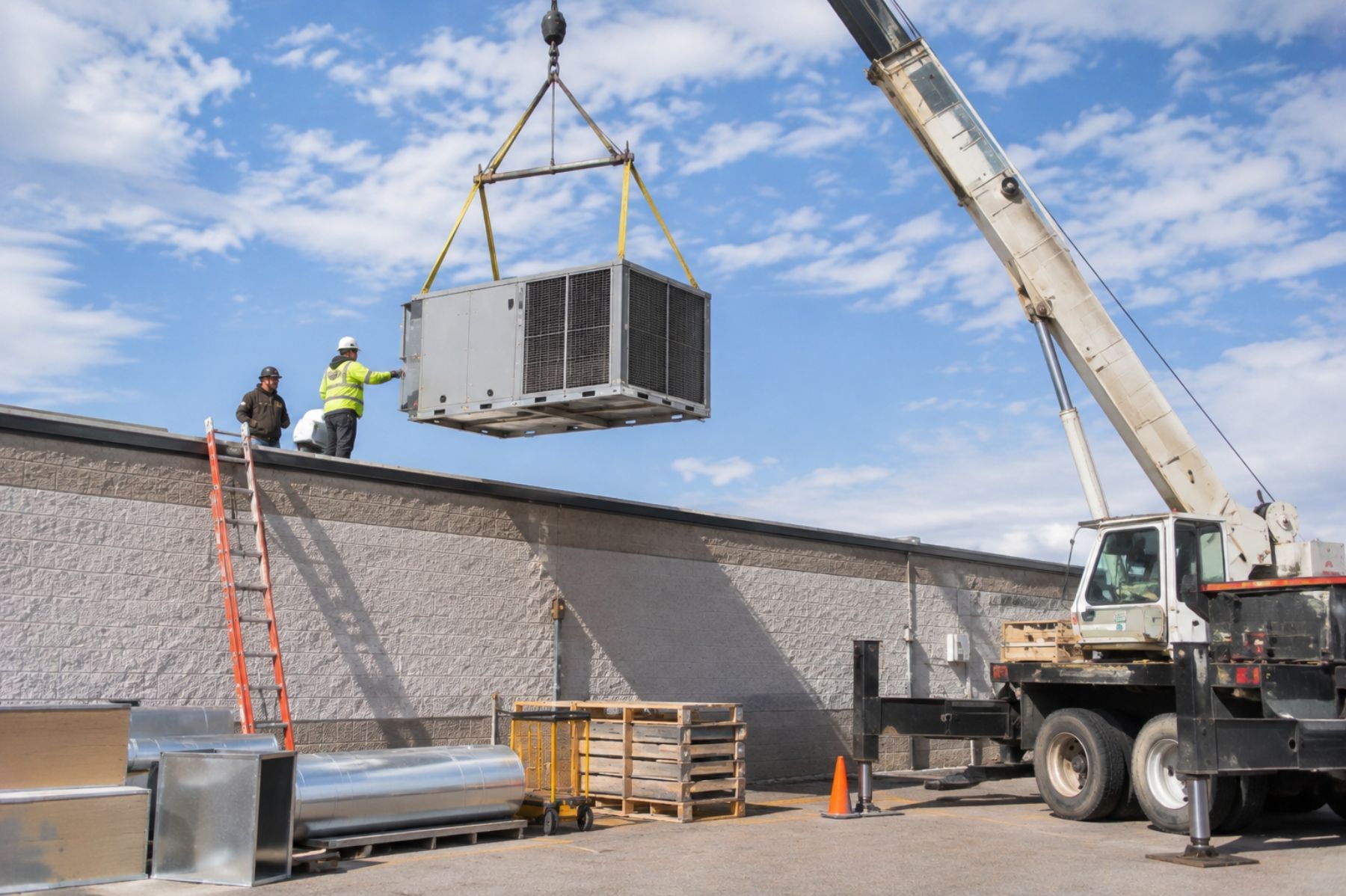
residential and light commercial units using R-410A manufactured or imported before January 1, 2025 can continue to be installed. Installing an ineligible unit, or misreading manufacture dates, creates its own compliance exposure. Verify the manufacture date on every R-410A unit before it goes on a roof.
Comparison: Standard Liability vs. Pollution Legal Liability
The differences between policy types determine who pays when refrigerant escapes. Use this chart as a starting point for conversations with your broker.
| Feature | General Liability (CGL) | Contractors Pollution Liability (CPL) |
|---|---|---|
| Refrigerant release injury | Usually excluded | Typically covered |
| Gradual leaks | Excluded | Often covered |
| Cleanup costs | Not covered | Covered |
| Mold from condensate failures | Often excluded | Frequently covered |
| Completed operations | Covered, minus pollution | Available, confirm in form |
| Regulatory defense | Rarely | Sometimes, by endorsement |
| Fines and penalties | Not covered | Usually excluded |
| Typical buyer | Every contractor | Contractors handling chemicals or refrigerants |
A few observations from reviewing HVAC programs. Many contractors assume their CGL includes pollution because the agent mentioned a "limited pollution" endorsement. Those endorsements frequently cover only sudden releases discovered within a short window, which does not match how slow refrigerant leaks behave.
Another common mistake involves claims-made versus occurrence triggers. Many CPL policies are written on a claims-made basis, so switching carriers without securing prior acts coverage can leave years of completed work unprotected. Always confirm the retroactive date carries forward at renewal.
If your shop provides system design, load calculations, or equipment specifications for commercial clients, ask about Professional Liability (E&O) as well. A refrigerant charge undersized because of a design error is a professional services claim, not a pollution claim.
Risk Management Strategies for HVAC Technicians
Insurance pays after something goes wrong. Strong field practices reduce how often that happens and give you a defensible record when it does. Underwriters reward documented controls, so treat these practices as a selling point at renewal, not just an internal policy.
Start with the basics: verify every technician's Section 608 certification type matches the equipment they service, calibrate recovery machines and scales on a schedule, and require photographs of leak locations before and after repair. Photos of a corroded coil or a cracked fitting carry weight with both regulators and adjusters.
Implementing Digital Logging Systems
Paper work orders fail in predictable ways. They get wet in a truck, lost between the job site and the office, or filled out with illegible handwriting. Digital logging platforms solve most of these problems by forcing required fields before a ticket can close.
Look for systems that offer:
- Automatic leak rate calculation: Based on charge size and quantity added.
- Trigger alerts: Flags when a system crosses 10%, 20%, or 30% thresholds.
- Photo attachments: Timestamped and tied to the appliance record.
- Cylinder tracking: From recovery through reclamation shipment.
- Exportable reports: Formatted for customer and auditor requests.
Important: Tie the logging system to your dispatch software so every visit to a 15-pound or larger appliance prompts a refrigerant entry, even when the call was for something unrelated like a failed control board.
Training Staff on Evolving EPA Regulations
Rules changed twice in 2026 alone, between the threshold reduction and the R-410A installation update. Technicians certified years ago may still work from the old 50-pound mental model. That gap is where violations start.
Build a short quarterly training cycle covering current thresholds, leak rate math, verification test procedures, and venting prohibitions. Use real examples from your own service history, with customer details removed. Document attendance and keep sign-in sheets, because training records support your defense if a single technician makes a mistake.
On the flip side, do not overload crews with legal theory. Focus training on the field decisions they actually make: when to calculate, what to photograph, and when to escalate to a service manager.
Common Questions About Refrigerant Rules and Insurance
Does the 15-pound rule apply to residential systems? It applies based on charge size and refrigerant type, not building type. Most single-family split systems fall below 15 pounds, but larger residential or multifamily systems may qualify.
Do I need to calculate a leak rate if I only add a small amount? Yes. For regulated appliances at 15 pounds or more, any refrigerant addition requires a leak rate calculation and record.
Will my general liability policy cover a refrigerant leak claim? Probably not. Most CGL policies contain a pollution exclusion that removes coverage for refrigerant releases, so you will likely need a separate CPL policy.
Does pollution insurance pay EPA fines? Usually no. Many policies exclude fines and penalties, though some cover legal defense during a regulatory proceeding.
Who is responsible for repairing a leaking system, the owner or the contractor? The equipment owner typically holds the repair obligation, but your records prove whether it was met. Document every repair recommendation the owner declines or delays.
Can I still install R-410A equipment in 2026? Residential and light commercial units manufactured or imported before January 1, 2025 can still be installed under the 2026 rule. Verify the manufacture date on each unit.
What This Means for Your Business Long-Term
The 2026 changes turned refrigerant documentation into a daily operational task for nearly every commercial service team. Contractors who treat EPA refrigerant recordkeeping as a core business function will spend less time defending themselves and more time winning work from property managers who demand compliance proof.
Insurance belongs in the same conversation. A clean log history, trained staff, and properly structured pollution coverage make your company easier to underwrite and more attractive to buyers if you ever sell. Buyers and lenders increasingly review environmental exposure during due diligence, and a documented program raises your valuation.
Your Next Steps:
- Audit your current leak repair logs against the 15-pound threshold.
- Review your CGL for pollution exclusions and limited endorsements.
- Request a CPL quote that includes completed operations.
- Confirm retroactive dates before any carrier change.
- Schedule your first quarterly regulatory training session.
Every ounce of refrigerant now needs a paper trail. Build that trail before an inspector or an attorney asks to see it.