Apprentice and Young Worker Injuries in HVAC: Workers Comp Class Codes, OSHA Rules, Claim Frequency, and Premium Impact
See How We're Different
or call us: 888-862-1202
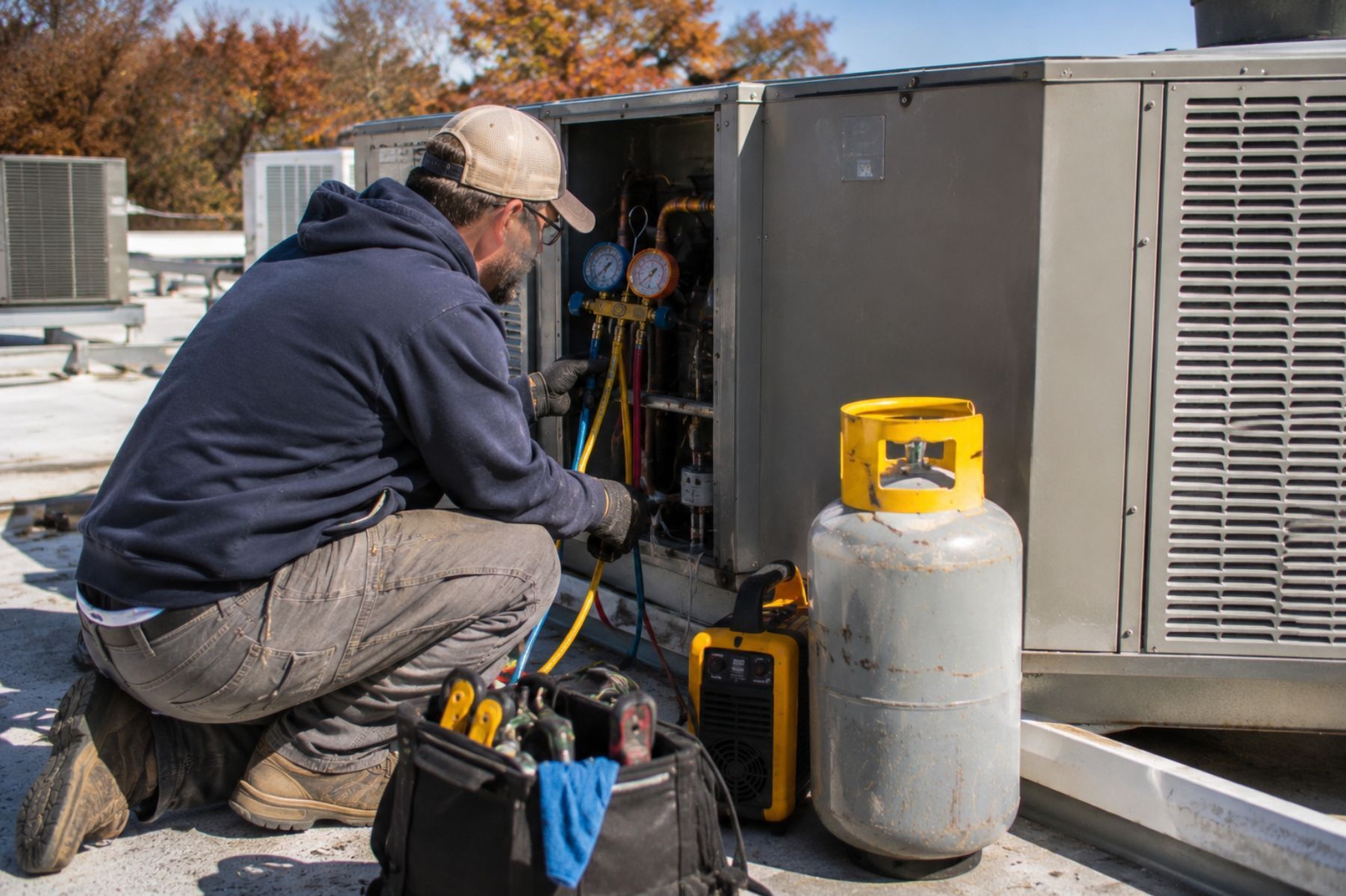
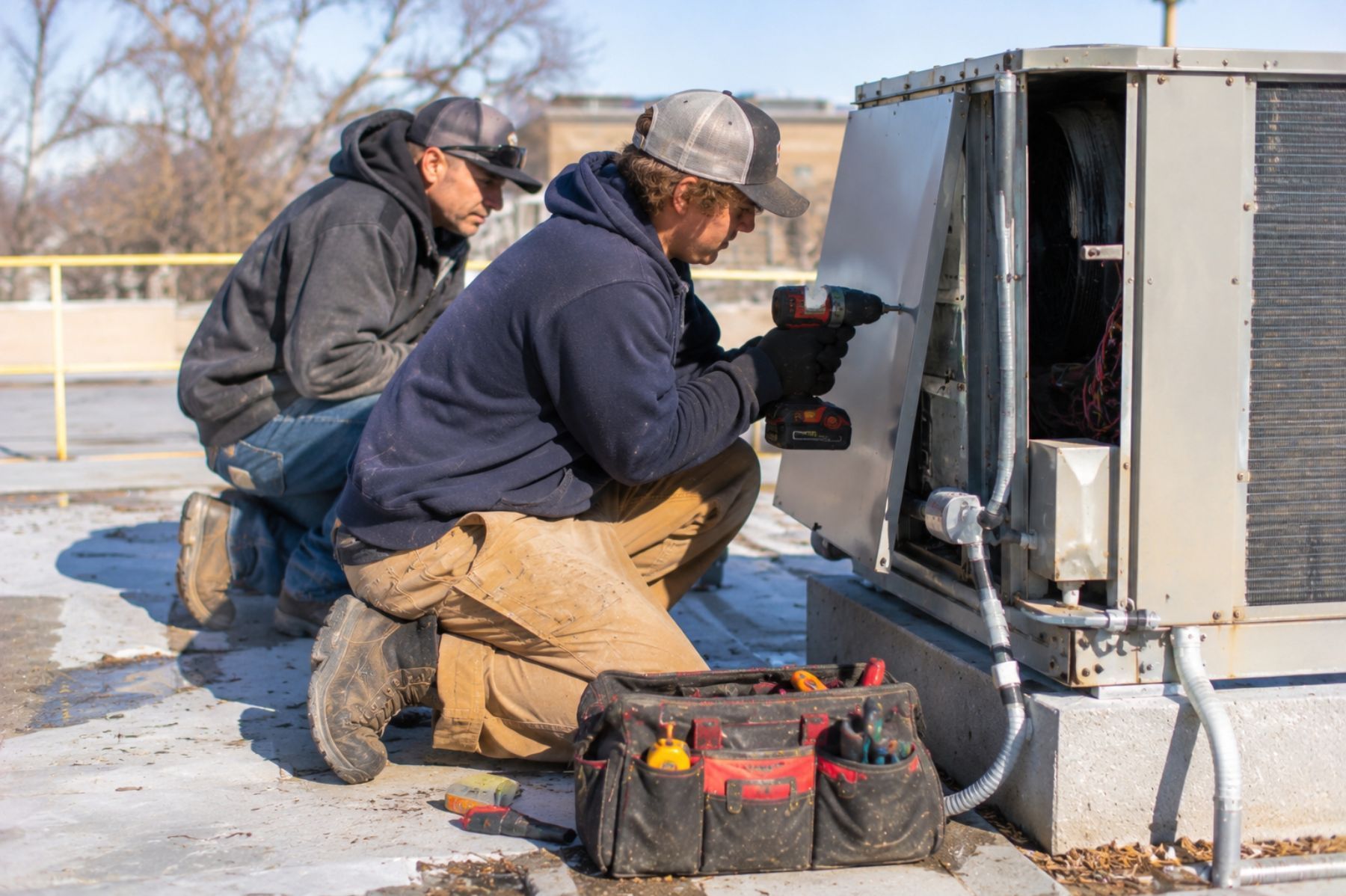
Picture a second-month apprentice on a rooftop in July, hauling a condenser coil while a journeyman troubleshoots a contactor ten feet away. One slip, one unexpected arc flash, and your shop now has a lost-time claim that will follow your insurance file for years. The injuries apprentices and young workers suffer in HVAC directly affect your class code exposure, your OSHA compliance posture, and your premium.
Most contractors treat these as separate problems, each handled by a different person. Your safety lead worries about OSHA. Your office manager handles the workers comp audit. Your agent quotes the renewal. The result is predictable: nobody connects the apprentice who got burned on a brazing job in March to the premium increase that shows up two renewals later.
This guide connects those dots. It covers how HVAC payroll gets classified, what federal and state rules restrict inexperienced and underage workers, why new hires generate claims at higher rates, and how a single serious injury feeds into your experience modification rate. It also shows where tighter supervision pays for itself in lower insurance costs and a more marketable business.
The Risk Landscape for HVAC Apprentices and Young Workers
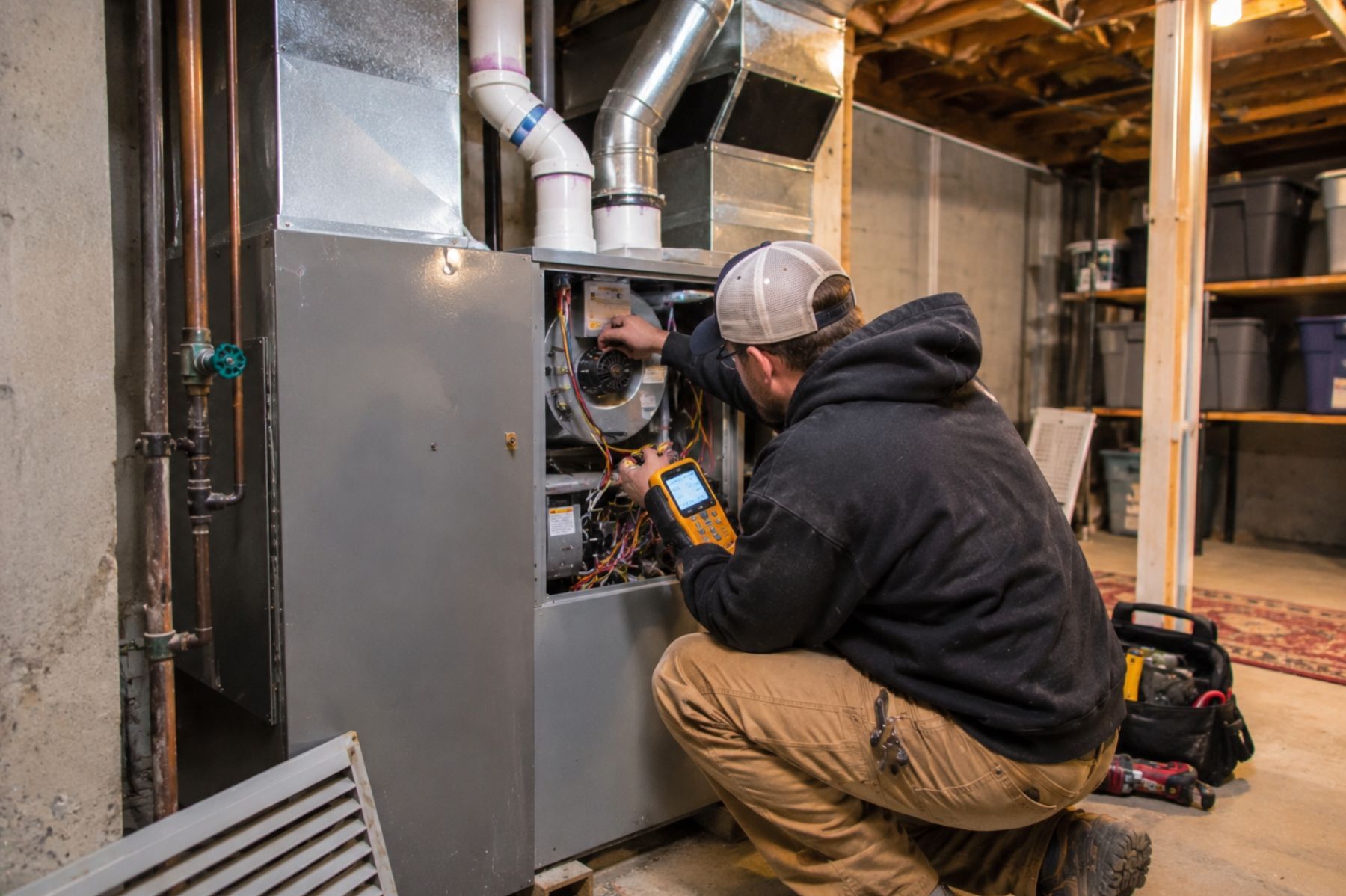
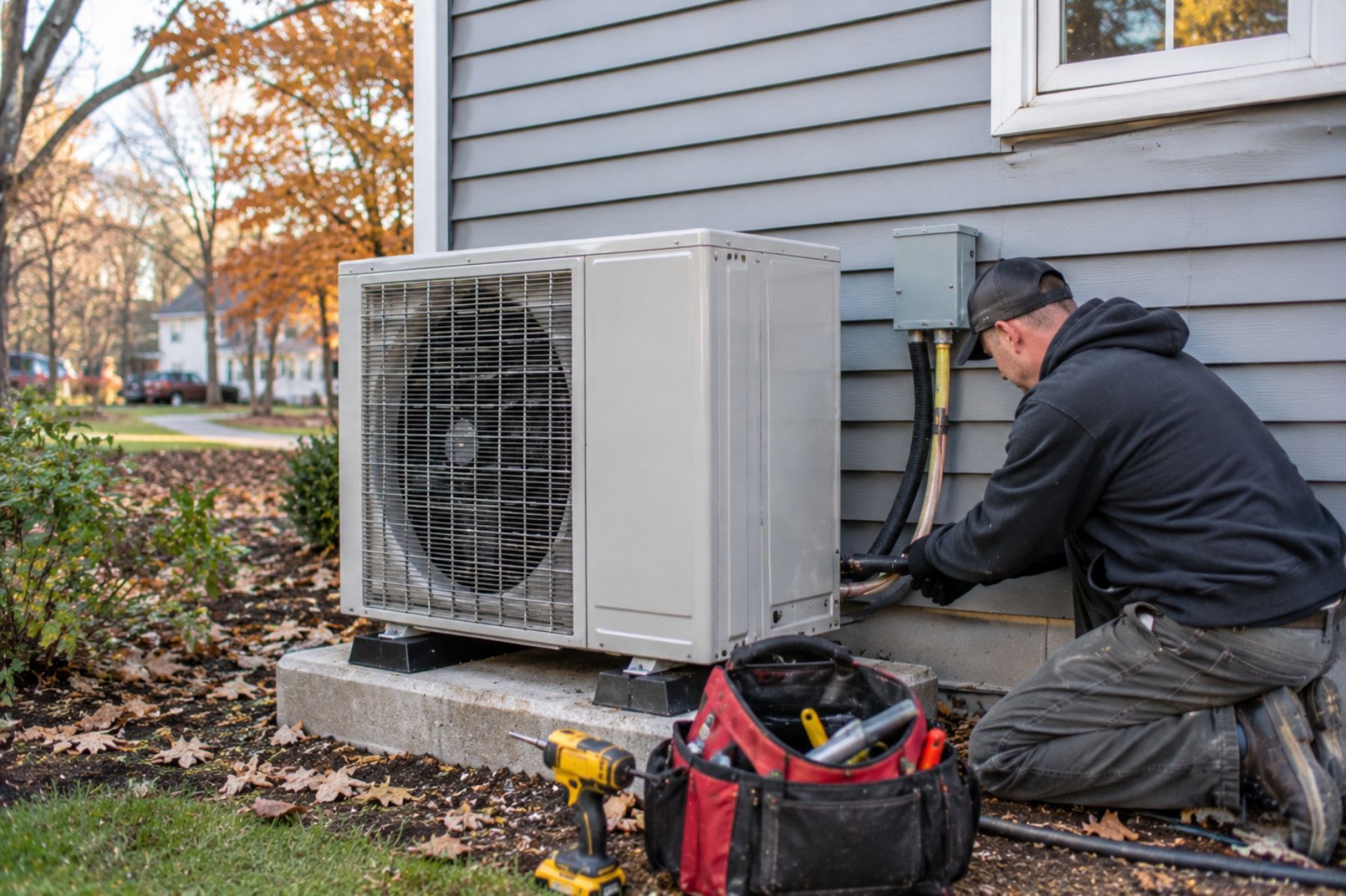
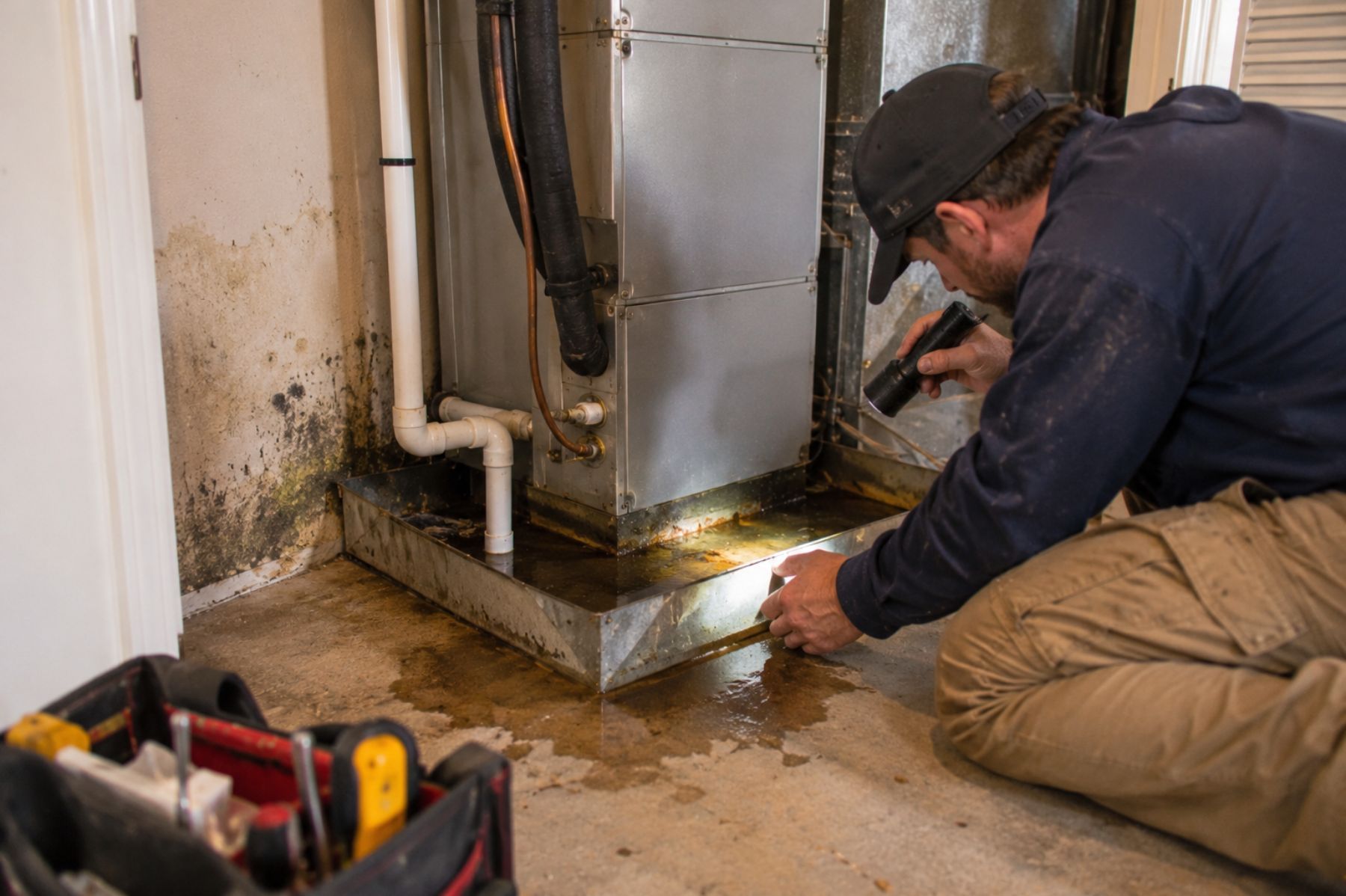
HVAC work combines nearly every hazard category in construction: heights, electricity, confined spaces, heat, pressurized refrigerant, sharp sheet metal, and heavy lifting. Experienced technicians manage these risks through habit. Apprentices have not built those habits yet.
The fatality numbers show how serious the exposure is. HVAC mechanics recorded 33 fatalities in 2024, while the broader plumbing and HVAC contracting category saw 75 fatal injuries. Electrical risk is also climbing. Non-fatal electrical injuries involving days away from work rose 59% during the 2023-2024 period to 5,180 incidents.
For apprentices, the most common claim scenarios include:
- Electrical shock: Contact with energized disconnects or capacitors during service calls
- Lacerations: Cuts from duct edges and sheet metal fabrication
- Burns: Torch work during brazing on line sets
- Strains: Lifting compressors or rooftop units without mechanical assistance
- Falls: Missteps from ladders, attic joists, and roof edges
- Heat illness:
Collapse in attics and on
summer rooftops
Common Workers Comp Class Codes for HVAC Operations
Your workers comp premium starts with classification. Every dollar of payroll is assigned to a class code, and each code carries a rate per $100 of payroll based on the industry's loss history. Most states use NCCI codes. California, New York, Pennsylvania, and a handful of others run their own classification systems, so confirm the equivalent codes in your state.
Apprentices are generally classified by the work they perform, not by their title or experience level. An apprentice installing ductwork belongs in the same code as the journeyman beside them. One common client mistake is placing apprentice payroll under a lower-rated code, such as clerical, because the worker is "just learning." Auditors catch this, and the back-premium bill can be painful.
Class Code 5537: Heating and Ventilation Installation
Code 5537 covers HVAC systems installation, service, and repair, including ductwork, residential and light commercial equipment, and associated sheet metal work. This is the primary code for most residential and light commercial contractors. If your apprentices ride along on service calls or install split systems, their payroll almost certainly lands here.
Class Code 3724: Commercial Machinery Installation
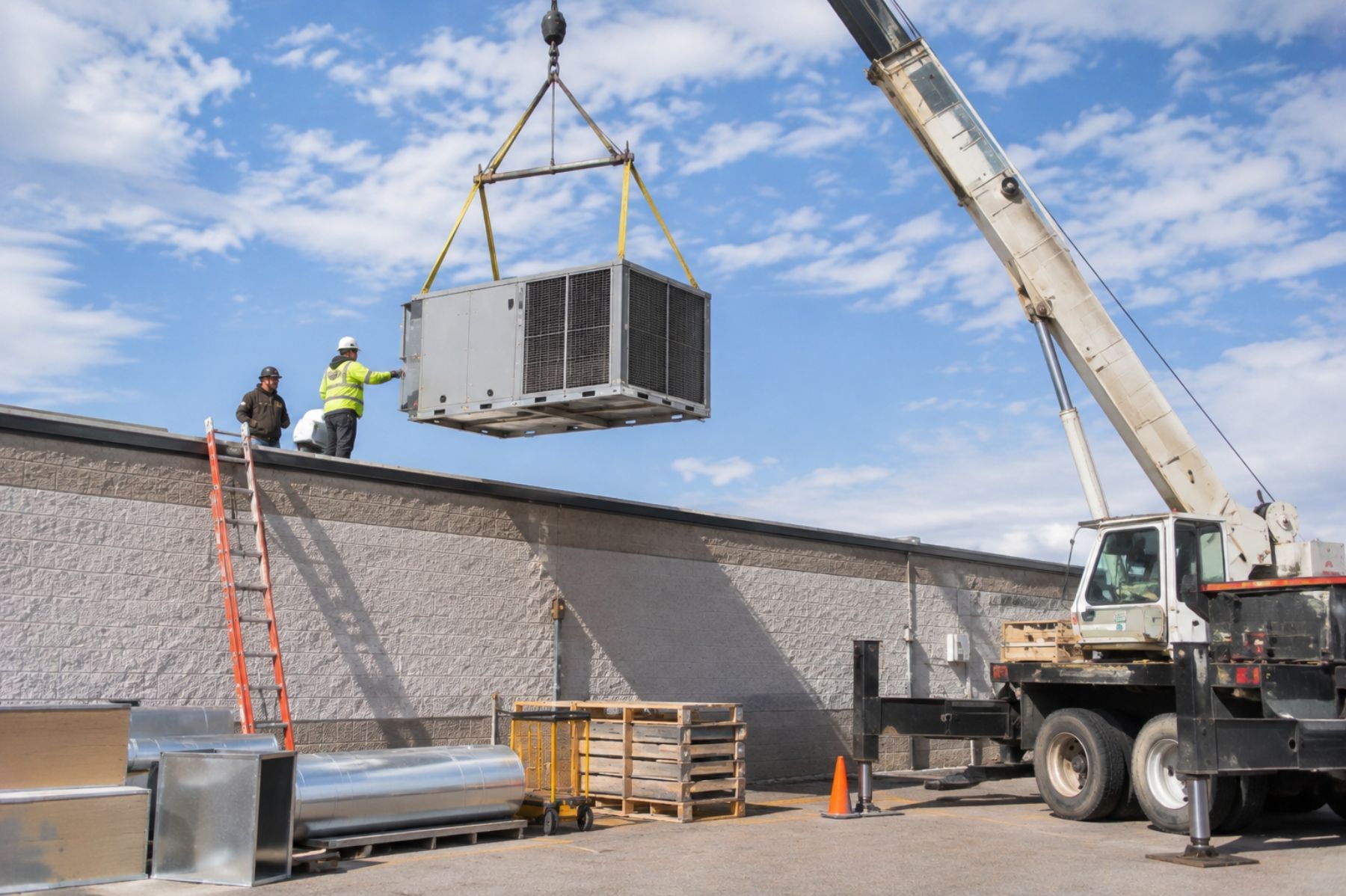
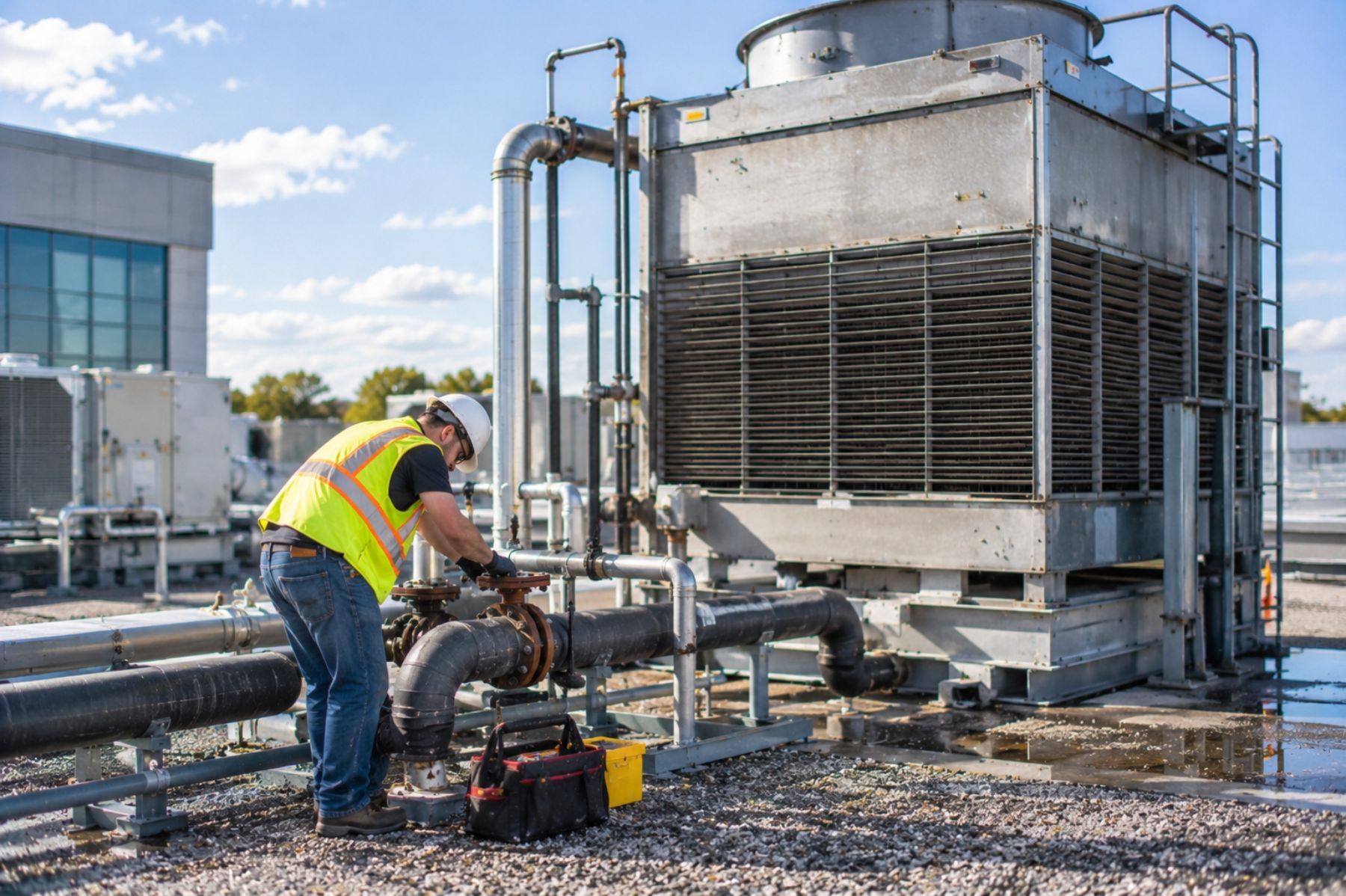
Code 3724 applies to installing machinery and equipment, which can include large commercial and industrial HVAC components such as chillers, cooling towers, and rooftop units set by crane. Contractors with mixed operations may carry both codes. One thing to keep in mind: payroll split between codes generally requires accurate time records. Without them, auditors may assign all hours to the higher-rated classification.
OSHA Compliance and Safety Standards for Inexperienced Staff
OSHA does not maintain a separate rulebook for apprentices, but inexperienced workers face the same standards with less ability to recognize hazards. Fall protection, lockout/tagout, hazard communication for refrigerants, and confined space entry all apply from day one. Your training documentation needs to show that each apprentice was instructed before exposure, not after.
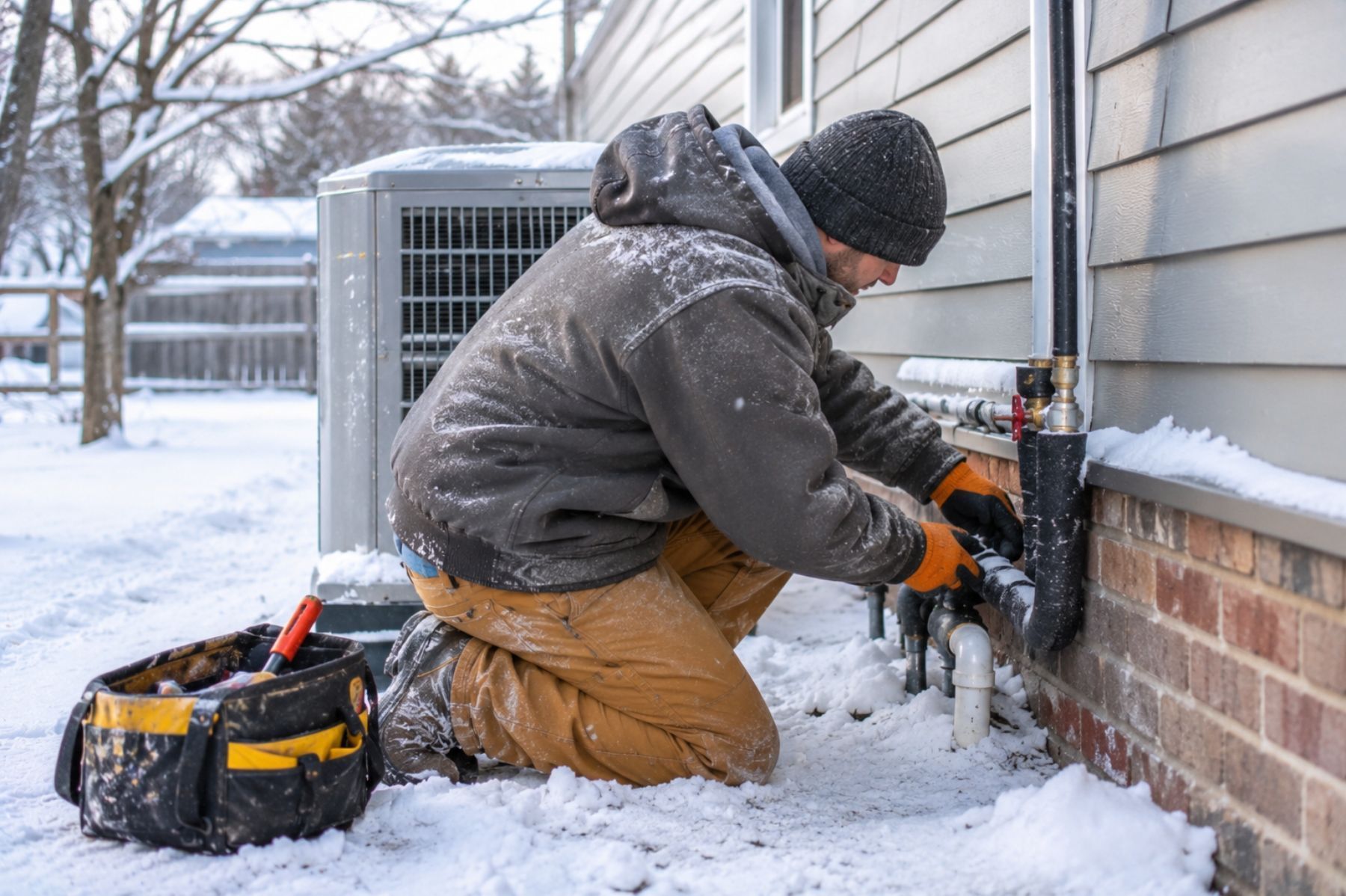
Heat now deserves special attention. OSHA's updated National Emphasis Program for heat-related hazards, effective April 10, 2026, prioritizes inspections of residential and nonresidential HVAC construction on "heat priority days." New workers who have not acclimatized face the highest risk of heat illness. A written acclimatization schedule, water and rest protocols, and shaded break areas are now basic expectations.
Underage workers carry stricter limits. In Florida, minors in the HVAC trade are
prohibited from working with electrical apparatus, wiring, or compressed gases exceeding 40 PSI. Most refrigerant work exceeds that threshold. Check your own state's child labor rules before placing anyone under 18 on a job site, because violations can trigger fines and complicate claim handling.
Analyzing Claim Frequency and Financial Severity
New HVAC hires typically need 6 to 12 months to reach full productivity. That ramp-up period is also when injury frequency peaks. Workers in their first year lack hazard recognition, overestimate their lifting capacity, and hesitate to question a rushed foreman.
Insurers look at frequency and severity differently. Frequency means how many claims you file. Severity means how expensive each claim becomes. A shop with five small medical-only claims for cuts and eye irritation may face more underwriting scrutiny than a shop with one moderate claim, because frequency signals a pattern that will continue.
Severity is where apprentice injuries can turn catastrophic. An electrical shock from a misidentified circuit can bring burn treatment, cardiac monitoring, and months of lost wages. A fall through an attic ceiling can produce spinal injuries that remain open for years. Claims that lack early documentation, such as incident photos, witness statements, and the supervisor's written report, tend to grow because the adjuster cannot dispute inflated or unrelated treatment.
How Young Worker Injuries Impact Your Insurance Premiums
Premium impact arrives in two waves. The first is immediate: at renewal, underwriters review your loss runs and may surcharge, decline, or reduce credits if they see recent claims involving inexperienced staff. The second wave arrives later through your experience rating, and it lasts considerably longer.
The Role of the Experience Modification Rate (MOD)
Your experience modification rate compares your actual losses to the expected losses for businesses with similar payroll in the same class codes. A 1.0 MOD is the industry average. Below 1.0 earns a credit, and above 1.0 adds a debit to your manual premium.
The formula weights frequency heavily, so several small apprentice claims can hurt more than one larger claim. Each claim generally stays in your MOD calculation for three policy years, typically excluding the most recent year. An injury this spring can still raise your costs years from now.
Your MOD also matters beyond insurance. General contractors and facility owners often
prequalify subs by MOD, and many disqualify bidders above 1.0. During a business acquisition, buyers scrutinize the MOD as a proxy for safety culture. A seller with a MOD above 1.0 should expect tougher negotiations, higher escrow holdbacks, or a lower valuation.
Comparison of Safety Oversight vs. Premium Savings
Supervision costs money in journeyman time, training hours, and equipment. Weigh those costs against the claim scenarios they prevent.
| Practice | Upfront Cost | Claim Exposure Reduced | Premium Effect |
|---|---|---|---|
| Journeyman pairing first 90 days | Lower crew productivity | Shock, falls, lifting strains | Fewer frequency hits on MOD |
| Heat acclimatization plan | Schedule adjustments | Heat illness, collapse | Avoids lost-time claims, OSHA citations |
| Lockout/tagout training with sign-off | Training hours | Electrical burns | Lowers severity risk |
| Lifting equipment for units and compressors | Equipment purchase | Back and shoulder injuries | Reduces long-tail claims |
| No supervision structure | None upfront | All of the above | MOD drift above 1.0, lost bids |
Training can also become partially funded. The
WAGES Act (H.R. 8624), introduced in July 2026, proposes a refundable tax credit of 50% of apprentice wages, capped at $2,500 per quarter, for registered programs meeting safety standards. It remains a proposal, so do not budget around it yet.
Common Questions About HVAC Apprentice Safety and Insurance
Do apprentices need their own workers comp policy? No. Apprentices are employees, so your existing workers comp policy covers them. Their payroll simply needs to be reported under the correct class code.
Can I classify an apprentice under a cheaper code? Only if the apprentice performs work that actually fits that code. Classification follows job duties, and misclassification often surfaces at the annual premium audit.
Will one apprentice injury raise my rates? It can. A single lost-time claim may affect your renewal pricing and your MOD for several years, especially if your payroll is small.
Can a 16-year-old help on HVAC jobs? Possibly, but with heavy restrictions. Many states bar minors from electrical work and high-pressure gases, which covers most core HVAC tasks.
What should I do right after an apprentice gets hurt? Get medical care first, then photograph the scene, collect witness statements, and report the claim to your carrier within 24 hours. Fast reporting helps control claim costs.
Does a high MOD affect selling my business?
Yes. Buyers treat a MOD above 1.0 as a warning sign and may reduce their offer or demand protections in the purchase agreement.
Making Safety a Competitive Advantage
The contractors who win commercial bids and command strong sale prices treat apprentice safety as a business asset rather than a compliance chore. A clean loss history, a MOD below 1.0, and documented training programs give you leverage at renewal and credibility with general contractors.
Your next steps are concrete:
- Audit classifications: Confirm apprentice payroll sits in 5537, 3724, or your state equivalent
- Document training: Keep signed records for lockout/tagout, fall protection, and heat plans
- Pair new hires: Assign a journeyman for at least the first 90 days
- Review loss runs: Pull three years of claims and identify apprentice-related patterns
- Check state rules: Verify child labor limits before hiring anyone under 18
The apprentice on that July rooftop represents either a future journeyman or a future claim. The choices you make during their first year determine which outcome lands on your insurance file. Talk with an agent who understands HVAC classifications and experience rating, and build a safety program that protects both your crew and your premium.