Freeze-Up and Burst Pipe Claims for HVAC Contractors: Winterization Duties, Property Damage, Completed Operations, and Deductibles
See How We're Different
or call us: 888-862-1202
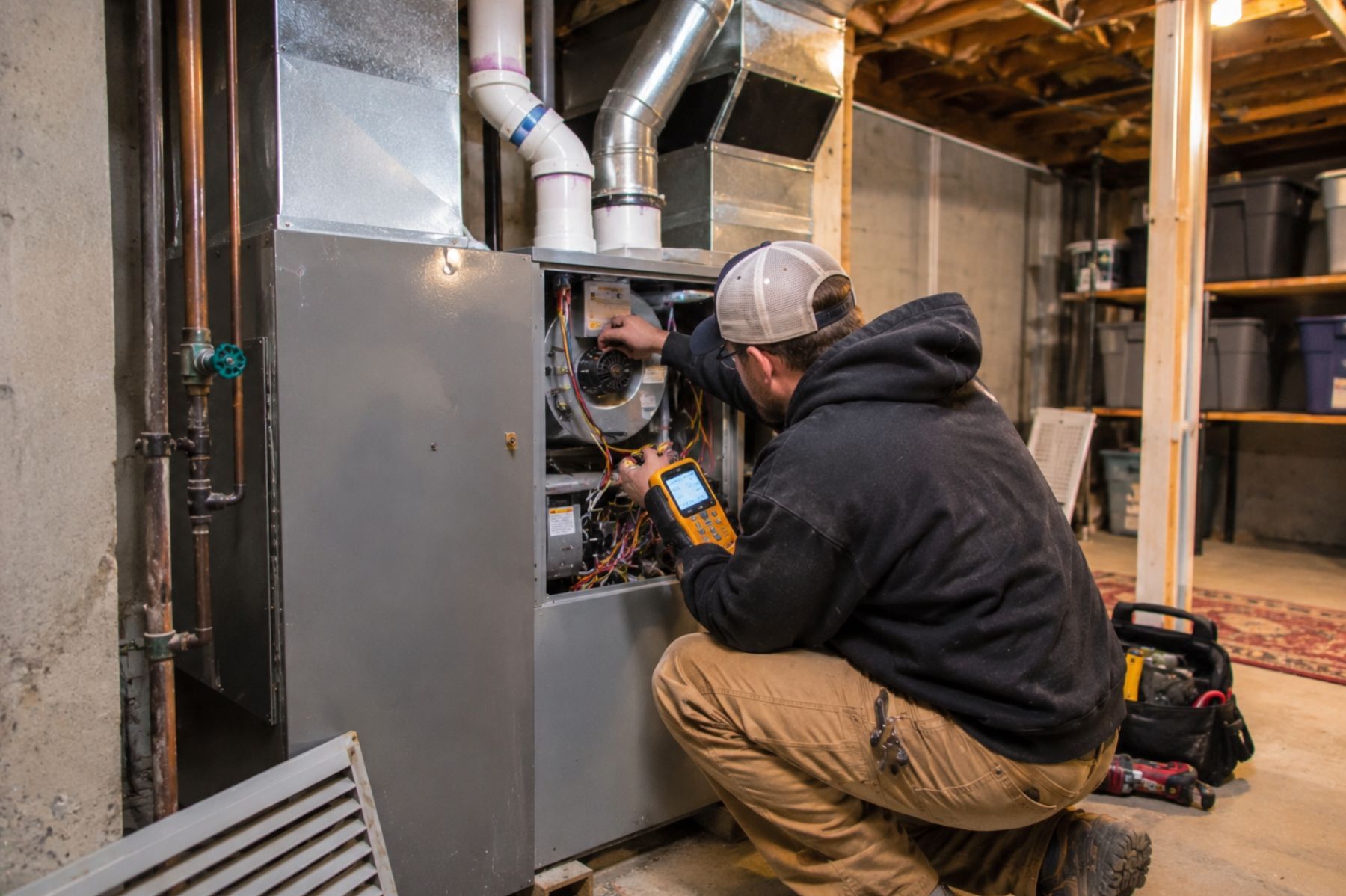
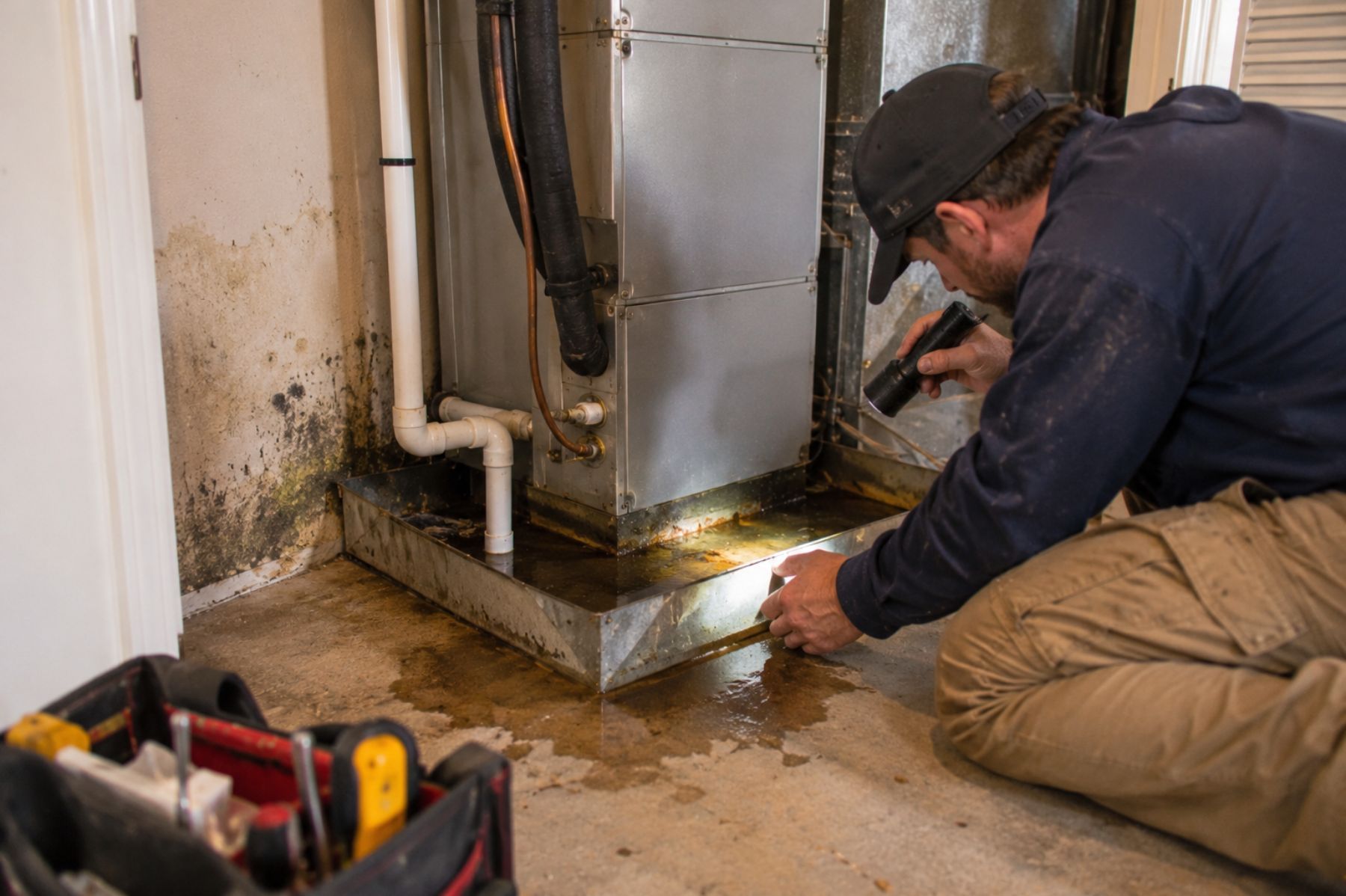
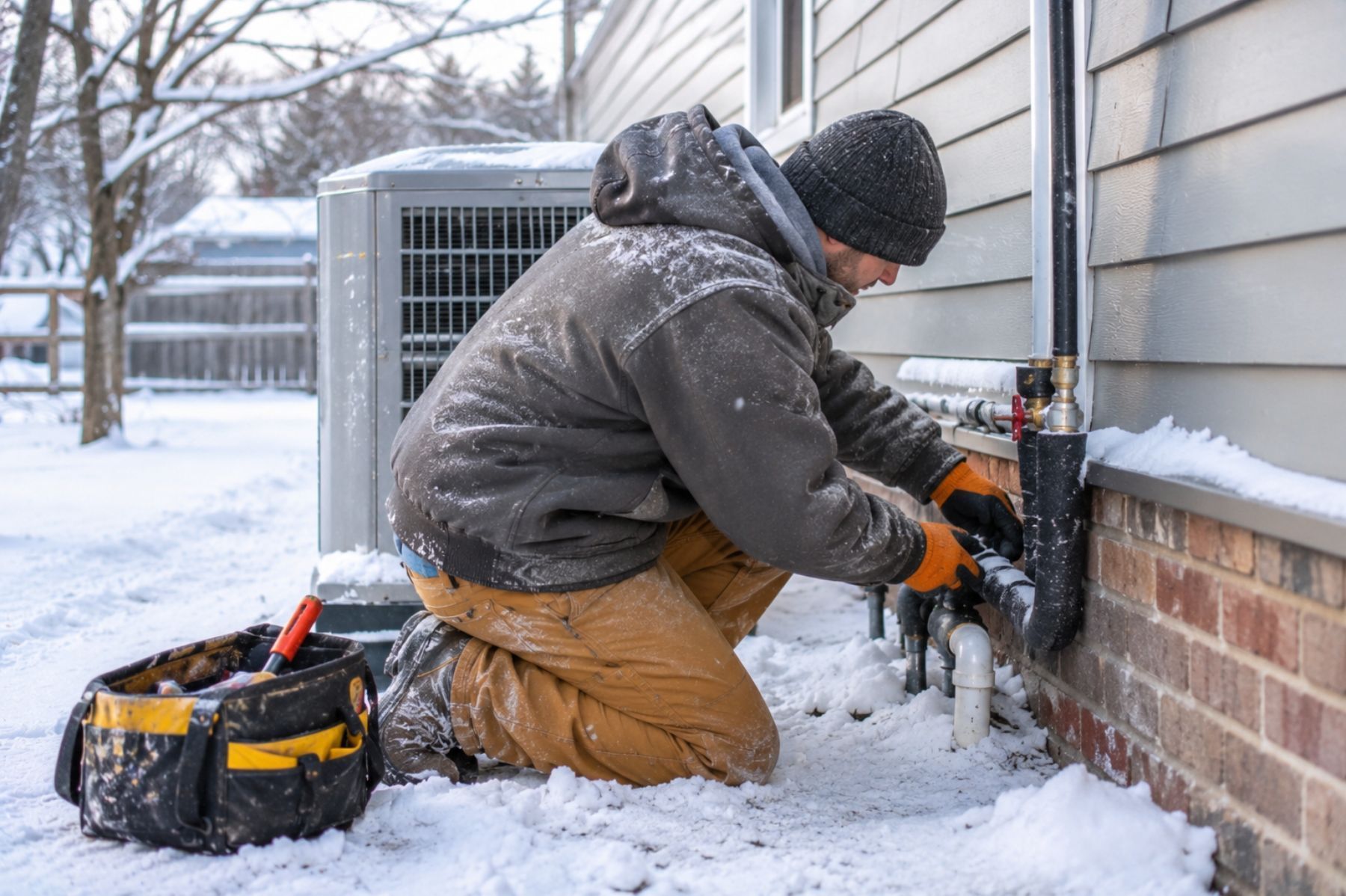
A tenant returns from a two-week holiday trip to find six inches of water in a finished basement. The furnace your crew serviced in October shows a flame rollout lockout, the hydronic loop has split at a fitting, and the property manager's first call goes to their insurance carrier. The carrier's second call goes to you.
That chain of events drives most freeze-up and burst pipe claims against HVAC contractors. The questions that follow are predictable. Did your winterization work meet the standard of care? Does your policy treat the loss as property damage or as completed operations? How many deductibles will you absorb before coverage responds?
Winter water losses have become one of the most expensive claim categories in property insurance. The average payment for frozen pipe and winter water claims rose to over $30,000 per claim by early 2026, up from roughly $25,000 in 2024. For a small mechanical shop, one
disputed claim at that level can erase a season's profit.
The High Cost of Winter: Understanding HVAC Liability for Burst Pipes
Objective: Understand why freeze losses land on HVAC contractors, even when the contractor never touched the pipe that burst.
Liability usually follows the heat source. When a furnace, boiler, or heat pump fails and interior temperatures drop, a plumbing failure becomes an HVAC claim. The property owner's insurer pays the homeowner, then pursues subrogation against whoever last worked on the heating equipment. Your technician may have replaced a flame sensor, cleaned a condensate trap, or installed a new control board. Any of those touches can make your company the target.
The scale of HVAC-related claims is significant. In 2025, HVAC and refrigeration equipment assessed for insurance claims represented a total exposure exceeding $1.25 billion. That same research found that half of the systems in those claims were repairable, and that 40% of claims involved causes of loss such as wear and tear or lack of maintenance. Standard policies typically exclude those causes.
This matters because exclusions on the owner's policy push losses toward third parties. If the homeowner's carrier denies coverage for neglect, the homeowner's attorney looks for someone else to blame. Your service ticket becomes Exhibit A.
Common freeze-related claim scenarios against HVAC firms include:
- Ignition failure after service: Furnace locks out on a failed igniter or a misadjusted flame sensor, and the house freezes over a weekend.
- Condensate line freeze: High-efficiency furnace condensate drain routed through an unheated crawlspace freezes, and the pressure switch shuts the unit down.
- Hydronic loop rupture: Boiler system left without adequate glycol concentration in a garage or vacant zone.
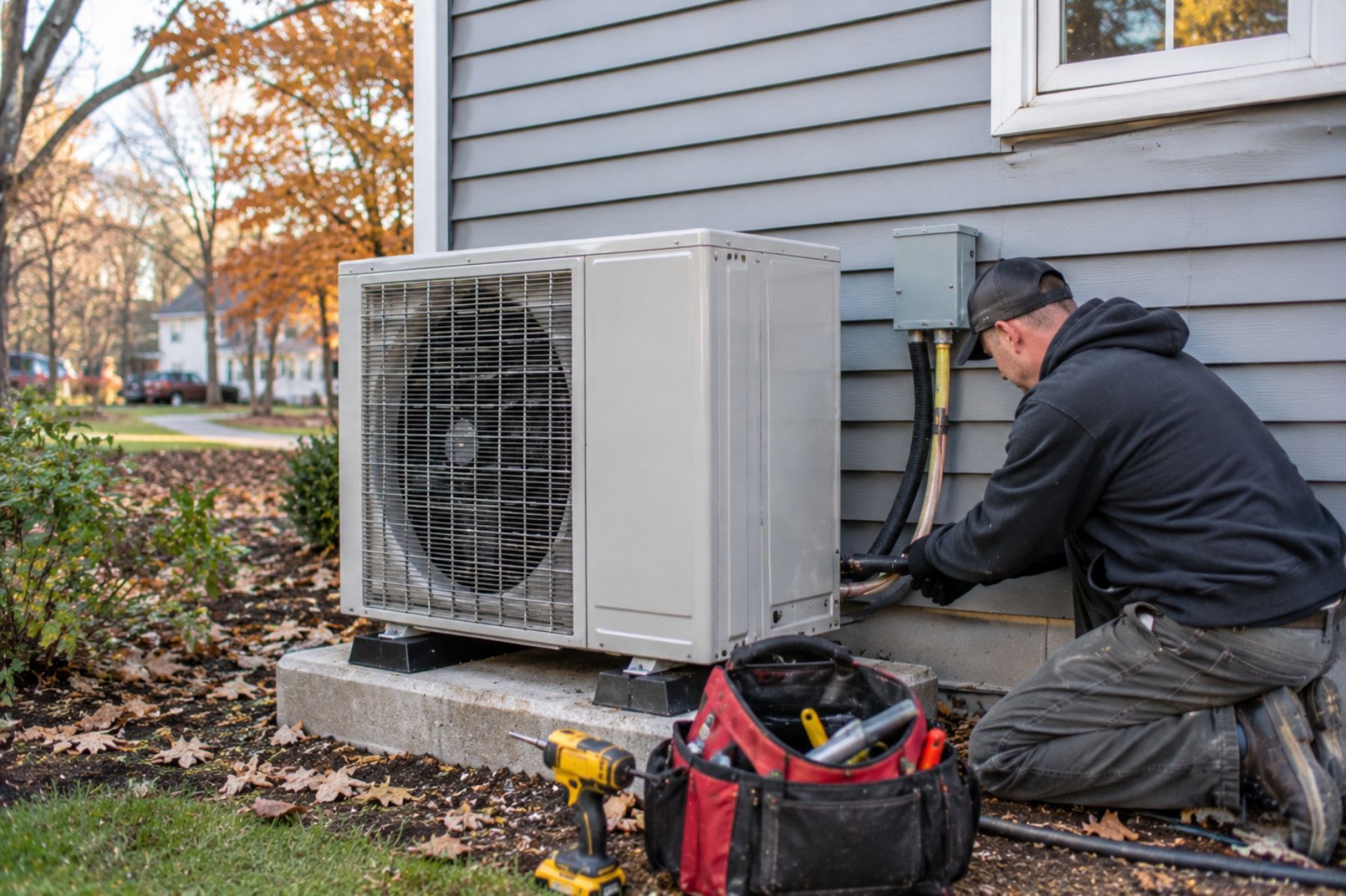
- Heat pump defrost failure: Faulty defrost control board or sensor leaves the outdoor coil iced, auxiliary heat never engages, and indoor temperature falls.
- Electrical trip: GFCI or breaker trips on outdoor equipment during a cold snap, and nobody is home to reset it.
Each scenario carries a different defense posture and a different coverage trigger.
Winterization Duties and the Standard of Care
Negligence claims turn on one question: did you act as a reasonably careful HVAC contractor would under the same circumstances? Courts and adjusters measure that against manufacturer installation instructions, local mechanical codes, industry practice, and the scope of work you agreed to perform. Your contract defines the baseline. Your conduct on site either meets it or creates a gap.
The catch is that many contractors never define winterization scope in writing. A technician performs a "fall tune-up," but the homeowner believes that service included draining exterior hose bibs, checking pipe insulation, and confirming the thermostat could hold temperature during a vacancy. When the house freezes, the homeowner's understanding becomes the plaintiff's theory of the case.
Electrical code changes have raised the bar this season. On September 1, 2026, the NEC exception for GFCI protection on outdoor HVAC equipment expired, which industry groups warned would increase contractor exposure for systems that trip and fail during freeze events. Nuisance tripping on outdoor condensing units and heat pumps is a known issue. If an installation trips during a cold snap and the house loses heat, expect the plaintiff to question whether you selected compatible equipment and informed the owner of the risk.
Common Failure Points in Seasonal Shutdowns
Seasonal shutdowns of vacation homes, rental units, and commercial buildings generate a disproportionate share of claims. The failure points repeat:
- Incomplete drain-down: Low points in hydronic piping or coil sections left holding water.
- Glycol mix errors: Concentration not tested with a refractometer, or diluted by a later top-off.
- Thermostat setback set too low: A 50°F setpoint may not protect pipes on exterior walls during extreme cold.
- Disabled auxiliary heat: Heat pump left running with emergency heat locked out.
- Unheated condensate routing: Drain lines and traps exposed in attics or crawlspaces.
- No low-temperature alarm: Owner never advised to install a remote temperature sensor or Wi-Fi thermostat alert.
Most of these are judgment calls that become liability when unrecorded. Your technicians should treat every fall visit to a seasonal property as a potential deposition topic.
The Role of Documentation in Defending Negligence Claims
Documentation separates a defensible claim from a settlement. When a subrogation demand arrives months after the freeze, memory is useless. Paper and photos are not.
Good documentation: "Igniter replaced (hot surface, OEM part). Flame sensor cleaned, microamp reading recorded. Condensate trap flushed. Customer advised that drain line runs through unheated crawlspace and recommended heat tape. Customer declined. Signed acknowledgment attached."
Bad documentation: "Fall tune-up completed. System OK."
Your file for each heating service call should include:
- Timestamped photos of the unit, control board, and any exposed piping
- Calibrated thermometer readings of supply and return air
- Combustion analysis printouts where applicable
- Written diagnostic reports describing the failure mode found
- Signed customer declinations for recommended repairs
Important: Declined recommendations are your strongest defense. A signed refusal shifts responsibility back to the owner.
Navigating Property Damage and Completed Operations
Two coverage parts inside your general liability policy matter most for freeze losses. Premises and operations coverage responds to damage caused while your crew is actively working. Products and completed operations coverage responds to damage that occurs after the job is finished and the equipment is in use. Nearly every burst pipe claim against an HVAC contractor falls into the second category.
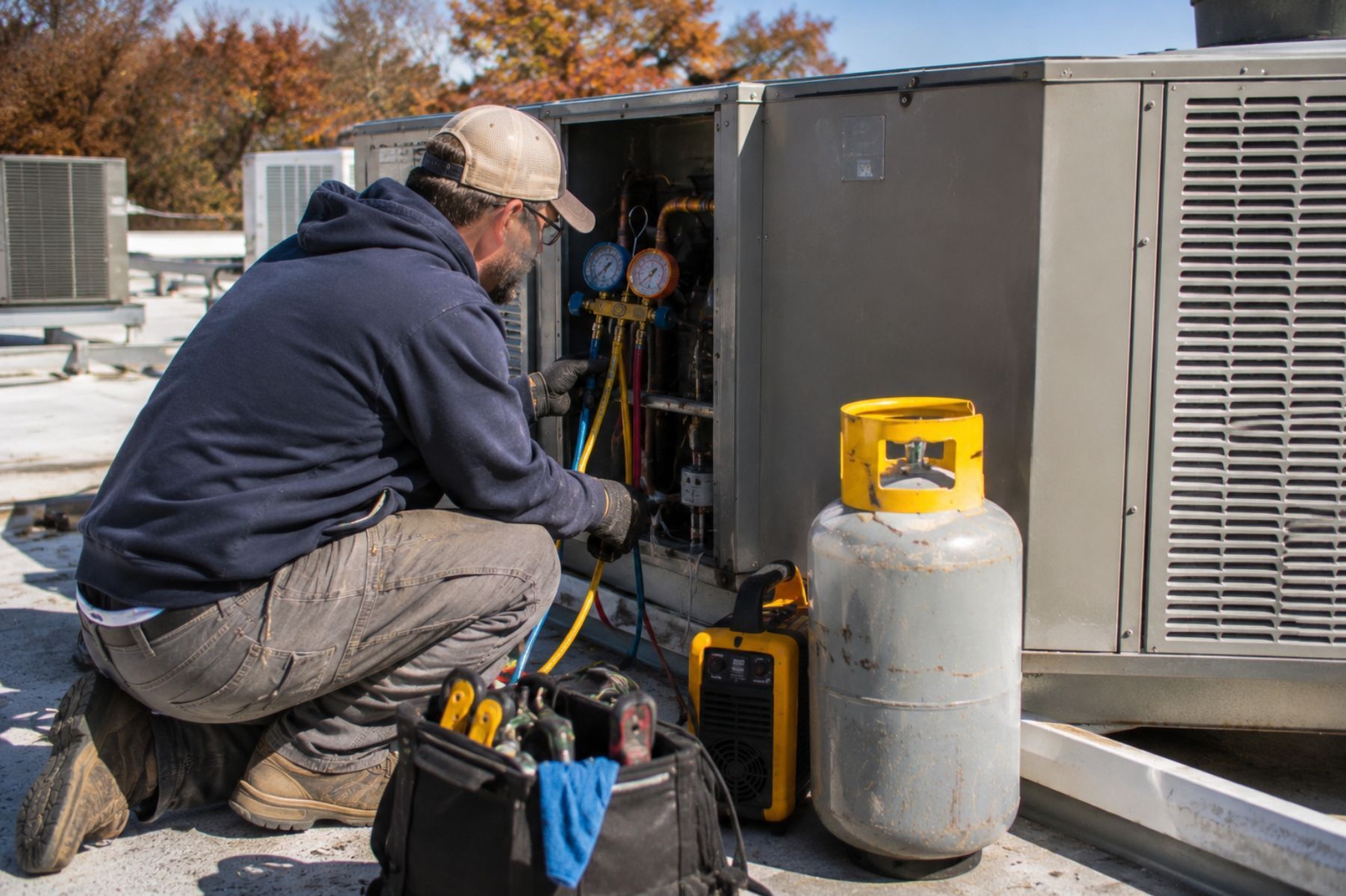
Completed operations is the coverage that protects you when a furnace you installed in August fails in January. It applies equally to non-freeze failures that surface later, such as refrigerant leaks at brazed joints or condensate drainage backups that soak a ceiling. Those claims share a pattern: the work is done, you've been paid, and the damage shows up weeks or months afterward.
Check your completed operations aggregate limit separately from your general aggregate. Many policies split them. A bad winter with three or four freeze claims can erode the completed operations aggregate faster than you expect. Here's what that means for you: if your aggregate sits at $2 million and freeze claims now average over $30,000 each in property damage alone, defense costs and contents claims can push individual losses far higher.
Occurrence-Based vs. Claims-Made Coverage for Winter Losses
Most contractor general liability policies are written on an occurrence basis. The policy in force when the damage happens responds, regardless of when the claim is filed. If the pipe burst in February 2026, your 2025 to 2026 policy pays, even if the demand letter arrives in 2028.
Claims-made forms work differently. Coverage responds only if the claim is made while the policy is active, and only for incidents after the retroactive date. Contractors who switch carriers on a claims-made form without purchasing tail coverage can find themselves uninsured for freezes tied to prior work.
Statutes of repose also define how long that exposure lasts. In Texas, for example, contractors can shorten the statute of repose from 10 years to 6 years by providing a written warranty covering heating and air-conditioning systems for at least two years. That is a meaningful reduction in tail risk for a modest warranty commitment.
Damage to Your Work vs. Damage to the Structure
General liability does not pay to fix your own faulty work. The "your work" exclusion removes coverage for repairing or replacing the furnace, control board, or piping you installed. What the policy covers is resulting damage to other property: drywall, flooring, cabinetry, personal belongings, and the owner's loss of use.
Consider a heat pump where your crew installed a defective defrost sensor. The sensor fails, the coil ices, and pipes burst in an exterior wall. Your GL policy may respond to the water damage throughout the home. It will not pay to replace the sensor or the compressor if it burned out from short cycling. That cost stays with you, your supplier, or the manufacturer warranty.
Subcontracted work is treated differently on many forms. If a subcontractor performed the work, the subcontractor exception may restore coverage for damage to your own completed project. Read your form language carefully.
Comparison of Coverage Types for HVAC Freeze-Up Claims
Freeze-up and burst pipe claims against HVAC firms can trigger several policies at once. The table below shows which coverage typically responds to which part of a loss.
| Coverage Type | What It Typically Covers | Freeze Claim Example | Key Gap |
|---|---|---|---|
| General Liability (Operations) | Damage during active work | Tech leaves boiler drained mid-repair overnight | Ends when job is complete |
| Completed Operations | Damage after job is finished | Furnace you installed fails in January | Your own work excluded |
| Professional Liability (E&O) | Design or advice errors | Undersized system specified for cold climate | Often excludes property damage on some forms |
| Inland Marine / Tools | Your equipment and stock | Truck inventory freezes and cracks | Not liability coverage |
| Umbrella / Excess | Losses above GL limits | Multi-unit building flooding | Follows underlying exclusions |
| Contractual Liability | Liability assumed by contract | Indemnity clause in property management agreement | Limited to "insured contract" definition |
Professional liability deserves attention for design-build firms. If your staff perform load calculations, specify equipment, or provide technical consulting to builders, a freeze loss blamed on an undersized system may be framed as a design error rather than faulty workmanship. GL policies often carve out professional services. Without E&O, that claim may fall into an uninsured gap.
Limits are also becoming a regulatory issue. As of August 1, 2026, Louisiana Act 757 requires residential construction and mold remediation contractors to carry at least $500,000 in liability insurance and list the state licensing board as a certificate holder. Mold remediation follows water losses closely, so firms that handle restoration after freezes should confirm their status.
Cost is rarely the obstacle. The median HVAC general liability premium runs roughly $101 per month, or about $1,213 annually, for a standard $1M/$2M policy. Treat that coverage as an asset that supports contract eligibility and business valuation, not as overhead.
Managing Deductibles and Out-of-Pocket Expenses
Deductibles determine how much of each freeze claim you pay before your carrier contributes. Many contractors choose a higher deductible to reduce premium, then discover that winter produces several smaller claims in a short window. Each one hits the deductible.
Some policies use a self-insured retention instead of a deductible. The distinction matters. With a deductible, the carrier typically handles and defends the claim from the start, then bills you for your share. With a self-insured retention, you may have to fund defense and settlement yourself until the retention is exhausted. For a $25,000 retention on a $30,000 water loss, nearly the entire claim sits on your balance sheet.
Out-of-pocket costs extend beyond the deductible. Expect expenses such as:
- Replacing your own defective work: Excluded from GL, as covered above.
- Expediting expenses: Overtime labor and rush parts to restore heat quickly.
- Uncovered business interruption: Technician time spent on inspections and claim meetings.
- Small-claim settlements: Paying a minor loss directly to protect your loss history.
That last decision deserves care. Paying small claims out of pocket can protect your loss ratio at renewal. On the flip side, it can violate policy conditions requiring prompt notice. Always report the incident to your carrier, even if you intend to handle the payment yourself.
Per-Claim vs. Per-Occurrence Deductibles
A per-claim deductible applies to each individual claimant. A per-occurrence deductible applies once to all damage arising from a single event. The difference becomes expensive in multi-unit buildings.
Picture a boiler failure in a twelve-unit apartment building during a cold snap. Pipes burst in eight units. Under a per-occurrence deductible, you pay one deductible. Under a per-claim deductible, each tenant and the building owner may be treated as separate claims, multiplying your out-of-pocket cost many times over.
Goal: If your book includes apartment complexes, condominiums, or commercial buildings, push for per-occurrence deductibles at renewal. Ask your agent how the carrier defines an occurrence for a single equipment failure that damages multiple units.
Risk Mitigation Strategies for Extreme Cold Events
Prevention costs less than any deductible. Regional weather patterns should drive your approach. A contractor in Minnesota faces sustained subzero periods, while a contractor in North Texas faces rare, severe freezes where homeowners and building systems are often unprepared. Both scenarios produce claims, but the controls differ.
Start with contracts. Define the scope of winterization services in writing, including what you will not do. Exclude plumbing work you are not licensed to perform. Add limitation of liability language where state law allows, and require owners to maintain heat and monitoring for vacant properties.
Licensing compliance matters even in emergencies. In October 2026, the Idaho Supreme Court ruled that performing emergency repairs does not exempt a contractor from state registration requirements, barring unregistered contractors from seeking payment. During a regional freeze, out-of-area crews often pick up emergency calls. That ruling shows the financial risk of working outside your registered territory.
Field practices that reduce freeze claims:
- Test glycol concentration on every hydronic system serviced in fall.
- Verify auxiliary heat staging on every heat pump before December.
- Inspect condensate routing and recommend heat tape for unheated spaces.
- Recommend Wi-Fi thermostats with low-temperature alerts for vacant and seasonal homes.
- Evaluate GFCI compatibility on outdoor equipment under the 2026 code changes.
- Photograph and log every recommendation the customer declines.
Accurate damage assessment protects you after a loss. One industry analysis warns that
overpaying or underpaying can have serious financial consequences for contractors and insurers alike. Request an independent equipment evaluation before accepting blame for a compressor or control board failure.
Common Questions About HVAC Freeze-Up Liability
If a pipe bursts that I didn't install, can I still be sued? Yes. If your heating work allegedly caused the temperature drop, you can be named in the claim even though the plumbing was someone else's work.
Does my general liability policy cover freeze damage from a furnace I installed? Usually yes, through completed operations coverage, for resulting damage to the home. It typically won't pay to repair or replace the furnace itself.
How long after a job can a homeowner file a freeze claim against me? That depends on your state's statute of limitations and statute of repose. In Texas, a qualifying written warranty can shorten the repose period from 10 years to 6.
Should I report a small freeze claim if I plan to pay it myself? Yes. Most policies require prompt notice, and late reporting can jeopardize coverage if the claim grows.
What does a homeowner's insurer mean by subrogation? After paying the homeowner, their insurer seeks repayment from the party it believes caused the loss. For HVAC contractors, that is often how freeze claims arrive.
Will a freeze claim raise my insurance costs? It can. Carriers review loss history at renewal, and multiple winter water claims may lead to higher premiums or tighter terms.
Protecting Your Business Before the Next Freeze
Freeze claims rarely hinge on one dramatic mistake. They hinge on scope you didn't define, a declination you didn't get signed, or a deductible structure you never questioned. Your winterization duties, your completed operations limits, and your deductible terms work together. A weakness in any one of them becomes the place where a $30,000 water loss lands on your company.
Your Next Steps:
- Review your completed operations aggregate and deductible type before winter
- Confirm whether you have E&O if your team performs design or load calculations
- Rewrite fall service tickets to capture photos, readings, and signed declinations
- Check GFCI compatibility on outdoor equipment under the 2026 NEC changes
- Verify licensing in every territory where you take emergency calls
Critical Don'ts: Don't accept blame at the property. Don't skip carrier notice. Don't assume a "tune-up" protects you without written scope.
Schedule a policy review with your agent this month. The next cold snap won't wait for your renewal date.