A single refrigerant leak at a brazed joint can turn a routine rooftop unit install into a five-figure water damage claim six months later. For Columbus mechanical contractors, the right insurance program is what separates a recoverable setback from a business-ending lawsuit. HVAC contractor insurance in Columbus, OH also does more than satisfy a permit clerk. It determines which commercial bids you can submit, which general contractors will put you on their approved vendor lists, and what your company is worth if you ever sell it.
Central Ohio adds its own pressure points. Freeze-thaw cycles crack condensate lines. Summer humidity overloads aging systems. Rapid commercial growth around the city means more contracts that require proof of specific limits before you set foot on site.
This guide covers the requirements that apply at the city and state levels, the coverages most contractors overlook, and the questions business owners ask most often before buying or renewing a policy.
Core Insurance Requirements for Columbus HVAC Pros
Two layers of regulation apply to you: the City of Columbus and the State of Ohio. Each sets its own floor, and meeting one does not satisfy the other. Many contractors also confuse bonding with insurance, which leads to gaps at renewal time.
Start with the city. Columbus requires a
$25,000 Contractor License/Registration Bond for mechanical contractor registration. One thing to keep in mind: a bond protects the city and your customers, not you. If the surety pays a claim, you reimburse the surety.
General Liability and Property Damage
At the state level, commercial HVAC contractors must carry a minimum of $500,000 in contractor liability insurance assigned to a single contracting company. That is the legal minimum, not a recommended limit. Most commercial general contractors expect $1,000,000 per occurrence and $2,000,000 aggregate.
General liability covers third-party bodily injury and property damage. Typical HVAC claims include:
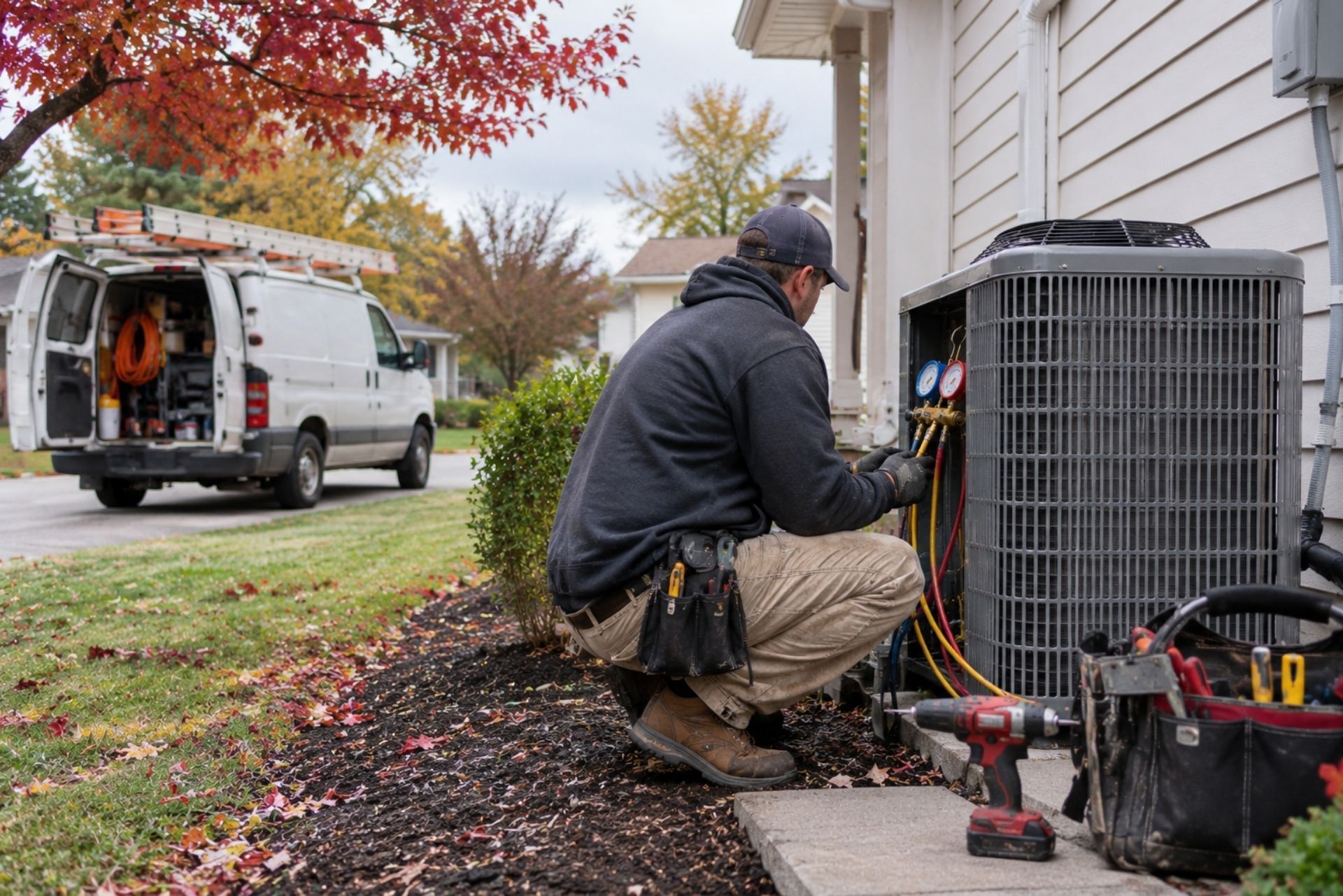
Water damage: A clogged condensate drain overflows into a finished basement ceiling.
Fire: Electrical arcing at a poorly torqued furnace connection ignites nearby framing.
Customer injury: A homeowner trips over a refrigerant recovery hose in a hallway.
Important: Confirm your policy includes completed operations coverage. Claims involving a slow leak at a brazed joint or a misrouted condensate line often surface months after you close the job. Without completed operations coverage, those claims may fall outside your policy entirely.
Ohio Workers' Compensation Rules
Ohio is one of only a few monopolistic workers' compensation states. You cannot buy workers' comp from a private carrier. Coverage comes through the Ohio Bureau of Workers' Compensation, unless your company qualifies to self-insure.
Rates are currently moving in your favor. The BWC announced a 6% rate reduction for private employers for 2026-2027. You can review current classification details in the published BWC rate schedule.
Watch your Experience Modification Rate. An EMR below 1.0 signals better-than-average loss history and lowers your premium. An EMR above 1.0 raises costs and can disqualify you from commercial bids. This matters because buyers in an acquisition review EMR closely. A high mod reduces valuation because the buyer inherits that claims history.
HVACInsure is fully licensed and permitted to sell contractor and commercial insurance in Texas.
We proudly serve clients throughout Texas and maintain partnerships with local Texas insurance carriers to ensure HVAC professionals receive compliant, affordable, and comprehensive coverage that meets project and regulatory requirements.
Comparing Essential and Specialized Coverages
Required policies keep you licensed. Specialized policies keep you solvent. The table below shows where each coverage fits and the gap it closes.
| Coverage | What It Protects | Typical HVAC Claim | Priority |
|---|---|---|---|
| General Liability | Third-party injury and property damage | Overflowing condensate pan ruins drywall | Required |
| Completed Operations | Claims after job closeout | Refrigerant leak found months later | Essential |
| Workers' Comp (BWC) | Employee injuries | Tech injured lifting a condenser | Required with employees |
| Professional Liability (E&O) | Design and advice errors | Undersized system on a load calculation | Specialized |
| Pollution Liability | Contamination and mold | Refrigerant release or mold from duct moisture | Specialized |
| Umbrella | Excess limits above GL and auto | Serious van accident claim | Strongly recommended |
Professional liability deserves more attention than most contractors give it. If your staff perform Manual J load calculations, design ductwork, or specify equipment for commercial buildings, a design error is a professional mistake, not property damage. General liability policies typically exclude these losses. An undersized system that cannot hold temperature in a data closet can trigger a claim for equipment replacement plus the client's lost revenue.
Pollution liability is the other common blind spot. Standard GL policies usually carry a pollution exclusion. That leaves you exposed to mold claims tied to duct condensation, which are common in humid Columbus summers.
Protecting Your Tools and Fleet on the Road
Your vans and the equipment inside them are where your revenue starts every morning. A single stolen or wrecked service vehicle can idle a technician for days. That is lost billable time on top of the repair bill.
Commercial Auto for Service Vans
Personal auto policies typically exclude vehicles used for business purposes. If your technician rear-ends someone on I-270 while driving to a service call, a personal policy may deny the claim outright.
Columbus HVAC contractors typically need a $1,000,000 combined single limit commercial auto policy to meet municipal service agreements and large commercial contracts. Make sure your policy includes:
- Hired and non-owned auto: Covers employees driving personal vehicles to pick up parts
- Scheduled drivers: Every technician listed, with MVRs reviewed annually
- Upfitting coverage: Racks, shelving, and ladder mounts valued at replacement cost
Common mistake: Owners add a new van but forget to notify the carrier. Most policies allow a short grace period for newly acquired vehicles. Miss that window and the van may be uninsured.
Inland Marine for High-Value Tools
A fully equipped service van can easily carry $25,000 to $50,000 in gauges, recovery machines, vacuum pumps, and combustion analyzers. Commercial auto does not cover the tools inside the vehicle. Inland marine, often called a tools and equipment floater, fills that gap.
Pay close attention to valuation. An actual cash value policy deducts depreciation, so a five-year-old recovery machine pays out far less than the cost of a new one. Replacement cost coverage costs more but puts the technician back to work faster. Compare that difference against a few days of lost service calls, and replacement cost usually wins.
Also check theft conditions. Some floaters require visible signs of forced entry or exclude overnight theft from unlocked vehicles. Read those clauses before a claim forces you to.
Common Questions About HVAC Coverage in Ohio
Do I need workers' comp if I only have one part-time employee? Yes. Ohio generally requires coverage through the BWC once you have employees, including part-time workers. Sole proprietors with no employees can often elect coverage voluntarily.
Is the $25,000 Columbus bond the same as liability insurance? No. The bond protects the city and your customers if you fail to meet obligations. Liability insurance protects your business from third-party injury and damage claims.
What happens if a leak shows up after I finish the job? Completed operations coverage responds to claims that surface after the work is done. Without it, a leak discovered months later may not be covered.
How much does HVAC insurance cost in Columbus? Cost depends on payroll, revenue, claims history, vehicle count, and the type of work you perform. Residential service companies typically pay less than commercial installers handling rooftop units.
What documentation helps an equipment or liability claim get paid? Take photos of failed components, keep calibrated gauge readings, and file written diagnostic reports from your technicians. Clear records shorten the adjuster's investigation.
Does my
umbrella policy cover professional mistakes? Usually not. Umbrella policies extend GL and auto limits, so design errors typically require a separate E&O policy.
Making the Right Choice for Your Business
The strongest programs share a pattern. They meet the $500,000 state liability minimum and then go well beyond it. They include completed operations, cover tools at replacement cost, and protect the fleet with limits that commercial clients actually require. They also treat the EMR as a number worth managing, not just a line on the BWC invoice.
That said, the cheapest quote rarely matches the risk. Before you sign, review the policy for these items:
- Pollution and professional exclusions in your GL form
- Actual cash value versus replacement cost on tools
- Newly acquired vehicle reporting deadlines
- Additional insured endorsements that general contractors request
Here's what that means for you: a well-built program for HVAC contractor insurance in Columbus, OH is a business asset. It wins larger bids, protects cash flow after a bad claim, and raises your company's value when it is time to sell. Review your coverage with a licensed agent before your next renewal, and close the gaps before a claim exposes them.
Recognized by National HVAC Trade Associations
These trusted organizations set best practices and standards that carriers rely on when underwriting HVAC risks.
Membership signifies adherence to HVAC industry standards and contractor best practices.
Coverage for Crews, Vehicles, and Tools
Insurance for HVAC Contractors
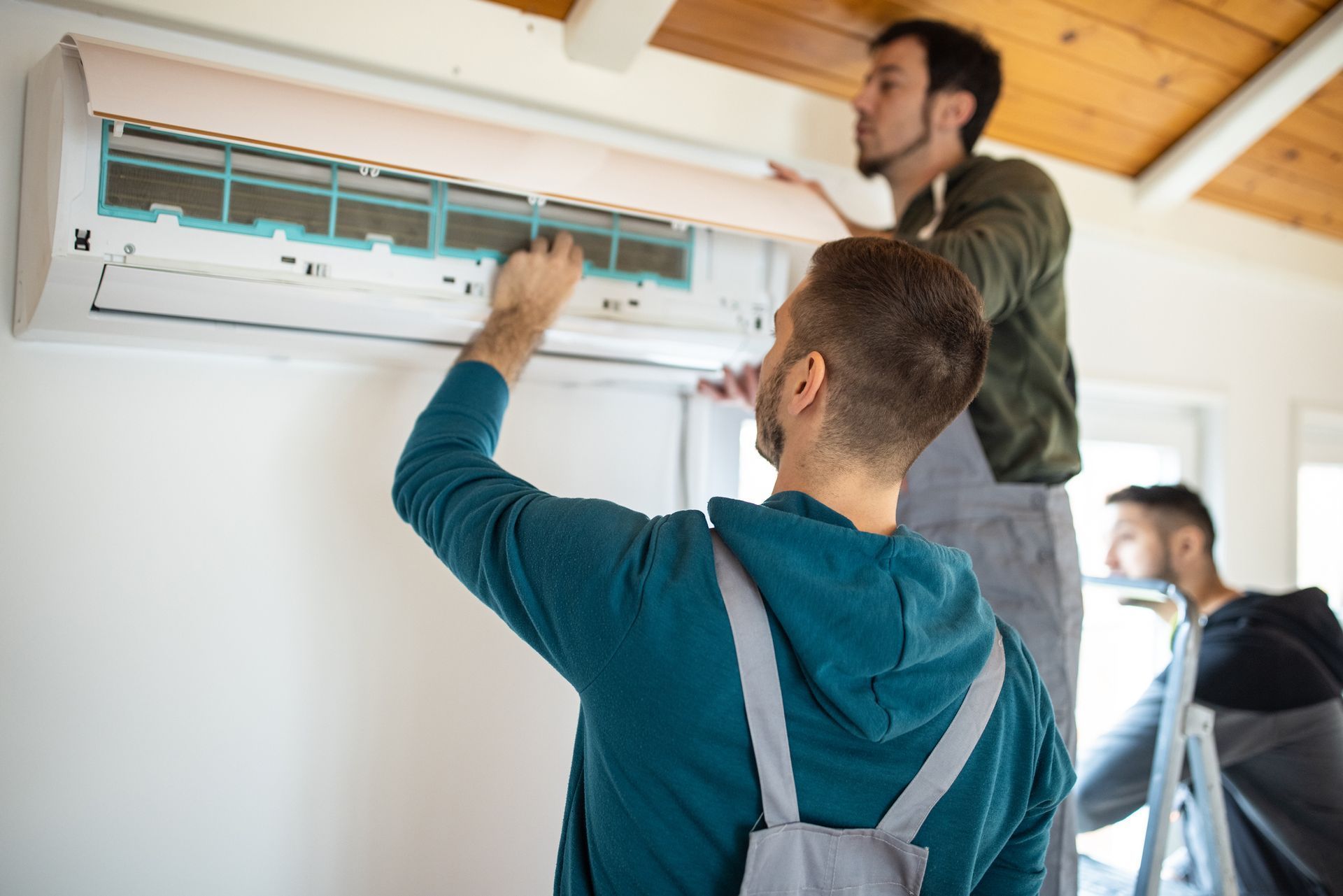
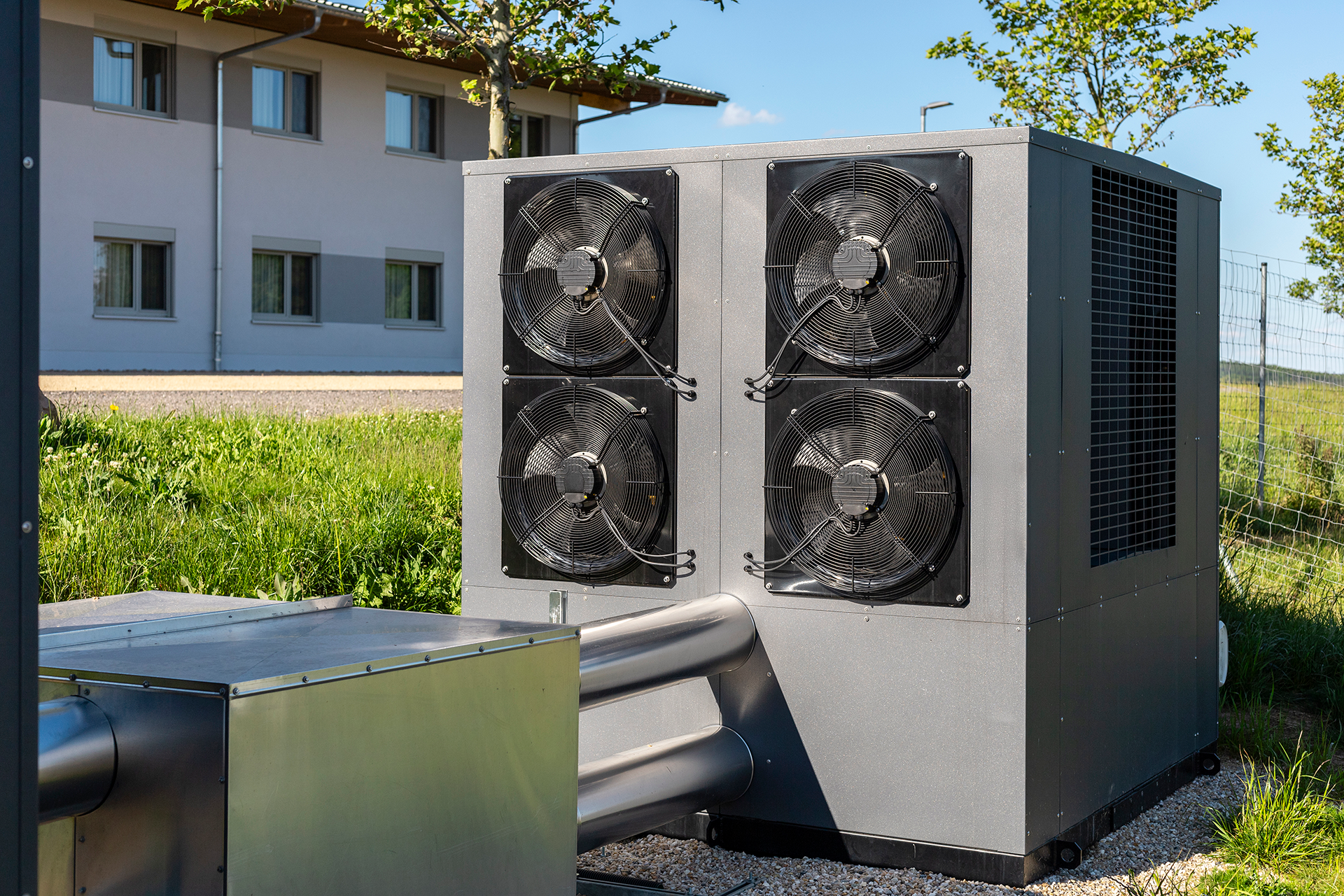
We provide business insurance designed for HVAC contractors. These policies protect your crew, vehicles, and tools while helping you meet project requirements. Every policy is explained clearly and delivered quickly so you can work without delays.

Resources
Insurance Tips for HVAC Contractors
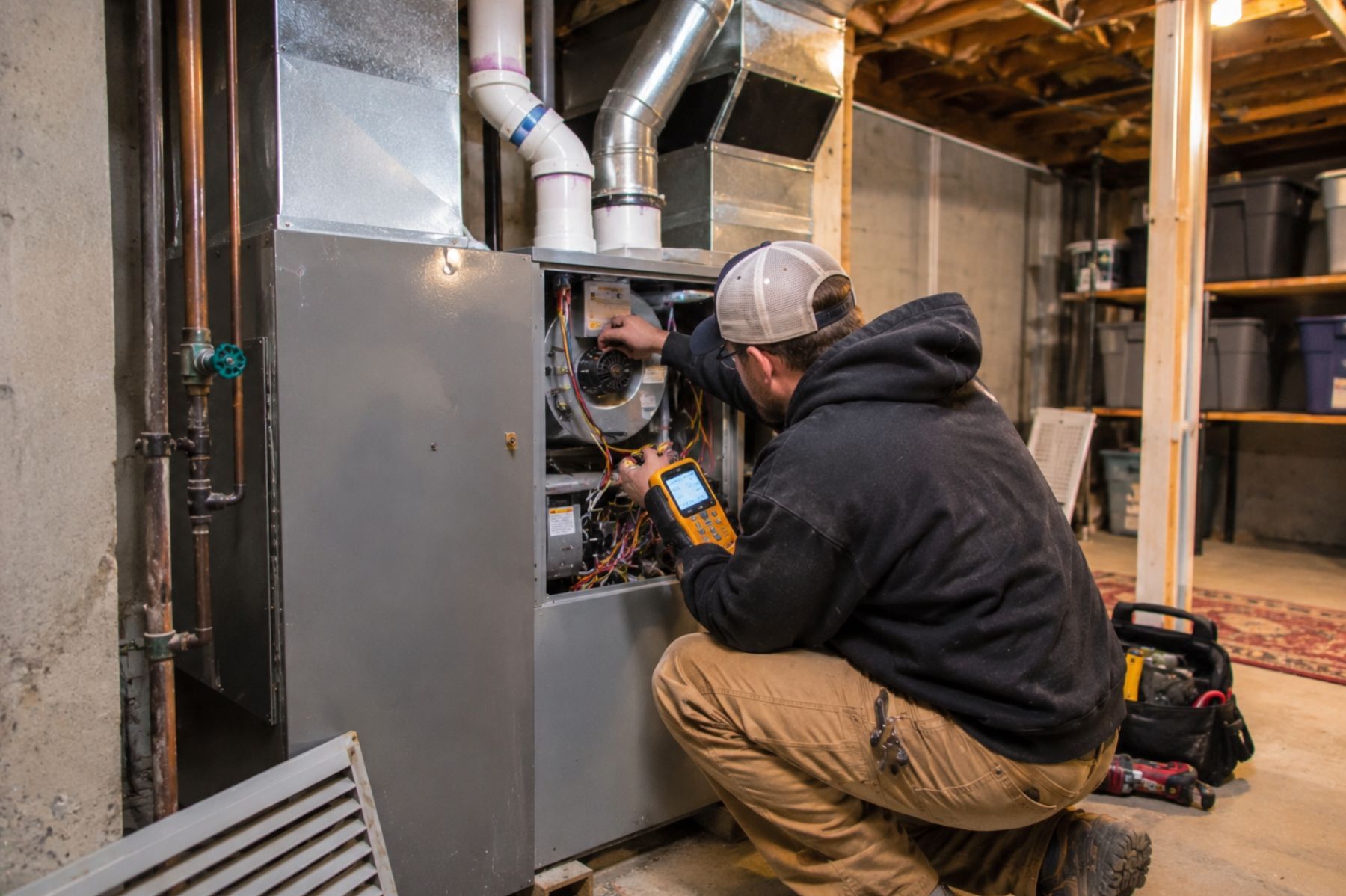
Our blog is built for contractors who want fast answers. Each article covers common questions and risks in under five minutes of reading.
Frequently Asked Question
Common HVAC Contractor Insurance Questions
These FAQs address common contractor questions. As HVACInsure grows, we will update this section with real client experiences and answers.
Why should an HVAC contractor use HVACInsure instead of a general agency?
Specialists understand jobsite requirements, certificate wording, and common endorsements for HVAC work. You get cleaner paperwork, faster approvals, and coverage that fits how your crews operate.
This reduces delays at the gate, avoids gaps, and helps you pass compliance checks the first time.
How fast can I get a Certificate of Insurance (COI)?
Most standard COIs are issued the same business day after binding or updates. If you need additional insured, primary/non-contributory, or waiver language, we prepare it correctly the first time.
Our goal is simple: get your crew on site without paperwork delays.
What coverages do HVAC contractors usually need?
Core policies include General Liability, Commercial Auto, Workers’ Comp, Property/Tools, Inland Marine, and Umbrella. Many projects require higher limits and specific endorsements.
We align your coverage with contract terms and explain each choice in plain language.
Will my tools and scheduled equipment be covered in vans or on jobsites?
Yes. Inland Marine (tools and equipment) can cover items in transit, stored in vehicles, or staged on site.
High-value items can be scheduled, and limits can match your daily field use to keep work moving.
Can I lower my premium without weakening protection?
Often, yes. Clean driver lists, accurate payrolls, safety programs, and bundling policies can help.
We review your profile, request carrier credits, and adjust limits and deductibles to control cost while meeting project requirements.
What should I do after a loss?
Contact us right away so we can file with the correct carrier and set expectations. We guide documentation, next steps, and follow-ups until closure.
Fast reporting and clear records help resolve claims sooner and keep your team focused on work.

Still have questions?
Can’t find the answer you’re looking for? Please chat to our friendly team!
Contact Us