A walk-in freezer fails at 2 AM on a Saturday, and by Monday morning, $40,000 worth of inventory has spoiled. The restaurant owner calls their insurance company, confident their property policy will cover the loss. The claim gets denied. Standard commercial property insurance does not cover mechanical breakdowns, leaving the business owner facing devastating out-of-pocket expenses. This scenario plays out across the food service, pharmaceutical, and cold storage industries more often than most business owners realize.
Refrigeration-specific equipment breakdown insurance exists precisely to fill this gap. Unlike general property coverage that protects against external perils like fire or theft, this specialized policy addresses internal mechanical and electrical failures. For any business that depends on temperature-controlled storage, understanding this coverage is not optional. Your compressors, condensers, and control systems represent significant capital investments. More importantly, they protect perishable inventory worth far more than the equipment itself. The financial exposure from a single breakdown event can threaten business continuity, making proper insurance protection essential to your risk management strategy.
The Critical Role of Equipment Breakdown Coverage
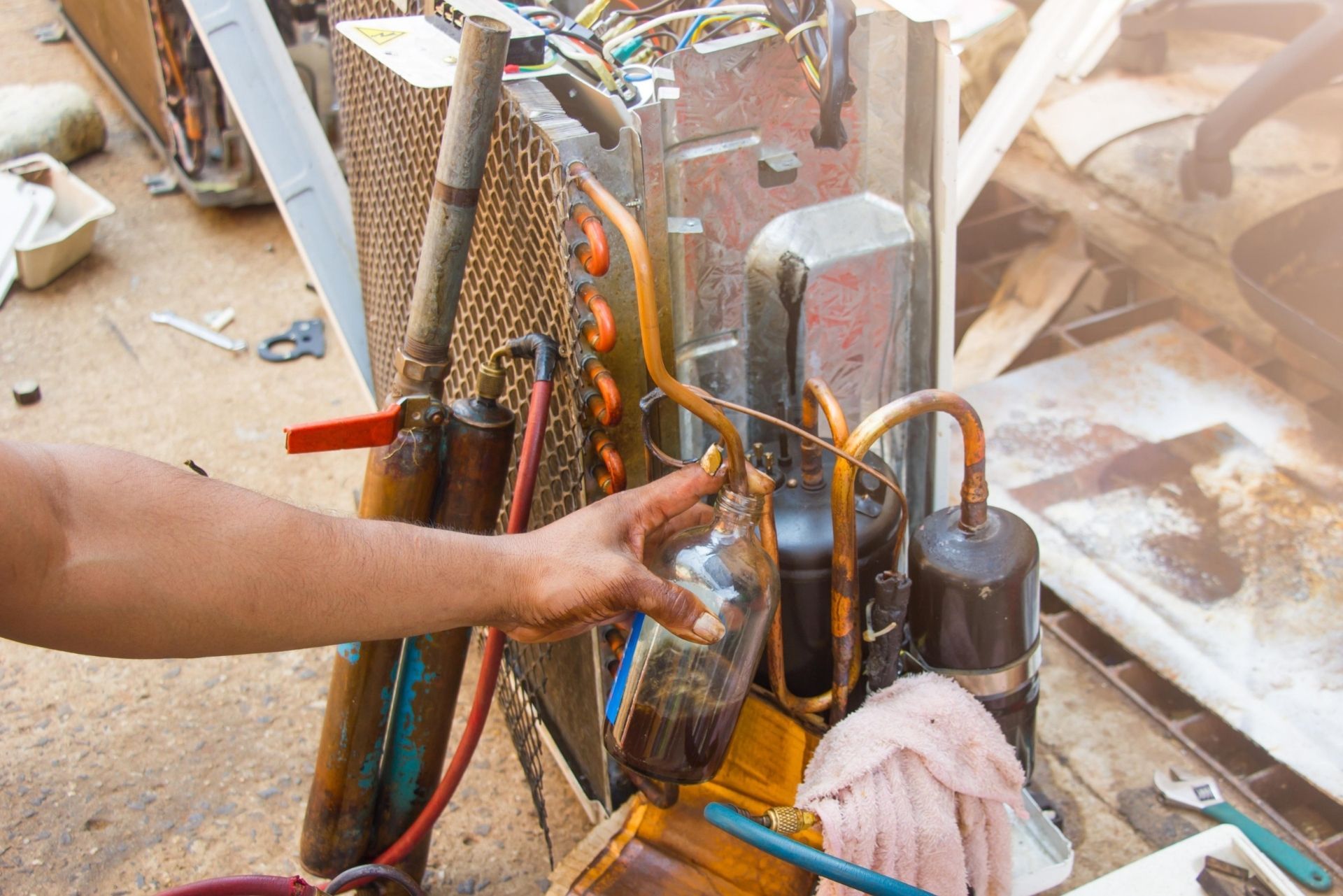
Commercial refrigeration systems operate under constant stress. Compressors cycle thousands of times daily, electrical components manage precise temperature controls, and refrigerant lines maintain pressures that would surprise most business owners. When any component fails, the consequences cascade quickly through your operation.
Equipment breakdown coverage addresses failures that originate inside the machinery itself. This includes electrical arcing, motor burnout, compressor failures, and control system malfunctions. The coverage responds when your equipment stops working due to its own mechanical or electrical problems rather than external causes.
Limitations of Standard Property Insurance
Your commercial property policy likely contains explicit exclusions for mechanical breakdown. Insurance underwriters view these failures differently from covered perils like fire, windstorm, or vandalism. Property policies protect against sudden, accidental damage from external sources. A tree falling on your building triggers coverage. A compressor that simply stops working does not.
Many business owners discover this gap only after filing a claim. The policy language often uses terms like "inherent vice" or "mechanical breakdown" in the exclusions section. Even if equipment damage results from a power surge, standard property coverage may only pay if the surge originated from a covered peril like lightning. A utility company voltage fluctuation typically falls outside that protection.
Common Causes of Refrigeration Failure
Understanding what causes breakdowns helps you appreciate why specialized coverage matters. Compressor failures top the list, often resulting from refrigerant leaks, electrical issues, or simply age-related wear. These units contain motors, pistons, and valves that eventually fail despite proper maintenance.
Electrical problems account for a significant percentage of claims. Short circuits, phase imbalances, and control board failures can occur without warning. Condenser and evaporator coils develop leaks or become damaged. Fan motors burn out. Thermostats and pressure switches malfunction. Each failure type can render your entire system inoperable, putting inventory at immediate risk.
HVACInsure is fully licensed and permitted to sell contractor and commercial insurance in Texas.
We proudly serve clients throughout Texas and maintain partnerships with local Texas insurance carriers to ensure HVAC professionals receive compliant, affordable, and comprehensive coverage that meets project and regulatory requirements.
Key Components of a Refrigeration Policy
A comprehensive breakdown policy for refrigeration equipment includes several distinct coverage elements. Understanding each component helps you evaluate whether a particular policy meets your operational needs.
Repair and Replacement Cost Coverage
The foundation of any equipment breakdown policy covers the cost to repair or replace damaged machinery. This includes parts, labor, and any specialized technicians required for the work. Quality policies pay replacement cost rather than actual cash value, meaning you receive enough to purchase equivalent new equipment rather than depreciated amounts.
Coverage limits should reflect the full replacement value of your refrigeration systems. A commercial walk-in freezer with multiple compressor units might cost $25,000 to $50,000 to replace. Industrial cold storage facilities can have equipment values in the hundreds of thousands. Your policy limits need to match these exposures.
Spoilage and Perishable Goods Protection
For most refrigeration-dependent businesses, inventory loss exceeds equipment repair costs. Spoilage coverage pays for perishable goods that deteriorate due to temperature excursions caused by covered breakdowns. A single compressor failure can destroy inventory worth many times the repair cost.
| Coverage Type | What It Covers | Typical Limits |
|---|---|---|
| Equipment Repair | Parts, labor, technician costs | $50,000 - $500,000+ |
| Spoilage | Perishable inventory loss | $25,000 - $250,000+ |
| Expediting Expenses | Overtime, rush shipping | $10,000 - $50,000 |
| Specialized tools or equipment are damaged or stolen | Lost revenue during downtime | Based on revenue |
Spoilage limits require careful calculation. Inventory values fluctuate seasonally for many businesses. A restaurant might carry $15,000 in perishables normally but $30,000 before a holiday weekend. Your coverage should account for peak inventory periods.
Expediting Expenses for Urgent Repairs
When refrigeration fails, every hour matters. Expediting expense coverage pays the additional costs to accelerate repairs. This includes overtime labor charges, air freight for parts, and premium pricing for emergency service calls. Without this coverage, you might face a choice between paying substantial premiums for fast service or waiting days for standard repairs while inventory spoils.
Mitigating Business Interruption Losses
Equipment breakdowns create financial impacts beyond repair costs and spoiled inventory. Your business may lose revenue during the downtime period, and certain fixed expenses continue regardless of whether you can operate.
Recovering Lost Revenue During Downtime
Business interruption coverage within an equipment breakdown policy pays for income you would have earned during the repair period. For restaurants, this means covering lost sales during closure. For cold storage facilities, it compensates for customers who must find alternative storage providers.
The calculation typically uses your historical financial records to establish normal revenue levels. The policy then pays the difference between expected income and actual income during the covered period. This coverage often includes a waiting period, commonly 24 to 48 hours, before benefits begin.
Coverage for Temporary Equipment Rentals
Renting replacement refrigeration equipment can keep your business operating during repairs. Your policy may cover these rental costs as part of expediting expenses or under a separate provision. Temporary cold storage trailers, portable freezer units, or rental equipment from restaurant supply companies all represent potential covered expenses.
The cost-benefit analysis here is straightforward. Paying $500 daily for temporary equipment is far preferable to losing $3,000 daily in revenue. Your policy should facilitate this decision by covering reasonable rental expenses during the repair period.
Insurance companies assess multiple factors when pricing refrigeration equipment breakdown coverage. Understanding these variables helps you make informed decisions about equipment purchases, maintenance programs, and risk management investments.
Age and Maintenance History of Units
Older equipment presents higher breakdown risk, and premiums reflect this reality. A ten-year-old compressor is statistically more likely to fail than a two-year-old unit. Some insurers decline coverage entirely for equipment beyond certain age thresholds.
Documented maintenance history significantly influences underwriting decisions. Regular service records demonstrate that you take equipment reliability seriously. Insurers may offer premium credits for businesses with comprehensive maintenance programs. Conversely, gaps in maintenance documentation can result in higher rates or coverage restrictions.
Impact of Safety and Monitoring Systems
Modern temperature monitoring systems that alert you to problems before catastrophic failure can reduce premiums. Remote monitoring with automated alerts allows faster response times, potentially preventing spoilage even when breakdowns occur.
Backup power systems like generators also influence pricing. If your refrigeration can continue operating during power outages, your overall risk profile improves. Some insurers require backup power for certain coverage levels or offer substantial discounts for businesses with generator protection.
Filing a Claim and Proactive Risk Management
Successful claims require proper documentation and adherence to policy requirements. Proactive risk management can reduce both the frequency of breakdowns and the severity of losses when they occur.
Essential Documentation for Mechanical Failures
When equipment fails, document everything immediately. Photograph the failed equipment, any visible damage, and spoiled inventory. Record temperatures using calibrated thermometers. Note the exact time you discovered the problem and all actions taken in response.
Obtain written repair estimates and diagnostic reports from qualified technicians. These documents establish the cause of failure and support your claim. Keep all receipts for emergency expenses, temporary equipment rentals, and expediting costs. Detailed records accelerate claim processing and reduce disputes about covered amounts.
Preventative Maintenance as a Policy Requirement
Most equipment breakdown policies include maintenance requirements as conditions of coverage. Failing to maintain equipment according to manufacturer specifications can void your coverage entirely. This is not merely a suggestion from your insurer. It represents a contractual obligation.
Establish a documented maintenance schedule that includes regular inspections, refrigerant level checks, coil cleaning, and electrical system testing. Keep records of all service visits, parts replaced, and technician recommendations. This documentation serves dual purposes: it supports claims when breakdowns occur and demonstrates compliance with policy conditions.
Frequently Asked Questions
Does my general liability policy cover refrigeration breakdowns? No. General liability covers third-party injuries and property damage, not your own equipment failures. You need specific equipment breakdown coverage for refrigeration systems.
How quickly do equipment breakdown claims get paid? Most insurers process straightforward claims within two to four weeks. Complex claims involving business interruption calculations may take longer. Emergency advance payments are sometimes available for spoilage losses.
Can I get coverage for older refrigeration equipment? Coverage availability decreases for equipment beyond 15 to 20 years old. Some insurers will cover older units with higher deductibles or lower limits. Others require inspection before binding coverage.
What maintenance records do I need to keep? Retain service invoices, technician reports, parts receipts, and any manufacturer-recommended maintenance checklists. Digital records with dates and descriptions of work performed are ideal.
Does coverage apply if I forget to set the temperature correctly? Operator error typically falls outside equipment breakdown coverage. These policies cover mechanical and electrical failures, not human mistakes in equipment operation.
Making the Right Choice for Your Business
Protecting your refrigeration investment requires coverage designed specifically for mechanical and electrical breakdowns. Standard property insurance leaves dangerous gaps that can threaten business survival after a single equipment failure. The cost of proper coverage is minimal compared to the potential losses from uninsured breakdowns.
Evaluate your current policies carefully. Review exclusions for mechanical breakdown and assess whether your coverage limits match your actual equipment values and inventory exposures. Work with an insurance professional who understands
refrigeration-specific equipment breakdown insurance and can structure coverage appropriate for your operation. The investment in proper protection pays dividends the moment your compressor fails at the worst possible time.
Recognized by National HVAC Trade Associations
These trusted organizations set best practices and standards that carriers rely on when underwriting HVAC risks.
Membership signifies adherence to HVAC industry standards and contractor best practices.
Coverage for Crews, Vehicles, and Tools
Insurance for HVAC Contractors
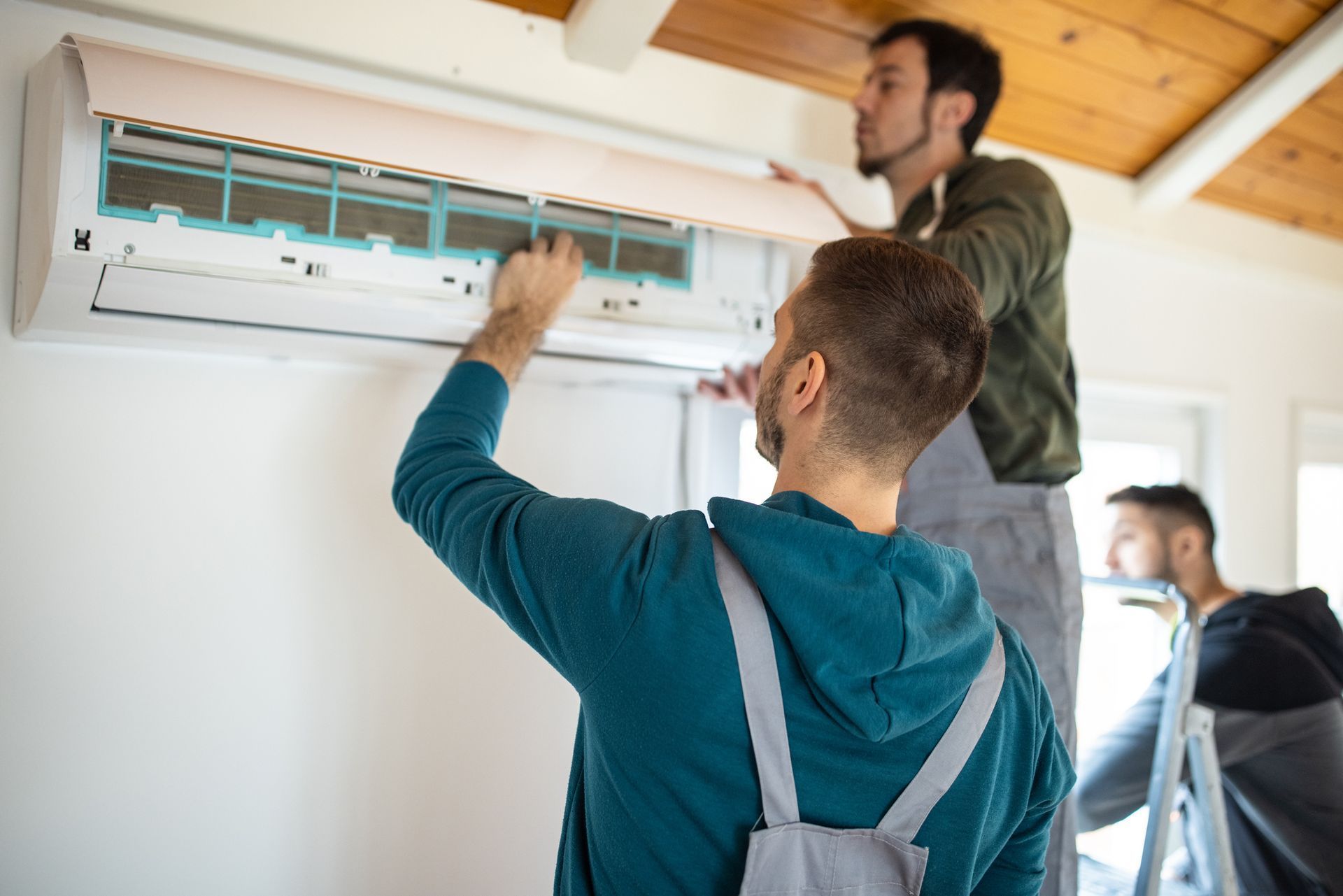
We provide business insurance designed for HVAC contractors. These policies protect your crew, vehicles, and tools while helping you meet project requirements. Every policy is explained clearly and delivered quickly so you can work without delays.
Resources
Insurance Tips for HVAC Contractors
Our blog is built for contractors who want fast answers. Each article covers common questions and risks in under five minutes of reading.


Frequently Asked Question
Common HVAC Contractor Insurance Questions
These FAQs address common contractor questions. As HVACInsure grows, we will update this section with real client experiences and answers.
Why should an HVAC contractor use HVACInsure instead of a general agency?
Specialists understand jobsite requirements, certificate wording, and common endorsements for HVAC work. You get cleaner paperwork, faster approvals, and coverage that fits how your crews operate.
This reduces delays at the gate, avoids gaps, and helps you pass compliance checks the first time.
How fast can I get a Certificate of Insurance (COI)?
Most standard COIs are issued the same business day after binding or updates. If you need additional insured, primary/non-contributory, or waiver language, we prepare it correctly the first time.
Our goal is simple: get your crew on site without paperwork delays.
What coverages do HVAC contractors usually need?
Core policies include General Liability, Commercial Auto, Workers’ Comp, Property/Tools, Inland Marine, and Umbrella. Many projects require higher limits and specific endorsements.
We align your coverage with contract terms and explain each choice in plain language.
Will my tools and scheduled equipment be covered in vans or on jobsites?
Yes. Inland Marine (tools and equipment) can cover items in transit, stored in vehicles, or staged on site.
High-value items can be scheduled, and limits can match your daily field use to keep work moving.
Can I lower my premium without weakening protection?
Often, yes. Clean driver lists, accurate payrolls, safety programs, and bundling policies can help.
We review your profile, request carrier credits, and adjust limits and deductibles to control cost while meeting project requirements.
What should I do after a loss?
Contact us right away so we can file with the correct carrier and set expectations. We guide documentation, next steps, and follow-ups until closure.
Fast reporting and clear records help resolve claims sooner and keep your team focused on work.

Still have questions?
Can’t find the answer you’re looking for? Please chat to our friendly team!
Contact Us