Refrigerant Pollution & Environmental Liability Insurance
or call us: 888-862-1202
A single refrigerant leak at a commercial facility can release thousands of pounds of hydrofluorocarbons into the atmosphere, triggering cleanup costs that exceed $500,000 before regulatory fines even enter the picture. HVAC contractors, cold storage operators, and supermarket chains face this reality every year, often discovering their standard commercial policies provide no protection when state environmental agencies come knocking. Refrigerant pollution and environmental liability insurance exists specifically to address these exposures, yet many businesses either carry inadequate limits or misunderstand what their policies actually cover. The regulatory landscape has shifted dramatically since the EPA began enforcing the AIM Act, creating new compliance obligations that directly affect liability exposure. Companies handling refrigerants now operate under stricter reporting requirements, phasedown schedules, and penalty structures that can devastate an unprepared business. Understanding how specialized environmental coverage responds to refrigerant releases is no longer optional for operations that depend on cooling systems. This protection fills critical gaps that general liability policies explicitly exclude, covering everything from gradual leaks discovered during routine maintenance to catastrophic system failures that contaminate neighboring properties.
Understanding Refrigerant Pollution Risks and Regulatory Compliance
Refrigerant releases create environmental and health hazards that extend far beyond the immediate leak site. These synthetic chemicals persist in the atmosphere, contribute to climate change, and can displace oxygen in enclosed spaces. Businesses that handle refrigerants face dual exposure: the direct costs of containment and cleanup, plus the regulatory consequences of non-compliance.
The Impact of HFCs and Ozone-Depleting Substances
Hydrofluorocarbons replaced older chlorofluorocarbons because they do not damage the ozone layer, but they carry global warming potentials hundreds to thousands of times greater than carbon dioxide. A leak of R-410A, commonly used in air conditioning systems, creates atmospheric warming equivalent to releasing several tons of CO2. Older systems still running on R-22 present additional complications since this refrigerant is now illegal to manufacture or import. Facilities operating legacy equipment face both environmental liability for releases and regulatory penalties for improper handling during repairs or decommissioning.
EPA Regulations and the AIM Act Framework
The American Innovation and Manufacturing Act established a phasedown schedule requiring an 85% reduction in HFC production and consumption by 2036. This framework imposes specific obligations on anyone who manufactures, imports, reclaims, or uses these substances. Leak repair requirements mandate that commercial refrigeration systems exceeding certain charge sizes must be repaired within 30 days of discovering leaks above threshold rates. Violations carry penalties exceeding $44,000 per day, creating substantial
financial exposure that environmental liability coverage can help address through defense cost provisions.
HVACInsure is fully licensed and permitted to sell contractor and commercial insurance in Texas.
We proudly serve clients throughout Texas and maintain partnerships with local Texas insurance carriers to ensure HVAC professionals receive compliant, affordable, and comprehensive coverage that meets project and regulatory requirements.
Core Components of Refrigerant Pollution Liability Coverage
Environmental liability policies designed for refrigerant exposures contain specific coverage grants that address the unique characteristics of these releases. Understanding these components helps you evaluate whether your current protection matches your actual risk profile.
Gradual vs. Sudden and Accidental Leakage
Most refrigerant releases occur gradually through seal degradation, vibration damage, or corrosion rather than sudden catastrophic failures. Standard pollution policies often distinguish between these release types, with some forms only covering sudden and accidental events. Comprehensive refrigerant coverage should respond to both scenarios since slow leaks frequently cause greater total environmental damage before detection. Your policy language matters here: look for definitions that include "continuous or repeated exposure" to ensure gradual releases trigger coverage.
On-Site and Off-Site Cleanup Costs
Remediation expenses form the largest component of most refrigerant pollution claims. On-site cleanup covers containment, recovery, and disposal of released refrigerants at your own premises. Off-site coverage extends protection when releases migrate to neighboring properties or contaminate shared environmental resources. Policies typically cover soil vapor extraction, groundwater treatment, and air quality monitoring required by regulatory agencies.
Third-Party Bodily Injury and Property Damage Claims
Refrigerant releases can harm workers, neighboring businesses, and residents through direct exposure or property contamination. Environmental policies cover defense costs and settlements when third parties bring claims alleging injury or damage from your refrigerant operations. This coverage becomes essential when releases affect occupied buildings, as evacuation costs and business interruption claims from neighbors can accumulate rapidly.
Most businesses assume their existing insurance provides adequate protection for refrigerant incidents. This assumption proves incorrect in the majority of claims.
The Total Pollution Exclusion Clause
Commercial general liability policies contain absolute pollution exclusions that eliminate coverage for any claim arising from the discharge, dispersal, or release of pollutants. Refrigerants fall squarely within the policy definition of pollutants as irritants or contaminants. Courts have consistently upheld these exclusions, leaving businesses without coverage for cleanup costs, third-party claims, or defense expenses. The exclusion applies regardless of whether the release was sudden, accidental, or resulted from someone else's negligence.
Limitations of General Liability for HVAC Operations
Even policies with limited pollution coverage carve-outs typically exclude claims arising from your core operations. HVAC contractors face particular exposure because their work directly involves refrigerant handling. Products-completed operations coverage, which might otherwise respond to faulty installation claims, contains its own pollution exclusions. Property policies similarly exclude contamination cleanup from covered perils, leaving significant gaps that only dedicated environmental coverage can fill.
Strategic Risk Mitigation and Loss Control
Insurers evaluate your risk management practices when pricing environmental coverage. Strong loss control programs reduce both premium costs and the likelihood of claims.
Implementing Robust Leak Detection Systems
Modern leak detection technology ranges from simple electronic sensors to continuous monitoring systems that alert operators immediately when refrigerant levels drop. Fixed detection systems in mechanical rooms and around large equipment provide early warning before small leaks become major releases. Portable detection equipment allows technicians to identify leak sources during routine maintenance. Insurers often require specific detection capabilities as policy conditions, and some offer premium credits for systems exceeding minimum requirements.
Record-Keeping for Refrigerant Tracking and Disposal
Regulatory compliance requires detailed documentation of refrigerant purchases, system charges, leak repairs, and disposal activities. These records serve dual purposes: demonstrating compliance during regulatory inspections and supporting insurance claims by establishing baseline conditions. Maintain service logs showing refrigerant additions, which help identify systems with chronic leak problems before major releases occur. Disposal manifests prove proper handling of recovered refrigerants, protecting against future allegations of improper disposal.
Evaluating Policy Limits and Endorsements
Selecting appropriate coverage limits requires understanding both your potential exposure and how policy structures affect available protection.
Determining Appropriate Retention and Deductible Levels
Environmental policies typically feature higher retentions than general liability coverage, often starting at $10,000 to $25,000 for smaller operations. Higher retentions reduce premiums but increase your out-of-pocket exposure for smaller incidents. Consider your financial capacity to absorb losses when selecting retention levels. Some policies apply retentions per-claim while others apply them per-pollution condition, which significantly affects your exposure when multiple claims arise from a single release.
Transportation and Disposal Site Liability Endorsements
Standard environmental policies may exclude coverage for refrigerants during transportation or after delivery to disposal facilities. Transportation endorsements extend coverage to releases occurring while moving refrigerants between locations. Disposal site liability coverage protects against claims arising from facilities where you send recovered refrigerants for destruction or reclamation. These endorsements prove essential for contractors who transport refrigerants regularly or businesses that accumulate significant quantities before disposal.
| Coverage Element | Basic Environmental Policy | Enhanced Refrigerant Coverage |
|---|---|---|
| Gradual pollution | Often excluded | Included |
| Transportation | Excluded | Available by endorsement |
| Disposal site liability | Excluded | Available by endorsement |
| Defense costs | Inside limits | Outside limits option |
| Regulatory defense | Limited | Comprehensive |
Prompt and proper claims handling maximizes your recovery under environmental policies while minimizing regulatory complications.
Report potential claims immediately upon discovering any release, even before determining whether cleanup will be necessary. Environmental policies contain strict notice requirements, and late reporting can void coverage entirely. Document the release thoroughly with photographs, measurements, and written descriptions of conditions before beginning any cleanup. Preserve evidence of the release source, as this information affects both coverage determinations and potential recovery from responsible third parties.
Coordinate with your insurer before engaging remediation contractors, as most policies require insurer approval of cleanup plans and costs. Many environmental insurers maintain networks of pre-approved contractors who understand policy requirements and regulatory expectations. Using approved contractors streamlines the claims process and often results in faster reimbursement. Keep detailed records of all cleanup activities, costs, and communications with regulatory agencies throughout the process.
Frequently Asked Questions
Does my general liability policy cover refrigerant leaks? No. Standard commercial general liability policies contain absolute pollution exclusions that specifically eliminate coverage for refrigerant releases, regardless of how the leak occurred.
How much environmental liability coverage do HVAC contractors need? Most contractors should carry minimum limits of $1 million per occurrence with $2 million aggregate. Operations involving large commercial systems or industrial refrigeration may require higher limits based on potential cleanup costs.
Are gradual refrigerant leaks covered under environmental policies? Coverage varies by policy form. Many environmental policies cover gradual releases, but some limit coverage to sudden and accidental events. Review your policy definitions carefully before purchasing.
What triggers the duty to report a refrigerant release to regulators? EPA regulations require reporting releases of ozone-depleting substances exceeding 100 pounds within 24 hours. State requirements vary and may impose lower thresholds or shorter reporting windows.
Can I add refrigerant coverage to my existing property policy? Some property insurers offer limited pollution buyback endorsements, but these typically provide inadequate protection for significant releases. Standalone environmental policies offer more comprehensive coverage.
Making the Right Choice for Your Operation
Refrigerant pollution liability insurance fills protection gaps that standard commercial policies explicitly exclude. The combination of increasing regulatory enforcement, rising cleanup costs, and strict liability standards makes this coverage essential for any business handling significant refrigerant quantities. Evaluate your current policies against the specific exposures your operations create, paying particular attention to gradual release coverage, transportation endorsements, and disposal site liability. Work with a broker experienced in environmental coverage to structure limits and retentions appropriate for your risk profile. The cost of proper coverage remains far less than a single uninsured release that triggers regulatory penalties, cleanup obligations, and third-party claims simultaneously.

About The Author: James Jenkins
I’m James Jenkins, Founder and CEO of HVACInsure. I work with HVAC contractors and related trades to simplify insurance and make coverage easier to understand. Every day, I help business owners secure reliable protection, issue certificates quickly, and stay compliant so their teams can keep working safely and confidently.
Recognized by National HVAC Trade Associations
These trusted organizations set best practices and standards that carriers rely on when underwriting HVAC risks.
Membership signifies adherence to HVAC industry standards and contractor best practices.
Coverage for Crews, Vehicles, and Tools
Insurance for HVAC Contractors
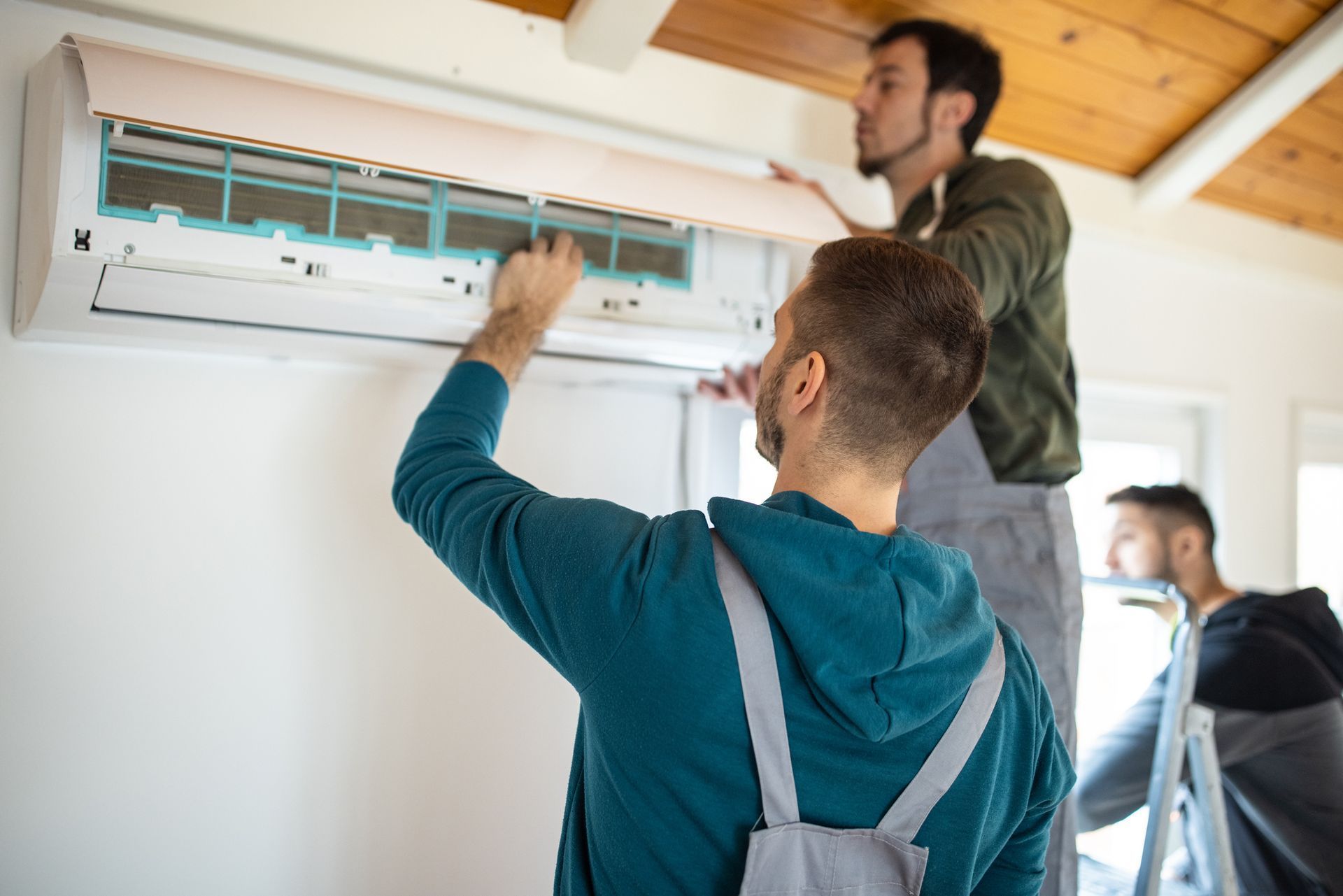
We provide business insurance designed for HVAC contractors. These policies protect your crew, vehicles, and tools while helping you meet project requirements. Every policy is explained clearly and delivered quickly so you can work without delays.
Resources
Insurance Tips for HVAC Contractors
Our blog is built for contractors who want fast answers. Each article covers common questions and risks in under five minutes of reading.


Frequently Asked Question
Common HVAC Contractor Insurance Questions
These FAQs address common contractor questions. As HVACInsure grows, we will update this section with real client experiences and answers.
Why should an HVAC contractor use HVACInsure instead of a general agency?
Specialists understand jobsite requirements, certificate wording, and common endorsements for HVAC work. You get cleaner paperwork, faster approvals, and coverage that fits how your crews operate.
This reduces delays at the gate, avoids gaps, and helps you pass compliance checks the first time.
How fast can I get a Certificate of Insurance (COI)?
Most standard COIs are issued the same business day after binding or updates. If you need additional insured, primary/non-contributory, or waiver language, we prepare it correctly the first time.
Our goal is simple: get your crew on site without paperwork delays.
What coverages do HVAC contractors usually need?
Core policies include General Liability, Commercial Auto, Workers’ Comp, Property/Tools, Inland Marine, and Umbrella. Many projects require higher limits and specific endorsements.
We align your coverage with contract terms and explain each choice in plain language.
Will my tools and scheduled equipment be covered in vans or on jobsites?
Yes. Inland Marine (tools and equipment) can cover items in transit, stored in vehicles, or staged on site.
High-value items can be scheduled, and limits can match your daily field use to keep work moving.
Can I lower my premium without weakening protection?
Often, yes. Clean driver lists, accurate payrolls, safety programs, and bundling policies can help.
We review your profile, request carrier credits, and adjust limits and deductibles to control cost while meeting project requirements.
What should I do after a loss?
Contact us right away so we can file with the correct carrier and set expectations. We guide documentation, next steps, and follow-ups until closure.
Fast reporting and clear records help resolve claims sooner and keep your team focused on work.

Still have questions?
Can’t find the answer you’re looking for? Please chat to our friendly team!
Contact Us