A ruptured refrigerant line sends toxic fumes through a pharmaceutical manufacturing facility, shutting down production for three days. The HVAC contractor responsible faces claims exceeding $2 million: $180,000 in property damage, $400,000 in bodily injury claims from exposed workers, and $1.4 million in lost production revenue. Without proper insurance coverage, this single incident could bankrupt a mid-sized contracting business. Manufacturing plant HVAC work carries risks that residential and commercial projects simply do not match. Industrial cooling systems operate at higher pressures, use larger refrigerant volumes, and connect to production processes where downtime costs thousands per hour. Your insurance coverage guide needs to address these elevated exposures with policies designed for industrial environments. Standard contractor insurance often falls short when claims arise from complex industrial systems.
Core Liability Protections for HVAC Operations
Manufacturing facilities present unique hazards that require comprehensive liability protection. Your general liability policy serves as the foundation, but coverage limits and endorsements must reflect industrial-scale exposures.
General Liability for On-Site Bodily Injury and Property Damage
General liability insurance protects against third-party injuries and property damage occurring during active work. In manufacturing settings, these claims tend to be larger and more complex than typical commercial projects. A dropped tool damaging a precision CNC machine creates very different financial exposure than damaging residential drywall.
Most manufacturing contracts require minimum general liability limits of $1 million per occurrence and $2 million aggregate. Heavy industrial facilities often demand $5 million or higher. Your policy should include products-completed operations coverage, which many basic policies exclude or limit. This coverage remains active after you leave the job site, protecting against claims arising from your finished work.
Completed Operations Coverage for System Failures
System failures occurring weeks or months after installation generate some of the costliest claims in industrial HVAC work. A faulty temperature control system that allows humidity to damage stored materials can create claims far exceeding the original contract value. Completed operations coverage addresses these delayed-onset claims.
Standard policies typically maintain completed operations coverage for one to two years after project completion. Manufacturing clients may require extended terms, particularly for critical climate control systems. Review your policy's completed operations aggregate separately from your general aggregate, as these limits can deplete independently.
Pollution Liability for Refrigerant Leaks and Air Quality
Manufacturing HVAC systems use industrial refrigerants in quantities that create significant pollution exposure. A major refrigerant release can trigger EPA reporting requirements, evacuation costs, and cleanup expenses that standard general liability policies exclude. Pollution liability coverage fills this gap.
Contractor's pollution liability policies cover cleanup costs, third-party bodily injury from pollutant exposure, and regulatory defense expenses. Coverage should address both sudden releases and gradual conditions discovered later. Premium costs vary significantly based on refrigerant types handled, with policies covering ammonia systems commanding higher rates than those limited to standard HFC refrigerants..
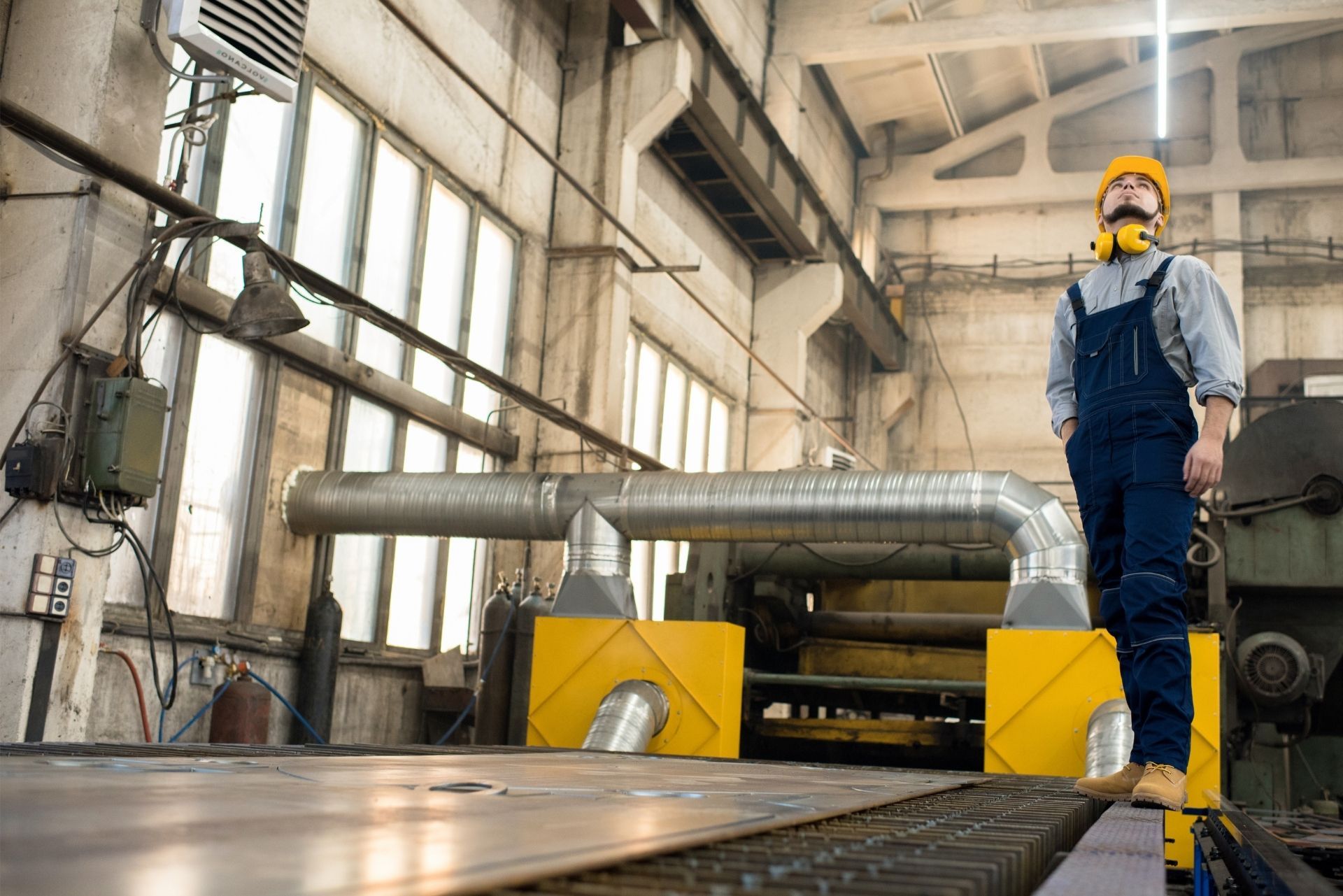
HVACInsure is fully licensed and permitted to sell contractor and commercial insurance in Texas.
We proudly serve clients throughout Texas and maintain partnerships with local Texas insurance carriers to ensure HVAC professionals receive compliant, affordable, and comprehensive coverage that meets project and regulatory requirements.
Specialized Professional and Errors & Omissions Coverage
Design responsibilities in industrial HVAC work create professional liability exposures distinct from general liability risks. When you specify equipment, design ductwork layouts, or calculate load requirements, you assume professional duties that require separate coverage.
Addressing Design Flaws in Complex Industrial Air Systems
Professional liability insurance, sometimes called errors and omissions coverage, protects against claims arising from professional services rather than physical work. An undersized chiller that cannot maintain required temperatures during peak production creates financial damages without any physical injury or property damage. General liability excludes such claims.
Manufacturing HVAC contractors increasingly perform design-build work, blending installation with engineering services. This hybrid role requires both general and professional liability coverage working together. Policy coordination matters here: gaps between policies can leave significant exposures uncovered. Some insurers offer combined policies specifically designed for design-build contractors.
Financial Losses from Manufacturing Downtime
Production interruption claims represent the most significant financial exposure in manufacturing HVAC work. A facility producing $50,000 in goods per hour faces substantial losses when HVAC failures force shutdowns. These consequential damages often exceed direct property damage by ten to one or more.
Standard policies typically exclude or severely limit coverage for client's lost business income. You may need to negotiate this coverage specifically, often through professional liability policy endorsements. Manufacturing contracts frequently include liquidated damages clauses for downtime, creating predictable but substantial exposure. Review contract terms before signing, and ensure your coverage addresses any liquidated damages provisions.
Protecting Assets: Equipment, Tools, and Inland Marine
Industrial HVAC work requires substantial equipment investments. Diagnostic tools, specialized welding equipment, and inventory of high-value components need protection beyond standard property coverage.
Inland Marine Insurance for High-Value Industrial Components
Inland marine insurance covers property in transit or temporarily stored away from your primary location. For manufacturing HVAC contractors, this includes compressors, control systems, and specialized components staged at job sites. Standard commercial property policies often exclude or limit coverage for property away from scheduled premises.
| Coverage Type | What It Protects | Typical Limits |
|---|---|---|
| Tools and Equipment | Owned tools and diagnostic equipment | $25,000 - $500,000 |
| Installation Floater | Materials being installed | Project value |
| Contractors Equipment | Vehicles, trailers, mobile equipment | Scheduled value |
| Leased Equipment | Rented specialized tools | Per rental agreement |
Installation Floaters for Equipment in Transit or Staging
Installation floater policies cover materials and equipment from the moment you take possession until installation completion. This coverage proves essential when handling expensive industrial components that may sit at staging areas for weeks before installation. A $75,000 variable frequency drive damaged during staging creates significant uninsured loss without proper floater coverage.
Coverage should include protection during loading, transit, unloading, and storage. Verify that your policy covers equipment at multiple job sites simultaneously, as manufacturing contractors often work on several facilities concurrently.
Workforce Safety and Workers' Compensation Requirements
Manufacturing environments present elevated injury risks that affect both workers' compensation costs and coverage requirements. Your workers' compensation program must address these industrial hazards.
Navigating High-Risk Manufacturing Environments
Workers' compensation insurance covers employee injuries regardless of fault. Manufacturing plant work involves confined spaces, elevated platforms, exposure to industrial chemicals, and proximity to moving machinery. These hazards increase both injury frequency and severity compared to residential work.
Classification codes significantly affect premium calculations. HVAC contractors working primarily in manufacturing settings may face different classification than those focused on commercial or residential work. Misclassification can result in audit adjustments and penalties. Work with your insurer to ensure proper classification reflecting your actual operations.
Many manufacturing facilities require contractors to participate in their safety programs, provide safety documentation, and maintain specific experience modification rates. Your experience modification rate, calculated from your claims history, directly affects both premium costs and contract eligibility. Rates above 1.0 may disqualify you from bidding on certain projects.
Contractual Compliance and Commercial Umbrella Policies
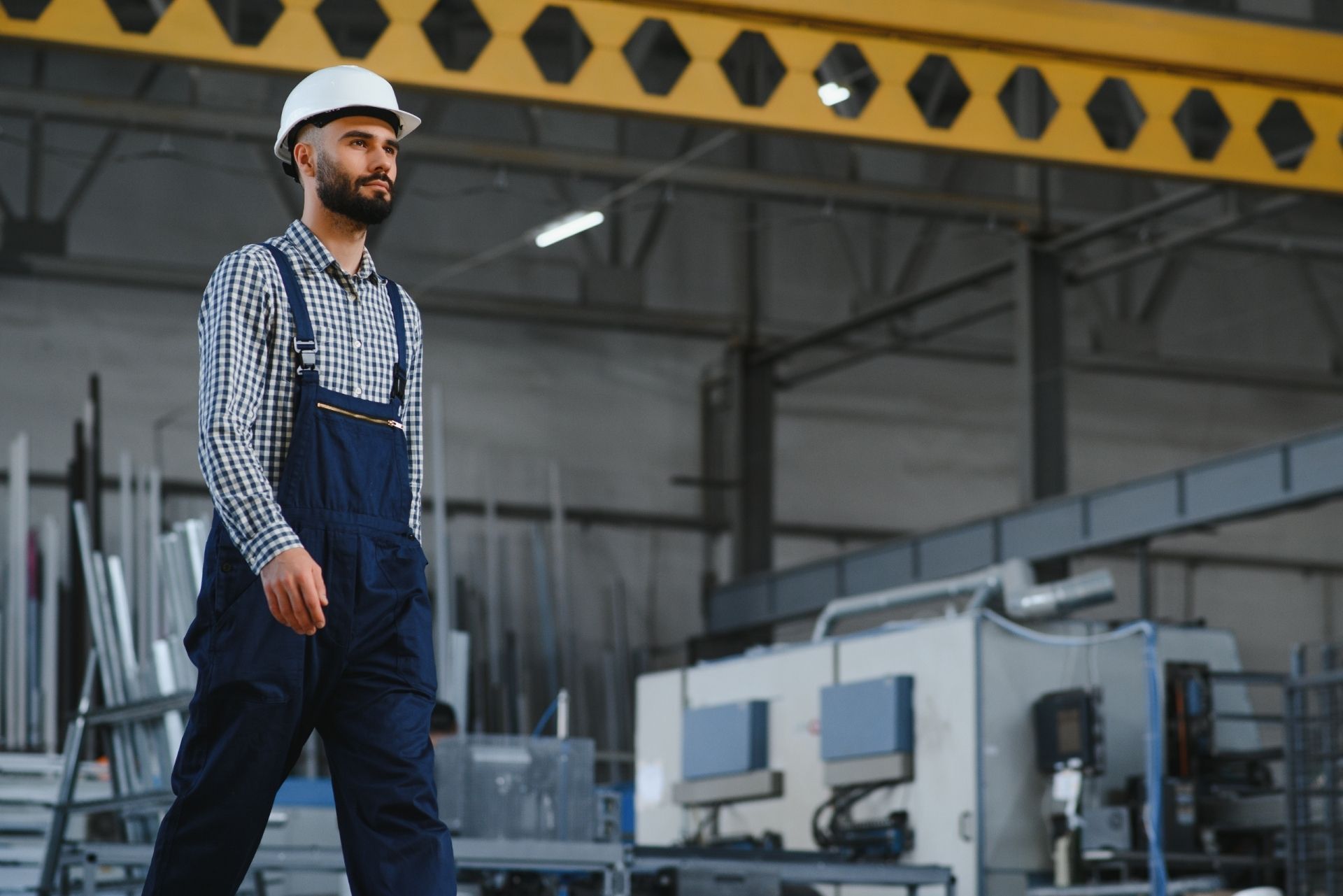
Manufacturing contracts contain detailed insurance requirements that exceed typical commercial project demands. Understanding these requirements before bidding prevents costly surprises.
Meeting Minimum Coverage Limits for Large-Scale Facilities
Large manufacturing facilities commonly require liability limits of $5 million to $10 million or more. Primary general liability policies rarely provide limits this high at reasonable costs. Commercial umbrella policies provide additional limits above your primary coverage, making high-limit requirements affordable.
Umbrella policies typically require minimum underlying limits before providing excess coverage. A standard structure might include $1 million general liability, $1 million auto liability, and $1 million employers liability, with a $5 million umbrella sitting above these primary policies. This creates $6 million total available coverage at a fraction of the cost of purchasing $6 million primary limits.
Additional Insured Status and Certificates of Insurance
Manufacturing clients routinely require additional insured status on your general liability policy. This endorsement extends your coverage to protect the client against claims arising from your work. The cost is typically minimal, but the administrative burden of managing multiple additional insured endorsements can be significant.
Certificates of insurance document your coverage for clients and general contractors. Manufacturing facilities often require certificates before allowing site access. Establish efficient processes for certificate requests, as delays can prevent your crews from working. Many insurers offer online certificate generation, streamlining this administrative task.
Insurance costs for manufacturing HVAC contractors can be managed through proactive risk management. Insurers reward contractors who demonstrate commitment to safety and loss prevention.
Documented safety programs reduce both claims frequency and insurance costs. Programs should address manufacturing-specific hazards including lockout-tagout procedures, confined space entry, and refrigerant handling. Regular safety training with documented attendance demonstrates commitment to loss prevention.
Claims history drives premium calculations more than any other factor. Implementing return-to-work programs, investigating near-misses, and addressing hazards before they cause injuries keeps your experience modification rate favorable. Some insurers offer premium credits for specific safety certifications or participation in industry safety programs.
Consider higher deductibles if your cash flow supports absorbing smaller losses. Moving from a $1,000 to a $5,000 deductible can reduce premiums by 10% to 15% while encouraging careful loss prevention.
Frequently Asked Questions
How much does insurance cost for manufacturing HVAC contractors? Annual premiums typically range from $15,000 to $75,000 depending on revenue, employee count, coverage limits, and claims history. Contractors working with hazardous refrigerants or in high-risk industries pay more.
Do I need separate pollution coverage for refrigerant work? Yes. Standard general liability policies exclude pollution claims. Contractor's pollution liability coverage is essential for any work involving industrial refrigerants.
What experience modification rate do manufacturing clients require? Most require rates at or below 1.0. Some large facilities require 0.85 or lower. Rates above 1.0 can disqualify you from bidding.
Can I use my residential HVAC insurance for manufacturing work? Residential policies typically exclude or limit coverage for industrial operations. Manufacturing work requires policies designed for commercial and industrial exposures.
How quickly can I get certificates of insurance for new clients? Most insurers provide certificates within 24 to 48 hours. Online certificate systems can generate standard certificates immediately.
Making the Right Coverage Decisions
Proper insurance coverage for manufacturing HVAC work requires careful attention to the unique exposures these projects create. Standard contractor policies leave gaps that become apparent only when claims arise. Building a comprehensive program with adequate general liability, professional liability, pollution coverage, and umbrella limits protects your business against the substantial claims manufacturing work can generate. Review your coverage annually with an insurance professional familiar with industrial contractor exposures, and update your program as your business grows into larger and more complex projects.

About The Author: James Jenkins
I’m James Jenkins, Founder and CEO of HVACInsure. I work with HVAC contractors and related trades to simplify insurance and make coverage easier to understand. Every day, I help business owners secure reliable protection, issue certificates quickly, and stay compliant so their teams can keep working safely and confidently.
Recognized by National HVAC Trade Associations
These trusted organizations set best practices and standards that carriers rely on when underwriting HVAC risks.
Membership signifies adherence to HVAC industry standards and contractor best practices.
Coverage for Crews, Vehicles, and Tools
Insurance for HVAC Contractors
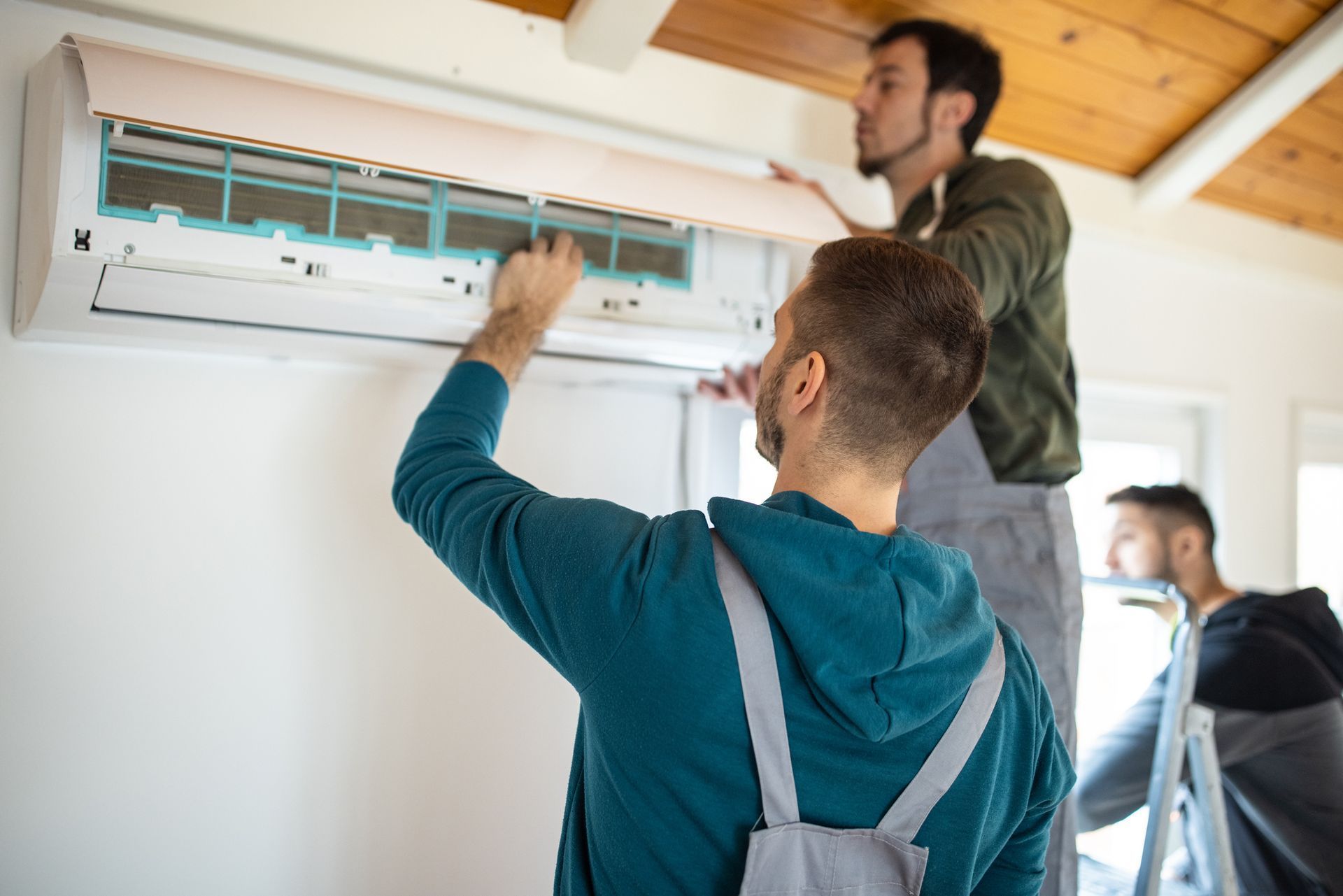
We provide business insurance designed for HVAC contractors. These policies protect your crew, vehicles, and tools while helping you meet project requirements. Every policy is explained clearly and delivered quickly so you can work without delays.

Resources
Insurance Tips for HVAC Contractors
Our blog is built for contractors who want fast answers. Each article covers common questions and risks in under five minutes of reading.


Frequently Asked Question
Common HVAC Contractor Insurance Questions
These FAQs address common contractor questions. As HVACInsure grows, we will update this section with real client experiences and answers.
Why should an HVAC contractor use HVACInsure instead of a general agency?
Specialists understand jobsite requirements, certificate wording, and common endorsements for HVAC work. You get cleaner paperwork, faster approvals, and coverage that fits how your crews operate.
This reduces delays at the gate, avoids gaps, and helps you pass compliance checks the first time.
How fast can I get a Certificate of Insurance (COI)?
Most standard COIs are issued the same business day after binding or updates. If you need additional insured, primary/non-contributory, or waiver language, we prepare it correctly the first time.
Our goal is simple: get your crew on site without paperwork delays.
What coverages do HVAC contractors usually need?
Core policies include General Liability, Commercial Auto, Workers’ Comp, Property/Tools, Inland Marine, and Umbrella. Many projects require higher limits and specific endorsements.
We align your coverage with contract terms and explain each choice in plain language.
Will my tools and scheduled equipment be covered in vans or on jobsites?
Yes. Inland Marine (tools and equipment) can cover items in transit, stored in vehicles, or staged on site.
High-value items can be scheduled, and limits can match your daily field use to keep work moving.
Can I lower my premium without weakening protection?
Often, yes. Clean driver lists, accurate payrolls, safety programs, and bundling policies can help.
We review your profile, request carrier credits, and adjust limits and deductibles to control cost while meeting project requirements.
What should I do after a loss?
Contact us right away so we can file with the correct carrier and set expectations. We guide documentation, next steps, and follow-ups until closure.
Fast reporting and clear records help resolve claims sooner and keep your team focused on work.

Still have questions?
Can’t find the answer you’re looking for? Please chat to our friendly team!
Contact Us