Heat Pump Rebate and 25C Program Work: Contract Risk, Payment Delays, Performance Claims, and Insurance Requirements
See How We're Different
or call us: 888-862-1202
A homeowner signs your heat pump proposal because the rebate math works. Ninety days later, the program's funds are frozen, the tax credit paperwork is disputed, and the client is withholding final payment until "the discount shows up." This scenario is now common for HVAC contractors working incentive-driven jobs in 2026.
Understanding the risks tied to heat pump rebate and 25C program work requires more than knowing which equipment qualifies. Contract language, cash flow planning, performance promises, and insurance requirements all determine whether an incentive job builds your business or drains it. Rebate rules shifted sharply this year, manufacturer pricing is under legal scrutiny, and product safety enforcement has tightened. Each of those changes creates new exposure that falls on the installer, not the program administrator.
Goal: Give HVAC owners a practical framework for protecting margins, reputation, and coverage on every incentive-linked installation.
The sections below cover the current program environment, clause-level contract protections, payment delay tactics,
coverage types, and the questions contractors most often ask their brokers about rebate-focused work.
Navigating the 25C Tax Credit and Heat Pump Rebate Landscape
The federal incentive picture changed significantly in 2026. Effective May 29, 2026, DOE Program Notice 26-2 prohibits HEEHR and HEAR rebates for fuel-switching projects, meaning gas-to-electric conversions no longer qualify. Funds are now limited to electric-to-electric upgrades and new construction. If your sales team still pitches rebates on furnace replacements, you have a misrepresentation problem.
Availability is also uneven. As of late 2026, only 13 states and D.C. have launched rebate programs, and California's single-family HEEHR rebates were fully waitlisted by February 24, 2026. A rebate that existed when you quoted the job may be gone when you install.
The 25C credit adds a separate layer. It is claimed by the homeowner on their tax return, not paid to you, and eligibility depends on equipment specifications, installation dates, and the client's own tax situation. Confirm the current status of the credit with a tax professional before referencing it in any sales material.
Here's what that means for you:
- Never quote a rebate as guaranteed
- Verify program status the week of signing
- Document the program version in effect on contract date
Managing Contractual Risk and Performance Expectations
Most disputes on incentive jobs start with a sentence a salesperson said, not something written in the contract. Your agreement should close the gap between what was promised verbally and what you are legally obligated to deliver. That means addressing two separate risks: incentive eligibility and equipment performance.
Drafting Clauses for Rebate Eligibility Disclaimers
A strong disclaimer states that rebates and tax credits are administered by third parties, that you do not control funding or approval, and that the contract price is owed regardless of incentive outcome. Avoid structuring the price as "net of rebate" unless you are the approved claimant and accept that risk.
Good vs. Bad Example:
- Bad: "Total cost after $X rebate: $Y."
- Good: "Contract price: $Z. Client may be eligible for third-party incentives. Contractor makes no guarantee of eligibility, approval, or payment timing."
Include a client acknowledgment line initialed separately. That initial carries real weight in small claims court and with licensing boards.
Addressing Energy Savings and Performance Claims
Avoid percentage savings promises. Actual performance depends on duct leakage, envelope tightness, thermostat habits, and regional weather, none of which you control. A client in a cold-climate zone who expected lower winter bills may blame your load calculation when auxiliary heat strips run during a cold snap.
Reference manufacturer ratings as rated values under test conditions, not field results. Keep your Manual J and Manual S documentation in the job file. If a performance claim arises, that paperwork is your primary defense.
Mitigating Financial Strain from Payment Delays
Incentive programs pay on their schedule, not yours. When you accept a rebate assignment, you finance the job until the administrator releases funds, and any paperwork error resets the clock. In California's TECH program, contractors must meet a 120-day timeline for rebate claim submissions following a reservation. Miss it, and the rebate may be forfeited while you still own the receivable.
Equipment cost pressure compounds the strain. A March 2026 class-action lawsuit alleges that seven major HVAC manufacturers conspired to inflate equipment prices. Whatever the outcome, contractors absorbing price increases between quote and delivery lose margin fast.
Practical steps that protect cash flow:
- Collect deposits covering at least equipment cost before ordering
- Separate the rebate amount as a client obligation if the program denies payment
- Add price escalation language for quotes held longer than 30 days
- Assign one staff member to track claim deadlines and submission status
- Photograph nameplates, serial numbers, and commissioning readings at install for rebate documentation
One thing to keep in mind: a lien deadline in your state may run concurrently with the program review. Do not let a pending rebate cause you to miss your mechanic's lien window.
Essential Insurance Coverage for HVAC Contractors
Incentive work raises your exposure in specific ways. You are installing higher-voltage equipment, handling refrigerant line sets, cutting into building envelopes, and making documented representations to government-funded programs. A standard policy written for repair-and-replace service may not fit.
Product safety is a real concern. In 2026, Daikin Comfort Technologies paid an $8.5 million civil penalty for failing to report fire hazards in certain units linked to more than a dozen fires. When a unit fails, plaintiffs typically name the installer alongside the manufacturer. Your defense costs start immediately, even if you are eventually dismissed.
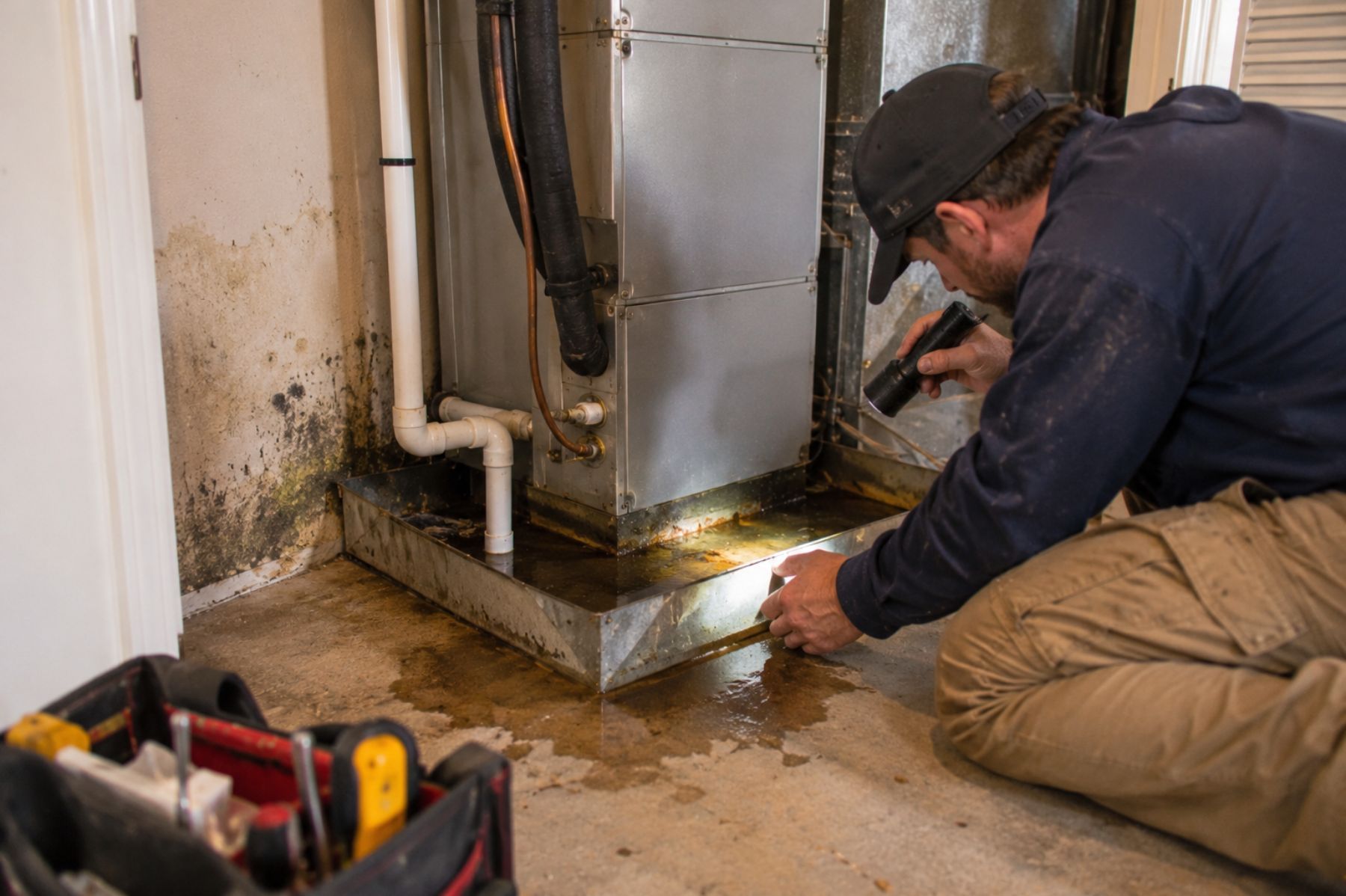
Completed operations coverage deserves special attention. Many heat pump claims appear months after the job: a refrigerant leak at a brazed joint, a condensate line that backs up and soaks a finished basement ceiling, or electrical arcing at an undersized disconnect. Confirm your General Liability policy includes products-completed operations at limits matching your contract requirements.
General Liability vs. Professional Liability Needs
General Liability responds to bodily injury and property damage, such as water damage from a failed condensate pump. It generally excludes pure financial loss, like a client claiming you cost them a rebate.
Professional Liability (E&O) fills that gap when you provide load calculations, system design, or incentive eligibility advice. The catch is that E&O has limits too. A September 2026 court decision highlighted that standard professional liability coverage may not respond to deliberate regulatory non-compliance or False Claims Act settlements. Knowingly submitting a rebate claim for an ineligible fuel-switch project is not an insurable mistake.
Comparison of Coverage Types for Rebate-Focused Work
The table below outlines how common policies respond to the scenarios contractors actually face on incentive jobs.
| Coverage | What It Covers | Rebate-Work Example | Common Gap |
|---|---|---|---|
| General Liability | Bodily injury, property damage | Ceiling collapse from condensate overflow | Financial loss from denied rebates |
| Products-Completed Operations | Claims after job completion | Brazed joint leak found months later | Sublimits lower than contract requires |
| Professional Liability (E&O) | Design errors, bad advice | Oversized system from faulty Manual J | Intentional non-compliance, fines |
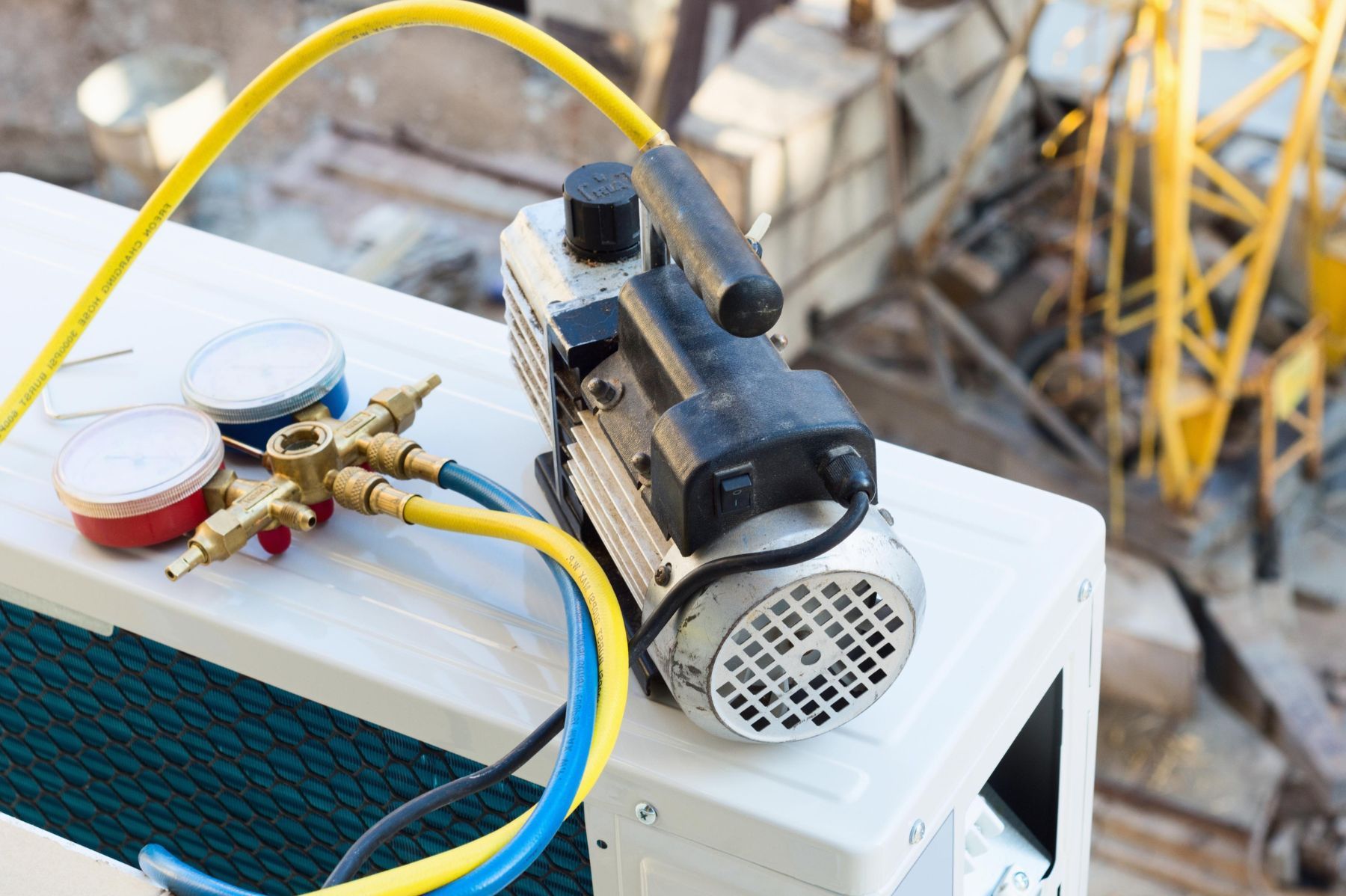
| Contractor's Equipment | Tools, recovery machines, gauges | Stolen vacuum pump from job site | Actual cash value payouts on older tools |
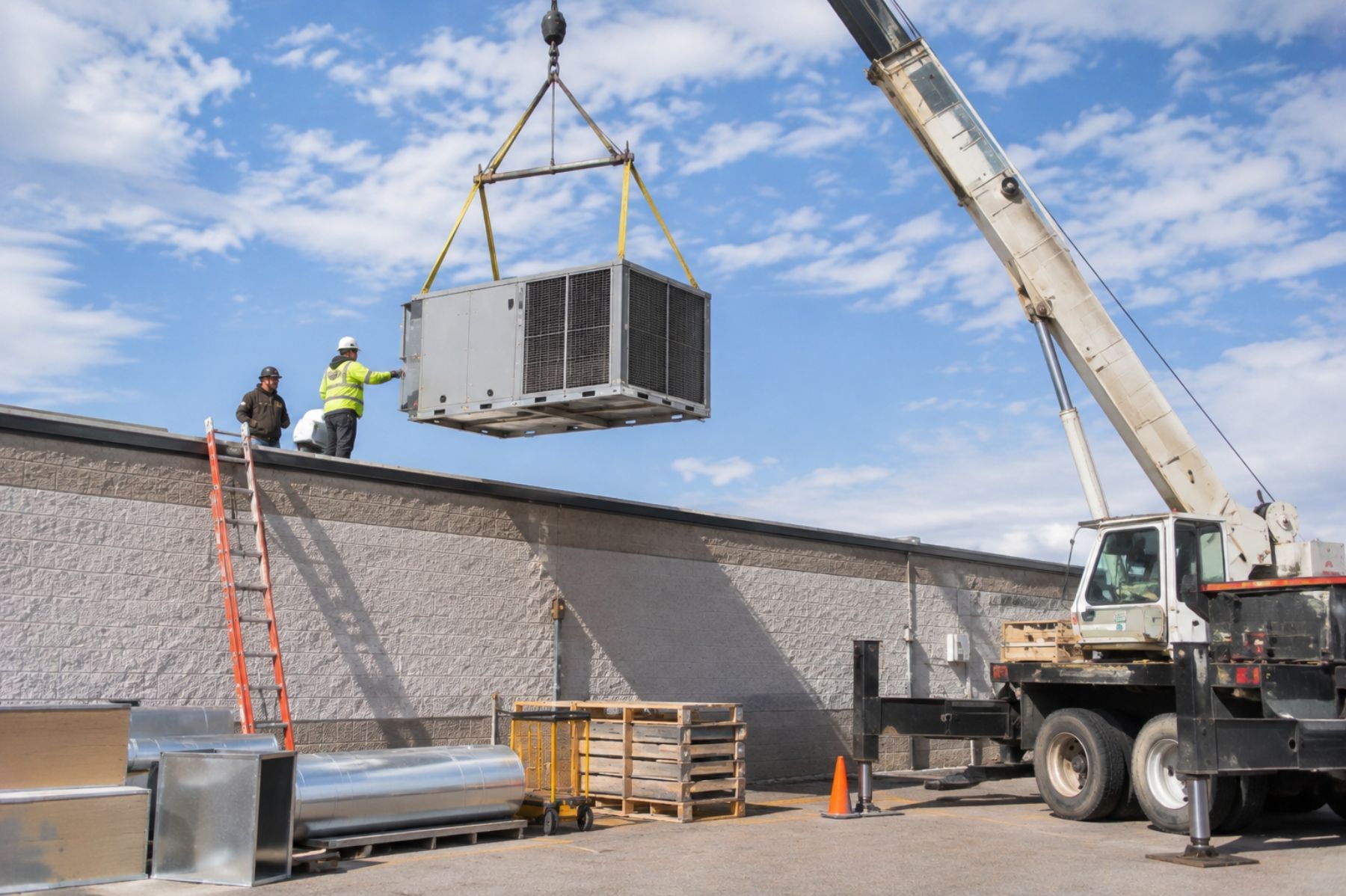
| Workers' Compensation | Employee injuries | Fall from roof during condenser set | Misclassified subcontractors |
| Commercial Auto | Vehicles and cargo | Van accident en route with a new air handler | Equipment in transit may need inland marine |
Workers' compensation affects more than injury coverage. Your Experience Modification Rate influences premium and bid eligibility, and an EMR above 1.0 signals higher-than-average losses. Some general contractors and utility programs screen installers by EMR, and a buyer evaluating your business during an acquisition will review it closely.
Common Questions About Heat Pump Incentive Risks
Can a client refuse to pay if their rebate gets denied? Not if your contract states the price is owed regardless of incentive outcomes. Without that language, you may end up negotiating or litigating.
Does my liability insurance cover a lawsuit over lost tax credits? General Liability usually does not, because it is a financial loss. Professional Liability may respond if the loss came from your advice, subject to policy terms.
What should I keep in my files for each rebate job? Signed contracts, initialed disclaimers, load calculations, equipment AHRI certificates, photos of installed units, commissioning readings, and submission confirmations.
Do I still qualify for rebates on gas furnace conversions? Under DOE Program Notice 26-2, effective May 29, 2026, HEEHR and HEAR rebates no longer apply to fuel-switching projects. Check your state program for its own rules.
How long do completed operations claims stay open? That depends on your state's statute of repose and your policy form. Defects like slow refrigerant leaks can surface well after installation.
Will installing recalled equipment hurt my coverage? Knowingly installing recalled units can create coverage disputes. Check recall notices before every installation and document your verification.
Protecting Your Business During the Green Energy Transition
Incentive programs will keep changing. Funding will open and close, eligibility rules will narrow, and manufacturers will face new scrutiny. Contractors who stay profitable treat these jobs as a distinct risk category with its own contracts, paperwork standards, and coverage review.
Your strongest protections are simple: a contract that separates price from incentives, documentation that proves code-compliant installation, cash flow terms that do not depend on government timelines, and insurance aligned with the work you actually perform. A clean claims history and a documented risk program also make your company more valuable to lenders, partners, and future buyers.
Critical Don'ts:
- Don't guarantee rebate approval or energy savings
- Don't submit claims for ineligible fuel-switch projects
- Don't assume your General Liability policy covers financial losses
- Don't let rebate reviews delay your lien filings
Your next step: schedule a policy review with your broker before your next rebate season and bring sample contracts with you. Coverage gaps are cheapest to fix before a claim lands.