Picture a two-truck HVAC shop in south Oklahoma City replacing a rooftop unit in July. A technician drops a wrench through a skylight, and a brazed joint fails three weeks later and floods a tenant's suite. One job has now produced two separate claims, and the right policy decides whether your business absorbs the loss or survives it.
Insurance for HVAC contractors in Oklahoma City, OK is not a formality you buy once to satisfy a licensing clerk. It shapes which
commercial bids you can win and how lenders view you. It also affects what a buyer would pay if you ever sold the company. Oklahoma regulators set firm minimums, local permitting adds its own checkpoints, and commercial clients often demand far more than either. The sections below separate what the law requires from what your contracts and your risk exposure require.
Understanding Oklahoma City HVAC Insurance Requirements
Oklahoma treats mechanical work as a regulated trade. Your coverage obligations therefore come from two layers: the state licensing board and the city permitting office. You need to satisfy both before you pull a single permit.
State Licensing and CIB Bond Standards
To keep an active Mechanical Contractor license, the Oklahoma Construction Industries Board requires at least $50,000 in commercial general liability and a $5,000 continuous corporate surety bond. If either one lapses, your license status is at risk. Many contractors set the bond and the CGL policy to renew on the same date so neither slips through.
Industry analysts describe Oklahoma as one of the most prescriptive HVAC licensing states. They call the bond and CGL minimum non-negotiable day-one costs that push setup above $700 before equipment. You can review trade-specific licensing details on the CIB mechanical licensing page.
Local OKC Liability Minimums
Oklahoma City requires mechanical contractors to register with the Development Services Department and show proof of state licensure and insurance before pulling permits. Annual registration fees typically run $50 to $150. Contractors doing residential building work in the city must also meet local minimums of $50,000 in general liability and $100,000 in workers' compensation per occurrence. Keep a current certificate of insurance on file, because permit counters will reject expired certificates.
HVACInsure is fully licensed and permitted to sell contractor and commercial insurance in Texas.
We proudly serve clients throughout Texas and maintain partnerships with local Texas insurance carriers to ensure HVAC professionals receive compliant, affordable, and comprehensive coverage that meets project and regulatory requirements.
Core Coverage Types for HVAC Professionals
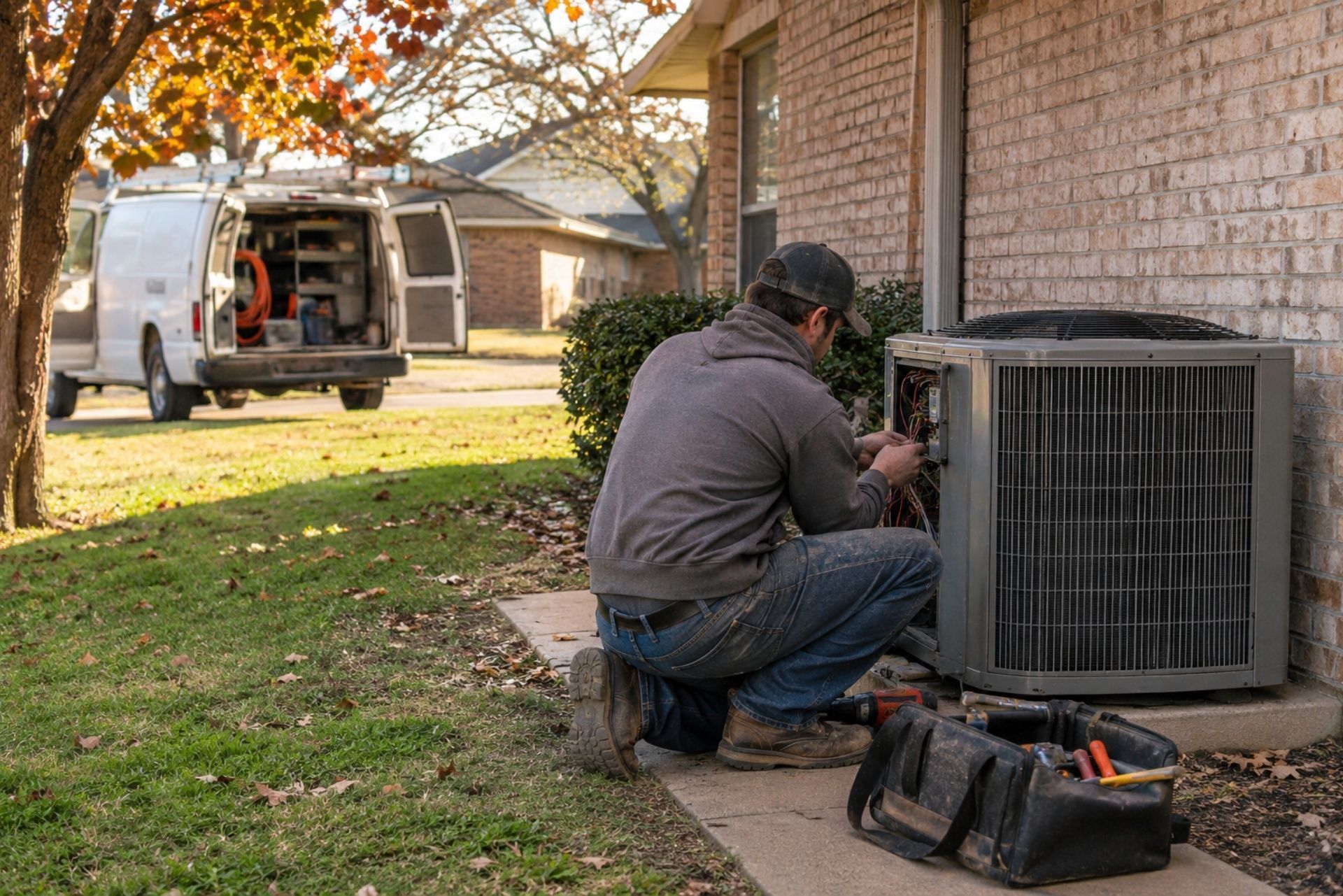
State minimums keep you licensed, but they do not keep you solvent after a serious loss. Your policy stack should match the actual failure modes of HVAC work: electrical arcing at a disconnect, refrigerant leaks at brazed joints, and condensate overflow into drywall.
General Liability vs. Workers' Compensation
General liability pays for injuries to third parties and for damage to their property. Workers' compensation pays for injuries to your own employees. Contractors often assume one covers the other, and that mistake leaves a clear gap.
One thing to keep in mind is completed operations coverage, which sits inside most CGL policies. It responds when a problem shows up after you leave the job, such as a clogged condensate line that ruins a ceiling two months later. Confirm that this coverage carries a full aggregate limit and has not been endorsed down.
Your workers' comp Experience Modification Rate (EMR) also matters. An EMR above 1.0 raises your premiums and can disqualify you from commercial bids. Buyers acquiring an HVAC company study the EMR closely, because a high rate carries forward to the new owner and lowers the price they will pay. For context, Oklahoma's maximum Permanent Partial Disability rate is $375 per week from July 1, 2025 through June 30, 2026.
Tools and Inland Marine Coverage
Recovery machines, vacuum pumps, and combustion analyzers leave your premises every day, so a standard property policy rarely protects them. Inland marine coverage follows that equipment to job sites and while it's in transit. Choose replacement cost valuation instead of actual cash value, because depreciation will badly shrink an actual cash value payout on a two-year-old manifold set. Ask your agent to schedule high-value items individually and to confirm whether theft from an unattended vehicle is covered.
Comparing Essential vs. Comprehensive HVAC Policies
The gap between a compliance-level program and a growth-level program shows up when a general contractor sends you their insurance requirements. Most commercial contracts in Oklahoma City require at least $1,000,000 per occurrence, which is twenty times the state minimum.
| Coverage Area | Essential (Compliance) | Comprehensive (Growth) |
|---|---|---|
| General Liability | $50,000 state minimum | $1M per occurrence / $2M aggregate |
| Completed Operations | Often limited | Full aggregate, clearly scheduled |
| Workers' Comp | Required local minimums | Full statutory plus employer's liability |
| Tools / Inland Marine | Excluded or minimal | Replacement cost, scheduled items |
| Commercial Auto | Personal policy (gap) | Business auto with hired/non-owned |
| Umbrella | None | $1M to $5M excess |
| Professional (E&O) | None | Covers load calcs and design advice |
Here's what that means for you. If you size systems, run Manual J calculations, or advise clients on equipment selection, a design error can trigger a claim that general liability excludes. That is the role of E&O coverage. A comprehensive program costs more, but it qualifies you for the commercial work that builds real company value.
Common Questions About Oklahoma HVAC Policies
Does the $50,000 state minimum cover me for commercial jobs? Usually not. Most commercial contracts in Oklahoma City require at least $1,000,000 per occurrence.
Do I need workers' comp if I only have one employee? For residential building work in Oklahoma City, local rules call for $100,000 in workers' compensation coverage. Confirm your status with your agent, since exemptions are narrow.
What happens if a unit I installed leaks after the job is finished? Completed operations coverage under your general liability policy handles that kind of claim. Document the install with photos, pressure test readings, and written commissioning notes, because adjusters will ask for them.
Is a compressor failure covered by my liability policy? Equipment failure caused by inherent vice or manufacturer defect is generally excluded. Liability coverage responds to the resulting damage, such as water damage or fire, when your workmanship caused it.
How do I file a claim correctly? Notify your carrier promptly. Provide photographs of the failed equipment, calibrated meter readings, and a technician's diagnostic report.
Will a good EMR help if I sell my business?
Yes. An EMR below 1.0 signals disciplined safety practices and makes your company more attractive to buyers.
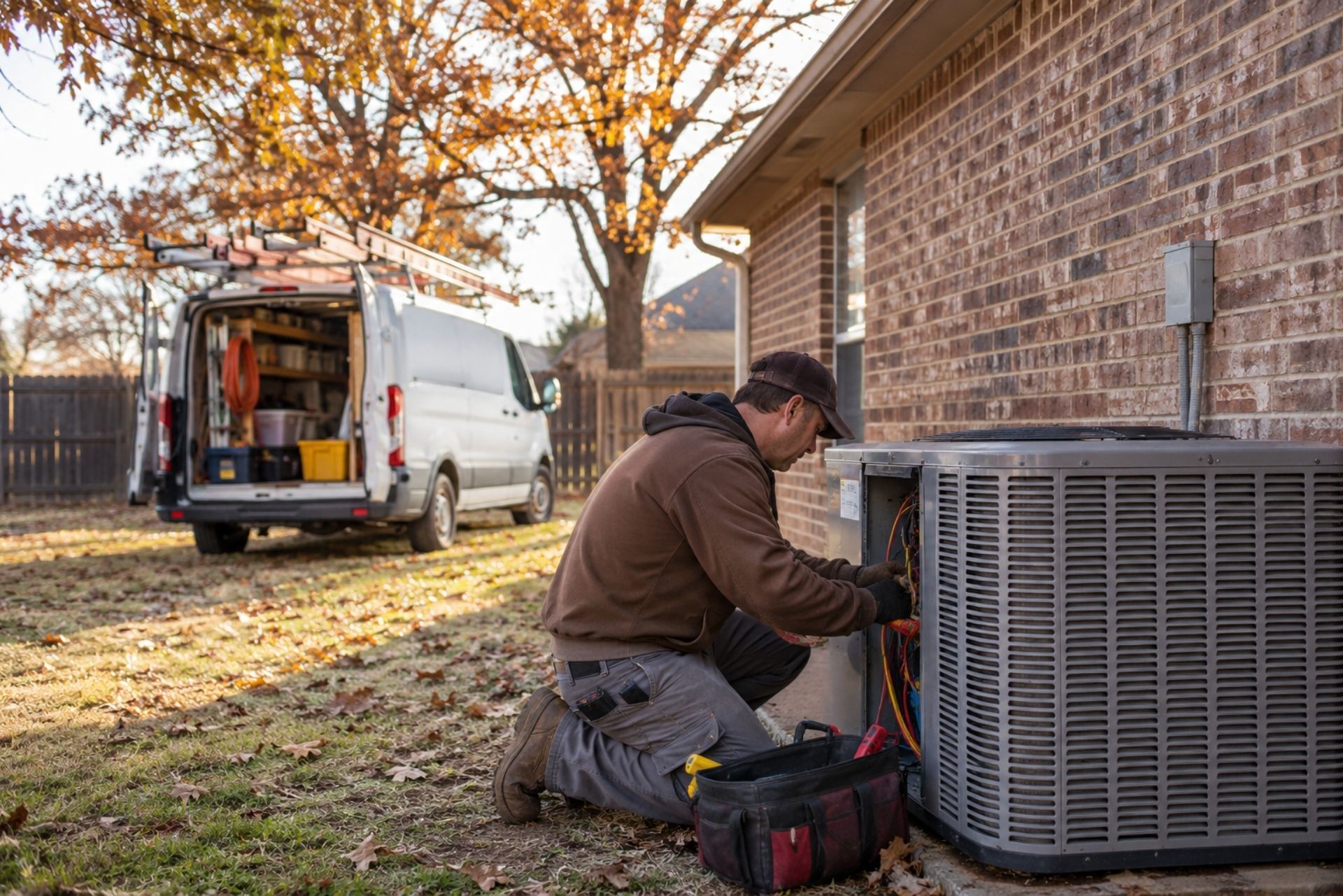
The best HVAC contractor insurance setup in Oklahoma City treats coverage as an asset rather than a bill. Start with the non-negotiables, then build up to the limits your target clients expect.
- Verify state compliance: CGL at $50,000 or higher, plus the $5,000 surety bond.
- Register with OKC Development Services: keep certificates current for permits.
- Audit completed operations limits: confirm full aggregate coverage.
- Schedule tools: use replacement cost, not actual cash value.
- Review your EMR: target a rate below 1.0 before bidding commercial work.
- Add E&O and an umbrella: do this before signing contracts that require $1M or more.
Bring your current declarations pages and a sample commercial contract to your next review with a licensed agent. A single uncovered refrigerant leak or ceiling collapse can cost more than a decade of premiums, so close those gaps before a client finds them for you.
Recognized by National HVAC Trade Associations
These trusted organizations set best practices and standards that carriers rely on when underwriting HVAC risks.
Membership signifies adherence to HVAC industry standards and contractor best practices.
Coverage for Crews, Vehicles, and Tools
Insurance for HVAC Contractors
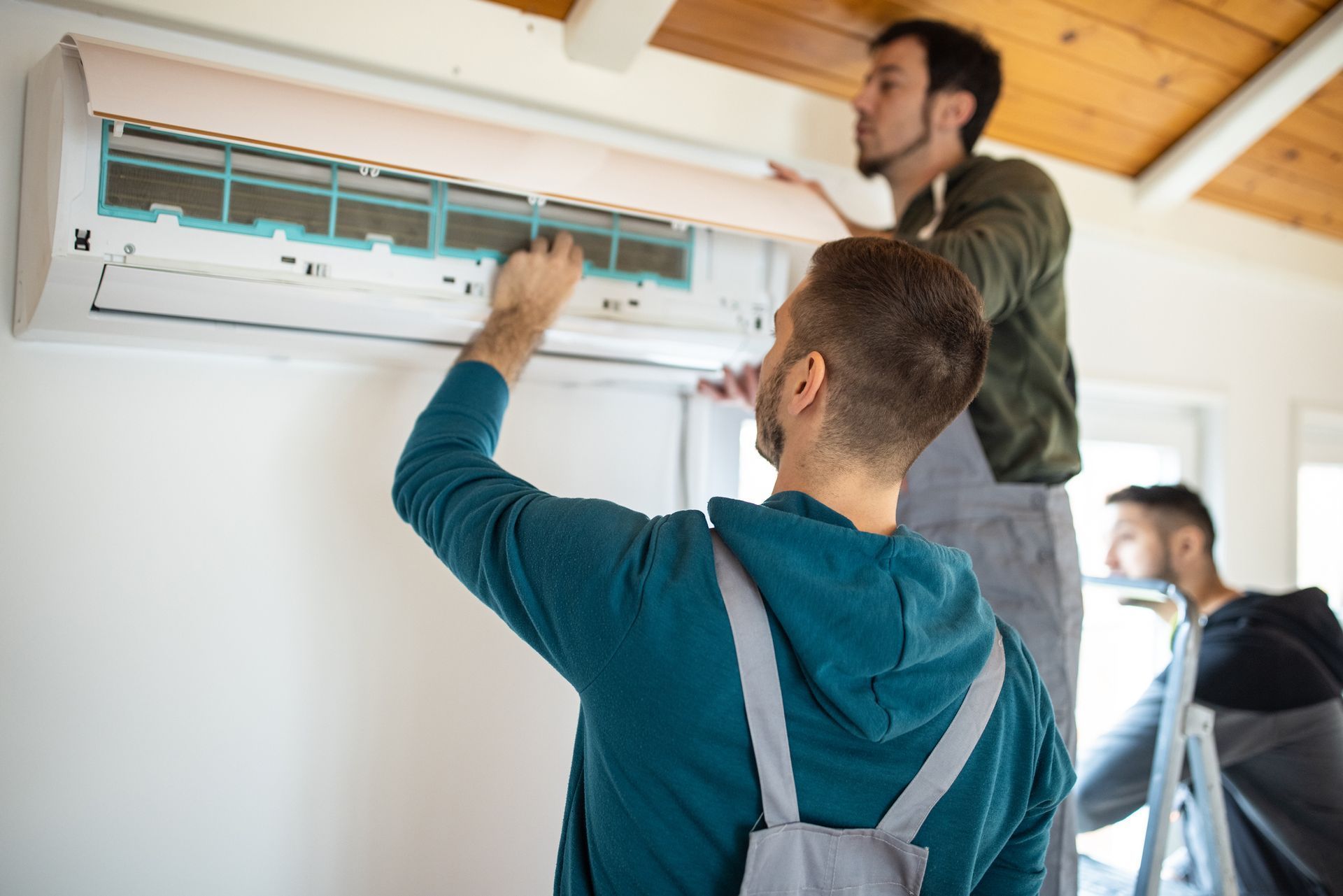
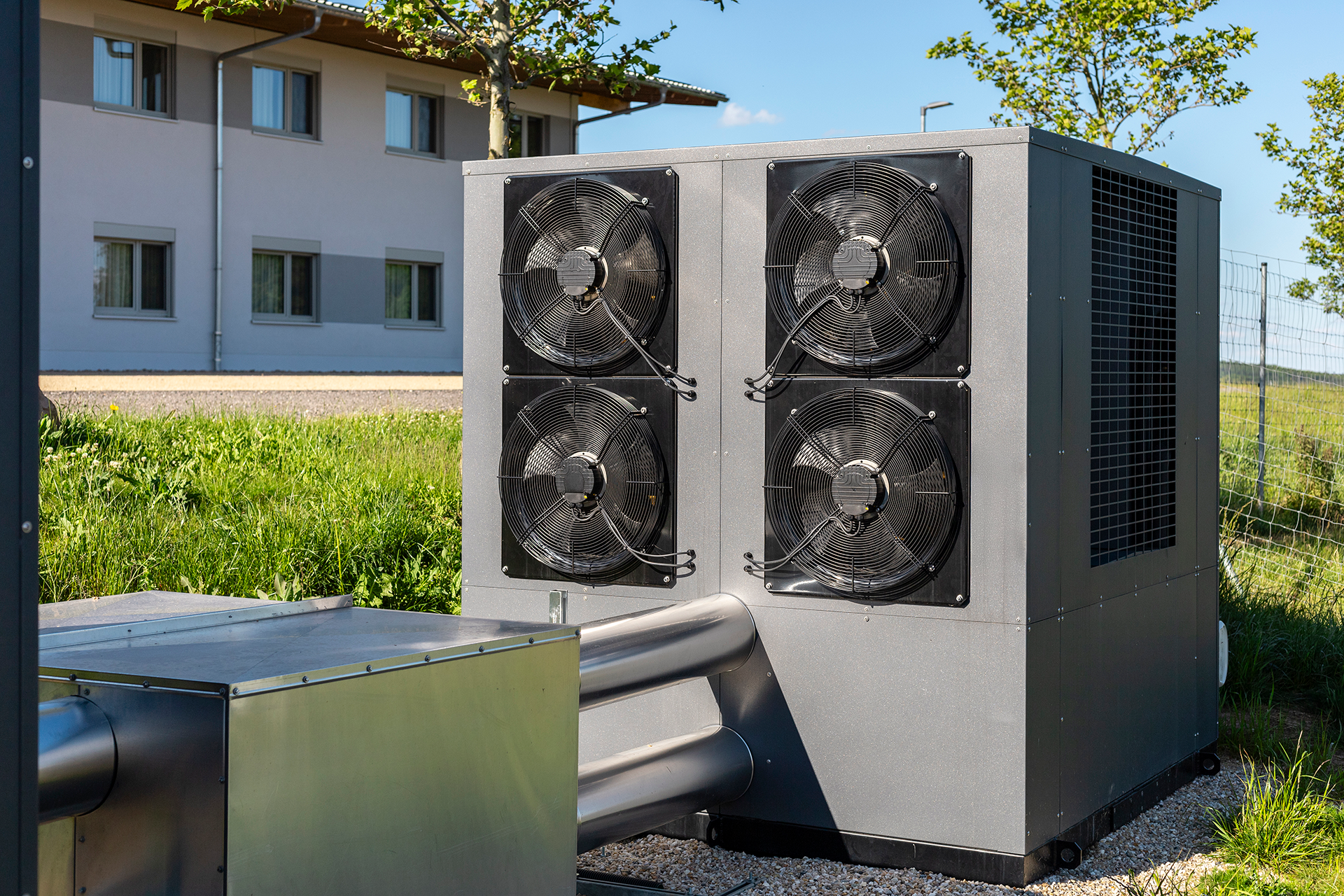
We provide business insurance designed for HVAC contractors. These policies protect your crew, vehicles, and tools while helping you meet project requirements. Every policy is explained clearly and delivered quickly so you can work without delays.

Resources
Insurance Tips for HVAC Contractors
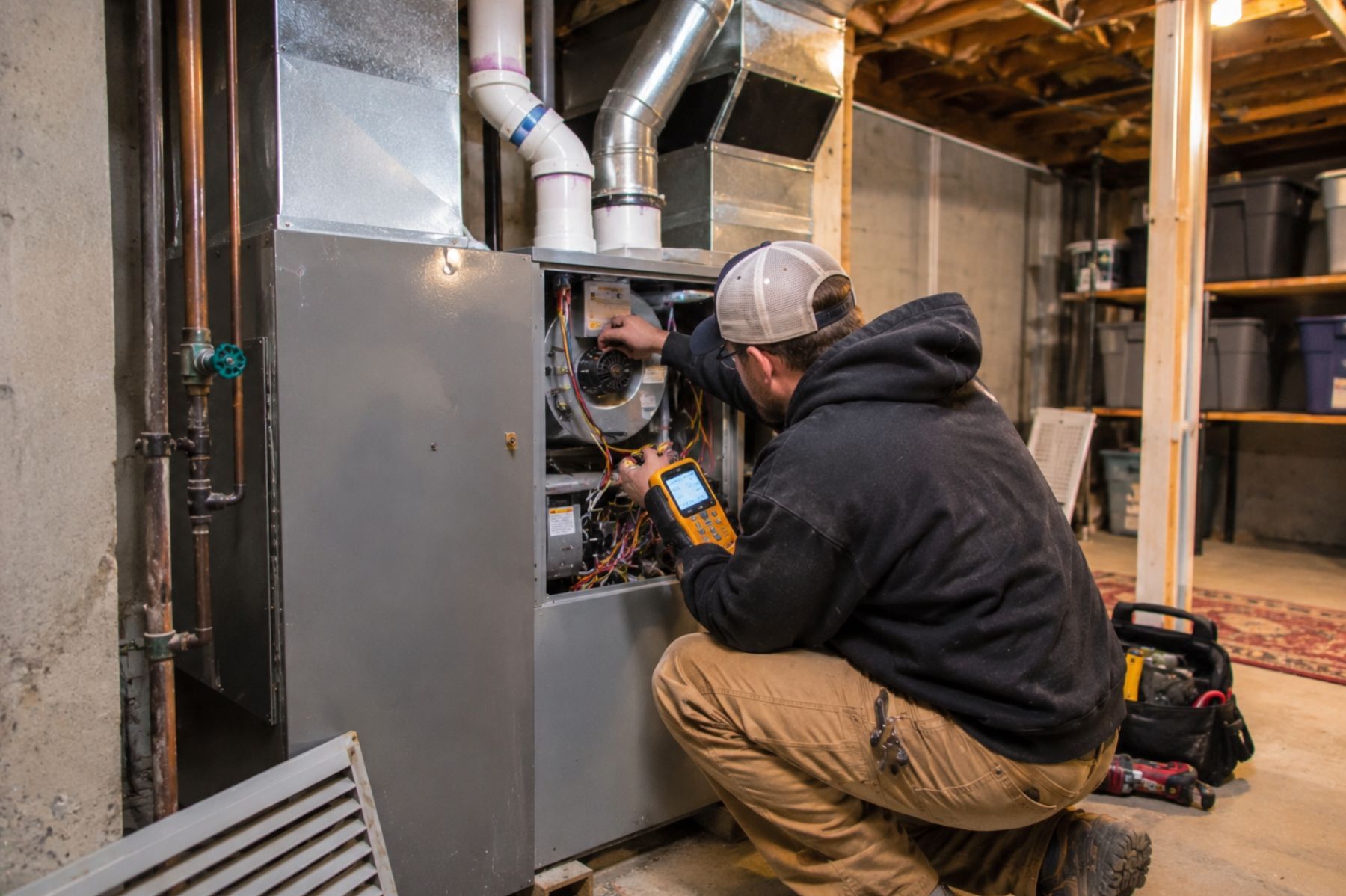
Our blog is built for contractors who want fast answers. Each article covers common questions and risks in under five minutes of reading.
Frequently Asked Question
Common HVAC Contractor Insurance Questions
These FAQs address common contractor questions. As HVACInsure grows, we will update this section with real client experiences and answers.
Why should an HVAC contractor use HVACInsure instead of a general agency?
Specialists understand jobsite requirements, certificate wording, and common endorsements for HVAC work. You get cleaner paperwork, faster approvals, and coverage that fits how your crews operate.
This reduces delays at the gate, avoids gaps, and helps you pass compliance checks the first time.
How fast can I get a Certificate of Insurance (COI)?
Most standard COIs are issued the same business day after binding or updates. If you need additional insured, primary/non-contributory, or waiver language, we prepare it correctly the first time.
Our goal is simple: get your crew on site without paperwork delays.
What coverages do HVAC contractors usually need?
Core policies include General Liability, Commercial Auto, Workers’ Comp, Property/Tools, Inland Marine, and Umbrella. Many projects require higher limits and specific endorsements.
We align your coverage with contract terms and explain each choice in plain language.
Will my tools and scheduled equipment be covered in vans or on jobsites?
Yes. Inland Marine (tools and equipment) can cover items in transit, stored in vehicles, or staged on site.
High-value items can be scheduled, and limits can match your daily field use to keep work moving.
Can I lower my premium without weakening protection?
Often, yes. Clean driver lists, accurate payrolls, safety programs, and bundling policies can help.
We review your profile, request carrier credits, and adjust limits and deductibles to control cost while meeting project requirements.
What should I do after a loss?
Contact us right away so we can file with the correct carrier and set expectations. We guide documentation, next steps, and follow-ups until closure.
Fast reporting and clear records help resolve claims sooner and keep your team focused on work.

Still have questions?
Can’t find the answer you’re looking for? Please chat to our friendly team!
Contact Us