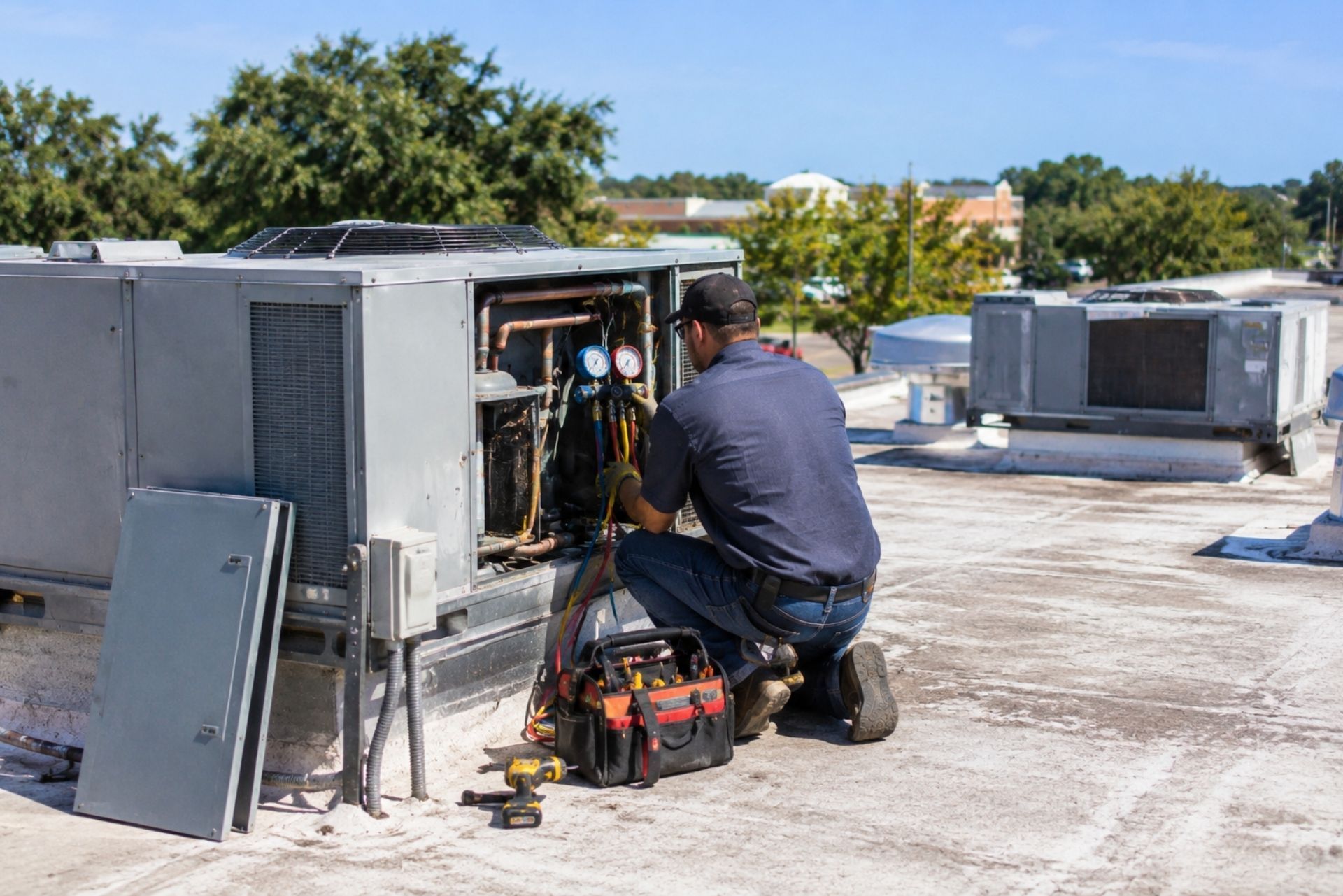
Picture a technician in Keller who brazes a line set on a Tuesday. On Saturday, a pinhole leak at the joint lets the coil ice over and the condensate pan overflow into a finished ceiling. The homeowner's adjuster calls you on Monday, and your coverage decides whether that call is a nuisance or a crisis. HVAC contractor insurance in Fort Worth, TX exists for exactly this moment.
Fort Worth contractors work under a specific set of pressures. Summer heat drives emergency service calls, and the city's permit office enforces its own insurance paperwork. Texas courts and code officials also keep shifting the liability rules. A policy built for a generic "contractor" often misses the exposures that matter most to a mechanical trade that works inside occupied homes, in attics, and on rooftops.
This guide treats insurance as a
business asset rather than a compliance chore. The right program wins commercial bids, satisfies general contractors, and protects the value you will eventually sell. The sections below cover what to buy, what Texas and the city require, and how to keep premiums under control.
Essential Insurance Coverage for Fort Worth HVAC Businesses
Every HVAC operation needs a core stack of coverage. The specific limits depend on your crew size and job mix. Most of your claim risk falls into two areas: damage you cause at a client's property, and losses involving the vehicles and equipment you take to each job.
General Liability: Protecting Against Property Damage and Injury
General Liability (GL) pays for third-party bodily injury and property damage. Typical scenarios include a ladder that gouges a hardwood floor, a homeowner who trips over a hose, or a failed condensate line that floods a kitchen. Solo operators in Fort Worth sometimes find GL rates between $430 and $780 a year. Your classification, payroll, and claims history will move that number.
The piece many contractors overlook is completed operations coverage. It responds to claims that surface after you leave the job, such as a refrigerant leak at a brazed joint, a misdrained condensate line, or a poorly terminated flue. The stakes are real. A Texas jury recently returned a $21.6 million verdict involving improperly terminated vents. Confirm that your completed operations aggregate is not sublimited below your per-occurrence limit.
Commercial Auto and Tools Coverage for Mobile Techs
Personal auto policies typically exclude vehicles used mainly for business. A loaded service van parked overnight in a Fort Worth apartment lot needs both commercial auto coverage and inland marine (tools and equipment) coverage.
- Commercial auto: liability, physical damage, hired and non-owned auto
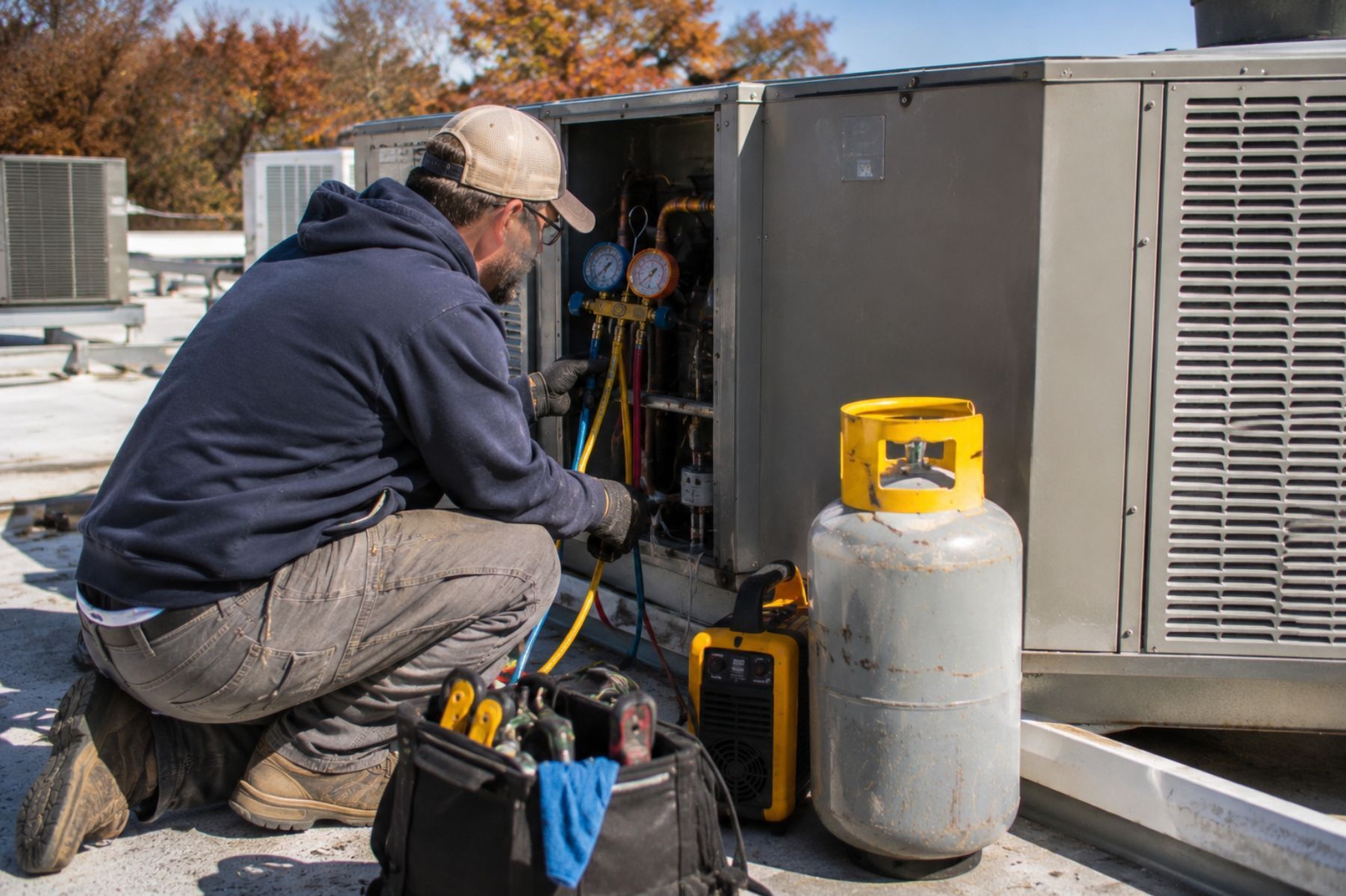
- Tools and equipment floater: recovery machines, vacuum pumps, manifold gauges, combustion analyzers
- Valuation: choose replacement cost, not actual cash value
- Fleet math: replacing a fully stocked van often runs $25,000 to $50,000, and a daily rental costs far less than a week of lost service revenue
HVACInsure is fully licensed and permitted to sell contractor and commercial insurance in Texas.
We proudly serve clients throughout Texas and maintain partnerships with local Texas insurance carriers to ensure HVAC professionals receive compliant, affordable, and comprehensive coverage that meets project and regulatory requirements.
Texas Licensing and Workers' Comp Requirements
Texas regulates HVAC work through the TDLR's Air Conditioning and Refrigeration program. As of September 1, 2026, Texas moved to the 2024 editions of the IMC and IFGC under 16 TAC Chapter 75. The shift from the 2021 code editions matters for insurance because installation errors under a new code are a common source of completed operations claims. Train your crews on the changes before an inspector or plaintiff's expert points them out.
Fort Worth adds its own requirements on top of state rules:
- Certificate of Insurance: must name the City of Fort Worth as an "Additional Insured" before you can pull mechanical permits
- Parkway Contractor Bond: $10,000 for residential work, $25,000 for commercial work involving city right-of-ways
Texas is the only state that lets most private employers opt out of workers' compensation. Opting out is legal, but it is rarely wise. Non-subscribers lose key common-law defenses in injury lawsuits, and most general contractors require proof of coverage before you set foot on their sites.
Your Experience Modification Rate (EMR) also deserves close attention. An EMR below 1.0 lowers your premium and improves your bid eligibility. An EMR above 1.0 raises your costs and can lower your valuation in an acquisition, because a buyer inherits that loss history and will price it into the offer.
Comparing Basic vs. Comprehensive HVAC Protection
A bare-minimum policy satisfies a permit clerk. A full program protects the business you have spent years building. The table below shows the gap between the two.
| Coverage Area | Basic Program | Comprehensive Program |
|---|---|---|
| General Liability | $1M/$2M | $1M/$2M plus umbrella |
| Completed Operations | Sublimited or excluded | Full aggregate |
| Tools/Equipment | Actual cash value | Replacement cost |
| Pollution Liability | Excluded | Refrigerant and mold included |
| Professional Liability (E&O) | None | Covers load calcs and design |
| Workers' Comp | Non-subscriber | Full Texas coverage |
The pollution and E&O rows decide most disputed claims. Standard GL policies typically exclude pollution, which can leave a mold claim from a chronic condensate leak uncovered. If your team performs Manual J load calculations or designs duct systems, you need E&O coverage. A poorly sized system that short-cycles is a professional error, not property damage, so a GL policy will not respond to it.
Managing Risks Specific to the Tarrant County Climate
North Texas summers push equipment and crews to their limits. Extended stretches above 100°F produce a steady run of compressor failures, capacitor blowouts, and motor burnout, and your technicians spend those days working in attics that can exceed 140°F. Heat illness is a workers' comp exposure, so your safety program should include hydration schedules and limits on attic time.
Spring hail and severe storms create a different set of claims. When you remove storm-damaged rooftop units, you take on fall exposure and the risk of punctured roofing. In June 2026, the Texas Supreme Court held that owners and general contractors generally owe no duty to protect independent contractors from "open and obvious" hazards, such as unprotected roof edges. Here's what that means for you: the injury risk shifts toward your own company, which makes workers' comp and fall-protection training more important.
Documentation strengthens every climate-related claim you file or defend. Ask your techs to capture:
- Photographs of failed components
- Readings from a calibrated thermometer and gauges
- A written diagnostic report noting electrical arcing, phase imbalances, or control board faults
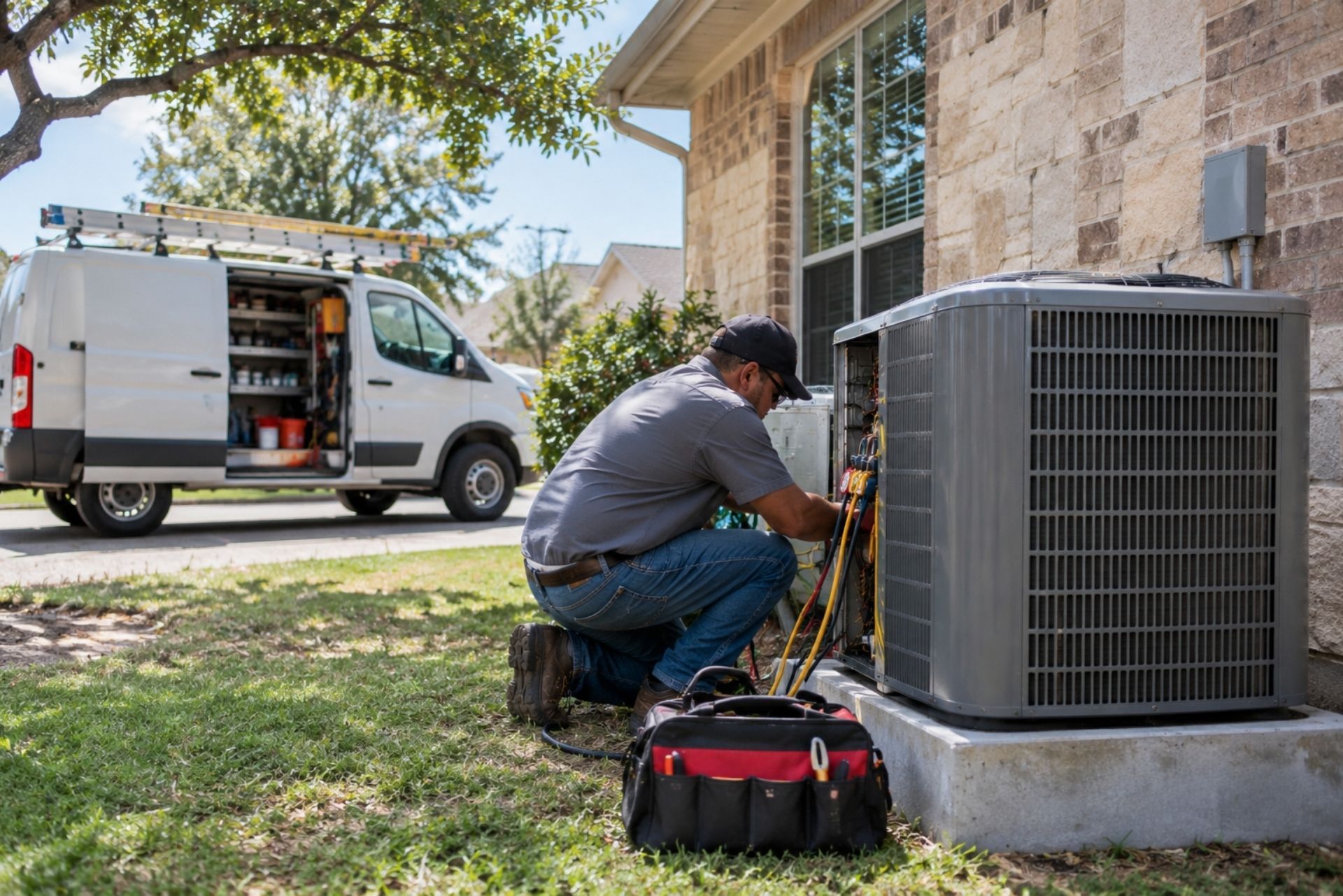
Carriers price your risk, not your trade. Each of the steps below gives an underwriter a reason to offer you a better rate.
- Adopt a written safety program. Cover fall protection, lockout/tagout, and heat stress.
- Run motor vehicle record checks on every driver. One bad driver can raise your fleet rate.
- Report payroll accurately by class. Misclassified installers lead to painful audit bills.
- Raise your deductibles strategically. This works best on tools and auto physical damage.
- Bundle coverage in a Business Owner's Policy when your size qualifies.
- Protect your EMR. Use return-to-work programs to shorten lost-time claims.
- Require COIs from your subcontractors. Uninsured subs end up on your audit.
One thing to keep in mind: the cheapest quote often removes completed operations or pollution coverage. Compare policies on their forms and exclusions, not just on the premium.
Common Questions About HVAC Insurance in Fort Worth
Do I need insurance to pull a permit in Fort Worth? Yes. The city requires a COI that names the City of Fort Worth as an additional insured before it issues mechanical permits.
Is workers' comp required for HVAC companies in Texas? Not by state law for most private employers. Most general contractors and commercial clients will still require it before they hire you.
What does HVAC liability coverage cost for a one-person shop? Some Fort Worth solo operators pay roughly $430 to $780 a year for general liability. Your actual rate depends on your revenue, claims history, and the type of work you do.
Will my policy cover a leak that shows up months later? Only if your policy includes completed operations coverage. Confirm this coverage before you sign.
Are my tools covered if someone steals them from my truck? Usually not under commercial auto. You need an inland marine or tools floater to cover stolen equipment.
How do I notify my insurer about a claim? Report it promptly, in writing, with photos and diagnostic notes. Late notice is one of the most common reasons insurers deny claims.
Making the Right Choice for Your Long-Term Growth
The strongest HVAC businesses in Fort Worth treat insurance as part of their growth plan, not just a line item. A clean EMR, full completed operations limits, and replacement-cost equipment coverage all make your company more attractive to commercial clients, lenders, and future buyers. A thin policy might save a few hundred dollars this year. It could also cost you the business after a single vent or condensate claim.
Before you renew, review these Critical Don'ts:
- Don't accept sublimited completed operations coverage
- Don't skip E&O coverage if you size or design systems
- Don't let your COI lapse before a permit pull
- Don't assume your personal auto policy covers the work van
The best Fort Worth HVAC insurance program matches your actual work: your attics, your rooftops, and the code edition you install under. Request quotes from an independent agent who understands Texas mechanical trades, compare the policy forms side by side, and build coverage that grows with your company.
Recognized by National HVAC Trade Associations
These trusted organizations set best practices and standards that carriers rely on when underwriting HVAC risks.

Membership signifies adherence to HVAC industry standards and contractor best practices.
Coverage for Crews, Vehicles, and Tools
Insurance for HVAC Contractors
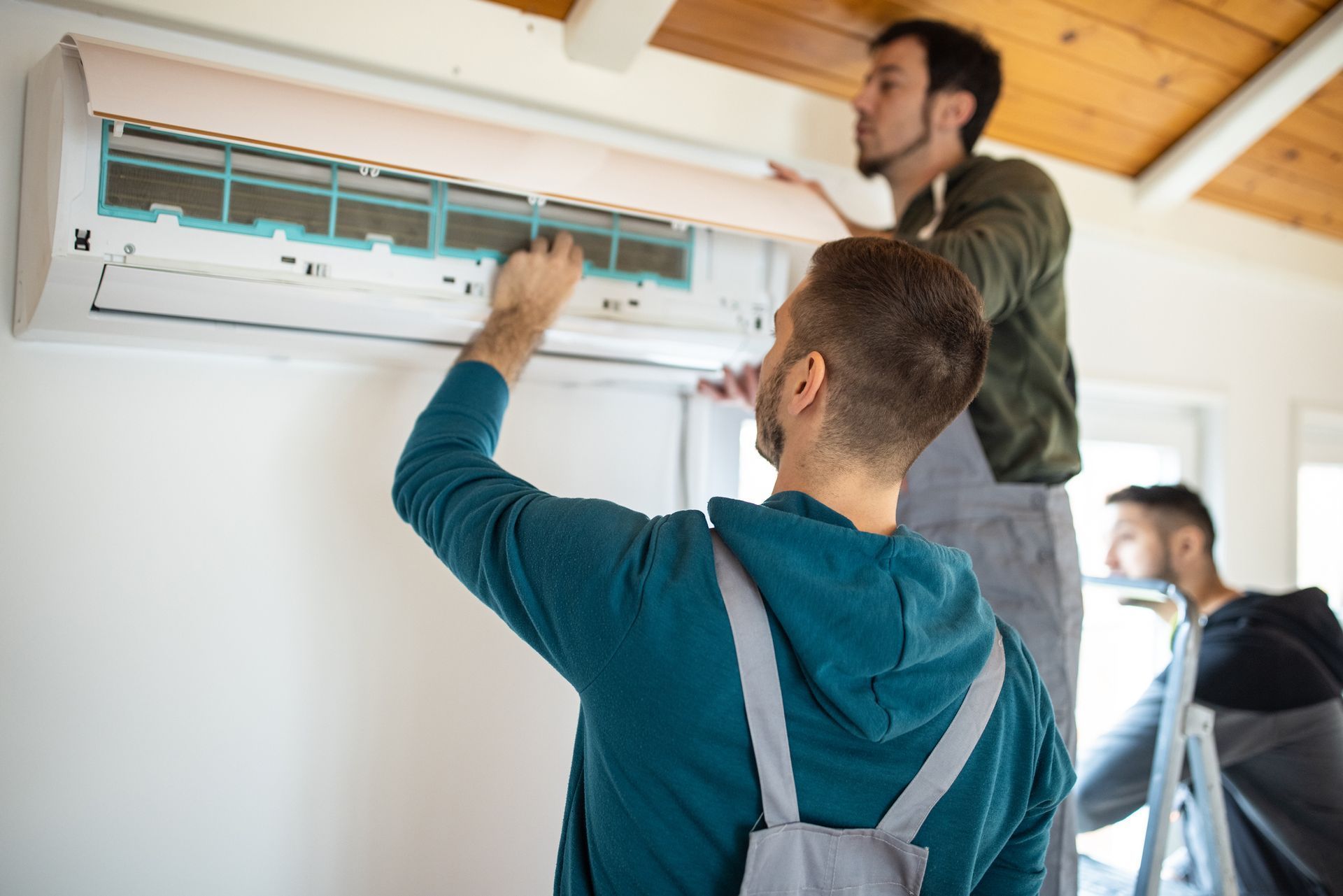
We provide business insurance designed for HVAC contractors. These policies protect your crew, vehicles, and tools while helping you meet project requirements. Every policy is explained clearly and delivered quickly so you can work without delays.

Resources
Insurance Tips for HVAC Contractors
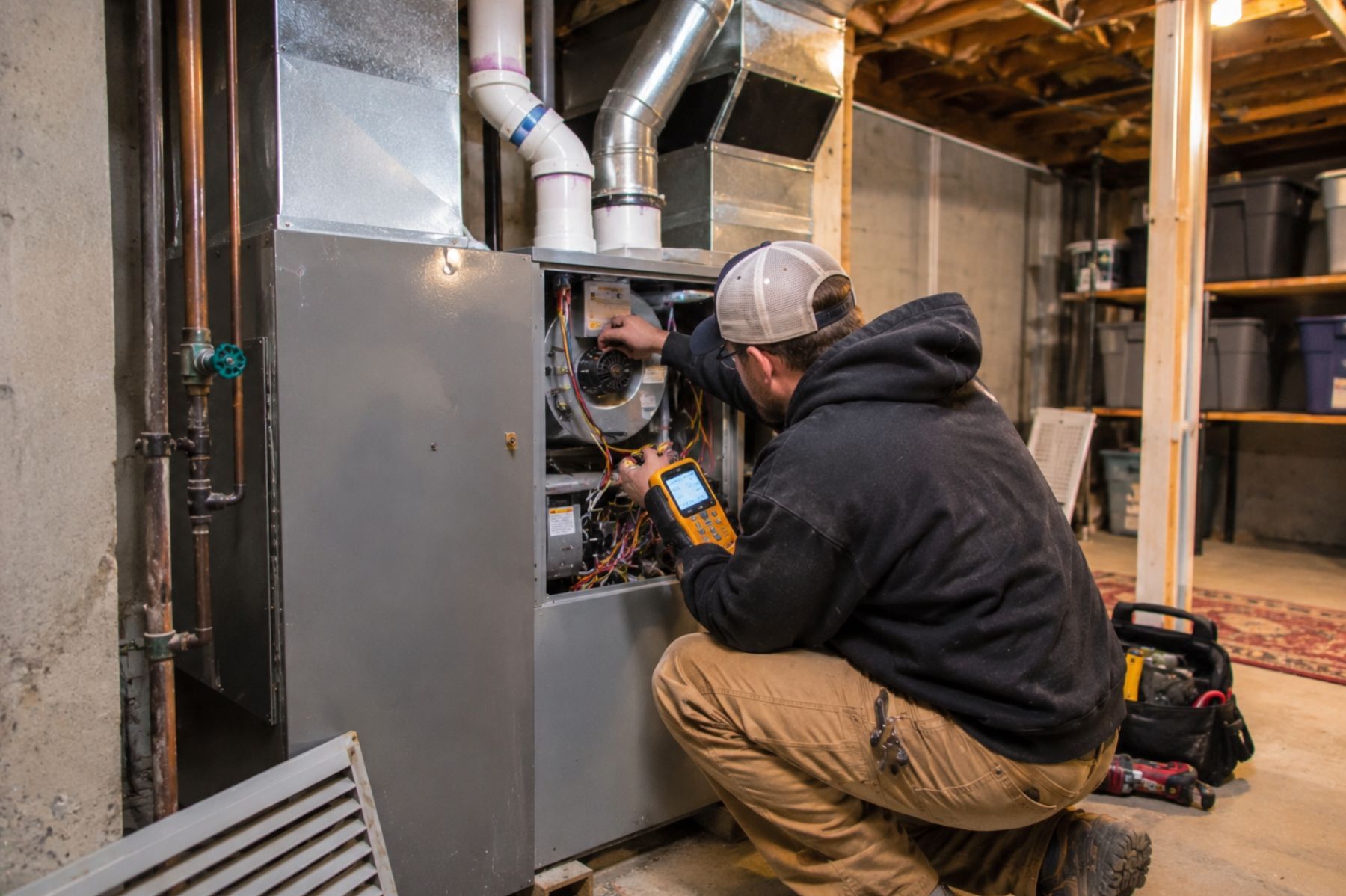
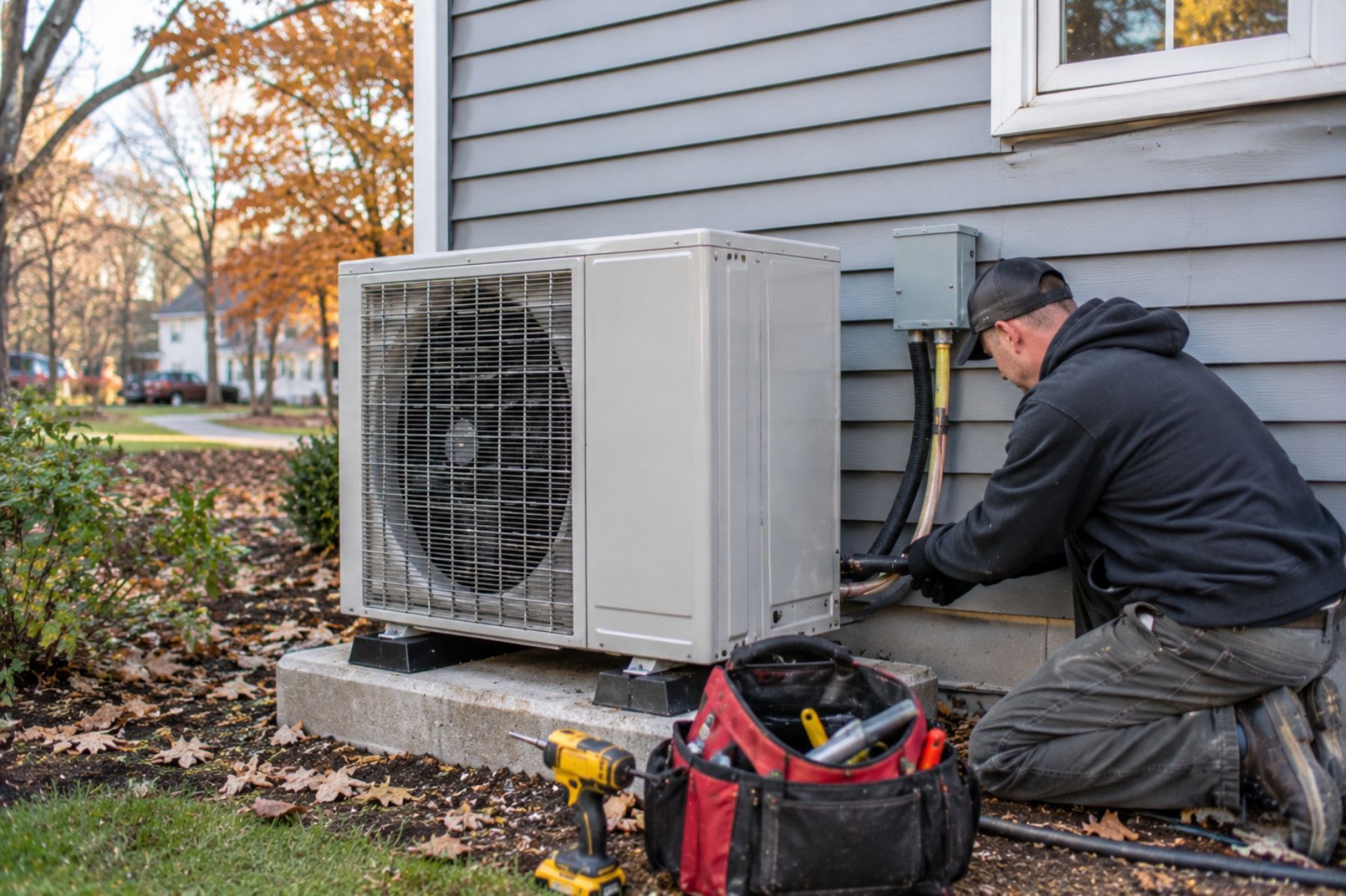
Our blog is built for contractors who want fast answers. Each article covers common questions and risks in under five minutes of reading.
Frequently Asked Question
Common HVAC Contractor Insurance Questions
These FAQs address common contractor questions. As HVACInsure grows, we will update this section with real client experiences and answers.
Why should an HVAC contractor use HVACInsure instead of a general agency?
Specialists understand jobsite requirements, certificate wording, and common endorsements for HVAC work. You get cleaner paperwork, faster approvals, and coverage that fits how your crews operate.
This reduces delays at the gate, avoids gaps, and helps you pass compliance checks the first time.
How fast can I get a Certificate of Insurance (COI)?
Most standard COIs are issued the same business day after binding or updates. If you need additional insured, primary/non-contributory, or waiver language, we prepare it correctly the first time.
Our goal is simple: get your crew on site without paperwork delays.
What coverages do HVAC contractors usually need?
Core policies include General Liability, Commercial Auto, Workers’ Comp, Property/Tools, Inland Marine, and Umbrella. Many projects require higher limits and specific endorsements.
We align your coverage with contract terms and explain each choice in plain language.
Will my tools and scheduled equipment be covered in vans or on jobsites?
Yes. Inland Marine (tools and equipment) can cover items in transit, stored in vehicles, or staged on site.
High-value items can be scheduled, and limits can match your daily field use to keep work moving.
Can I lower my premium without weakening protection?
Often, yes. Clean driver lists, accurate payrolls, safety programs, and bundling policies can help.
We review your profile, request carrier credits, and adjust limits and deductibles to control cost while meeting project requirements.
What should I do after a loss?
Contact us right away so we can file with the correct carrier and set expectations. We guide documentation, next steps, and follow-ups until closure.
Fast reporting and clear records help resolve claims sooner and keep your team focused on work.

Still have questions?
Can’t find the answer you’re looking for? Please chat to our friendly team!
Contact Us