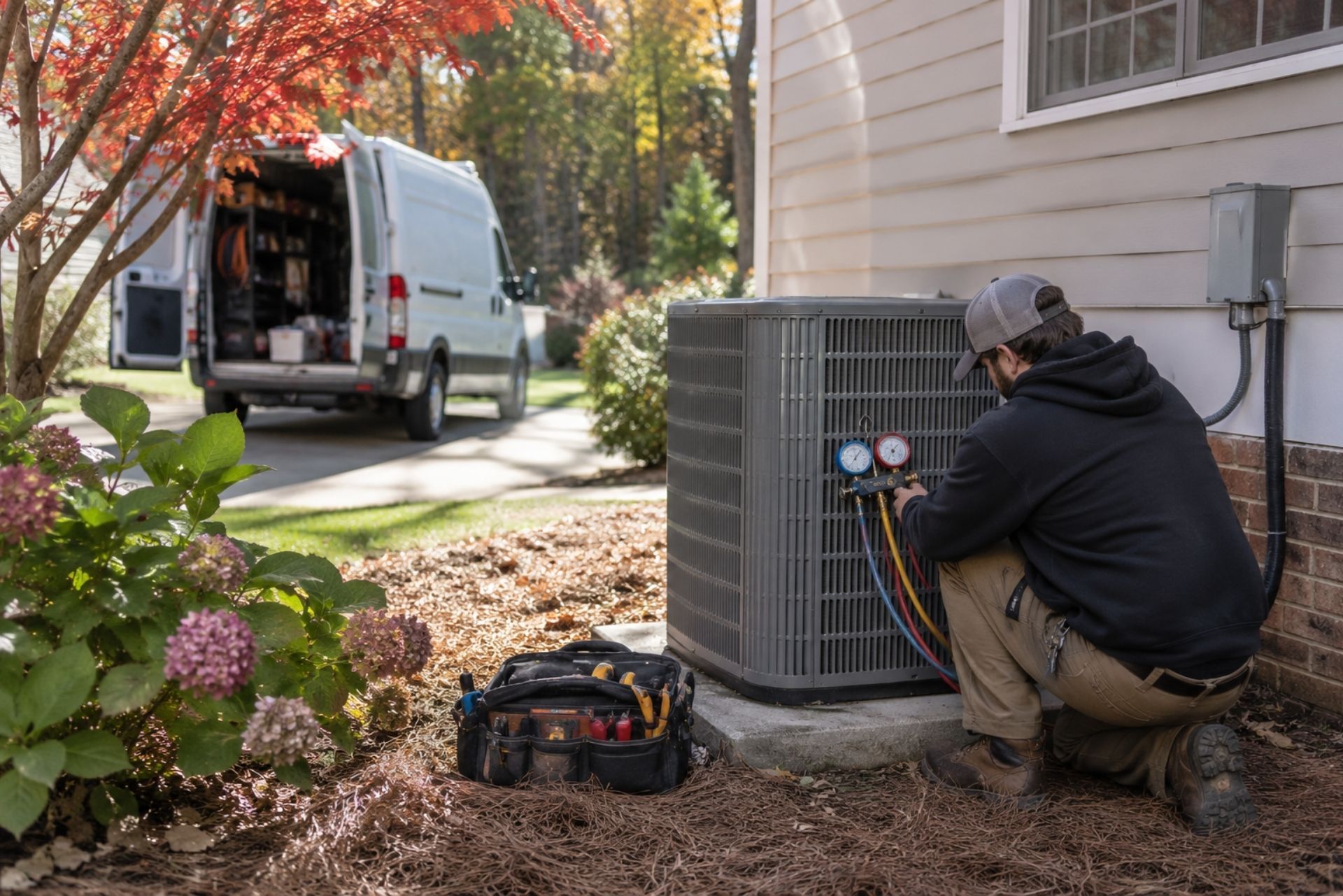
A refrigerant line fails at a brazed joint three weeks after your crew finishes a heat pump install in North Hills. Water damage spreads through the ceiling, and the homeowner's insurer sends you a demand letter. Situations like this are why HVAC contractor insurance in Raleigh, NC is a core business asset, not a line item you shop on price alone.
Raleigh's growth keeps residential and commercial HVAC work steady. Each new subdivision in Wake Forest, Cary, and Garner brings another general contractor asking for a certificate of insurance before you set foot on site. Municipal projects add their own contract minimums. Insurers also price your risk based on your claims history, your fleet, and your payroll.
The contractors who win larger bids and sell their businesses at strong valuations treat coverage as part of their operating strategy. This guide covers what North Carolina and the City of Raleigh expect, which policies matter most, and where contractors most often leave gaps.
Understanding North Carolina Insurance Requirements for HVAC Professionals
North Carolina regulates HVAC work through state licensing. Raleigh, general contractors, and property owners then add their own contract requirements on top of that. You need to satisfy all three layers, and the strictest one usually governs your policy limits.
State Licensing and Liability Minimums
Your heating, refrigeration, or fuel piping license sets the scope of work you can legally perform. Your insurance should match that scope exactly. If you add a service line without telling your carrier, you can create a coverage gap without realizing it.
That issue matters this year. Effective June 1, 2026, rule 21 NCAC 50.0521 allows HVAC contractors with two years of heating or fuel piping experience to obtain a new Limited Plumbing Water Heater Replacement License. If you add water heater swaps, tell your agent before the first job. Many general liability policies define covered operations by trade classification, and an unlisted plumbing exposure can invite a claim denial.
City work sets a higher bar. The City of Raleigh requires contractors to carry $1,000,000 per occurrence for General Liability, and many private general contractors in the Triangle now copy that standard.
Workers' Compensation for Raleigh Teams
North Carolina requires workers' compensation once your business reaches the state's employee threshold. Confirm your exact obligation with your agent or the NC Industrial Commission. Roof-mounted RTU work, attic installs in July heat, and ladder falls generate steady claims in this trade.
Your Experience Modification Rate (EMR) deserves close attention. An EMR below 1.0 means your losses run better than the industry average, which lowers your premiums and helps your bids qualify. An EMR above 1.0 can disqualify you from commercial prequalification lists. It also matters in a business sale, because a buyer inherits your loss history, and a high EMR lowers your company's valuation.
Market conditions currently favor you. Workers' Compensation premiums are declining in some sectors because insurers have been highly profitable in that line.
HVACInsure is fully licensed and permitted to sell contractor and commercial insurance in Texas.
We proudly serve clients throughout Texas and maintain partnerships with local Texas insurance carriers to ensure HVAC professionals receive compliant, affordable, and comprehensive coverage that meets project and regulatory requirements.
Core Coverage Types for Heating and Cooling Businesses
Most Raleigh HVAC shops need four policies working together. Each one covers a different failure point, and together they leave fewer gaps for a claim to fall through.
General Liability vs. Professional Liability
General Liability covers bodily injury and property damage caused by your operations. Completed operations coverage is the part HVAC contractors rely on most. It responds after the job closes, for example when a condensate drain line clogs and floods a finished basement, or when a cracked heat exchanger leads to a carbon monoxide claim.
Professional Liability, also called E&O, covers financial losses caused by your advice or design work. If you size a system using Manual J calculations and the unit short-cycles, you may face a claim with no physical damage at all. General Liability typically excludes that loss. Design-build contractors and anyone who stamps load calculations should carry E&O.
| Feature | General Liability | Professional Liability (E&O) |
|---|---|---|
| Covers | Injury, property damage | Financial loss from errors |
| HVAC example | Brazed joint leak floods ceiling | Undersized commercial system |
| Trigger | Physical harm | Faulty advice or design |
| Who needs it | Every contractor | Design-build, commercial bidders |
Commercial Auto and Inland Marine Protection
Personal auto policies exclude business use. If you run service vans, you need commercial auto. Raleigh contracts require $1,000,000 for Automobile Liability. The good news is that commercial auto shows "modest profitability" in North Carolina, which has kept Raleigh fleet rates relatively stable compared with other Southeast metros.
Inland marine, often written as tools and equipment coverage, protects recovery machines, vacuum pumps, gauges, and staged condensers. Choose replacement cost over actual cash value. A depreciated payout on a stolen recovery unit rarely covers the cost of buying a new one.
A bare-minimum package can satisfy a residential homeowner. The catch is that it often fails a general contractor's insurance review or leaves your balance sheet exposed. Use the comparison below to decide where your business fits.
| Coverage Element | Essential Package | Comprehensive Package |
|---|---|---|
| General Liability | Basic limits | $1M per occurrence or higher |
| Completed operations | Sometimes limited | Full aggregate |
| Commercial auto | State minimum | $1M combined single limit |
| Tools/equipment | Actual cash value | Replacement cost |
| E&O | Not included | Included |
| Umbrella | None | Excess layer over GL and auto |
| Best for | Small residential service | Commercial, municipal, growth |
Here's what that means for you. A two-person residential repair shop can start with an essential package. Once you bid on apartment complexes, schools, or city facilities, you need the comprehensive tier. An umbrella policy is the least expensive way to raise your limits for a large contract.
Contractors often make the same mistakes:
- Misclassified payroll: listing installers as clerical staff to cut workers' comp costs
- No additional insured endorsement: losing a general contractor bid over paperwork
- Ignoring subcontractors: hiring uninsured subs whose claims land on your policy
- Stale equipment schedules: new tools never added to the inland marine policy
Common HVAC Insurance Questions in North Carolina
How much does HVAC insurance cost in Raleigh? Your premium depends on payroll, revenue, fleet size, and claims history. Get quotes from several carriers, because the North Carolina P&C market grew premiums 4.3% in Q3 2026, and pricing varies by line.
Does my insurance cover a leak that shows up after I finish a job? It does if your General Liability includes completed operations coverage. Check that this coverage carries a full aggregate limit and not a reduced sublimit.
What should I document if I get a claim? Take photos of the failed equipment, record calibrated thermometer and pressure readings, and save your technician's written diagnostic report. Strong documentation speeds up the adjuster's review and helps defend you.
Do I need new coverage if I get the water heater replacement license? Yes, tell your agent first. Your policy's trade classifications must include the new plumbing work.
Can I use my personal truck for service calls? Not under a personal auto policy. Business use typically voids that coverage, so you need commercial auto.
Will a high EMR hurt me if I sell my business? Yes. A buyer reviews your loss runs, and an EMR above 1.0 can lower your sale price or complicate the deal.
Making the Right Choice for Your Raleigh Business
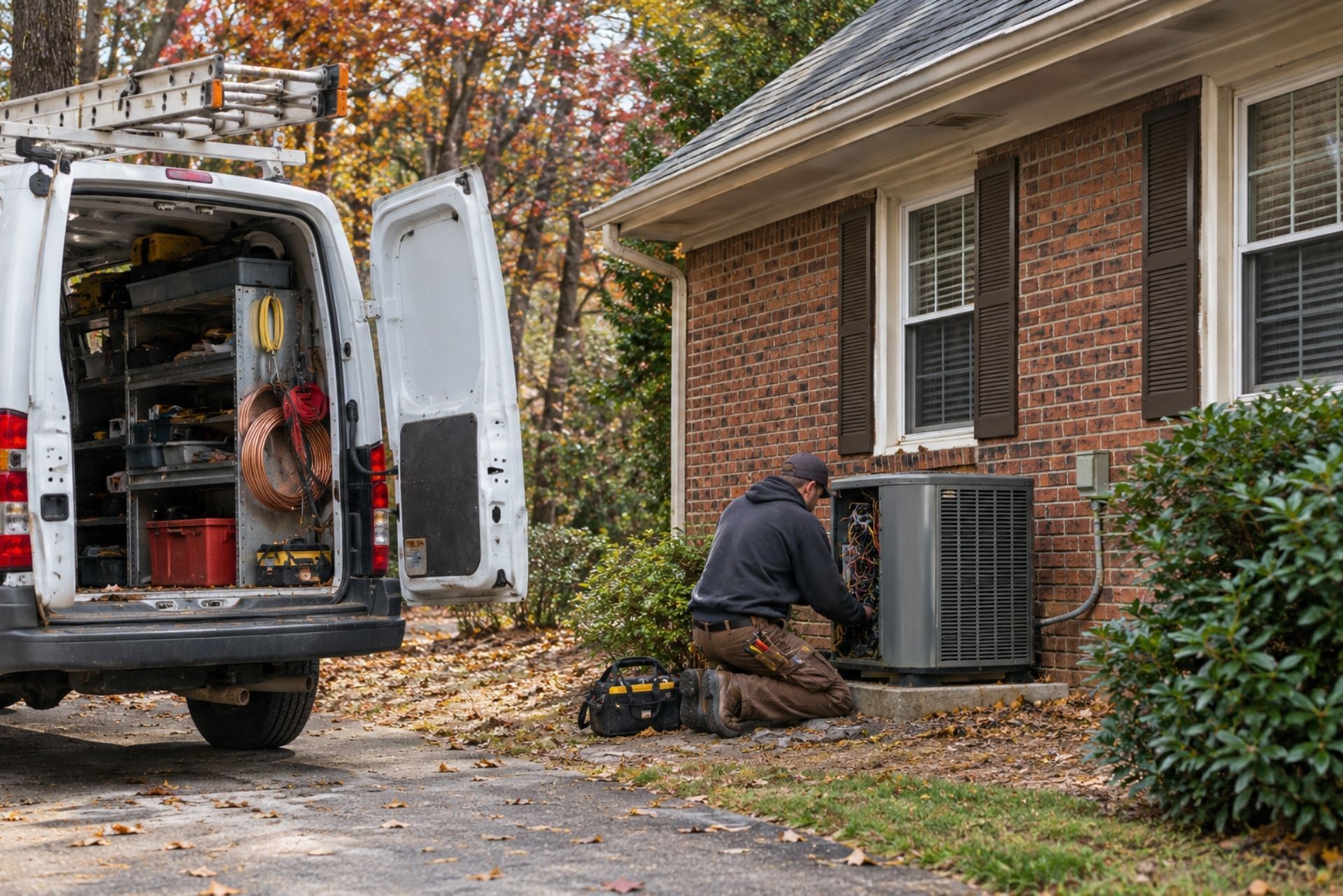
The best coverage for a Raleigh HVAC company matches your actual work, including heat pumps, RTUs, fuel piping, and now water heater replacement. Start with the City of Raleigh's $1,000,000 benchmarks for General Liability and auto liability, even if you don't plan to bid public work yet. Those limits have become the local standard.
Your next steps:
Audit: compare your license scope to your policy classifications
Verify: confirm full completed operations limits
Track: monitor your EMR and keep it below 1.0
Upgrade: switch tools coverage to replacement cost
Shop: take advantage of falling workers' comp rates
Treat HVAC contractor insurance in Raleigh, NC as a part of your company's value. Contact an independent agent who understands North Carolina trade classifications and request a coverage review before your next renewal or bid.
Recognized by National HVAC Trade Associations
These trusted organizations set best practices and standards that carriers rely on when underwriting HVAC risks.
Membership signifies adherence to HVAC industry standards and contractor best practices.
Coverage for Crews, Vehicles, and Tools
Insurance for HVAC Contractors
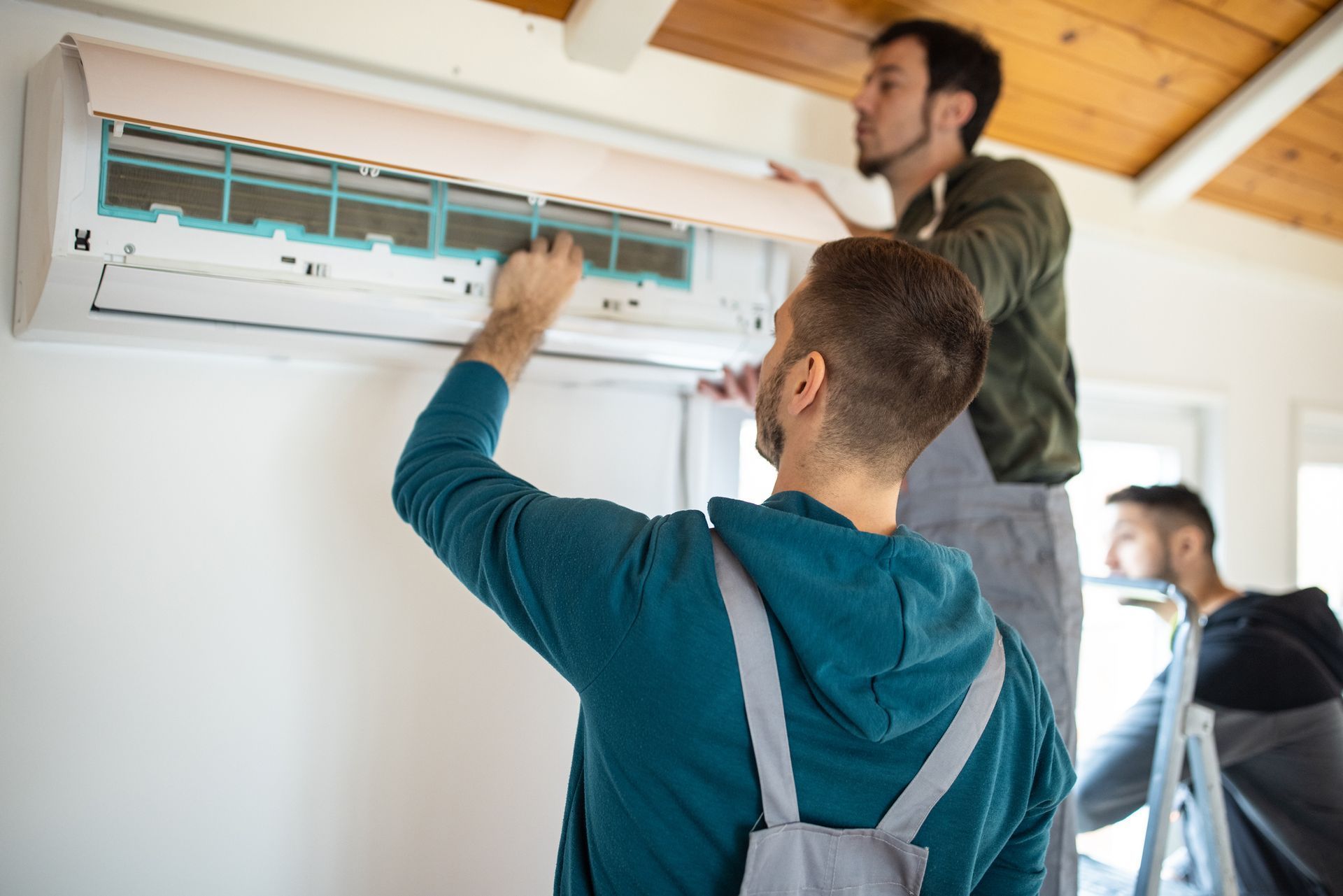
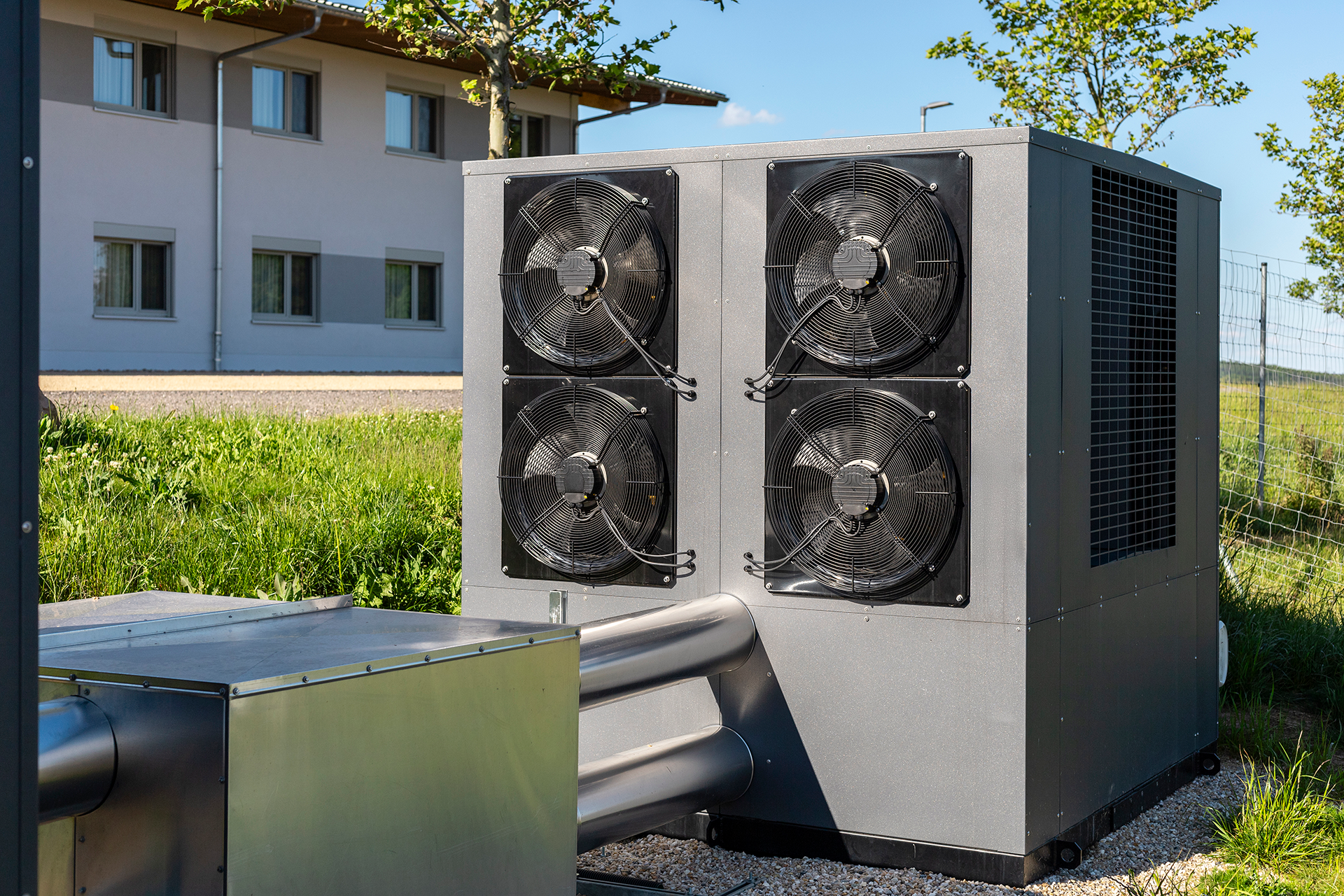
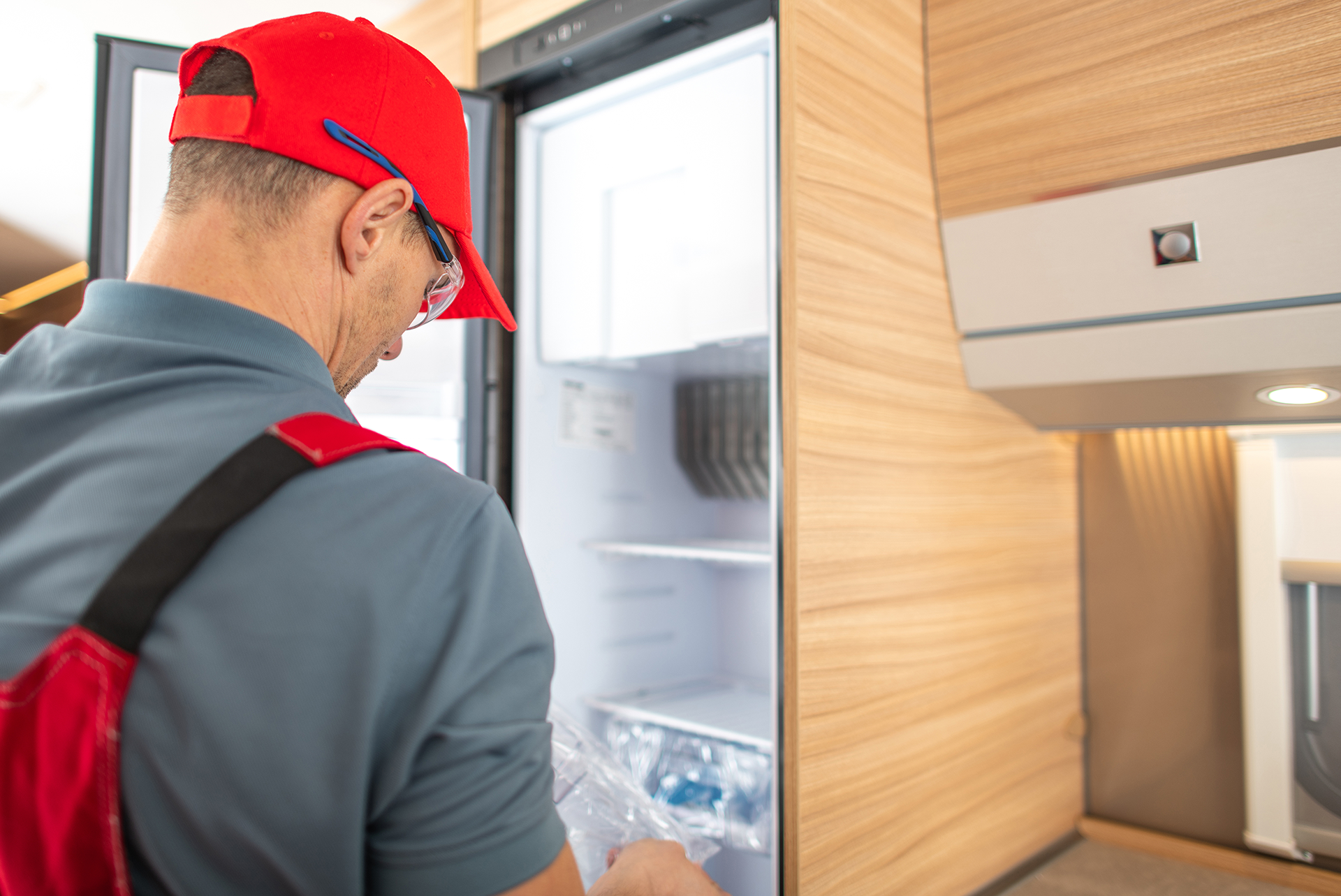
We provide business insurance designed for HVAC contractors. These policies protect your crew, vehicles, and tools while helping you meet project requirements. Every policy is explained clearly and delivered quickly so you can work without delays.
Resources
Insurance Tips for HVAC Contractors
Our blog is built for contractors who want fast answers. Each article covers common questions and risks in under five minutes of reading.
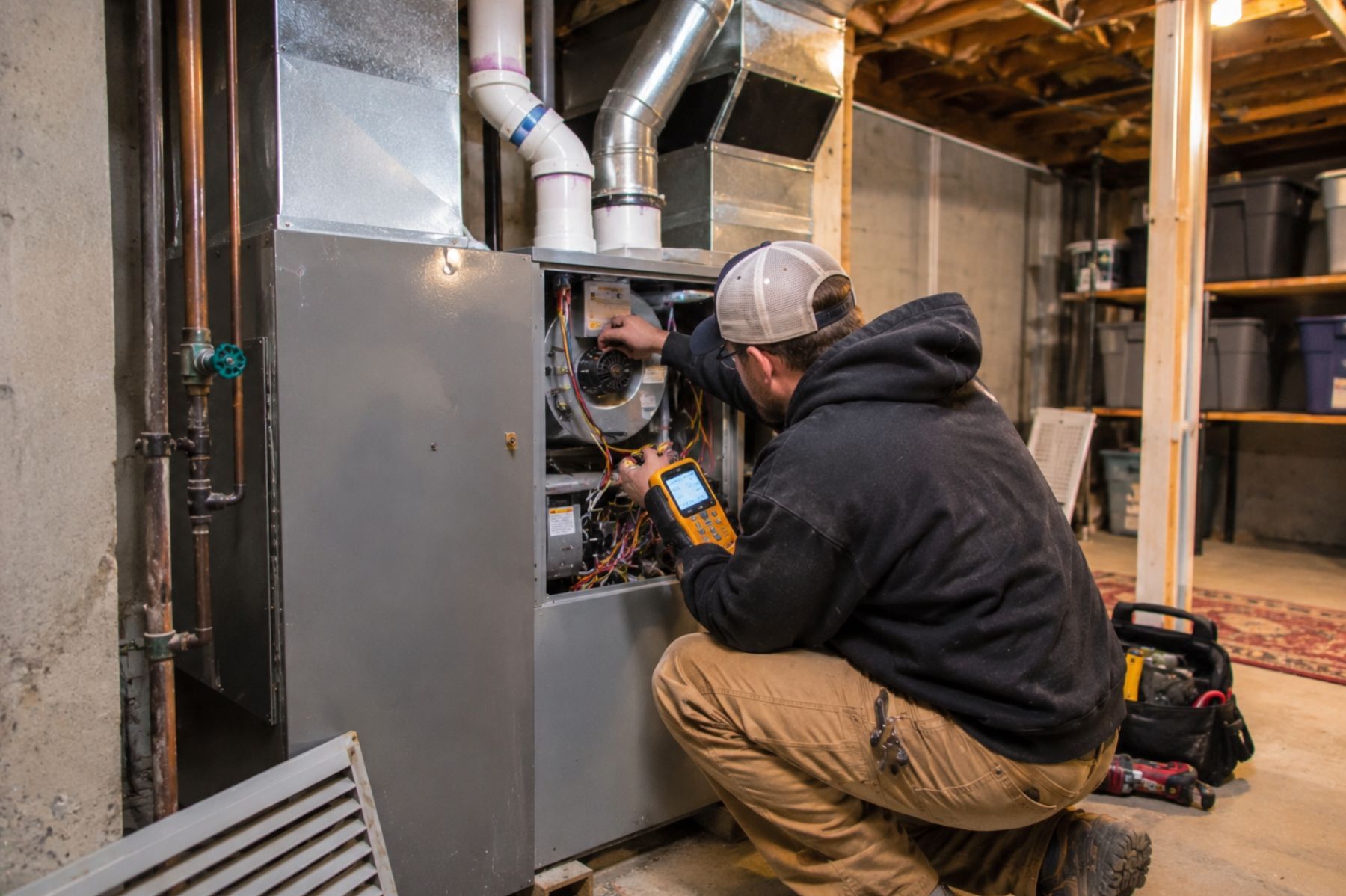
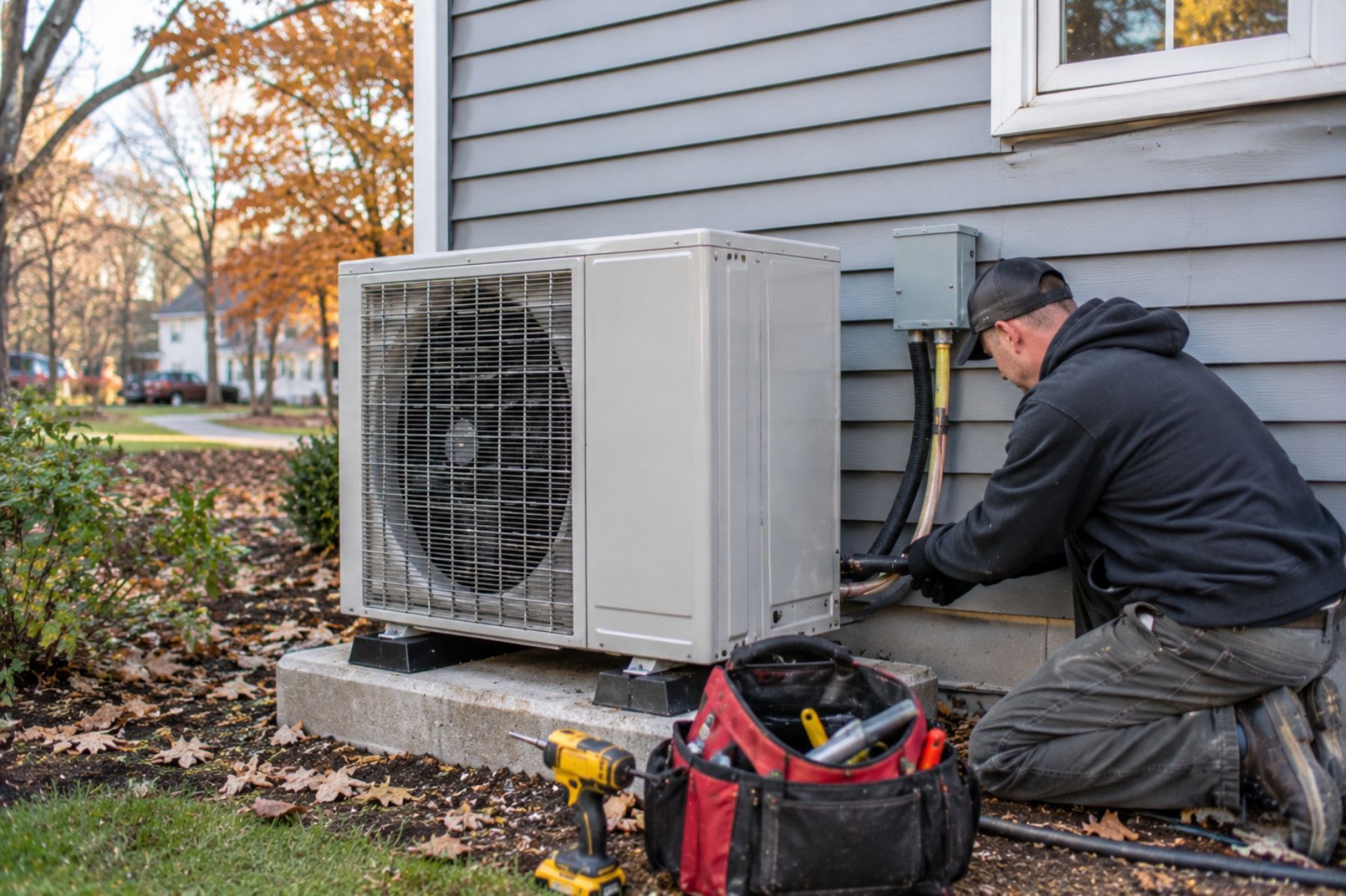
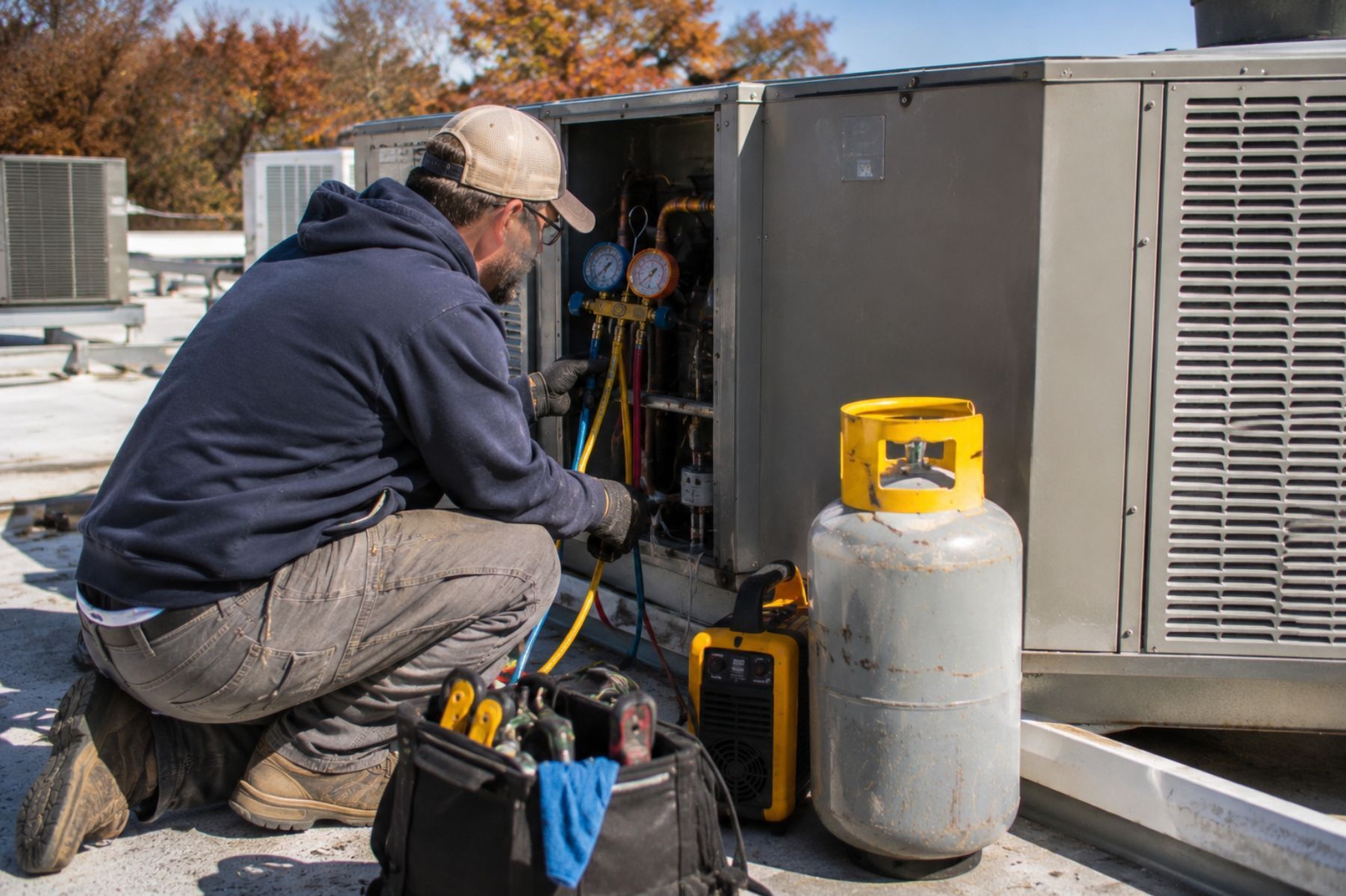
Frequently Asked Question
Common HVAC Contractor Insurance Questions
These FAQs address common contractor questions. As HVACInsure grows, we will update this section with real client experiences and answers.
Why should an HVAC contractor use HVACInsure instead of a general agency?
Specialists understand jobsite requirements, certificate wording, and common endorsements for HVAC work. You get cleaner paperwork, faster approvals, and coverage that fits how your crews operate.
This reduces delays at the gate, avoids gaps, and helps you pass compliance checks the first time.
How fast can I get a Certificate of Insurance (COI)?
Most standard COIs are issued the same business day after binding or updates. If you need additional insured, primary/non-contributory, or waiver language, we prepare it correctly the first time.
Our goal is simple: get your crew on site without paperwork delays.
What coverages do HVAC contractors usually need?
Core policies include General Liability, Commercial Auto, Workers’ Comp, Property/Tools, Inland Marine, and Umbrella. Many projects require higher limits and specific endorsements.
We align your coverage with contract terms and explain each choice in plain language.
Will my tools and scheduled equipment be covered in vans or on jobsites?
Yes. Inland Marine (tools and equipment) can cover items in transit, stored in vehicles, or staged on site.
High-value items can be scheduled, and limits can match your daily field use to keep work moving.
Can I lower my premium without weakening protection?
Often, yes. Clean driver lists, accurate payrolls, safety programs, and bundling policies can help.
We review your profile, request carrier credits, and adjust limits and deductibles to control cost while meeting project requirements.
What should I do after a loss?
Contact us right away so we can file with the correct carrier and set expectations. We guide documentation, next steps, and follow-ups until closure.
Fast reporting and clear records help resolve claims sooner and keep your team focused on work.

Still have questions?
Can’t find the answer you’re looking for? Please chat to our friendly team!
Contact Us