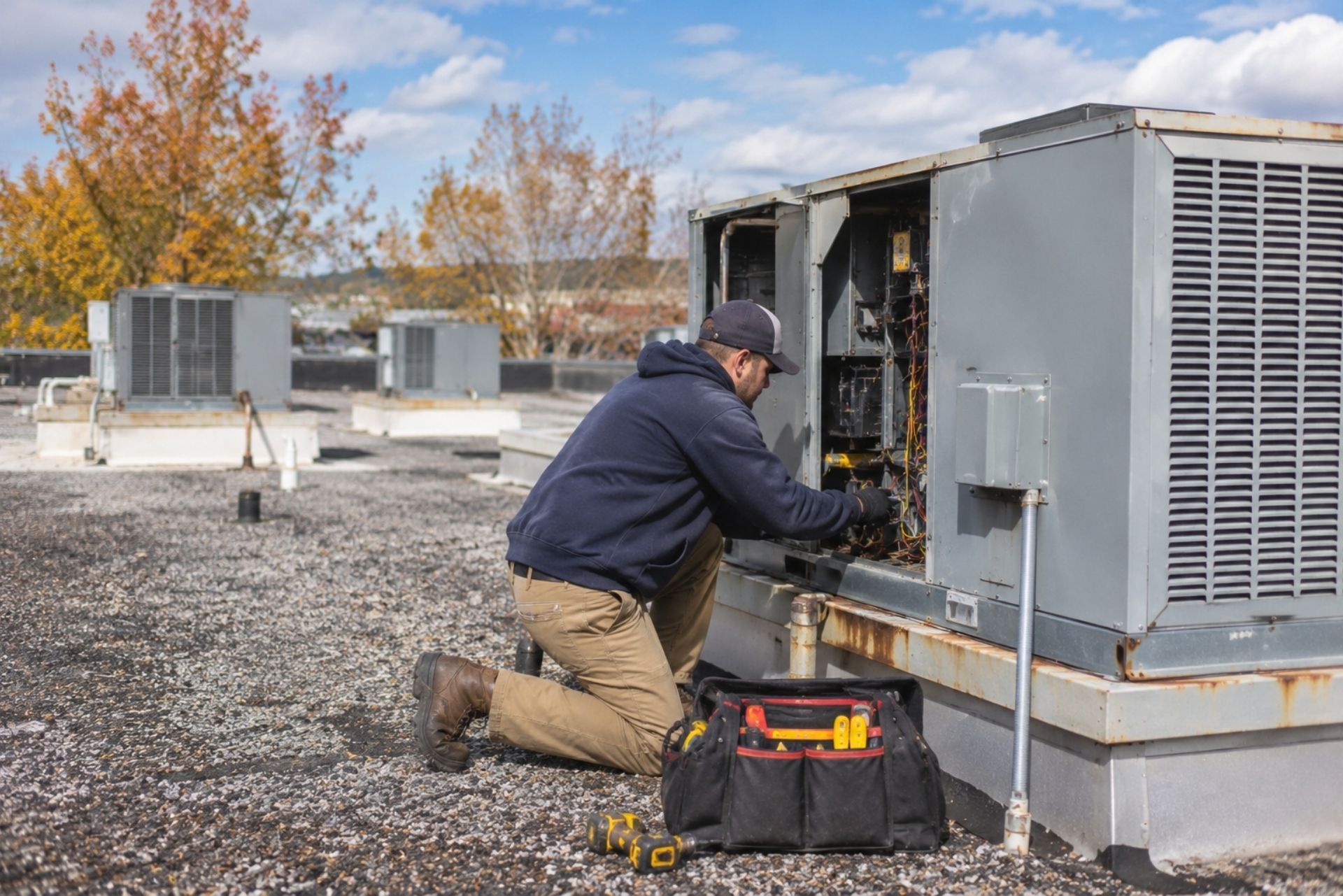
A refrigerant line brazed during a June install can fail in October, leaving a finished basement soaked and a homeowner calling an attorney. That scenario plays out across Jefferson County every year, and the contractors who survive it are the ones who structured their coverage before the call came. Louisville's humid summers push AC systems hard, and winter cold snaps load furnaces to capacity. Your crews spend most of the year inside occupied homes and commercial buildings, working with gas lines, high-voltage circuits, and pressurized systems.
Goal: give you a clear picture of how
HVAC Contractor Insurance in Louisville, KY works, what local regulators expect, and where policy gaps cost contractors money. Treat this as a working roadmap. Insurance is a
compliance requirement, and it is also an asset that lets you
bid larger jobs and raises the
value of your business if you ever sell it.
Essential Insurance Coverage for Louisville HVAC Businesses
Most Louisville HVAC shops need three core policies. Each covers a different exposure, and gaps between them are where claims fall through.
General Liability and Property Damage
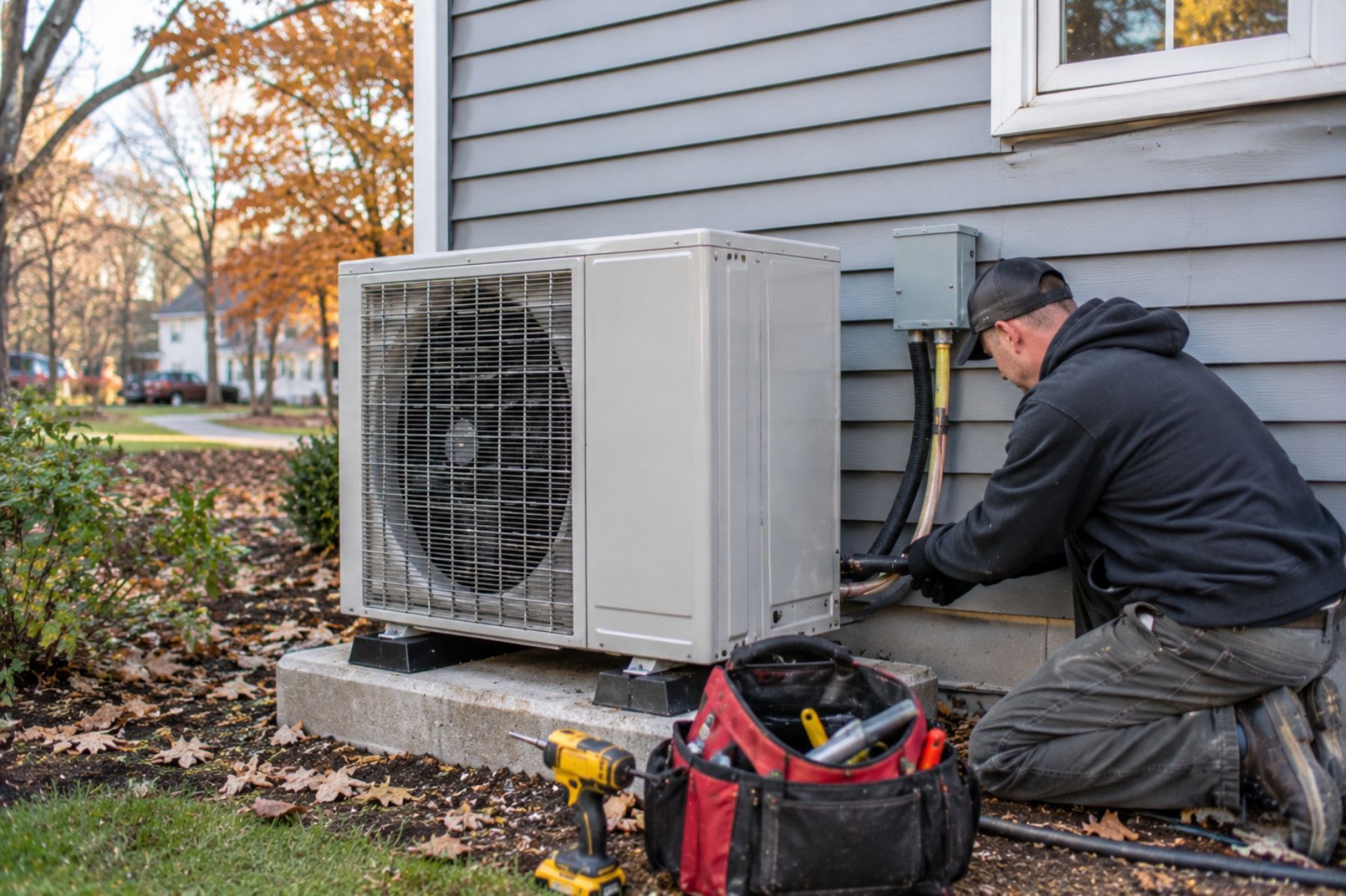
General Liability responds when your work damages someone else's property or injures a third party. Typical HVAC claims include a condensate line that backs up and ruins drywall, a dropped compressor that cracks a client's tile, or a customer who trips over a hose in a hallway.
The policy feature that matters most is completed operations coverage. Many HVAC losses appear weeks or months after the job closes. Two common examples are a leak at a brazed joint that slowly releases refrigerant, and a condensate drain pitched incorrectly that floods a ceiling in August. Confirm that your policy includes completed operations at the same limit as ongoing operations. Some cheaper policies cap it lower or exclude it entirely.
Workers' Compensation in Kentucky
Kentucky requires most employers with even one employee to carry workers' compensation. Penalties for going without coverage are steep, with some industry sources reporting fines that can reach up to $1,000 per employee per day. HVAC technicians face burns, electrical shock, falls from rooftop units, and back injuries from hauling equipment into attics.
Your Experience Modification Rate (EMR) drives what you pay. An EMR of 1.0 represents the industry average. A score below 1.0 lowers your premium, and a score above it raises your costs and can disqualify you from commercial bids. This matters during acquisitions: if you plan to buy another HVAC company, review its EMR history first, because a buyer inherits a poor loss record along with the customer list.
Commercial Auto and Tools Coverage
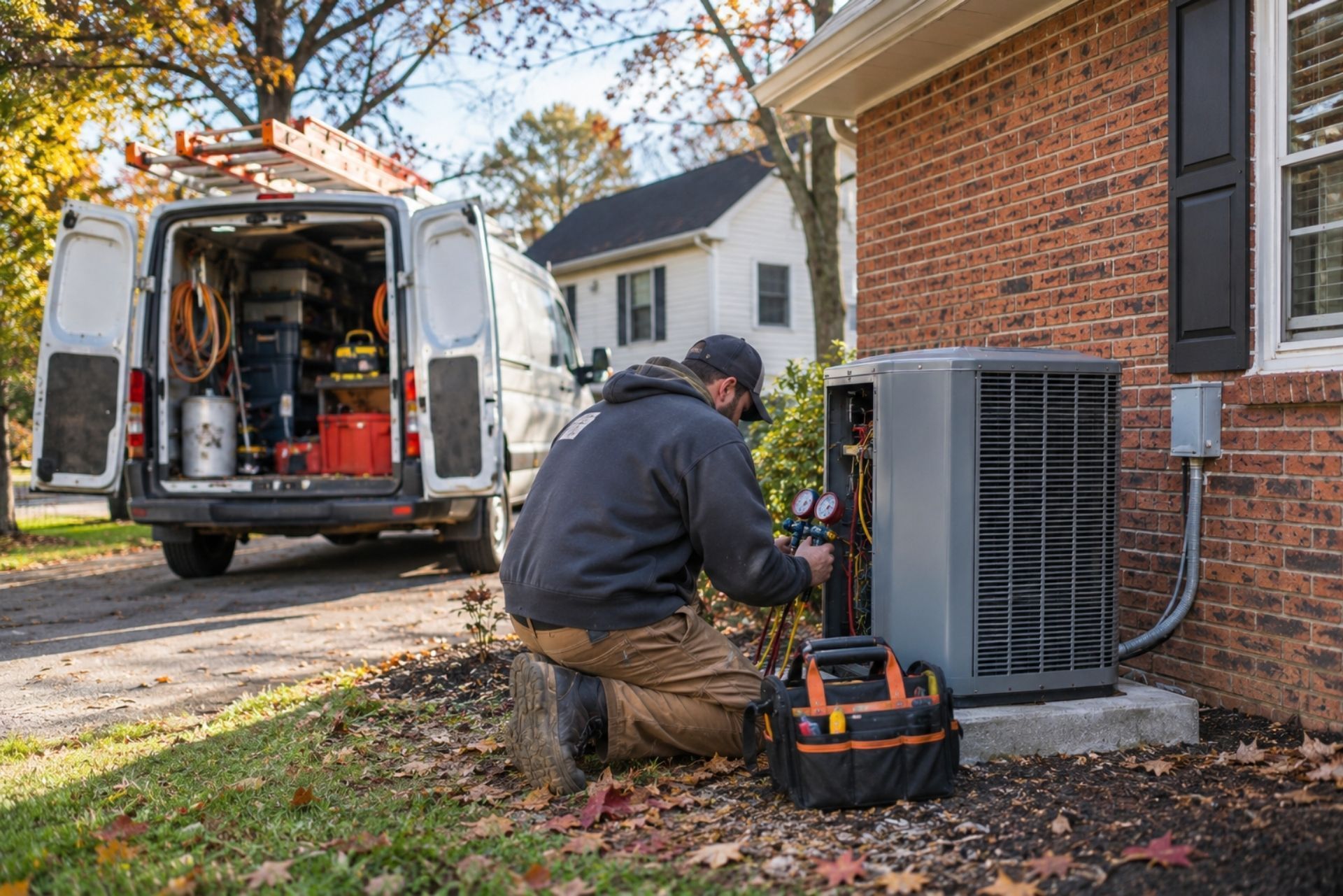
Personal auto policies typically exclude vehicles used mainly for business. A service van carrying recovery machines, vacuum pumps, and replacement condensers needs a commercial auto policy with hired and non-owned auto coverage if employees drive their own trucks.
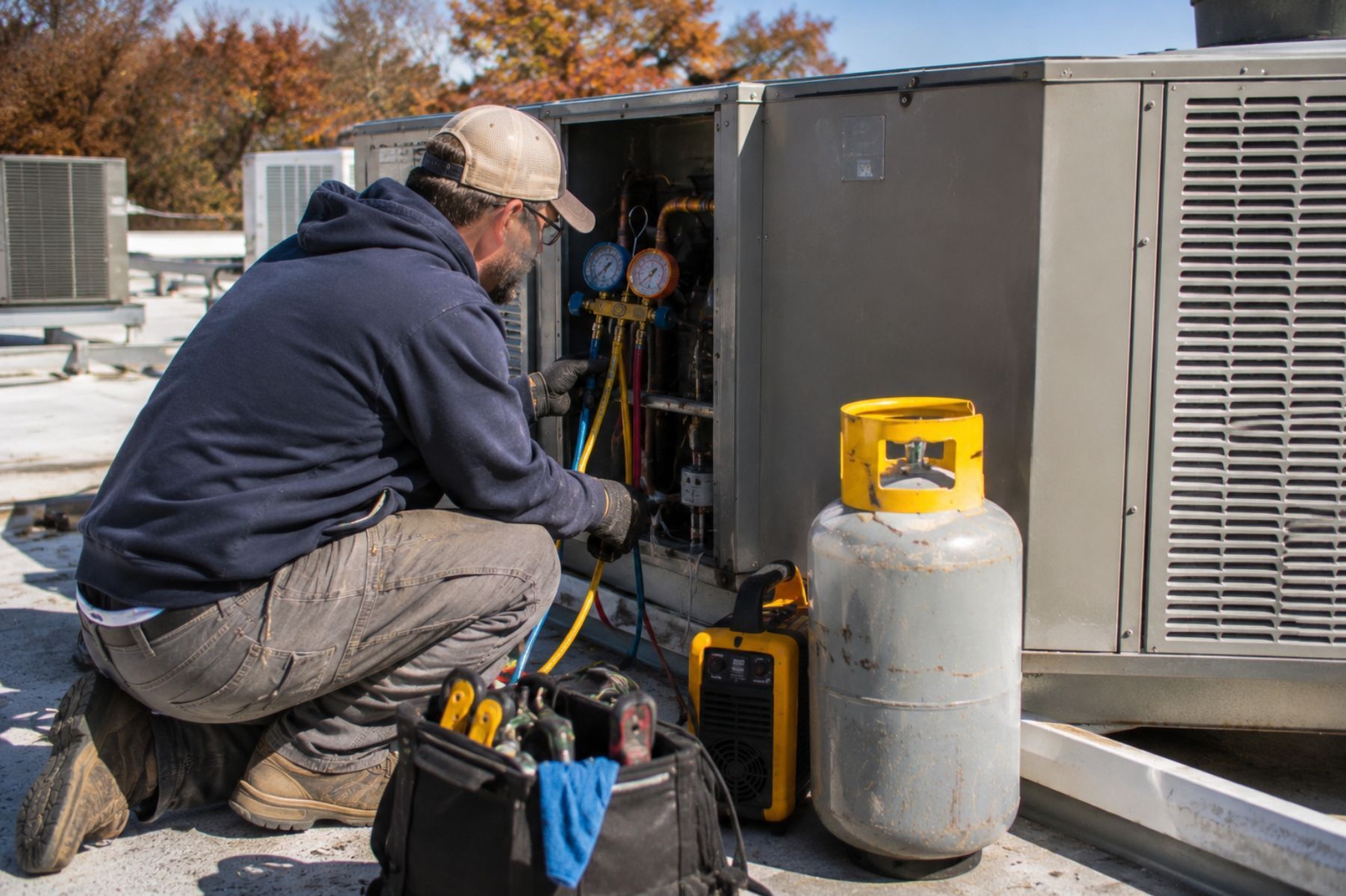
Inland marine or tools and equipment coverage protects your gear in transit and on job sites. One thing to keep in mind: choose replacement cost valuation over actual cash value. A stolen trailer full of equipment can represent $25,000 to $50,000 in losses, and actual cash value deducts depreciation, which leaves you short when you replace aging gauges and recovery units. Rental equipment costs add up daily, and every day without tools means lost revenue on booked jobs.
HVACInsure is fully licensed and permitted to sell contractor and commercial insurance in Texas.
We proudly serve clients throughout Texas and maintain partnerships with local Texas insurance carriers to ensure HVAC professionals receive compliant, affordable, and comprehensive coverage that meets project and regulatory requirements.
Kentucky Licensing and Insurance Requirements
Local rules shape your insurance as much as state law. Louisville Metro's Office of Construction Review requires HVAC contractors to show proof of liability insurance of at least $250,000, with the department named as certificate holder. Treat that figure as a minimum. A single water damage claim in a commercial building can exceed it quickly.
Permitting carries direct insurance consequences. Under Louisville Metro Ordinance § 150.052, a permit is required for all new HVAC installations and significant modifications, and insurers may deny property damage claims tied to unpermitted work. Local guidance also stresses that permits help ensure compliance with Louisville-Jefferson County standards. Skipping a permit to save a day can void the coverage you paid for.
Two 2026 developments also affect contractors:
- Public adjuster rules: As of April 13, 2026, Kentucky paused new public adjuster licenses and barred adjusters from partnering with contractors to solicit claims. Review any storm-work referral arrangements.
- Premium fees:
The Louisville Metro Revenue Commission
collects a 5% fee on non-health insurance premiums, which appears on your bill.
Pricing depends on crew size, payroll, revenue, claims history, and the mix of residential and commercial work. Based on current market quotes, solo operators often pay roughly $3,000 to $5,000 per year for a starter package. A five-person crew carrying General Liability, workers' comp, and commercial auto typically pays between $8,000 and $15,000 annually.
| Feature | Basic Package | Extended Package |
|---|---|---|
| GL Limit | $250,000 to $1M | $1M to $2M plus umbrella |
| Completed Operations | Sometimes reduced | Full limit |
| Tools Valuation | Actual cash value | Replacement cost |
| Pollution Coverage | Usually excluded | Refrigerant and mold included |
| Best For | Solo residential techs | Crews bidding commercial work |
The catch is that the cheapest quote often hides exclusions. Read the pollution exclusion carefully, since refrigerant releases and mold from condensate leaks are common HVAC claim types. If your team designs duct layouts or sizes systems for commercial clients, ask about Professional Liability (E&O). A General Liability policy won't cover a load calculation error that leaves a building unable to hold temperature.
Here's what that means for you: request quotes that compare identical limits and endorsements, not just premiums.
Common Questions About HVAC Insurance in Louisville
How much liability insurance do I need to work in Louisville? Louisville Metro requires at least $250,000 in liability coverage. Most commercial clients and general contractors ask for $1 million per occurrence.
Does my policy cover a leak that shows up after I finish a job? Only if you carry completed operations coverage. Confirm it on your declarations page.
Do I need workers' comp if I only have one part-time helper? In most cases, yes. Kentucky law generally requires coverage once you have an employee, including part-time workers.
What evidence do insurers want after an equipment failure claim? Take photographs of the failed equipment, record calibrated thermometer and pressure readings, and keep written diagnostic reports from technicians. Clear documentation of failures such as compressor burnout, control board damage, or electrical arcing speeds up the claim.
Can I use my personal truck insurance for service calls? Usually not. Personal policies often exclude regular business use, so a commercial auto policy is the safer choice.
Will skipping a permit affect my coverage? It can. Insurers may deny claims tied to unpermitted installations or modifications.
The Bottom Line: Protecting Your Local Reputation
Louisville homeowners and property managers choose contractors they trust, and trust depends on how you handle the job that goes wrong. Strong coverage lets you pay for a flooded basement or a damaged rooftop without draining your operating account. It also makes your company more attractive to commercial clients, lenders, and future buyers.
Your next steps:
- Verify: Louisville Metro's $250,000 minimum is on file with the correct certificate holder.
- Confirm: Completed operations coverage carries the full GL limit.
- Review: Your EMR and workers' comp classifications annually.
- Upgrade: Tools coverage to replacement cost.
- Permit: Every qualifying install, every time.
Critical don'ts: never assume a General Liability policy covers refrigerant releases, and never let a policy lapse between renewals. Review your HVAC contractor coverage in Louisville with a licensed independent agent who understands Kentucky trade work before your next busy season starts.
Recognized by National HVAC Trade Associations
These trusted organizations set best practices and standards that carriers rely on when underwriting HVAC risks.
Membership signifies adherence to HVAC industry standards and contractor best practices.
Coverage for Crews, Vehicles, and Tools
Insurance for HVAC Contractors
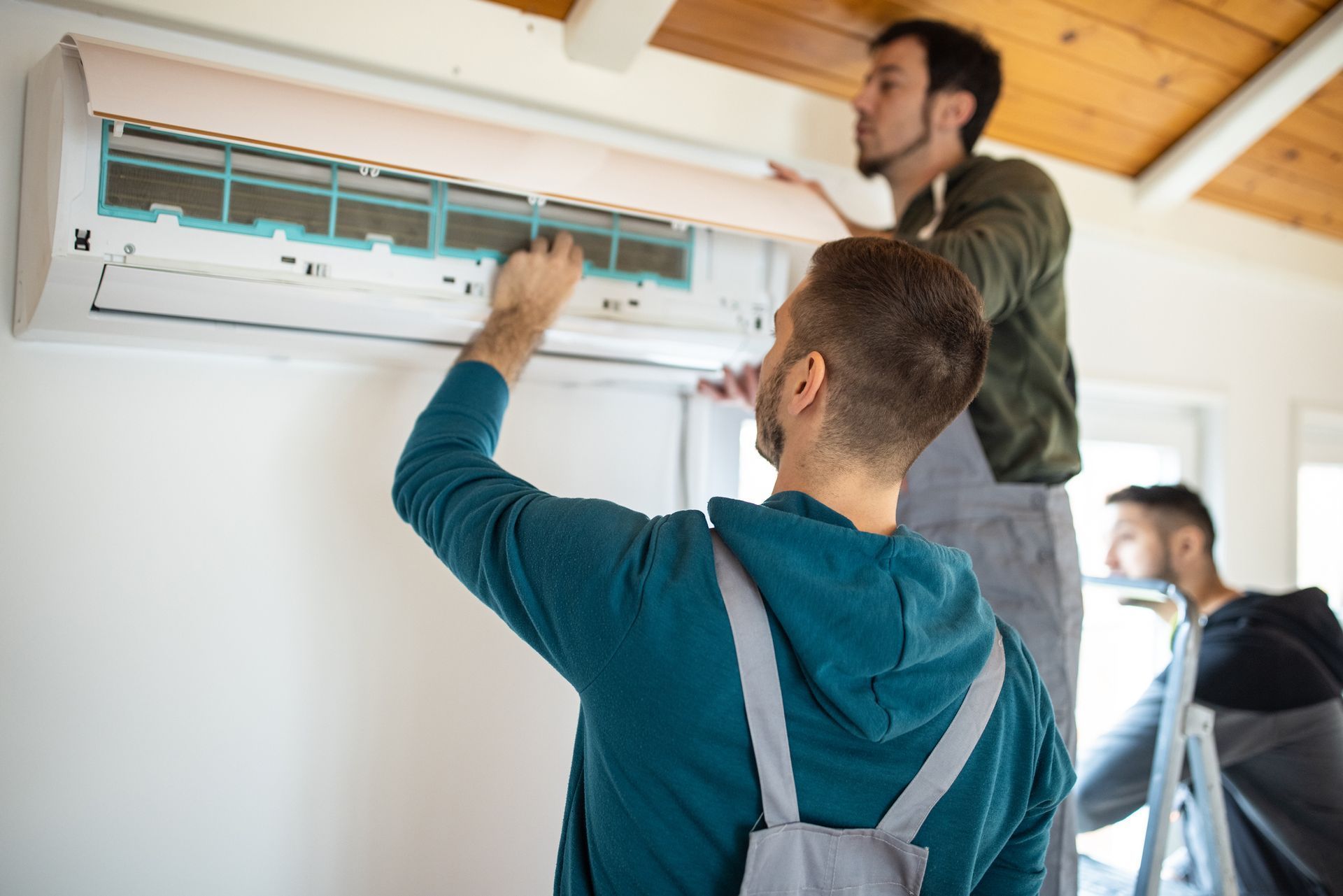
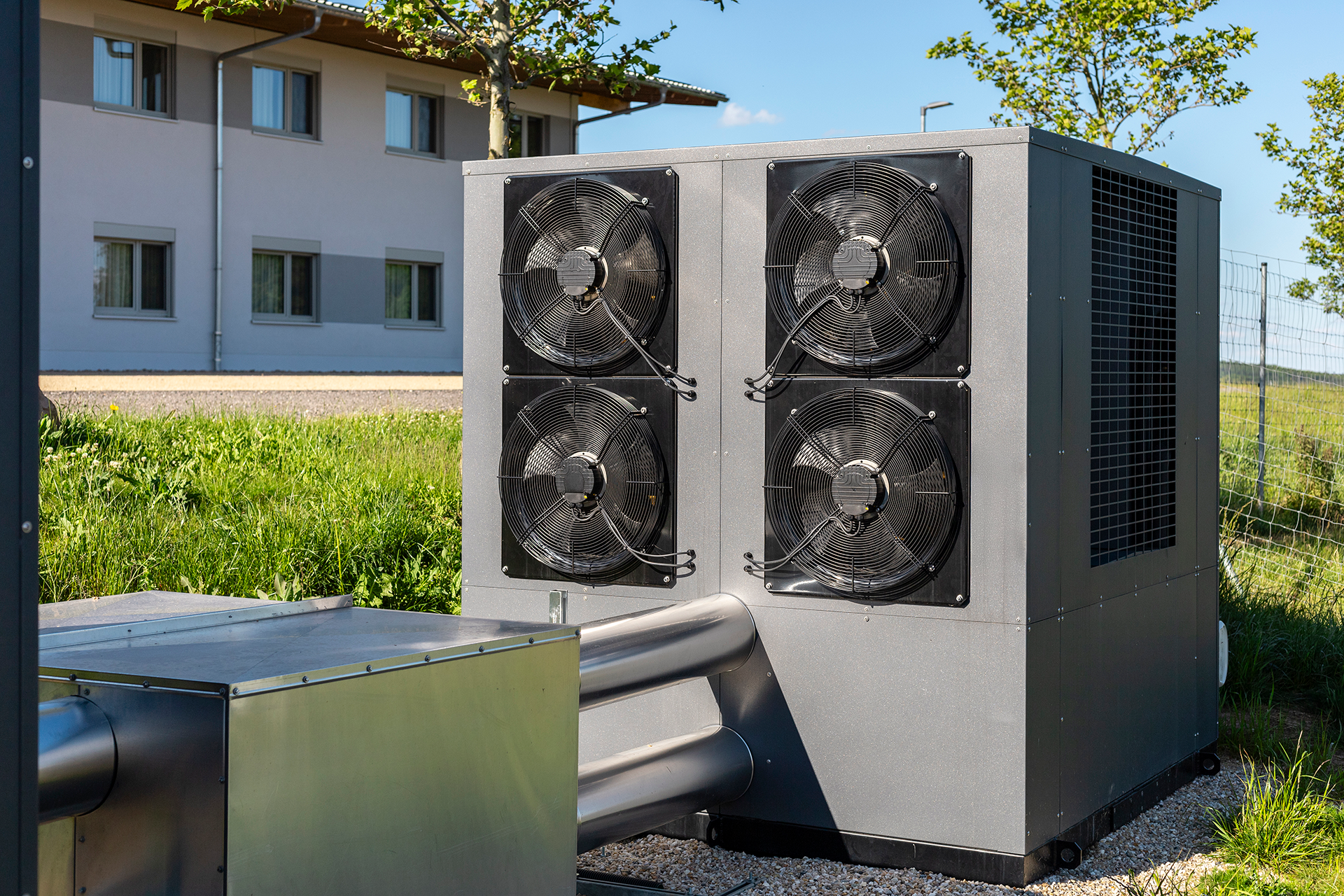
We provide business insurance designed for HVAC contractors. These policies protect your crew, vehicles, and tools while helping you meet project requirements. Every policy is explained clearly and delivered quickly so you can work without delays.

Resources
Insurance Tips for HVAC Contractors
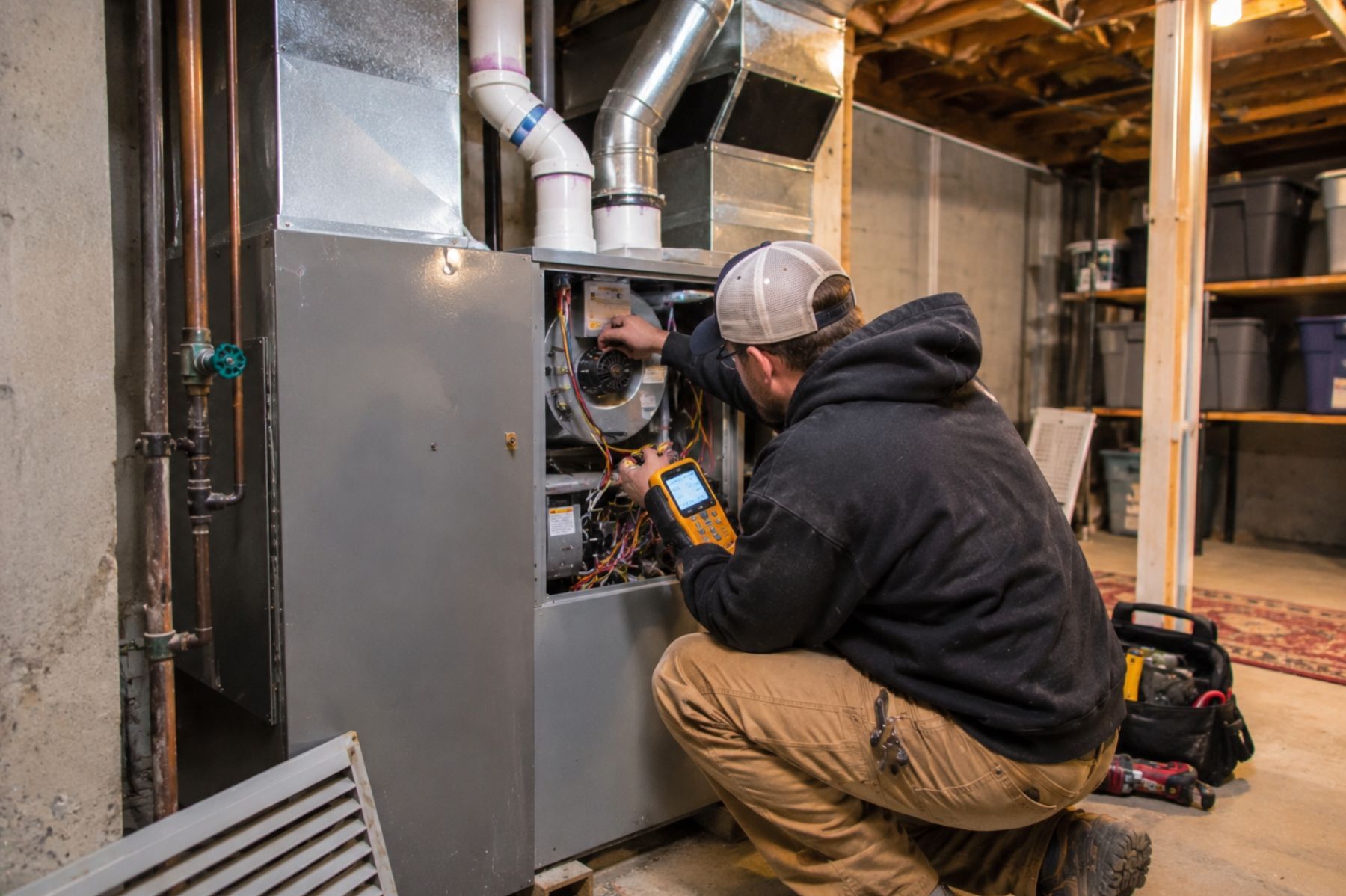
Our blog is built for contractors who want fast answers. Each article covers common questions and risks in under five minutes of reading.
Frequently Asked Question
Common HVAC Contractor Insurance Questions
These FAQs address common contractor questions. As HVACInsure grows, we will update this section with real client experiences and answers.
Why should an HVAC contractor use HVACInsure instead of a general agency?
Specialists understand jobsite requirements, certificate wording, and common endorsements for HVAC work. You get cleaner paperwork, faster approvals, and coverage that fits how your crews operate.
This reduces delays at the gate, avoids gaps, and helps you pass compliance checks the first time.
How fast can I get a Certificate of Insurance (COI)?
Most standard COIs are issued the same business day after binding or updates. If you need additional insured, primary/non-contributory, or waiver language, we prepare it correctly the first time.
Our goal is simple: get your crew on site without paperwork delays.
What coverages do HVAC contractors usually need?
Core policies include General Liability, Commercial Auto, Workers’ Comp, Property/Tools, Inland Marine, and Umbrella. Many projects require higher limits and specific endorsements.
We align your coverage with contract terms and explain each choice in plain language.
Will my tools and scheduled equipment be covered in vans or on jobsites?
Yes. Inland Marine (tools and equipment) can cover items in transit, stored in vehicles, or staged on site.
High-value items can be scheduled, and limits can match your daily field use to keep work moving.
Can I lower my premium without weakening protection?
Often, yes. Clean driver lists, accurate payrolls, safety programs, and bundling policies can help.
We review your profile, request carrier credits, and adjust limits and deductibles to control cost while meeting project requirements.
What should I do after a loss?
Contact us right away so we can file with the correct carrier and set expectations. We guide documentation, next steps, and follow-ups until closure.
Fast reporting and clear records help resolve claims sooner and keep your team focused on work.

Still have questions?
Can’t find the answer you’re looking for? Please chat to our friendly team!
Contact Us