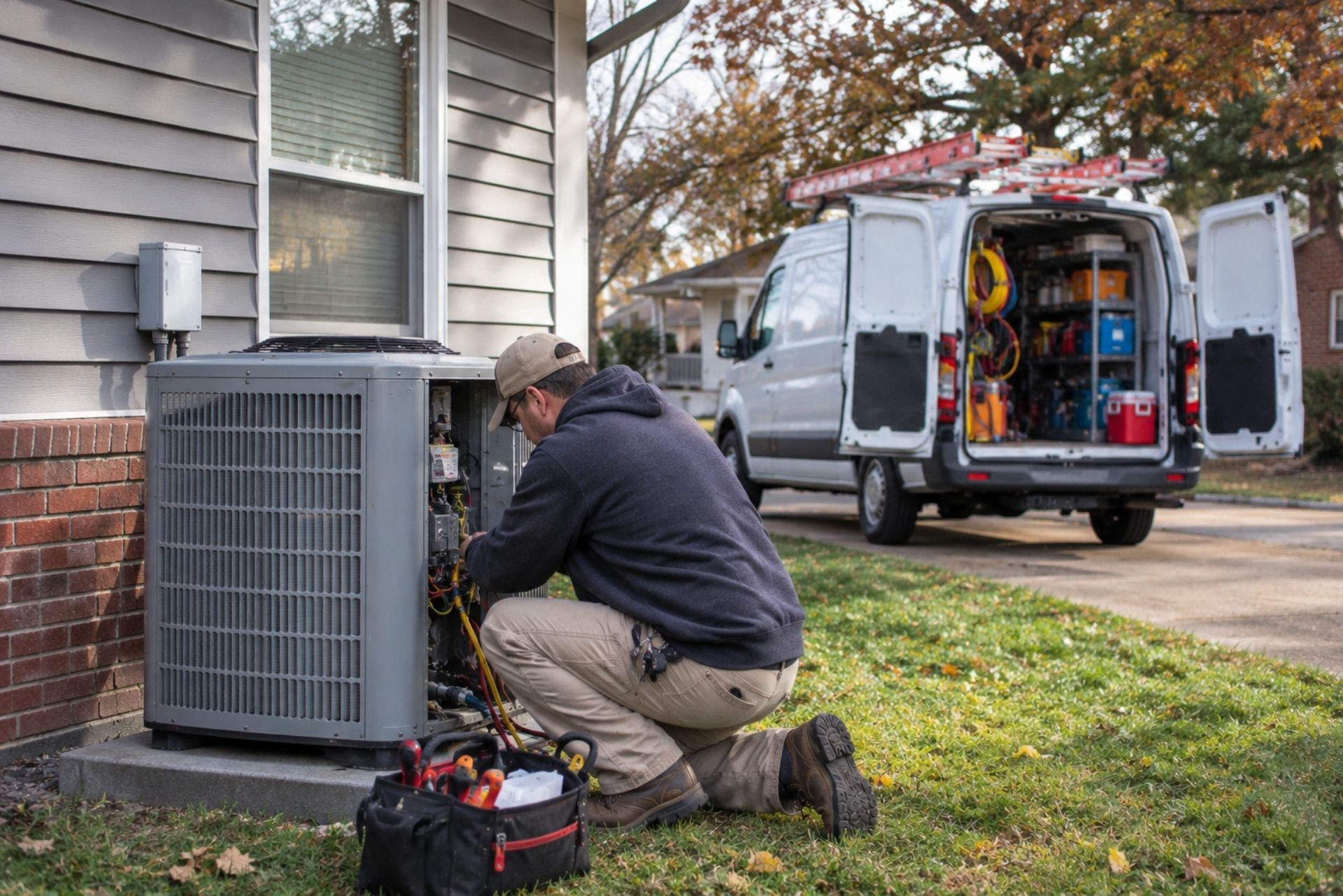
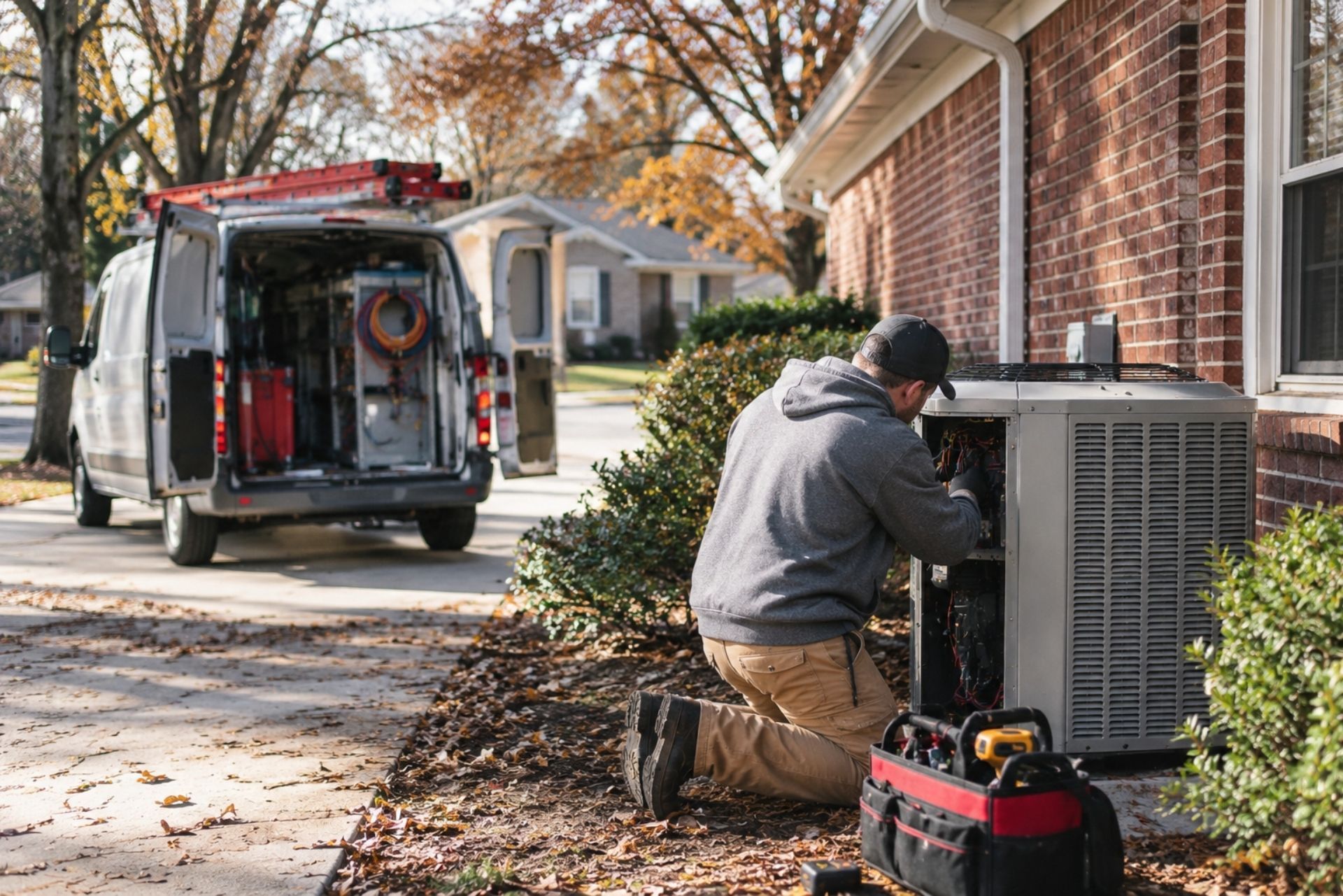
Picture a technician brazing a line set in a Brookside basement on a humid July afternoon. A spark catches insulation, or a joint fails three weeks later and floods a finished ceiling. The homeowner's insurer pays the claim and then comes after your business to recover the money. Whether that claim hurts your company or barely registers depends on decisions you made months earlier about coverage.
Kansas City presents a specific set of conditions for heating and cooling contractors. Summer heat strains equipment, and winter cold snaps produce emergency furnace calls. Older housing stock in Midtown and the Northeast often hides outdated wiring and tight crawlspaces. City permitting rules also impose insurance obligations that go beyond what the state requires.
This guide to
HVAC contractor insurance in Kansas City, MO explains which policies matter and where common gaps appear. It also covers how local rules shape your coverage decisions and how to treat insurance as a business asset rather than a grudging expense.
Why Kansas City HVAC Contractors Need Specialized Insurance
A generic small business policy is written for low-risk work in an office or shop. HVAC work involves gas lines, high-voltage electrical connections, refrigerants, and rooftop equipment. Each of those creates claim scenarios that standard policies may exclude or cap at low limits.
Consider the failure modes your crews handle every week. Electrical arcing at a disconnect, phase imbalances that burn out a compressor motor, and a miswired control board can all damage customer property. A cracked heat exchanger can lead to a carbon monoxide allegation. These claims are technical, and they require an insurer that understands mechanical trades.
Rising equipment values add pressure. Inflation and higher equipment costs have made HVAC claims more complex, and damage to high-efficiency units now requires more precise evaluation. A variable-speed system with communicating controls costs far more to replace than the single-stage units of a decade ago. If your limits haven't kept pace, a single claim can exceed them.
Here's what that means for you:
your policy should reflect the actual value of the systems you install and service, not the numbers from your first year in business.
HVACInsure is fully licensed and permitted to sell contractor and commercial insurance in Texas.
We proudly serve clients throughout Texas and maintain partnerships with local Texas insurance carriers to ensure HVAC professionals receive compliant, affordable, and comprehensive coverage that meets project and regulatory requirements.
Essential Coverage Types for Local HVAC Businesses
Most Kansas City HVAC operations need a core package of four or five policies. Each one closes a different gap.
General Liability and Property Damage
General Liability covers third-party bodily injury and property damage caused by your operations. It responds when a technician knocks over a customer's water heater, or when a ladder damages a client's hardwood floor. It is the policy that city permit offices and general contractors ask about first.
Completed operations coverage deserves particular attention. Many HVAC claims surface after you leave the job site. A refrigerant leak at a brazed joint might take weeks to show up. A poorly pitched condensate line can drip into drywall for a month before anyone notices the stain. Completed operations coverage protects you against these delayed claims, so confirm it is included and that its aggregate limit matches your premises limit.
If your team designs duct layouts, sizes systems through load calculations, or consults on commercial specifications, ask about Professional Liability (E&O). General Liability typically does not cover financial losses from a design error that causes no physical damage.
Workers' Compensation in Missouri
Missouri requires most construction employers with one or more employees to carry workers' compensation. HVAC work involves falls from roofs, electrical shock, burns from torches, and back injuries from lifting condensers.
The rate environment is relatively stable. Missouri implemented a 1.3% increase in voluntary market loss costs for 2026, and the Contracting industry group saw a 0.3% increase. Looking ahead, NCCI filed for a 0.0% overall change in loss costs for 2027. State regulators describe a competitive market and safer Missouri workplaces.
Your Experience Modification Rate (EMR) matters more than statewide trends. An EMR below 1.0 means your losses are better than average for your class, which lowers your premium. An EMR above 1.0 raises costs and can disqualify you from commercial bids. One thing to keep in mind: if you plan to sell your company or acquire a competitor, buyers scrutinize EMR closely. A high modifier signals hidden liabilities and can reduce your valuation.
Commercial Auto and Inland Marine
Personal auto policies typically exclude vehicles used mainly for business. Commercial auto covers your service vans and their drivers, including liability when a technician causes a wreck on I-435.
Inland Marine, often written as tools and equipment coverage, protects gear that moves between job sites. Recovery machines, vacuum pumps, manifold gauges, and stocked inventory in a van are frequent theft targets. Choose replacement cost valuation over actual cash value when the budget allows. Actual cash value deducts depreciation, which can leave you well short of what a new recovery machine costs.
Important: Statutory minimums are a floor. A single furnace fire claim can exceed $1,000,000 quickly.
Missouri Licensing Requirements and Coverage Limits
Missouri has no statewide HVAC license. Licensing and insurance rules come from local jurisdictions, and Kansas City enforces its own requirements through the Building and Rehabilitation Code.
Several local requirements affect how you set up your policies:
- $1,000,000 General Liability: Required for specific contractor classes in KCMO
- Additional insured status: The City must be named on your policy
- 30-day cancellation notice: Your insurer must notify the City before coverage lapses
- Bond or cash deposit: Under Information Bulletin IB134, contractors may need to provide a cash deposit to guarantee restoration of public property if they don't use a surety bond
One common mistake is assuming that a certificate meeting KCMO standards satisfies every client. Commercial general contractors often require higher limits, waivers of subrogation, and primary and noncontributory wording. If you work across the state line in Kansas or in suburbs like Independence and Lee's Summit, each jurisdiction may set different conditions. Keep a spreadsheet of each municipality's requirements and review it before renewal.
Comparing Basic vs. Comprehensive HVAC Policies
A bare-minimum policy might get you a permit. It won't necessarily keep your business solvent after a serious loss. The table below shows how the two approaches differ.
| Coverage Area | Basic Package | Comprehensive Package |
|---|---|---|
| General Liability | Minimum to meet permit | Higher limits plus umbrella |
| Completed Operations | Low or shared aggregate | Separate, matching aggregate |
| Tools and Equipment | Actual cash value | Replacement cost |
| Professional Liability | Not included | Included for design work |
| Pollution Liability | Excluded | Covers refrigerant and mold claims |
| Commercial Auto | State minimum liability | Higher limits, hired and non-owned auto |
| Business Valuation Impact | Neutral or negative | Strengthens marketability |
The pollution gap surprises many contractors. Standard General Liability usually excludes pollutants, and insurers may classify refrigerant releases or mold from condensate leaks under that exclusion. A contractor's pollution policy closes that gap.
An umbrella policy adds limits above General Liability, auto, and employer's liability. A carbon monoxide incident involving multiple occupants can produce claims that exceed a $1,000,000 limit quickly. Without excess coverage, the remaining judgment can fall on your business assets.
Common Questions About HVAC Insurance in Kansas City
Do I need insurance if I work alone without employees? Yes. You still need General Liability for permits and client protection, and commercial auto if you drive to jobs. Workers' comp rules differ for sole proprietors, so confirm your status with your agent.
How much does HVAC insurance cost in Kansas City? Pricing depends on payroll, revenue, claims history, and the type of work you do. Commercial and rooftop work generally costs more to insure than residential service.
What happens if a system I installed fails months later? Completed operations coverage responds to property damage or injury from your finished work. It typically does not pay to replace the faulty equipment itself.
What evidence should I collect after a claim? Take photographs of the failed equipment and surrounding damage. Record calibrated thermometer or pressure readings, and get a written diagnostic report from the technician who inspected the system.
Does my policy cover a stolen recovery machine from my van? Only if you carry Inland Marine or tools coverage. Auto policies generally exclude tools and equipment inside the vehicle.
How quickly should I report a claim? Report as soon as you learn of a potential claim. Late notice can give insurers grounds to deny or reduce payment.
Making the Right Choice for Your Business
Strong coverage protects your company and adds value to it. Buyers, lenders, and commercial clients view a clean loss history, a low EMR, and properly structured policies as signs of a well-run operation. Weak coverage does the opposite and can expose you to losses that end a business.
Use this checklist before your next renewal:
- Verify limits: Confirm you meet KCMO's $1,000,000 General Liability requirement
- Check completed operations: Make sure it has its own aggregate
- Review valuation: Switch tools coverage to replacement cost
- Close gaps: Ask about pollution, E&O, and umbrella coverage
- Track EMR: Request your current modifier and loss runs
Critical don'ts:
Don't let coverage lapse, because the City receives cancellation notice
Don't assume one certificate satisfies every client or jurisdiction
Don't delay claim reporting
Finding the right HVAC contractor insurance in Kansas City, MO starts with an honest look at the work your crews actually perform. Request a coverage review from an agent who writes mechanical trades, bring your contracts and loss runs, and build a program that protects the business you've worked hard to grow.
Recognized by National HVAC Trade Associations
These trusted organizations set best practices and standards that carriers rely on when underwriting HVAC risks.
Membership signifies adherence to HVAC industry standards and contractor best practices.
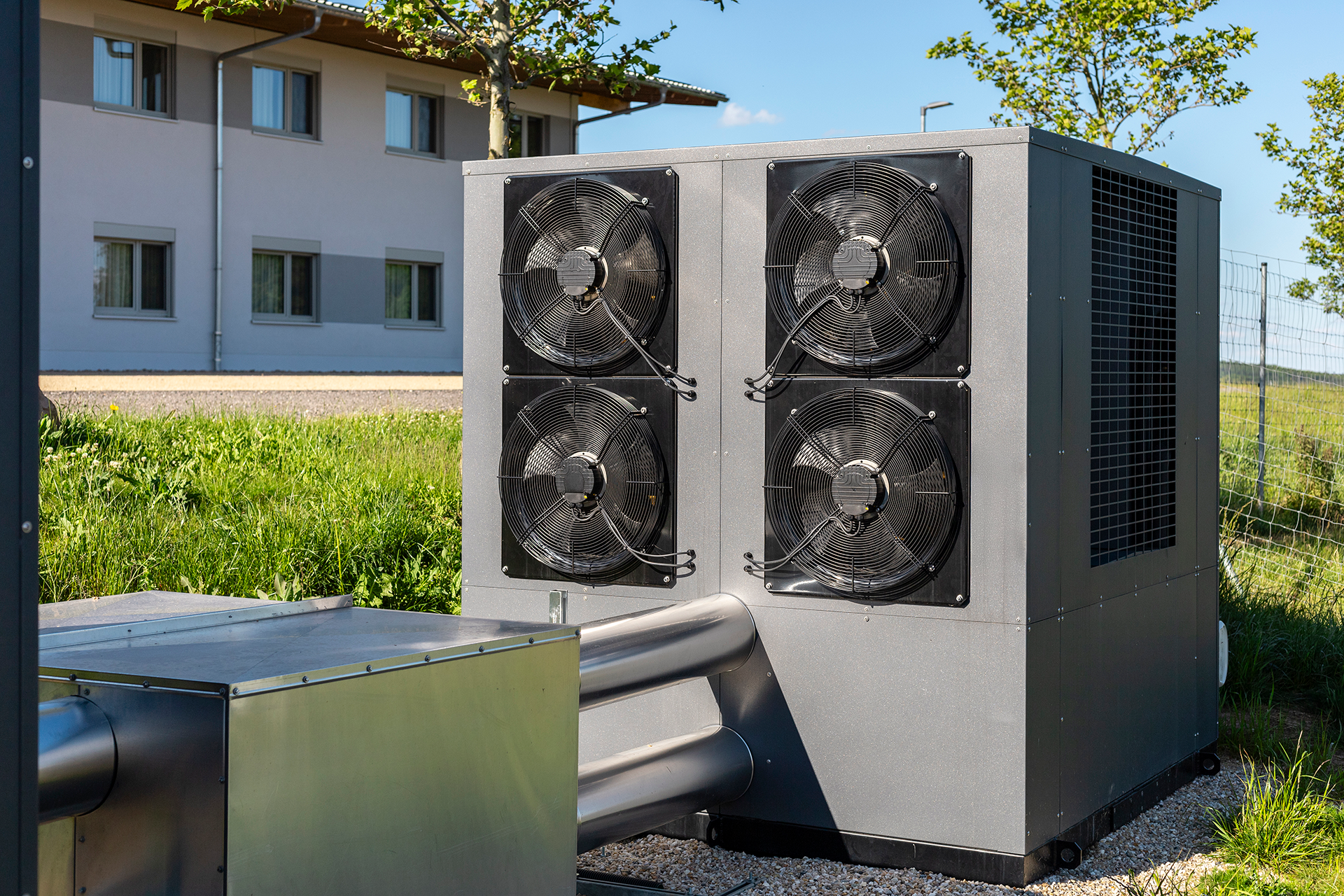
Coverage for Crews, Vehicles, and Tools
Insurance for HVAC Contractors
We provide business insurance designed for HVAC contractors. These policies protect your crew, vehicles, and tools while helping you meet project requirements. Every policy is explained clearly and delivered quickly so you can work without delays.


Resources
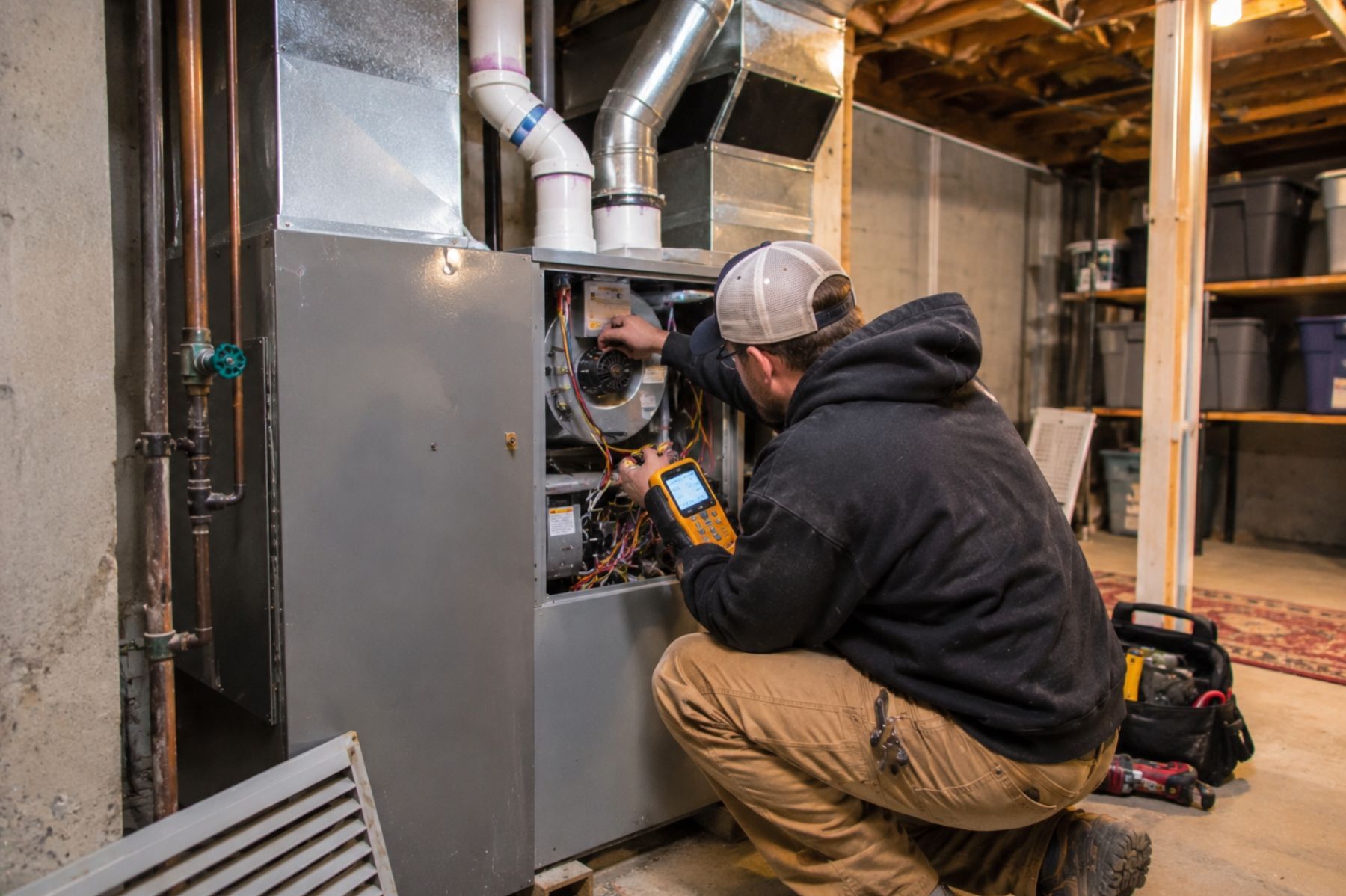
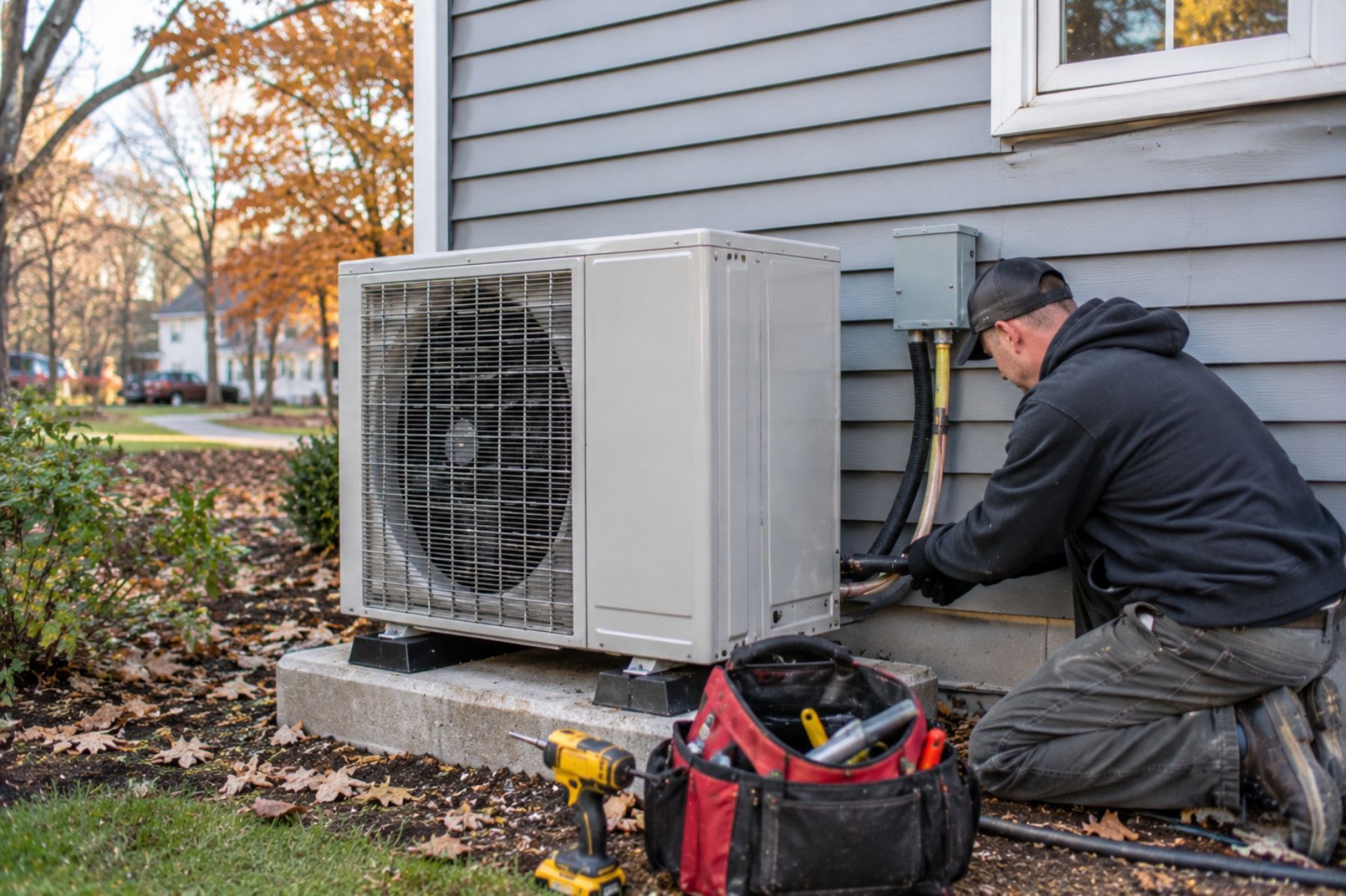
Insurance Tips for HVAC Contractors
Our blog is built for contractors who want fast answers. Each article covers common questions and risks in under five minutes of reading.
Frequently Asked Question
Common HVAC Contractor Insurance Questions
These FAQs address common contractor questions. As HVACInsure grows, we will update this section with real client experiences and answers.
Why should an HVAC contractor use HVACInsure instead of a general agency?
Specialists understand jobsite requirements, certificate wording, and common endorsements for HVAC work. You get cleaner paperwork, faster approvals, and coverage that fits how your crews operate.
This reduces delays at the gate, avoids gaps, and helps you pass compliance checks the first time.
How fast can I get a Certificate of Insurance (COI)?
Most standard COIs are issued the same business day after binding or updates. If you need additional insured, primary/non-contributory, or waiver language, we prepare it correctly the first time.
Our goal is simple: get your crew on site without paperwork delays.
What coverages do HVAC contractors usually need?
Core policies include General Liability, Commercial Auto, Workers’ Comp, Property/Tools, Inland Marine, and Umbrella. Many projects require higher limits and specific endorsements.
We align your coverage with contract terms and explain each choice in plain language.
Will my tools and scheduled equipment be covered in vans or on jobsites?
Yes. Inland Marine (tools and equipment) can cover items in transit, stored in vehicles, or staged on site.
High-value items can be scheduled, and limits can match your daily field use to keep work moving.
Can I lower my premium without weakening protection?
Often, yes. Clean driver lists, accurate payrolls, safety programs, and bundling policies can help.
We review your profile, request carrier credits, and adjust limits and deductibles to control cost while meeting project requirements.
What should I do after a loss?
Contact us right away so we can file with the correct carrier and set expectations. We guide documentation, next steps, and follow-ups until closure.
Fast reporting and clear records help resolve claims sooner and keep your team focused on work.

Still have questions?
Can’t find the answer you’re looking for? Please chat to our friendly team!
Contact Us