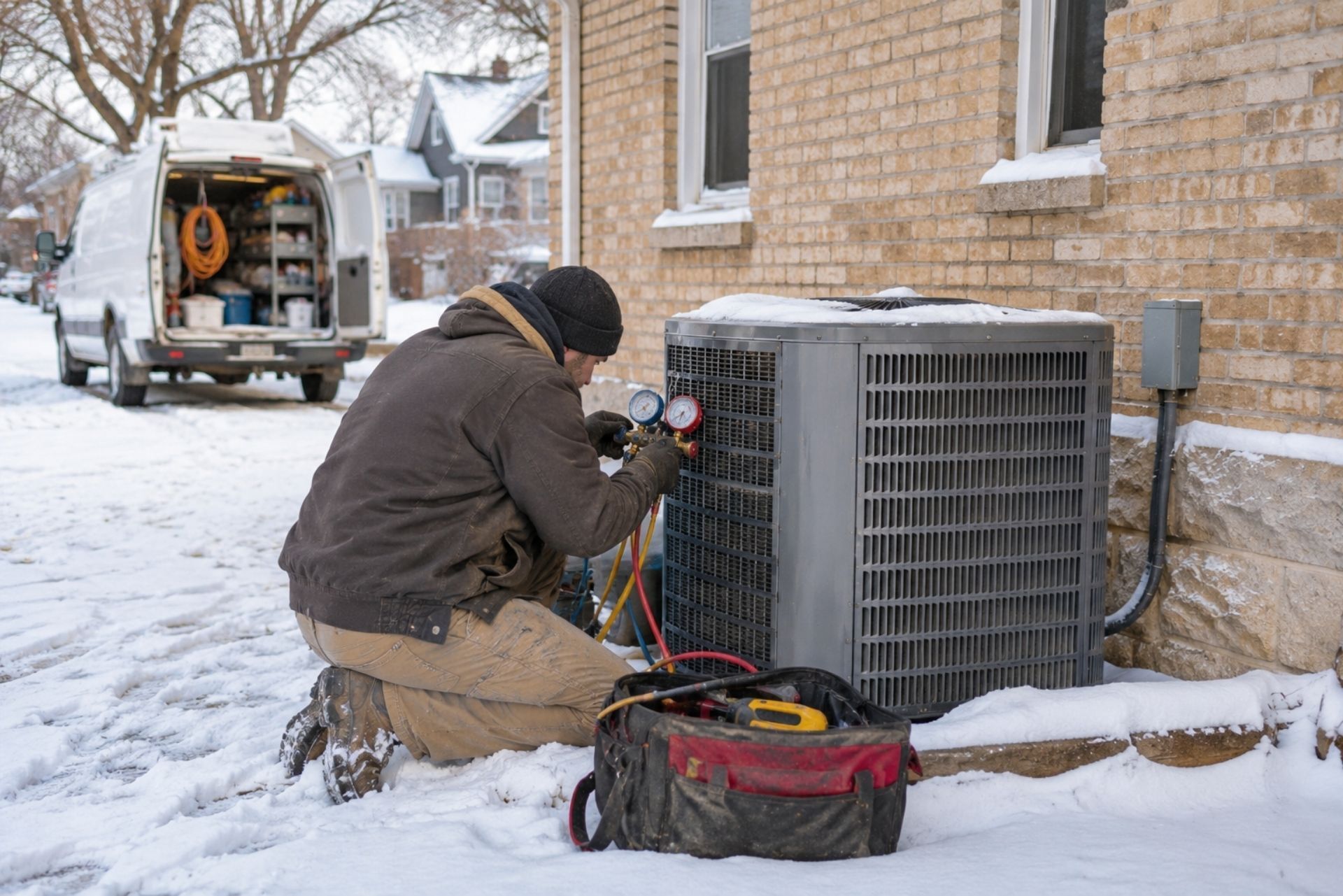
Your service van is parked on a side street in Bay View, and a technician is brazing a line set in a 1920s bungalow basement. One stray spark near old joists, or one cracked heat exchanger missed during a tune-up, can turn a $400 service call into a six-figure claim. HVAC contractor insurance in Milwaukee, WI exists for exactly these moments, and the right program does more than satisfy a permit clerk.
Milwaukee contractors face a specific mix of exposures. The city has aging housing stock, brutal January cold snaps that push furnaces to failure, and layered licensing rules from the state, the county, and the city. On top of that, new Wisconsin legislation changes how you can interact with homeowners after storm damage.
Essential Insurance Coverage for Milwaukee HVAC Contractors
A complete HVAC program in southeast Wisconsin usually includes six core policies. Each one covers a different failure point, and gaps between them cause most of the denied claims that contractors bring to an agent.
- General Liability: Third-party bodily injury and property damage, including completed operations.
- Workers' Compensation: Required in Wisconsin once you meet employee thresholds. Covers medical bills and lost wages.
- Commercial Auto: Personal auto policies typically exclude vans used for business.
- Inland Marine (Tools and Equipment): Covers gauges, recovery machines, and vacuum pumps away from your shop.
- Professional Liability (E&O): Design, load calculation, and system sizing errors.
- Umbrella: Extra limits above GL, auto, and employer's liability.
Completed operations coverage deserves special attention. A refrigerant leak at a brazed joint might not appear for eight months. A condensate line that drains improperly can rot a finished basement ceiling long after you invoice the job. Without completed operations coverage, both claims land on your balance sheet.
One thing to keep in mind: buyers of HVAC companies review loss runs and coverage history closely. A clean, continuous program signals a well-run business and supports a higher valuation.
HVACInsure is fully licensed and permitted to sell contractor and commercial insurance in Texas.
We proudly serve clients throughout Texas and maintain partnerships with local Texas insurance carriers to ensure HVAC professionals receive compliant, affordable, and comprehensive coverage that meets project and regulatory requirements.
Understanding Wisconsin HVAC Licensing and Insurance Requirements
Licensing and insurance work together in Wisconsin. You cannot pull permits without the right credentials, and many credentials require proof of bonding or insurance. Missing one piece can stall a job before your crew unloads the truck.
State vs. Local Milwaukee Regulations
At the state level, the Department of Safety and Professional Services (DSPS) registers HVAC contractors. The registration fee is $160 on a 4-year renewal cycle, so add the renewal date to your calendar along with your policy expirations.
The city adds its own layer. HVAC contractors doing residential work in the City of Milwaukee must hold a Home Improvement Contractor License, which requires a $1,000 surety bond. Suburbs such as Wauwatosa, West Allis, and Brookfield may have their own registration steps, so check each municipality before you bid.
Minimum Liability and Bond Limits
Commercial work raises the bar. For commercial projects in Milwaukee County, contractors are typically required to carry $1,000,000 in General Liability coverage and a $15,000 Commercial Building Contractor Bond.
| Requirement | Residential (City) | Commercial (County) |
|---|---|---|
| Surety Bond | $1,000,000 GL not specified, $1,000 bond | $15,000 bond |
| General Liability | Varies by contract | $1,000,000 typical |
| State Registration | DSPS, $160 / 4 years | DSPS, $160 / 4 years |
Important: Statutory minimums are a floor. A single furnace fire claim can exceed $1,000,000 quickly.
Comparing General Liability and Professional Liability
Many Milwaukee contractors assume General Liability covers every mistake. It does not. GL responds to physical damage and injury. Professional Liability responds to financial loss caused by your advice, design, or calculations.
Consider two scenarios. In the first, your technician knocks over a water heater and floods a client's basement. That is a GL claim. In the second, your estimator runs a faulty Manual J calculation, installs an undersized system in a new Third Ward office, and the tenant demands replacement equipment plus lost business income. No physical accident occurred, so GL will likely deny it. That is an E&O claim.
| Feature | General Liability | Professional Liability (E&O) |
|---|---|---|
| Triggers | Bodily injury, property damage | Errors in advice or design |
| HVAC Example | Duct fire damages attic | Undersized commercial RTU |
| Completed Ops | Included (verify limits) | Not applicable |
| Who Needs It | Every contractor | Design-build, consulting, sizing |
If your team writes design specifications, performs energy audits, or consults on building automation, E&O is not optional. This matters because commercial general contractors increasingly require it in subcontract agreements.
Protecting Assets with Workers Comp and Inland Marine
Your people and your equipment are your two largest assets. Workers' compensation protects the first, and inland marine protects the second.
Workers' comp pricing depends heavily on your Experience Modification Rate (EMR). An EMR of 1.0 represents the industry average. Below 1.0, you pay less and look better to commercial GCs who screen bids by safety record. Above 1.0, premiums climb and some contracts disqualify you outright. During a business acquisition, buyers treat an EMR above 1.0 as a liability, because it follows the operation and can raise premiums for three years.
Tools and Equipment in Transit
A fully stocked HVAC van can carry $25,000 to $50,000 in gear: recovery machines, micron gauges, combustion analyzers, brazing rigs, and inventory such as compressors and control boards. Commercial auto covers the vehicle, not the contents. Inland marine fills that gap.
Choose replacement cost over actual cash value whenever possible. Actual cash value deducts depreciation, so a stolen three-year-old recovery machine may pay half its replacement price. Ask about expediting expenses too. If a theft sidelines a crew, renting tools for a day may cost a few hundred dollars, while canceling a full day of service calls in January can cost thousands in lost revenue.
Managing Milwaukee Winter Risks
Milwaukee winters create claim patterns that warmer markets rarely see. Emergency no-heat calls at 2 a.m. raise slip-and-fall risk on icy steps. Frozen pipes burst while a furnace is down awaiting a part, and homeowners often blame the contractor.
Protect yourself with documentation. Photograph failed equipment, record calibrated thermometer readings, and write a diagnostic report noting conditions such as a failed inducer motor, electrical arcing at a contactor, or a phase imbalance on a commercial unit. If you advise a client to keep heat on or drain lines while waiting for a part, put it in writing.
Factors Influencing HVAC Insurance Costs in SE Wisconsin
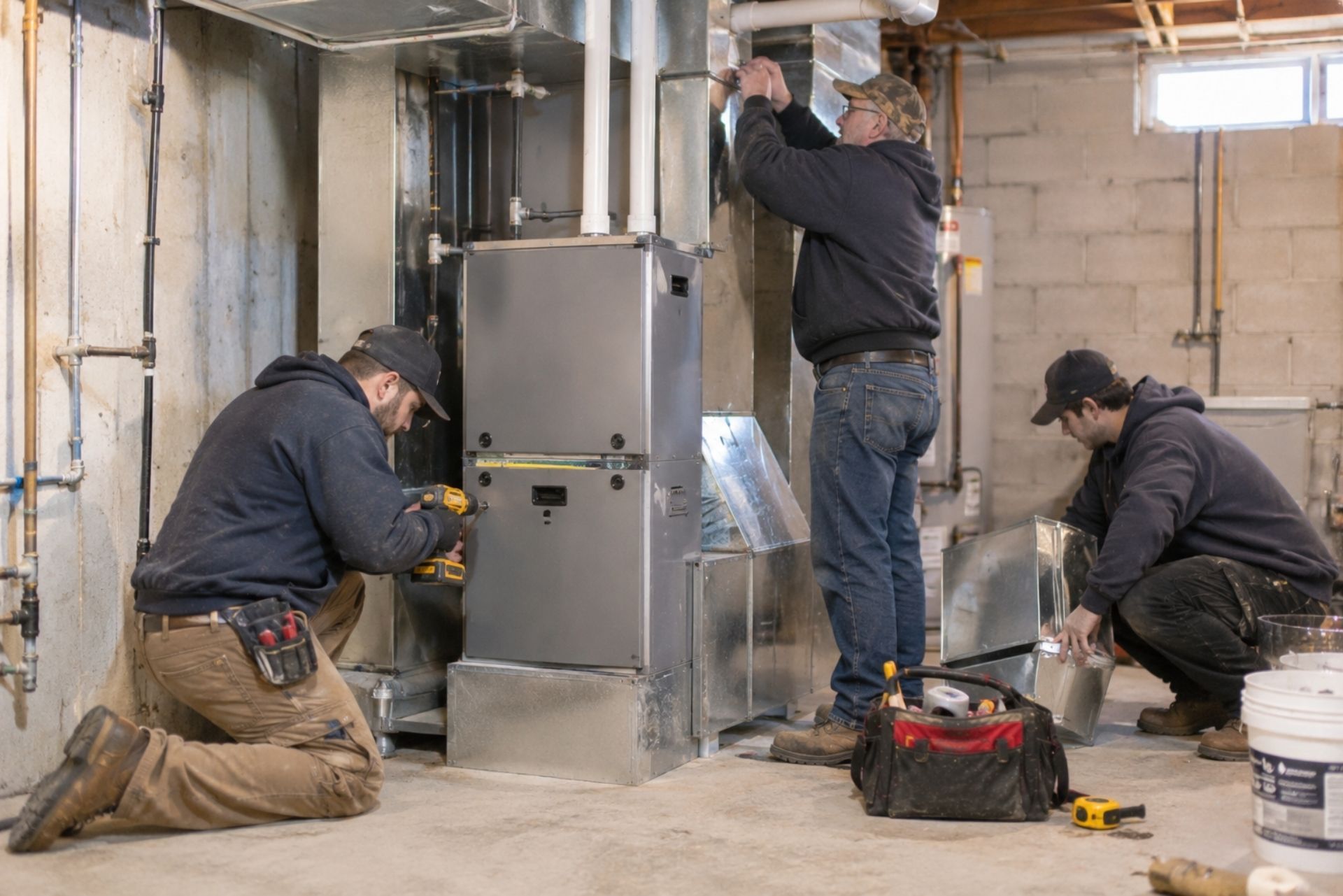
Premiums in southeast Wisconsin vary widely, and no single published rate applies to every shop. Underwriters weigh several factors when pricing your policy:
- Payroll and revenue: The main rating base for GL and workers' comp.
- Residential vs. commercial mix: Commercial work brings higher limits and contractual risk.
- Claims history: Five years of loss runs drive pricing.
- EMR: Directly affects comp premiums.
- Services offered: Gas line work, boiler service, and rooftop installs rate higher than basic maintenance.
- Vehicle count and driver records: One poor MVR can raise the auto premium for the whole fleet.
- Limits and deductibles: Higher deductibles lower premiums but strain cash flow after a claim.
New regulation also affects risk profiles. Effective December 1, 2026, under 2025 Act 230, contractors are prohibited from negotiating insurance claims for homeowners or offering to waive deductibles as an incentive. Wisconsin law already restricts contractors from using Assignment of Benefits agreements to handle customer claims. Violations can bring regulatory penalties that most policies will not cover, so train your sales team now.
Common Questions About HVAC Insurance
Do I need insurance if I work alone in Milwaukee? Yes. A city home improvement license requires a surety bond, and most clients and GCs expect General Liability. Sole proprietors may have more flexibility on workers' comp.
Does General Liability cover my tools? No. GL covers damage you cause to others. Use an inland marine or tools policy for your own equipment.
What is completed operations coverage? It covers claims that arise after a job ends, such as a leaking braze joint or a failed condensate drain months later.
Can I help a homeowner file their insurance claim after a storm? You can provide repair estimates and documentation. Starting December 1, 2026, you cannot negotiate their claim or waive their deductible.
Is a surety bond the same as insurance? No. A bond protects your customer or the city, and you must repay the surety for any claim it pays.
How do I lower my workers' comp cost? Build a written safety program, report injuries promptly, and keep your EMR below 1.0.
Making the Right Choice for Your Business
Finding the best HVAC contractor insurance in Milwaukee, WI starts with matching coverage to the work you actually do. Confirm your DSPS registration and city bond, then make sure your General Liability includes completed operations at limits that match commercial contract demands. Add E&O if you size or design systems, and protect your vans' contents with replacement cost inland marine.
Critical Don'ts:
- Don't rely on personal auto for service vehicles.
- Don't accept actual cash value on expensive tools.
- Don't let your EMR drift above 1.0.
- Don't negotiate homeowner claims or waive deductibles.
Treat your policies as part of your company's value, not as a yearly expense. Review your program with an independent agent who knows Milwaukee contractors before your next renewal or bid. A well-built program keeps you working through the worst January and positions your business well when it is time to grow or sell.
Recognized by National HVAC Trade Associations
These trusted organizations set best practices and standards that carriers rely on when underwriting HVAC risks.
Membership signifies adherence to HVAC industry standards and contractor best practices.
Coverage for Crews, Vehicles, and Tools
Insurance for HVAC Contractors
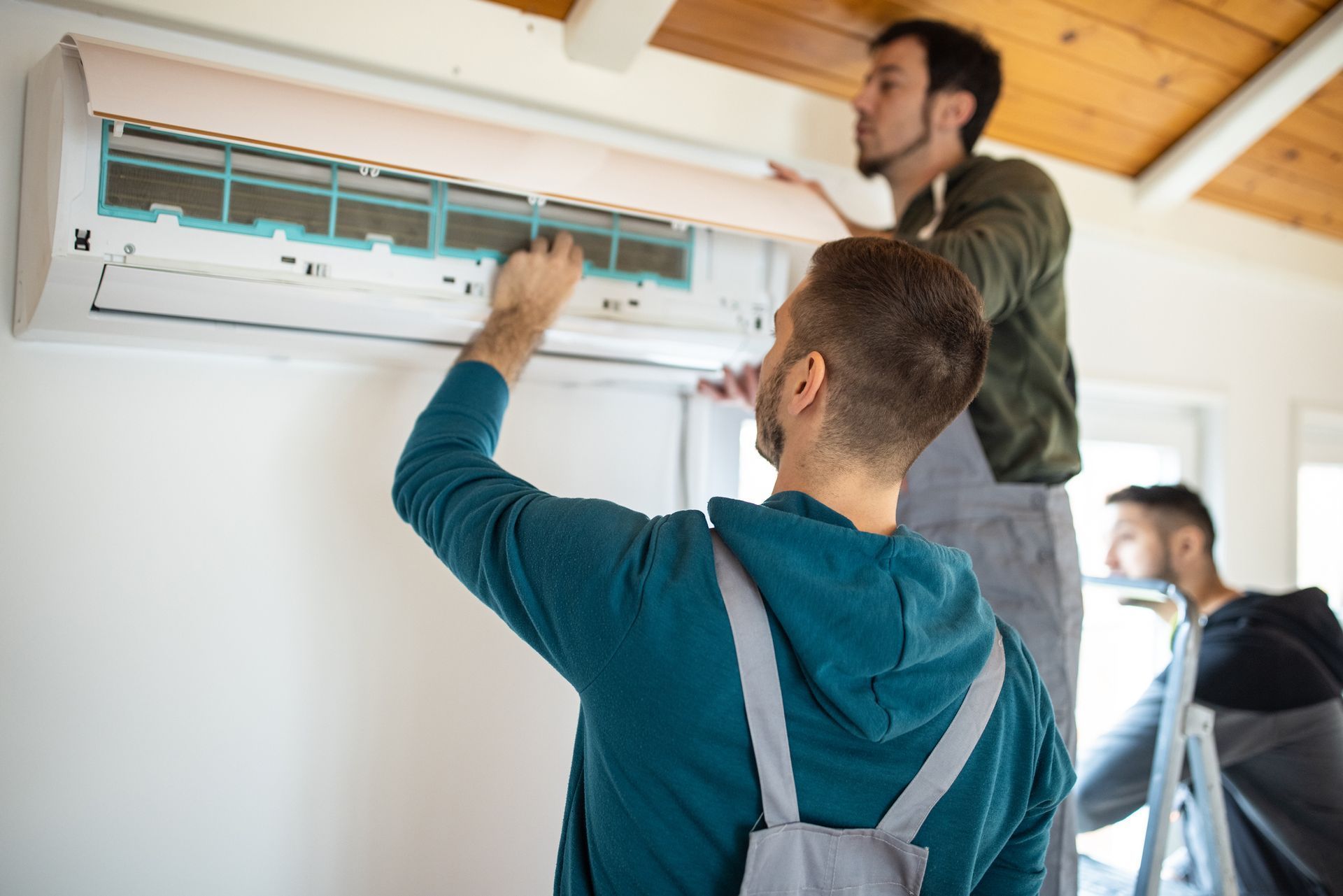
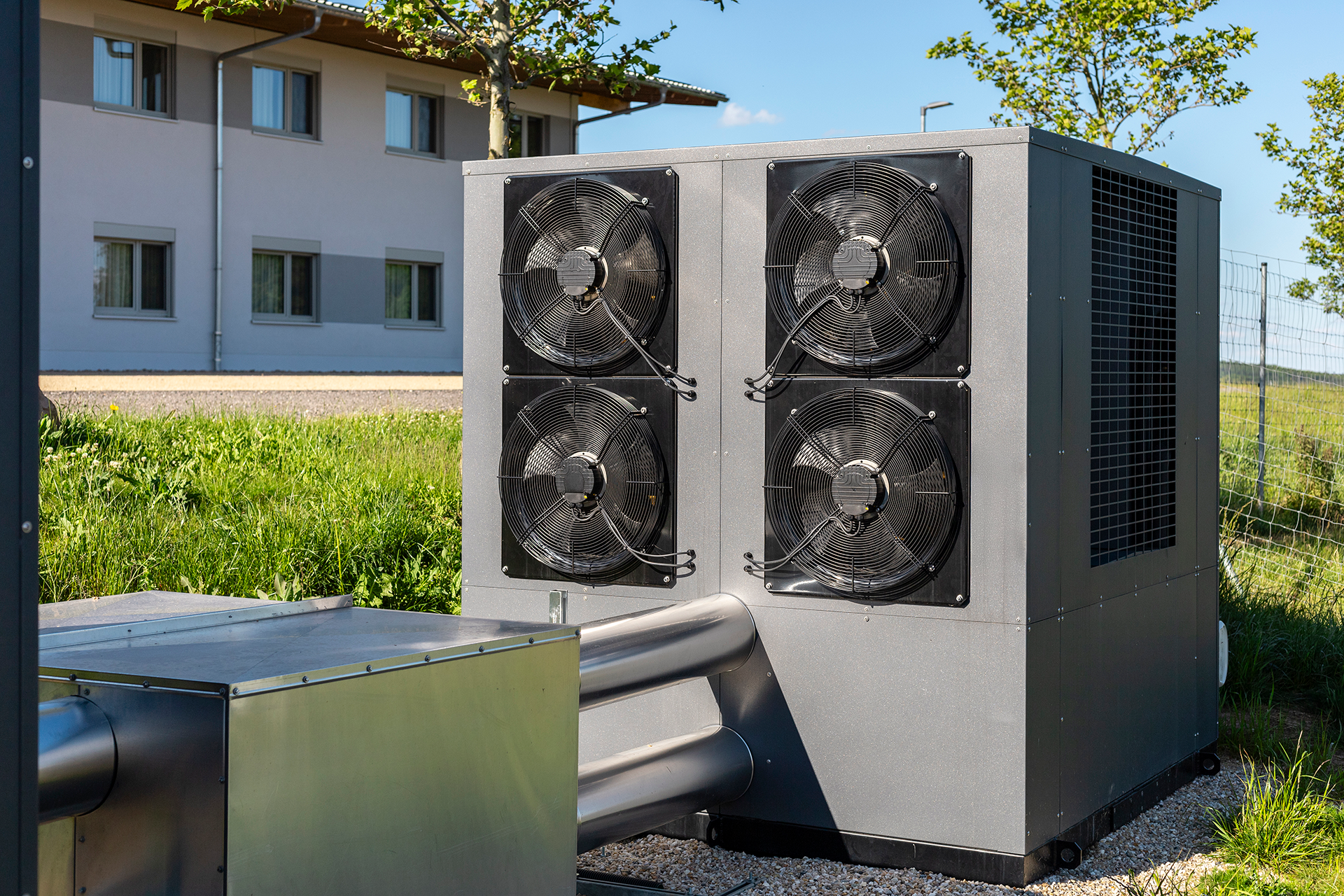
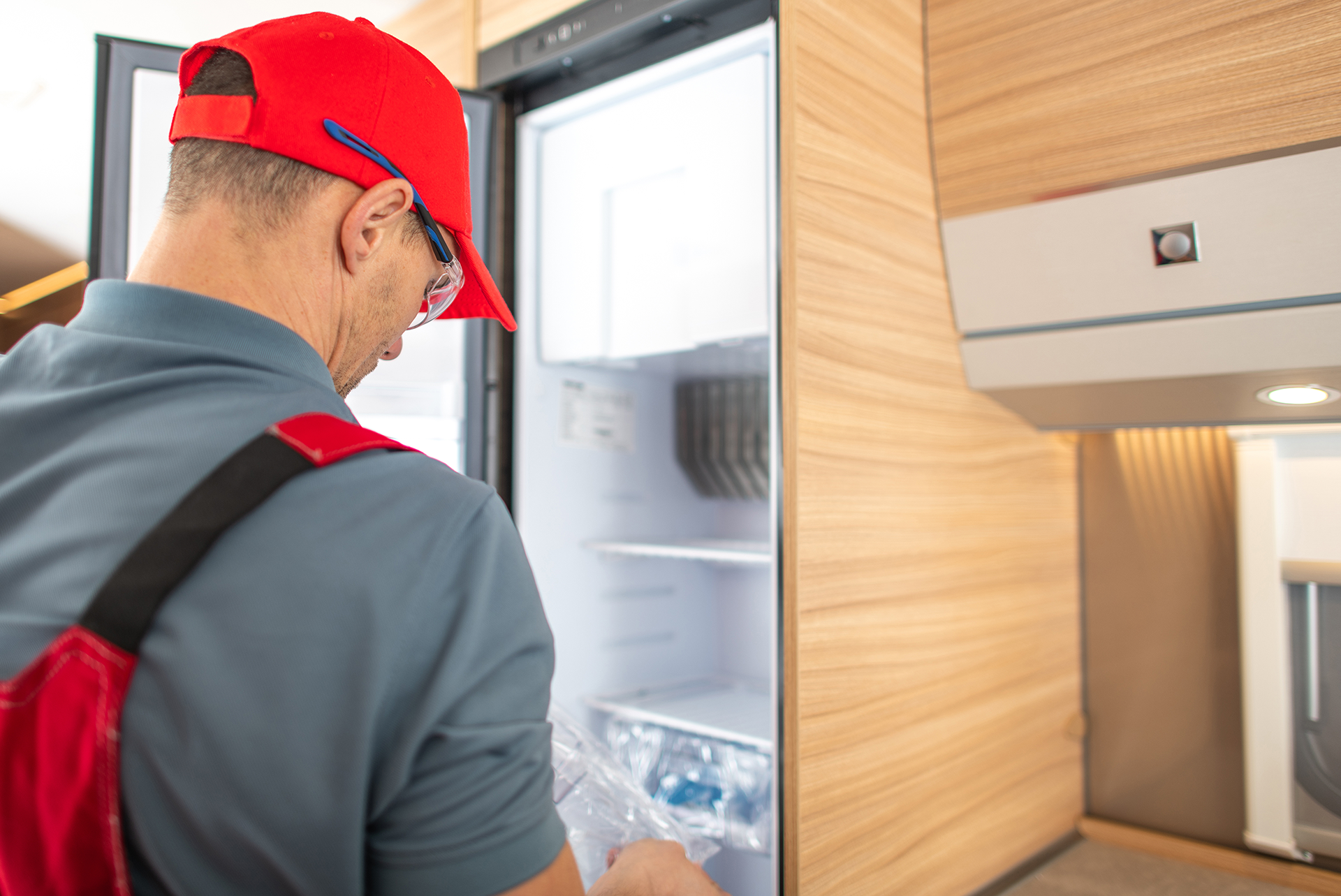
We provide business insurance designed for HVAC contractors. These policies protect your crew, vehicles, and tools while helping you meet project requirements. Every policy is explained clearly and delivered quickly so you can work without delays.
Resources
Insurance Tips for HVAC Contractors
Our blog is built for contractors who want fast answers. Each article covers common questions and risks in under five minutes of reading.
Frequently Asked Question
Common HVAC Contractor Insurance Questions
These FAQs address common contractor questions. As HVACInsure grows, we will update this section with real client experiences and answers.
Why should an HVAC contractor use HVACInsure instead of a general agency?
Specialists understand jobsite requirements, certificate wording, and common endorsements for HVAC work. You get cleaner paperwork, faster approvals, and coverage that fits how your crews operate.
This reduces delays at the gate, avoids gaps, and helps you pass compliance checks the first time.
How fast can I get a Certificate of Insurance (COI)?
Most standard COIs are issued the same business day after binding or updates. If you need additional insured, primary/non-contributory, or waiver language, we prepare it correctly the first time.
Our goal is simple: get your crew on site without paperwork delays.
What coverages do HVAC contractors usually need?
Core policies include General Liability, Commercial Auto, Workers’ Comp, Property/Tools, Inland Marine, and Umbrella. Many projects require higher limits and specific endorsements.
We align your coverage with contract terms and explain each choice in plain language.
Will my tools and scheduled equipment be covered in vans or on jobsites?
Yes. Inland Marine (tools and equipment) can cover items in transit, stored in vehicles, or staged on site.
High-value items can be scheduled, and limits can match your daily field use to keep work moving.
Can I lower my premium without weakening protection?
Often, yes. Clean driver lists, accurate payrolls, safety programs, and bundling policies can help.
We review your profile, request carrier credits, and adjust limits and deductibles to control cost while meeting project requirements.
What should I do after a loss?
Contact us right away so we can file with the correct carrier and set expectations. We guide documentation, next steps, and follow-ups until closure.
Fast reporting and clear records help resolve claims sooner and keep your team focused on work.

Still have questions?
Can’t find the answer you’re looking for? Please chat to our friendly team!
Contact Us