Protect Your HVAC Tools from Theft and Site Loss
See How We're Different
or call us: (469) 678-8001

The Real Cost of Tool Loss for HVAC Professionals
A single overnight theft can eliminate $25,000 to $50,000 worth of specialized equipment from your operation. Recovery gauges, vacuum pumps, refrigerant analyzers, and diagnostic tablets represent years of investment, and replacing them involves more than purchase costs. You face immediate revenue loss while waiting for replacements, potential rental fees of $200 to $500 daily for essential equipment, and the reputational damage of delayed service calls.
The financial exposure extends beyond the tools themselves. When a technician arrives at a job site without proper equipment, the customer often calls a competitor. That lost revenue compounds quickly, especially during peak cooling or heating seasons when your schedule is already stretched thin. Insurance for HVAC tool theft and on-site loss provides a financial safety net, but many contractors discover coverage gaps only after filing a claim.
Standard commercial auto policies typically exclude tools and equipment stored in vehicles. General liability covers third-party property damage, not your own assets. This leaves a dangerous gap that specialized inland marine coverage or equipment floater policies must fill. Understanding these distinctions before a loss occurs separates contractors who recover quickly from those who struggle for months.
The following sections address physical security measures, technology solutions, and insurance strategies that protect your mobile workshop and job site equipment. Each layer of protection reduces your risk exposure and strengthens your position when negotiating coverage terms with insurers.
Securing Your Vehicle and Mobile Workshop
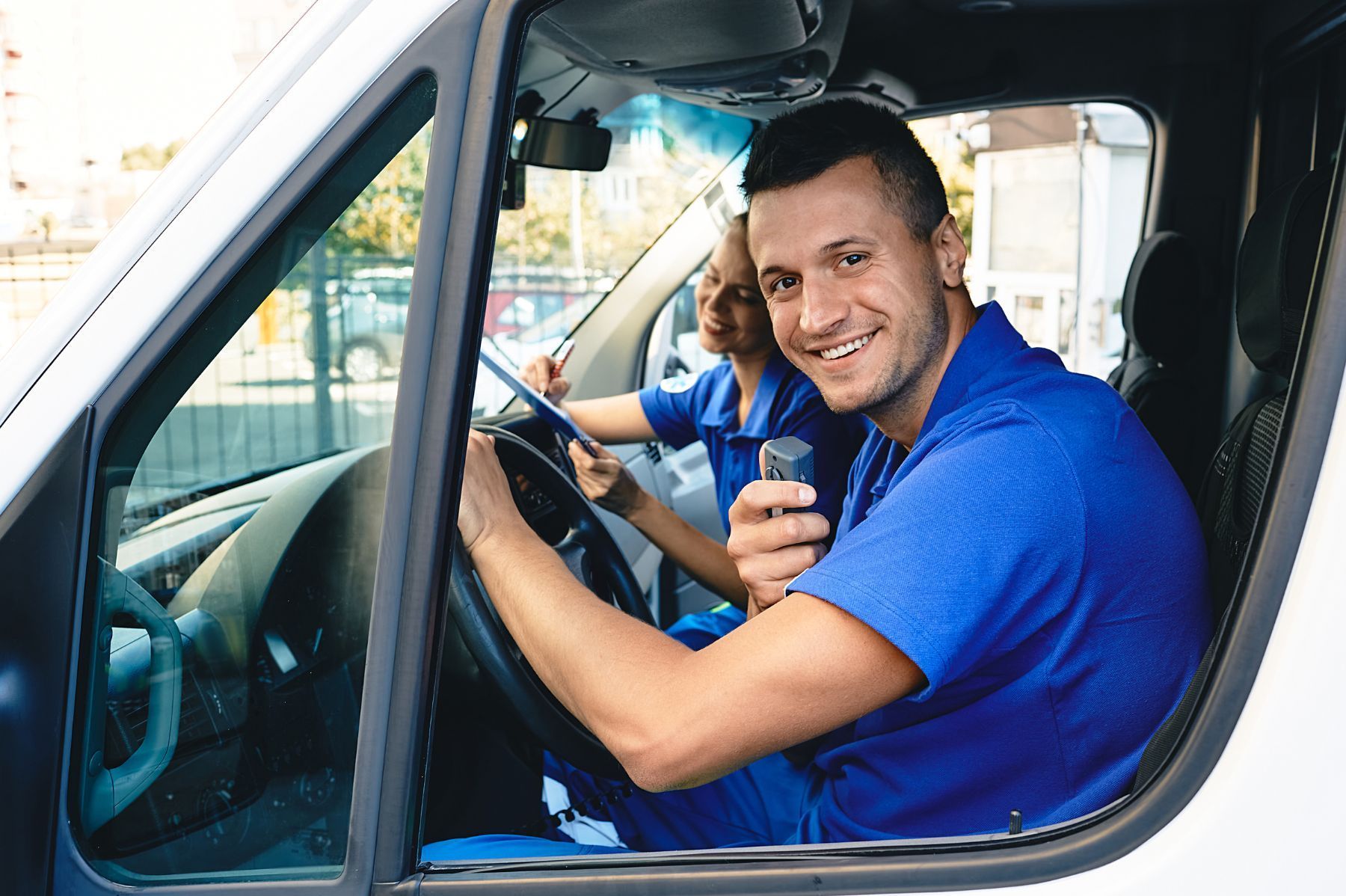
Your service van functions as a rolling warehouse, often containing more value than many retail storefronts. Thieves recognize this reality, targeting HVAC vehicles specifically because they know the contents command high resale prices. Physical security measures create barriers that discourage opportunistic theft and slow down determined criminals long enough for alarms to activate.
High-Security Van Locks and Partition Bulkheads
Factory-installed door locks provide minimal protection against experienced thieves. Aftermarket deadbolts, slam locks, and reinforced strike plates increase resistance significantly. Slam locks engage automatically when doors close, eliminating the human error factor that leaves vehicles vulnerable.
Steel partition bulkheads between the cab and cargo area serve dual purposes. They prevent smash-and-grab access through cab windows and create a secondary barrier even if rear doors are compromised. Solid partitions with no visibility into the cargo area also remove the temptation factor, as thieves cannot assess whether breaking in will yield valuable tools.
Puck locks for rear doors resist cutting and prying better than standard padlocks. The shielded design protects the shackle from bolt cutters, forcing thieves to spend additional time and make additional noise during entry attempts.
Alarm Systems and GPS Vehicle Tracking
Aftermarket alarm systems with motion sensors detect movement inside the cargo area, triggering alerts before doors are fully opened. Systems that send smartphone notifications allow immediate response, even from inside a customer's home during service calls.
GPS tracking serves both theft prevention and recovery purposes. Real-time location data helps police intercept stolen vehicles quickly, often before thieves have time to unload equipment. Some insurers offer premium discounts of 5% to 15% for vehicles equipped with approved tracking devices, creating cost savings that offset installation expenses.
The Dangers of Advertising Equipment with Exterior Branding
Company logos and service descriptions on vehicle exteriors serve legitimate marketing purposes but also advertise valuable contents to criminals. Thieves specifically target vehicles displaying HVAC, plumbing, or electrical branding because these trades require expensive specialized equipment.
Consider magnetic signage that can be removed when parking overnight or in high-risk areas. This approach maintains marketing benefits during business hours while reducing visibility during vulnerable periods. Some contractors choose minimal branding, relying on digital marketing rather than vehicle advertising.
Best Practices for Job Site Equipment Safety
Construction sites and commercial buildings present unique security challenges. Multiple contractors, unfamiliar personnel, and extended project timelines create opportunities for both theft and accidental loss. Establishing clear protocols protects your equipment and demonstrates the due diligence insurers expect.
Staging Areas and Secure On-Site Storage Boxes
Designate specific areas for equipment staging rather than scattering tools throughout a job site. Centralized staging allows easier visual monitoring and faster inventory checks at the end of each workday. Job boxes with reinforced steel construction and heavy-duty locks provide secure overnight storage when transporting equipment back to vehicles is impractical.
Coordinate with general contractors about site security measures. Many commercial projects include fencing, security patrols, and camera systems that benefit all trades. Confirm these measures exist before leaving valuable equipment on site overnight.
The Buddy System and Visual Supervision Protocols
Never leave equipment unattended in accessible areas. When working alone, keep tools within direct line of sight or secure them in locked containers during breaks. The buddy system ensures at least one team member monitors equipment while others complete tasks in different areas.
Establish check-in protocols for multi-day projects. Document which tools remain on site each evening and verify their presence each morning before work begins. This practice identifies losses quickly, improving recovery chances and strengthening insurance claims with specific timeline documentation.
Leveraging Smart Technology and Asset Tracking
Modern tracking technology has become affordable enough for individual tool protection, not just vehicles and large equipment. These systems create digital audit trails that support insurance claims and assist law enforcement recovery efforts.
Bluetooth Tags and Mesh Network Tracking
Small Bluetooth trackers attached to high-value tools provide location data through smartphone apps. Mesh network systems extend range by using other users' devices to relay location information, creating effective tracking even when tools leave your immediate Bluetooth range.
The investment is minimal compared to replacement costs. A $30 tracker on a $3,000 refrigerant analyzer represents less than 1% of the tool's value while dramatically improving recovery odds. Prioritize tracking devices for items that are both expensive and easily portable.
Digital Inventory Management Apps
Dedicated inventory apps create comprehensive equipment databases with photographs, serial numbers, purchase dates, and current values. Cloud-based storage ensures records survive even if your phone or computer is stolen alongside your tools.
These digital records satisfy insurer documentation requirements and accelerate claims processing. When you can provide detailed equipment lists with supporting photographs within 24 hours of a loss, claims adjusters process payments faster. Incomplete documentation often delays settlements by two to four weeks while insurers verify ownership and values.
Permanent Identification and Recovery Strategies
Physical marking makes stolen tools less attractive to resellers and easier for law enforcement to identify. Permanent identification also demonstrates clear ownership during insurance claims, eliminating disputes about whether specific items belonged to your company.
Engraving, Etching, and High-Visibility Branding
Electric engravers create permanent marks that survive attempts at removal. Include your company name, phone number, or a unique identifier on metal surfaces. High-visibility paint or UV-reactive markings provide additional identification layers that remain visible even if engraved areas are filed down.
Some contractors use asset tags with unique QR codes linked to ownership databases. Scanning the code reveals registered owner information, discouraging resale through legitimate channels and providing evidence for law enforcement.
Maintaining a Serial Number Database for Police Reports
Manufacturers assign unique serial numbers to most professional-grade tools. Recording these numbers in a secure database transforms generic theft reports into specific stolen property alerts that pawn shops and resellers must check before purchasing.
Police departments can enter serial numbers into national stolen property databases, flagging items when they appear in other jurisdictions. Without serial numbers, recovery becomes nearly impossible even when stolen tools surface at pawn shops or online marketplaces.
| Documentation Element | Purpose | Insurance Impact |
|---|---|---|
| Photographs | Visual proof of ownership | Accelerates claim approval |
| Serial numbers | Police database entry | Enables recovery tracking |
| Purchase receipts | Establishes value and date | Determines depreciation |
| Maintenance records | Proves working condition | Supports replacement cost claims |
Insurance and Financial Protection Policies
Physical security and tracking technology reduce theft likelihood, but insurance transfers the financial risk that remains. Understanding policy types and coverage limitations ensures adequate protection when losses occur.
Inland Marine Insurance vs. General Liability
General liability policies cover damage your business causes to others, not losses to your own property. Many contractors mistakenly believe their liability coverage protects tools and equipment, discovering the gap only after filing denied claims.
Inland marine insurance specifically covers movable property, including tools transported between job sites. Coverage typically applies regardless of location, protecting equipment in vehicles, at customer locations, and in temporary storage. Policies can be structured for actual cash value, which accounts for depreciation, or replacement cost, which pays current purchase prices for equivalent new items.
Documenting Proof of Ownership for Claims
Insurers require evidence that you owned claimed items and that they were in working condition before the loss. Photographs showing tools in use, purchase receipts, and credit card statements establish ownership. Maintenance records and calibration certificates demonstrate working condition.
Claims for HVAC tool theft and on-site loss require specific documentation within 24 to 48 hours of discovery. Report thefts to police immediately, as insurers require official police report numbers before processing claims. Delays in reporting raise red flags that can trigger additional investigation and payment delays.
Frequently Asked Questions
Does my commercial auto policy cover tools stolen from my van? Most commercial auto policies exclude tools and equipment. You typically need a separate inland marine policy or equipment floater to cover contents. Check your policy declarations page for specific exclusions.
How quickly do insurance companies process tool theft claims? With complete documentation, including police reports, serial numbers, and photographs, expect two to four weeks for claim approval. Incomplete submissions often extend processing to six weeks or longer.
Are tools covered if stolen from a job site rather than my vehicle? Inland marine policies generally cover tools regardless of location, including customer premises and construction sites. Verify your specific policy language, as some exclude coverage for items left unattended overnight.
What happens if I cannot prove I owned the stolen tools? Claims without ownership documentation face denial or significant reduction. Credit card statements, bank records, and photographs showing tools in your possession provide acceptable proof when receipts are unavailable.
Do tracking devices affect my insurance premiums? Some insurers offer discounts of 5% to 15% for vehicles and equipment with approved tracking systems. Ask your agent about specific discount programs before purchasing tracking devices.
Protecting Your Business Moving Forward
Tool theft represents a predictable business risk that responds well to layered protection strategies. Physical security measures deter opportunistic criminals. Tracking technology improves recovery rates. Comprehensive documentation accelerates insurance claims when losses occur despite precautions.
Review your current coverage with an insurance professional who understands contractor exposures. Confirm that your inland marine limits reflect current replacement costs, as tool prices have increased significantly in recent years. Establish documentation habits now, before a loss forces you to reconstruct records under pressure.
The investment in prevention and proper insurance coverage protects not just your equipment but your ability to serve customers and generate revenue. Contact a commercial insurance specialist to evaluate your current protection and identify any gaps that leave your business exposed.