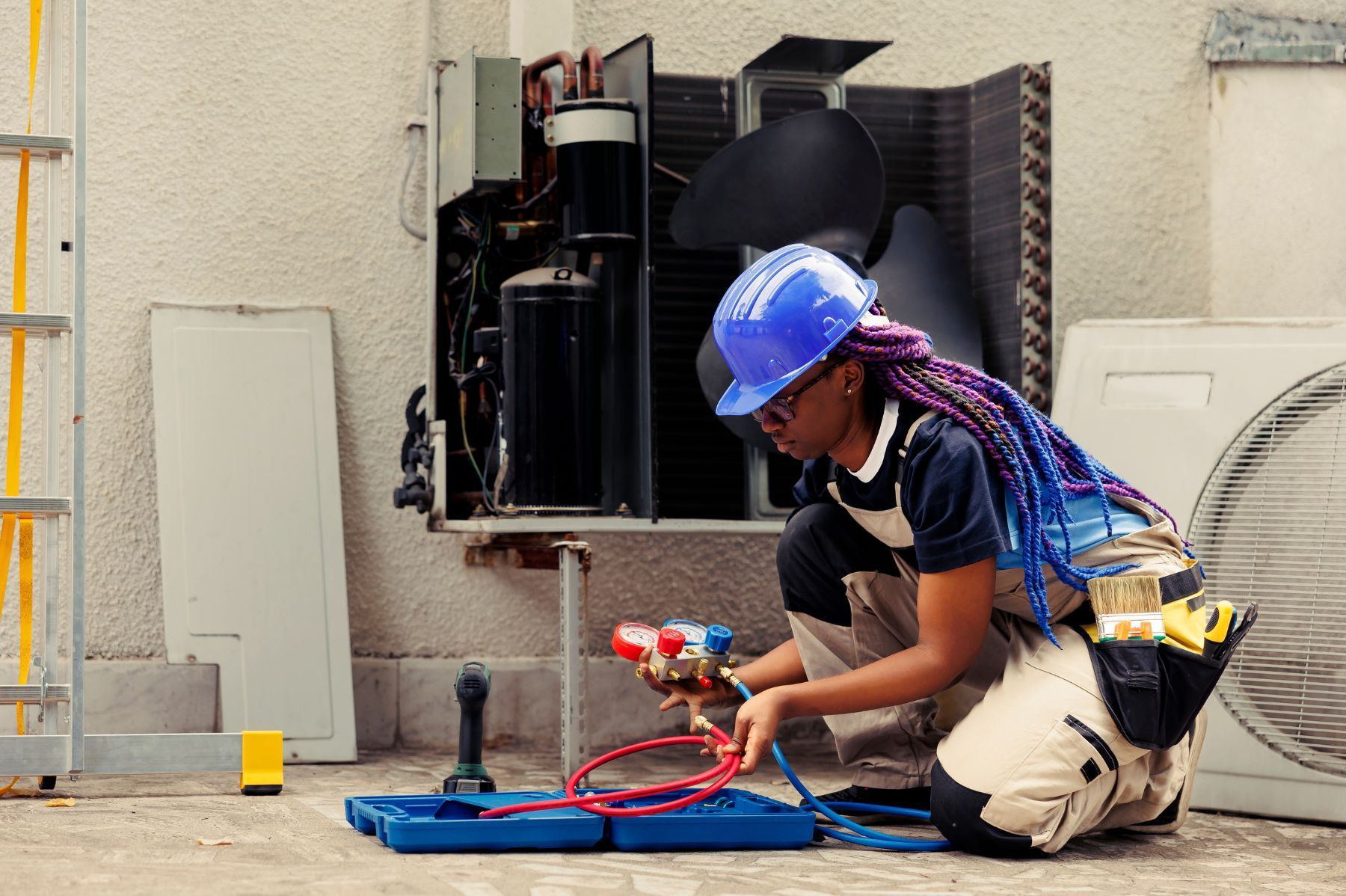
Meeting HVAC Performance Bond Requirements for Projects
See How We're Different
or call us: (469) 678-8001

The Role of Performance Bonds in HVAC Contracting
Winning a commercial HVAC contract often hinges on more than competitive pricing and technical expertise. Project owners and general contractors increasingly require performance bonds before awarding subcontracts, particularly for mechanical systems that represent significant portions of total construction costs. Understanding HVAC performance bond requirements for commercial projects separates contractors who consistently land profitable work from those who struggle to grow beyond small residential jobs.
Performance bonds function as a three-party agreement between the contractor (principal), the project owner or general contractor (obligee), and the surety company. If you fail to complete the project according to contract specifications, the surety steps in to ensure completion, either by financing your efforts to finish or by hiring a replacement contractor. This guarantee provides project owners with financial protection against contractor default, which explains why bonds have become standard requirements on commercial work exceeding $100,000.
The commercial HVAC sector presents unique bonding challenges. Equipment costs for a single rooftop unit can exceed $50,000, while complex chiller systems in large facilities may require $500,000 or more in materials alone. Sureties evaluate these capital requirements carefully because they bear the financial risk if you cannot deliver.
Defining Performance vs. Payment Bonds
Performance bonds guarantee you will complete the contracted work according to specifications, schedule, and quality standards. Payment bonds serve a different purpose: they ensure you will pay your subcontractors, suppliers, and laborers. Most commercial projects require both, though they protect different parties.
A performance bond claim occurs when you abandon a project, fail to meet specifications, or cannot complete work within the contract timeline. The surety then has options: they can finance your completion efforts, hire another contractor, or pay the obligee the cost difference to finish the work. Payment bond claims arise when you fail to pay material suppliers or workers, protecting the project owner from mechanic's liens.
How Bonds Protect Project Owners and General Contractors
General contractors face substantial risk when hiring HVAC subcontractors. If you default mid-project, they must find a replacement contractor willing to complete partially installed systems, often at premium pricing. Performance bonds transfer this risk to the surety company, which has already vetted your financial stability and technical capabilities.
Project owners benefit from the surety's prequalification process. By requiring bonds, they effectively outsource contractor vetting to professionals who analyze financial statements, project histories, and operational capabilities. This screening reduces the likelihood of contractor failure before work begins.
Prequalification Criteria for HVAC Bond Approval
Surety companies evaluate contractors using criteria that predict project completion success. Your financial health, technical experience, and operational capacity all factor into approval decisions and bond limits.
Financial Statement Analysis and Credit Standing
Sureties examine three to five years of financial statements, preferably prepared or audited by a CPA. They calculate working capital ratios, looking for at least 10% of your requested bond amount in liquid assets. If you seek a $500,000 bond, expect to demonstrate $50,000 or more in working capital.
| Financial Metric | Minimum Threshold | Preferred Level |
|---|---|---|
| Working Capital | 10% of bond | 15% of bond |
| Current Ratio | 1.2:1 | 1.5:1 or higher |
| Debt-to-Equity | Below 3:1 | Below 2:1 |
| Personal Credit Score | 650 | 700 or higher |
Bank lines of credit, equipment financing terms, and accounts receivable aging all receive scrutiny. Sureties view slow-paying customers as a red flag because cash flow problems represent the primary cause of contractor default.
Evaluating Technical Experience and Project History
Your track record on similar projects matters as much as your finances. Sureties want evidence that you have successfully completed commercial HVAC installations of comparable scope and complexity. A contractor with ten years of residential experience may struggle to bond a $2 million hospital project without documented commercial work.
References from general contractors and project owners carry significant weight. Sureties may contact previous clients to verify completion quality, schedule adherence, and your responsiveness to warranty issues. A history of change order disputes or litigation raises concerns about your project management capabilities.
Navigating the Bond Application Process
The application process requires substantial documentation and often takes two to four weeks for initial approval. Established contractors with surety relationships can obtain bonds within days, but first-time applicants should plan accordingly.
Essential Documentation for HVAC Subcontractors
Prepare these materials before approaching a surety:
- Three years of CPA-prepared financial statements with tax returns
- Personal financial statements for all owners holding 20% or more equity
- Current work-in-progress schedule showing active projects and completion percentages
- Completed project list with contract values, completion dates, and owner references
- Organizational chart and resumes for key personnel
- Equipment list with values and financing details
- Bank reference letter confirming credit lines and account history
Incomplete applications delay approval and suggest poor organizational practices. Sureties interpret documentation quality as an indicator of how you manage projects.
Working with Specialized Surety Agents
Independent surety agents who specialize in construction bonds understand the HVAC industry's unique requirements. They can match your company profile with appropriate surety markets and present your application effectively. General insurance agents who occasionally handle bonds may lack the relationships and expertise to secure competitive terms.
A skilled agent helps you understand how sureties view your company and identifies weaknesses to address before applying. They also negotiate on your behalf when sureties request additional collateral or impose restrictive conditions.
Managing Risk to Maintain Bonding Capacity
Your bonding capacity represents the maximum aggregate value of bonded work you can carry simultaneously. Protecting this capacity requires ongoing attention to operational risks that could trigger claims.
Safety Protocols and Quality Control Measures
Sureties monitor your loss history, including workers compensation claims and general liability incidents. A pattern of jobsite injuries suggests management problems that could affect project completion. Implementing documented safety programs and conducting regular toolbox talks demonstrates operational maturity.
Quality control systems that catch installation errors before they become warranty claims protect your reputation and bonding capacity. Commissioning protocols, pressure testing documentation, and photographic records of concealed work provide evidence of professional practices. These records also prove valuable if disputes arise about installation quality.
Strategic Growth and Backlog Management
Rapid growth strains bonding capacity. Sureties become concerned when contractors pursue projects significantly larger than their historical experience. A contractor whose largest completed project was $800,000 may struggle to bond a $2 million job, regardless of financial strength.
Manage your backlog to avoid overextension. Taking on too much work simultaneously increases the risk of schedule delays and cash flow problems. Sureties calculate your backlog-to-working-capital ratio and may decline applications if you appear overcommitted.
Costs and Premiums for HVAC Performance Bonds
Bond premiums typically range from 1% to 3% of the contract value, though rates vary based on your financial strength, experience, and project characteristics. A $1 million bond might cost between $10,000 and $30,000 annually.
| Contractor Profile | Typical Premium Rate |
|---|---|
| Established, strong financials | 1.0% - 1.5% |
| Moderate experience, adequate capital | 1.5% - 2.5% |
| New contractor, limited history | 2.5% - 3.5% |
| Substandard credit or prior claims | 3.5% or higher |
Contractors with prior bond claims or weak financials may face additional requirements: personal indemnity agreements, collateral deposits, or funds control arrangements where the surety manages project disbursements. These conditions protect the surety but reduce your operational flexibility.
Addressing Bond Claims and Dispute Resolution
Bond claims create serious consequences for contractors. Beyond the immediate financial impact, a claim history makes obtaining future bonds difficult or impossible. Understanding the claims process helps you respond appropriately if disputes arise.
When an obligee files a claim, the surety investigates before paying. You will have an opportunity to present your perspective and documentation. If the surety determines the claim is valid, they may choose to finance your completion efforts rather than immediately replacing you. This outcome preserves your reputation better than outright default.
Dispute resolution often involves mediation or arbitration before litigation. Document everything throughout your projects: change orders, schedule impacts, owner-caused delays, and communications about scope changes. This evidence protects you against unjustified claims.
Frequently Asked Questions
How long does it take to get approved for an HVAC performance bond? First-time applicants should expect two to four weeks for approval. Contractors with established surety relationships can often obtain bonds within 24 to 48 hours.
Can I get bonded with poor personal credit? Credit scores below 650 make bonding difficult but not impossible. Expect higher premiums, collateral requirements, and lower bond limits until you rebuild your credit history.
What happens if I cannot complete a bonded project? The surety will investigate and determine the best path forward. Options include financing your completion efforts, hiring a replacement contractor, or paying the obligee damages up to the bond amount.
Do bond premiums count toward my project costs? Yes. Include bond costs in your bid calculations. Most contractors add bond premiums to overhead or include them as a line item in proposals.
How can I increase my bonding capacity?
Strengthen working capital, build a track record of successful completions, maintain clean credit, and develop relationships with specialized surety agents who can advocate for capacity increases.
What This Means for Your Business
Meeting performance bond requirements for commercial HVAC projects demands attention to financial health, operational practices, and documentation quality. Sureties function as gatekeepers who evaluate your ability to complete contracted work, and their approval opens doors to larger, more profitable projects.
Start building your bonding capacity before you need it. Strengthen your financial statements, document successful project completions, and establish relationships with surety agents who understand the mechanical contracting industry. The contractors who invest in these fundamentals position themselves for sustainable growth in the commercial market.