Protect Your HVAC Manufacturing Business with Liability Insurance
See How We're Different
or call us: (469) 678-8001

A single defective compressor installed in a commercial building can trigger a chain reaction that costs your company millions. The HVAC unit fails during a summer heat wave, spoiling pharmaceutical inventory worth $2.3 million. The building owner's insurance company comes after your manufacturing business for damages, legal fees, and business interruption losses. Without proper HVAC product liability insurance for manufacturers, this scenario could bankrupt even an established operation.
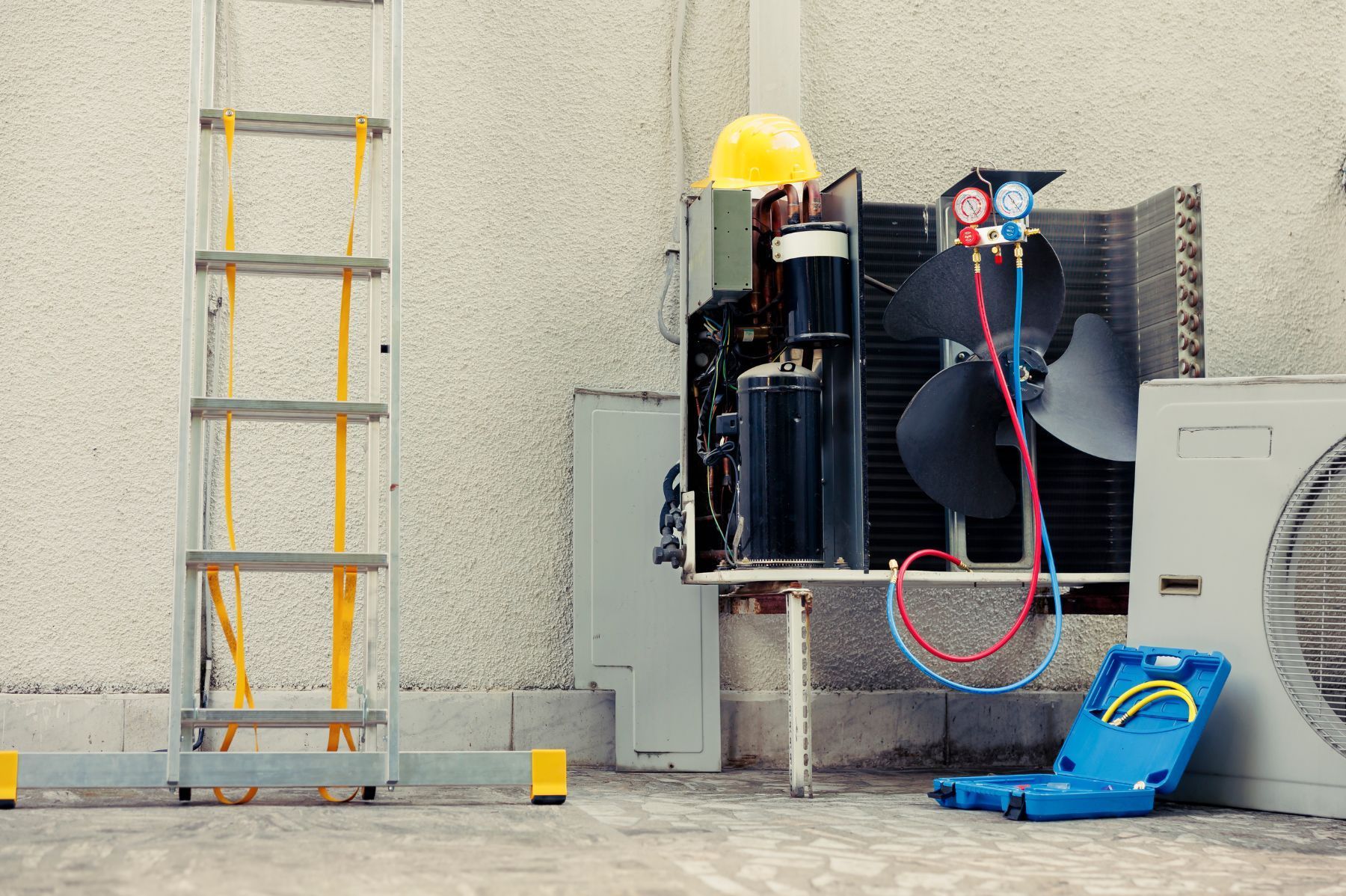
HVAC equipment operates under extreme conditions: high pressures, electrical loads, and temperature differentials that stress components continuously. When these systems fail, the consequences extend far beyond simple repair costs. Data centers lose servers. Hospitals face patient safety emergencies. Food processing facilities destroy entire production runs. Your manufacturing business sits at the center of these liability exposures, whether you produced the complete unit or supplied a single component.
The liability landscape for HVAC manufacturers has grown increasingly complex. Supply chains span multiple countries, components come from dozens of vendors, and installation contractors introduce variables beyond your control. A refrigerant leak caused by a faulty valve you sourced from an overseas supplier still creates liability exposure for your company. Understanding these risks and securing appropriate coverage protects both your financial stability and your reputation in a competitive market.
Understanding Liability Risks in HVAC Manufacturing
HVAC manufacturers face liability exposures that extend years beyond the initial sale. Equipment installed today might fail a decade from now, and your company could still face claims. State statutes of repose vary significantly, with some allowing claims up to 15 years after product delivery.
Product Defect and Performance Failures
Manufacturing defects fall into three categories that insurers evaluate differently. Design defects exist when the product's fundamental engineering creates inherent dangers, even when manufactured correctly. A heat exchanger designed with inadequate stress tolerances might crack under normal operating conditions, releasing carbon monoxide into occupied spaces.
Manufacturing defects occur during production: a welding flaw, contaminated refrigerant charge, or improperly torqued fastener. These isolated failures affect specific units rather than entire product lines. Warning defects involve inadequate instructions or safety labels that fail to alert installers and users to proper handling procedures.
Performance failures that do not cause bodily injury or property damage still create warranty exposure, though these typically fall outside product liability coverage. The distinction matters when structuring your insurance program.
Supply Chain and Component Liability
Your liability does not end at your factory door. Components sourced from third-party suppliers can create claims against your company when they fail within your finished products. A compressor manufacturer's defective unit becomes your liability when it fails in your branded HVAC system.
Contractual indemnification clauses with suppliers provide some protection, but these agreements only work if your suppliers maintain adequate insurance and remain solvent when claims arise. Many manufacturers require certificates of insurance from component suppliers, specifying minimum coverage limits and naming the purchasing manufacturer as an additional insured.
Import exposures create additional complexity. Foreign manufacturers may lack accessible assets for recovery, leaving your company as the sole viable defendant in product liability litigation.
Essential Insurance Coverage for HVAC Manufacturers
Building a comprehensive insurance program requires understanding how different policies interact and where coverage gaps exist. No single policy covers all exposures HVAC manufacturers face.
General Liability and Property Damage
Commercial general liability provides foundational coverage for premises liability and operations. This policy responds when a visitor slips in your factory or when your delivery truck damages a customer's loading dock. CGL policies include products-completed operations coverage, but limits and exclusions vary significantly between insurers.
Standard CGL policies typically exclude damage to your own products, professional services, and pollution. The pollution exclusion matters particularly for HVAC manufacturers, given refrigerant leak exposures. Separate environmental liability coverage may be necessary depending on the refrigerants your equipment uses.
Product Liability and Completed Operations
Products-completed operations coverage within your CGL policy responds to claims arising from products after they leave your control. Coverage limits for this exposure deserve careful attention. A $1 million per-occurrence limit might seem adequate until you face a commercial building claim involving multiple injured parties and substantial property damage.
Umbrella and excess liability policies provide additional limits above your primary coverage. These policies typically follow the same terms as underlying coverage, though some exclude specific exposures. Review umbrella policy exclusions carefully to ensure products liability coverage extends to higher limits.
Professional Liability for Design and Engineering
If your company provides engineering services, design specifications, or technical consulting, professional liability coverage becomes essential. Standard CGL policies exclude professional services, creating a gap when design errors cause losses.
Errors and omissions coverage responds to claims alleging negligent professional services. This coverage matters when your engineers specify equipment for particular applications or when your technical staff provides installation guidance that proves inadequate.
The Financial Impact of Uninsured Claims
Product liability claims against manufacturers routinely reach seven figures. Understanding the financial mechanics of these claims helps you evaluate appropriate coverage limits.
Legal Defense Costs and Settlements
Defense costs in product liability litigation accumulate rapidly. Expert witnesses in HVAC failure cases charge $400 to $600 per hour. Metallurgical analysis of failed components costs $15,000 to $50,000. Reconstructing failure scenarios for trial presentations adds another $25,000 to $100,000.
| Cost Category | Typical Range | Notes |
|---|---|---|
| Legal defense through trial | $150,000 - $500,000 | Complex cases exceed this range |
| Expert witnesses | $50,000 - $200,000 | Multiple experts often required |
| Settlement negotiations | $100,000 - $2,000,000+ | Depends on injury severity |
| Verdict exposure | Unlimited | Punitive damages possible |
Most CGL policies provide defense costs in addition to coverage limits, meaning your $1 million limit remains intact while the insurer pays defense expenses. Some policies, particularly those with lower premiums, include defense costs within limits, reducing available settlement funds.
Product Recall Expenses and Logistics
Standard liability policies exclude recall costs. When you discover a defect affecting multiple units, the expense of notification, retrieval, repair, and replacement falls outside typical coverage. Dedicated product recall insurance covers these expenses, including:
- Customer notification costs
- Shipping and logistics for returned units
- Replacement product manufacturing
- Field service labor for repairs
- Business interruption during recall periods
- Public relations and crisis management
Recall coverage limits should reflect your production volume and distribution reach. A regional manufacturer might need $500,000 in recall coverage, while a national brand requires $5 million or more.
Mitigating Risks Through Quality Control and Compliance
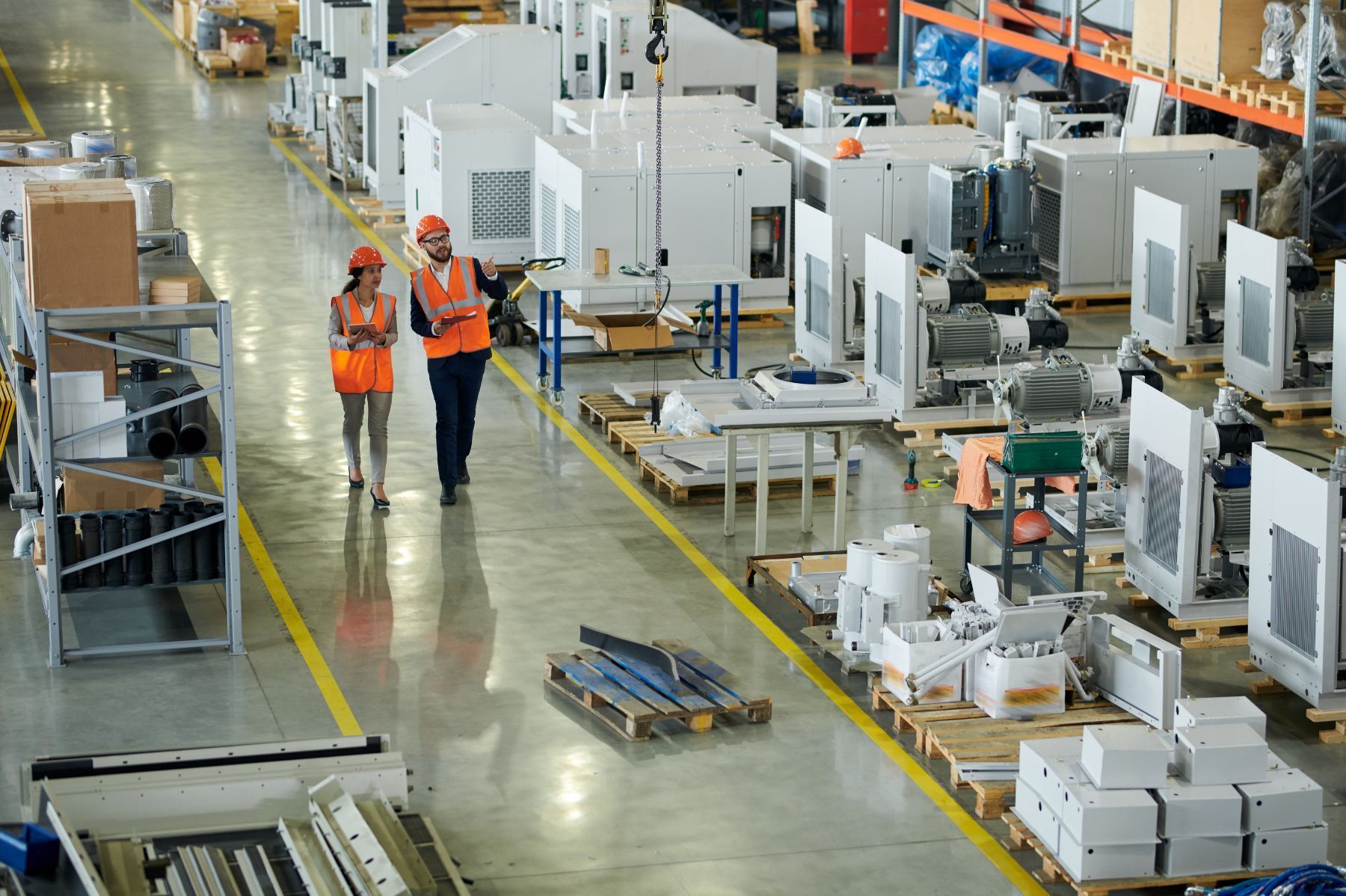
Insurance transfers financial risk, but quality control and compliance programs reduce the likelihood of claims arising. Insurers evaluate these programs when underwriting your coverage and setting premiums.
Adhering to Industry Safety Standards
AHRI certification, UL listing, and ETL certification demonstrate compliance with recognized safety standards. These certifications create a presumption of reasonable care that strengthens your defense position if claims arise. Maintaining current certifications requires ongoing testing and documentation.
EPA regulations governing refrigerant handling create compliance obligations that affect both manufacturing processes and product design. Section 608 technician certification requirements for servicing equipment influence your warranty and service documentation.
State and local building codes establish minimum performance requirements for HVAC equipment. Products designed to meet only minimum code requirements may face claims when they fail to perform adequately in demanding applications.
Documentation and Testing Protocols
Comprehensive documentation serves dual purposes: quality control during manufacturing and evidence preservation for potential litigation. Maintain records of:
- Incoming component inspection results
- In-process quality checks with calibrated measurement equipment
- Final testing data including pressure tests and electrical verification
- Lot tracking for components and finished goods
- Customer complaint logs and resolution records
Retain these records for the applicable statute of repose in states where you sell products, plus additional time for claims processing. Many manufacturers maintain records for 15 to 20 years given varying state requirements.
| Annual Revenue | Suggested Per-Occurrence Limit | Suggested Aggregate |
|---|---|---|
| Under $5 million | $1 million | $2 million |
| $5-25 million | $2-5 million | $5-10 million |
| Over $25 million | $5-10 million+ | $10-25 million+ |
Choosing the Right Policy for Your Manufacturing Scale
Insurance needs scale with manufacturing volume, product complexity, and distribution reach. A startup producing residential units for regional distribution faces different exposures than an established manufacturer supplying commercial equipment nationally.
Assessing Coverage Limits and Deductibles
Coverage limits should reflect your realistic maximum exposure from a single occurrence and aggregate annual claims. Consider the most expensive building where your equipment might be installed and the potential damages if your product caused a catastrophic failure there.
| Annual Revenue | Suggested Per-Occurrence Limit | Suggested Aggregate |
|---|---|---|
| Under $5 million | $1 million | $2 million |
| $5-25 million | $2-5 million | $5-10 million |
| Over $25 million | $5-10 million+ | $10-25 million+ |
Deductible selection balances premium savings against cash flow requirements. Higher deductibles reduce premiums but require maintaining reserves for claim payments. Self-insured retentions function similarly but may require you to manage initial claim handling.
Customizing Riders for Specialized HVAC Equipment
Standard policies may exclude or limit coverage for specific exposures relevant to HVAC manufacturing. Discuss these potential gaps with your broker:
- Refrigerant leak and environmental cleanup coverage
- Cyber liability for connected and IoT-enabled equipment
- International products liability for exported units
- Contingent business interruption affecting your customers
- Recall expense coverage as a policy endorsement
Specialty HVAC product liability insurance for manufacturers addresses exposures that standard commercial policies miss. Work with brokers experienced in manufacturing risks rather than generalists who may overlook industry-specific coverage needs.
Securing Long-Term Business Continuity
Protecting your HVAC manufacturing operation requires a coordinated approach combining appropriate insurance coverage, rigorous quality control, and thorough documentation. The investment in comprehensive liability protection pays dividends when claims arise, preserving both financial resources and business relationships.
Review your coverage annually as your business evolves. New product lines, expanded distribution territories, and increased production volumes all affect your risk profile. Maintain open communication with your insurance broker about business changes that might require coverage adjustments.
Frequently Asked Questions
How much does product liability insurance cost for HVAC manufacturers? Premiums typically range from $3,000 to $15,000 annually per million dollars of coverage, depending on your claims history, product types, and annual revenue. Manufacturers with clean loss histories and strong quality programs qualify for lower rates.
Does my general liability policy cover product defects? CGL policies include products-completed operations coverage, but limits may be inadequate for serious claims. Review your policy declarations page to confirm coverage limits apply specifically to products liability, not just premises and operations.
What happens if a component supplier's part causes a failure in my equipment? You remain liable to the injured party regardless of where the defect originated. Your insurer may pursue subrogation against the component supplier after paying your claim, but this process can take years and may not fully recover costs.
Are design defects covered differently than manufacturing defects? Standard product liability coverage responds to both design and manufacturing defects. Professional liability coverage may also apply if your engineering staff provided design services. The distinction affects how claims are investigated and defended rather than coverage availability.
How long can I face claims after selling HVAC equipment? Statutes of repose vary by state, ranging from 6 to 15 years after product delivery. Some states have no statute of repose for certain claim types. Maintain insurance coverage and records accordingly.