Insurance Options for HVAC Equipment Rentals
See How We're Different
or call us: (469) 678-8001

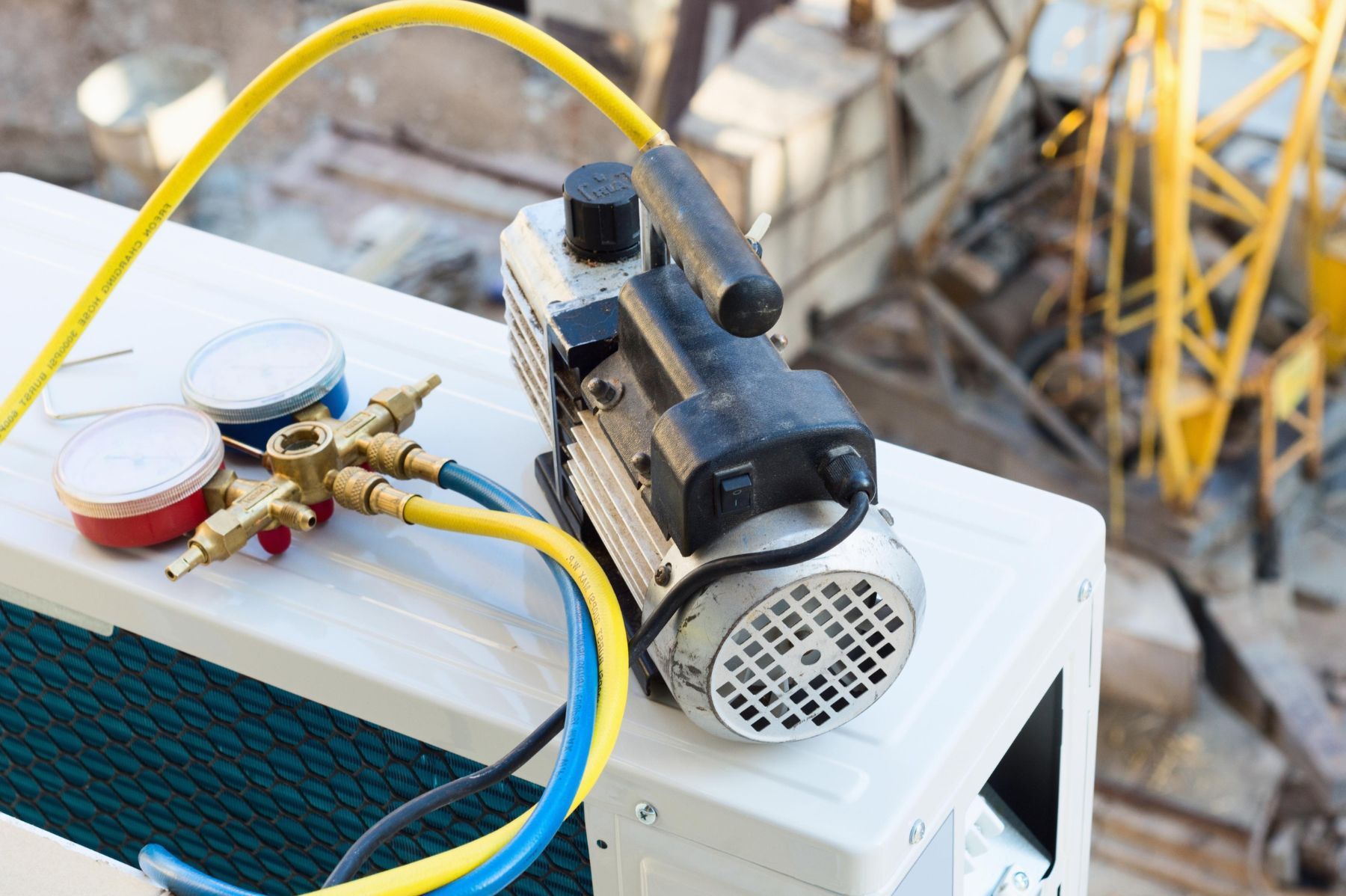
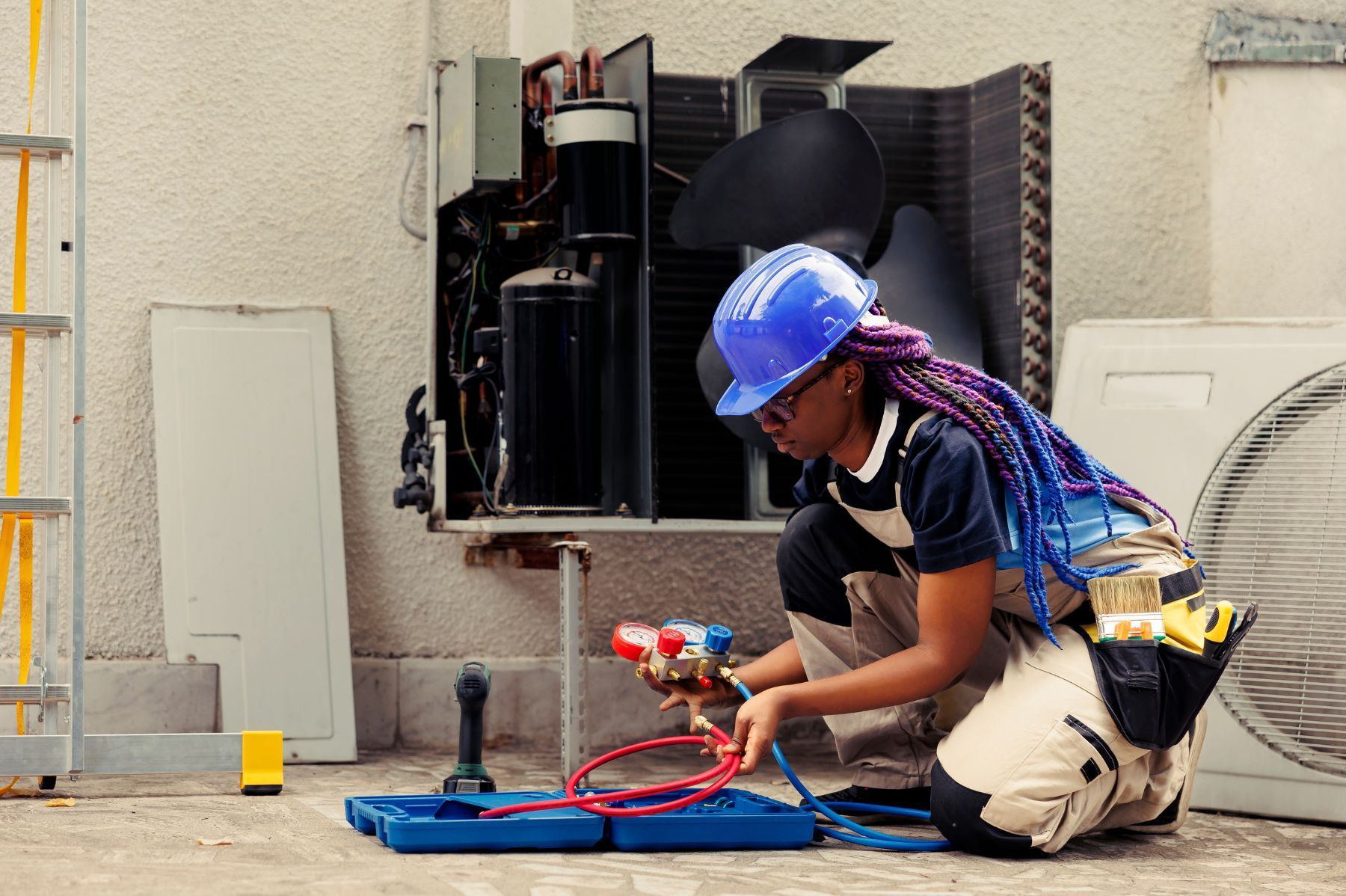
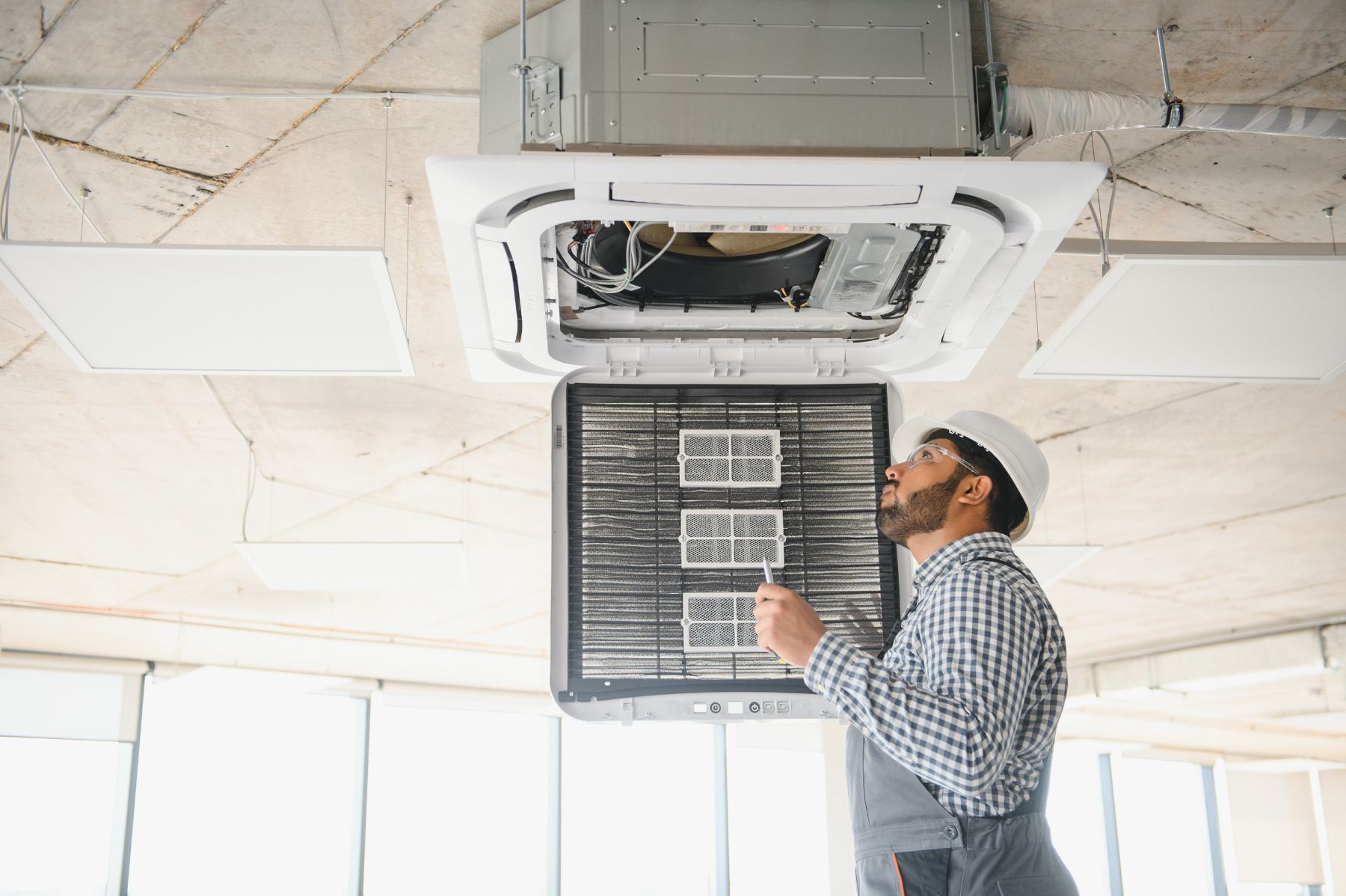
Renting HVAC equipment exposes your business to financial risks that standard commercial policies often fail to address. A temporary chiller malfunction at a pharmaceutical warehouse can destroy $200,000 in temperature-sensitive inventory within hours. A portable heating unit tipping over during installation might damage a client's flooring, triggering a liability claim that exceeds your deductible by thousands. These scenarios unfold regularly across industries relying on rental climate control systems, yet many contractors and facility managers assume their existing coverage handles everything.
Understanding your HVAC equipment rental insurance coverage options requires examining both the risks you face and the specific policy structures designed to address them. The rental company's damage waiver sitting in your contract drawer provides some protection, but its exclusions could leave significant gaps. Meanwhile, your commercial general liability policy might exclude rented equipment entirely, or cap coverage at levels far below the replacement cost of specialized industrial units. This guide breaks down the primary coverage types available, explains how to calculate appropriate limits based on actual equipment values, and outlines the documentation practices that protect your claims eligibility when something goes wrong.
Understanding Liability and Property Damage Risks
Renting HVAC equipment creates three distinct categories of exposure that require different insurance responses. Recognizing each risk type helps you select coverage that matches your actual operational profile rather than purchasing generic policies with critical blind spots.
Damage to the Rented HVAC Unit
Rental agreements typically hold you responsible for equipment damage regardless of fault. A 20-ton portable air conditioning unit valued at $45,000 becomes your financial obligation the moment you sign the rental contract. Physical damage from forklift collisions during positioning, electrical arcing from improper power connections, and compressor failure from refrigerant leaks all fall within your liability scope.
Most rental contracts specify replacement cost rather than actual cash value, meaning depreciation provides no relief. If you damage a three-year-old chiller worth $35,000 on the used market, you may still owe the $52,000 replacement cost specified in your agreement. Internal component failures present particular challenges since rental companies often attribute motor burnout or control board malfunctions to operator error rather than inherent vice, shifting responsibility to you even when the equipment arrived with pre-existing issues.
Third-Party Property Damage Claims
HVAC equipment creates property damage exposure extending well beyond the rental unit itself. Condensate line failures from portable cooling units can flood server rooms, destroying electronics and triggering business interruption claims from affected tenants. Heating equipment positioned too close to combustible materials has caused fires resulting in six-figure property claims against the renting contractor.
Your commercial general liability policy may respond to these third-party claims, but coverage depends on specific policy language regarding rented equipment and professional services exclusions. Some CGL policies exclude damage arising from equipment you do not own, creating a coverage gap precisely when you need protection most.
Environmental and Refrigerant Leak Liability
Modern HVAC systems contain refrigerants subject to EPA regulations and potential environmental liability. R-410A leaks from damaged rental equipment can trigger cleanup costs and regulatory fines. Older units still using R-22 present even greater exposure since this refrigerant carries higher replacement costs and stricter handling requirements.
Environmental liability coverage for refrigerant releases typically requires specific policy endorsements. Standard pollution exclusions in CGL policies often apply to refrigerant releases, leaving you exposed to cleanup costs ranging from $5,000 for minor leaks to $50,000 or more for significant releases requiring soil remediation.
| Factor | Self-Insurance | Third-Party Insurance | Hybrid Model |
|---|---|---|---|
| Premium Cost | None (internal funding) | 15-25% above expected claims | Moderate |
| Claim Volatility | High exposure | Fully transferred | Capped exposure |
| Administrative Burden | Significant | Minimal | Shared |
| Cash Flow Predictability | Variable | Fixed premiums | Semi-predictable |
| Best For | Large portfolios, strong reserves | Small contractors, new programs | Most mid-size operations |
Primary Insurance Coverage Types for HVAC Rentals
Several policy structures address HVAC rental equipment risks, each with distinct advantages and limitations. Matching coverage types to your specific rental patterns ensures adequate protection without paying for unnecessary policy features.
Inland Marine Insurance for Equipment in Transit
Inland marine policies cover equipment while being transported between locations. This coverage responds to theft from delivery vehicles, collision damage during transport, and weather-related losses occurring before installation. A portable heating unit destroyed when your delivery truck overturns becomes an inland marine claim rather than a commercial auto claim.
Coverage limits should reflect the maximum value of equipment in transit at any given time. If you regularly transport rental chillers worth $40,000 alongside supplemental equipment totaling another $15,000, your inland marine limit needs to exceed $55,000 to avoid coinsurance penalties that reduce claim payments proportionally.
Rental Equipment Floaters
Equipment floaters provide broader coverage than inland marine policies by protecting rented items during use, storage, and transport. These policies typically cover theft, vandalism, fire, and certain mechanical breakdowns caused by external perils. A floater responding to equipment damage from a construction site fire would cover the rental unit's replacement cost minus your deductible.
Floater policies often exclude mechanical breakdown from normal operation, meaning compressor failures and motor burnout require separate mechanical breakdown coverage. The distinction between external perils causing internal damage versus inherent mechanical failure determines whether your floater responds to a claim.
Commercial General Liability Extensions
CGL policies can be endorsed to cover liability arising from rented equipment operations. These extensions address third-party bodily injury and property damage claims but typically exclude damage to the rented equipment itself. If a rental heating unit causes a fire damaging a client's warehouse, your CGL extension covers the warehouse damage while a separate floater or damage waiver covers the destroyed rental unit.
Premium costs for CGL extensions vary based on your rental volume and the types of equipment involved. Contractors regularly renting high-capacity industrial units face higher premiums than those occasionally renting residential-scale equipment.
Rental Company Damage Waivers vs. Independent Insurance
Rental companies offer damage protection at the point of rental, but these waivers differ significantly from independent insurance policies in scope, cost, and claims handling.
What Rental Protection Plans Typically Cover
Rental damage waivers generally cover physical damage to the equipment from accidents, theft, and vandalism. A typical waiver priced at 10-15% of the rental cost provides replacement coverage if the unit is stolen from your job site or damaged beyond repair during normal use. Some waivers include limited liability protection for third-party claims arising from equipment malfunction.
Waiver coverage activates immediately without the underwriting delays associated with independent policies. For short-term rentals or one-time projects, the convenience of point-of-rental coverage often outweighs the higher per-day cost compared to annual policies covering all rentals.
Exclusions and Limitations of Damage Waivers
Rental waivers typically exclude damage from gross negligence, intentional misuse, and operation outside manufacturer specifications. Running a portable chiller without proper ventilation, causing compressor failure from overheating, likely falls outside waiver coverage. Phase imbalances from improper electrical connections that burn out motors represent another common exclusion.
Most waivers impose waiting periods of 24 to 48 hours before coverage activates, leaving you exposed during initial setup and testing. Deductibles on rental waivers often run $500 to $2,500, higher than many independent equipment floater policies. Claims under rental waivers also affect your standing with that rental company, potentially increasing future waiver costs or limiting equipment availability.
Determining Necessary Coverage Limits
Setting appropriate coverage limits requires analyzing both equipment replacement costs and the downstream business impacts of equipment failure or loss.
Assessing Replacement Value of Specialized Units
Industrial HVAC rental equipment carries replacement costs ranging from $8,000 for basic portable units to $150,000 or more for large temporary chiller systems. Your coverage limits should reflect the maximum value of equipment under your control at any time, including multiple units on different job sites.
| Equipment Type | Typical Replacement Cost | Recommended Minimum Limit |
|---|---|---|
| Portable AC (5-ton) | $8,000 - $15,000 | $20,000 |
| Temporary Chiller (20-ton) | $35,000 - $55,000 | $75,000 |
| Industrial Heater (400k BTU) | $12,000 - $25,000 | $35,000 |
| Complete Cooling Package | $75,000 - $150,000 | $175,000 |
Policies written on an actual cash value basis pay less than replacement cost for older equipment. Insist on replacement cost coverage to avoid depreciation deductions that leave you paying the difference between your claim payment and the rental company's replacement demand.
Business Interruption and Loss of Use Coverage
Equipment failure during critical operations creates losses extending far beyond the rental unit's value. A chiller breakdown at a cold storage facility can spoil perishable inventory worth $100,000 or more within hours. Food service operations lose revenue every hour their kitchen remains without climate control during peak summer months.
Business interruption coverage for rental equipment failure should reflect your peak seasonal exposure. Calculate coverage limits based on maximum inventory values and daily revenue figures during your busiest periods. Policies typically impose waiting periods of 24 to 72 hours before business interruption coverage activates, so factor these gaps into your risk planning.
Risk Management and Claims Procedures
Proper documentation and response protocols directly affect your claims eligibility and payment amounts. Insurers routinely deny or reduce claims when policyholders fail to maintain adequate records.
Pre-Rental Inspection and Documentation
Photograph every rental unit before accepting delivery, capturing existing damage, serial numbers, and hour meter readings. Written inspection reports noting scratches, dents, and operational issues protect you from claims for pre-existing damage. Request maintenance records showing the equipment's service history and any recent repairs.
Test equipment operation before the rental company leaves your site. Run chillers through a complete cooling cycle, verify heating units reach rated output, and confirm all controls function properly. Document any operational issues immediately and obtain written acknowledgment from the rental company representative.
Steps to Take Following Equipment Failure or Theft
Report equipment theft to local police within 24 hours and obtain a written incident report. Insurers require police documentation for theft claims, and delayed reporting raises fraud concerns that complicate claims processing.
For equipment failures, document the malfunction with photographs showing the failed components and any visible damage. Obtain written diagnostic reports from qualified technicians before authorizing repairs. Preserve failed parts for potential insurer inspection since disposing of evidence can void coverage.
Notify your insurer and the rental company within the timeframes specified in your policy and rental agreement. Most policies require notification within 48 to 72 hours of discovering a loss. Provide calibrated thermometer readings, maintenance logs, and operational records demonstrating proper equipment use.
Frequently Asked Questions
Does my commercial auto policy cover rental HVAC equipment during transport? Commercial auto policies typically cover collision damage to vehicles but exclude cargo. You need inland marine or equipment floater coverage for rental units damaged during transport.
Can I decline the rental company's damage waiver if I have my own insurance? Yes, but verify your policy specifically covers rented equipment before declining. Obtain a certificate of insurance naming the rental company as loss payee if required.
What documentation do insurers require for refrigerant leak claims? Insurers typically require EPA-certified technician reports, leak detection test results, and receipts for refrigerant replacement. Environmental cleanup claims need contractor invoices and regulatory compliance documentation.
How do deductibles work when both my floater and the rental waiver apply? Your independent policy responds first, with the rental waiver potentially covering your deductible depending on its terms. Review both documents to understand coordination of benefits.
Are rental equipment claims reported to industry databases? Yes, claims appear in databases like ISO ClaimSearch. Multiple claims can affect future insurability and premium rates across all your commercial policies.
Making the Right Coverage Decision
Selecting appropriate insurance for HVAC equipment rentals requires balancing coverage costs against realistic risk exposure. Evaluate your typical rental values, the industries you serve, and your claims history when structuring coverage. Contractors serving pharmaceutical or food service clients face higher downstream liability exposure than those working in less temperature-sensitive environments.
Review your coverage annually as rental patterns change. A policy adequate for occasional portable AC rentals may leave dangerous gaps when you begin renting industrial chiller systems. Work with an insurance professional familiar with equipment rental exposures to identify coverage gaps before a claim reveals them at the worst possible moment.