Pennsylvania Mechanical HVAC Service Contractor Insurance
or call us: 888-862-1202
A service call that starts as a simple rooftop unit inspection can end with a fried circuit board, water damage inside the building, and a very unhappy client. When that happens, the paperwork that decides whether the loss is covered is not the work order, it is the insurance policy. Recent claims data shows that thirty nine percent of evaluated HVAC equipment losses were caused by events typically excluded from standard policies, according to the HVACi Annual Claims Report cited by insurance.org. That gap between what contractors think is covered and what is actually covered is exactly where many Pennsylvania mechanical HVAC businesses get hurt.
Key Risks Mechanical HVAC Service Contractors Face On Every Job
Mechanical HVAC work in Pennsylvania rarely happens in controlled, empty environments. Crews move through occupied offices, medical facilities, schools, warehouses, and older residential buildings with fragile electrical systems and dated construction. One mistake during a changeout, a miswired control, or a cracked condensate line can quickly turn into property damage, system downtime, or even bodily injury. The risk is not just the equipment being installed, it is the entire space around it.
Service contractors also juggle demanding schedules, emergency calls, and seasonal spikes. In peak heating or cooling seasons, technicians may rush from job to job, which increases the chance of errors, missed safety checks, or incomplete documentation. Those are the conditions that lead to disputes and claims. Insurance is not just a legal box to check for licensing or contracts, it is one of the few tools that can absorb the financial shock when something goes wrong.
On top of that, many mechanical HVAC service businesses operate mixed fleets, use rented equipment, and work alongside other trades on large projects. That creates overlapping responsibilities and complex liability questions. When a loss occurs, multiple parties may be named in the claim. Without the right coverage structure, a contractor can end up paying for problems that started with someone else’s work or equipment.
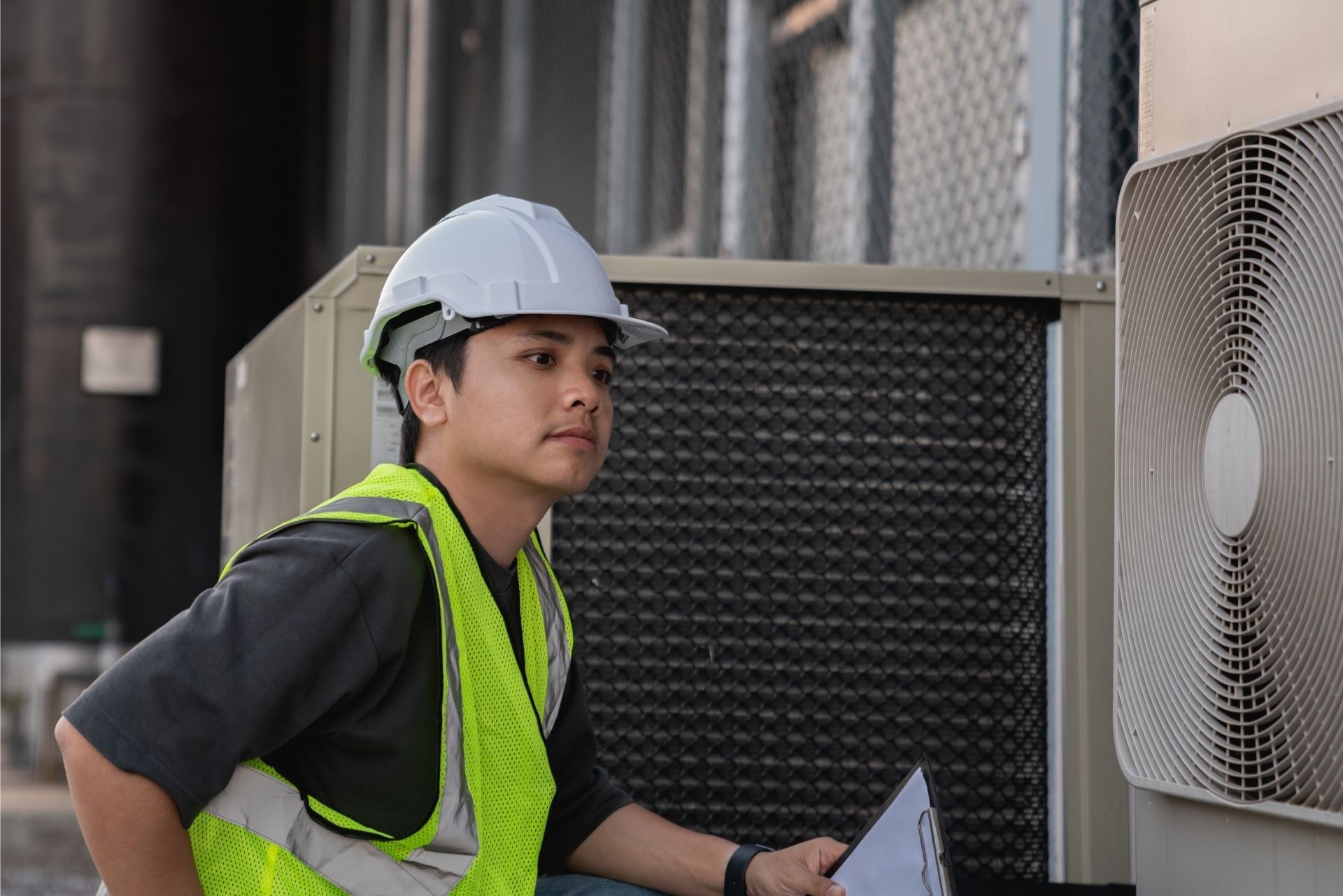
HVACInsure is fully licensed and permitted to sell contractor and commercial insurance in Texas.
We proudly serve clients throughout Texas and maintain partnerships with local Texas insurance carriers to ensure HVAC professionals receive compliant, affordable, and comprehensive coverage that meets project and regulatory requirements.
The Essential Insurance Policies For Pennsylvania Mechanical HVAC Service Contractors
Most Pennsylvania HVAC service firms carry at least some insurance. The real difference between a program that actually protects the business and one that just meets contract minimums is how the policies fit together. The core coverages below form the backbone of protection for mechanical HVAC contractors, from one truck operations to mid sized service fleets.
General Liability Insurance
General liability is usually the first policy a mechanical HVAC contractor buys because it responds to third party bodily injury and property damage. If a technician accidentally drops a coil through a ceiling, causes water damage in an office, or a customer trips over tools in a work area, this is the coverage that can respond. It can also address some personal and advertising injury claims, like accusations that marketing materials damaged another business’s reputation. For contractors that routinely work in client occupied spaces or large commercial facilities, strong general liability limits are essential.
Workers Compensation Insurance
Technicians climb ladders, lift heavy equipment, work on rooftops, and deal with electrical components and refrigerant. The injury risk is real even in well managed operations. Workers compensation covers medical costs and a portion of lost wages when employees are hurt on the job, and it is generally required when a business has employees. For many Pennsylvania HVAC contractors, this policy is also scrutinized by general contractors and commercial clients who want proof that any injured technicians will be covered without claims against the client.
Commercial Auto Insurance
Service vans and trucks are central to HVAC work. They carry personnel, tools, parts, and occasionally heavy or hazardous materials. Commercial auto insurance covers liability if a driver causes an accident that injures others or damages property. It can also include physical damage coverage for the vehicles themselves. Since many HVAC calls require early morning or late night driving, or travel in challenging winter weather, commercial auto claims are a real exposure. A single serious accident can easily become one of the highest cost losses a contractor faces.
Errors And Omissions / Professional Liability
Mechanical HVAC contractors increasingly design systems, recommend equipment, program controls, and advise clients on efficiency and performance. When a design decision, programming error, or incorrect recommendation leads to poor performance, system failure, or unexpected costs, the dispute is often about the quality of professional services rather than a simple accident. Errors and omissions, sometimes called professional liability, is designed to respond to those claims. It is especially important for contractors that handle design build projects, advanced controls, or performance guarantees.
Inland Marine And Tools Coverage
Many contractors assume their tools and small equipment are covered under general liability or property policies. Often they are not. Inland marine coverage, sometimes called tools and equipment coverage, protects movable items such as power tools, recovery machines, meters, laptops, and job site equipment while they are in transit or at a work location. For a service contractor that sends technicians out daily with expensive specialized tools, this coverage can be the difference between a minor theft incident and a major financial setback.
Commercial Property And Business Interruption
Even service oriented HVAC contractors usually have a base of operations. Shops store inventory, filters, coils, ductwork, and specialized equipment. Offices hold computers, records, and sometimes a small parts counter. Commercial property coverage protects that physical location against covered perils like fire or certain types of storms. When a serious loss forces a shutdown, business interruption coverage can help replace lost income and cover continuing expenses while the operation gets back on its feet.
How Big HVAC Claims Actually Play Out
It is easy to underestimate how expensive HVAC losses can become. Industry reports show that HVAC claims often average between twenty five thousand and fifty thousand dollars per incident, with more than twenty five thousand incidents each year contributing to over one billion dollars in total losses for the industry, according to the 2025 HVAC Insurance Market Outlook summarized by FieldFactor. Those numbers reflect not just damaged equipment, but also water damage, smoke spread, cleanup costs, and legal fees.
Many of the highest cost claims begin as small oversights. A condensate line that is not properly pitched can drip slowly inside a wall for months before anyone notices. A control board wired incorrectly can lead to short cycling, overheating, or even a fire in rare cases. Once multiple units, floors, or tenants are involved, the damages multiply. Add business interruption for the building owner or tenant, and the total cost can climb far beyond what most contractors expect.
The other shock for many HVAC businesses is how many losses fall outside basic coverage. That same HVAC claims report cited earlier found that thirty nine percent of evaluated equipment losses were tied to causes typically excluded from standard policies, as highlighted on
insurance industry guidance. Power quality issues, gradual wear and tear, and improper maintenance disputes often sit in a gray area. That is why specialized HVAC contractor insurance, with tailored endorsements and clear definitions, has become more important than a simple off the shelf business policy.
Pennsylvania Market Outlook And Labor Pressure
Pennsylvania is not a small player in the mechanical HVAC space. The Heating and Air Conditioning Contractors industry in the state is projected to reach a market size of four point nine billion dollars by 2025, with four thousand three hundred sixty four establishments operating across Pennsylvania, according to IBISWorld data. That amount of activity means more service calls, more installation projects, and more potential claims.
At the same time, the industry is dealing with a shortage of experienced technicians. A recent study projects a shortfall of about two hundred twenty five thousand HVAC technicians nationwide by 2025, which has direct implications for insurance risk due to an increased likelihood of errors and accidents, according to analysis from HVACInsure. When contractors struggle to find and keep seasoned techs, they often rely more heavily on newer employees who may need time to develop troubleshooting skills and safety habits.
That combination of high demand and staffing pressure can influence claims in subtle ways. Overloaded schedules can lead to shortcuts in documentation. Less experienced technicians may not recognize early warning signs of system issues or safety problems. Training becomes more important, but so does ensuring that the insurance program recognizes the real day to day risk of a Pennsylvania mechanical HVAC service business in this labor environment.
What To Expect From HVAC Insurance Pricing
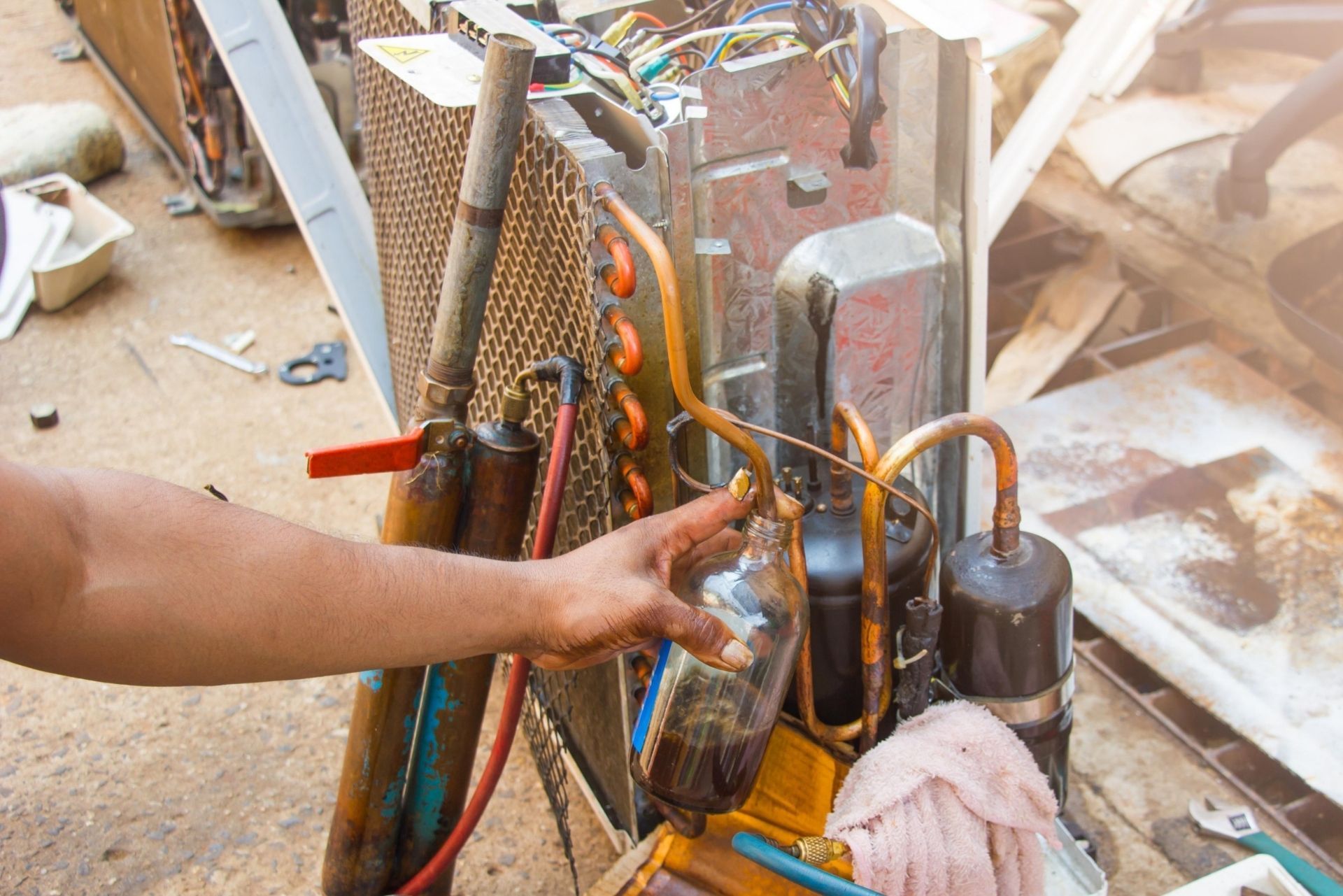
Insurance costs for mechanical HVAC service contractors are influenced by both local loss experience and national market trends. Even if a Pennsylvania contractor has a clean history, broader claim patterns and economic factors can still push premiums higher. A recent example from outside the region shows how quickly the market can shift. In New Mexico, HVAC insurance premiums saw a forty seven percent increase in 2022, driven by higher claim frequency and severity along with general inflation and economic pressures, according to data shared on insurance.org.
While that figure comes from a different state, it signals what underwriters watch. Escalating repair costs, rising settlement amounts, and labor shortages that contribute to mistakes can all feed into rate changes. When replacement parts and equipment become more expensive, every property damage claim costs more to resolve. Legal costs also tend to trend upward, especially on complex commercial disputes.
For Pennsylvania contractors, that means it is risky to treat insurance as a static expense. Carriers may adjust pricing or tighten terms even if a business has not filed a major claim. Contractors who stay in close contact with their agents, review coverage annually, and can demonstrate strong safety and training practices are often better positioned when those market shifts arrive.
Building The Right Insurance Program For Your HVAC Business
Mechanical HVAC service contractors in Pennsylvania rarely need the exact same insurance package. A company focused on light commercial maintenance has different exposures than one that handles large industrial chiller projects or design build work. Still, it helps to compare a basic protection set with a stronger, more comprehensive structure to see what might be missing.
The comparison below is not a quote or a complete list of options, but it illustrates how coverage can grow as a business takes on more complex projects, hires additional technicians, or starts working under tighter commercial contracts. It can also serve as a checklist to discuss with an insurance professional who understands mechanical trades.
| Coverage Area | Basic Protection | Stronger Protection For Growing Contractorsgher Risk |
|---|---|---|
| General Liability | Meets contract minimums, limited endorsements, standard exclusions. | Higher limits, endorsements crafted for HVAC work, attention to subcontractor exposure. |
| Workers Compensation | Required state minimums, basic classification of employees. | Reviewed classifications, safety programs documented, return to work planning to control long claims. |
| Commercial Auto | Liability and physical damage for a small service fleet. | Broader liability limits, hired and non owned coverage, clear driver and MVR standards. |
| Professional Liability | Often not included for basic maintenance focused operations. | Added errors and omissions for design, controls, and performance advice.hic loss events |
| Tools And Equipment | Limited coverage, sometimes only at the premises. | Inland marine coverage that follows tools and equipment to every job site and in transit. |
| Property And Business Interruption | Simple building and contents protection for the office or shop. | Customized limits for inventory and specialty equipment, income protection if operations are disrupted. |
For many contractors, the jump from basic to stronger protection happens after a near miss. A close call on a claim, a demand from a new commercial client, or the realization that tools are badly underinsured can force a fast upgrade. It is usually better to make those changes proactively. Reviewing contracts, project types, and growth plans with an insurance specialist before the busy season can highlight where coverage needs to catch up with the business plan.
Frequently Asked Questions About Pennsylvania HVAC Contractor Insurance
Mechanical HVAC service contractors across Pennsylvania tend to ask the same questions once they look closely at their coverage. The answers below focus on practical considerations rather than legal advice, and they are meant to help guide more focused conversations with an insurance professional.
Is general liability enough for a small mechanical HVAC service business?
General liability is important, but it rarely covers everything a contractor needs. Even a small business usually needs workers compensation if there are employees, commercial auto for service vehicles, and some form of tools and equipment coverage.
Do HVAC contractors really need professional liability insurance?
If a contractor designs systems, selects equipment, or programs controls, professional liability is strongly recommended. Many disputes today center on system performance or design quality rather than simple accidents, and general liability policies often exclude those issues.
How can a contractor keep insurance costs under control?
Strong hiring practices, safety training, documented procedures, and clean driving records all help. Keeping claim frequency low and showing underwriters that the business manages risk proactively can make a noticeable difference at renewal time.
What happens if a loss comes from an excluded cause?
If the policy excludes the cause of loss, the carrier can deny the claim, leaving the contractor to absorb the cost. This is why it is important to understand exclusions tied to wear and tear, power quality, faulty workmanship, or maintenance responsibilities.
Are rented lifts and specialty equipment covered automatically?
Rental agreements often make the contractor responsible for damage to rented gear, but standard policies may not automatically cover it. Inland marine or equipment specific endorsements are often needed to avoid expensive surprises after a rental incident.
How often should a Pennsylvania HVAC contractor review insurance coverage?
At least once a year, and any time there is a major change such as adding crews, buying new vehicles, taking on different project types, or signing large commercial contracts. Those changes can significantly alter the risk profile and coverage needs.
Key Takeaways For Pennsylvania HVAC Service Contractors
Mechanical HVAC service work in Pennsylvania operates in a busy, high value market with meaningful claim potential. The state’s Heating and Air Conditioning Contractors industry is expected to approach several billion dollars in size, with thousands of active businesses competing and collaborating on projects, as highlighted by recent IBISWorld research. In that environment, a serious claim is less a question of if and more a question of when.
Contractors that treat insurance as a strategic tool rather than a commodity often come through those events in better shape. They understand that general liability, workers compensation, commercial auto, tools coverage, property, and professional liability each protect different parts of the business. They also recognize that many standard policies leave gaps for HVAC specific risks, so they seek out specialized options that address real world claim patterns described by industry resources like EverOak Insurance’s HVAC guidance.
The most effective insurance program is built before the busy season, not during a carrier dispute. Reviewing contracts, clarifying exclusions, and aligning limits with actual project sizes gives Pennsylvania mechanical HVAC service contractors a clearer picture of where they stand. When a complex loss finally hits, that preparation can be the difference between a temporary setback and a long term hit to the business.
Recognized by National HVAC Trade Associations
These trusted organizations set best practices and standards that carriers rely on when underwriting HVAC risks.
Membership signifies adherence to HVAC industry standards and contractor best practices.
Coverage for Crews, Vehicles, and Tools
Insurance for HVAC Contractors
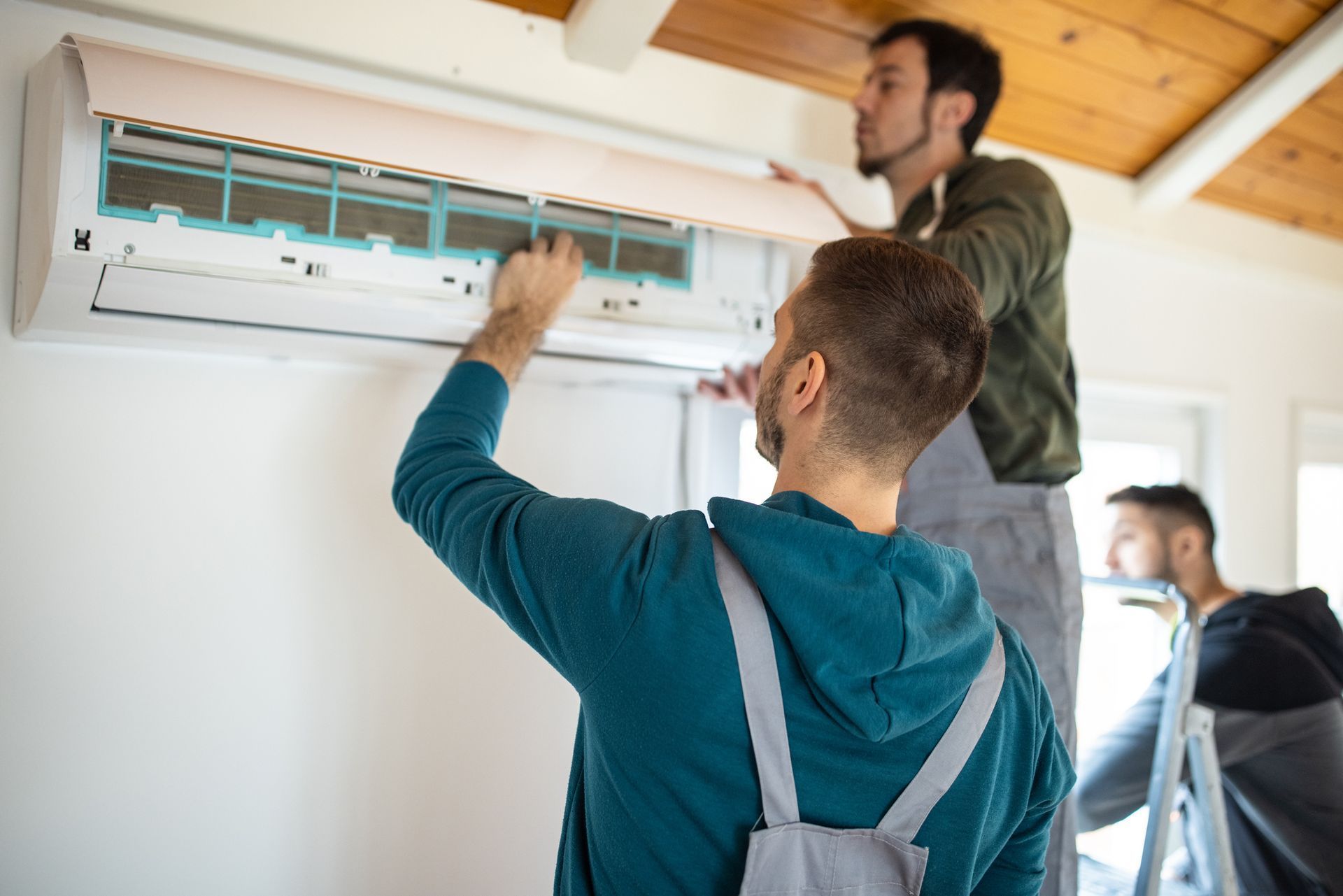
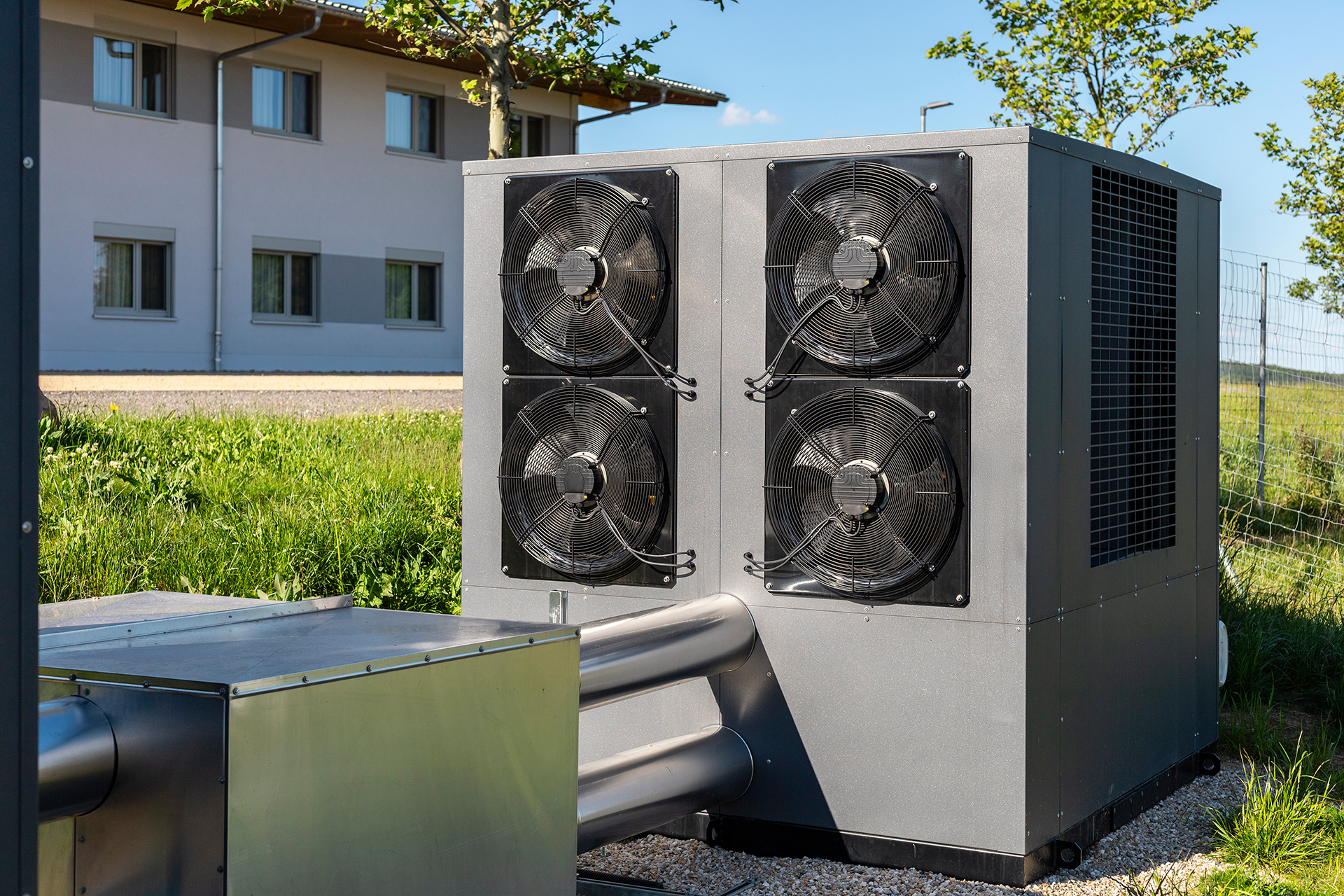
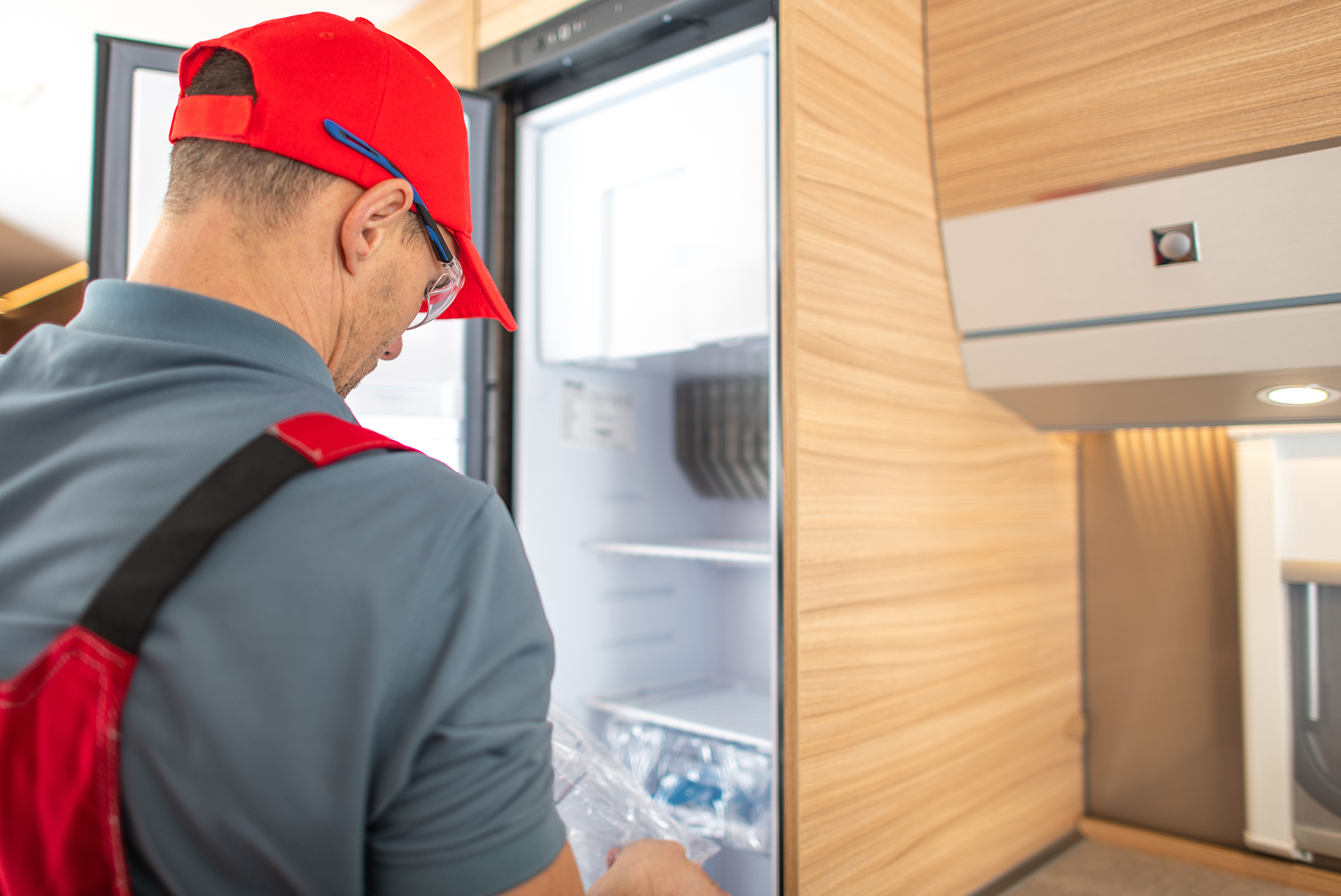
We provide business insurance designed for HVAC contractors. These policies protect your crew, vehicles, and tools while helping you meet project requirements. Every policy is explained clearly and delivered quickly so you can work without delays.
Resources
Insurance Tips for HVAC Contractors
Our blog is built for contractors who want fast answers. Each article covers common questions and risks in under five minutes of reading.


Frequently Asked Question
Common HVAC Contractor Insurance Questions
These FAQs address common contractor questions. As HVACInsure grows, we will update this section with real client experiences and answers.
Why should an HVAC contractor use HVACInsure instead of a general agency?
Specialists understand jobsite requirements, certificate wording, and common endorsements for HVAC work. You get cleaner paperwork, faster approvals, and coverage that fits how your crews operate.
This reduces delays at the gate, avoids gaps, and helps you pass compliance checks the first time.
How fast can I get a Certificate of Insurance (COI)?
Most standard COIs are issued the same business day after binding or updates. If you need additional insured, primary/non-contributory, or waiver language, we prepare it correctly the first time.
Our goal is simple: get your crew on site without paperwork delays.
What coverages do HVAC contractors usually need?
Core policies include General Liability, Commercial Auto, Workers’ Comp, Property/Tools, Inland Marine, and Umbrella. Many projects require higher limits and specific endorsements.
We align your coverage with contract terms and explain each choice in plain language.
Will my tools and scheduled equipment be covered in vans or on jobsites?
Yes. Inland Marine (tools and equipment) can cover items in transit, stored in vehicles, or staged on site.
High-value items can be scheduled, and limits can match your daily field use to keep work moving.
Can I lower my premium without weakening protection?
Often, yes. Clean driver lists, accurate payrolls, safety programs, and bundling policies can help.
We review your profile, request carrier credits, and adjust limits and deductibles to control cost while meeting project requirements.
What should I do after a loss?
Contact us right away so we can file with the correct carrier and set expectations. We guide documentation, next steps, and follow-ups until closure.
Fast reporting and clear records help resolve claims sooner and keep your team focused on work.

Still have questions?
Can’t find the answer you’re looking for? Please chat to our friendly team!
Contact Us