A VRF crew is on a rooftop in Charlotte, balancing a tight schedule with a tenant move-in date and a forecast that keeps threatening thunderstorms. A crane lift runs long, a section of refrigerant piping slips, and suddenly there is damage to both the building façade and an occupied suite below. That is exactly the kind of bad day that turns into an expensive claim if the right insurance coverage is not in place. As more North Carolina projects specify advanced VRF and VRV systems, the stakes for specialists keep getting higher, and so does the need for tailored protection backed by an insurer that actually understands this equipment.
North Carolina VRF/VRV work is not a standard HVAC risk
VRF and VRV specialists in North Carolina do far more than traditional split system changeouts. The work often involves complex design assistance, heavy coordination with engineers and architects, and tight performance expectations from owners who invested in high efficiency equipment. That mix of technical complexity and owner expectations can increase both the frequency and severity of claims when something goes wrong on a job.
Demand helps drive that pressure. In 2024, HVAC professionals reported that an average of 39 percent of their projects involved VRF products or technology, up from 24 percent in 2016, which shows how quickly these systems are becoming part of everyday construction and retrofit work according to ACHR News. With more VRF work on the books, contractors are putting more revenue, more equipment, and more reputation at risk every year.
North Carolina brings its own wrinkles. Humid summers, coastal corrosion near the Outer Banks, and freeze risk in the mountains all affect how VRF and VRV systems are designed and installed. Long piping runs, multi story buildings, and mixed use spaces create challenging routing and condensate management. Any installation defect, miscalculation, or missed detail can lead to water damage, mold allegations, comfort complaints, or expensive callbacks, which then feed directly into liability, property, and professional exposure.

HVACInsure is fully licensed and permitted to sell contractor and commercial insurance in North Carolina.
We insure HVAC contractors throughout North Carolina and in 47 other states, providing compliant, affordable, and comprehensive coverage that meets project and regulatory requirements.
Key risks VRF/VRV specialists need to manage
Insurance works best when it matches the real world risks a contractor faces. For VRF and VRV specialists in North Carolina, those risks cluster around three themes that show up again and again in claims files. Property damage, client disputes over system performance, and jobsite injuries all tend to be magnified by the cost and intricacy of VRF equipment.
Property damage remains the most common trigger. A small refrigerant leak hidden in a ceiling can lead to stained finishes, damaged electronics, or even business interruption for a tenant. Condensate overflows from improperly trapped lines, or clogged drains, can produce similar headaches. Since VRF systems often serve many zones from a single outdoor unit, a mistake in one critical component can affect a large part of a building at once.
There is also a growing professional liability angle. VRF and VRV projects often depend on the specialist for system layout, line sizing, controls integration, and configuration. When a building uses more energy than promised or zones never reach setpoint, owners increasingly treat that as a design or consulting failure rather than a simple workmanship issue. That can push a dispute into professional liability territory, where general liability on its own may not respond.
Why modern VRF technology changes your insurance picture
VRF and VRV adoption is growing because the technology solves real energy and comfort challenges. That same technology, however, also changes the scale and nature of the risks. Larger tonnage per system, more sophisticated electronics, and long runs of refrigerant piping running above sensitive interior finishes all raise the cost of any single mistake or failure.
Energy performance is a big part of the sales story. A comprehensive evaluation in Energy Reports found that VRF systems can deliver energy savings in the range of 15 to 42 percent compared with VAV systems, depending on how they are operated and the indoor temperature settings used, which underlines just how important correct design and commissioning can be as summarized in an Energy Reports based review. When actual savings fall short of expectations, owners may pursue compensation for the gap, especially in performance contract or guaranteed savings environments.
Heat recovery configurations raise the complexity even further. Instead of simple heat pump style operation, heat recovery VRF allows simultaneous heating and cooling in different zones. Contractors are using this capability widely. In 2024, about 41 percent of VRF projects included heat recovery, and a significant share of professionals used it in at least half of their projects
according to ACHR News reporting. More three pipe systems, branch selectors, and sophisticated controls mean more possible failure points, and more arguments over responsibility if comfort or efficiency targets are not met.
Core insurance coverages every VRF/VRV contractor should consider
No single policy will protect a VRF or VRV specialist from every possible loss. Instead, protection comes from layering several coverages that address different pieces of the risk puzzle. The right mix depends on whether the business focuses on design build, plan and spec installation, service, controls integration, or all of the above, but the key building blocks tend to be consistent across North Carolina contractors.
At a minimum, VRF and VRV specialists typically need robust general liability, professional liability or errors and omissions, workers compensation, commercial auto, and coverage for tools and installation equipment. Many benefit from additional endorsements that address pollution, cyber exposures related to connected controls, or extended completed operations for long tail claims that may crop up years after installation.
General liability for jobsite damage and third party injuries
Commercial general liability is usually the backbone of a contractor insurance program. It responds when the business is alleged to have caused bodily injury or property damage to others. For VRF work, this might involve water soaked ceilings, damaged flooring after a condensate backup, or a tenant injury linked to slipping on leaked water during a service call.
North Carolina owners and general contractors often require evidence of general liability before a VRF contractor is allowed on site. Coverage limits are typically set based on project size, type of client, and contractual requirements. Careful review of additional insured wording, waiver of subrogation clauses, and per project aggregates is critical so that the policy aligns with what is promised in the contract.
Professional liability and design build responsibilities
Any VRF or VRV specialist who provides layout assistance, load calculations, piping schematics, or control sequences is taking on a design role, whether or not the word engineer appears in the title block. Professional liability, often called errors and omissions coverage, is designed to respond when a client claims that professional advice or design work caused them a financial loss, even when there is no direct property damage.
Examples include undersized systems that struggle in peak weather, zoning strategies that never deliver comfort, or improperly specified controls that require repeated replacement. In performance driven VRF projects, these disputes are common and can be expensive. General liability policies usually exclude this sort of professional exposure, which is why a separate errors and omissions policy, or a contractor professional endorsement, is so important.
Workers compensation for installation and service crews
Roof work, heavy equipment, and electrical connections make VRF projects physically demanding and sometimes hazardous. Workers compensation covers medical costs and lost wages when employees are injured on the job. North Carolina law generally requires employers with regular employees to carry workers compensation, and VRF contractors often find that sophisticated project owners will not contract with an uninsured firm.
Premiums are driven by payroll, job classification, and loss history. Safety programs that address ladder use, fall protection, lifting techniques, and refrigerant handling can not only protect employees, they can also help stabilize costs over the long term by reducing both frequency and severity of claims.
Commercial auto and inland marine for vehicles, tools, and equipment
VRF and VRV work depends on vehicles and specialized tools. Commercial auto coverage protects the business when a company vehicle is involved in an accident that causes injury or damage. Inland marine or contractor equipment coverage then steps in to cover the tools, lifts, and other mobile equipment that travel from job to job.
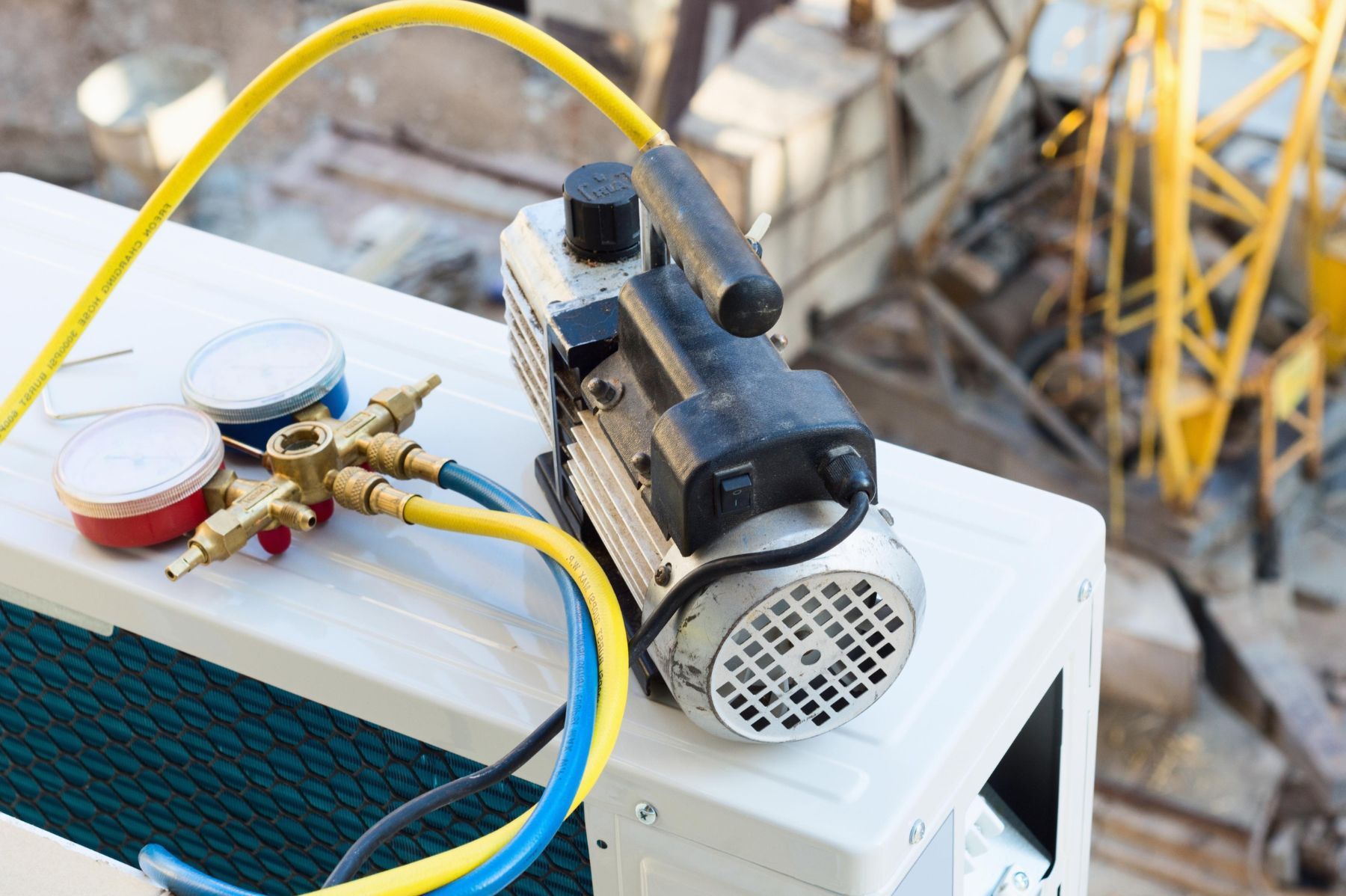
These tools are not inexpensive. Vacuum pumps, recovery machines, specialized flare and press tools, nitrogen rigs, and commissioning devices can be attractive to thieves. Inland marine policies can be tailored to cover equipment not only at the shop, but also at job sites and in transit, which is vital for contractors who stage material at large commercial projects across North Carolina.
Property and installation floater coverage
Many VRF contractors keep significant inventory in warehouses or at staging yards. Property insurance covers those buildings and their contents against causes of loss such as fire, wind, or theft. When high value VRF and VRV equipment is purchased for a specific project, an installation floater can provide coverage for that material from the time it leaves the supplier until it is installed and accepted by the owner.
This is especially important on long duration projects where outdoor units or branch boxes may sit on site for extended periods before start up. Storm damage, vandalism, or accidental impact with other construction equipment can all create losses that are best handled by a well structured installation floater rather than being left to finger pointing between contractors.
| Coverage Type | Main Purpose | Typical VRF/VRV Example |
|---|---|---|
| General Liability | Protects against third party bodily injury and property damage claims | Condensate leak from a VRF air handler damages tenant improvements below |
| Professional Liability ant Profile | Covers financial loss from alleged design or consulting errors | Owner sues because a VRV system does not achieve projected energy savingsedictability |
| Workers Compensation | Provides benefits for injured employees | Installer falls while placing a rooftop condenser on a steep pitched building |
| Commercial Auto | Covers company vehicles for accidents and related liability as | Service van hits a parked car while backing out of a tight downtown alley |
| Inland Marine | Insures mobile tools and equipment | Refrigerant recovery machines are stolen from a jobsite storage containerand vandalism |
| Installation Floater | Protects materials intended for specific projects | Outdoor VRF units are damaged by a windstorm before they are set and wiredls higher future risk |

How fast changing VRF products affect your coverage choices
VRF and VRV equipment is evolving quickly. Manufacturers continue to release new generations of systems that aim to improve efficiency, lower global warming potential, and provide greater design flexibility. Each new product line can subtly change the risk profile for the contractors that install and service it, especially during early adoption when field experience is limited.
Recent announcements highlight that pace. In September 2024, Daikin introduced its VRV 5 system with a focus on improved efficiency and lower environmental impact through R 32 refrigerant, a shift that may influence both performance expectations and refrigerant handling procedures for contractors who adopt it as reported by MarketsandMarkets. Changes in refrigerant type can affect everything from tool compatibility to training requirements, which in turn affect both safety and the likelihood of future claims.
Heat recovery systems are seeing similar innovation. In late 2024, Toshiba Carrier launched a new heat recovery VRF system aimed at increasing energy efficiency in large commercial applications, a product direction that encourages more complex multi mode installations with correspondingly higher design and commissioning demands on contractors
according to MarketsandMarkets coverage. As contractors take on these advanced projects, insurers often look more closely at training records, factory certifications, and project profiles when underwriting coverage.
Building a VRF friendly insurance program in North Carolina
For a North Carolina VRF or VRV specialist, buying insurance should not be a generic, check the box exercise. An effective program reflects the actual projects performed, the regions served in the state, and the mix of design, installation, and service work. It also takes into account any emerging technologies the firm is adopting, such as low GWP refrigerants, advanced controls, or heat recovery systems.
A good starting point is a conversation with a broker or advisor who understands mechanical trades and has specific experience with VRF heavy contractors. That conversation should cover the percentage of revenue tied to design build work, subcontractor management practices, any maintenance agreements, and how quality control and commissioning are handled. Insurers increasingly use this kind of operational detail to differentiate between contractors and to offer more favorable terms to firms that can demonstrate disciplined processes.
Contract review is another essential step. Many VRF specialists work under prime contracts or subcontracts that include aggressive insurance and indemnity clauses drafted by owners, general contractors, or out of state attorneys. Comparing those clauses to existing coverage helps identify gaps, such as missing additional insured endorsements, inadequate completed operations time frames, or professional liability exclusions that do not match the design responsibilities actually taken on in practice.
Risk management steps that support better coverage and pricing
Insurers care about more than just limits and premiums. They pay close attention to how VRF contractors manage risk day to day. Strong safety and quality programs not only keep employees and clients safer, they also support more stable loss histories, which in turn can help with pricing and availability of coverage in a competitive insurance market.
On the safety side, written procedures for rooftop work, crane lifts, lockout tagout, and refrigerant handling are especially important. Documented training, toolbox talks, and incident investigations show underwriters that safety is not just a binder on a shelf. For VRF and VRV specialists, emphasizing training on manufacturer specific installation practices and software tools can reduce installation errors that often morph into professional or property claims later.
Quality control ties directly into professional and general liability. Standardized design checklists, peer review of layouts, and documented commissioning protocols help catch mistakes early. Capturing as built documentation, setpoints, and owner training records can also make a big difference if a dispute arises years later. When insurers see this kind of discipline, they are more likely to offer favorable terms or entertain endorsements that broaden coverage rather than restrict it.
Frequently asked questions about VRF/VRV specialist insurance in North Carolina
Contractors who focus on VRF and VRV systems tend to ask similar questions once they start looking closely at their insurance. The work may feel like just another branch of HVAC, but the contracts, equipment costs, and performance expectations can make coverage decisions more complicated than they first appear.
Is standard HVAC contractor insurance enough for a VRF or VRV specialist?
Standard policies for small HVAC shops are often built around simple split systems and light commercial work. A firm that designs and installs large VRF projects usually needs broader professional liability, higher limits, and more detailed additional insured endorsements than a basic package offers. Without those adjustments, gaps can appear when an owner alleges design errors, missed energy targets, or widespread system failures.
Do VRF design services always require a separate professional liability policy?
Not always, but professional exposure needs to be addressed explicitly. Some insurers offer combined contractor policies that include a professional liability component, while others require a separate errors and omissions policy. The choice depends on how much design responsibility the contractor takes on and what project owners or general contractors require in their contracts.
How do VRF performance guarantees affect insurance needs?
Performance guarantees on energy savings or comfort can expand potential liability. If guarantees are part of sales proposals or contracts, they should be disclosed to the insurance advisor so that professional liability coverage, policy exclusions, and contract language can be reviewed carefully. Clear documentation about assumptions, operating conditions, and maintenance responsibilities also helps manage disputes.
What insurance issues come up most often on large commercial VRF projects?
On large commercial projects, disputes over who is responsible for damages can be common. Issues like water damage from piping leaks, commissioning delays tied to controls integration, and access problems for future service can all generate claims or back charges. Good contract language, clear scopes of work, and properly structured additional insured endorsements help manage those conflicts.
Does using advanced heat recovery or low GWP refrigerants change my coverage?
New technologies and refrigerants can prompt closer underwriting review, but they do not automatically change which core coverages are needed. Where they matter most is in training, safety procedures, and potential changes to regulatory requirements. Sharing information with insurers about manufacturer training, certifications, and project types helps them understand and price the risk more accurately.
How often should a VRF contractor review insurance with a broker or advisor?
A meaningful review makes sense whenever the business changes direction, such as moving into larger design build projects, adding service agreements, or expanding into new regions of North Carolina. Even without major changes, an annual review is useful to catch subtle shifts in contract requirements, manufacturer programs, or carrier appetites that might affect coverage options or pricing.
Key takeaways for North Carolina VRF/VRV system specialists
VRF and VRV specialists in North Carolina sit at an interesting intersection of construction, engineering, and energy performance. Projects increasingly depend on these systems, and many owners view them as critical infrastructure rather than optional upgrades. That expectation shows up in demanding contracts, tight schedules, and an unwillingness to tolerate comfort or efficiency problems, which in turn heightens the importance of insurance that actually fits the work.
Technical reliability is only part of the picture. Industry voices have stressed that reliability is not just about the equipment, it is also about the backing and support around it, a point that applies just as well to insurance programs as it does to VRF product lines as noted in ACHR News coverage of VRF contractors. For contractors, that means choosing advisors and carriers who understand VRF and VRV systems, who can explain coverage clearly, and who will stand behind the policy when a tough claim lands.
With thoughtful planning, VRF and VRV specialists can turn insurance from a basic compliance expense into part of a broader risk strategy. Clear contracts, disciplined design and commissioning practices, and a well structured mix of liability, property, professional, and equipment coverage can work together to protect both the balance sheet and the reputation the business has built across North Carolina. That kind of foundation lets contractors focus on doing what they do best, delivering complex, high performing comfort solutions for clients who increasingly expect nothing less.
Recognized by National HVAC Trade Associations
These trusted organizations set best practices and standards that carriers rely on when underwriting HVAC risks.
Membership signifies adherence to HVAC industry standards and contractor best practices.
Coverage for Crews, Vehicles, and Tools
Insurance for HVAC Contractors
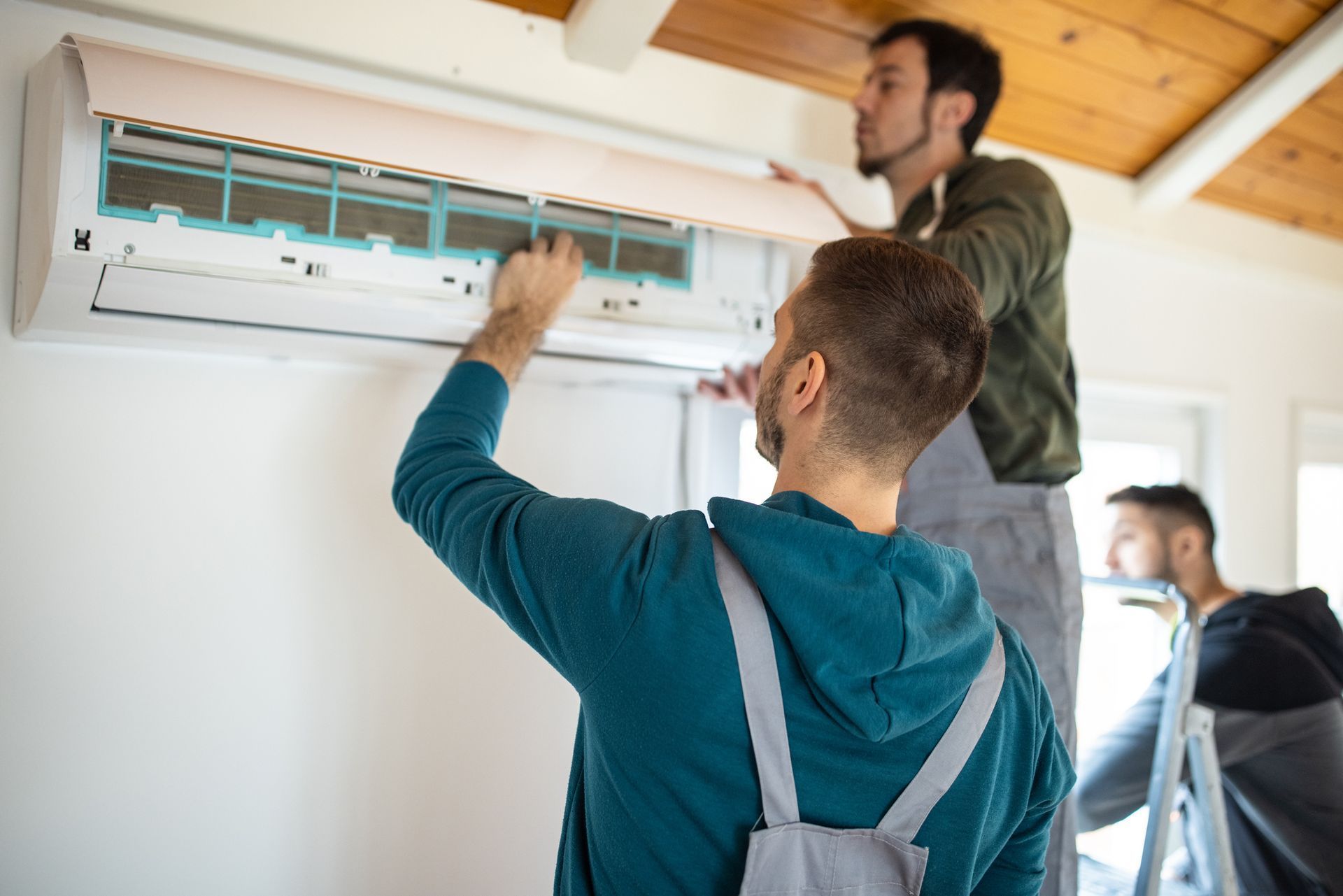
We provide business insurance designed for HVAC contractors. These policies protect your crew, vehicles, and tools while helping you meet project requirements. Every policy is explained clearly and delivered quickly so you can work without delays.

Resources
Insurance Tips for HVAC Contractors
Our blog is built for contractors who want fast answers. Each article covers common questions and risks in under five minutes of reading.


Frequently Asked Question
Common HVAC Contractor Insurance Questions
These FAQs address common contractor questions. As HVACInsure grows, we will update this section with real client experiences and answers.
Why should an HVAC contractor use HVACInsure instead of a general agency?
Specialists understand jobsite requirements, certificate wording, and common endorsements for HVAC work. You get cleaner paperwork, faster approvals, and coverage that fits how your crews operate.
This reduces delays at the gate, avoids gaps, and helps you pass compliance checks the first time.
How fast can I get a Certificate of Insurance (COI)?
Most standard COIs are issued the same business day after binding or updates. If you need additional insured, primary/non-contributory, or waiver language, we prepare it correctly the first time.
Our goal is simple: get your crew on site without paperwork delays.
What coverages do HVAC contractors usually need?
Core policies include General Liability, Commercial Auto, Workers’ Comp, Property/Tools, Inland Marine, and Umbrella. Many projects require higher limits and specific endorsements.
We align your coverage with contract terms and explain each choice in plain language.
Will my tools and scheduled equipment be covered in vans or on jobsites?
Yes. Inland Marine (tools and equipment) can cover items in transit, stored in vehicles, or staged on site.
High-value items can be scheduled, and limits can match your daily field use to keep work moving.
Can I lower my premium without weakening protection?
Often, yes. Clean driver lists, accurate payrolls, safety programs, and bundling policies can help.
We review your profile, request carrier credits, and adjust limits and deductibles to control cost while meeting project requirements.
What should I do after a loss?
Contact us right away so we can file with the correct carrier and set expectations. We guide documentation, next steps, and follow-ups until closure.
Fast reporting and clear records help resolve claims sooner and keep your team focused on work.

Still have questions?
Can’t find the answer you’re looking for? Please chat to our friendly team!
Contact Us