The Strategic Importance of HVAC Insurance in New Development
A single commercial HVAC system can represent an investment of $150,000 to $500,000 or more, depending on building size and complexity. When you multiply that across a multi-unit development, the exposure becomes substantial. New construction developers face a unique risk profile: expensive equipment sits vulnerable on job sites for months, installation errors can remain hidden until systems fail, and subcontractor relationships create liability chains that extend well beyond project completion.
HVAC insurance for new construction developers addresses these specific vulnerabilities through layered coverage strategies. Unlike standard contractor policies, developer-focused coverage must account for equipment in transit, materials stored on-site, installation defects, and the long-term performance obligations that follow certificate of occupancy. The difference between adequate protection and catastrophic loss often comes down to understanding which policies respond to which scenarios.
Consider a recent claim scenario: a developer completed a 200-unit apartment complex, only to discover eighteen months later that improper refrigerant charging had caused compressor failures across 40 percent of units. The repair costs exceeded $180,000, but the real exposure was the general liability claim from tenants who experienced property damage from water leaks. Developers who structure their insurance programs correctly can transfer these risks effectively. Those who rely on subcontractor coverage alone often discover gaps when claims arise.
Mitigating High-Value Equipment Loss During Transit and Storage
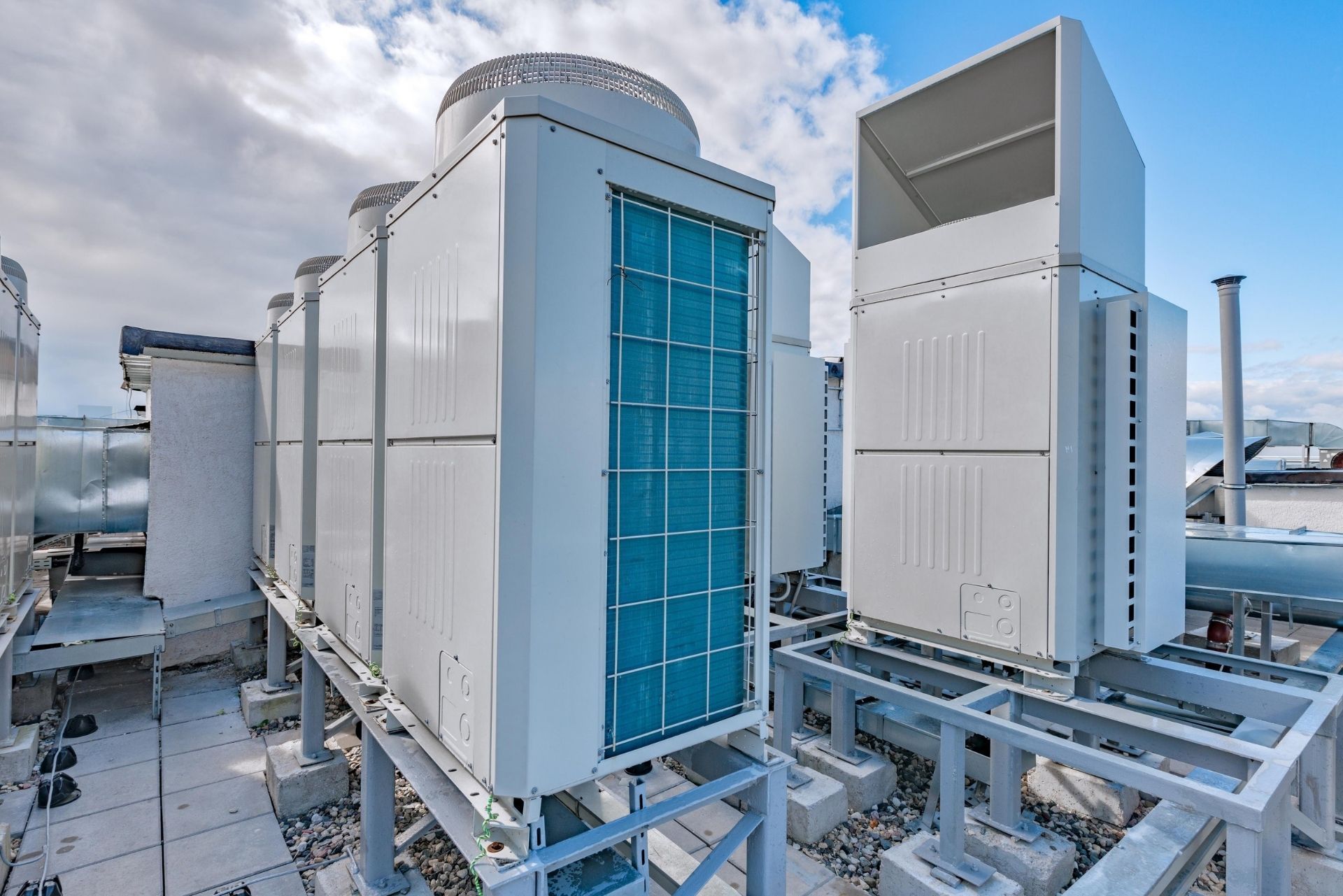
Commercial HVAC equipment faces significant exposure between manufacturer shipment and final installation. Rooftop units, chillers, and air handlers frequently sit on job sites for weeks or months, exposed to theft, vandalism, and weather damage. Standard builder's risk policies typically cover these materials, but coverage limits and deductibles vary widely.
Your policy should specify replacement cost valuation rather than actual cash value for equipment. A two-year-old chiller awaiting installation might depreciate 30 percent under ACV terms, leaving you significantly underinsured. Confirm that coverage extends to equipment stored off-site at staging facilities or subcontractor warehouses. Many policies restrict coverage to the named project location only.
Theft prevention measures directly affect your premiums. Fenced staging areas, security cameras, and GPS tracking on high-value components can reduce rates by 10 to 15 percent with some carriers. Document serial numbers and photograph equipment upon delivery to streamline claims processing if losses occur.
Protecting Against Installation Errors and System Failures
Installation defects represent a persistent exposure that extends years beyond project completion. Improper brazing, incorrect refrigerant charging, and inadequate ductwork sealing can cause system failures long after your subcontractors have moved to other projects. These failures trigger both repair costs and potential liability claims from building occupants.
Completed operations coverage addresses this exposure, but policy terms matter significantly. Some policies exclude claims arising from faulty workmanship, covering only resulting damage. Others provide broader protection that includes correction of the defective work itself. Review your policy language carefully, as the distinction determines whether a $50,000 compressor replacement falls within coverage or becomes an uninsured loss.
Require subcontractors to maintain completed operations coverage for a minimum of three years post-completion. This requirement should appear in your subcontract agreements and be verified through certificate tracking. When subcontractor coverage lapses, your general liability policy becomes the primary target for claims.

HVACInsure is fully licensed and permitted to sell contractor and commercial insurance in Texas.
We proudly serve clients throughout Texas and maintain partnerships with local Texas insurance carriers to ensure HVAC professionals receive compliant, affordable, and comprehensive coverage that meets project and regulatory requirements.
Core Coverage Types for HVAC Projects
Builder's Risk Insurance for Systems Under Construction
Builder's risk insurance protects HVAC equipment and materials from the moment they arrive on-site until substantial completion. Coverage typically includes fire, theft, vandalism, wind damage, and certain water damage scenarios. Standard policies exclude mechanical breakdown and damage from faulty workmanship, though endorsements can modify these exclusions.
| Coverage Element | Standard Builder's Risk | Enhanced HVAC Endorsement |
|---|---|---|
| Equipment in Transit | Often excluded | Included with sublimit |
| Theft from Locked Storage | Covered | Covered with higher limits |
| Testing Damage | Excluded | Covered |
| Commissioning Failures | Excluded | Partial coverage |
| Soft Costs (Delay) | Optional | Typically included |
Soft cost coverage deserves particular attention for HVAC-intensive projects. If equipment damage delays occupancy, you face carrying costs, extended financing charges, and potential lease penalties. A three-month delay on a $20 million project can generate $200,000 or more in soft costs. Confirm your policy includes adequate sublimits for these exposures.
General Liability and Completed Operations Coverage
General liability insurance responds to third-party bodily injury and property damage claims arising from your operations. For HVAC systems, this includes claims from refrigerant leaks, carbon monoxide exposure, and water damage from condensate line failures. The completed operations portion extends coverage to claims arising after project completion.
Your policy limits should reflect the building's occupancy type and value. A 500-unit residential development creates substantially more exposure than a warehouse project of similar construction cost. Work with your broker to model potential claim scenarios and set limits accordingly. Many developers carry $2 million per occurrence with $5 million aggregate limits, though high-rise and healthcare projects often require higher coverage.
Professional Liability for Design-Build HVAC Engineering
Design-build delivery methods create professional liability exposure that general liability policies exclude. If your firm provides engineering services for HVAC system design, or if you contract directly with engineers and assume responsibility for their work product, professional liability coverage becomes essential.
Professional liability policies cover claims alleging design errors, specification defects, and performance failures traceable to engineering decisions. These policies operate on a claims-made basis, meaning coverage must be in force when the claim is made, not when the error occurred. Maintain coverage for at least five years after project completion to address latent defect claims.
Evaluating Subcontractor Insurance Compliance
Verifying Certificates of Insurance and Policy Limits
Certificate of insurance verification represents one of the most neglected risk management functions in construction. A certificate confirms coverage exists on a specific date but provides no guarantee of ongoing coverage. Policies can be cancelled, limits exhausted, or endorsements modified without automatic notification to certificate holders.
Implement a certificate tracking system that requires updated documentation at 90-day intervals throughout the project. Verify that policy limits meet your subcontract requirements: $1 million per occurrence and $2 million aggregate represents a reasonable minimum for HVAC subcontractors. Confirm that the certificate reflects completed operations coverage extending at least two years beyond anticipated project completion.
Request copies of actual policy endorsements for additional insured status and waiver of subrogation provisions. Certificates indicate these endorsements exist, but the endorsement language determines actual coverage scope. Some endorsements provide coverage only for the subcontractor's negligence, while others extend to your sole negligence as well.
Additional Insured Status and Indemnity Agreements
Additional insured endorsements add your company to the subcontractor's liability policy, allowing you to tender claims directly to their carrier. This coverage typically applies only to claims arising from the subcontractor's work, though endorsement language varies. Blanket additional insured endorsements in the subcontractor's policy generally provide broader protection than project-specific endorsements.
Indemnity agreements in your subcontracts create contractual obligations for subcontractors to defend and hold you harmless from claims arising from their work. These agreements work alongside insurance coverage but provide protection even when insurance limits are exhausted or coverage is disputed. State laws vary significantly on enforceable indemnity provisions, so have your construction attorney review your standard language.
Managing Risks Unique to Modern HVAC Technologies
Insuring Energy-Efficient Systems and LEED Requirements
High-efficiency HVAC systems incorporate expensive components that increase replacement costs substantially. Variable refrigerant flow systems, geothermal heat pumps, and energy recovery ventilators can cost two to three times more than conventional equipment. Verify that your builder's risk and property coverage limits reflect these higher values.
LEED certification requirements create additional exposures. If HVAC system failures or replacements compromise your certification, you may face claims from tenants or buyers who contracted for certified space. Some professional liability policies exclude claims related to green building certification, so review your coverage carefully if LEED compliance is contractually required.
Cyber Liability for Smart Building Integration
Modern HVAC systems increasingly connect to building automation networks, creating cyber liability exposures that traditional property and liability policies exclude. A compromised building management system can disable climate control across an entire property, causing both property damage and business interruption losses for tenants.
Cyber liability coverage addresses these exposures through first-party coverage for your own losses and third-party coverage for claims from affected tenants. Policy terms should include coverage for system restoration costs, business interruption, and notification expenses if tenant data is compromised. Annual premiums for adequate cyber coverage typically range from $2,500 to $10,000 for mid-size development operations.
Impact of Project Scope and System Complexity on Rates
Insurance premiums for HVAC-intensive projects reflect equipment values, system complexity, and building occupancy types. Healthcare and laboratory projects command premium surcharges of 15 to 25 percent due to critical system requirements and higher claim severity. High-rise residential projects also face elevated rates due to access difficulties and potential claim volume.
Your loss history significantly affects available rates. Developers with clean five-year claims records typically access preferred pricing tiers, while those with frequency or severity issues may face standard market rates or surplus lines placement. Document your risk management practices and safety programs when approaching carriers for quotes.
Risk Retention Strategies and Deductible Management
Higher deductibles reduce premiums but increase your out-of-pocket exposure on claims. A $25,000 deductible might save 12 to 18 percent on premium compared to a $5,000 deductible, but you must have reserves to absorb losses below that threshold. Calculate your break-even point based on historical claim frequency before selecting deductible levels.
Some developers establish captive insurance programs or funded self-insurance for predictable, high-frequency losses while purchasing excess coverage for catastrophic scenarios. These structures require significant premium volume to be cost-effective, typically $500,000 or more annually across all coverage lines.
Best Practices for Claims Management and Long-Term Warranty Protection
Effective claims management begins before losses occur. Establish documentation protocols that capture equipment installation dates, commissioning reports, and maintenance records. Photograph installations before concealment and retain calibration records for testing equipment. When claims arise, this documentation accelerates processing and supports coverage positions.
Report potential claims promptly, even when coverage is uncertain. Late notice provisions can void coverage entirely, and early carrier involvement often reduces ultimate claim costs through preferred vendor networks and expedited repairs. Maintain a claims log that tracks reported incidents, carrier responses, and resolution timelines.
Frequently Asked Questions
How long should subcontractor completed operations coverage extend after project completion? Require a minimum of three years, though five years provides better protection for latent defect claims. HVAC system failures often manifest 18 to 36 months after installation when seasonal demand first stresses improperly installed components.
Does builder's risk cover HVAC equipment damaged during testing and commissioning? Standard policies typically exclude testing damage. Request a commissioning coverage endorsement if your project involves complex systems requiring extended startup procedures.
What limits should I require from HVAC subcontractors? Minimum $1 million per occurrence and $2 million aggregate for general liability. Professional liability of $1 million is appropriate if the subcontractor provides any design services.
Are smart HVAC system cyber risks covered under standard policies? No. Traditional property and liability policies exclude cyber-related losses. Purchase dedicated cyber liability coverage if your projects incorporate networked building automation systems.
How do I verify that additional insured endorsements actually provide coverage? Request copies of the actual endorsement forms, not just certificates. Review the endorsement language with your broker to confirm coverage scope matches your subcontract requirements.
Structuring HVAC insurance for development projects requires attention to equipment values, subcontractor compliance, and emerging technology risks. Review your current coverage against the exposures outlined here, paying particular attention to completed operations terms and cyber liability gaps. Work with a broker who understands construction risks and can access specialized markets for complex projects. The investment in proper coverage structure pays dividends when claims inevitably arise.

About The Author: James Jenkins
I’m James Jenkins, Founder and CEO of HVACInsure. I work with HVAC contractors and related trades to simplify insurance and make coverage easier to understand. Every day, I help business owners secure reliable protection, issue certificates quickly, and stay compliant so their teams can keep working safely and confidently.
Recognized by National HVAC Trade Associations
These trusted organizations set best practices and standards that carriers rely on when underwriting HVAC risks.
Membership signifies adherence to HVAC industry standards and contractor best practices.
Coverage for Crews, Vehicles, and Tools
Insurance for HVAC Contractors
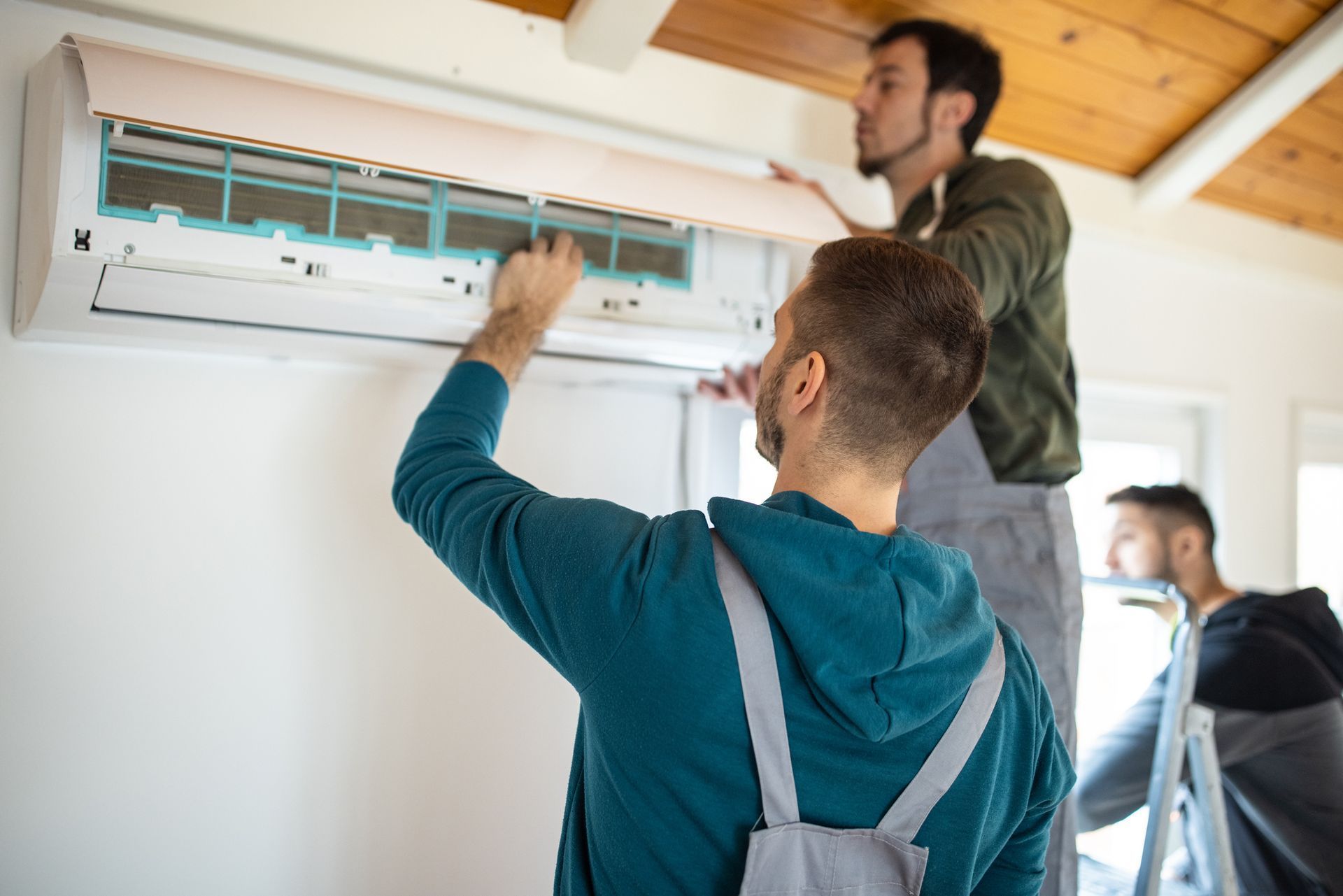
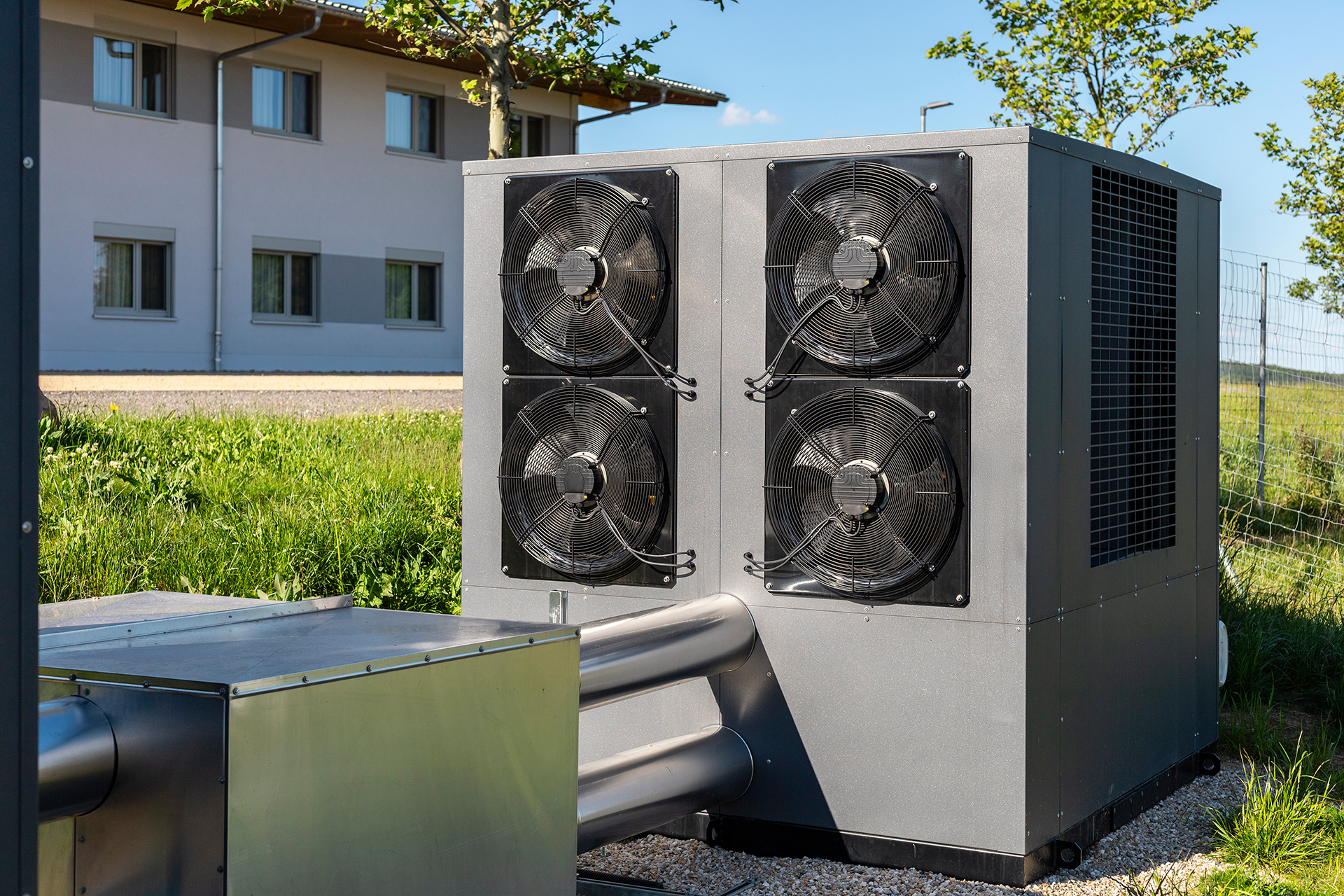
We provide business insurance designed for HVAC contractors. These policies protect your crew, vehicles, and tools while helping you meet project requirements. Every policy is explained clearly and delivered quickly so you can work without delays.

Resources
Insurance Tips for HVAC Contractors
Our blog is built for contractors who want fast answers. Each article covers common questions and risks in under five minutes of reading.


Frequently Asked Question
Common HVAC Contractor Insurance Questions
These FAQs address common contractor questions. As HVACInsure grows, we will update this section with real client experiences and answers.
Why should an HVAC contractor use HVACInsure instead of a general agency?
Specialists understand jobsite requirements, certificate wording, and common endorsements for HVAC work. You get cleaner paperwork, faster approvals, and coverage that fits how your crews operate.
This reduces delays at the gate, avoids gaps, and helps you pass compliance checks the first time.
How fast can I get a Certificate of Insurance (COI)?
Most standard COIs are issued the same business day after binding or updates. If you need additional insured, primary/non-contributory, or waiver language, we prepare it correctly the first time.
Our goal is simple: get your crew on site without paperwork delays.
What coverages do HVAC contractors usually need?
Core policies include General Liability, Commercial Auto, Workers’ Comp, Property/Tools, Inland Marine, and Umbrella. Many projects require higher limits and specific endorsements.
We align your coverage with contract terms and explain each choice in plain language.
Will my tools and scheduled equipment be covered in vans or on jobsites?
Yes. Inland Marine (tools and equipment) can cover items in transit, stored in vehicles, or staged on site.
High-value items can be scheduled, and limits can match your daily field use to keep work moving.
Can I lower my premium without weakening protection?
Often, yes. Clean driver lists, accurate payrolls, safety programs, and bundling policies can help.
We review your profile, request carrier credits, and adjust limits and deductibles to control cost while meeting project requirements.
What should I do after a loss?
Contact us right away so we can file with the correct carrier and set expectations. We guide documentation, next steps, and follow-ups until closure.
Fast reporting and clear records help resolve claims sooner and keep your team focused on work.

Still have questions?
Can’t find the answer you’re looking for? Please chat to our friendly team!
Contact Us