Understanding Insurance Requirements for Public Sector HVAC Contracts
Winning a government contract can transform an HVAC business, but the insurance requirements alone disqualify more bidders than technical deficiencies. Federal agencies and municipalities demand specific coverage types, precise policy limits, and documentation formats that differ substantially from private sector work. Your standard commercial general liability policy, sufficient for residential service calls, will not satisfy a contracting officer reviewing bids for a federal courthouse mechanical upgrade.
HVAC contractor insurance for federal and municipal bid compliance requires careful coordination between your insurance broker, surety provider, and bonding company. A single coverage gap or documentation error can eliminate your bid before anyone evaluates your technical qualifications or pricing. The stakes increase with contract size: a $2 million municipal school HVAC project demands performance bonds, pollution liability endorsements, and workers' compensation certificates that name specific government entities as additional insureds.
Understanding these requirements before you begin the bidding process saves time and prevents costly last-minute scrambles. Many contractors discover insurance deficiencies only after investing significant resources in bid preparation. The procurement timeline rarely allows sufficient time to secure new coverage types or increase policy limits.
Federal vs. Municipal Compliance Standards
Federal contracts follow the Federal Acquisition Regulation, which establishes baseline insurance requirements that contracting officers can increase based on project scope. Municipal requirements vary dramatically by jurisdiction. A school district in Texas may require $2 million in general liability coverage, while a similar project in California demands $5 million with specific pollution endorsements.
Federal procurements typically specify exact coverage amounts in the solicitation documents. Municipal requests for proposals often reference local ordinances or master service agreement templates that contractors must research independently. Some municipalities maintain approved vendor lists requiring pre-qualification insurance reviews months before specific projects become available.
The Role of the Miller Act in HVAC Bonding
The Miller Act mandates performance and payment bonds for federal construction contracts exceeding $150,000. HVAC work on federal buildings, military installations, and government facilities falls under this requirement when the mechanical scope reaches this threshold. Payment bonds protect subcontractors and material suppliers; performance bonds guarantee project completion.
Your
bonding capacity directly limits which federal projects you can pursue. Surety companies evaluate your financial statements, work history, and existing obligations before extending bond lines. A contractor with $500,000 in bonding capacity cannot bid on a $3 million federal mechanical project regardless of technical qualifications.
HVACInsure is fully licensed and permitted to sell contractor and commercial insurance in Texas.
We proudly serve clients throughout Texas and maintain partnerships with local Texas insurance carriers to ensure HVAC professionals receive compliant, affordable, and comprehensive coverage that meets project and regulatory requirements.
Core Insurance Coverages Required for Government Bidding
Government entities require multiple coverage types working together to transfer risk from public agencies to contractors. Missing any single component disqualifies your bid. The following coverages appear in virtually every federal and municipal HVAC solicitation.
General Liability and Umbrella Policy Minimums
Federal contracts typically require $1 million per occurrence and $2 million aggregate general liability coverage. Municipal projects frequently demand higher limits, particularly for work in occupied buildings like schools, hospitals, and government offices. Your base policy may need supplementation with an umbrella or excess liability policy to reach required thresholds.
Umbrella policies provide coverage above your primary general liability limits. A $5 million umbrella over a $1 million general liability policy creates the $6 million total coverage some large municipal projects require. The umbrella must follow form with your underlying coverage, meaning it responds to the same types of claims.
Professional Liability for HVAC Design-Build Projects
Design-build contracts, increasingly common in public sector mechanical work, require professional liability coverage that standard general liability policies exclude. If your firm provides engineering calculations, equipment selection, or system design services, you need errors and omissions coverage protecting against design defects.
Professional liability limits of $1 million to $2 million satisfy most municipal design-build requirements. Federal design-build procurements may specify higher limits based on project complexity. This coverage protects against claims that your design caused system failures, energy inefficiency, or building damage, distinct from the bodily injury and property damage covered by general liability.
Workers' Compensation and Longshore Act Extensions
Every state requires workers' compensation coverage for employees, but federal contracts near navigable waterways demand Longshore and Harbor Workers' Compensation Act extensions. HVAC work at port facilities, shipyards, or waterfront federal buildings triggers this requirement.
Standard workers' compensation policies exclude Longshore Act coverage. You must specifically request this endorsement, which increases premiums by 15% to 25% for affected classifications. Failing to secure this coverage before beginning work exposes your company to federal penalties and contract termination.
Surety Bonds and Financial Guarantee Obligations
Bonds function differently than insurance policies. Insurance protects you from third-party claims; bonds guarantee your performance to the project owner. If you fail to complete work or pay subcontractors, the surety company steps in, then seeks reimbursement from you.
Bid Bonds: Ensuring Serious Intent
Bid bonds, typically 5% to 10% of the contract value, demonstrate your financial commitment to honor your proposal. If you submit the winning bid then refuse to execute the contract, the agency can claim against your bid bond to cover the cost difference between your price and the next lowest bidder.
Surety companies issue bid bonds based on your established bonding relationship. Contractors without existing surety relationships may need 30 to 60 days to establish credit and obtain bid bonds. Starting this process before identifying specific bid opportunities prevents missed deadlines.
Performance and Payment Bonds for Large-Scale Mechanicals
Performance bonds guarantee you will complete the project according to contract specifications. Payment bonds guarantee you will pay subcontractors, suppliers, and laborers. Federal projects over $150,000 require both; municipal thresholds vary but commonly range from $50,000 to $150,000.
Bond premiums typically run 1% to 3% of the contract value, depending on your financial strength and project risk. A $2 million mechanical project may require $40,000 to $60,000 in bond premiums. Factor these costs into your bid pricing, as they represent real project expenses.
The certificate of insurance documents your coverage for the contracting agency. Errors on this single-page document cause more bid disqualifications than inadequate coverage. Understanding COI requirements prevents avoidable rejections.
Common COI Errors That Disqualify HVAC Bidders
Listing incorrect policy numbers, showing expired coverage dates, or omitting required coverage types immediately disqualifies bids. Contracting officers rarely request corrections; they simply move to the next compliant bidder. Your insurance broker must understand government COI requirements, which differ from standard commercial certificates.
Policy effective dates must cover the entire anticipated contract period. A certificate showing coverage expiring mid-project fails compliance review. Request certificates showing your policy renewal dates extending beyond the expected project completion, or provide written commitment to maintain continuous coverage.
Additional Insured Endorsements for Government Entities
Government contracts require naming the agency as an additional insured on your general liability policy. This endorsement extends your coverage to protect the government entity against claims arising from your work. Standard additional insured endorsements may not satisfy specific agency requirements.
Some federal agencies require CG 20 10 and CG 20 37 endorsement forms by name. Municipal contracts may specify blanket additional insured coverage or require separate endorsements for each project. Your policy must include these endorsements before the contracting officer reviews your COI.
Risk Management Strategies for High-Value Public Projects
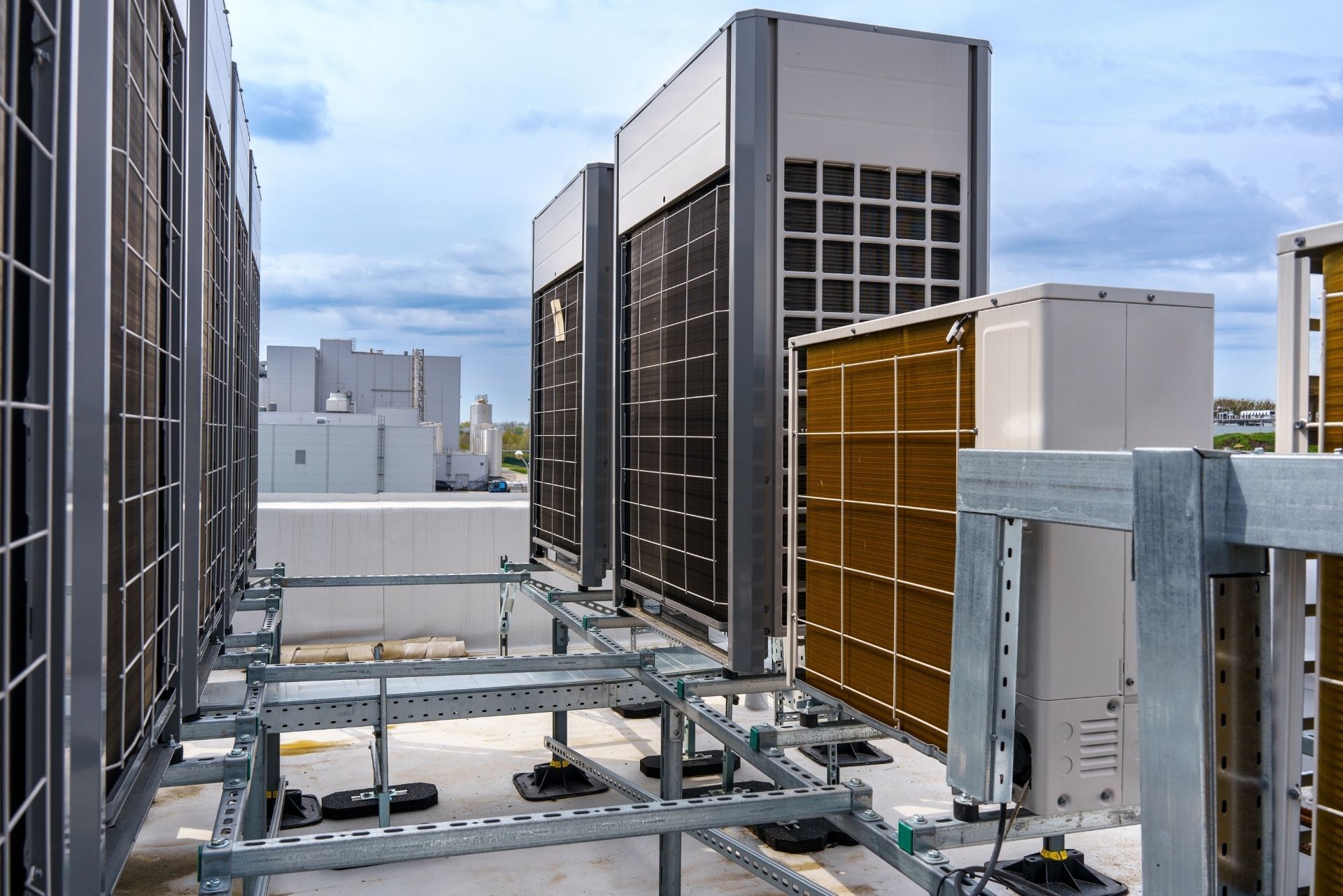
Government HVAC projects present specific risks requiring specialized coverage beyond standard commercial policies. Refrigerant handling, smart building integration, and occupied building work create exposures that can exceed your coverage if not properly addressed.
Pollution and Environmental Liability for Refrigerant Handling
HVAC contractors handle regulated refrigerants subject to EPA enforcement. Accidental releases during system charging, recovery operations, or equipment failures trigger environmental cleanup requirements. Standard general liability policies exclude pollution claims through absolute or total pollution exclusions.
Contractors pollution liability policies cover refrigerant releases, providing defense costs and cleanup expense coverage. Federal facilities often require $1 million to $2 million in pollution coverage. Municipal projects in environmentally sensitive areas may demand higher limits with specific refrigerant endorsements.
Cyber Liability for Smart Building and HVAC Controls Integration
Building automation systems, networked thermostats, and remote monitoring create cyber exposures absent from traditional mechanical work. If your controls integration work allows unauthorized building access or data breaches, cyber liability coverage responds to resulting claims.
Federal facilities with classified or sensitive operations increasingly require cyber coverage from HVAC contractors connecting equipment to building networks. Coverage limits of $500,000 to $1 million satisfy most current requirements, though this emerging risk area sees frequent specification changes.
Maintaining Long-Term Eligibility for Municipal Master Service Agreements
Master service agreements provide ongoing work without repeated bidding, but they require continuous insurance compliance. Coverage lapses, even brief ones during policy renewals, can terminate your agreement and require complete re-qualification.
| Coverage Type | Typical Municipal Minimum | Federal Minimum | Renewal Lead Time |
|---|---|---|---|
| General Liability | $2M aggregate | $2M aggregate | 30 days |
| Professional Liability | $1M per claim | $1M per claim | 45 days |
| Workers' Compensation | Statutory limits | Statutory plus USL&H | 30 days |
| Pollution Liability | $1M per occurrence | $1M per occurrence | 60 days |
Schedule annual insurance reviews 90 days before policy renewals. This timeline allows sufficient time to address coverage changes, secure competitive quotes, and update certificates without compliance gaps. Establish calendar reminders for each policy expiration date.
Frequently Asked Questions
How long does it take to increase my bonding capacity for larger federal projects? Surety companies typically need 30 to 60 days to review financial statements and work history for significant capacity increases. Plan bonding discussions at least 90 days before bidding on projects exceeding your current limits.
Can I use my existing commercial insurance for government bids? Your existing policies may satisfy some requirements, but government contracts typically demand higher limits, specific endorsements, and additional insured status that require policy modifications.
What happens if my insurance lapses during a federal contract? Contract termination for default is the most common outcome. The contracting officer may assess costs for replacement contractor procurement against your performance bond.
Do subcontractors need the same insurance as prime contractors? Subcontractors typically need coverage meeting prime contract flow-down requirements, though limits may differ. You remain responsible for ensuring subcontractor compliance.
How do pollution liability requirements differ between federal and municipal projects? Federal facilities often require contractors pollution liability regardless of project scope. Municipal requirements vary significantly, with some jurisdictions requiring coverage only for projects involving refrigerant quantities exceeding specific thresholds.
Your Path to Government Contract Readiness
Securing HVAC contractor insurance for federal and municipal bid compliance requires advance planning, specialized coverage, and meticulous documentation. The investment in proper insurance positions your company for contract opportunities unavailable to less-prepared competitors. Begin your insurance review now, establish surety relationships before specific opportunities arise, and maintain continuous compliance documentation. Government HVAC work offers stable revenue and growth potential for contractors willing to meet rigorous insurance standards.

About The Author: James Jenkins
I’m James Jenkins, Founder and CEO of HVACInsure. I work with HVAC contractors and related trades to simplify insurance and make coverage easier to understand. Every day, I help business owners secure reliable protection, issue certificates quickly, and stay compliant so their teams can keep working safely and confidently.
Recognized by National HVAC Trade Associations
These trusted organizations set best practices and standards that carriers rely on when underwriting HVAC risks.
Membership signifies adherence to HVAC industry standards and contractor best practices.
Coverage for Crews, Vehicles, and Tools
Insurance for HVAC Contractors
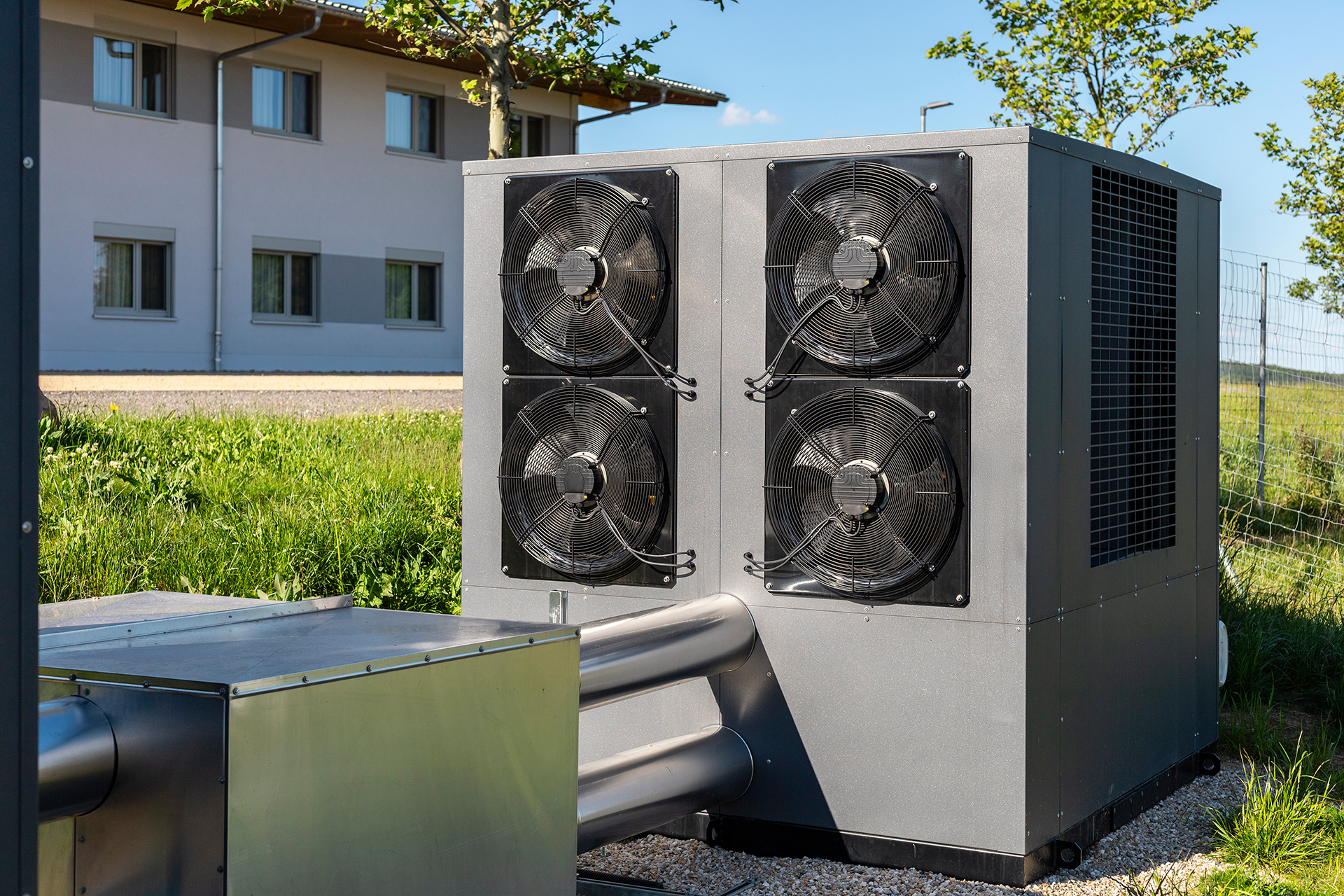
We provide business insurance designed for HVAC contractors. These policies protect your crew, vehicles, and tools while helping you meet project requirements. Every policy is explained clearly and delivered quickly so you can work without delays.


Resources
Insurance Tips for HVAC Contractors
Our blog is built for contractors who want fast answers. Each article covers common questions and risks in under five minutes of reading.


Frequently Asked Question
Common HVAC Contractor Insurance Questions
These FAQs address common contractor questions. As HVACInsure grows, we will update this section with real client experiences and answers.
Why should an HVAC contractor use HVACInsure instead of a general agency?
Specialists understand jobsite requirements, certificate wording, and common endorsements for HVAC work. You get cleaner paperwork, faster approvals, and coverage that fits how your crews operate.
This reduces delays at the gate, avoids gaps, and helps you pass compliance checks the first time.
How fast can I get a Certificate of Insurance (COI)?
Most standard COIs are issued the same business day after binding or updates. If you need additional insured, primary/non-contributory, or waiver language, we prepare it correctly the first time.
Our goal is simple: get your crew on site without paperwork delays.
What coverages do HVAC contractors usually need?
Core policies include General Liability, Commercial Auto, Workers’ Comp, Property/Tools, Inland Marine, and Umbrella. Many projects require higher limits and specific endorsements.
We align your coverage with contract terms and explain each choice in plain language.
Will my tools and scheduled equipment be covered in vans or on jobsites?
Yes. Inland Marine (tools and equipment) can cover items in transit, stored in vehicles, or staged on site.
High-value items can be scheduled, and limits can match your daily field use to keep work moving.
Can I lower my premium without weakening protection?
Often, yes. Clean driver lists, accurate payrolls, safety programs, and bundling policies can help.
We review your profile, request carrier credits, and adjust limits and deductibles to control cost while meeting project requirements.
What should I do after a loss?
Contact us right away so we can file with the correct carrier and set expectations. We guide documentation, next steps, and follow-ups until closure.
Fast reporting and clear records help resolve claims sooner and keep your team focused on work.

Still have questions?
Can’t find the answer you’re looking for? Please chat to our friendly team!
Contact Us