Washington State Clean Air & Filtration Specialist Insurance
or call us: 888-862-1202
When a client calls because wildfire smoke has seeped into their office or diesel fumes are leaking into a daycare, every decision a clean air or filtration professional makes is on the line. In Washington, that pressure is amplified by documented air quality challenges. The Washington State Department of Health estimates that about 900,000 residents live within a quarter mile of heavy traffic roadways, which means higher exposure to diesel and gasoline exhaust and higher expectations placed on the experts hired to protect their indoor air.
Those expectations turn into contracts, safety promises, performance guarantees, and sometimes lawsuits. A single misstep during a retrofit project, a filter that does not perform as advertised, or a misinterpreted air quality report can quickly become an expensive claim. Solid insurance does more than check a box for a contractor license or vendor agreement. It protects the business, the people who work in it, and the reputation that keeps referrals coming.
Why Clean Air Work in Washington Carries Unique Risks
Clean air specialists in Washington operate in a state where air quality is part of everyday policy discussions. Urban corridors with heavy traffic, communities near industrial facilities, and regions repeatedly affected by wildfire smoke all look to ventilation and filtration experts for solutions. When a business markets itself as the answer to those problems, expectations around safety and performance rise as well. That is where liability risk starts to grow.
State regulators have made it clear that air pollution and environmental justice are front and center. The director of the Washington State Department of Ecology, Laura Watson, has emphasized that recent findings on pollution burdens highlight the importance of strong air quality and environmental justice provisions in state law. For businesses that design, install, or maintain filtration systems, that emphasis translates into closer scrutiny, more detailed permitting and inspection processes, and a legal landscape that may be less forgiving when something goes wrong.
On top of that, many contracts now tie air quality results directly to performance benchmarks. If a new filtration system fails to deliver the promised particulate reduction, a client can claim lost income, occupant health concerns, or regulatory noncompliance. Even when the professional ultimately prevails, defending that claim can cost serious money. Good insurance is what keeps a dispute from becoming a financial crisis.

HVACInsure is fully licensed and permitted to sell contractor and commercial insurance in Washington.
We insure HVAC contractors throughout Washington and in 47 other states, providing compliant, affordable, and comprehensive coverage that meets project and regulatory requirements.
Core Insurance Policies Every Filtration Specialist Should Consider
Whether the business focuses on commercial HVAC retrofits, residential indoor air quality audits, or industrial filtration design, several types of insurance tend to form the backbone of a strong protection plan. Each policy addresses a different way things can go wrong, and together they create a safety net around the work, the equipment, and the people involved.
General liability is the starting point for most clean air and filtration operations. It responds if a third party claims bodily injury or property damage due to the business activities. A technician drops a fan housing on a client’s staircase, a visitor trips over ducting on a jobsite, or cleaning chemicals damage a server rack in a data center. Those incidents are classic general liability territory. Professional liability takes over when the allegation is that the advice or design was faulty. If a consultant specifies a filtration system that fails to meet a regulatory standard and the client is fined, the dispute is about professional judgment, not just physical damage.
Pollution liability is often where clean air businesses underestimate their exposure. Filtration and ventilation work is literally about capturing and moving pollutants. If a system is installed incorrectly and contaminated air is vented toward a neighboring property, or if a contractor disturbs accumulated particulates in ductwork that then spread through a building, those claims may fall into pollution exclusions in standard policies. Dedicated pollution or environmental impairment coverage can close that gap. To round things out, most firms also need workers compensation for employee injuries,
commercial auto for vehicles, and property coverage for tools, inventory, and business interruption.
| Coverage type | What it protects | Best suited for |
|---|---|---|
| General Liability | Third party bodily injury and property damage from day to day operations | Any business visiting client sites or hosting visitors at a shop |
| Professional Liability | Claims that design, consulting, or recommendations were negligent or incomplete | Engineers, system designers, air quality consultants, commissioning agents |
| Pollution Liability | Allegations related to release, migration, or failure to control pollutants | Contractors handling filtration media, exhaust routing, or contaminated ductworkd ductwork |
| Workers Compensation | Medical costs and lost wages for injured employees | Any employer with technicians or installers in the field in the field |
| Commercial Auto | Accidents involving business vehicles, including liability and physical damage | Fleets of service vans, box trucks delivering equipment, sales cars |
| Property and Business Income | Damage to offices, warehouses, tools, and loss of income after a covered event | Shops with significant inventory, custom equipment, or fabrication space |
Designing Coverage Around Washington’s Air Quality Landscape
Insurance for a Washington filtration specialist cannot be built in a vacuum. State climate and air quality policy shape both the risks and the expectations placed on contractors. When new rules tighten allowable emissions or require better filtration in certain buildings, businesses that help clients comply face more demand, but also more responsibility.
A landmark example is the Climate Commitment Act, which created a cap and invest program to help enforce greenhouse gas emission limits starting in 2021. As carbon pricing and related regulations ripple through the economy, facility owners feel pressure to modernize ventilation, reduce energy waste, and prove that their systems support both climate and health goals. Clean air professionals often find themselves at the center of that effort, integrating high efficiency filtration with energy conscious HVAC design. Contracts may now specify not only comfort targets, but emissions impacts and indoor air quality outcomes that align with regulatory programs.
From an insurance perspective, this means contracts and scopes of work deserve much closer attention. If a bid promises compliance with a particular standard, but the standard changes mid project, the client still may expect the end result to qualify. Professional liability and pollution policies that are tailored for Washington work should be reviewed for how they handle changing regulations, retroactive dates for prior work, and claims that arise years after a project is completed.
Managing Wildfire Smoke, Indoor Air Quality, and Technology Risk
Wildfire smoke seasons have turned indoor air quality into a high stakes issue for homes, schools, healthcare facilities, and offices across the region. Clients now ask pointed questions about filter ratings, smoke specific performance, and how long systems will hold up under extreme conditions. Recent research has added complexity. For example, a 2025 study on wildfire smoke and HVAC filters found that some charged polymer filters lose efficiency quickly when exposed to smoke particles, suggesting that common testing methods do not fully capture real world performance.
When design choices lean on emerging technologies or less proven products, the risk of performance disputes increases. A contractor who specifies a filter based largely on a manufacturer’s marketing sheet can be pulled into a claim if a building fills with smoke during a severe event. Professional liability coverage should be broad enough to address allegations that product selection, system design, or maintenance recommendations were inadequate. Completed operations coverage under general liability and any applicable pollution policy should also be checked for how they treat smoke related claims, since post project failures are often where disputes arise.
Technology itself brings additional exposures. Many clean air systems now rely on building automation, remote monitoring, or smart sensors that tie indoor air quality data to ventilation adjustments. If a software glitch or misconfigured controller leaves occupants exposed to high particulate levels, questions about fault become more tangled. Cyber liability or technology errors coverage can complement traditional insurance by responding if a networked control system is compromised or malfunctions in ways not fully covered by general or professional liability.

Sector Specific Exposures: Residential, Commercial, and Industrial Clients
The risks a filtration specialist faces on a single family retrofit are very different from those on a refinery exhaust project or a hospital isolation ward. Insurance should reflect those differences. Residential work tends to focus on access issues, property damage, and personal injury risks. Scratched hardwood floors, damaged cabinets, or a ladder fall on a client’s driveway are familiar claim scenarios. Clear jobsite procedures and general liability tailored to in home work go a long way.
Industrial and energy sector projects raise the stakes considerably. Refineries and similar facilities are not only complex technical environments, they are economic anchors in their regions. A Washington State Refinery Economic Impact Study highlights that these plants are major local employers, often paying higher wages than many surrounding industries. That economic importance tends to be mirrored in tight safety protocols, detailed vendor requirements, and aggressive contract language. A filtration contractor working on flare gas recovery, stack emissions control, or process ventilation may face large indemnity clauses, high required insurance limits, and potential exposure to significant business interruption or environmental claims.
Healthcare and laboratory clients bring another set of concerns. Here, a poorly balanced system or failed filtration upgrade is not just an inconvenience. It can disrupt surgeries, contaminate sensitive research, or contribute to infection risks. Those clients often demand evidence of professional liability, pollution coverage, and sometimes specialty endorsements addressing pathogen or contamination scenarios. Clean room work, negative pressure isolation rooms, and lab exhaust systems all require extra care in how scope, responsibilities, and insurance are structured.
- For residential and small commercial projects, focus on tight documentation, clear before and after photos, and easy to understand maintenance instructions.
- For hospitals, labs, and large campuses, invest in formal commissioning reports, third party testing when appropriate, and explicit sign offs from facility managers.
- For industrial sites, pay close attention to contract language, subcontractor insurance requirements, and how your policies respond to work inside high hazard facilities.
Risk Management Tips That Help Keep Premiums Reasonable
Insurers reward clean air and filtration businesses that can show consistent, documented risk control. Underwriters know that not every project goes smoothly. What they look for is whether the company has a system for preventing avoidable losses and dealing with problems early. That starts with training. Technicians should be comfortable not only with tools and equipment, but also with recognizing confined spaces, electrical hazards, and situations where a project scope is drifting into design decisions that belong with an engineer.
Standardized procedures make a difference too. Checklists for site surveys, duct cleaning, filter changes, and system startups reduce the chance that a key step gets skipped on a busy day. Written protocols for handling and disposing of used filters or contaminated materials matter for pollution exposure as well. On the paperwork side, using consistent contracts that have been reviewed by legal counsel or an experienced broker helps avoid nasty surprises in indemnity or warranty clauses.
Vehicle and driving risk is often overlooked in this industry. Service vans and box trucks move people, tools, and equipment all day, often in heavy traffic or bad weather. A formal fleet safety program with driver vetting, regular maintenance, clear policies about distracted driving, and timely reporting of accidents can significantly improve how insurers view the account. That can help keep commercial auto premiums in check and may even open the door to better overall pricing when carriers see a safety minded culture.
Frequently Asked Questions for Washington Clean Air Businesses
Clean air and filtration work tends to raise the same insurance questions again and again, especially for smaller firms that are growing fast or moving into more specialized projects. The following answers give a starting point, but any real coverage decisions should be made with a licensed insurance professional who understands Washington’s regulatory and construction environment.
Do clean air contractors really need pollution liability if they already have general liability?
General liability policies often contain exclusions for pollution or contaminant related claims. Since filtration, duct cleaning, and exhaust routing directly involve moving pollutants, relying only on general liability can leave serious gaps. A pollution liability policy or endorsement tailored to the kind of work the business performs helps ensure that a release, migration, or failure to control contaminants does not fall into an uncovered zone.
How much professional liability coverage should a filtration consultant carry?
The right limit depends on project size, client type, and contract requirements. A sole proprietor doing residential assessments may need less than an engineering firm designing hospital isolation systems or refinery exhaust upgrades. Instead of guessing, it is better to look at the largest potential project on the horizon and work backward from the worst case financial harm that a design or recommendation error could realistically cause.
Are wildfire smoke and indoor air quality claims usually covered?
Coverage for smoke related issues depends heavily on policy wording and the specific facts of the loss. Some general and property policies address smoke from sudden, accidental events, while ongoing or pollution related smoke issues may fall under exclusions or require environmental coverage. For contractors whose work is marketed around wildfire readiness or smoke mitigation, it is wise to have a broker review policies with that exact scenario in mind.
Does working on refineries or heavy industry always require special insurance?
Large industrial clients often set minimum insurance limits and coverage types that go beyond what a smaller contractor carries for residential or light commercial work. That does not always mean special or obscure policies are needed, but it usually means higher limits and more detailed certificates. Reviewing bid documents early gives time to adjust coverage or negotiate terms before committing to work that the current insurance program cannot support.
How important is cyber or technology coverage for filtration specialists?
As more systems rely on building automation, remote monitoring, and cloud based reporting, a malfunction or breach in those tools can cause real financial harm. Cyber or technology errors coverage can help if a networked control system is compromised, data on air quality or compliance is lost, or a software issue contributes to indoor air problems that lead to client claims.
Can a strong safety and quality program really lower insurance costs?
Insurers look closely at loss history, safety culture, and quality control when pricing accounts. Documented training, written procedures, and a track record of few and well managed claims can make a business more attractive to carriers, which often leads to better pricing or more coverage options over time.
Key Takeaways for Washington Filtration Professionals
Clean air and filtration specialists in Washington operate at the intersection of public health, climate policy, and building performance. That position creates opportunity, but it also amplifies risk. State data on traffic related pollution, wildfire smoke impacts, and the burden on vulnerable communities underline why regulators, building owners, and the public watch this work so closely. Insurance is one of the few tools that can absorb the financial shock when a project goes sideways, a product fails in the field, or a design choice is challenged years later.
The industry is also evolving quickly. Studies such as recent research on V-shaped filters integrated with catalyst technologies show how advanced filtration approaches are pushing performance boundaries for pollutant removal. As businesses adopt new technologies and tackle more complex projects, their insurance programs need to evolve in parallel. That means reassessing liability limits as average project size grows, adding pollution or cyber coverage when work expands into new risk areas, and keeping contracts aligned with what policies will actually cover. With thoughtful risk management and well structured insurance, Washington clean air professionals can focus on what they do best: helping people breathe easier, even when the air outside is working against them.
Recognized by National HVAC Trade Associations
These trusted organizations set best practices and standards that carriers rely on when underwriting HVAC risks.
Membership signifies adherence to HVAC industry standards and contractor best practices.
Coverage for Crews, Vehicles, and Tools
Insurance for HVAC Contractors
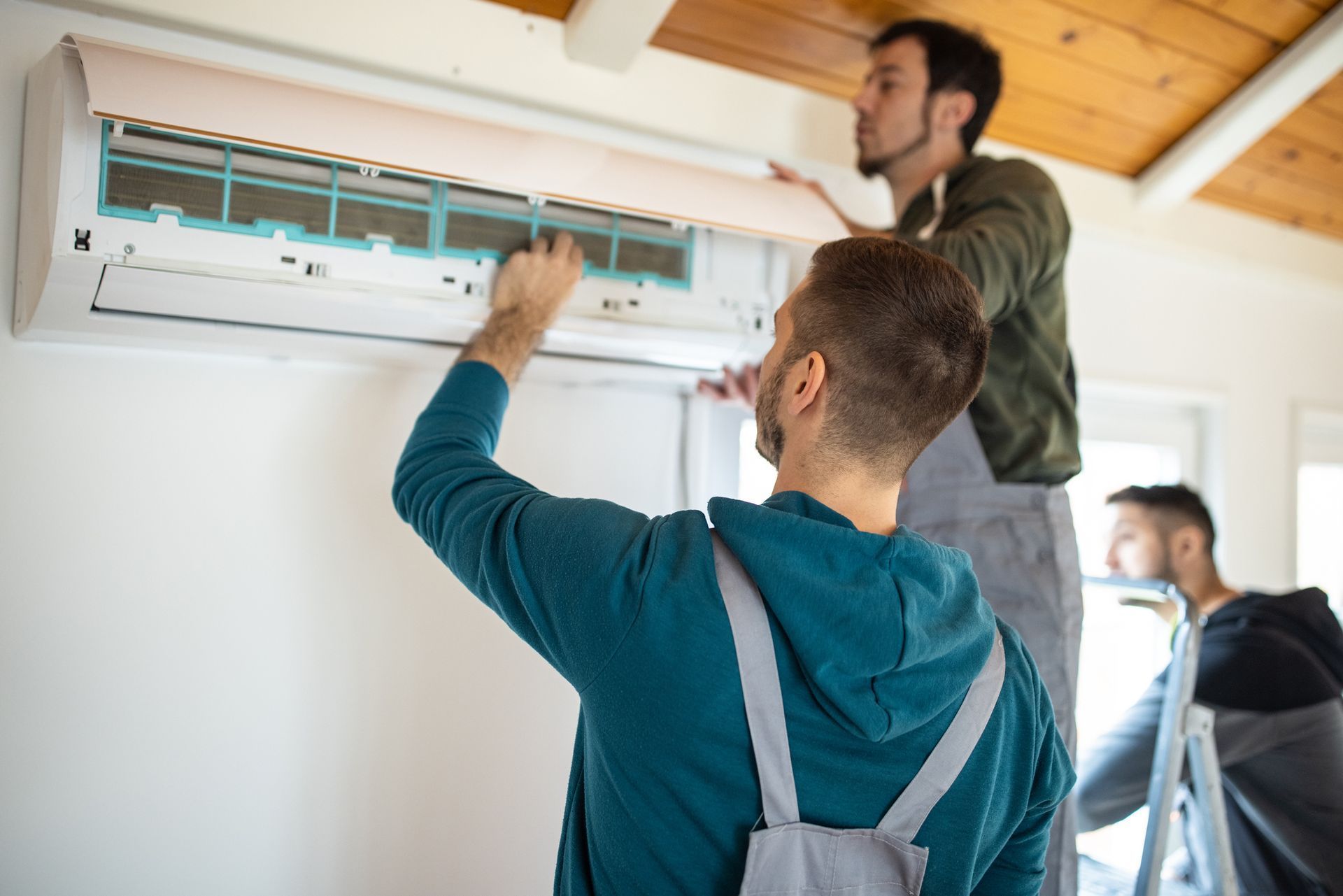
We provide business insurance designed for HVAC contractors. These policies protect your crew, vehicles, and tools while helping you meet project requirements. Every policy is explained clearly and delivered quickly so you can work without delays.
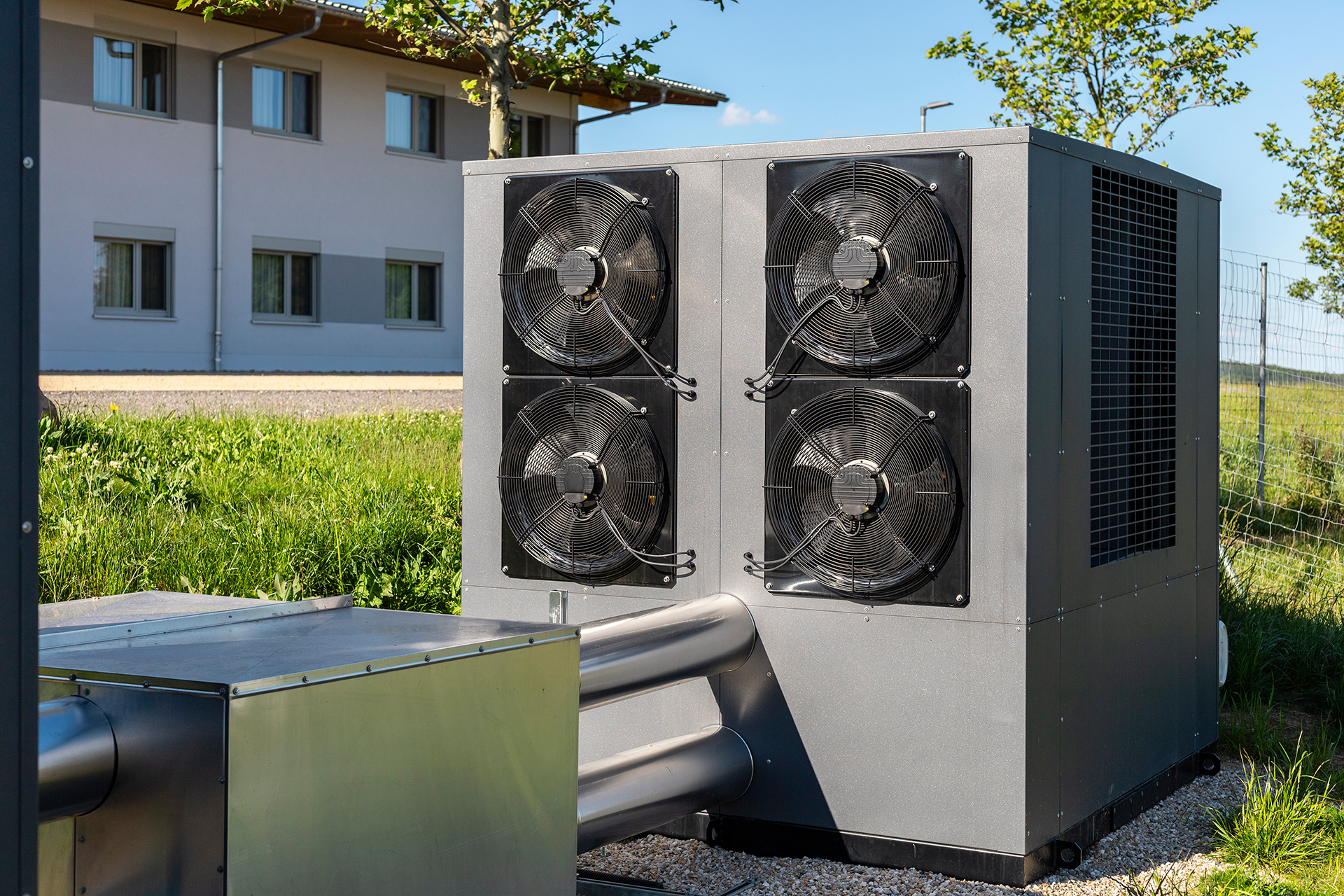

Resources
Insurance Tips for HVAC Contractors
Our blog is built for contractors who want fast answers. Each article covers common questions and risks in under five minutes of reading.


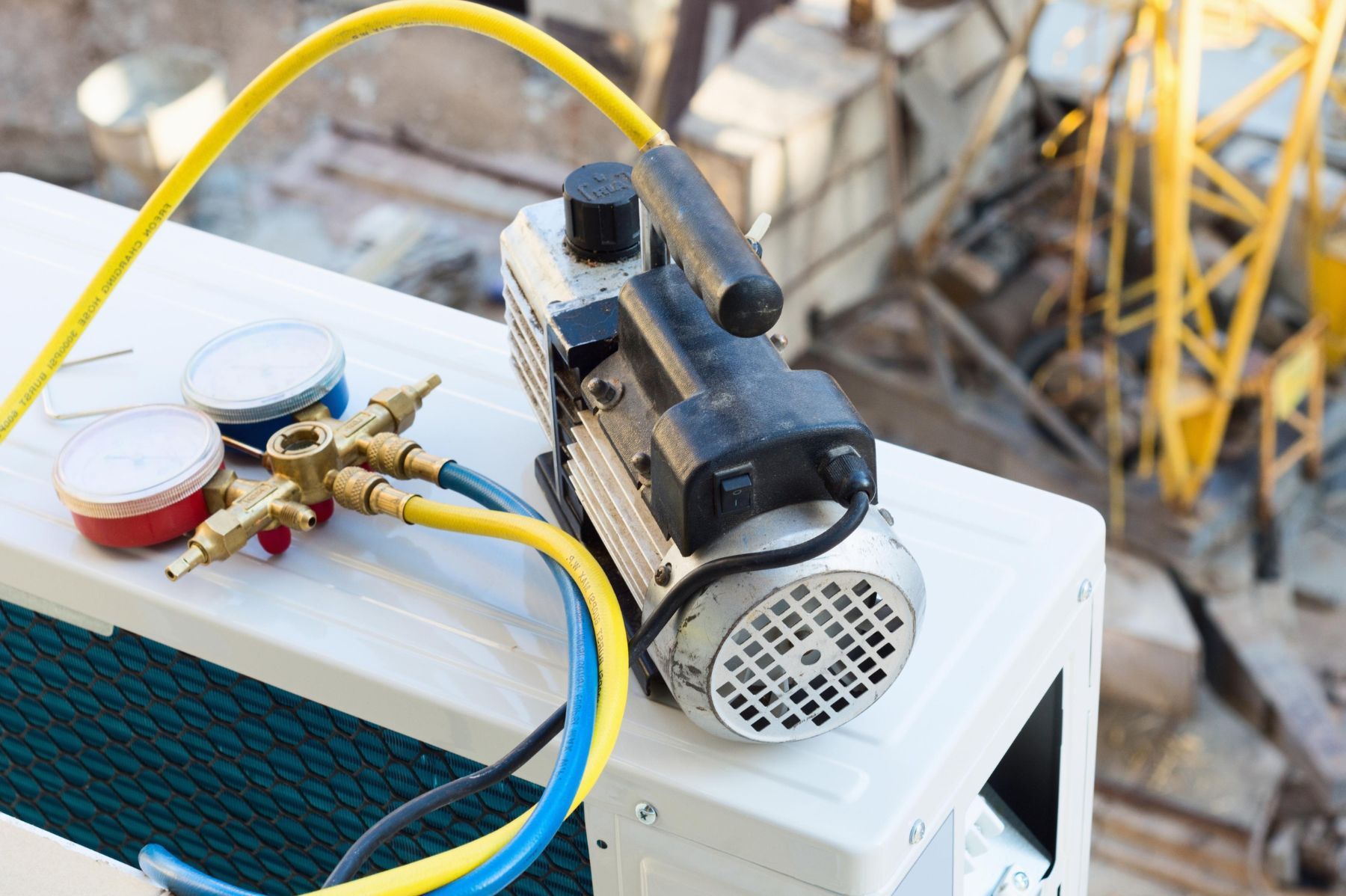
Frequently Asked Question
Common HVAC Contractor Insurance Questions
These FAQs address common contractor questions. As HVACInsure grows, we will update this section with real client experiences and answers.
Why should an HVAC contractor use HVACInsure instead of a general agency?
Specialists understand jobsite requirements, certificate wording, and common endorsements for HVAC work. You get cleaner paperwork, faster approvals, and coverage that fits how your crews operate.
This reduces delays at the gate, avoids gaps, and helps you pass compliance checks the first time.
How fast can I get a Certificate of Insurance (COI)?
Most standard COIs are issued the same business day after binding or updates. If you need additional insured, primary/non-contributory, or waiver language, we prepare it correctly the first time.
Our goal is simple: get your crew on site without paperwork delays.
What coverages do HVAC contractors usually need?
Core policies include General Liability, Commercial Auto, Workers’ Comp, Property/Tools, Inland Marine, and Umbrella. Many projects require higher limits and specific endorsements.
We align your coverage with contract terms and explain each choice in plain language.
Will my tools and scheduled equipment be covered in vans or on jobsites?
Yes. Inland Marine (tools and equipment) can cover items in transit, stored in vehicles, or staged on site.
High-value items can be scheduled, and limits can match your daily field use to keep work moving.
Can I lower my premium without weakening protection?
Often, yes. Clean driver lists, accurate payrolls, safety programs, and bundling policies can help.
We review your profile, request carrier credits, and adjust limits and deductibles to control cost while meeting project requirements.
What should I do after a loss?
Contact us right away so we can file with the correct carrier and set expectations. We guide documentation, next steps, and follow-ups until closure.
Fast reporting and clear records help resolve claims sooner and keep your team focused on work.

Still have questions?
Can’t find the answer you’re looking for? Please chat to our friendly team!
Contact Us