Texas Residential & Light Commercial HVAC Technician Insurance
or call us: 888-862-1202
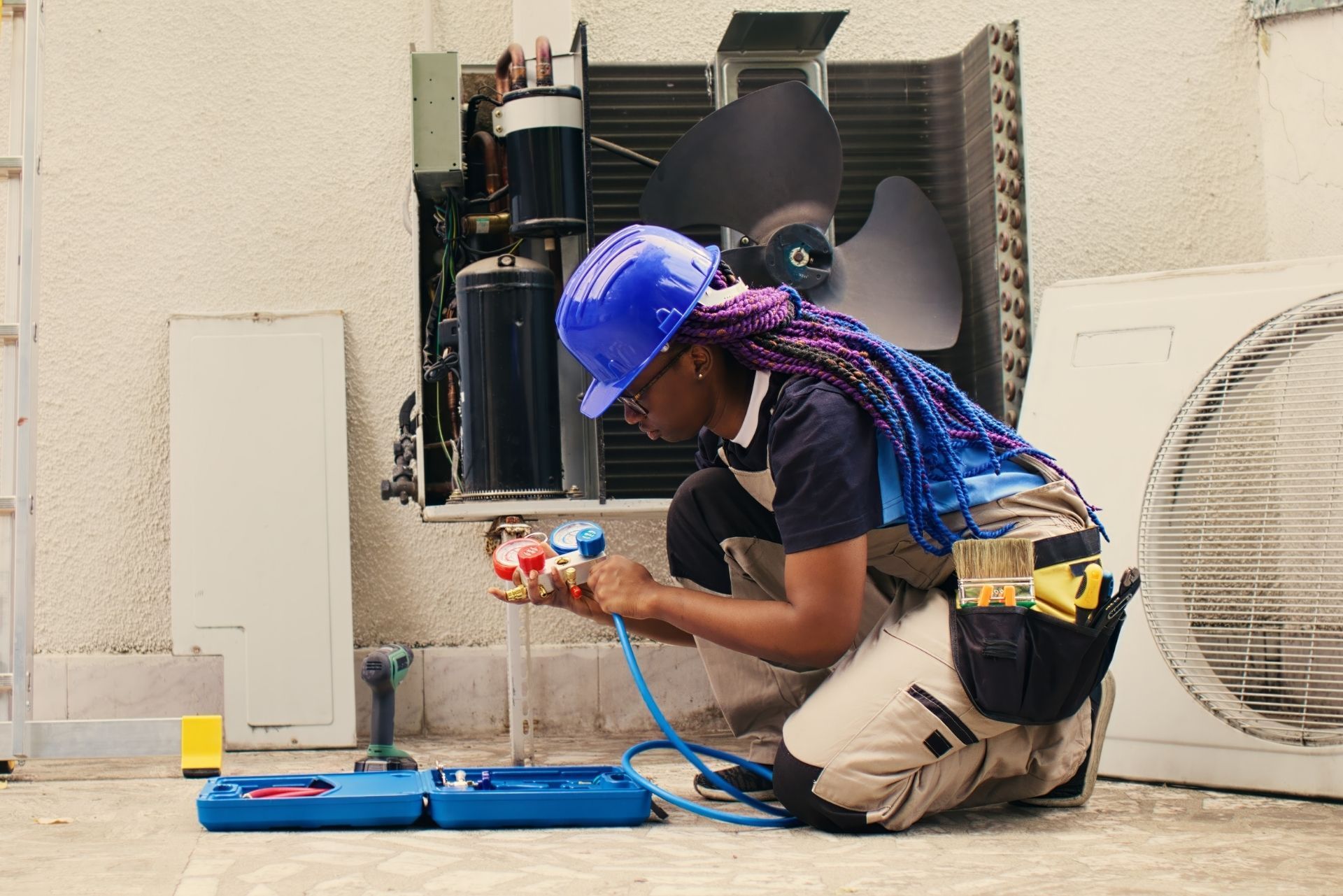
A leaking air handler in an attic, a ladder that slips on a client’s driveway, a condenser that gets stolen off a job site. For Texas HVAC technicians and small contractors, it does not take much for a routine service call to turn into a serious insurance claim. At the same time, the HVAC sector is growing fast, with the U.S. market projected to exceed 290 billion dollars by the end of 2025, growing at a compound annual rate above six and a half percent according to Expert Air Co.. More work and more systems in the field mean more risk to manage.
This guide walks through the coverage most Texas residential and light commercial HVAC technicians need, how Texas specific conditions affect your risk, and practical steps that can keep both claims and premiums under control. The goal is simple, to help technicians and small shop owners understand insurance in plain language and make smarter decisions before the next busy season hits.
Why Texas HVAC technicians need tailored insurance
HVAC work blends physical labor, technical systems, and customer interaction. That mix creates a wide range of ways things can go wrong. Technicians work on roofs, in attics, crawlspaces, mechanical rooms, and parking lots. They drive between jobs with tools and equipment in their vehicles. They advise customers on system sizing, duct design, efficiency, and safety. Every one of those activities carries liability and property exposure.
Texas adds an extra layer of risk. Extended heat waves push air conditioning systems to the limit, so breakdowns are common and response times are tight. Property values in many Texas markets have climbed sharply in recent years, which means the average home or small commercial space you service is more expensive to repair or replace. Between 2019 and 2023, median home prices in Texas increased by about forty percent, contributing to higher insurance premiums for property owners across the state according to the Texas Department of Insurance. When a mistake or accident involves a higher value property, the numbers on a claim can escalate quickly.
General business policies do not always capture those realities. A generic contractor package might overlook how much time techs spend driving, the risk of working around electrical panels and gas lines, or the financial impact of a botched installation that forces a system redesign. That is why insurers and agents often treat residential and light commercial HVAC work as its own risk category, with coverage options and limits that reflect the actual way technicians operate.
HVACInsure is fully licensed and permitted to sell contractor and commercial insurance in Texas.
We proudly serve clients throughout Texas and maintain partnerships with local Texas insurance carriers to ensure HVAC professionals receive compliant, affordable, and comprehensive coverage that meets project and regulatory requirements.
Main types of insurance for residential & light commercial HVAC work
A solid insurance setup for an HVAC technician or small shop usually starts with a handful of core coverages. These policies work together. Each one picks up different kinds of loss, from someone slipping on a wet floor to a lawsuit over a system that never worked correctly.
General liability insurance
General liability is the baseline for almost any HVAC operation. It responds when your work allegedly causes bodily injury or property damage to someone else. Think about a condensate line you installed that leaks and ruins a customer’s hardwood floors, or a refrigerant cylinder that gets knocked over and injures a building engineer. If the customer sues or demands reimbursement, general liability is usually the policy that comes into play.
It can also respond to certain personal and advertising injury claims, such as a dispute over something said in your marketing materials. For most techs and small contractors, the main concern is still physical damage and injury on jobsites, but those extra protections are helpful in the background.
Commercial property and tools coverage
Even small HVAC operations rely on a surprising amount of gear. Service vans carry recovery machines, manifolds, meters, hand tools, ladders, and sometimes portable lifts. Shops may store inventory, spare parts, and multiple systems waiting for installation. Commercial property insurance is what protects your own physical assets against covered events like fire or theft at your shop location.
For gear that travels with your crews, an inland marine or tools and equipment policy is usually needed. Standard property insurance often limits coverage once items leave the insured location. A tools and equipment form follows your property from jobsite to jobsite, whether a thief breaks into a van or a unit is damaged while being moved across a roof.
Commercial auto insurance
Service vehicles are often the most visible part of an HVAC business. They are also one of the largest sources of potential claims. Commercial auto insurance covers liability if a driver causes an accident while on the job. It can also be structured to protect your vehicles themselves, as well as trailers or mounted equipment, against collision or certain other perils.
An HVAC operation with techs crisscrossing a metro area each day has very different driving patterns than an office based company. Insurers look closely at driver histories, vehicle types, and safety practices when pricing this coverage. Maintaining clean driving records and consistent fleet safety processes is one of the most direct ways to keep overall insurance costs under control.
Workers compensation and employers liability
HVAC work exposes employees to lifting injuries, falls from ladders, electrical contact, and heat stress, among other hazards. Workers compensation coverage is designed to handle medical bills and lost wages for employees who are injured or made ill by their work. In many situations it also limits the ability of injured employees to sue the employer over the incident, which helps provide stability for both sides.
Employers liability, often included with workers compensation, responds when an employee or family member brings a lawsuit outside the normal workers compensation system. For example, a family member might allege negligence in how a job was supervised or how safety rules were enforced. Even when these claims do not succeed, they still cost money to defend, so having this protection is important for any crew based business.
Professional liability (errors and omissions)
Many HVAC technicians give advice that goes beyond basic installation. Sizing a system, laying out ductwork, advising on ventilation rates, or recommending energy efficiency upgrades all involve professional judgment. If the advice turns out to be flawed and causes the client financial loss, a professional liability or errors and omissions policy can be the coverage that responds.
Consider a light commercial project where a system is undersized, leading to constant comfort complaints and lost business for the tenant. Even if the equipment functions as installed, the client may argue that your design or recommendations were negligent. General liability often does not respond to pure financial loss without associated physical damage, which is where professional liability becomes crucial.
Umbrella or excess liability
Claims can sometimes climb higher than a single policy’s limits, especially when serious injury or expensive property is involved. An umbrella or excess liability policy sits above your underlying general liability, commercial auto, and sometimes employers liability policies. When a covered claim exhausts those primary limits, the umbrella policy can step in to provide an additional layer of protection.
This coverage is often more affordable than trying to dramatically raise limits on every individual policy. For HVAC contractors working on higher end homes or light commercial buildings, where claim amounts can grow quickly, an umbrella policy is worth serious consideration.
At a glance: how core HVAC coverages work together
It can help to see the big picture of how these policies interact when something goes wrong. The chart below gives a simple view of which coverage typically responds to common HVAC issues.
| Situation | Most likely coverage to respond | What it usually pays for |
|---|---|---|
| Water leak from newly installed air handler damages client’s ceiling and floors | Water leak from newly installed air handler damages client’s ceiling and floors | Repairing or replacing damaged customer property, legal defense if sued |
| Technician strains back while lifting condenser onto a pad | Workers compensation | Medical treatment, a portion of lost wages, certain rehab costs |
| Service van rear ends another vehicle on the highway | Commercial auto | Injury and property damage to others, potentially damage to your vehicle |
| Set of gauges and power tools stolen from a locked work truck overnight | Tools and equipment / inland marine | Repair or replacement of stolen equipment, subject to policy terms |
| Customer alleges your system design was faulty and hurt their business | Professional liability (errors and omissions) | Legal defense costs, settlements or judgments for covered claims |
| Severe injury claim exhausts your general liability limit | Umbrella or excess liability | Additional liability protection above underlying policy limits |
Texas specific risk factors HVAC owners cannot ignore
Insurance for HVAC technicians is never bought in a vacuum. Local conditions shape both the risk of loss and the cost of coverage. In Texas, several forces have combined to put extra pressure on property and casualty insurers, especially in recent years.
The Texas property and casualty market reported more than forty five billion dollars in losses in 2023, which represented a twenty one percent increase from the year before, driven largely by severe weather and inflationary pressures according to the Insurance Council of Texas. Hurricanes, hailstorms, straight line winds, and winter freezes do not just affect homeowners, they also damage commercial buildings, vehicles, and job sites where HVAC contractors work. When insurers pay out that level of loss across a state, they often respond by tightening underwriting standards and raising premiums.
On top of those losses, the underlying value of the properties HVAC techs service has climbed. Between 2019 and 2023, median home prices in Texas rose by about forty percent, a jump that has directly contributed to higher property insurance premiums based on data from the Texas Department of Insurance. High replacement costs mean that damage a few years ago might have been a manageable claim, while the same incident today is far more expensive to settle. When insurers look at risk for contractors who regularly work around those properties, they price for that reality.
Auto and homeowners insurance rate trends tell a similar story. In 2023, auto insurance rates in Texas increased by approximately twenty five and a half percent, while homeowners insurance rates rose by about twenty one and a tenth percent, a sign of how quickly claim costs and exposures have shifted
according to the same Texas Department of Insurance report. Service fleets and shop locations are part of that same ecosystem. When claims become more frequent and expensive across a state, HVAC businesses often feel the impact at policy renewal time.
Workforce shortages, installation quality, and your claims risk
The strength of an HVAC business often comes down to the people in the field. Across the industry, there is a well documented shortage of skilled technicians, with one expert projection showing a shortfall of about two hundred twenty five thousand techs by 2025 as highlighted by HVACInsure. That gap puts real pressure on Texas contractors, especially during peak cooling season when demand spikes and service requests stack up.
When staffing is tight, less experienced technicians may be pushed into complex jobs quickly, ride along training can be rushed, and supervision may get stretched thin. That environment is exactly where mistakes are more likely to occur. A miswired control board, a poorly brazed joint, or a drainage line routed incorrectly can seem small on a hectic day, but on the claim side those details matter a lot.
Research into installation practices has shown how serious those mistakes can be. Studies reviewed by the U.S. Department of Energy found that improper residential HVAC installation can reduce system performance by up to thirty percent, undermining energy efficiency and comfort outcomes for customers according to the Department of Energy. For insurers, that kind of performance loss can translate into disputes, callbacks that turn into property damage, or claims alleging misrepresentation or negligence in system design.
The industry is not standing still in the face of these workforce challenges. Significant investment is flowing into workforce development, including expanded training programs and partnerships with technical schools and other educational institutions, aimed at building a stronger pipeline of qualified technicians as noted by HVACInsure. For Texas HVAC business owners, participating in these programs, supporting apprenticeships, and documenting training can do more than strengthen operations. It can also help demonstrate to insurers that a company takes competency and safety seriously, which can influence how underwriters view the risk.

What really affects the cost of HVAC technician insurance in Texas
Premiums for HVAC insurance are not set in a vacuum or by a mysterious formula. Insurers look at a blend of business specific details and broader market forces. Some of these are within a contractor’s control, while others are not.
On the business side, underwriters focus on the type of work performed. A company that focuses on residential maintenance and simple change outs will often be rated differently than one that does complex light commercial retrofits or handles design build work. The size of the payroll, number of technicians, revenue volume, and driving radius all give clues about how much risk is being taken on each year.
Claims history is another major factor. A pattern of frequent small claims can worry insurers just as much as a single large loss, because it may point to underlying process or training issues. Clean loss runs, on the other hand, make it easier to negotiate favorable terms, especially if they are paired with clear explanations of how the business manages risk.
Broader Texas conditions also influence what HVAC businesses pay. The severe weather patterns and loss trends discussed earlier raise the baseline cost of doing business for all property and casualty insurers operating in the state. Even a contractor with an excellent safety record can see higher premiums during periods when insurers are recalibrating their books after heavy storm seasons or inflation driven jumps in repair costs.
Practical risk management steps that can lower premiums and protect your business
While no contractor can control the weather or statewide insurance trends, there is a lot that can be done inside the business to reduce the chance of claims and put the company in a stronger position with underwriters. Insurers pay close attention to how an HVAC operation manages its day to day risks, and many are willing to reward strong practices.
One of the most effective levers is technician training. A structured onboarding process for new hires, regular refreshers on safety topics, and clear documentation of technical standards can all make a difference. Emphasizing proper installation practices, following manufacturer specifications closely, and double checking critical steps like charging, airflow, and condensate management are not just good for customer satisfaction. They also cut down on callbacks that can turn into property damage or allegations of faulty work.
Vehicle safety is another big area. Written driving policies, motor vehicle record checks before hiring, and periodic ride along evaluations show that management takes fleet risk seriously. Simple tools like pre trip checklists and rules about mobile phone use while driving can prevent accidents that might otherwise lead to serious injury claims. Insurers often ask about these procedures during underwriting, so having them in place and in writing matters.
Jobsite discipline rounds out the picture. That includes basic housekeeping around ladders and tools, clear communication with customers about where techs will be working, and careful handling of refrigerants, gas lines, and electrical connections. Lockout tagout habits and clear steps for working in attics or on rooftops in extreme heat are especially important in Texas conditions, where both temperature and weather can change quickly.
Many insurers also pay attention to how a business approaches loss prevention more formally. Written safety programs, documented toolbox talks, and consistent enforcement of rules send a signal that risk is being managed thoughtfully. Some insurance companies specifically offer discounts to businesses that invest in effective loss prevention strategies, such as structured safety training programs for technicians and staff as noted by Wise Insurance Group. Even when the discount itself is modest, the underlying reduction in claim likelihood can pay off in a big way over time.
Frequently asked questions about Texas HVAC technician insurance
Do solo HVAC technicians really need business insurance?
Yes. Even a one person operation can face expensive claims if a mistake damages a client’s property or a customer is injured around your work. General liability and tools coverage are often the first priorities for solo techs.
Is commercial auto insurance necessary if I use my personal truck?
If you are using a vehicle primarily for business, personal auto insurance may not fully cover accidents that happen while you are working. A commercial auto policy is usually recommended once a vehicle is branded, heavily loaded with tools, or used daily for service calls.
What limits should a small Texas HVAC business carry?
The right limits depend on the types of jobs you take and the contracts you sign. Many property managers, builders, and commercial clients specify minimum limits in their agreements, so reviewing those requirements with an insurance professional is important.
Does insurance cover warranty calls or callbacks?
Warranty work and callbacks due to workmanship issues are usually considered a normal cost of doing business and are not typically covered. Insurance responds when there is resulting damage or injury to others, not just the cost of fixing your own work.
Can good safety practices really make a difference to my premiums?
Over time, yes. Strong safety and training programs often lead to fewer and smaller claims, which can improve how insurers view your business at renewal and open the door to better pricing or broader coverage options.
How often should an HVAC business review its insurance program?
It is wise to review coverage at least once a year, and also whenever there are major changes such as adding more technicians, expanding into light commercial work, or buying additional vehicles or equipment.
Final thoughts for Texas HVAC technicians and business owners
Residential and light commercial HVAC work in Texas offers real opportunity, especially with industry wide growth and a strong demand for skilled technicians over the next several years as the broader HVAC market data suggests. At the same time, the combination of severe weather, rising property values, and a tight labor market means that one poorly handled claim can put real strain on a small operation. Insurance is not just a formality for getting onto jobs or satisfying a landlord. It is part of the foundation that lets technicians focus on their craft while knowing that serious accidents, lawsuits, and losses will not automatically derail the business.
Building the right protection starts with understanding how each policy works, then layering coverage to match the way your team actually operates. From there, emphasizing training, safety, and clear procedures can help keep claim frequency down and make your company more attractive to underwriters. With thoughtful planning and a willingness to invest in both people and protection, Texas HVAC technicians can navigate a challenging insurance environment and keep growing with confidence.
Recognized by National HVAC Trade Associations
These trusted organizations set best practices and standards that carriers rely on when underwriting HVAC risks.
Membership signifies adherence to HVAC industry standards and contractor best practices.
Coverage for Crews, Vehicles, and Tools
Insurance for HVAC Contractors
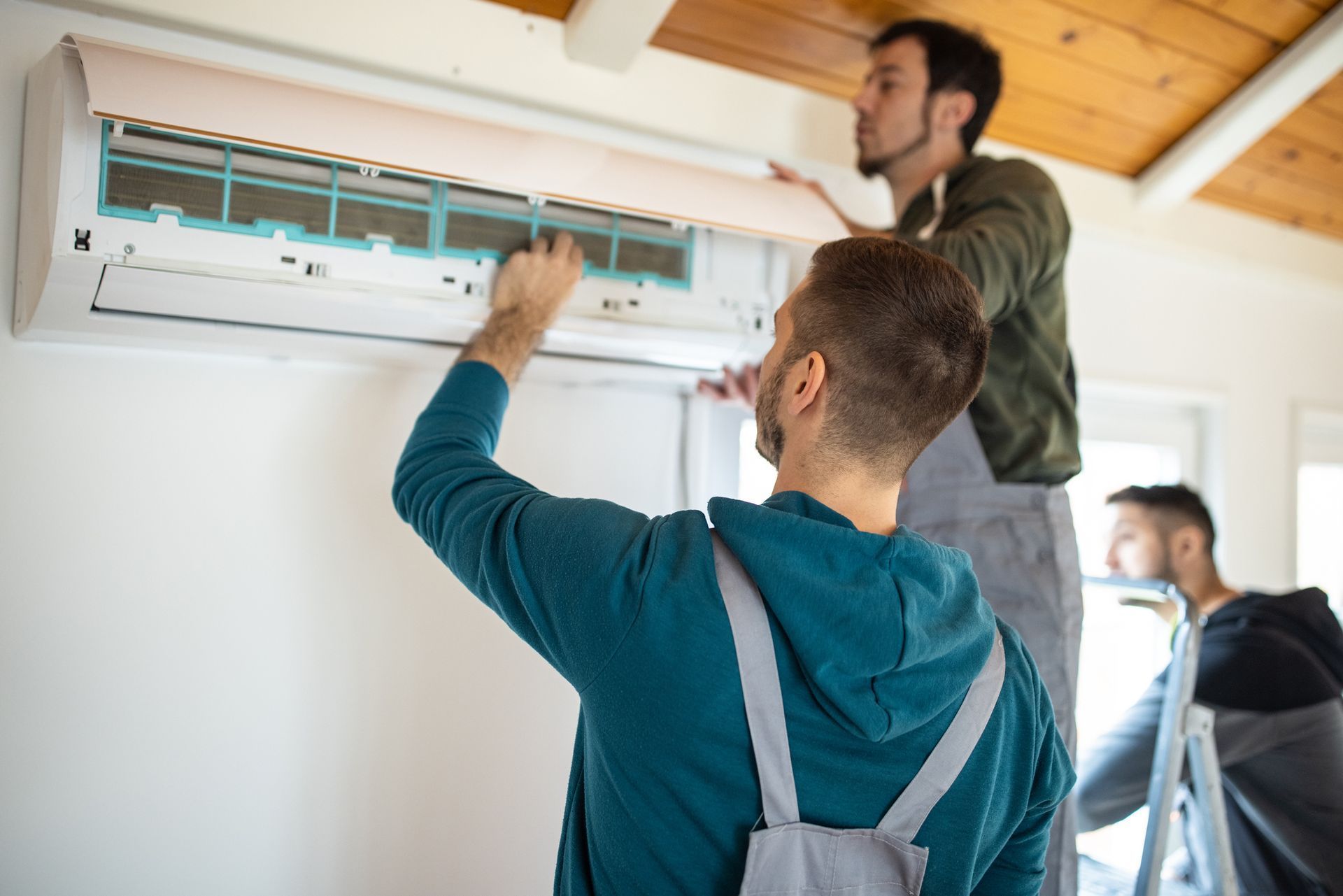
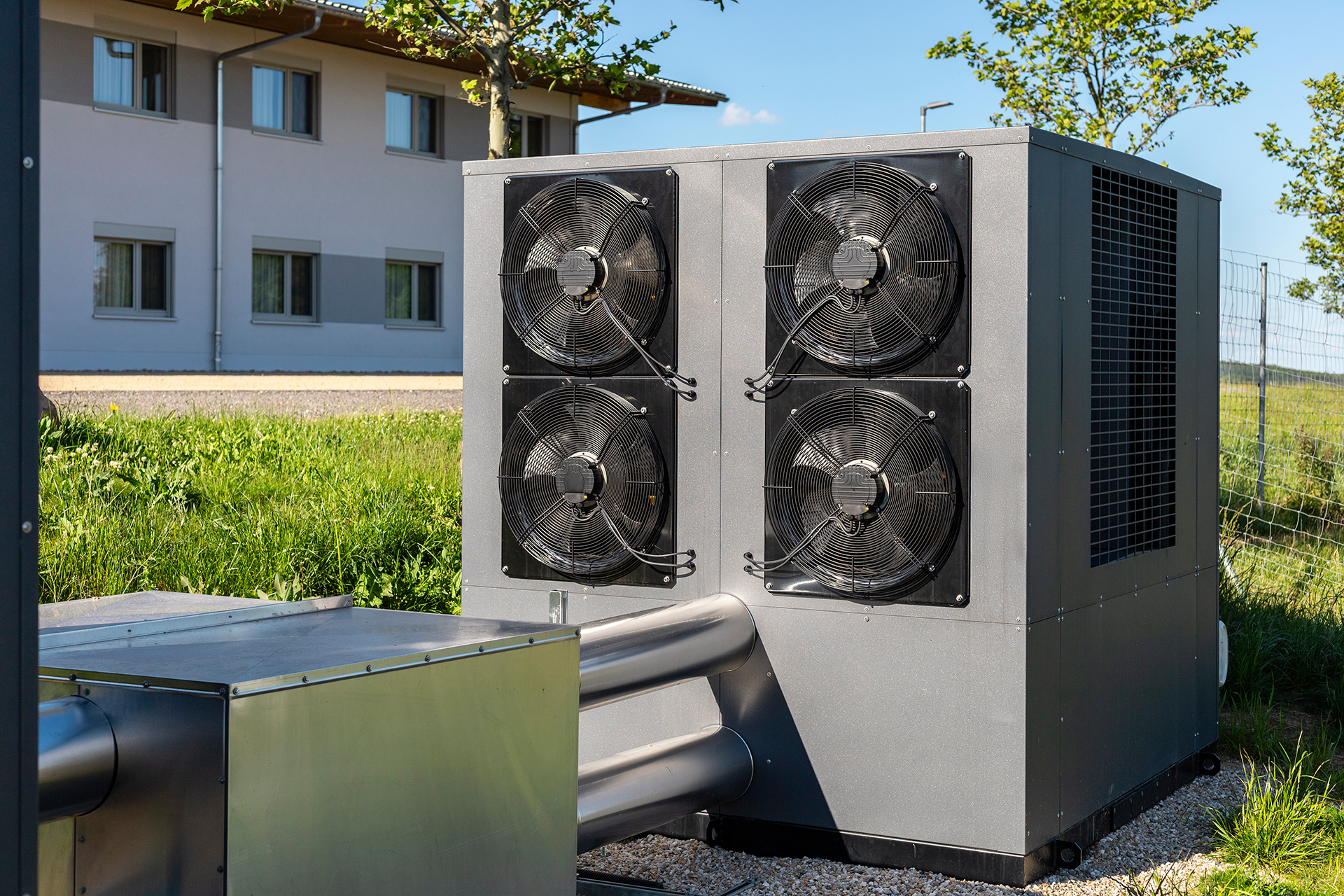
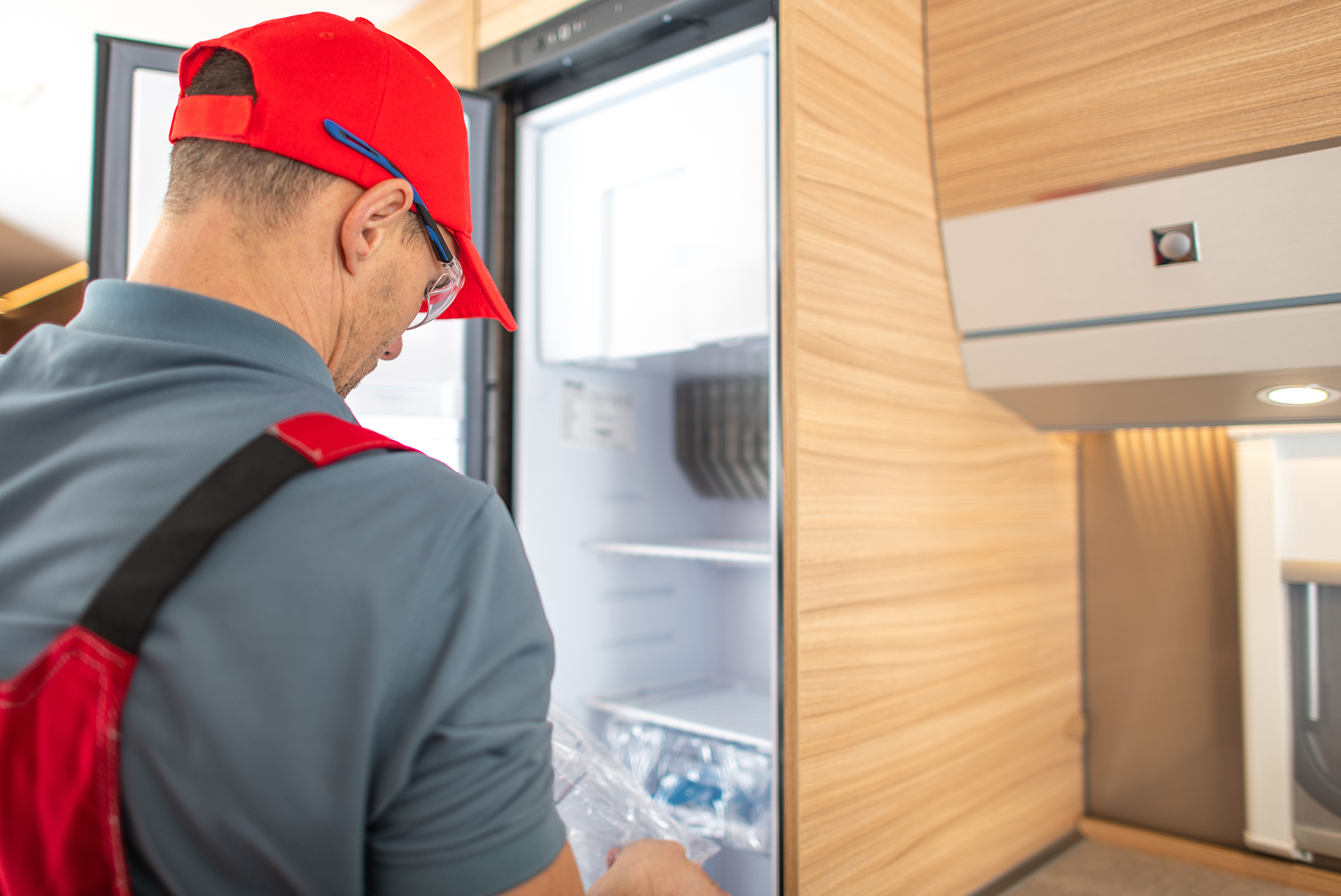
We provide business insurance designed for HVAC contractors. These policies protect your crew, vehicles, and tools while helping you meet project requirements. Every policy is explained clearly and delivered quickly so you can work without delays.
Resources
Insurance Tips for HVAC Contractors
Our blog is built for contractors who want fast answers. Each article covers common questions and risks in under five minutes of reading.


Frequently Asked Question
Common HVAC Contractor Insurance Questions
These FAQs address common contractor questions. As HVACInsure grows, we will update this section with real client experiences and answers.
Why should an HVAC contractor use HVACInsure instead of a general agency?
Specialists understand jobsite requirements, certificate wording, and common endorsements for HVAC work. You get cleaner paperwork, faster approvals, and coverage that fits how your crews operate.
This reduces delays at the gate, avoids gaps, and helps you pass compliance checks the first time.
How fast can I get a Certificate of Insurance (COI)?
Most standard COIs are issued the same business day after binding or updates. If you need additional insured, primary/non-contributory, or waiver language, we prepare it correctly the first time.
Our goal is simple: get your crew on site without paperwork delays.
What coverages do HVAC contractors usually need?
Core policies include General Liability, Commercial Auto, Workers’ Comp, Property/Tools, Inland Marine, and Umbrella. Many projects require higher limits and specific endorsements.
We align your coverage with contract terms and explain each choice in plain language.
Will my tools and scheduled equipment be covered in vans or on jobsites?
Yes. Inland Marine (tools and equipment) can cover items in transit, stored in vehicles, or staged on site.
High-value items can be scheduled, and limits can match your daily field use to keep work moving.
Can I lower my premium without weakening protection?
Often, yes. Clean driver lists, accurate payrolls, safety programs, and bundling policies can help.
We review your profile, request carrier credits, and adjust limits and deductibles to control cost while meeting project requirements.
What should I do after a loss?
Contact us right away so we can file with the correct carrier and set expectations. We guide documentation, next steps, and follow-ups until closure.
Fast reporting and clear records help resolve claims sooner and keep your team focused on work.

Still have questions?
Can’t find the answer you’re looking for? Please chat to our friendly team!
Contact Us