A single refrigerant leak in a high-rise condo, a miswired smart thermostat in a tech office, or a ladder accident on a steep Seattle hillside can all end the same way: an expensive claim that hits your balance sheet hard. Recent industry data shows that HVAC claims often average between 25,000 and 50,000 dollars each, with more than 25,000 incidents a year adding up to over 1 billion dollars in losses to the industry overall according to Field Factor. For a local contractor, that kind of risk is the difference between a minor setback and closing the doors for good.
Seattle adds its own twist to the HVAC risk profile. Older housing stock, steep lots, luxury waterfront homes, and fast-growing commercial spaces make projects more complex. Add wet weather, heavy traffic, and a shortage of skilled labor, and the chance of property damage, injuries, or missed specs climbs quickly. HVAC contractor insurance is not just a licensing checkbox in this region, it is the financial safety net that keeps a business running when something goes wrong on a roof in Ballard or a mechanical room in South Lake Union.
This guide walks through how HVAC contractor insurance works for every type of business in Seattle, from solo techs and family shops to design-build firms and commercial maintenance teams. The goal is simple: help owners recognize their real exposures, understand which coverages matter, and build a policy that matches the work they actually do, not just a generic template.
Why Seattle HVAC Contractors Face Distinct Risks
Seattle is not an easy market for HVAC work. The city’s mix of dense urban neighborhoods, older homes, new high-performance buildings, and a demanding tech clientele creates job sites where expectations are high and margins for error are slim. When equipment fails or a project runs into trouble, the financial fallout can be fast and severe, especially on projects that involve high-end finishes or mission-critical systems.
Job site safety is a very real concern. National labor statistics recorded more than 4,000 work-related fatalities in a recent year across the United States, a figure that includes HVAC contractors working on rooftops, in mechanical rooms, and on the road between jobs according to data cited by the U.S. Bureau of Labor Statistics. Seattle’s frequent rain, slick surfaces, and traffic congestion add even more opportunities for accidents, from falls and strains to vehicle collisions during service calls.
On the liability side, the region’s construction environment is heavily regulated, and clients are quick to expect accountability when something goes wrong. If a system is undersized, a smart control is misconfigured, or a leak damages a neighbor’s condo, the contractor is often the first one named in a claim. With HVAC claims averaging tens of thousands of dollars each, a single incident can put years of profits at risk if the coverage does not fit the actual work being performed
as highlighted by Field Factor.

HVACInsure is fully licensed and permitted to sell contractor and commercial insurance in Washington.
We insure HVAC contractors throughout Washington and in 47 other states, providing compliant, affordable, and comprehensive coverage that meets project and regulatory requirements.
Core Coverages Every Seattle HVAC Business Should Consider
Insurance for HVAC contractors in Seattle is not just one policy. It is a bundle of coverages that work together to protect your work, your people, your vehicles, and your equipment. The right mix depends on whether you focus on residential retrofits, light commercial work, large design-build projects, or maintenance contracts for data centers and office towers.
Many losses that HVAC companies expect to be covered fall into gaps between policies. One national review of HVAC and refrigeration equipment claims found that a significant share of losses involved causes that are typically not covered under standard policies, such as gradual wear, certain types of electrical damage, or specific exclusions for faulty workmanship with one study citing 36 percent of claims in this category. That makes it critical to understand what each coverage actually does before a claim hits.
General liability insurance
General liability is usually the first coverage a Seattle HVAC contractor buys, and for good reason. It is designed to help when your work causes bodily injury or property damage to others. Think of situations like a condenser dropped on a client’s deck, water damage after a drain pan overflow, or a customer trip-and-fall over your equipment in a garage.
On commercial jobs, project owners and general contractors often require specific liability limits and endorsements. They may ask to be named as additional insureds, request primary and noncontributory wording, or require proof of completed operations coverage for a set period after the job is finished. If your policy is too basic, you may win the bid but end up unable to satisfy the contract requirements once the paperwork is reviewed.
Commercial auto insurance
Service vans are lifelines for Seattle HVAC contractors, carrying tools, ladders, parts, and technicians all over King County. Commercial auto insurance protects against liability when your vehicle is involved in a crash and can also be structured to cover damage to your own vehicles, depending on the options you select.
Rain, uneven streets, and heavy traffic on routes like I-5 and SR-99 increase accident risk. Even a minor fender-bender can turn into a larger problem if expensive diagnostic tools or inventory are damaged. In some cases, you can coordinate inland marine or tools-and-equipment coverage with commercial auto to make sure gear in transit is protected, not just the vehicle itself.
Workers compensation insurance
HVAC techs in Seattle handle ladders, power tools, cramped crawl spaces, and heavy equipment. That work environment naturally comes with risks of strains, cuts, falls, and other on-the-job injuries. Workers compensation insurance is designed to help cover medical costs and a portion of lost wages when employees are hurt while working for your business.
Beyond legal compliance, a good workers compensation program signals to employees that the company takes their safety seriously. For Seattle contractors competing for skilled technicians in a tight labor market, that message matters. Strong safety practices paired with workers compensation can also help support more favorable rates over time, especially when combined with documented training and hazard assessments.
Tools, equipment, and installation floater coverage
From recovery machines and vacuum pumps to portable brazing equipment and meters, your tools are a major investment. Seattle job sites are busy and often crowded, especially in multifamily buildings and mixed-use projects. Theft from locked vans, job site storage, or even mechanical rooms is a real problem for contractors who operate across the city.
Inland marine or contractor’s equipment coverage can step in where standard property policies fall short. It is tailored for equipment that moves from one job to another. For contractors who stage expensive equipment during a major install, an installation floater can protect materials and systems while they are on site but not yet turned over to the owner.
Professional liability and design-related risks
As more HVAC contractors in Seattle provide design assistance, load calculations, duct layouts, and control schemes, the risk shifts beyond simple physical installation errors. If a design recommendation leads to comfort problems, energy inefficiency, or equipment failure, the claim may be framed as a professional error rather than just defective workmanship.
Professional liability, sometimes called errors and omissions coverage, can help with claims that your advice, plans, or specifications caused a financial loss. This is especially important for contractors working on high-performance homes, green building projects, or complex commercial systems where performance metrics are tied to contracts, rebates, or tenant expectations.
How Business Type Changes Your Coverage Needs
Two HVAC contractors in Seattle may look similar from the outside but have very different risk profiles once you dig into the details. The size of the team, the type of clients served, and the role your company plays on each project all influence which coverages matter most and how high your limits should be.
Solo technicians and very small shops
A solo technician doing residential service in neighborhoods like Ballard, West Seattle, or Shoreline faces heavy exposure to property damage and auto accidents, but limited payroll or large project risk. For this type of business, general liability, commercial auto, and tools-and-equipment coverage typically form the backbone of the insurance program.
If you sometimes sub on commercial work, pay close attention to contract requirements. Even a small subcontract on a downtown tenant improvement can require higher limits, additional insured endorsements, or primary wording that stretch beyond a stripped-down policy. It often costs less to structure those protections upfront than to try to add them in a rush during a bid.
Residential replacement and retrofit contractors
Seattle’s mix of older homes, tight lots, and interior retrofits makes residential changeouts riskier than they appear. Cutting into finished walls, working in cramped attics, and navigating steep driveways all increase the odds of property damage or injuries on the client’s property.
These contractors should pay special attention to completed operations coverage in their general liability policies, since many problems surface months after a job is done. Water damage from a slowly leaking fitting or a condensate drain that clogs over time is still your responsibility if tied back to the installation. Equipment and installation floaters can also be important when staging furnaces, air handlers, and heat pumps in garages or basements before install day.
Commercial, industrial, and design-build firms
Contractors who focus on commercial offices, mixed-use buildings, hospitals, or industrial spaces in the Puget Sound region carry more complex risk. Jobs are larger, contract language is stricter, and performance expectations are more formal. A system problem can disrupt entire floors of tenants or critical operations, which in turn raises the stakes of any error.
These firms often need higher general liability limits, strong completed operations coverage, and professional liability support if they participate in design, value engineering, or control strategies. Their workers compensation and commercial auto programs also grow in importance as fleet size and payroll expand, making safety programs and claims management critical to keeping coverage affordable.
Safety, Compliance, and Looking Better to Underwriters
Seattle HVAC contractors do not just need insurance. They also need to convince underwriters that their business is a good bet. Insurers look closely at loss history, safety culture, and how well a company manages its day-to-day risks before deciding what terms to offer and at what price.
Washington-focused insurance advisors note that carriers increasingly favor firms with written safety manuals, job-site hazard analysis procedures, and documented fleet driver training programs, because those practices are tied to lower accident rates and better claims outcomes as highlighted by Mosaicia’s guidance for HVAC contractors. For a Seattle shop, putting those basics in place can make the difference between a standard quote and a declined application or steep premium.
Regulatory changes also matter. The U.S. Department of Energy recently raised minimum Seasonal Energy Efficiency Ratio ratings, which affects equipment specifications, installation standards, and how contractors document energy performance on many projects according to HVACInsure’s 2025 market outlook. When codes and efficiency standards tighten, documentation and proof of compliance become more important, especially if a future claim alleges that the system does not meet required performance.
How better safety can lower risk and support coverage
Investing in safety training, toolbox talks, and job hazard analysis does more than protect workers. It creates a paper trail that can support your insurance program when a claim occurs. If you can show that your crew followed a written fall protection plan on a rooftop job or completed a pre-trip inspection before a vehicle collision, adjusters and underwriters often view the incident differently than if there is no documentation at all.
Simple steps like standardized lockout/tagout procedures, confined space guidelines, and equipment lifting protocols can prevent injuries and damage on Seattle job sites. When repeated consistently, they feed into better loss histories, which in turn can open doors to more carriers and better pricing over time, especially on workers compensation and commercial auto lines.
What Seattle HVAC Contractors Really Pay For Coverage
Owners often ask what HVAC insurance should cost in Washington. While every business is different, state-level data gives a helpful reference point. One regional insurance resource reports that HVAC insurance premiums in Washington average 4,800 dollars for general liability, 3,600 dollars for commercial auto, 2,900 dollars for workers compensation, and 750 dollars for inland marine coverage that protects tools and equipment based on figures published by Mosaicia.
Those numbers are not quotes, just benchmarks. A Seattle contractor that does mostly residential changeouts with a small payroll may fall below the averages in some categories and above in others, especially if the company has a history of claims. A larger commercial or design-build contractor with a sizable fleet, higher payroll, and bigger project sizes will often see higher premiums, but may also gain access to more competitive insurance programs if they can demonstrate strong safety and risk management practices.
It helps to look at cost in context. When HVAC claims frequently reach into tens of thousands of dollars each and industry losses run into the billions annually, spending a fraction of that on a solid insurance program becomes easier to justify as a cost of doing business in a high-risk trade as illustrated by Field Factor’s claim severity data. The more accurately your coverage matches your real risk, the more likely those premiums will feel like a good investment instead of just another bill.
Sample coverage comparison for Seattle HVAC businesses
To make the differences between core coverages easier to understand, it helps to see them side by side. The table below is a simplified comparison meant to clarify which policy typically responds to common HVAC risks in Seattle. Exact terms always depend on the specific policy language and endorsements you select with your insurance advisor.
| Risk or scenario | Most relevant coverage | What it typically helps pay forher Risk |
|---|---|---|
| Client property damage from a leak, fire, or install mistake | General liability | Repairs to damaged property, some related legal defense costsnant injury |
| Customer or visitor injured at your job site | General liability | Medical expenses and liability if your business is found responsible |
| Tech injured while working or driving for your company | Workers compensation | Medical expenses and liability if your business is found responsible |
| Service van collision on the way to a call | Commercial auto | Medical expenses and liability if your business is found responsible |
| Theft of tools from a job site or company vehicle | Inland marine / contractor’s equipment | Increases risk of burglary, arsonRepair or replacement of stolen or damaged tools and portable equipment, and vandalism |
| Claim that your design advice caused a costly system failure | Professional liability | Defense costs and settlements related to alleged professional errors |
Smart HVAC, Technology, and Emerging Risks
Seattle’s tech-forward culture means many HVAC contractors now handle smart thermostats, remote monitoring, and integrated building controls as part of everyday work. These systems create comfort and efficiency gains, but they also add cyber and performance exposures when something misfires or is misconfigured.
Industry forecasts show that the global smart HVAC controls market is expected to more than double from 8.3 billion dollars in 2021 to 17.1 billion dollars by 2026, reflecting strong annual growth and rapid adoption of connected systems according to projections shared by HVACInsure. As more Seattle homes and commercial spaces adopt these controls, contractors increasingly shoulder responsibility not only for mechanical performance, but also for how these digital systems interact with occupants, networks, and other building technologies.
For some contractors, that evolving role may warrant a deeper look at professional liability options, cyber or data-breach coverages, or contractual language that clearly spells out what your company is and is not responsible for. Clear documentation, commissioning reports, and training of building staff also become risk management tools, not just good customer service.
Practical Steps To Build The Right Policy In Seattle
Designing an effective HVAC insurance program starts with an honest look at how your company actually operates. Coverage is most powerful when it matches real risks instead of relying on assumptions about what a typical contractor might need. That means gathering information, asking questions, and pushing for clarity before you sign.
A good first move is to map your work: where you operate in the Seattle area, what kinds of projects you handle, how much of your revenue comes from residential versus commercial jobs, and whether you provide any design, engineering support, or consulting. Then list your assets, from vehicles and tools to leased office space and inventory. Finally, outline your team structure, including employees, subcontractors, and apprentices, to clarify who needs to be covered and how.
Questions to ask when reviewing HVAC insurance options
When you sit down with an insurance advisor or review quotes, bring a set of pointed questions. Ask how general liability handles completed operations and whether there are any exclusions tied to mold, water damage, or specific types of work you routinely do. Clarify how your workers compensation policy applies to apprentices, part-time help, or family members on the payroll.
It is also worth asking how tools and equipment are valued in a claim, whether replacement cost or actual cash value, and how high deductibles should realistically be based on your cash flow. For auto coverage, check whether employees using their own vehicles for quick supply runs are covered under non-owned auto provisions or whether that gap needs to be filled.
Finally, review contracts from your biggest clients and general contractors with your insurance advisor so coverage can be tailored to meet those specific requirements. Matching insurance to contracts up front avoids surprises when a certificate is requested or a claim involves multiple parties and overlapping responsibilities.
Frequently Asked Questions About Seattle HVAC Contractor Insurance
HVAC owners and managers in Seattle often wrestle with the same concerns about coverage, cost, and risk. These short answers address some of the most common questions, with the understanding that every business is unique and should review its own situation with a qualified insurance professional.
Is HVAC contractor insurance legally required in Seattle?
General liability and workers compensation requirements are driven by state law and contract terms, not just city rules. Most HVAC contractors in Seattle need workers compensation if they have employees and will find that commercial clients often require proof of liability coverage before awarding work, even when it is not strictly mandated by statute.
Why is general liability so important for small residential HVAC companies?
For smaller residential-focused businesses, general liability protects against some of the most common and expensive claims, including water damage, fire, or accidental damage to finishes during a retrofit. With HVAC claims often running into tens of thousands of dollars per incident, this coverage is often the one that prevents a property mishap from becoming a business-ending event as loss data from Field Factor illustrates.
Do I really need specialized coverage if I already have a basic business policy?
A standard business owners policy may not fully address risks like equipment in transit, design-related liability, or certain types of mechanical or electrical failure. One review of HVAC and refrigeration equipment claims found that a large portion involved causes that traditional policies often exclude or limit, which is why many contractors layer specialized coverage on top of basic packages according to findings discussed by Insurance.org.
How does the growth of smart HVAC systems affect my insurance needs?
As smart thermostats and connected controls become more common, contractors may face claims tied to software settings, performance expectations, or data-related issues, not just hardware failures. Industry forecasts showing rapid growth in the smart HVAC controls market suggest that these exposures will only increase, which makes it worth asking your insurance advisor whether your current policy contemplates connected technology and any related professional or cyber risks as highlighted by HVACInsure’s projections.
What can I do to keep my HVAC insurance premiums under control in Seattle?
The biggest levers are usually safety and claims management. Insurers in Washington often favor HVAC firms that can show written safety manuals, job hazard analysis routines, and driver training, because those elements are linked to fewer and less severe claims, which in turn supports more stable pricing over time as emphasized by regional insurance specialists.
Does my HVAC insurance need to change as my company grows?
Yes, insurance should evolve as your revenue, payroll, fleet, and project size change. A policy that fit when you were a single-van operation may be underpowered once you are handling larger commercial projects, employing multiple crews, or offering design services, so it is wise to review coverage regularly and adjust limits, endorsements, and specialty policies to keep pace with your business.
What is the best next step if I have not reviewed my HVAC coverage in years?
Gather your current policies, recent contracts, loss runs if available, and a clear snapshot of your operations and then sit down with an insurance professional who understands construction and HVAC in Washington. A structured review can reveal coverage gaps, unnecessary overlaps, and opportunities to align your insurance with the real risks of working as an HVAC contractor in Seattle’s challenging and fast-changing environment.
Recognized by National HVAC Trade Associations
These trusted organizations set best practices and standards that carriers rely on when underwriting HVAC risks.
Membership signifies adherence to HVAC industry standards and contractor best practices.
Coverage for Crews, Vehicles, and Tools
Insurance for HVAC Contractors
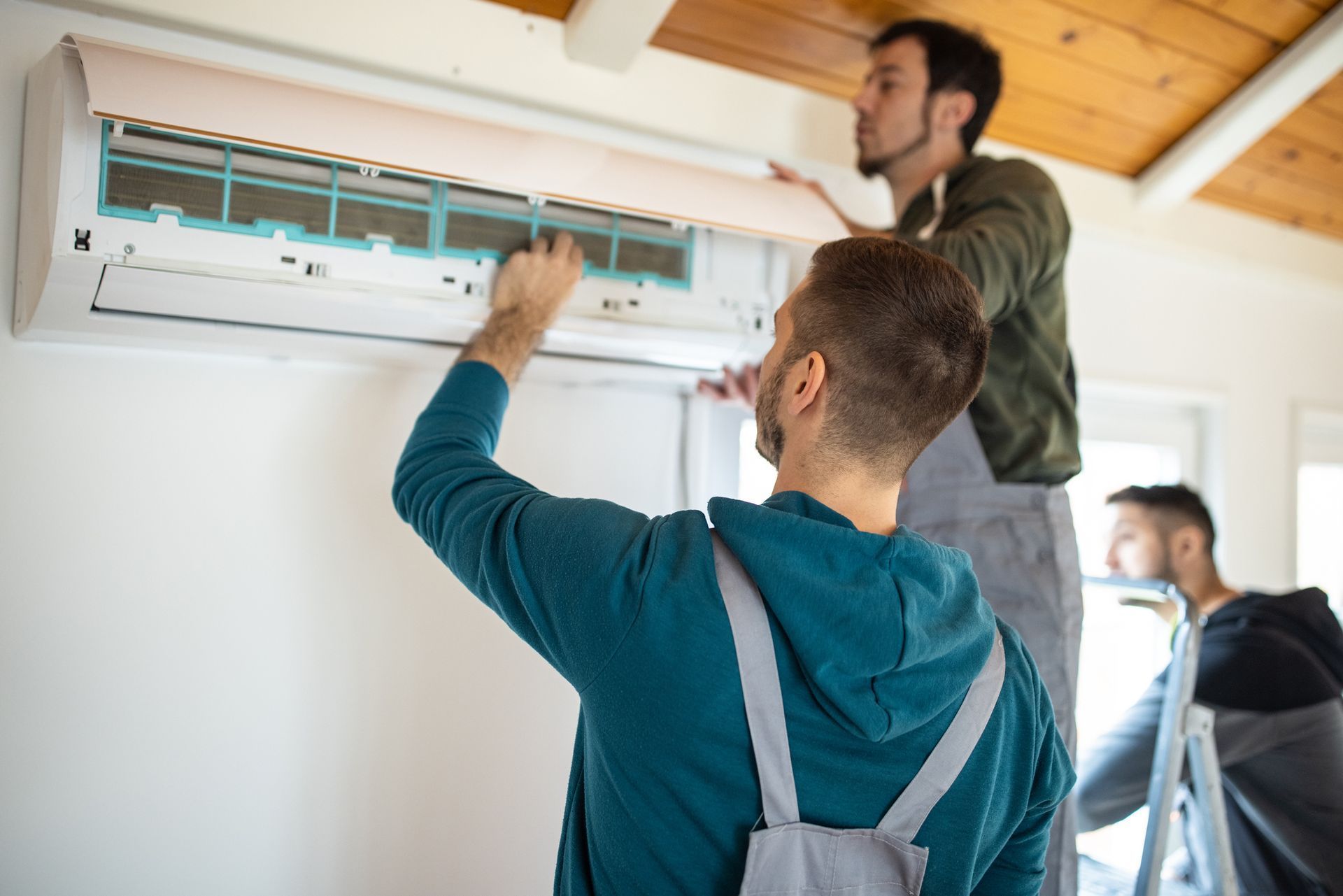
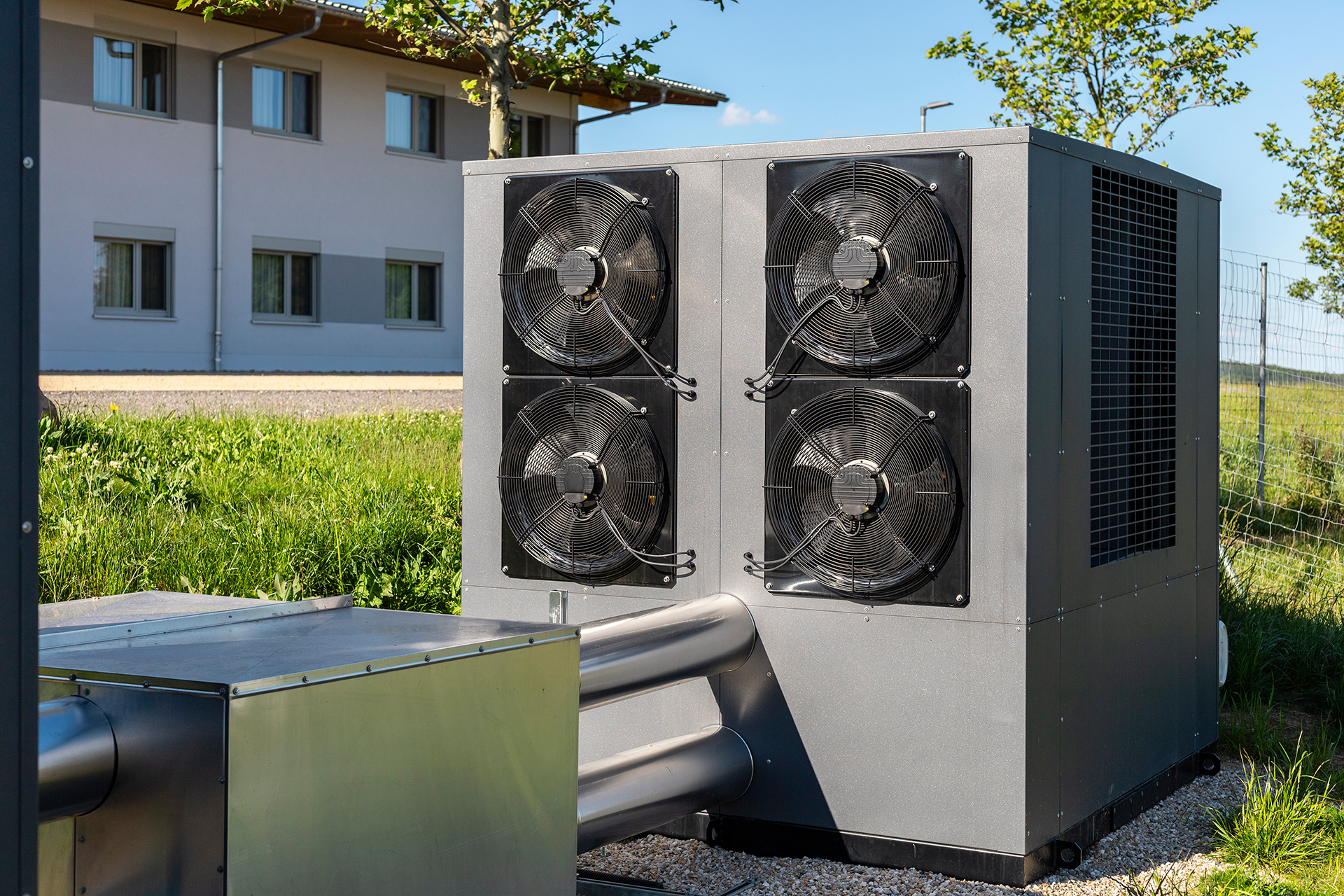
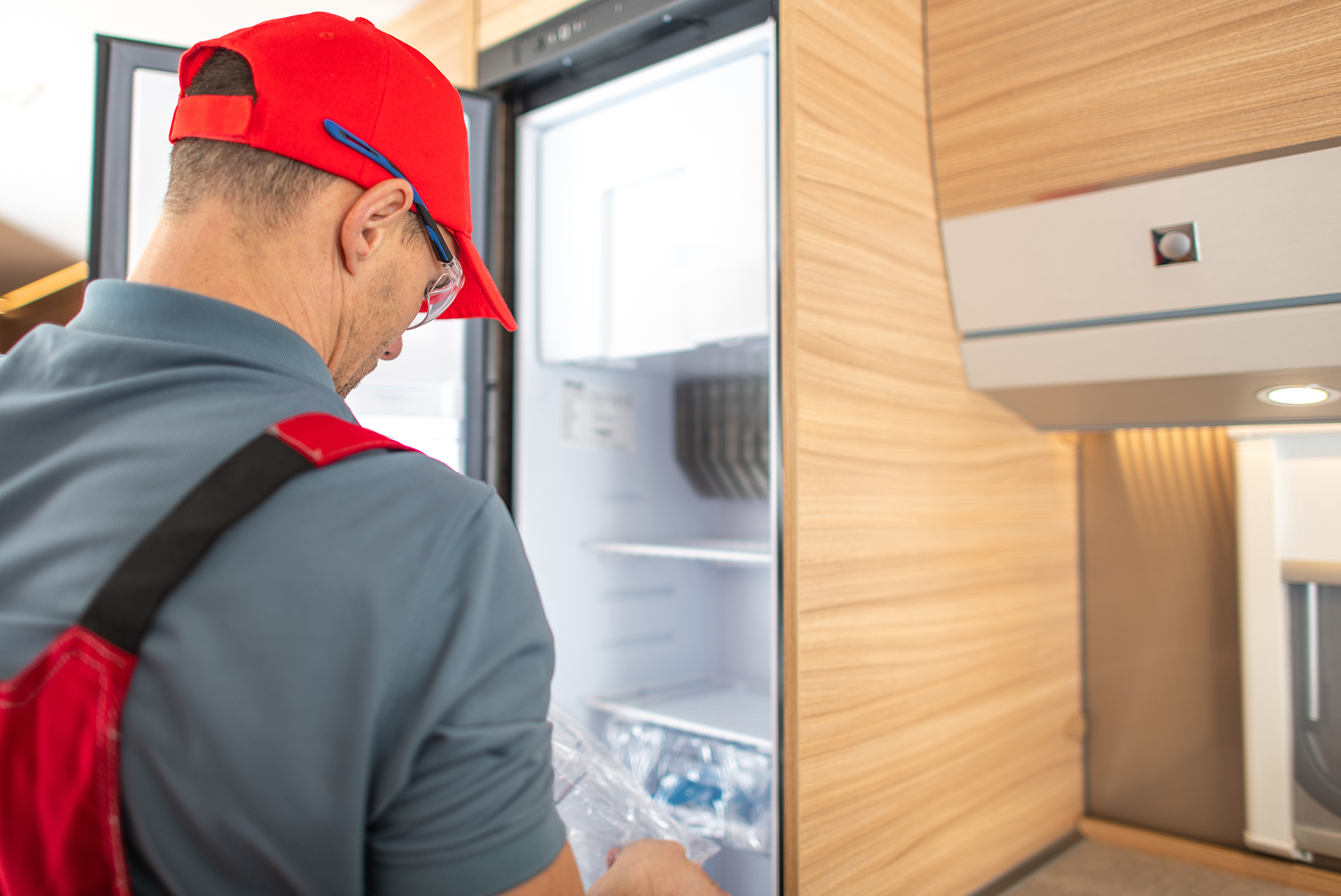
We provide business insurance designed for HVAC contractors. These policies protect your crew, vehicles, and tools while helping you meet project requirements. Every policy is explained clearly and delivered quickly so you can work without delays.
Resources
Insurance Tips for HVAC Contractors
Our blog is built for contractors who want fast answers. Each article covers common questions and risks in under five minutes of reading.


Frequently Asked Question
Common HVAC Contractor Insurance Questions
These FAQs address common contractor questions. As HVACInsure grows, we will update this section with real client experiences and answers.
Why should an HVAC contractor use HVACInsure instead of a general agency?
Specialists understand jobsite requirements, certificate wording, and common endorsements for HVAC work. You get cleaner paperwork, faster approvals, and coverage that fits how your crews operate.
This reduces delays at the gate, avoids gaps, and helps you pass compliance checks the first time.
How fast can I get a Certificate of Insurance (COI)?
Most standard COIs are issued the same business day after binding or updates. If you need additional insured, primary/non-contributory, or waiver language, we prepare it correctly the first time.
Our goal is simple: get your crew on site without paperwork delays.
What coverages do HVAC contractors usually need?
Core policies include General Liability, Commercial Auto, Workers’ Comp, Property/Tools, Inland Marine, and Umbrella. Many projects require higher limits and specific endorsements.
We align your coverage with contract terms and explain each choice in plain language.
Will my tools and scheduled equipment be covered in vans or on jobsites?
Yes. Inland Marine (tools and equipment) can cover items in transit, stored in vehicles, or staged on site.
High-value items can be scheduled, and limits can match your daily field use to keep work moving.
Can I lower my premium without weakening protection?
Often, yes. Clean driver lists, accurate payrolls, safety programs, and bundling policies can help.
We review your profile, request carrier credits, and adjust limits and deductibles to control cost while meeting project requirements.
What should I do after a loss?
Contact us right away so we can file with the correct carrier and set expectations. We guide documentation, next steps, and follow-ups until closure.
Fast reporting and clear records help resolve claims sooner and keep your team focused on work.

Still have questions?
Can’t find the answer you’re looking for? Please chat to our friendly team!
Contact Us