If your crew spends summer afternoons on Phoenix rooftops, you already know how fast a routine install can turn into an emergency. When triple digit heat pushes every system in the city to its limit, a single failed unit or leak can leave a commercial client with damaged inventory and a big repair bill. During a recent extreme heat streak, Phoenix recorded 113 consecutive days above 100 degrees, and many commercial property owners only then discovered that HVAC breakdowns and heat related losses were not fully covered by their existing policies according to one commercial insurance analysis. That is exactly where well structured HVAC contractor insurance steps in, protecting both your balance sheet and your reputation.
For Phoenix HVAC contractors, the right coverage is not just a box to check for licensing or jobs with general contractors. It decides who pays when a technician accidentally floods a customer’s home, when a rooftop unit gets stripped for copper, or when a helper suffers heat stress while hauling an air handler up a ladder. This guide breaks down what you actually need, how policies work in practice, typical costs in the Phoenix market, and practical steps to keep premiums in check without cutting vital protection.
Why HVAC Contractor Insurance Matters In Phoenix
Phoenix is hard on HVAC systems and on the people who install and repair them. Summer heat, monsoon storms, dust, and wide temperature swings all combine to create more emergency calls, more hurried work, and more chances for something to go wrong. When it does, customers rarely care that you were trying to help, they care who will pay for damage, downtime, and inconvenience.
HVAC work also puts your team inside customers’ homes, offices, and industrial facilities on a regular basis. That close contact with property and people is exactly what insurers look at when they price risk. Drop a handler through a ceiling, crack an expensive countertop while carrying in equipment, short out electronics during a retrofit, or miswire a control board that later fails, and you are looking at potential claims that can easily wipe out the profit on an entire season.
On top of that, many commercial and residential clients now require proof of specific coverages before you can step on site. Without a solid insurance package, you can be shut out of better paying projects, unable to bid on municipal or commercial work, and forced to turn away customers who demand certificates of insurance before giving the green light.

HVACInsure is fully licensed and permitted to sell contractor and commercial insurance in Arizona.
We insure HVAC contractors throughout Arizona and in 47 other states, providing compliant, affordable, and comprehensive coverage that meets project and regulatory requirements.
Key Coverages Every Phoenix HVAC Contractor Should Know
Policies for HVAC businesses are usually built from several core coverages that work together. Understanding what each one does helps you spot gaps before a claim exposes them. It also makes it easier to have a real conversation with your agent instead of just accepting whatever bundle is suggested.
General Liability Insurance
General liability is the backbone of HVAC contractor insurance. It is designed to pay for third party bodily injury and property damage claims, along with related legal defense, when someone alleges your work caused harm. Think of situations like a customer tripping over your hoses, water damage from a condensate line you installed, or smoke damage after a furnace service goes wrong.
In Phoenix, a common high limit general liability policy for contractors averages about $142 per month, or $1,455 per year for a business with typical risk and coverage limits, based on recent market data for the area from one independent insurance agency. Actual pricing for your shop can land higher or lower once revenue, payroll, services offered, and claims history are factored in, but that range gives a useful benchmark when you evaluate quotes.
Business Owner’s Policy (BOP) Or HVAC Package Policy
Most smaller and mid sized HVAC companies do not buy general liability coverage by itself. Instead, they use a business owner’s policy, often called a BOP, which combines general liability with business property and sometimes extra coverages like business interruption. Some agents even describe a business owner’s policy as essentially the same thing as HVAC contractor insurance, a bundled package of common protections tailored to the trade as one Arizona agency explains it.
The advantage of using a packaged policy is simplicity and cost efficiency. You manage fewer policies, reduce the risk of overlapping or conflicting terms, and often pay less than you would if you bought each coverage separately. For many Phoenix contractors, a BOP becomes the starting point that they then build on with inland marine, commercial auto, or other specialized coverages.
Commercial Property And Tools Coverage
Whether you run a shop with inventory and office space or a lean operation with vans and storage, you need protection for your own stuff. Commercial property coverage addresses your building, contents, and sometimes improvements you make to leased spaces. Tools and equipment coverage can be added or written separately to protect mobile gear you carry to jobsites, such as recovery machines, vacuum pumps, and specialized meters.
The risk is not just fire or storm damage. Theft is a growing problem, especially for outdoor units and copper components that can be stripped and resold quickly. In one recent case in west Phoenix, a property owner reported a loss between $85,000 and $90,000 just to replace stolen air conditioning units after a string of thefts on the property according to a local news report. The same criminal activity can hit contractors’ stored equipment, jobsite staging areas, and even service vehicles, which is why it pays to review limits and theft sublimits carefully.
Workers’ Compensation And Employee Protection
Climbing ladders, moving heavy equipment, cutting sheet metal, soldering lines, and working in extreme heat all come with real injury potential. Workers’ compensation is the coverage that pays medical bills and a portion of lost wages if an employee is hurt or becomes ill while doing their job. In many situations it also protects the employer from being sued over the same incident.
HVAC work shows up in national injury data for a reason. In a recent reporting year, there were about 4,500 nonfatal occupational injuries involving HVAC contractors across the United States, showing how frequently technicians get hurt on the job according to one contracting industry resource. In Phoenix, where heat stress and rooftop work are part of the daily routine for much of the year, skipping or skimping on workers’ comp is essentially betting your business on never having a serious accident.
Professional Liability (Errors And Omissions)
General liability focuses on bodily injury and property damage, but it does not always address purely financial loss caused by mistakes in design, advice, or programming. That is where professional liability, often called errors and omissions coverage, comes in. If your recommendation on system sizing, duct layout, or control strategy turns out to be wrong and a client claims their energy costs skyrocketed or their operation was disrupted, professional liability can help cover defense costs and settlements under the right policy.
This coverage becomes more important as you take on design build projects, energy retrofits, building automation work, or performance contracts. Anything that moves your service from simple replace and repair toward consulting and engineering increases the risk of disputes that are not strictly about broken equipment, but about whether you delivered what was promised.
How Much Does HVAC Contractor Insurance Cost In Phoenix?
Insurance carriers look at HVAC contractors as a distinct class of risk, and they price coverage accordingly. One benchmark many agencies use is that liability premiums for HVAC contractors typically fall between about 1.3 percent and 2.6 percent of annual gross revenue, reflecting the higher exposure that comes with working on customers’ systems, roofs, and interior spaces based on industry cost analysis. That range can move up if your work involves more commercial, industrial, or high rise projects, or down if you focus on lighter residential service with strong safety controls and a clean claims history.
In Phoenix specifically, the general liability benchmark mentioned earlier provides a useful starting point, but it is only part of the story. Total insurance cost usually includes commercial auto for your vans, tools and equipment coverage, possibly a surety bond, and workers’ compensation if you have employees. The mix of installation versus service work, subcontractor use, and whether you handle gas lines or only electrical tie ins can all influence how carriers view your risk profile.
When you compare quotes, look past the bottom line and spend time on coverage details. Deductible amounts, exclusions, and endorsements often matter more than saving a small amount up front. A policy that costs a bit more but covers completed operations properly, includes higher limits for property damage, or offers broader tools coverage can easily be the better deal once you factor in realistic claim scenarios.
Coverage Comparison At A Glance
It helps to see how the major coverage types fit together. The table below offers a simple side by side view of what each policy generally protects and when Phoenix HVAC contractors tend to rely on it.
| Coverage Type | What It Protects | Typical Use For Phoenix HVAC Contractors |
|---|---|---|
| General Liability | Third party bodily injury, property damage, and related legal defense. | Customer slip and fall, water damage from a leak, damage to walls or finishes during installation. |
| Business Owner’s Policy | General liability bundled with business personal property and other extras. | Shops that want a simple package to protect office space, inventory, parts, and liability in one policy. |
| Commercial Property | Buildings you own or improvements to rented space, plus contents. | Warehouse locations, offices with stocked parts rooms, training areas, and showrooms. |
| Tools & Equipment | Portable gear, specialty tools, and sometimes rental equipment. | Recovery units, vacuum pumps, ladders, power tools, and testing equipment carried to jobsites. |
| Workers’ Compensation | Employee medical costs and lost wages for job related injuries or illness. | Technicians, installers, and helpers working on roofs, in attics, and in confined mechanical rooms. |
| Commercial Auto | Liability and physical damage for business vehicles. | Service vans, box trucks, and other vehicles used to transport crews, equipment, and units. |
| Professional Liability | Claims arising from errors in design, advice, or system configuration. | Design build projects, energy retrofits, controls integration, and performance based contracts. |
This overview is not a substitute for policy language, but it gives a quick framework when you talk with an agent. As your business grows, you can adjust each type of coverage to keep pace with the size, complexity, and risk of your projects.
Risks Unique To Phoenix HVAC Contractors
Every HVAC contractor deals with mechanical failure risk and customer expectations, but Phoenix adds several local twists. Extended periods of extreme heat mean systems run almost nonstop, which can magnify even small installation errors. A slightly undercharged system or marginal duct design that might go unnoticed in a milder climate can become a major comfort or equipment problem once outdoor temperatures soar.
The climate also increases your exposure to business interruption claims from commercial clients. A restaurant or retail store without cooling during a heat wave may have to close its doors, losing revenue and product. Even when general liability covers direct property damage, disputes can arise over lost income and reputational harm, which is why it pays to be clear in contracts about what your work does and does not guarantee.
Security is another growing concern. The theft example from west Phoenix highlights that rooftop units, condensers, and even in transit equipment are targets when scrap prices rise. Staging new units on a jobsite overnight, leaving copper lines outside, or parking loaded service vehicles in unsecured areas all come with real theft risk that must be managed with both physical precautions and adequate insurance limits.
How To Choose The Right Insurance Partner
Choosing an insurance agent or broker is almost as important as picking the carrier itself. You want someone who understands construction trades, knows the Arizona regulatory environment, and is comfortable talking through real claim scenarios rather than just reading off a quote. An agent with multiple contractor clients in Phoenix will usually have a better feel for which carriers handle HVAC risks well and which policy endorsements actually matter.
Look for an advisor who asks detailed questions about your operations instead of rushing to sell a standard package. They should want to know what percentage of your work is new construction versus retrofit, whether you subcontract any portions of jobs, how you handle after hours emergency calls, and what safety practices you have in place. The more accurate their understanding of your risk, the more likely they can negotiate competitive pricing and avoid surprise coverage gaps.
It also helps to review certificates, additional insured requirements, and waiver of subrogation language that your commercial clients request. A good agent can often suggest ways to meet those demands without overextending your coverage or agreeing to contract terms that your policy will not actually support if a claim occurs.
Practical Steps To Lower Claims And Premiums
Insurance pricing ultimately reflects risk. While you cannot control everything that happens on a jobsite, there is a lot you can do to shape your claims history and present your business as a better risk to carriers. Small operational improvements often pay off twice, first in fewer incidents and second in better renewal terms.
Safety training deserves constant attention, especially in a market as physically demanding as Phoenix. The injury data that shows thousands of nonfatal incidents among HVAC workers each year is a reminder that routine tasks can still go wrong according to contracting industry statistics. Emphasizing ladder safety, lockout and tagout procedures, proper lifting, and hydration breaks can lower the odds that your team adds to those numbers.
Beyond safety, solid jobsite processes help reduce property damage claims. Simple habits like using drop cloths in finished spaces, photographing existing conditions, verifying drain slopes, and pressure testing lines before leaving can prevent many of the most common loss scenarios. Clear communication with customers about what will be affected during the job also helps, since misunderstandings often turn into complaints or claims even when your workmanship is sound.
On the theft side, consider how you store and move equipment. Lockable van partitions, well lit parking areas, secure cages for outdoor units, and limiting how long materials are left unattended on jobsites all lower the temptation for thieves. Pair these steps with updated equipment schedules and serial number logs so that, if a theft does occur, you can document losses quickly and accurately for the insurer.
Frequently Asked Questions About Phoenix HVAC Contractor Insurance
Contractors often have similar questions when they start reviewing coverage or renewing policies. These short answers can help frame the conversation you have with your agent or broker.
Do I really need more than basic general liability coverage?
General liability is essential, but it usually is not enough by itself. Most HVAC contractors also need commercial auto, coverage for tools and equipment, and often a business owner’s policy to protect their own property and business income.
Is workers’ compensation required if I only use helpers or subcontractors?
That depends on how those workers are classified under Arizona law and how much control you have over their work. Even if coverage is not strictly required, many contractors choose workers’ comp or occupational accident coverage to avoid disputes if someone gets hurt.
Will my personal auto policy cover my work van?
Personal policies usually exclude business use, especially if the vehicle is branded, carries equipment, or is registered to a company. A commercial auto policy is typically needed to be sure accidents during service calls are fully covered.
How often should I update my insurance limits?
Any time your revenue, payroll, number of vehicles, or scope of work changes significantly, you should revisit limits with your agent. At minimum, most contractors review them at renewal to make sure coverage still matches the current size of the business.
What happens if a client asks to be added as an additional insured?
This is common on commercial and construction projects. Your agent can usually issue a certificate and endorsement, but it is important to understand how that affects your limits and whether any extra conditions apply to the work you are doing.
Key Takeaways For Phoenix HVAC Pros
HVAC contractor insurance in Phoenix is not just a regulatory requirement or paperwork hurdle. It is a financial safety net that keeps one bad day on a rooftop or in a mechanical room from turning into a crisis for your company. With extreme heat, theft pressures, and demanding commercial clients all in the mix, the right package of liability, property, auto, and workers’ compensation coverage is a core part of running a stable business.
As you evaluate options, remember that a thoughtfully structured business owner’s policy can often serve as the foundation of your protection, effectively functioning as a dedicated HVAC contractor insurance package that bundles key coverages under a single umbrella as some commercial agencies describe it. From there, adding the right endorsements and specialized policies lets you tailor coverage to the exact mix of residential, commercial, and mechanical work your team performs.
The most effective approach is simple. Work with an advisor who understands both the local Phoenix risk landscape and the HVAC trade, be candid about your operations, and treat insurance as part of your overall risk management plan rather than an afterthought at renewal time. That mindset, combined with consistent safety practices and careful project management, will help you protect your crew, your customers, and the business you have built.
Recognized by National HVAC Trade Associations
These trusted organizations set best practices and standards that carriers rely on when underwriting HVAC risks.
Membership signifies adherence to HVAC industry standards and contractor best practices.
Coverage for Crews, Vehicles, and Tools
Insurance for HVAC Contractors
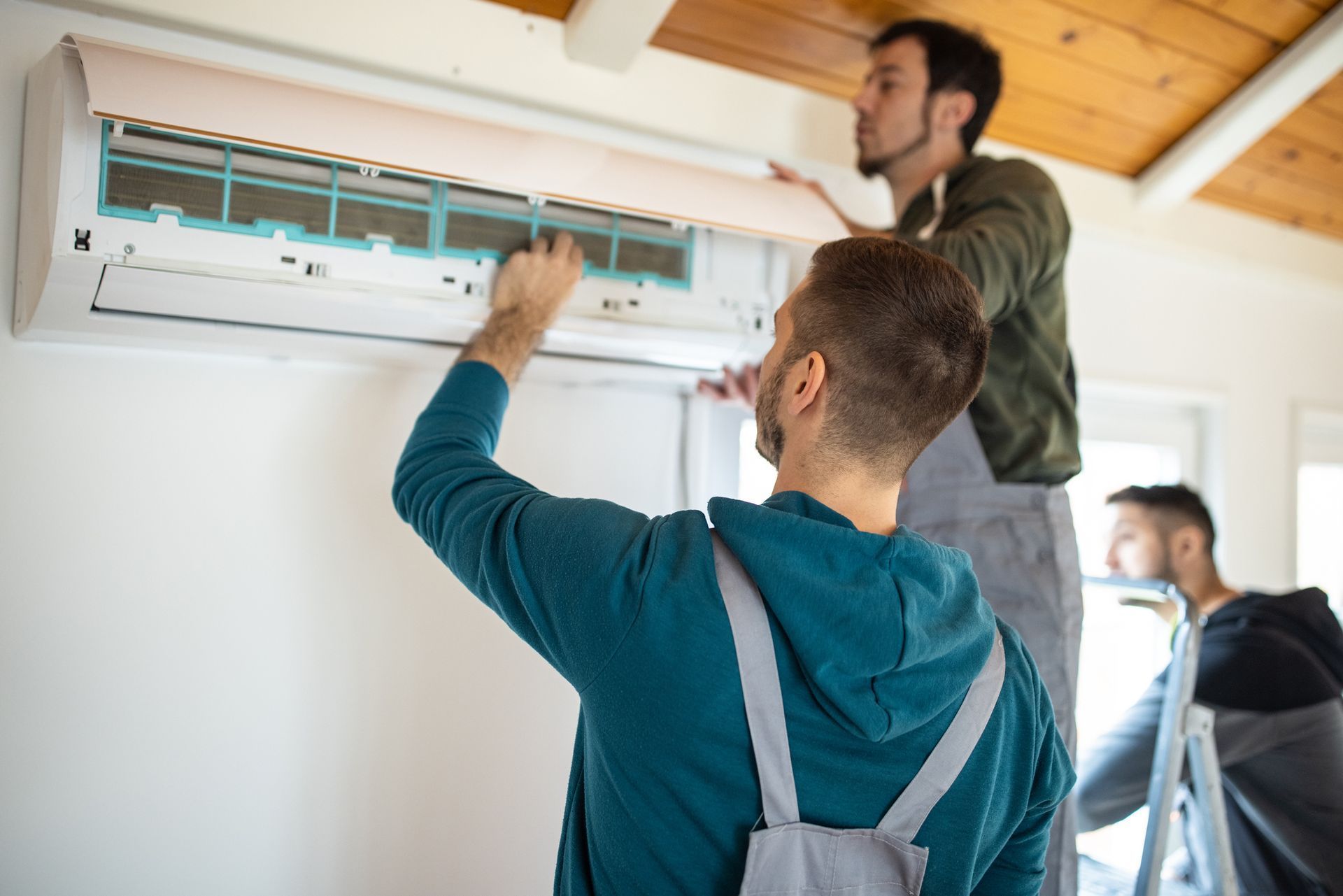
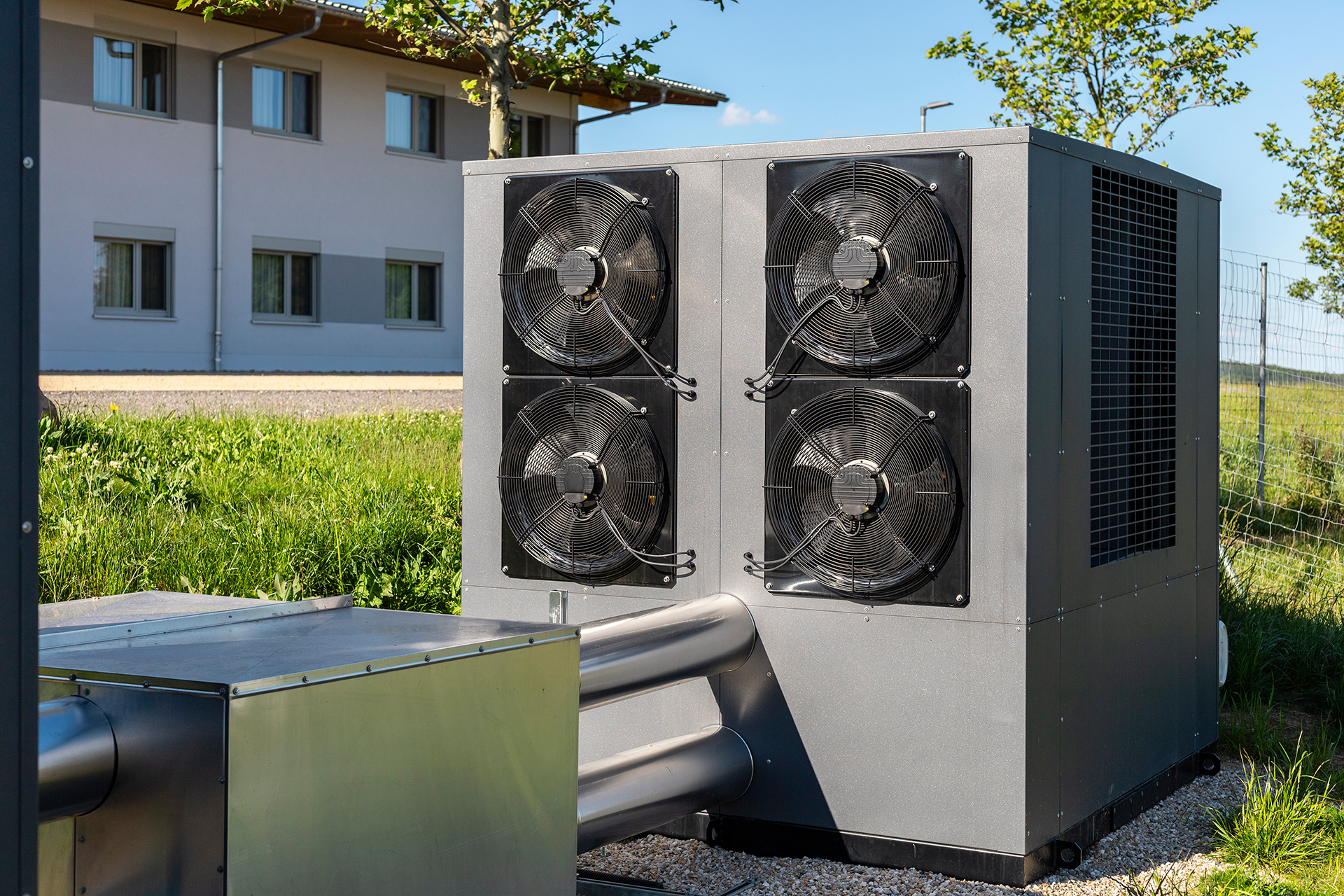
We provide business insurance designed for HVAC contractors. These policies protect your crew, vehicles, and tools while helping you meet project requirements. Every policy is explained clearly and delivered quickly so you can work without delays.

Resources
Insurance Tips for HVAC Contractors
Our blog is built for contractors who want fast answers. Each article covers common questions and risks in under five minutes of reading.


Frequently Asked Question
Common HVAC Contractor Insurance Questions
These FAQs address common contractor questions. As HVACInsure grows, we will update this section with real client experiences and answers.
Why should an HVAC contractor use HVACInsure instead of a general agency?
Specialists understand jobsite requirements, certificate wording, and common endorsements for HVAC work. You get cleaner paperwork, faster approvals, and coverage that fits how your crews operate.
This reduces delays at the gate, avoids gaps, and helps you pass compliance checks the first time.
How fast can I get a Certificate of Insurance (COI)?
Most standard COIs are issued the same business day after binding or updates. If you need additional insured, primary/non-contributory, or waiver language, we prepare it correctly the first time.
Our goal is simple: get your crew on site without paperwork delays.
What coverages do HVAC contractors usually need?
Core policies include General Liability, Commercial Auto, Workers’ Comp, Property/Tools, Inland Marine, and Umbrella. Many projects require higher limits and specific endorsements.
We align your coverage with contract terms and explain each choice in plain language.
Will my tools and scheduled equipment be covered in vans or on jobsites?
Yes. Inland Marine (tools and equipment) can cover items in transit, stored in vehicles, or staged on site.
High-value items can be scheduled, and limits can match your daily field use to keep work moving.
Can I lower my premium without weakening protection?
Often, yes. Clean driver lists, accurate payrolls, safety programs, and bundling policies can help.
We review your profile, request carrier credits, and adjust limits and deductibles to control cost while meeting project requirements.
What should I do after a loss?
Contact us right away so we can file with the correct carrier and set expectations. We guide documentation, next steps, and follow-ups until closure.
Fast reporting and clear records help resolve claims sooner and keep your team focused on work.

Still have questions?
Can’t find the answer you’re looking for? Please chat to our friendly team!
Contact Us