Ohio Hydronic & High-Efficiency Heating Technician Insurance
or call us: 888-862-1202
A single leaking boiler loop in a Columbus office tower or a miswired high-efficiency furnace in a Dayton bungalow can turn a profitable job into a costly insurance claim before the truck leaves the driveway. Ohio’s Heating and Air Conditioning Contractors industry is projected to reach 4.2 billion dollars in revenue in the next few years, with 3,026 establishments employing 17,921 people, which means more jobs, more crews, and more potential exposure for hydronic and high-efficiency heating specialists across the state IBISWorld industry report.
Why specialized insurance matters for Ohio hydronic and high-efficiency heating techs
Most generic contractor insurance policies are written with basic split-system installs and light service work in mind. Hydronic systems, radiant floors, high-efficiency condensing equipment, and complex controls bring a very different mix of risk. Water damage, mold, long run times, tight envelopes, and expensive equipment create claim scenarios that look nothing like a simple swap-out of a standard furnace.
In Ohio, many hydronic and high-efficiency technicians work in older housing stock and mixed-use buildings where plumbing, electrical, and HVAC systems overlap in tight spaces. One small mistake in design, piping, or venting can affect multiple units or tenants. Insurance that is not built with these realities in mind can leave large gaps, especially around professional advice, faulty workmanship exclusions, and property damage to the client’s building.
On top of that, the cost of equipment and skilled labor continues to climb. Industry experts note that inflation in both materials and labor has already made accurate damage evaluation critical for fair insurance settlements, because overpayment or underpayment on a single large loss can seriously affect carriers and contractors alike
HVAC industry risk analysis. When jobs involve expensive boilers, pumps, manifolds, and radiant tubing, the stakes are even higher.
HVACInsure is fully licensed and permitted to sell contractor and commercial insurance in Ohio.
We insure HVAC contractors throughout Ohio and in 47 other states, providing compliant, affordable, and comprehensive coverage that meets project and regulatory requirements.
The main risks hydronic and high-efficiency heating technicians face in Ohio
Hydronic and high-efficiency work sits at the intersection of plumbing, HVAC, and occasionally electrical controls. That overlap creates several categories of risk that insurance has to handle well. Some are obvious, like slips or burns on a jobsite. Others hide in design choices, cyber exposure, and even climate trends that affect how often systems run and fail.
Understanding these risks is the first step toward choosing coverage that actually responds when something goes wrong. It also helps explain why certain policies are non‑negotiable for crews that design, install, and service these advanced heating systems across Ohio’s varied climate zones.
Property damage from leaks, bursts, and overheating
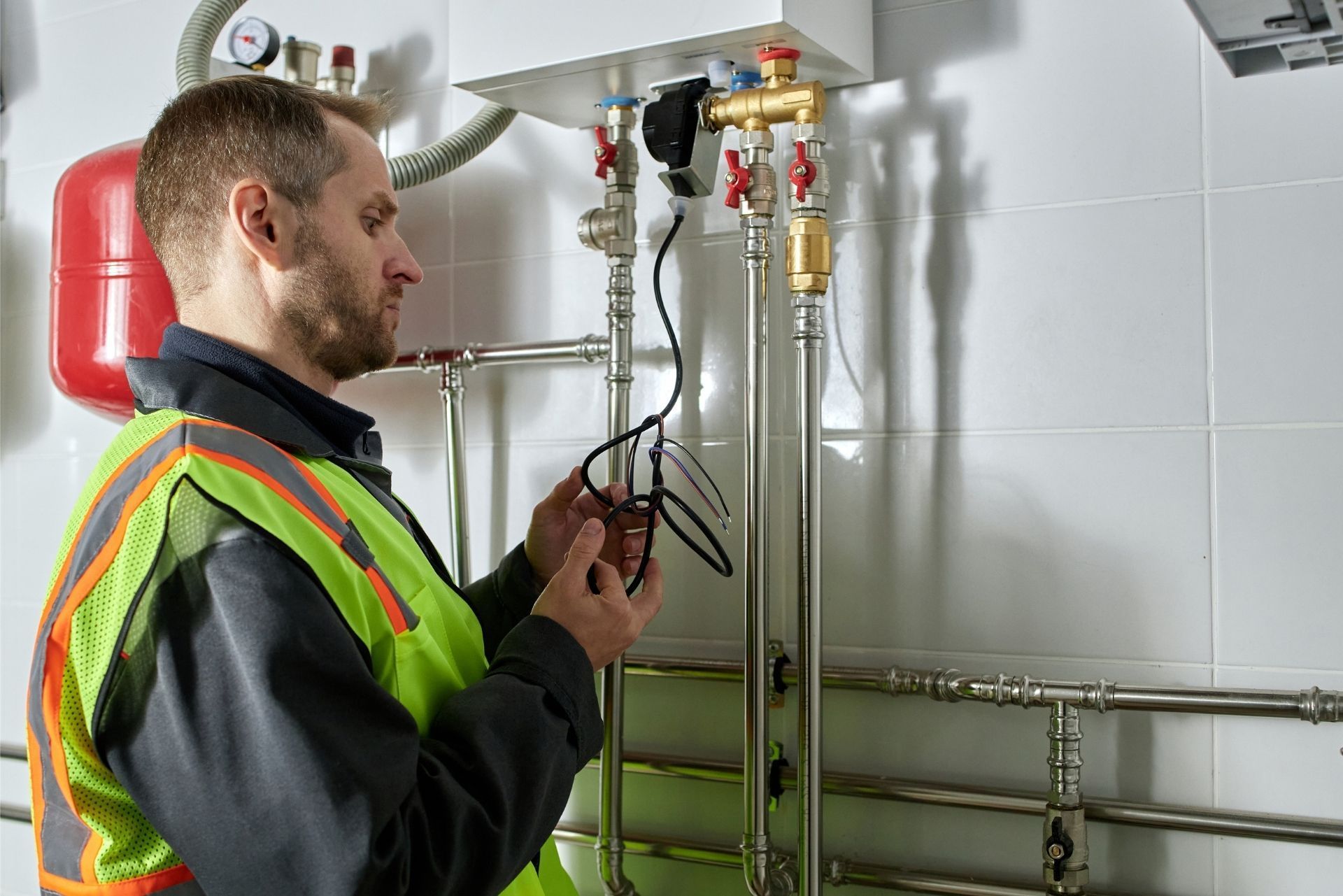
Hydronic systems carry water through living spaces, often under floors or inside walls. A failed fitting, improperly crimped connection, or damaged manifold can release water for hours before anyone notices. Damage to flooring, drywall, cabinets, and even structural framing is common in serious losses. When systems tie into existing plumbing or older cast iron radiators, pressure and temperature swings can expose weak spots and lead to claims the customer blames on the most recent contractor on site.
High-efficiency equipment has its own set of issues. Condensing boilers and furnaces produce condensate that has to be drained correctly. If lines freeze or are routed into the wrong drain, water can back up into equipment or spill into finished spaces. Faulty controls or wiring errors can cause overheating or short cycling, which in turn can damage equipment or surrounding building materials. General liability coverage, property coverage, and sometimes errors and omissions insurance all come into play with these scenarios.
Bodily injury to clients, occupants, and bystanders
Any time technicians work in occupied homes or commercial spaces, there is a chance someone gets hurt. A tripping hazard in a mechanical room, a temporary hole in a floor near a radiant manifold, or a misplaced tool on a stair can lead to injuries and liability claims. With hydronic systems, hot surfaces and exposed piping during construction phases also increase the risk of burns for curious occupants or other trades moving through the space.
There is also long‑term injury risk tied to combustion safety and ventilation. Incorrect venting of high-efficiency furnaces or boilers can lead to carbon monoxide buildup, especially in tight Ohio homes retrofitted for energy efficiency. While building codes aim to reduce this risk, claims tied to alleged improper installation or design can still arise, and they often involve both bodily injury and property damage in the same case.
Damage to your own tools, equipment, and materials
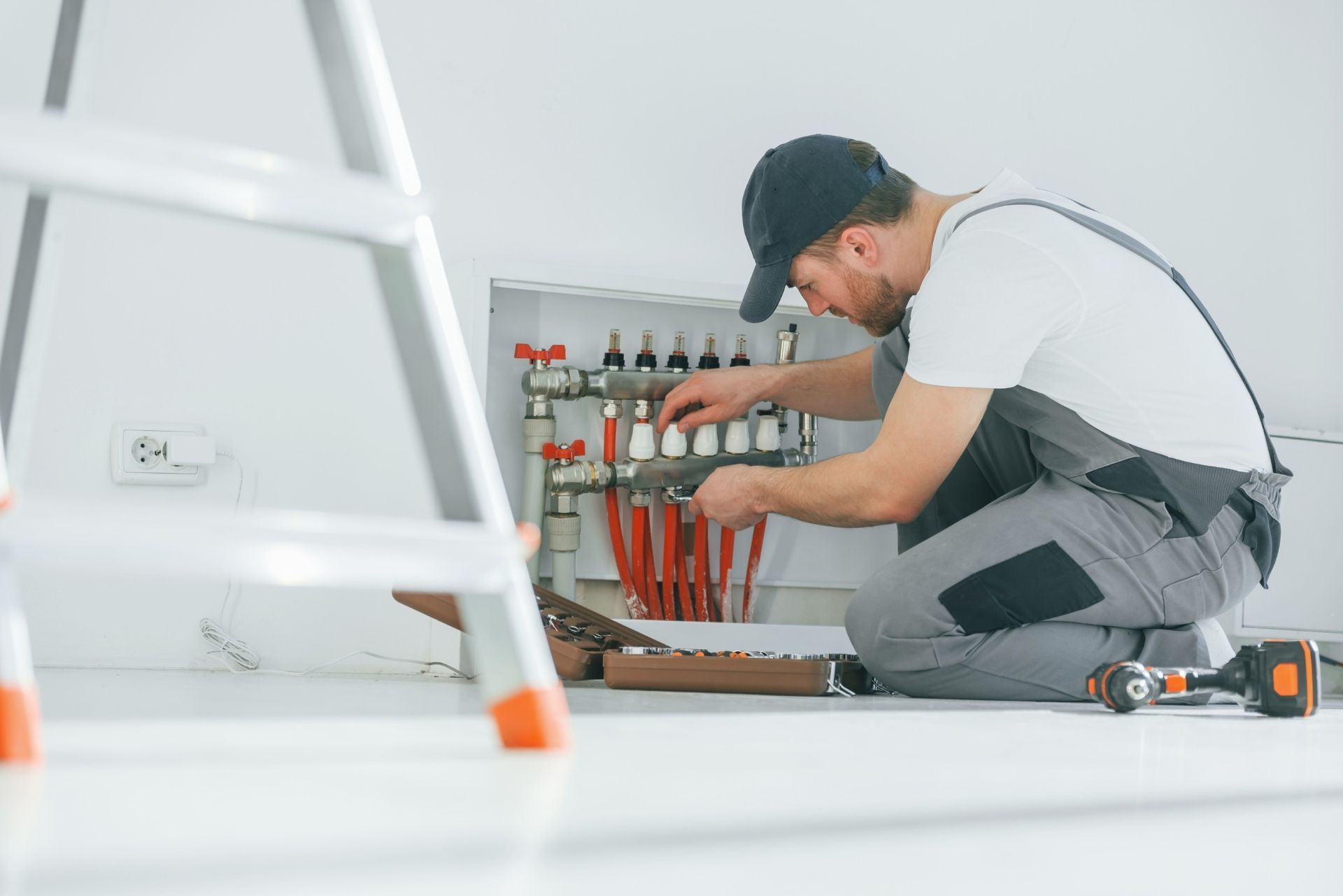
Boilers, buffer tanks, pumps, high-efficiency furnaces, and specialized controls are not cheap. Hydronic and radiant jobs often require staging of materials on site for several days. Theft from vehicles or job trailers, vandalism, and accidental damage while unloading or moving equipment are regular pain points. Standard property insurance on a fixed shop location will not always cover materials in transit or on a jobsite.
Portable tools for press fittings, pipe threading, flushing, and balancing are also expensive and attractive to thieves. Contractors who rely on a small number of specialized tools can lose multiple days of work if a key tool disappears. Inland marine or contractor’s equipment coverage is usually needed to protect these assets while they are on the move or on customer property.
Professional mistakes, design errors, and performance disputes
Hydronic and high-efficiency projects are design intensive. Technicians may size boilers, lay out radiant zones, calculate pump head, or design control strategies that affect comfort and operating costs. If the system underperforms, creates cold spots, short cycles, or drives utility bills higher than expected, clients may argue that the design was flawed rather than simply asking for adjustments.
In those disputes, general liability policies that focus on physical injury or property damage may not respond well to claims of poor advice or economic loss. Professional liability, also called errors and omissions insurance, can help cover situations where a customer alleges that design choices, miscalculations, or system recommendations caused them financial harm, even if no obvious accident occurred.
Cyber and data risks for HVAC businesses
Hydronic and high-efficiency heating contractors are increasingly tied into building automation, remote monitoring, and cloud-based service platforms. Even smaller shops now handle client data, payment information, vendor portals, and email communication that can be targeted by cybercriminals. Business Email Compromise attacks are a growing threat, with more than 21,000 complaints logged in a recent year and reported losses above 2.9 billion dollars, which includes many small and midsize businesses that never expected to be targets Wallace & Turner cyber risk summary.
A spoofed invoice, a compromised email account used to redirect payments, or ransomware that locks up service scheduling software can cripple operations. Even limited data breaches affecting fewer than one thousand records can run into hundreds of thousands of dollars in response costs, legal fees, and customer notification expenses according to recent global breach cost analyses business data breach cost report. Cyber liability coverage is quickly moving from an optional add‑on to a core part of an HVAC insurance program.
Climate trends and increasingly complex insurance modeling
Heating seasons in Ohio are already being affected by shifting weather patterns. Insurers are responding by weaving climate data directly into their financial models, using climate dependent Dynamic Financial Analysis to project how changing conditions could affect claim frequency and severity over time HVAC insurance market outlook. For hydronic and high-efficiency heating systems, that might mean more attention to freeze events, power outages that shut down pumps, and storm driven access problems that delay emergency service.
Insurance carriers are not just looking at average temperatures. They are also tracking extreme swings, precipitation, and regional patterns that can stress systems in unexpected ways. For contractors, that can translate into new underwriting questions, higher deductibles in certain regions, or incentives to adopt better risk management practices tied to weather events.
Core insurance policies Ohio hydronic and high-efficiency heating technicians usually need
While each business is different, most hydronic and high-efficiency heating contractors in Ohio rely on a similar backbone of insurance policies. The details, limits, and endorsements vary, but the building blocks tend to be the same. Getting this foundation right is more important than chasing every possible add‑on.
Below is a quick comparison of common coverage types and how they typically apply to real‑world hydronic and high-efficiency heating work.
| Coverage type | What it protects | Hydronic / high-efficiency example |
|---|---|---|
| General liability | Claims of bodily injury or property damage to others | Radiant loop connection fails and leaks into a finished basement |
| Professional liability (E&O) | Claims tied to advice, design, or system performance | Customer alleges boiler was undersized and sues over cold rooms and lost rent |
| Commercial property | Damage to your shop, office, and stored equipment | Fire in your warehouse damages multiple boilers and manifolds waiting for install |
| Inland marine / contractor’s equipment | Tools and equipment in transit or on jobsites | Press tools and pumps stolen from a job trailer overnight |
| Workers compensation | Employee injuries or illnesses related to work | Installer suffers a back injury while moving a cast iron boiler |
| Commercial auto | Company vehicles and related liability | Tech rear‑ends another driver while hauling a trailer full of radiant supplies |
| Cyber liability | Data breaches, cyberattacks, and digital fraud | Hackers access customer data and email invoices from your compromised account |
General liability for jobsite accidents and water damage
General liability is often the first policy owners think of, and for good reason. It responds when your business is accused of causing physical harm or property damage to others. For hydronic and high-efficiency heating work, that could be as simple as a customer slipping on a wet floor you created while draining a boiler, or as serious as water damage from a failed connection that ruins a client’s newly finished basement.
When reviewing or shopping for coverage, pay attention to exclusions around your work product and damage to property you are working on. Some policies carve out large portions of what hydronic contractors actually do, which can leave thorny gray areas during a claim. It is often worth paying more for a policy with fewer gaps instead of chasing the absolute lowest premium.
Professional liability for design heavy projects
Hydronic and radiant systems often begin on paper or in design software, not at the jobsite. If you size heating loads, specify equipment, or design zoning and controls, you are acting in a professional advisory role. When a customer argues that your design was flawed or that their building never heats evenly, the dispute is less about a single accident and more about overall performance.
Professional liability coverage fills that gap. It can help with legal defense and settlements when clients allege your recommendations or design decisions caused them financial damage. Even contractors who follow manufacturer guidelines and best practices sometimes face claims when an owner’s expectations are out of sync with what the system can realistically deliver.
Property, tools, and inland marine coverage
Shops, warehouses, and offices hold significant value in boilers, pumps, buffer tanks, circulators, manifolds, and controls. Commercial property insurance protects those fixed locations from common hazards like fire, theft, and some types of weather-related damage, subject to policy terms. Because so much hydronic work relies on specialized tools that move from site to site, inland marine or contractor’s equipment coverage is usually needed to cover items off premises.
This type of policy follows your equipment as it rides in trucks, sits in job trailers, and spends days on construction sites. For many hydronic technicians, protecting a handful of high value press tools and diagnostic devices is as important as insuring an entire warehouse full of commodities.
Workers compensation and commercial auto
Workers compensation is required when you have employees, and it is especially important in physically demanding trades. Moving boilers, drilling through concrete, working in cramped mechanical rooms, and navigating icy exterior stairs all carry real injury risk. A solid workers compensation policy helps pay for medical treatment and lost wages while protecting your business from employee injury lawsuits.
Commercial auto coverage handles the vehicles your team uses every day. Vans and trucks that haul boilers, piping, pumps, and tools are business workhorses and major sources of liability. Auto accidents that injure other drivers or damage property can quickly exceed personal policy limits, which is why dedicated commercial coverage and accurate vehicle and driver information are so important.
Cyber liability for connected contractors
Hydronic and high-efficiency heating contractors are not just turning wrenches and pulling wire. Many are logging into remote monitoring portals, cloud-based dispatch systems, and online vendor accounts every day. That digital footprint creates real exposure. Cyber liability insurance is designed to address expenses tied to data breaches, hacking incidents, and fraud like invoice manipulation or fake payment requests.
Some policies also provide access to response teams that can help contain an incident, communicate with affected clients, and restore systems. Given the rising cost of even relatively small breaches, having a dedicated cyber policy is often more cost effective than trying to self‑insure against these growing risks.
Radiant and hydronic specific issues every Ohio technician should consider
Radiant and hydronic heating are no longer niche services. In some regions, installers report that radiant heating is now specified by most contractors in their area, a sign that this once specialized approach has become mainstream in many markets radiant heating technician insights. As demand grows, so do both the volume and complexity of projects, from upscale custom homes to snowmelt systems and mixed-use buildings.
Industry research also shows that radiant heating has experienced an annual growth rate in the mid double digits for several years, driven by interest in energy efficient heating and improved comfort radiant heating market report. In a state with cold winters and older building stock, that trend gives Ohio technicians a strong opportunity, but it also pushes insurance carriers to take a closer look at the unique risks involved in these systems.
Embedded systems and long discovery times
Radiant tubing hides in slabs and under floors where it is hard to inspect once finished surfaces go down. A small nick during installation or a defect in a section of tubing may not show up until months or years later when the system is under stress. Clients might not notice a slow leak right away, but over time it can damage subfloors, framing, and finishes. When the problem finally surfaces, customers often expect the contractor to make everything right, even if the claim is partially about building materials and not just the mechanical system.
Insurers pay attention to these long discovery timelines. Claims that arise years after completion can raise questions about statutes of limitation, completed operations coverage, and how long certain protections remain in force. Contractors who understand and negotiate these terms upfront are better positioned when late emerging issues are discovered.
Snowmelt, boilers, and complex control strategies
Snowmelt systems for driveways, walkways, and entry areas introduce another layer of exposure. Failures or performance problems can lead to slip and fall claims or property damage if melting and refreezing create ice in unexpected areas. Boiler-based systems that serve both space heating and snowmelt increase the number of operating modes and controls that must work together, which can create more points of failure.
Controls that manage outdoor reset, multiple zones, and priority settings are critical in high-efficiency and radiant applications. If controls are programmed incorrectly or fail, customers may experience cold zones, high fuel bills, or comfort complaints that drag on for multiple seasons. Documentation, commissioning checklists, and thorough client handoff can dramatically reduce disputes and strengthen your position if a claim is filed.
How inflation, climate modeling, and advanced insurance tools affect your coverage
Insurance for hydronic and high-efficiency heating technicians is no longer just about counting vans and listing tools. Carriers are using sophisticated models and real world data to predict how claims will develop, especially in an environment where material and labor costs keep climbing. Technical experts stress that rising equipment and labor costs make accurate evaluation of HVAC damage essential, because mistaken estimates can easily lead to overpayment or underpayment that hurts both contractors and insurers on large claims analysis of hidden HVAC risks.
That shared concern shows up in underwriting questions about how you document your work, track costs, and handle change orders. Contractors who keep detailed records, photos, and commissioning reports are often better able to support their numbers during a loss, which can lead to smoother settlements and more favorable treatment over time.
Climate aware pricing and capacity decisions
Insurers are not ignoring climate shifts. A growing body of research is helping them link climate variables to financial outcomes, using tools like climate dependent Dynamic Financial Analysis to test how different weather scenarios could affect claim costs and capital needs climate integrated insurance modeling. For Ohio hydronic and high-efficiency contractors, this can show up as regional differences in pricing or capacity where freeze events, heavy snow, or severe storms are more frequent.
Carriers may also encourage or even require certain loss control practices tied to weather. Examples might include documented freeze protection for systems in unconditioned spaces, backup power recommendations for critical circulation pumps, or customer education about how to operate systems safely during extreme cold snaps.
Parametric concepts and diversification of weather risk
Some insurers and risk managers are also exploring parametric concepts, where payouts are tied to specific weather triggers instead of traditional loss adjustment. Studies of weather linked contracts show that the mismatch between actual losses and contract payouts tends to shrink as the number of contracts grows, which points to diversification as a key lever in managing basis risk across a portfolio weather parametric insurance study.
While parametric tools are still emerging for most contractors, the ideas behind them are already influencing how insurers think. For hydronic and high-efficiency heating technicians, this may eventually translate into new coverage options or endorsements tied to clearly defined weather events, as well as more nuanced pricing where a contractor’s geographic spread of projects and clients becomes a meaningful factor.
Practical steps to build a strong insurance program in Ohio
Choosing coverage is easier when it follows a clear plan rather than a quick renewal conversation. Hydronic and high-efficiency heating work is specialized enough that copying another contractor’s policy can leave serious blind spots. A structured approach helps uncover those gaps before a claim exposes them in a costly way.
Start by mapping your operations in detail. List the services you actually provide, from design and load calculations to installation, service, controls integration, and emergency calls. Include side work like snowmelt systems, commercial boiler rooms, and retrofit projects in older buildings. Each of these brings its own risk profile and may require specific endorsements or limits.
Work with advisors who understand mechanical trades
Insurance is its own technical field, and agents or brokers who specialize in contractors can be invaluable. They can help interpret policy language that affects hydronic work, such as exclusions on faulty workmanship, coverage for completed operations, and where professional services end and manual labor begins. When advisors understand manifolds, condensing boilers, and radiant slabs at a basic level, conversations about real exposures become much more productive.
It is also worth asking how different carriers have historically handled hydronic related claims. Some have stronger experience with water damage, mold, and design disputes than others. That claims track record can matter more than small differences in premium, especially for contractors working on high value properties.
Invest in documentation, training, and risk management
Underwriters and claims adjusters both pay attention to how contractors run their operations. Documented installation standards, pressure testing logs, start up and commissioning checklists, and clear customer signoffs for design choices all strengthen your position if questions arise later. They show that your business takes quality control seriously, not just insurance paperwork.
Training is just as important. Regular refreshers on combustion safety, venting requirements, proper use of press tools, and control programming can reduce the frequency and severity of mistakes. Combining strong documentation with ongoing training sends a clear signal to insurers that your company is a better risk, which can eventually be reflected in pricing and terms.
Review limits, deductibles, and exclusions every year
Equipment and labor costs are moving targets. Limits that made sense several years ago may no longer match the size of your typical projects or the replacement cost of modern high-efficiency systems. Deductibles that once seemed like a smart way to cut premium may now feel too high when multiple smaller claims arise in a short span.
Set aside time each renewal cycle to walk through your policy line by line. Pay particular attention to any new exclusions or endorsements, as carriers occasionally adjust wording to reflect emerging trends. For hydronic and high-efficiency contractors, clauses affecting water damage, mold, pollution, professional services, and cyber incidents are especially important.
Frequently asked questions about Ohio hydronic and high-efficiency heating insurance
Hydronic and high-efficiency heating work raises a lot of practical insurance questions. The answers often depend on your exact role on a project and how your contracts are structured, but some themes come up again and again for Ohio contractors.
Do hydronic and radiant heating installers really need professional liability coverage?
Yes, in many cases. If your business provides design input, sizing, or recommendations on system layout and controls, then claims about poor performance or economic loss can fall outside general liability. Professional liability or errors and omissions coverage is designed to address that advisory role.
Is cyber insurance necessary for a small HVAC or hydronic shop?
It can be. Even small contractors handle email invoices, customer records, and access to vendor portals that cybercriminals target. Given how expensive even limited data breaches and Business Email Compromise incidents can be, a modest cyber policy is often a smart layer of protection relative to its cost.
Does my general liability policy cover water damage from a radiant leak?
Often it does, but the answer depends on how the policy defines your work product, completed operations, and exclusions around property you are working on. Some lower cost policies limit coverage in ways that do not match the realities of hydronic systems, so it is important to review the wording carefully with your insurance advisor.
How does climate risk affect my insurance costs in Ohio?
Insurers are increasingly using climate data to model how extreme cold, storms, and other weather events might affect claim patterns. For contractors, that can lead to regional pricing differences, new loss control requirements, or changes in capacity, especially in areas prone to severe cold snaps or heavy snow.
Will my tools and press equipment be covered if they are stolen from a jobsite?
Standard property policies often only cover items at your primary location. To protect tools and equipment on a jobsite or in transit, you typically need inland marine or contractor’s equipment coverage. It is important to list high value items and understand any sublimits or security requirements that apply.
Do I need different insurance if I start offering snowmelt systems?
Snowmelt systems can increase slip and fall exposure, add complexity to controls, and introduce new ways property can be damaged if the system fails. In most cases, you do not need a separate type of insurance, but your existing policies should be reviewed to make sure they appropriately cover the added risk and any higher project values.
Key takeaways for Ohio hydronic and high-efficiency heating technicians
Hydronic and high-efficiency heating work gives Ohio contractors a strong niche in a competitive HVAC market. The same features that attract customers, like quiet comfort, energy savings, and advanced controls, also create specialized risks that generic contractor insurance does not always handle well. Water in hidden places, complex designs, and increasing reliance on digital tools mean that property, liability, professional, and cyber coverage all have important roles to play.
Cyber incidents, in particular, have become too costly to ignore, with recent analyses showing that even relatively small breaches affecting a limited number of records can cost hundreds of thousands of dollars once legal, technical, and notification expenses are added up data breach cost overview. When those digital exposures are combined with traditional jobsite and design risks, a piecemeal insurance approach is no longer enough.
Contractors who take time to map their operations, work with knowledgeable advisors, invest in documentation and training, and regularly review limits and exclusions are in the best position to protect both their balance sheets and their reputations. Hydronic and high-efficiency heating may be more complex than standard HVAC work, but with a thoughtful insurance strategy, the added complexity does not have to mean added vulnerability.
Recognized by National HVAC Trade Associations
These trusted organizations set best practices and standards that carriers rely on when underwriting HVAC risks.
Membership signifies adherence to HVAC industry standards and contractor best practices.
Coverage for Crews, Vehicles, and Tools
Insurance for HVAC Contractors
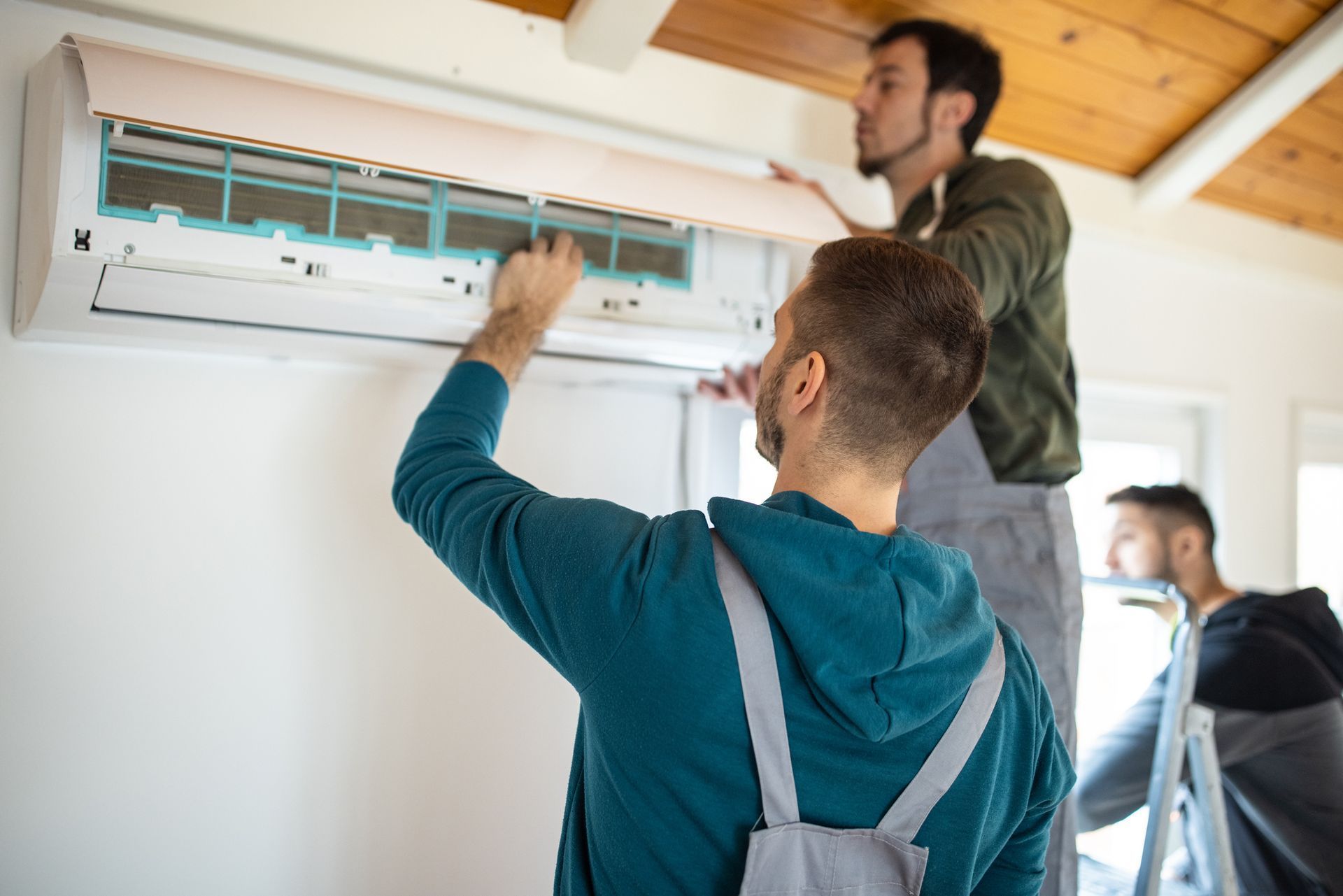
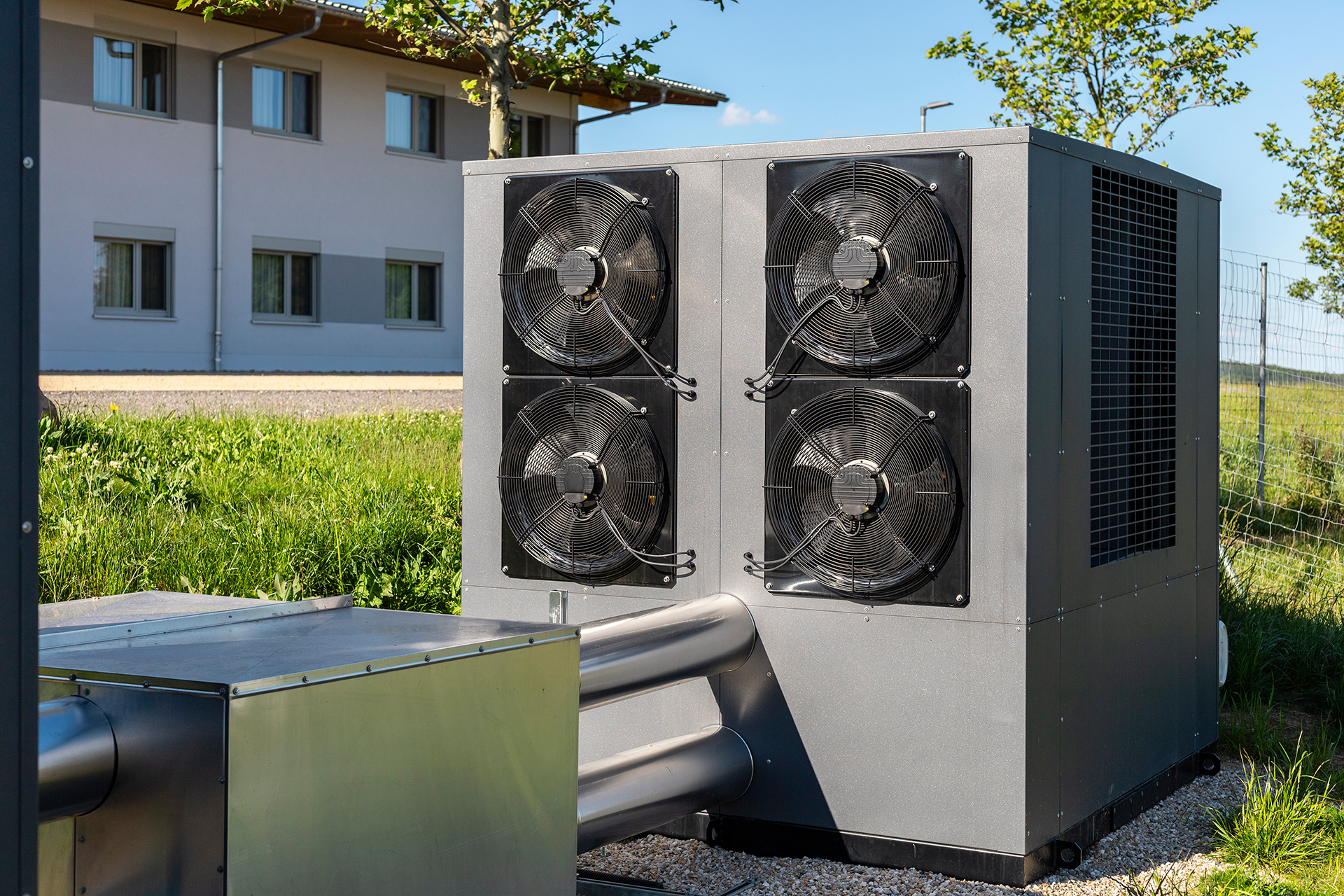
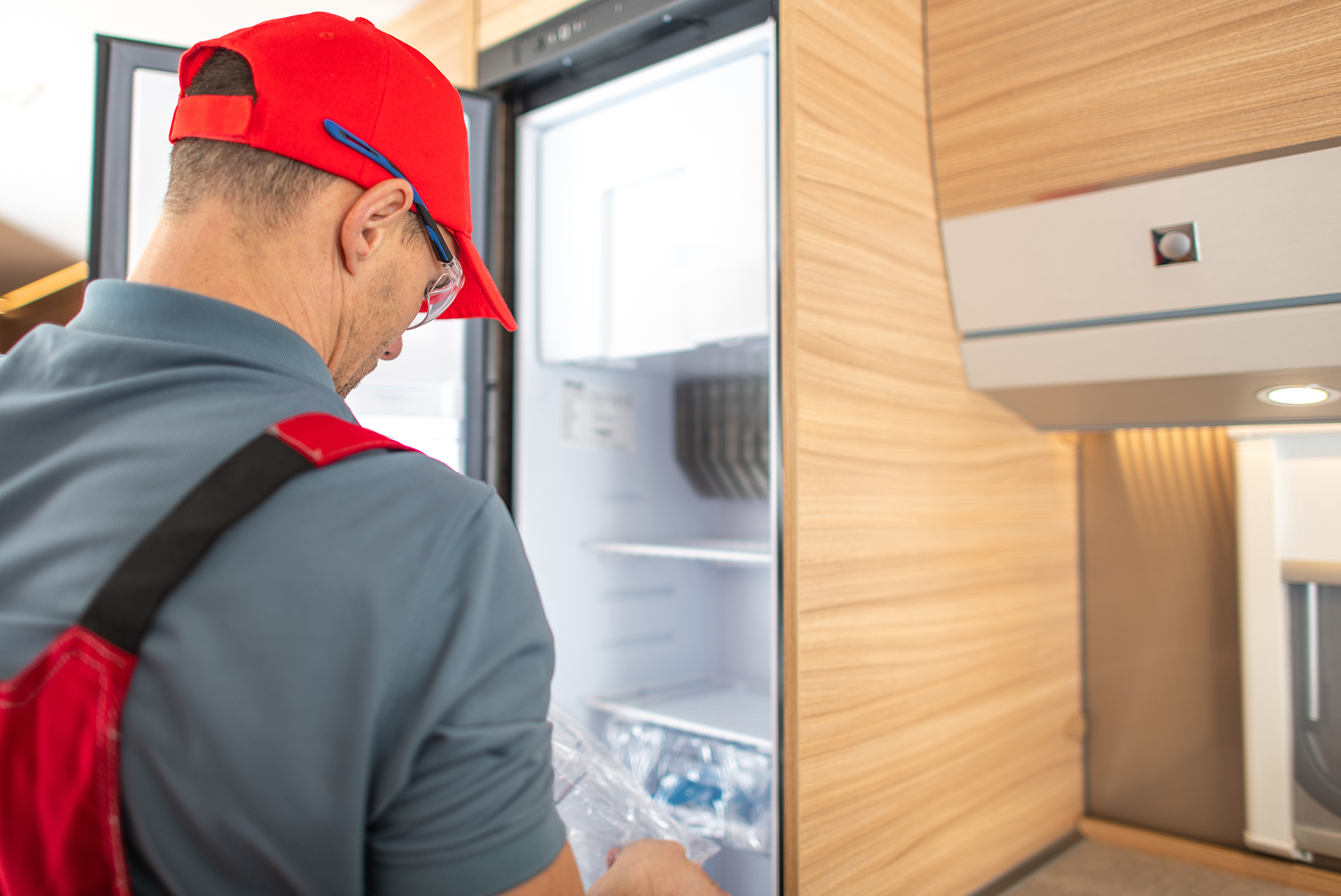
We provide business insurance designed for HVAC contractors. These policies protect your crew, vehicles, and tools while helping you meet project requirements. Every policy is explained clearly and delivered quickly so you can work without delays.
Resources
Insurance Tips for HVAC Contractors
Our blog is built for contractors who want fast answers. Each article covers common questions and risks in under five minutes of reading.


Frequently Asked Question
Common HVAC Contractor Insurance Questions
These FAQs address common contractor questions. As HVACInsure grows, we will update this section with real client experiences and answers.
Why should an HVAC contractor use HVACInsure instead of a general agency?
Specialists understand jobsite requirements, certificate wording, and common endorsements for HVAC work. You get cleaner paperwork, faster approvals, and coverage that fits how your crews operate.
This reduces delays at the gate, avoids gaps, and helps you pass compliance checks the first time.
How fast can I get a Certificate of Insurance (COI)?
Most standard COIs are issued the same business day after binding or updates. If you need additional insured, primary/non-contributory, or waiver language, we prepare it correctly the first time.
Our goal is simple: get your crew on site without paperwork delays.
What coverages do HVAC contractors usually need?
Core policies include General Liability, Commercial Auto, Workers’ Comp, Property/Tools, Inland Marine, and Umbrella. Many projects require higher limits and specific endorsements.
We align your coverage with contract terms and explain each choice in plain language.
Will my tools and scheduled equipment be covered in vans or on jobsites?
Yes. Inland Marine (tools and equipment) can cover items in transit, stored in vehicles, or staged on site.
High-value items can be scheduled, and limits can match your daily field use to keep work moving.
Can I lower my premium without weakening protection?
Often, yes. Clean driver lists, accurate payrolls, safety programs, and bundling policies can help.
We review your profile, request carrier credits, and adjust limits and deductibles to control cost while meeting project requirements.
What should I do after a loss?
Contact us right away so we can file with the correct carrier and set expectations. We guide documentation, next steps, and follow-ups until closure.
Fast reporting and clear records help resolve claims sooner and keep your team focused on work.

Still have questions?
Can’t find the answer you’re looking for? Please chat to our friendly team!
Contact Us