New Jersey Emergency HVAC Repair Contractor Liability Insurance
or call us: 888-862-1202
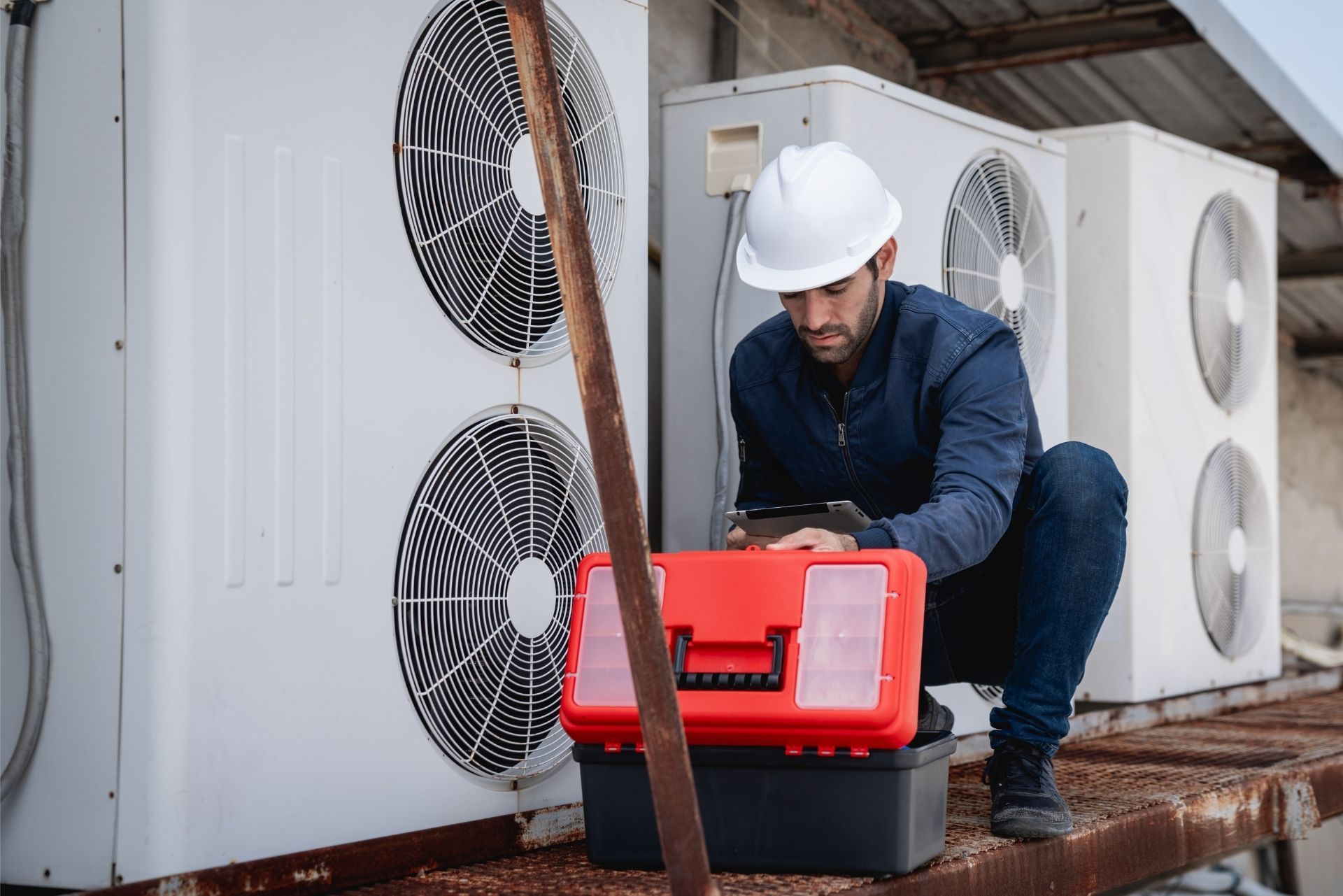
A flooded basement on a January weekend, a rooftop unit sparking in the middle of the night, or a blower failure at a medical office can turn into a high-stress emergency call for a New Jersey HVAC contractor. The pressure to move fast is intense. So is the risk of making a mistake that leads to property damage or injury. As specialists in this space remind contractors, a worker can hurt their back lifting a heavy unit, or an air conditioner can leak and destroy a client’s flooring, all during what seemed like a routine service call according to HVAC insurance experts. Emergency HVAC work combines technical complexity, tight timelines, and harsh conditions, which is exactly why liability insurance is not just a formality but a core part of running the business.
Why Emergency HVAC Work Carries Serious Liability In New Jersey
Emergency repair calls look very different from scheduled maintenance visits. Crews often walk into unfamiliar buildings under time pressure, with anxious property owners watching every move. Snow, ice, rain, or heat waves only add to the difficulty. In those conditions, a small misstep, like a hastily placed ladder or a drip pan that is not secured, can quickly become a claim for injuries or water damage.
The broader HVAC industry is also seeing a shift in the kinds of losses that turn into insurance battles. Recent claims analysis found that a significant share of HVAC and refrigeration equipment losses stemmed from causes that standard policies often exclude, and that pattern has held across recent reporting years based on HVAC equipment claims studies. For emergency HVAC contractors, that trend raises an important question. It is no longer enough to assume that every mishap will fit neatly into a general liability policy. The exact wording of exclusions and endorsements suddenly matters just as much as the quality of the work on site.
New Jersey adds an extra layer of exposure, because contractors operate in a dense, highly regulated state with older housing stock, complex commercial buildings, frequent condominium and townhouse developments, and demanding building owners. A refrigerant leak or condensate overflow in a multi unit property can affect several units and multiple association policies. When emergency technicians are working in tight spaces above finished ceilings, near electrical systems, or around stored inventory, the chance that something goes wrong is real, and the dollar value of resulting claims can escalate quickly.
HVACInsure is fully licensed and permitted to sell contractor and commercial insurance in New Jersey.
We insure HVAC contractors throughout New Jersey and in 47 other states, providing compliant, affordable, and comprehensive coverage that meets project and regulatory requirements.
What General Liability Insurance Actually Covers For Emergency HVAC Contractors
General liability is the foundation of protection for an emergency HVAC business. It is designed to respond when the business is accused of causing property damage or bodily injury to others. For example, if a technician accidentally cracks a condensate line during an emergency repair, and water soaks a client’s wood floors, that is the kind of situation this coverage is meant to handle. The same goes for a customer tripping over tools or a drop cloth and getting hurt while the crew is working.
Contractors often wonder what this protection might cost relative to their revenue. Industry benchmarks suggest that HVAC liability insurance premiums commonly fall within a small slice of a contractor’s annual gross revenue, rather than eating up the entire budget, with typical ranges highlighted by market analysts who track contractor policies in HVAC liability premium studies. For many emergency HVAC businesses, that trade off looks reasonable when compared with the potential cost of a single serious property damage or injury claim.
General liability is only one piece of the puzzle, though. Emergency HVAC contractors frequently need additional coverages, such as commercial auto for the vans and trucks that carry technicians and equipment, inland marine or equipment floater policies for tools, and workers compensation for employee injuries. Errors and omissions coverage can also be important when design or sizing recommendations are part of the service. Still, general liability is often the contract requirement that property managers, general contractors, and building owners ask to see first, which makes it the cornerstone of the insurance program.
| Risk scenario | Primary coverage that responds | Typical example in emergency HVAC work |
|---|---|---|
| Client’s property is damaged during a repair | General liability | Technician accidentally causes a leak that damages flooring or ceilings |
| Customer or visitor is injured | General liability | Building resident slips on water near the work area and is hurt |
| Employee is injured on the job | Workers compensation | Technician strains their back lifting a rooftop unit during an emergency call |
| Specialized tools or equipment are damaged or stolen | Equipment floater or inland marine | Recovery unit, meters, or hand tools are stolen from a job site |
| Allegations of improper installation or design error | Errors and omissions or professional liability | Client claims a system sized or configured by the contractor never functioned properlyand vandalism |
New Jersey Specific Rules, Minimum Limits, And Licensing Issues
New Jersey treats HVAC work as a regulated trade, which means insurance is directly tied to licensing. Contractors who want to operate legally need to show proof of liability coverage that meets the state’s threshold. This is not just an industry recommendation. It is a statutory requirement that regulators check when issuing or renewing licenses for heating, ventilation, and air conditioning professionals.
As part of that license process, New Jersey rules call for HVAC contractors to maintain at least a set minimum of general liability coverage, and industry guidance commonly cites the figure built into those licensing criteria according to New Jersey HVAC insurance advisors. Contractors who fall below that minimum or allow a policy to lapse risk more than just uncovered claims. They can face license issues, stop work orders, or lost contracts when property managers and general contractors verify certificates of insurance.
Emergency HVAC specialists often choose to carry limits higher than the bare minimum, especially when they work on large commercial buildings, hospitals, schools, or multi family properties. These jobs can involve more complex systems, higher property values, and stricter contract language. Many property owners will not sign a service agreement or allow a contractor to handle emergency calls unless the certificate of insurance shows robust general liability limits, strong auto coverage, and evidence of workers compensation. So, while the state sets the floor, the local market frequently pushes serious contractors to build more substantial protection.
Why HVAC Insurance Costs Are Rising And How New Jersey Contractors Can Respond
Many New Jersey HVAC contractors have felt their insurance invoices climb over recent renewal cycles. That trend is not random. Local risk pools have seen claims becoming more severe, especially for contractors and public entities. One regional risk management consortium reported that claims development for covered members has grown significantly over the past decade, with the average cost of each claim also rising sharply across that same span according to New Jersey claims trend data. When the cost of settling or defending claims rises, insurers pass some of that increase on to policyholders in the form of higher premiums and tighter underwriting.
Emergency HVAC work amplifies these pressures. Claims tied to water leaks, mold allegations, electrical damage, or improper condensate drainage can be expensive to investigate and fix. When multiple condo units or commercial tenants are involved, disagreements over who is responsible for damage can lead to prolonged disputes. Insurers examine these patterns and often respond by refining exclusions, imposing higher deductibles for certain kinds of water or mold claims, or requiring more detailed documentation from contractors.
There are practical steps emergency HVAC contractors can take to keep coverage affordable even in this environment. Clear job documentation, including before and after photos, written notes on system condition when the crew arrived, and signed work authorizations, can make it easier for insurers to defend or settle claims efficiently. Formal safety programs, training on ladder use and lifting, leak detection procedures, and lockout tagout protocols also help. Some carriers provide credits for strong risk management or clean loss histories, and brokers can often negotiate better terms when they can show that a contractor is serious about preventing claims rather than just relying on insurance when something goes wrong.
Understanding Claims Exclusions And Closing Coverage Gaps
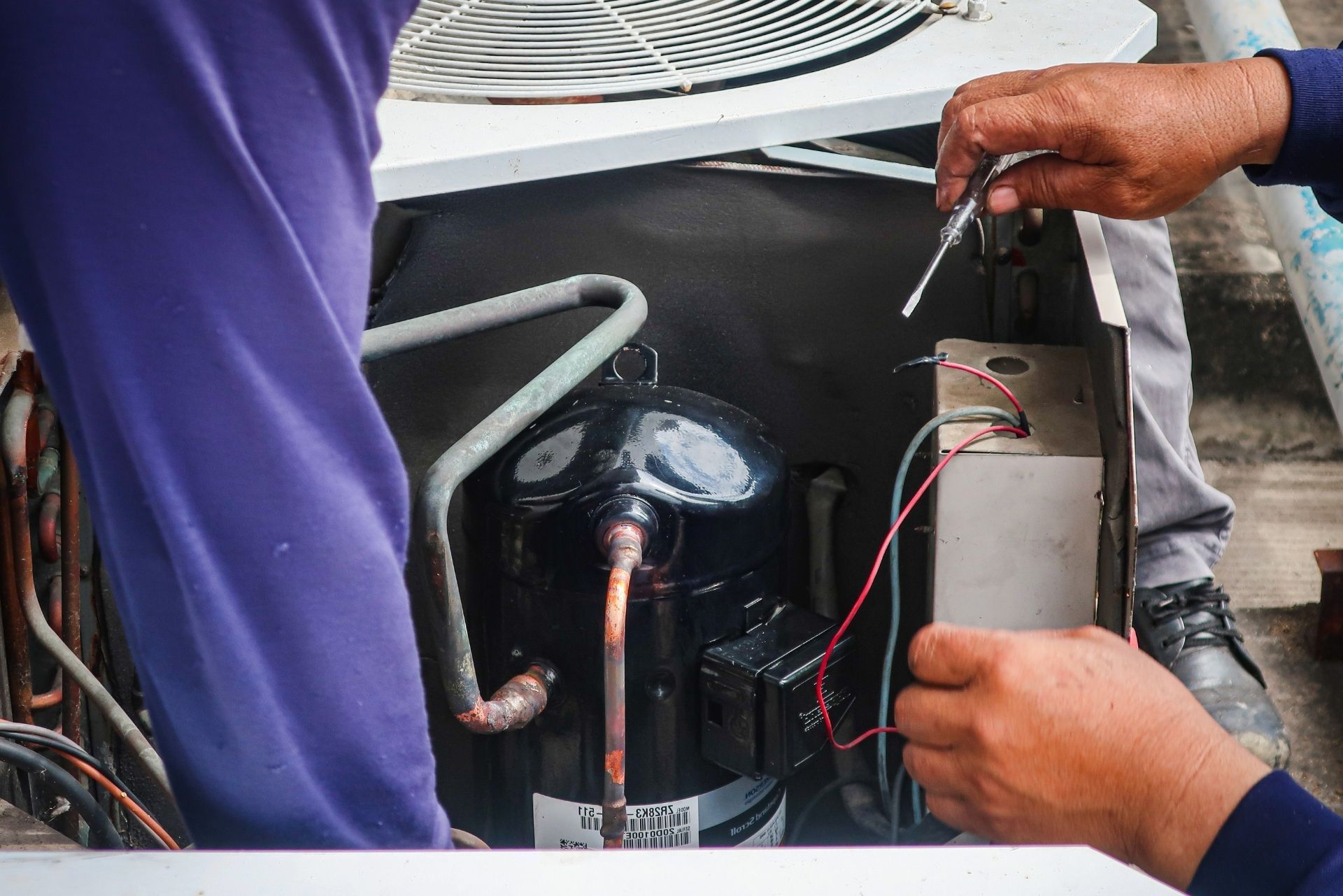
The headline coverage in an insurance policy is only part of the story. Exclusions, definitions, and endorsements can make the difference between a fully covered loss and a claim denial. For emergency HVAC contractors, water, refrigerant, mold, and electrical issues are frequent sources of customer complaints, but not every cause of loss fits neatly inside standard policy language.
Industry level claim reviews have highlighted that a significant portion of HVAC and refrigeration equipment losses arise from causes that ordinary policies tend to exclude, including maintenance issues, wear and tear, and long term deterioration of equipment rather than sudden accidental events based on HVAC equipment claims research. For an emergency HVAC contractor, that means a system failure that leads to a late night service call might be tied to conditions that developed over many months. When damage happens under those circumstances, there can be disputes about whether the incident is a covered accident or a non covered maintenance problem.
To reduce surprises, contractors should sit down with a knowledgeable advisor or broker and walk through the details of their policies. Key areas to review include water damage exclusions, sub limits for mold or fungi, treatment of faulty workmanship or faulty materials, and any special endorsements related to condos, townhouses, or multi family buildings. It can also be helpful to look at how the policy defines an occurrence, which can matter when several units or multiple property owners are affected by a single leak or equipment failure. Adjusting coverage before a loss, rather than after a denial, is usually far more cost effective.
Building A Strong Liability Insurance Program For Emergency HVAC Work
Emergency HVAC contractors in New Jersey typically need a layered set of protections that work together. General liability addresses claims from clients and third parties who say the contractor caused property damage or bodily injury. Workers compensation pays for medical care and lost wages when employees are injured on the job. Commercial auto covers the vehicles used to travel to emergency calls and can also respond to some types of liability arising from accidents involving those vehicles.
Beyond those basics, contractors often consider umbrella or excess liability to increase their overall limits. This can be especially important when bidding on larger commercial or institutional work, where contracts may require evidence of higher combined limits. Professional liability or errors and omissions is valuable when the contractor offers design build services, system sizing recommendations, or consultative work on complex mechanical systems. Employment practices liability may also be worth exploring for larger shops that have office staff, dispatchers, or multiple crews.
A practical way to think about the insurance program is to map it directly to real world emergency scenarios. For example, imagine a technician responding to a no heat call at a commercial strip center on a winter night. The crew uses a ladder in an icy parking lot, carries tools across polished tile, and opens ceiling tiles above stocked retail shelves. At each step, ask which coverage would respond if a fall occurred, an inventory shelf collapsed, a customer slipped, or electrical components shorted out. Gaps become obvious when framed in this concrete way.
| Program element | Main purpose | Why it matters for emergency HVAC |
|---|---|---|
| General liability | Protects against claims of property damage or bodily injury to others | Responds when work allegedly causes water damage, fire, or customer injuries |
| Workers compensation is injured | Covers employee injuries and related costs | Important when crews lift heavy equipment, climb ladders, or work in harsh weather |
| Commercial auto | Covers liability and damage involving work vehicles mpensation | Critical for contractors driving frequently to urgent calls across New Jersey |
| Umbrella or excess liability | Provides extra liability limits above primary policies | Helps meet contract requirements and protect against larger lawsuits |
| Professional liability | Addresses claims of design, advice, or installation errors | Useful when recommending system designs, capacities, or configurations |
Frequently Asked Questions For New Jersey Emergency HVAC Contractors
Is general liability insurance legally required for New Jersey HVAC contractors?
Liability coverage is tied directly to licensing requirements in New Jersey, so contractors must carry at least the level of general liability protection set out in state rules to maintain an active license. Without proper coverage, a contractor can face licensing issues and may not be able to pull permits or legally advertise services.
How much liability insurance should an emergency HVAC contractor consider beyond the state minimum?
The right amount depends on the type of work, average job size, and the kinds of properties served. Contractors who handle commercial buildings, healthcare facilities, or multi family properties often choose higher limits than the minimum to satisfy client contracts and protect against larger potential claims.
Does general liability cover damage from long term leaks or poor maintenance discovered during an emergency call?
Many policies focus on sudden and accidental events, and may limit or exclude losses tied to wear and tear, gradually developing leaks, or maintenance problems. That is why it is important to review exclusions and discuss long term leak and water damage scenarios with an insurance professional.
Are injuries to technicians during emergency calls covered under general liability?
Employee injuries are usually handled by workers compensation, not general liability. General liability addresses injuries to customers, building occupants, or visitors, while workers compensation is designed for employees who get hurt while doing their job.
What documentation should crews keep after an emergency HVAC call for insurance purposes?
Before and after photos, detailed notes on the condition of equipment on arrival, descriptions of work performed, and signed work orders or acknowledgments can all support the contractor if a claim arises later. Strong documentation can speed up claim resolution and help avoid disputes about what actually happened.
Can a landlord or property manager require higher insurance limits than New Jersey’s licensing minimum?
Yes, contracts can and often do require higher limits than the legal minimum. Property managers, landlords, and general contractors may insist on higher general liability and umbrella limits before adding an HVAC contractor to an approved vendor list or awarding an emergency service agreement.
Final Thoughts For New Jersey Emergency HVAC Contractors
Emergency HVAC work in New Jersey offers steady demand, but it also pushes contractors into high stakes environments where the margin for error feels thin. In this setting, liability insurance is not just a box on a licensing form. It is a financial backstop, a contract requirement, and a critical part of protecting the business, employees, and personal assets of the owners. The rising severity of claims and the growing share of losses tied to excluded causes show that relying on old assumptions about what a policy covers can be risky.
Claims handling and legal defense are just as important as the coverage limits printed on a certificate. Legal commentators emphasize that insurers have duties to defend policyholders promptly, and a notable case involving construction defects highlighted how courts can interpret those duties in ways that benefit contractors when policies are written correctly according to insurance coverage specialists. For emergency HVAC contractors, that means choosing carriers and policy wording that will stand up when a customer lawsuit lands on the desk, not just when everything goes smoothly.
By understanding how liability coverage works, paying close attention to exclusions, meeting or exceeding New Jersey’s licensing requirements, and investing in documentation and safety, emergency HVAC contractors can keep their focus where it belongs. When the phone rings on a freezing night or during a heat wave, crews can head to the job knowing that the business has a thoughtful insurance strategy behind it, ready to respond if something goes wrong.
Recognized by National HVAC Trade Associations
These trusted organizations set best practices and standards that carriers rely on when underwriting HVAC risks.
Membership signifies adherence to HVAC industry standards and contractor best practices.
Coverage for Crews, Vehicles, and Tools
Insurance for HVAC Contractors
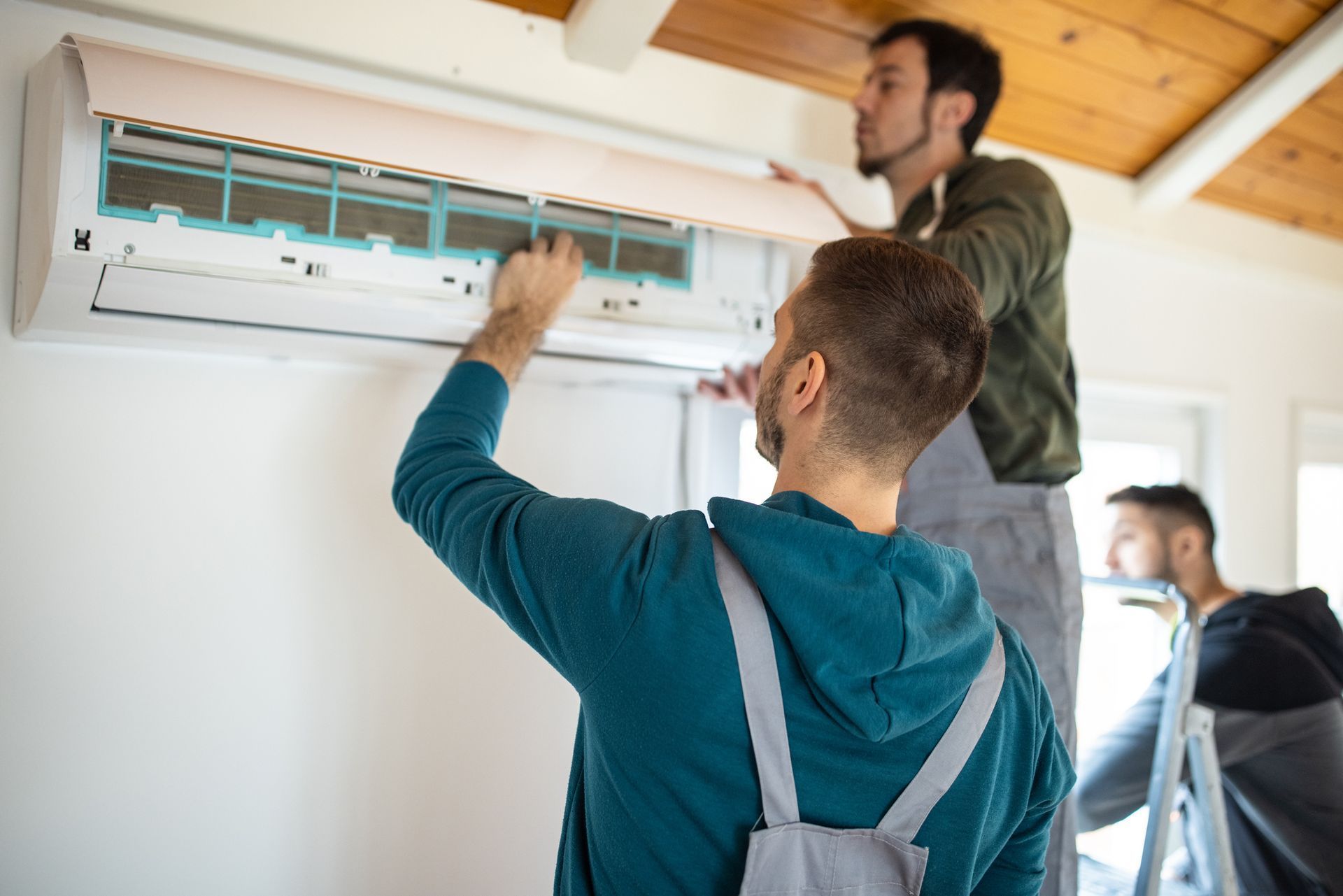
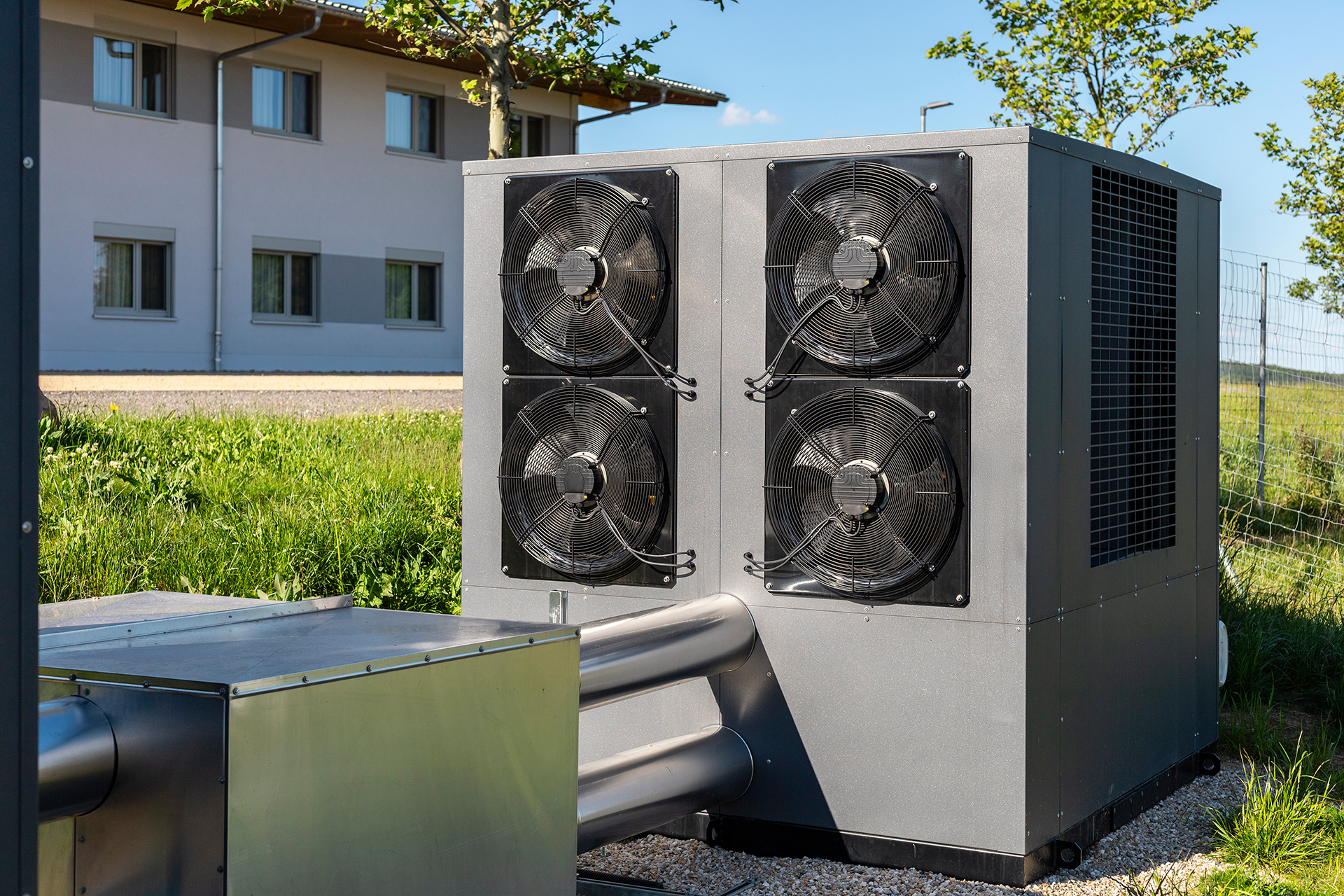
We provide business insurance designed for HVAC contractors. These policies protect your crew, vehicles, and tools while helping you meet project requirements. Every policy is explained clearly and delivered quickly so you can work without delays.

Resources
Insurance Tips for HVAC Contractors
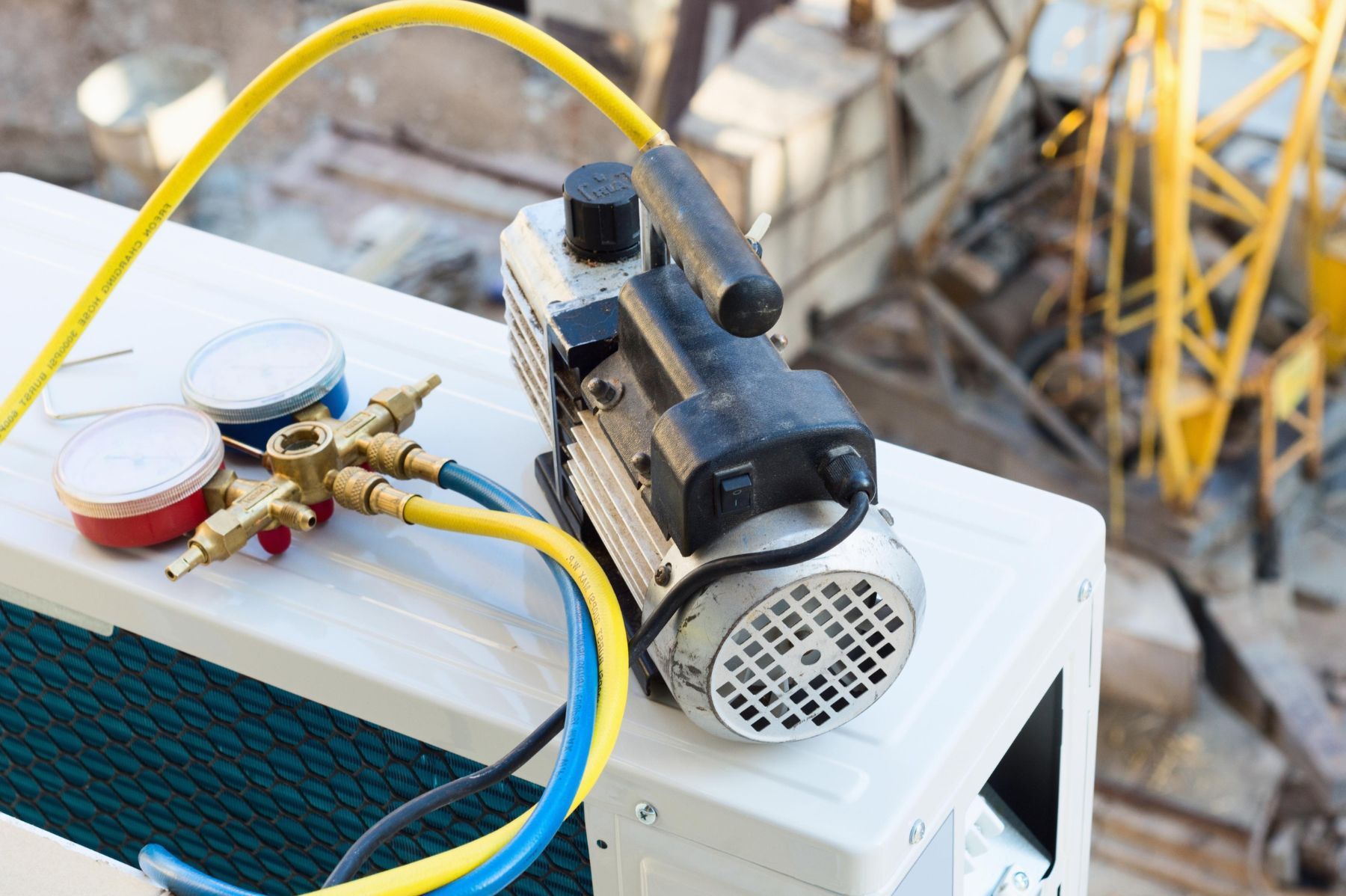
Our blog is built for contractors who want fast answers. Each article covers common questions and risks in under five minutes of reading.


Frequently Asked Question
Common HVAC Contractor Insurance Questions
These FAQs address common contractor questions. As HVACInsure grows, we will update this section with real client experiences and answers.
Why should an HVAC contractor use HVACInsure instead of a general agency?
Specialists understand jobsite requirements, certificate wording, and common endorsements for HVAC work. You get cleaner paperwork, faster approvals, and coverage that fits how your crews operate.
This reduces delays at the gate, avoids gaps, and helps you pass compliance checks the first time.
How fast can I get a Certificate of Insurance (COI)?
Most standard COIs are issued the same business day after binding or updates. If you need additional insured, primary/non-contributory, or waiver language, we prepare it correctly the first time.
Our goal is simple: get your crew on site without paperwork delays.
What coverages do HVAC contractors usually need?
Core policies include General Liability, Commercial Auto, Workers’ Comp, Property/Tools, Inland Marine, and Umbrella. Many projects require higher limits and specific endorsements.
We align your coverage with contract terms and explain each choice in plain language.
Will my tools and scheduled equipment be covered in vans or on jobsites?
Yes. Inland Marine (tools and equipment) can cover items in transit, stored in vehicles, or staged on site.
High-value items can be scheduled, and limits can match your daily field use to keep work moving.
Can I lower my premium without weakening protection?
Often, yes. Clean driver lists, accurate payrolls, safety programs, and bundling policies can help.
We review your profile, request carrier credits, and adjust limits and deductibles to control cost while meeting project requirements.
What should I do after a loss?
Contact us right away so we can file with the correct carrier and set expectations. We guide documentation, next steps, and follow-ups until closure.
Fast reporting and clear records help resolve claims sooner and keep your team focused on work.

Still have questions?
Can’t find the answer you’re looking for? Please chat to our friendly team!
Contact Us